Support

Tunis

About

Tunis is the vibrant and sprawling capital of Tunisia, situated in the northern part of the country along the shores of the Lake of Tunis. Just a short distance from the Mediterranean Sea's Gulf of Tunis, this city serves as a fascinating bridge between the Arab and European worlds. It is a place where distinct eras coexist, offering visitors a unique blend of ancient traditions and modern vitality.

With a population of over 1 million inhabitants, Tunis is the economic and cultural heartbeat of the nation. The city is characterized by its diverse architecture and atmosphere, transitioning from the wide, tree-lined avenues of the French colonial "Ville Nouvelle" to the intricate, winding alleyways of the old district. The climate is typically Mediterranean, featuring hot, dry summers and mild winters, making it a pleasant destination year-round.

Tunis. Source: Kupi.Binoculars

The city boasts a rich heritage that has been shaped by various civilizations over millennia. Delving into the history of Tunis reveals a tapestry woven with Punic, Roman, Arab, and Ottoman influences. This deep historical depth is most visible in the Medina of Tunis, a UNESCO World Heritage site filled with bustling souks, historic mosques, and residential palaces.

Beyond the city center, travelers are often drawn to the nearby legendary ruins of Carthage, which offer a glimpse into the ancient world. Another highlight is the world-renowned Bardo National Museum, home to one of the largest collections of Roman mosaics in existence. Whether you are exploring ancient sites or enjoying the local cuisine in a lively cafe, Tunis promises an unforgettable travel experience.

Weather Overview

Tunis enjoys a warm Mediterranean climate, characterized by hot, dry summers and mild winters. The city experiences distinct seasons, making it a year-round destination, though the atmosphere changes significantly depending on when you visit. For a more detailed breakdown of monthly temperatures and precipitation, you can check the weather in Tunis to help plan your trip effectively.

During the peak summer months of July and August, temperatures can soar, with average highs reaching around 33.8°C and virtually no rainfall. In contrast, the winter season from December to February is much cooler, with average lows dipping to approximately 8.8°C. While precipitation volume remains generally low throughout the year, the winter months do see an increase in wet days, particularly in November and December.

Interesting Facts

Beyond the main attractions, Tunis holds many fascinating secrets and historical layers that often escape the casual observer. From architectural recycling to unexpected green spaces, the city offers curious details for those who look closely.
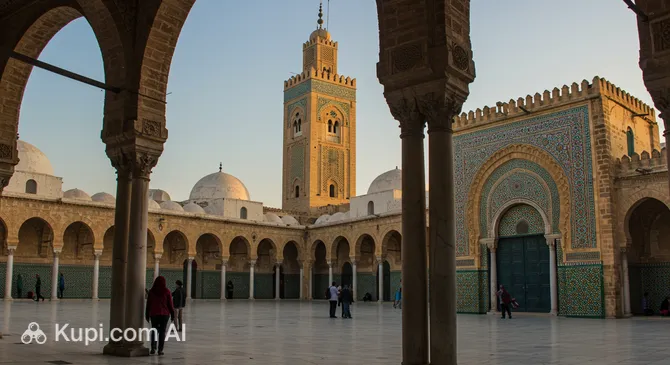
  • The majestic Zitouna Mosque, which serves as the heart of the Medina, is a remarkable example of historical preservation through reuse. Its vast prayer hall is supported by over 160 columns that were originally salvaged from the ruins of ancient Carthage, seamlessly blending two great eras of the region's history.

  • The famous stone archway known as Bab el Bhar literally translates to "Gate of the Sea." Although it now stands surrounded by paved squares and modern buildings, the waters of the lagoon once lapped directly against its foundations before extensive land reclamation projects pushed the coastline further away.

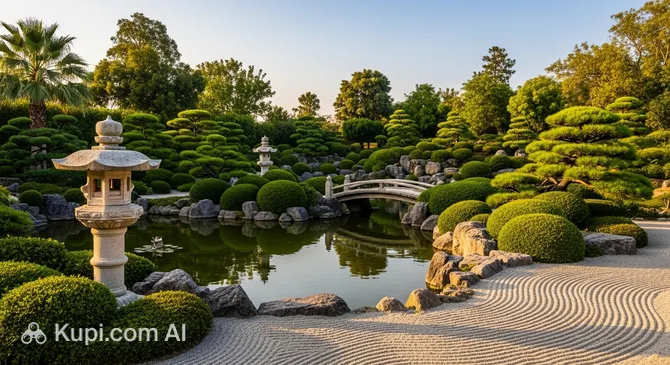
  • In a surprising departure from Mediterranean flora, the city features the Japanese Garden of Tunis. This serene 6,000-square-meter park was designed by Japanese landscape architects and offers a rare glimpse of East Asian aesthetics in North Africa, symbolizing the friendship between the two nations.

  • A walk through the old town reveals a unique communication system embedded in the architecture: traditional doors often feature two distinct metal knockers. One was placed lower for women and children, and the other higher for men, each producing a different sound so the residents inside knew who was visiting without opening the door.

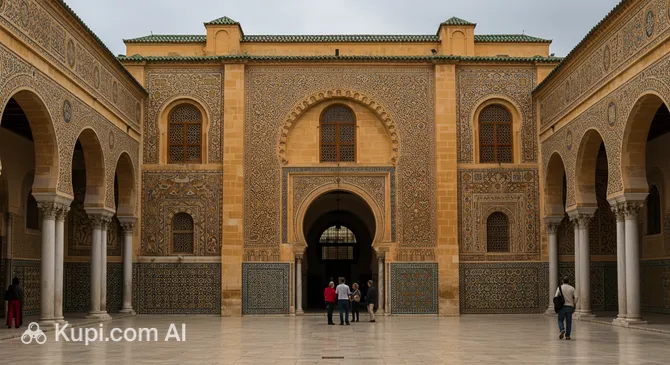
Zitouna Mosque. Source: Kupi.Binoculars

How to Get There

Tunis is well-connected to the rest of the world, making it an accessible destination for international travelers. While air travel is the most common method of arrival, the city also serves as a major hub for the country's transportation network. You can find detailed information on all available routes and transport modes in our guide on how to get to Tunis.

The primary gateway to the capital is Tunis-Carthage International Airport (TUN), located just 6.4 km from the city center. As the busiest airport in the country, it handles a large volume of international flights daily. The short distance makes the commute into the city quite quick; a taxi or bus ride typically takes around 30 minutes, depending on traffic conditions. This is the most convenient option for visitors aiming to stay directly in Tunis.

Travelers may also arrive via other airports situated in nearby cities, which are often used by charter flights and tourists visiting coastal resorts. For instance, you can fly into Enfidha - Hammamet International Airport (NBE) in the city of Sousse, which is approximately 84 km from Tunis. The journey from there to the capital takes about 2 hours and 30 minutes by road. Another option is Habib Bourguiba International Airport (MIR) located in Monastir, roughly 127 km away. A transfer from Monastir to Tunis generally takes around 3 hours and 30 minutes.

For clarity, here is a summary of the main airports:

Airport Name City Passenger Traffic Km from City
Tunis-Carthage International Airport Tunis High 6.4
Habib Bourguiba International Airport Monastir Medium 127.2
Enfidha - Hammamet International Airport Sousse Medium 84.3
Les Salines Airport Annaba Low 211.4
Pantelleria Airport Pantelleria Low 159.5

Main Attractions

Tunis is a city of layers, where every corner reveals a different chapter of its long history. While the ancient Medina and the ruins of Carthage often steal the spotlight, the city offers a wealth of other captivating sites that blend culture, architecture, and daily life. Exploring these attractions provides a deeper understanding of the capital's unique character.

One of the most significant cultural treasures in North Africa is the Bardo National Museum. Housed in a magnificent 15th-century Beylical palace, it is world-renowned for containing one of the largest collections of Roman mosaics in existence. Visitors can wander through opulent halls filled with intricate tile work that depicts scenes of daily life, mythology, and history from the Roman era. The museum also features artifacts ranging from the Punic period to Islamic art, making it an essential stop for history enthusiasts.

Bardo National Museum. Source: Kupi.Binoculars

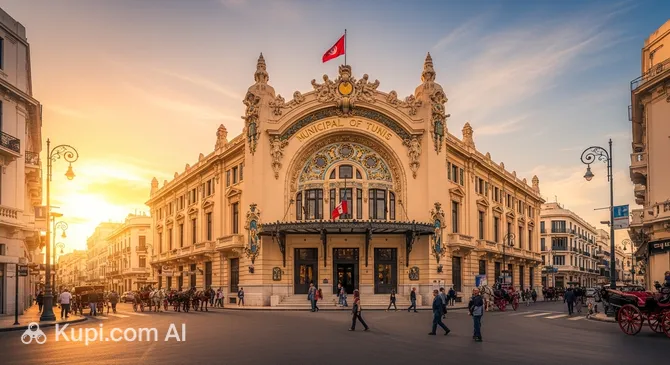
In the heart of the modern city, along the bustling Avenue Habib Bourguiba, stands the striking Municipal Theatre of Tunis. Often referred to as the "Bonbonnière" due to its shape and ornate decoration, this Art Nouveau masterpiece is a stark contrast to the traditional Arab architecture found nearby. Built in the early 20th century, it remains a premier venue for opera, ballet, and theatrical performances, serving as a testament to the city's cosmopolitan flair.

Municipal Theatre of Tunis. Source: Kupi.Binoculars

For a taste of the local atmosphere, a visit to the Central Market of Tunis is a must. Located near the Medina, this vibrant hall is a sensory explosion of colors and scents. It is the perfect place to observe the daily rhythm of the locals as they shop for fresh fish, mountains of spices, seasonal fruits, and vegetables. The market's lively energy and architectural charm make it a fascinating spot for photographers and food lovers alike.

Another important landmark is Kasbah Square, a vast open space situated near the government ministries. It has been beautifully renovated and serves as a symbolic center of the state, featuring the Monument to the National Flag. The square offers a panoramic view of the surrounding administrative buildings and is a peaceful place to walk, reflecting on the modern political history of the country while being just steps away from the old city walls.

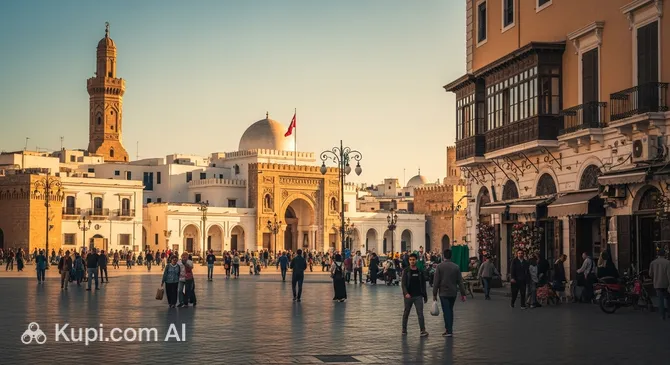
Kasbah Square. Source: Kupi.Binoculars

Local Cuisine

The culinary scene in Tunis is a delightful reflection of its history, blending Berber roots with Arab, Jewish, French, and Italian influences. The local cuisine is characterized by its generous use of olive oil, aromatic spices like cumin and coriander, and the fiery kick of harissa, a chili paste that accompanies almost every meal. Being a coastal city, Tunis also places a strong emphasis on fresh seafood, which finds its way into many signature dishes.

No visit to the capital is complete without trying Couscous, the national dish of Tunisia. While it is prepared in various ways across the country, the version in Tunis often features fresh fish, such as grouper or sea bream, along with vegetables like pumpkin and peppers. Another iconic staple is the Brik, a crispy, deep-fried pastry triangle usually filled with egg, parsley, tuna, and cheese. It is a beloved starter that demands a bit of skill to eat without spilling the runny yolk.

For a truly authentic street food experience, look for Lablabi. This hearty, garlic-rich chickpea soup is served over pieces of stale bread and topped with tuna, capers, olive oil, and a poached egg. It is particularly popular as a breakfast dish or a warming winter meal. The food culture in Tunis ranges from these humble, bustling street stalls to elegant dining experiences hidden within the winding alleyways of the old city.

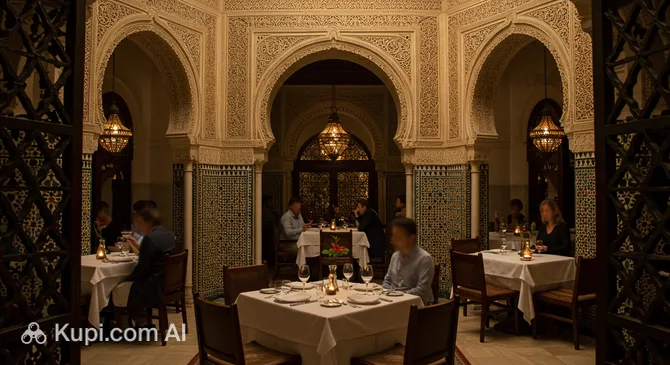
Dar El Jeld. Source: Kupi.Binoculars

Dining in the Medina offers a unique atmosphere where you can enjoy traditional hospitality in restored historical palaces. A prime example of this is Dar El Jeld, a restaurant renowned for its exquisite Tunisian gastronomy and stunning interior, which provides a peaceful retreat from the busy souks. Here, you can savor slow-cooked lamb and delicate pastries in a setting that evokes the grandeur of the past.

When it comes to beverages, the locals love their mint tea, which is often served very sweet and, distinctively in Tunisia, topped with crunchy pine nuts. Coffee culture is also deeply ingrained, with cafes filled with people socializing over strong espresso or café direct. For those interested in alcoholic drinks, you might try Celtia, the popular local lager, or Boukha, a traditional spirit distilled from figs that packs a punch.

Travel Tips

Visiting Tunis is an exciting journey through time, but knowing a few local nuances can make your trip much smoother and more enjoyable. Here are some practical tips to help you navigate the capital like a pro, from haggling in the souks to getting around the city comfortably.

  1. Clothing and Gear: Tunis has a Mediterranean climate, so pack light, breathable fabrics for the hot summer months and a waterproof jacket with layers for the cooler, wetter winter season. When visiting religious sites or walking through the traditional Medina, it is respectful to dress modestly; ensure your shoulders and knees are covered. Comfortable walking shoes are a must for navigating the uneven cobblestones of the old town.
  2. Transportation: The most convenient way to get around the city center is by using the bright yellow taxis, which are affordable and plentiful. Always ensure the driver turns on the meter to avoid overpaying. For trips to the seaside suburbs like Carthage or Sidi Bou Said, the TGM light rail train is a scenic and very cheap option. Ride-hailing apps like Bolt are also available and reliable if you prefer a fixed price.
  3. Finances: The local currency is the Tunisian Dinar (TND). While credit cards are accepted in major hotels, supermarkets, and modern malls, cash is absolute king in small shops, cafes, and especially in the souks. ATMs are widely available throughout the city. Remember that the Dinar is a "closed currency," meaning you cannot import or export it, so exchange money upon arrival and try to spend your coins before leaving.
  4. Health and Safety: Tunis is generally safe for tourists, but standard precautions against pickpocketing should be taken in crowded markets and public transport. Pharmacies are easily recognized by a green cross, and many are open late or operate on a rotation basis for night service. It is generally advisable to drink bottled water instead of tap water to avoid any potential stomach upsets.
  5. Communication: The official language is Arabic, but French is widely spoken and serves as the primary language for business and tourism. English is becoming more common among younger generations, but learning a few basic phrases like Asslema (Hello) and Aychek (Thank you) will go a long way. SIM cards from providers like Ooredoo or Orange are cheap and easy to purchase at the airport or local shops for reliable data access.
  6. Local Etiquette: Tunisians are known for their warm hospitality. Greetings often involve a handshake and a friendly inquiry about one's health. If invited to a local's home, it is customary to remove your shoes at the entrance unless told otherwise. When taking photos of people, always ask for permission first, as some locals may prefer not to be photographed.
  7. What to Avoid: Strictly avoid taking photographs of government buildings, police stations, military personnel, or the presidential palace, as this is prohibited and can lead to serious legal trouble. Also, avoid excessive public displays of affection, which are considered culturally inappropriate in more conservative areas of the city.
  8. Shopping Insight: Bargaining is an integral part of the shopping experience in the Medina. Vendors expect you to negotiate, so do not settle for the first price offered. Approach the process with a smile and a sense of humor; it is meant to be a social interaction rather than a conflict.

By keeping these tips in mind, you will be well-prepared to embrace the vibrant culture and rhythm of Tunis. Whether you are sipping mint tea in a historic cafe or exploring ancient ruins, a little local knowledge ensures a memorable and hassle-free adventure.

Entertainment & Nightlife

Nightlife in Tunis offers a fascinating duality, reflecting the city's blend of tradition and modernity. While the historic Medina tends to quiet down after sunset, the coastal suburbs and the modern downtown area come alive with a vibrant energy. The nightlife scene here is less about aggressive clubbing and more about chic lounges, seaside bars, and cultural sophistication, although there are certainly spots to dance until dawn if you know where to look.

For those seeking a lively atmosphere with music and drinks, the coastal districts of Gammarth and La Marsa are the undisputed hubs of entertainment. Gammarth is famous for its upscale nightclubs and luxury hotel bars that attract a fashionable crowd of locals and expats. Here, the venues often feature international DJs and stay open late into the night. La Marsa offers a slightly more relaxed vibe with trendy seaside cafes and bars where you can enjoy a cocktail with a view of the Mediterranean. In contrast, the downtown area (Ville Nouvelle) along Avenue Habib Bourguiba is perfect for a classic evening stroll, followed by a drink in a historic hotel bar or a visit to a cinema.

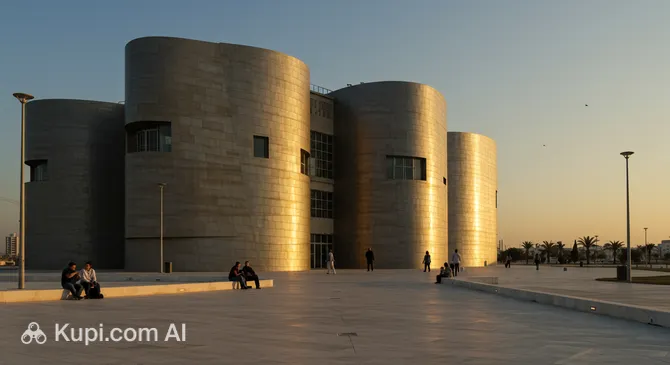
Tunis is also a capital of culture, offering refined evening entertainment for art lovers. The impressive City of Culture is a massive complex dedicated to the arts, hosting opera performances, concerts, and film festivals in a stunning architectural setting. It is a must-visit for anyone interested in the contemporary cultural pulse of the country.

City of Culture. Source: Kupi.Binoculars

Another cornerstone of the city's evening scene is the historic Municipal Theatre of Tunis. Located in the heart of the city, this Art Nouveau gem continues to stage plays, ballets, and musical performances. Attending a show here allows you to experience the grandeur of early 20th-century Tunis while enjoying high-quality productions.

When planning a night out, keep in mind that the dress code in the upscale venues of Gammarth and La Marsa is generally smart casual to dressy; sportswear is often frowned upon. The action typically starts late, with bars filling up around 9:00 PM and clubs peaking well after midnight. For dining before your night out, you might consider a modern spot like Go! Sushi or one of the many seafood restaurants in La Goulette.

Safety is an important consideration for nightlife in Tunis. The main entertainment districts are generally safe, but it is advisable to avoid walking alone in the dark, narrow alleys of the Medina late at night, as they become deserted. The best way to get around in the evening is by using the yellow taxis or ride-hailing apps like Bolt. Taxis are affordable and reliable, but always ensure the meter is running or agree on a price beforehand for longer trips to the suburbs.

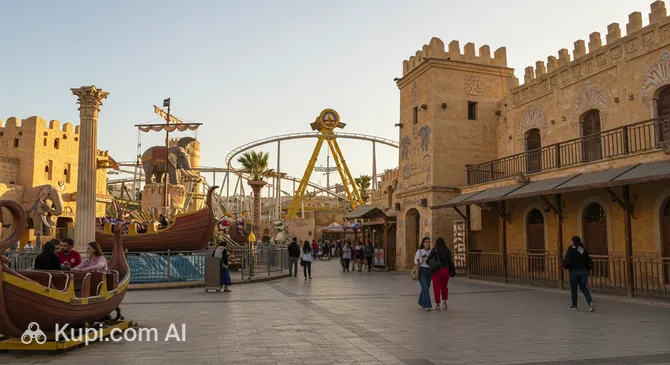
While the nights are for socializing, the city offers plenty of excitement during the day as well. Families and thrill-seekers can head to Carthage Land, a popular theme park located in the nearby Berges du Lac area, featuring rides and water attractions inspired by the Carthaginian era. For a more educational experience, the Tunis Science City provides interactive exhibits and a planetarium that are great for visitors of all ages.

Carthage Land. Source: Kupi.Binoculars

Parks & Museums

Tunis is a city that balances its urban energy with serene green spaces and a profound dedication to preserving its heritage. Beyond the bustling souks and busy avenues, visitors can find tranquility in lush gardens and deepen their understanding of the region's past and future through an impressive array of museums.

The city's largest and most popular green lung is Belvedere Park (Parc du Belvédère). situated on a hill overlooking the capital. This sprawling urban oasis offers a welcome escape from the heat and noise of the downtown area. It features winding paths shaded by pine and palm trees, a zoo, and the Museum of Modern Art. Locals flock here for picnics and leisurely walks, and the hilltop provides one of the best panoramic views of Tunis, stretching all the way to the lake and the sea.

For a more curated and landscaped experience, the Japanese Garden of Tunis is a hidden gem located near the city center. This beautifully designed space brings the aesthetics of the Far East to North Africa, featuring traditional elements such as water basins, stone lanterns, and carefully pruned vegetation. It is a peaceful spot perfect for meditation or a quiet stroll, symbolizing the cultural exchange between Tunisia and Japan.

Japanese Garden of Tunis. Source: Kupi.Binoculars

When it comes to museums, the Bardo National Museum remains the undisputed crown jewel. While it is famous for its Roman mosaics, the museum also houses significant collections from the Punic, Christian, and Islamic eras, all set within the grandeur of a 19th-century palace. It provides an unparalleled narrative of Tunisia's history, making it an essential stop for any cultural traveler.

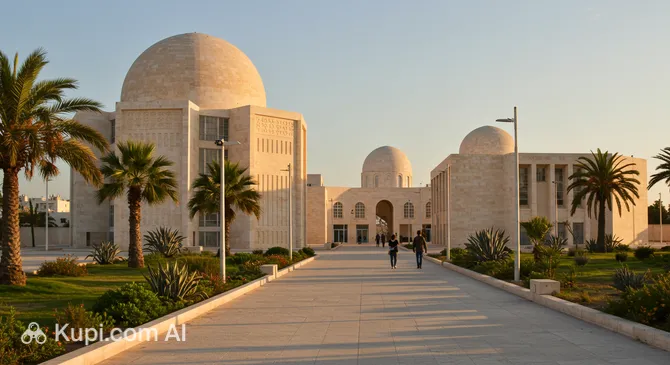
For those interested in a different kind of discovery, the Tunis Science City offers a modern and interactive educational experience. Located in the northern part of the city, this complex is dedicated to the dissemination of scientific culture. It features a planetarium, an exploratory garden, and various pavilions covering themes like the universe, life, and water. It is particularly engaging for families and those curious about the scientific advancements and natural history of the region.

Tunis Science City. Source: Kupi.Binoculars

Another cultural highlight is the Dar Ben Abdallah Museum, located in the heart of the Medina. Housed in a magnificent 18th-century palace, it serves as the Museum of Popular Arts and Traditions. The exhibits recreate scenes of traditional bourgeois life in Tunis, displaying period costumes, furniture, and household objects. Walking through its tiled courtyards and ornate rooms offers an intimate glimpse into the daily lives of Tunisians in centuries past.

Insider Tip: If you visit Belvedere Park, try to find the Koubba, a small, white-domed pavilion dating back to the 17th century. It was moved stone by stone from the Manouba Palace to the park in the early 1900s and stands as a beautiful example of Ottoman-era architecture amidst the greenery.

Getting Around

Navigating Tunis is an adventure in itself, offering a mix of modern convenience and historic charm. The city's public transport system is managed primarily by Transtu and covers the metropolitan area extensively. While it can be crowded and sometimes chaotic during peak hours, it remains an incredibly affordable way to explore the capital and its surrounding suburbs. For most tourists, a combination of the light rail system, the suburban train, and affordable taxis provides the best balance of cost and comfort.

The backbone of the city's transit is the Métro Léger, which, despite its name, is actually a surface-level light rail or tram network rather than an underground subway. Its bright green trams run on several lines that fan out from the city center to key districts, including the Bardo Museum and the university areas. It is a reliable option for getting around the main urban zones, though it does not reach the coastal suburbs. The central hub for the network is Place de la République and Place de Barcelone, where most lines intersect.

For visitors heading to the picturesque northern suburbs, the TGM (Tunis-Goulette-Marsa) train is an essential and scenic experience. This historic electric train line, which has been operating since the 19th century, connects the downtown Marine station with the port of La Goulette, the ancient ruins of Carthage, the blue-and-white village of Sidi Bou Said, and the coastal town of La Marsa. The ride itself offers beautiful views of the lake and the sea, making it more than just a commute.

Buses in Tunis are plentiful and cover areas that the trams do not reach. However, they can be challenging for tourists to navigate, as route maps are not always clear, and destination signs are often written only in Arabic. Unless you are accompanied by a local or are feeling particularly adventurous, the bus network is generally less user-friendly than the rail options. If you do choose to take a bus, you will typically board from the front and pay the driver or conductor directly.

The payment system for public transport is straightforward and cash-based. For the Métro Léger and TGM, you must purchase paper tickets at the ticket booths (guichets) located at each station before boarding. Fares are calculated based on distance or "sections," but they are exceptionally low by international standards, usually costing just a few dinars or even millimes. There are no complex travel cards or digital apps for ticketing yet; it is an old-school system where you buy a ticket for a single journey. Always keep small change on hand, as ticket sellers may not have change for large bills.

Taxis are a highly popular alternative and are often the most convenient choice for tourists. The official yellow taxis are everywhere and can be hailed on the street. They are metered, and prices are very reasonable. Drivers are generally honest, but it is always wise to ensure the meter is turned on at the start of the ride. For a more premium experience or to avoid language barriers, ride-hailing apps like Bolt are available and widely used in the city, allowing you to book a ride with a fixed price and track your driver.

A few practical tips will help you navigate smoothly: Avoid the Métro Léger and TGM during the morning (7:00–9:00 AM) and evening (5:00–7:00 PM) rush hours, as the carriages can become uncomfortably packed. When using the TGM, you have the option to buy a First Class ticket (Classe Première) for a slightly higher price; this is highly recommended as it guarantees a seat and a less crowded environment. Finally, always validate your ticket if required or keep it accessible, as inspectors do patrol the trains frequently.
Accommodation

Where to Stay:

Tunis offers a diverse range of accommodation options that cater to every type of traveler, from backpackers seeking budget-friendly stays to luxury seekers looking for opulent resorts. The city's lodging landscape is a mix of the traditional and the modern, allowing visitors to choose between the authentic charm of historic guesthouses and the comfort of international hotel chains. Whether you prioritize cultural immersion or seaside relaxation, you will find a suitable place to call home during your visit.

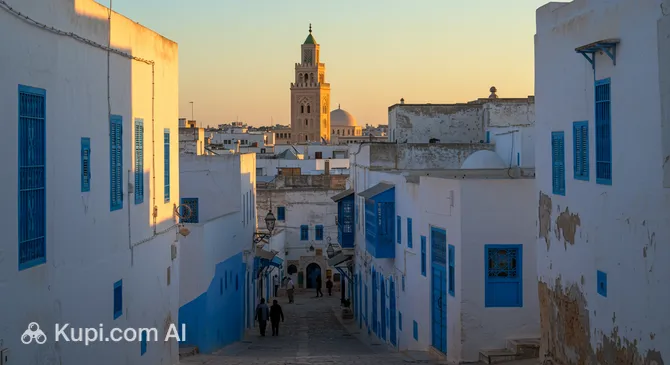
For those who wish to be in the heart of the action, the Medina is the most atmospheric choice. Here, you can stay in a "Dar," a traditional courtyard house converted into a boutique guesthouse. These accommodations often feature stunning tile work, rooftop terraces, and a quiet, intimate ambiance hidden behind heavy wooden doors. Just outside the old walls, the Ville Nouvelle (New Town) offers a variety of mid-range and business hotels. Staying in this area along Avenue Habib Bourguiba places you close to major transport hubs, restaurants, and theaters, making it a convenient base for exploring the city.

Travelers looking for luxury and modernity often prefer the Berges du Lac district. This upscale business area is located between the city center and the airport, hosting many high-end international hotels and embassies. It is quieter and more polished, though a bit further from the historic sites. Alternatively, if you prefer a vacation vibe with sea views, the northern suburbs of La Marsa and Gammarth are ideal. These coastal areas are famous for their sprawling seaside resorts, sandy beaches, and vibrant nightlife, all while being just a short train or taxi ride away from downtown Tunis.

Booking Tips and Prices: Accommodation prices in Tunis are generally very reasonable compared to European capitals. Budget travelers can find hostels and affordable hotels in the city center for a modest price, while luxury experiences are available at a fraction of the cost you might expect elsewhere. It is highly recommended to book your accommodation in advance, especially if you plan to visit during the peak summer months (July and August) when the coastal resorts fill up quickly. Most properties are listed on major online booking platforms, but for smaller traditional Dars, booking directly or through specialized boutique travel sites can sometimes secure you a better room.

Nearby Cities

Tunis is the heart of a bustling metropolitan region, surrounded by several key cities that contribute to its dynamic character. Whether you are looking for coastal relaxation or exploring the suburban extensions of the capital, these nearby locations are easily accessible and worth noting.

The capital is surrounded by several satellite cities that form the Greater Tunis area. These locations are well-connected by the road and rail network, making them easy to visit for a day trip or a change of scenery. From the coastal charm of La Marsa to the bustling administrative centers like Ariana, each offers a different perspective on life in the region.

City Distance from Tunis Population
Ariana 7 km 114,486
Rades 9 km 97,588
La Marsa 16 km 92,987
Ben Arous 8 km 88,322
Fouchana 12 km 74,868

Among these, La Marsa is particularly popular with visitors for its beautiful beaches, upscale cafes, and relaxed Mediterranean atmosphere. Ariana, located just to the north, is a major residential and commercial hub often associated with its floral heritage. Rades is well-known for hosting the country's largest sporting complex and serves as an important port city.

Shopping & Souvenirs

Shopping in Tunis is a delightful journey that takes you from the fragrant, narrow alleys of the Middle Ages to the polished avenues of the modern era. The city offers a dual experience where you can hunt for unique handicrafts in the historic center or browse the latest international fashions in contemporary districts. Whether you are looking for traditional souvenirs or high-end luxury goods, the capital provides a wealth of options to suit every taste.

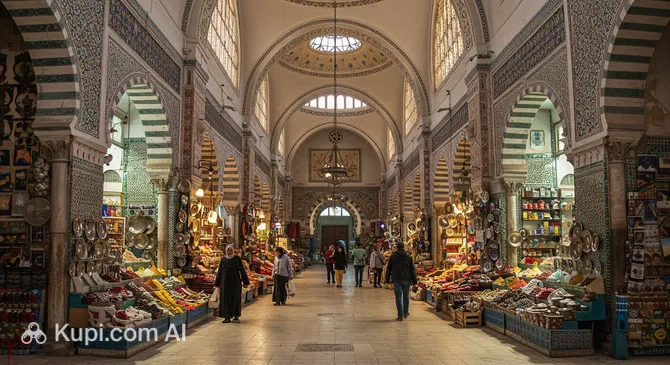
The heart of traditional commerce is the UNESCO-listed Medina. Here, the winding souks are organized by trade, creating distinct quarters for different crafts. You can wander through the Souk El Attarine to find exotic perfumes and essential oils, or visit the Souk des Chéchias to watch artisans create the iconic red felt hats worn by Tunisian men. Hand-woven carpets, intricate silver jewelry, and soft leather babouches (slippers) are among the most popular treasures to buy. Remember that bargaining is an essential part of the experience in the Medina; it is a social interaction expected by merchants, so negotiate with a smile.

For a different kind of sensory immersion, a visit to the Central Market of Tunis is highly recommended. Located just steps away from the old city, this lively covered market is the perfect place to find edible souvenirs. While it is a sightseeing landmark, it is primarily the city's pantry, where you can stock up on the finest Deglet Nour dates, jars of spicy harissa, and locally pressed olive oil. The market's vibrant atmosphere offers a glimpse into the daily life of the locals.

Central Market of Tunis. Source: Kupi.Binoculars

In contrast to the old town, the Ville Nouvelle (New Town) around Avenue Habib Bourguiba offers a European-style shopping experience. This area is lined with department stores, shoe shops, and boutiques selling French and Italian fashion with fixed prices. For those seeking large-scale retail therapy, the affluent suburbs of Berges du Lac and La Marsa are home to modern shopping malls, such as Tunisia Mall, featuring global brands, electronics, and upscale dining options.

Souvenir Suggestions:

  • Ceramics: Look for colorful, hand-painted bowls and plates, often featuring traditional geometric patterns or floral motifs.
  • Copperware: The sound of hammering often leads you to shops selling beautifully engraved copper trays, teapots, and lamps.
  • Leather: High-quality leather bags, belts, and jackets are widely available and often very affordable.
  • Bird Cages: The intricate white and blue wire bird cages of Sidi Bou Said are a classic Tunisian symbol and make for unique decorative pieces.

Reached the end of the page?

That means the route is fully explored