Support

Lampedusa

About

Welcome to Lampedusa, a dazzling gem in the Mediterranean Sea that promises an unforgettable escape for nature lovers and sun-seekers alike. As the largest of the Pelagie Islands, this destination is renowned for its rugged beauty, blindingly white cliffs, and turquoise waters that rival the Caribbean. Although it is politically part of Italy, geographically it sits closer to the African coast, giving it a unique climate and atmosphere that sets it apart from the rest of the country.
Lampedusa. Source: Kupi.Binoculars

The island is home to a close-knit community of approximately 6,300 residents and falls under the administrative province of Agrigento. Its location makes it the southernmost point of the Italian Republic, enjoying a hot, semi-arid climate that guarantees sunshine for most of the year. Visitors interested in the past can explore the fascinating history of Lampedusa, which has served as a maritime crossroads for Phoenicians, Greeks, Romans, and Arabs throughout the centuries.

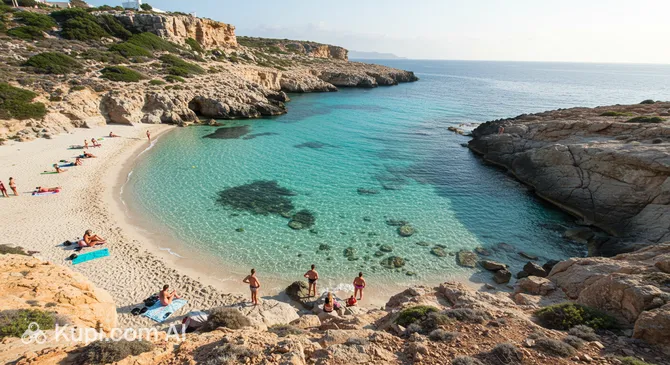
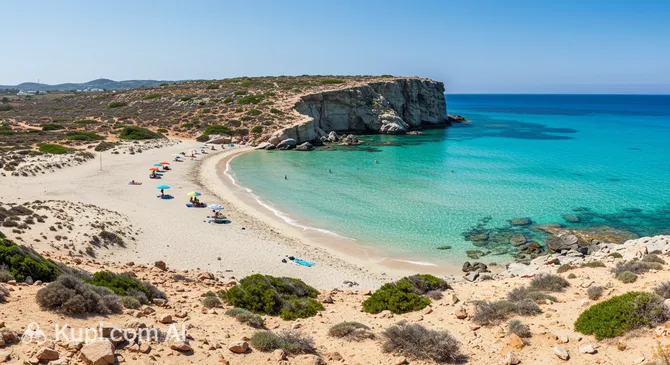
Lampedusa is globally famous for the Spiaggia dei Conigli (Rabbit Beach), frequently cited as one of the most beautiful beaches in the world. This pristine bay is a protected nature reserve and one of the few remaining nesting sites for the Caretta caretta (loggerhead sea turtle) in the Mediterranean. Beyond the beach, the island offers spectacular opportunities for diving and snorkeling, particularly around the Tabaccara cove, where boats seem to float on air due to the incredible clarity of the water.

Whether you are looking to relax on soft white sands or explore vibrant marine life, Lampedusa offers a slice of paradise. Its wild landscapes and warm hospitality invite travelers to slow down and savor the essence of Mediterranean island life.
Weather Overview

Lampedusa is blessed with a warm Mediterranean climate, making it a fantastic destination for sun-seekers almost any time of year. Before booking your travel dates, it is worth reviewing the detailed weather in Lampedusa to ensure conditions align with your plans, though extreme cold is practically unknown here.

The summer months are the most popular, characterized by heat and clear skies. From June to September, average temperatures range between 22°C and 27°C, with August being the warmest month averaging 26.6°C. Rainfall is exceptionally rare during this period, with June and July typically recording zero wet days, ensuring uninterrupted beach time.

Winters are mild and comfortable, with average temperatures in January and February hovering around 14°C to 15°C. The cooler season brings more frequent precipitation, particularly in October and November, which can see up to 12 wet days per month. Expect hot, arid summers ideal for swimming and mild winters with occasional rainfall.

Interesting Facts

Beyond the famous turquoise waters and sun-drenched cliffs, Lampedusa holds intriguing secrets that reveal its unique position between two continents. This island is not just a summer resort but a place of geological oddities and fascinating linguistic history.

  • A Misunderstood Name: While Rabbit Beach is world-famous, its name is likely a linguistic misunderstanding rather than a reference to a bunny population. Many historians believe the name stems from the Arabic word "Rabit," meaning "connection" or "isthmus," describing the strip of sand linking the islet to the main island, which was later mistranslated into English as "rabbit."

  • Geologically African: When you step onto Lampedusa, you are technically standing on the African continental shelf. Unlike the rest of Italy, the island rests on the African tectonic plate, which explains its flat, arid landscape that resembles the North African coast far more than the volcanic terrain of nearby Sicily.

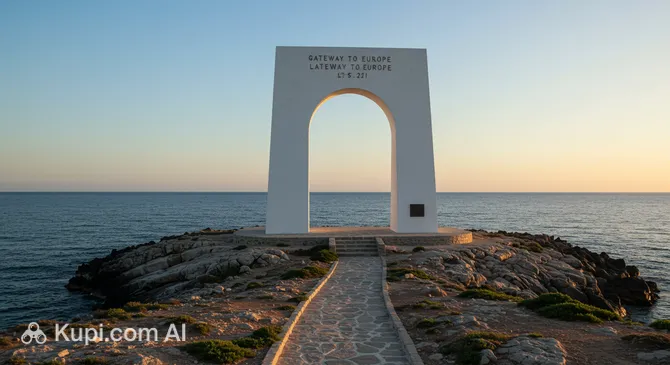
  • The Gateway to Europe: Standing on the southern coast is the solemn Gateway to Europe, a monument made of refractory ceramic and iron. This imposing structure, standing nearly five meters high, symbolizes the island's geographic role as a bridge between continents and acts as a silent guardian facing the open sea.

  • Underwater Sanctuary: For diving enthusiasts, the waters conceal a spiritual treasure known as the "Madonna del Mare." Located at a depth of roughly 14 meters near the coast, this bronze statue of the Madonna and Child is a beloved site for underwater photographers and a unique tribute hidden beneath the waves.

Gateway to Europe. Source: Kupi.Binoculars

How to Get There

Reaching this remote Mediterranean paradise is easier than it might seem, with air travel being the most popular and efficient method. For a comprehensive overview of all your travel options, including ferries and seasonal connections, you can read more about how to get to Lampedusa. The island is well-served by its own airport, which connects it to the Italian mainland and Sicily.

The most direct way to arrive is via Lampedusa Airport (IATA: LMP), which is conveniently located just 2.6 km from the city center. This regional airport handles a significant number of seasonal tourists and provides a quick link to the heart of the island. Due to the very short distance, the transfer from the terminal to the town is quick; a taxi ride typically takes just 5 to 10 minutes. Flights frequently connect here from Palermo and Catania, as well as other major Italian cities during the summer.

While not a direct gateway for domestic connections, Malta International Airport (IATA: MLA) is a major aviation hub located in Valletta, roughly 175 km from Lampedusa. It serves a large volume of international passengers annually. Although it is situated in a different country, its proximity makes it a significant landmark in the central Mediterranean region for travelers exploring the wider area.

For clarity, here is a summary of the main airports in the vicinity:

Airport Name City Passenger Traffic Km from City
Malta International Airport Valletta Large 174.9
Habib Bourguiba International Airport Monastir Medium 168.8
Lampedusa Airport Lampedusa Medium 2.6
Pantelleria Airport Pantelleria Small 155.6
Sfax El Maou Airport Sfax Small 194.3

As a small island in the Pelagie archipelago, Lampedusa does not have a railway station or train network. The primary alternative to flying is the ferry service, which typically operates from Porto Empedocle in Sicily. Once you arrive on the island, renting a scooter or a car is the best way to explore the beautiful coastline and reach the beaches.

Main Attractions

Lampedusa is a paradise for sea lovers, boasting a coastline indented with stunning coves, dramatic cliffs, and beaches that rank among the finest in the world. The island’s attractions are primarily centered around its natural beauty, offering visitors a chance to disconnect and immerse themselves in a landscape that feels more Caribbean than European.

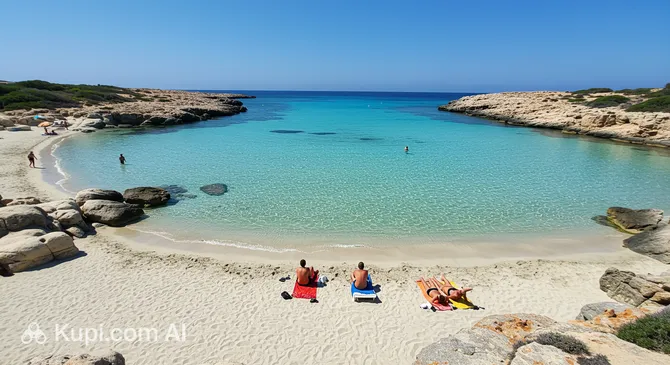
Undoubtedly the most famous jewel of the island is Rabbit Beach (Spiaggia dei Conigli). Located in a protected nature reserve, this bay is celebrated for its blindingly white sand and an incredible spectrum of blue hues in the water. It is one of the few places in the Mediterranean where loggerhead sea turtles come to lay their eggs. Accessible via a scenic path, the beach offers a wild and unspoiled atmosphere that captivates every visitor.

Rabbit Beach. Source: Kupi.Binoculars

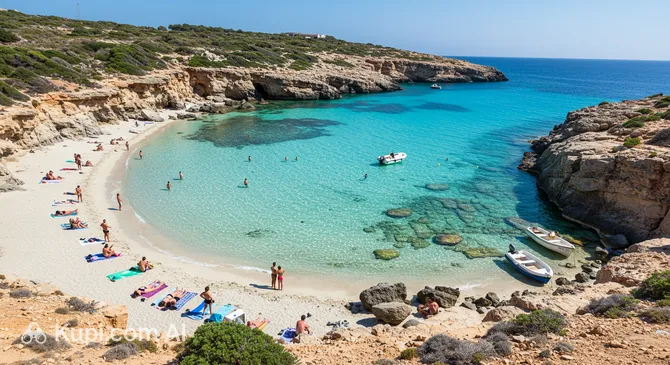
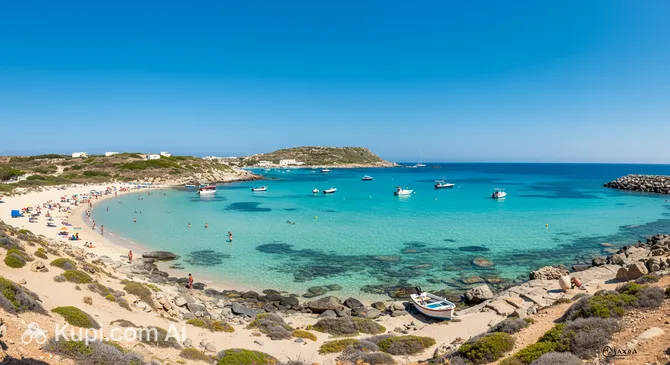
For those seeking water so clear it creates optical illusions, La Tabaccara is an absolute must-see. Often described as a "saltwater swimming pool," this cove is famous for the "flying boats" phenomenon, where the water is so transparent that vessels appear to be suspended in mid-air. It is a favorite spot for boat excursions and snorkeling, allowing tourists to observe the vibrant marine life teeming just beneath the surface.

La Tabaccara. Source: Kupi.Binoculars

Another unique spot is Mare Morto Beach, located on the northeastern side of the island. Its name, meaning "Dead Sea," refers to the exceptionally calm waters protected by rocky barriers, making it a perfect location for swimming even on windy days. The area is rocky rather than sandy, appealing to those who enjoy exploring rugged coastal landscapes and discovering hidden underwater nooks.

Mare Morto Beach. Source: Kupi.Binoculars

Closer to the town center, Cala Pisana offers a convenient and beautiful escape. This natural cove is known for its varying shades of turquoise and emerald green waters. It is easily accessible and features a small quay, making it a popular spot for sunbathing and diving into the refreshing sea without the need for a long hike. It serves as a perfect introduction to the island's maritime charm.

Cala Pisana. Source: Kupi.Binoculars

Local Cuisine

The culinary landscape of Lampedusa is a delicious reflection of its geographical position, acting as a gastronomic bridge between Sicilian traditions and North African influences. The cuisine here is strictly tied to the sea, with fresh catch arriving daily at the ports to become the centerpiece of almost every meal. Visitors can expect simple yet intensely flavorful dishes that rely on the quality of local ingredients rather than complex preparation methods.

The undisputed king of the island's table is fish couscous. Unlike the meat-based versions found in North Africa, the Lampedusan variety is served with a rich, savory broth made from mixed fish like grouper, snapper, and scorpionfish. Another must-try is pasta with bottarga (cured tuna roe) or fresh sea urchins, offering a true taste of the Mediterranean. For a hearty main course, grilled swordfish or tuna steaks topped with a dressing of olive oil, lemon, and capers are local favorites that perfectly capture the island's essence.

No day in Lampedusa begins without the traditional Sicilian breakfast of granita and brioche. This semi-frozen dessert, available in flavors like lemon, coffee, almond, or mulberry, is eaten with a sweet, soft bun. For some of the best artisanal treats on the island, travelers often head to Paradise Gelateria & Pastry Shop, where the counters are filled with cannoli, cassata, and refreshing gelato that provide a sweet respite from the midday sun.

Sciuri e Fava. Source: Kupi.Binoculars

The dining culture is relaxed and revolves largely around the vibrant Via Roma, the town's main artery. As the sun sets, the ritual of the aperitivo takes over, with locals and tourists gathering to enjoy cocktails accompanied by generous platters of snacks. A classic spot to soak up this lively atmosphere is Bar Roma, a historic establishment perfect for people-watching with a drink in hand.

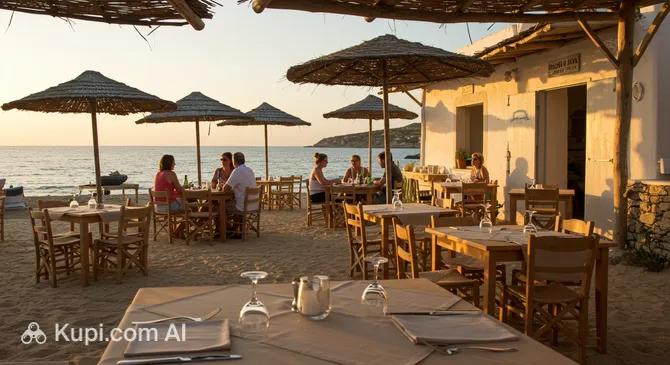
For a proper sit-down dinner, the options range from family-run trattorias to elegant seafood restaurants. Places like Sciuri e Fava are renowned for their authentic approach to local recipes, offering an intimate setting to explore the island's flavors. Alternatively, Il Ritrovo is another excellent choice for those seeking high-quality seafood dishes prepared with passion and served in a welcoming environment.

To accompany your meal, local white wines are the standard choice. While Lampedusa produces some wine, many crisp whites like Grillo or Inzolia are imported from nearby Sicily and pair beautifully with the saline notes of the seafood. Whether you are grabbing a quick piece of street food or enjoying a long dinner under the stars, the food in Lampedusa is sure to be a highlight of your trip.

Travel Tips

Planning a trip to Lampedusa requires a little specific preparation to fully enjoy its rugged charm and remote island atmosphere. To ensure your vacation is as relaxing and trouble-free as possible, here is a collection of practical tips tailored to the unique conditions of this Mediterranean pearl.

  1. Clothing and Gear: Since the island sits on the African continental shelf, the sun can be intense; bring high-SPF sunscreen, a wide-brimmed hat, and good sunglasses. While you will live in swimwear, water shoes (reef shoes) are absolutely essential here, as many of the best swimming spots like Mare Morto have rocky entrances. A light windbreaker is recommended for boat trips or breezy evenings.

  2. Transportation: Public transport is limited to a couple of bus lines that circle the island, which can be infrequent. The most popular and efficient way to explore is by renting a scooter or a legendary Citroën Mehari—an open-top vintage car that is an icon of Lampedusa. Taxis are available, primarily for airport transfers, but having your own vehicle gives you the freedom to reach hidden coves.

  3. Finances: The currency is the Euro (€). While major hotels and restaurants on Via Roma accept credit cards, cash is still king at beach kiosks, small cafés, and for renting sunbeds. ATMs are available, mostly concentrated in the main town center, so it is wise to withdraw cash before heading to more isolated parts of the island.

  4. Health and Safety: Lampedusa is generally very safe for tourists. The main health risks are sunburn and dehydration, so drink plenty of bottled water (tap water is desalinated and not typically for drinking). Pharmacies are located in the town center on Via Roma. Be cautious of jellyfish (meduse) in the water; ask locals or lifeguards about current conditions before diving in.

  5. Communication: The official language is Italian, though you will often hear the local Sicilian dialect. English is understood in most tourist establishments, hotels, and dive centers, but less so by older locals. Learning a few basic phrases like "Buongiorno" (Good morning) and "Grazie" (Thank you) goes a long way. EU roaming regulations apply for SIM cards.

  6. Local Etiquette: Life here moves at a slow, "island time" pace. It is polite to greet shopkeepers when entering. While beachwear is standard by the sea, it is considered inappropriate to walk through the town center or sit in restaurants shirtless or in just a bikini; always wear a cover-up or t-shirt when leaving the beach.

  7. What to Avoid: Strictly avoid taking sand, pebbles, or shells from the beaches as souvenirs, especially from Rabbit Beach. This is illegal, harmful to the ecosystem, and can result in hefty fines at the airport. Also, do not walk on the sand dunes, as they are protected nesting grounds for sea turtles.

  8. Boat Rental Tip: To truly appreciate the island's beauty, rent a small boat for the day at the port. In Italy, you can rent boats with engines up to 40 horsepower without a boating license. This allows you to visit the Tabaccara cove from the sea and swim in waters that look like a swimming pool, away from the crowds on the shore.

By keeping these practicalities in mind, you will be well-equipped to navigate the island's wild beauty and laid-back culture. Pack your reef shoes and your sense of adventure, and get ready to experience the warm, crystal-clear embrace of Lampedusa.

Entertainment & Nightlife

Nightlife in Lampedusa is vibrant yet refreshingly laid-back, perfectly reflecting the island's "dolce vita" lifestyle. Unlike the high-energy clubbing scenes of Ibiza or Mykonos, the evenings here are centered around socializing, long dinners, and open-air music. The action is concentrated almost entirely along Via Roma, the main street which transforms into a bustling pedestrian promenade after sunset. Here, tourists and locals mingle to enjoy the cooling breeze, creating a festive atmosphere that lasts well into the early morning hours.

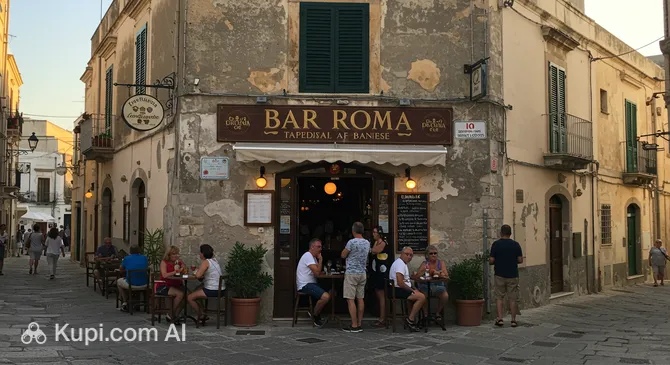
The evening ritual invariably begins with an aperitivo at sunset. As the sky turns shades of orange and pink, the bars along the main strip fill up with people sipping Spritz or local white wine. One of the most iconic spots to experience this tradition is Bar Roma. Located in the heart of the action, it is a historic meeting point where you can enjoy a cocktail accompanied by generous appetizers while watching the world go by. The vibe is casual and welcoming, making it easy to strike up conversations with fellow travelers.

Bar Roma. Source: Kupi.Binoculars

After dinner, the crowds often drift towards places offering sweet treats or live music. In true Italian fashion, no night is complete without a late-night gelato or cannolo. Paradise Gelateria & Pastry Shop is a favorite destination for this, serving artisanal ice creams and Sicilian pastries that attract long lines of sweet-toothed visitors. For those looking to continue the night with drinks, many lounge bars on Via Roma host live bands or DJ sets playing chill-out and pop music, creating a lively backdrop for sipping cocktails under the stars.

Practical Advice for Night Owls:
The nightlife in Lampedusa starts late. Aperitivo typically runs from 7:00 PM to 9:00 PM, and dinner often stretches until 11:00 PM or later. Bars usually stay open until around 2:00 AM or 3:00 AM during the peak summer season. The dress code is "island chic"—think linen shirts, summer dresses, and sandals; high heels are generally impractical for the cobblestones and relaxed vibe. Prices are reasonable compared to more exclusive Italian destinations, with cocktails averaging between €6 and €10.

Getting Around and Safety:
Lampedusa is an incredibly safe destination, and walking around Via Roma and the port area at night is perfectly secure. However, if your accommodation is outside the town center, walking along unlit country roads is not recommended. Taxis are available but can be scarce late at night, so it is advisable to keep a taxi number handy or arrange a ride in advance. Most visitors rely on rented scooters, which are the most convenient way to zip between your lodging and the town center.

While the island is famous for its sea, daytime entertainment options beyond the beach are more limited and low-key. You won't find large amusement parks or multiplex cinemas here. Instead, cultural entertainment focuses on the WWF Sea Turtle Rescue Center, where visitors can learn about marine conservation, or the small Archaeological Museum which houses artifacts from the island's history. Ultimately, the greatest entertainment in Lampedusa is nature itself, best experienced through boat excursions and exploring the rugged coastline.

Parks & Museums

While Lampedusa is not characterized by manicured city parks or sprawling national museums, the entire island functions as a living open-air museum of nature and maritime history. Its cultural heritage is preserved in intimate galleries and sacred sites, while its "green spaces" are the wild, protected reserves that showcase the raw beauty of the Mediterranean landscape.

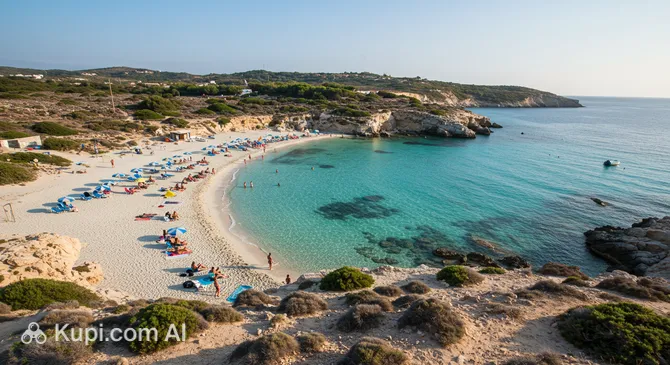
The true parks of Lampedusa are its protected coastal areas and nature reserves. Beyond the famous Rabbit Beach, visitors looking for tranquility should explore Cala Madonna Beach. This inlet is a natural haven surrounded by low cliffs and Mediterranean scrub, offering a peaceful retreat that feels miles away from the busier spots. It is an excellent location for those who appreciate the raw, unpolished side of the island's geography, where the land gently slopes into the turquoise waters.

Cala Madonna Beach. Source: Kupi.Binoculars

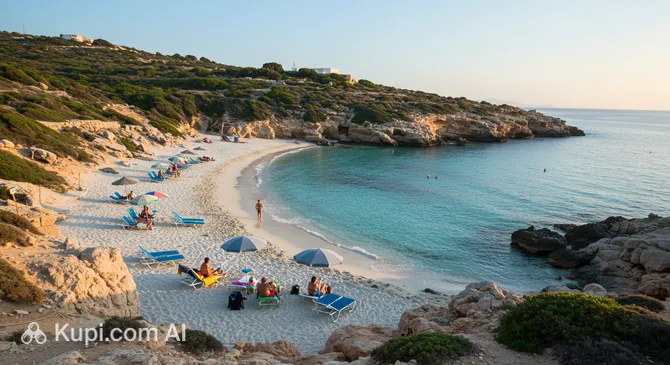
Another gem for nature enthusiasts is Sciatu Persu Beach. The name, which translates to "Lost Breath" in the local dialect, hints at the breathtaking scenery found here. It is a smaller, more secluded area where the contrast between the arid, rocky terrain and the vivid blue sea creates a stunning natural gallery. It is perfect for travelers seeking a quiet corner to connect with the elements away from the summer crowds.

Sciatu Persu Beach. Source: Kupi.Binoculars

For a dive into the island's past, the Archaeological Museum of the Pelagie Islands (Museo Archeologico) is a key stop. Located near the old port, this facility houses a fascinating collection of artifacts recovered from the surrounding seabed, including Roman amphorae, ancient anchors, and ceramics. These items tell the story of Lampedusa as a crucial stopover for ancient mariners crossing between Africa and Europe, highlighting its strategic importance throughout the centuries.

Culturally significant in a different way is the WWF Turtle Rescue Center. While not a traditional museum, it is one of the most important educational facilities on the island. Visitors can learn about the conservation efforts to protect the Caretta caretta sea turtles and often see recovering turtles in the rehabilitation tanks. It offers a moving insight into the fragile marine ecosystem that defines the island's identity and is a must-visit for families and animal lovers.

History and spirituality merge at the Sanctuary of Our Lady of Porto Salvo. This historic chapel is surrounded by a lush garden—a rare sight on the arid island—and dates back to the era of the Crusades. It has long been a place of neutral ground and refuge for both Christian and Muslim sailors, making it a unique symbol of cross-cultural peace in the Mediterranean. The site offers a serene atmosphere and a glimpse into the island's deep-rooted traditions.

Insider Tip: For a unique cultural experience, look for the traditional stone structures known as dammusi scattered across the interior of the island. Although more famous on nearby Pantelleria, these ancient agricultural dwellings reflect the island's rural history and offer a glimpse into how islanders adapted to the harsh, wind-swept environment centuries ago.

Getting Around

Navigating Lampedusa is remarkably simple, reflecting the island's relaxed pace and small size. The public transport system is modest, consisting primarily of a bus service that connects the main town with the most popular beaches and points of interest. While it does not offer the complexity of a metropolitan network—there are no metros, trams, or trains here—the buses provide a reliable and budget-friendly way to reach the coast without the need for a private vehicle.

The local bus service typically operates on two main circular lines, often distinguished by color (such as the Blue Line and Red Line). These routes start from the town center, usually departing from Piazza Commendatore Brignone, and loop around the island. They make stops at key locations including the famous Rabbit Beach, Cala Croce, and Cala Creta. During the peak summer season, these buses run frequently, often every hour from morning until early evening, ensuring that sunbathers can easily get to and from the sea.

Paying for your ride is hassle-free and old-fashioned. There are no complex travel cards or digital apps required; tickets can usually be purchased directly from the driver using cash or at authorized tobacco shops and bars near the main bus stop. The cost is very affordable, typically around €1 to €1.50 per single journey. It is advisable to carry small change, as drivers may not always have change for large banknotes.

For tourists relying on the bus, patience is a virtue. While schedules are posted at the main stops, the service often operates on "island time," meaning delays of a few minutes are common. It is important to note that the frequency drops significantly outside the summer months, and evening services may end earlier than expected. Therefore, if you plan to stay at the beach to watch the sunset, be sure to check the time of the last return bus to avoid a long walk back to town.

Despite the availability of buses, the most popular way to explore the island is undoubtedly by renting a vehicle. You will see countless scooters zipping around the roads, offering the freedom to discover hidden coves at your own pace. A unique local feature is the widespread use of the Citroën Mehari, a vintage open-top car that has become an icon of Lampedusa. Renting one of these colorful vehicles adds a fun, nostalgic touch to your holiday and is perfect for the warm, breezy climate.

Taxis are also available and are particularly useful for airport transfers or getting home after a late dinner when the buses have stopped running. You can find them at the airport, the port, or along Via Roma, but it is often better to book one by phone in advance, especially during July and August. While the town center is compact enough to explore comfortably on foot, the heat and lack of sidewalks on coastal roads make walking long distances to the beaches less practical for most visitors.

Accommodation

Finding the perfect place to stay in Lampedusa is part of the adventure, as the island offers a unique mix of accommodation styles that differ from typical mass-tourism destinations. Instead of high-rise hotel chains, the lodging landscape is dominated by charming bed and breakfasts, family-run guesthouses, and vacation rentals. The most distinctive option is undoubtedly the dammuso, a traditional stone house with a domed roof designed to keep the interior cool. Many of these historic structures have been converted into beautiful holiday homes, offering an authentic and immersive island experience.

When choosing where to base yourself, the island generally splits into two main zones. The town center, particularly around Via Roma and the port, is the most convenient area for those who want easy access to restaurants, supermarkets, and the bus station without needing a vehicle. Staying here places you in the heart of the evening social life. Conversely, if you prefer tranquility and silence, the outlying coastal areas near beaches like Cala Creta or Cala Madonna offer secluded retreats. These locations are stunning but typically require renting a scooter or car to get around comfortably.

For travelers planning a trip during the peak summer months, particularly July and August, a crucial booking tip is to secure your accommodation well in advance. Lampedusa is a small island with limited capacity, and the best properties—especially the sea-view dammusi—are often booked months ahead. Visiting in the shoulder seasons, such as June or September, not only offers better availability but also more competitive rates.

Prices in Lampedusa can vary significantly depending on the season. During the height of summer, costs reflect the high demand, with prices rising for both simple apartments and boutique hotels. However, the island generally caters to a broad range of budgets, from affordable guesthouses to more exclusive, higher-end rentals with private pools. While major online booking platforms are widely used, many smaller local establishments also accept direct bookings, which can sometimes result in a more personalized service.

Nearby Cities

For travelers wishing to extend their journey beyond the island, Lampedusa offers accessible connections to several fascinating destinations on the Sicilian mainland.

Given Lampedusa's isolated position in the Mediterranean, the nearest cities are located across the sea on the southern coast of Sicily. The most prominent link is Agrigento, the administrative capital of the province. Famous worldwide for the Valley of the Temples, a UNESCO World Heritage Site, it is an ideal destination to combine with your trip. As the primary ferry hub for the Pelagie Islands, it allows visitors to transition from the wild nature of the island to the ancient history of Magna Graecia.

Another captivating location that can be easily added to your itinerary is Sciacca. Known for its historic thermal baths and vibrant ceramic workshops, this coastal town offers a delightful mix of art, history, and relaxation. Its picturesque harbor and colorful streets make it a perfect spot for travelers who want to experience authentic Sicilian culture and architecture after their island retreat.

City Population Distance (km)
Gela 74858 228
Vittoria 64212 237
Agrigento 59329 219
Sciacca 40488 226
Licata 37008 214

These destinations provide an excellent opportunity to explore the diverse culture and landscapes of the wider region.

Shopping & Souvenirs

Shopping:

Shopping in Lampedusa is a relaxed and authentic experience that mirrors the island's slow-paced lifestyle. You will not find sprawling shopping malls or high-end luxury fashion boutiques here. Instead, the retail scene is concentrated along the bustling Via Roma, where small local shops and colorful stalls offer unique craftsmanship and regional treasures. The main street comes alive in the evening, allowing visitors to browse for souvenirs while enjoying the vibrant atmosphere of the town center.

One of the most iconic souvenirs to bring home from Lampedusa is a natural sea sponge. The island has a long history of sponge diving, and you can find these high-quality, sustainable bath accessories in various sizes and textures at specialized shops. Alongside sponges, local artisans create beautiful ceramics painted with vibrant Mediterranean colors and motifs, such as lemons, suns, and sea turtles, which make for perfect keepsakes to remember your trip.

For those who prefer edible gifts, the island offers a bounty of gastronomic delights. Local shelves are stocked with jars of capers, dried oregano, and preserved fish products like tuna and mackerel, which are staples of the local diet. Sweet treats are also a popular choice; visitors often stop by Paradise Gelateria & Pastry Shop not just for a gelato, but to purchase trays of traditional almond pastries (paste di mandorla) or pistachio sweets, which are carefully packaged to withstand the journey home.

Practical shopping tips for Lampedusa differ slightly from the mainland. Many shops observe a traditional afternoon break (siesta) and may close between 1:00 PM and 5:00 PM, reopening in the late afternoon and staying open until late at night, often past midnight during the summer. While most established shops on Via Roma accept credit cards, it is always wise to carry some cash for smaller purchases at street stalls or beach kiosks.

Reached the end of the page?

That means the route is fully explored