Support

Tripoli

About

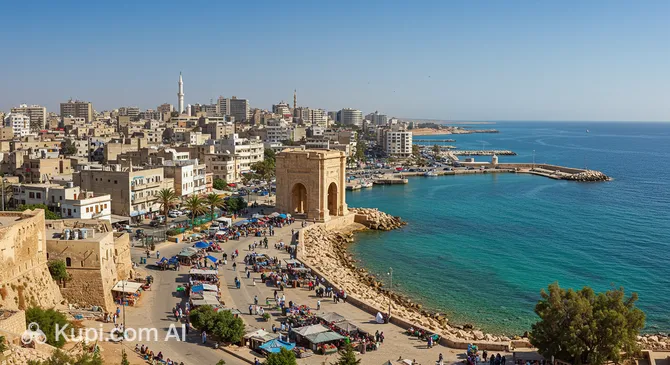
Tripoli. Source: Kupi.Binoculars

Welcome to Tripoli, the vibrant capital and largest city of Libyan Arab Jamahiriya. Often referred to as the "Mermaid of the Mediterranean" due to its shimmering turquoise waters and historic whitewashed buildings, this city serves as the country's main hub for commerce, culture, and manufacturing. With a population of approximately 1.3 million inhabitants, it offers a bustling atmosphere where traditional heritage meets modern life against the stunning backdrop of the sea.

Geographically, the city is situated on a rocky point of land projecting into the Mediterranean, forming the edge of a desert oasis. This unique location provides Tripoli with a classic Mediterranean climate, characterized by hot, dry summers and mild winters. The coastal breeze often tempers the heat, making exploration of the city's diverse districts a pleasant experience for visitors.

To truly understand the soul of this destination, one must delve into the history of Tripoli. The heart of the city's charm is the Medina, the old walled quarter where visitors can navigate a maze of narrow alleyways and bustling souks. This area preserves the traditional architecture and atmosphere of the past, offering a stark yet beautiful contrast to the wider modern avenues.

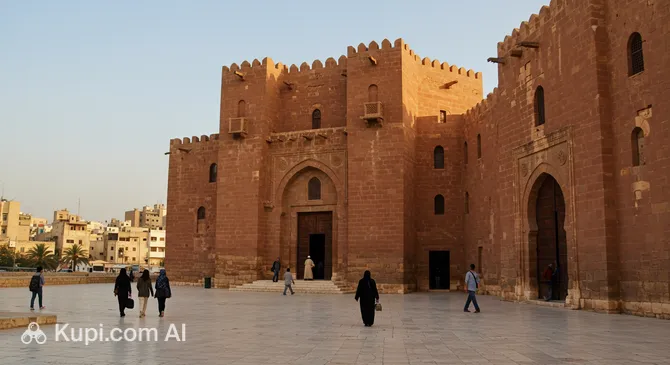
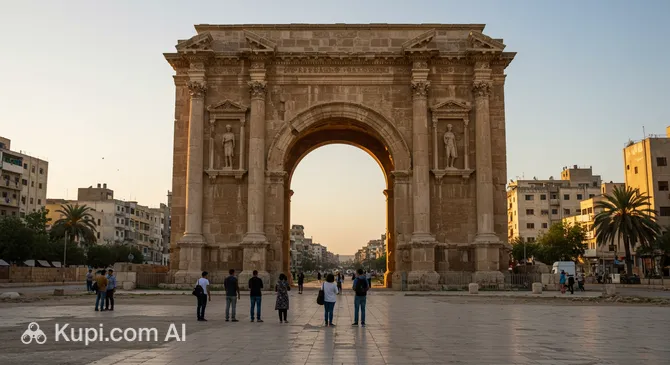
Among the most significant landmarks is the Arch of Marcus Aurelius, a remarkable Roman monument dating back to the 2nd century AD, which stands as a testament to the city's ancient origins as Oea. Nearby, the imposing Red Castle (Assaraya al-Hamra), a massive fortress complex overlooking the harbor, dominates the skyline and offers a glimpse into the region's architectural evolution. Tripoli invites travelers to discover its rich tapestry of cultures and enjoy the warm hospitality of its people.

Weather Overview

Tripoli typically enjoys a warm Mediterranean climate, offering distinct seasonal experiences for travelers. For a more detailed forecast before your trip, you can consult the guide to the weather in Tripoli, but generally, the city is known for its hot, dry summers and mild, slightly wetter winters.

The summer season, spanning from June to September, brings the highest temperatures and clear, sunny skies. August is usually the hottest month, with an average temperature of 28.4°C and highs reaching nearly 32°C. Rainfall is virtually non-existent during this time, with zero wet days recorded, ensuring uninterrupted days for outdoor exploration.

In contrast, the winter months of December through February are cooler and mark the arrival of the rainy season. Average temperatures during this period range from 14.2°C to 15.8°C, with nighttime lows occasionally dipping to around 11.5°C. Visitors during these months should be prepared for occasional showers, as January and December typically see about 8 wet days each.

Interesting Facts

Beyond the bustling markets and coastal views, Tripoli holds many fascinating secrets and historical layers that reveal its deep connection to the ancient world. Here are some intriguing facts about the city that you might not know:

  • The name "Tripoli" is derived from the Greek word "Tripolis," which translates to "Three Cities." This title historically referred to the region of Tripolitania, which encompassed the three major ancient settlements of Oea (modern-day Tripoli), Sabratha, and Leptis Magna.

  • The Arch of Marcus Aurelius is the only Roman monument in the city that has remained standing through the centuries. Interestingly, due to the accumulation of sand and debris over nearly two millennia, the arch now sits significantly lower than the modern street level, giving visitors a visual timeline of the city's growth.

  • The sprawling Red Castle Museum, also known as Assaraya al-Hamra, is built upon the site of a Roman fortified camp. It is said that the complex is so vast and intricate, with its numerous courtyards and gates, that it functioned almost as a city within a city for the various rulers who occupied it.

  • Tripoli features a unique architectural duality known as the "two cities." The ancient walled Medina, with its narrow, winding streets designed to confuse invaders and provide shade, stands in stark contrast to the Italian colonial districts, which boast wide avenues and grand European-style facades.

Arch of Marcus Aurelius. Source: Kupi.Binoculars

How to Get There

Reaching the capital of Libyan Arab Jamahiriya is an adventure that most travelers undertake by air, as this is the most practical and direct method. While the region offers various routes, flying remains the primary choice for international and domestic arrivals. For those planning their journey, you can find detailed information and all ways to reach the city in our dedicated guide.

The most convenient gateway is Mitiga Airport (IATA: MJI), which currently serves as the main operating hub for the area. Uniquely located just 8.3 km from the city center, it offers quick access to downtown Tripoli. The travel time by taxi or bus is relatively short, typically taking around 35 minutes depending on traffic. This airport handles a significant portion of the region's passenger traffic, connecting the capital with several international and domestic destinations.

Another option for travelers is Misurata Airport (IATA: MRA). It is important to note that the city of Tripoli does not have its own airport at this location; this airport is situated in the city of Misrata, approximately 186.6 km away. While further out, it serves as an alternative entry point. The journey from Misrata to Tripoli by road is substantial, taking approximately 5 hours by taxi or bus.

For clarity, here is a summary of the main airports:

Airport Name City Passenger Traffic Km from City
Melita Airport Midoun Medium 249.6
Mitiga Airport Tripoli Medium 8.3
Lampedusa Airport Lampedusa Small 294.3
Misurata Airport Misrata Small 186.6

Main Attractions

Tripoli offers a fascinating mix of historical eras, from Roman ruins to Islamic heritage and colonial architecture. The city's sights are concentrated around the harbor and the Medina, making it relatively easy to explore the highlights on foot and soak in the atmosphere of this ancient Mediterranean capital.

Dominating the city skyline, the Red Castle Museum (Assaraya al-Hamra) is an unmissable landmark for any visitor. This massive fortress has watched over Tripoli for centuries, evolving from a Roman camp to a stronghold for the Knights of St. John and Ottoman governors. Today, it houses a world-class museum showcasing Libya’s rich history, with extensive collections of Roman mosaics, classical statues, and ethnographic exhibits that tell the story of the region's diverse past.

Red Castle Museum. Source: Kupi.Binoculars

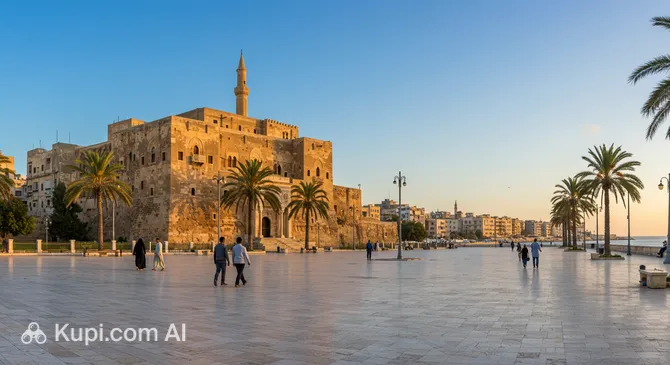
The beating heart of modern Tripoli is Martyrs' Square. This expansive plaza connects the historic Medina with the Italian colonial districts, serving as a central gathering point for locals and visitors alike. Surrounded by grand buildings and palm trees, it is a perfect spot to observe local life, enjoy a coffee in a nearby cafe, and admire the architectural transition from the ancient walled city to the modern metropolis.

Martyrs' Square. Source: Kupi.Binoculars

Standing as the only surviving monument of the Roman city of Oea, the Arch of Marcus Aurelius is a masterpiece of ancient engineering. Erected in 165 AD, this triumphal arch marks the intersection of the city's ancient main streets. Despite the passage of time, visitors can still admire the intricate marble carvings depicting Apollo and Minerva, offering a tangible connection to the city's imperial Roman heritage right at the entrance of the Medina.

Local Cuisine

The local cuisine of Tripoli is a flavorful reflection of its rich history, blending Mediterranean ingredients with North African traditions and Berber staples. Situated on the coast, the city offers a gastronomy that relies heavily on fresh seafood, olive oil, tomatoes, and aromatic spices like cumin and coriander. The food here is hearty and communal, often centered around large family gatherings, but visitors will find plenty of opportunities to taste authentic flavors in local eateries.

One of the most iconic dishes to try is Couscous, which is prepared here with a distinct Libyan touch, typically featuring lamb, pumpkin, and a spicy tomato-based sauce known as bussla. Another traditional specialty is Bazeen, a dish made from barley flour dough formed into a rounded shape and served in the center of a plate with a rich tomato sauce, mutton, and hard-boiled eggs. Given the city's seaside location, seafood lovers should not miss Haraime, a spicy fish stew cooked with peppers, garlic, and caraway, which perfectly encapsulates the Mediterranean character of the city.

The beverage culture in Tripoli is vibrant and strictly non-alcoholic, as alcohol is prohibited throughout the country. The social scene revolves around cafés and tea houses. Libyan tea is an essential experience; it is a strong, sweet green tea that is boiled to produce a thick foam on top. A unique local custom involves serving this tea with roasted peanuts or almonds floating in the glass, adding a delightful crunch and nutty flavor. Strong Arabic and Turkish coffee are also widely enjoyed, often accompanied by sweet dates or pastries.

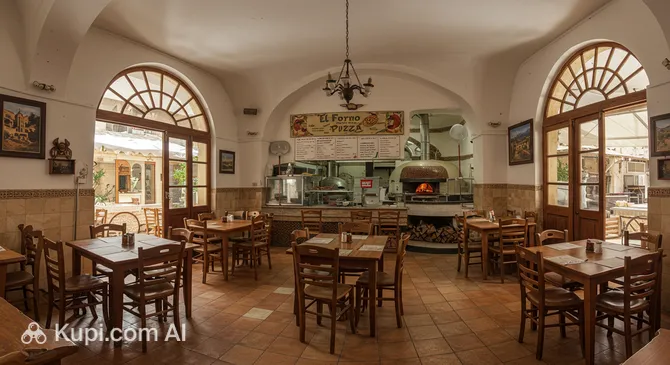
Dining out in Tripoli ranges from bustling street food stalls in the Medina to relaxed sit-down restaurants. Due to the historical Italian influence, pasta and pizza have become integral parts of the local diet, often prepared with a local twist. For a taste of this fusion, travelers can visit El Forno Pizza, a popular spot that showcases how Italian recipes have been adopted and loved by locals.

El Forno Pizza. Source: Kupi.Binoculars

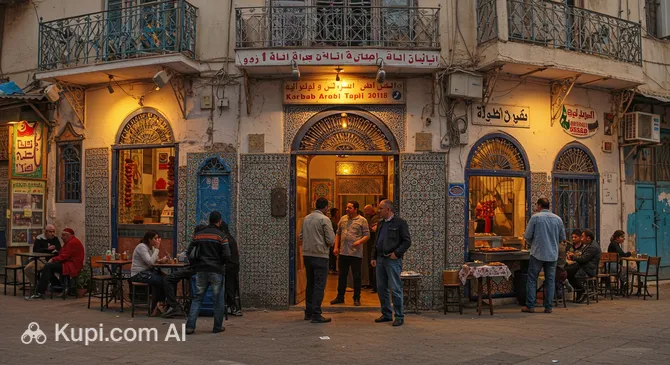
For those seeking traditional grilled meats, the city offers excellent options for kebabs and chops. Kabab Arabi is a well-regarded establishment where visitors can sample succulent, charcoal-grilled meats served with fresh bread and salads. Whether eating at a quick market stall or a dedicated restaurant, the hospitality in Tripoli ensures that guests are always well-fed and welcomed.

Kabab Arabi. Source: Kupi.Binoculars

Travel Tips

Visiting Tripoli is a rewarding experience that offers a deep dive into North African history and Mediterranean culture, but it does require some preparation to navigate smoothly. To help you make the most of your journey and respect local customs, we have compiled a list of essential practical tips for your stay.

  1. Clothing and Gear: Tripoli is a conservative city, so modest dress is essential. Both men and women should avoid clothing that is too revealing; cover your shoulders and knees, especially when exploring the Medina or religious sites. Women should carry a light scarf to cover their heads when entering mosques. Comfortable walking shoes are a must for the uneven cobblestones of the old town. In summer, bring breathable fabrics and sun protection, while a jacket is necessary for the cooler winter evenings.

  2. Transportation: The most convenient way to get around Tripoli is by taxi. Look for the distinctive black and white vehicles; they are plentiful and relatively affordable. It is best to negotiate the fare before starting your journey, as meters are rarely used. Public transport consists mainly of shared minibuses (microbuses), which can be confusing for first-time visitors without local knowledge. Car rental is available but can be stressful due to chaotic traffic, so hiring a car with a driver is often a better option.

  3. Finances: The local currency is the Libyan Dinar (LYD). Libya is very much a cash-based economy. International credit and debit cards are rarely accepted in shops or restaurants, and ATMs compatible with foreign cards are virtually non-existent. It is crucial to bring sufficient cash in major currencies like US Dollars or Euros and exchange them at official bureaus or banks upon arrival. Tipping is not mandatory but is appreciated for good service in restaurants and by guides.

  4. Health and Safety: Pharmacies are widely available and can be identified by a green cross sign; many are open late, and pharmacists often speak some English. Tap water in Tripoli is generally not recommended for drinking; always stick to bottled water. As a general precaution, avoid taking photos of government buildings, military checkpoints, or security personnel, as this is strictly prohibited. Stick to main tourist areas and avoid large gatherings or demonstrations.

  5. Communication: The official language is Arabic. While some younger people and hospitality staff may speak English, it is not universally understood. Learning a few basic phrases like "As-salamu alaykum" (Peace be upon you) and "Shukran" (Thank you) will go a long way. To stay connected, purchase a local SIM card from providers like Libyana or Al-Madar, which offer decent 4G coverage throughout the city.

  6. Local Etiquette: Libyans are known for their warm hospitality. When greeting someone of the same gender, a handshake is common, often followed by placing the right hand over the heart. However, interactions between men and women are more reserved; wait for a woman to extend her hand first. Always use your right hand for eating, passing money, or shaking hands, as the left hand is considered unclean.

  7. What to Avoid: strictly avoid bringing or consuming alcohol. Libya is a dry country with strict laws prohibiting the sale and consumption of alcohol, and penalties can be severe. Additionally, avoid public displays of affection, such as kissing or holding hands, as this is culturally inappropriate and may cause offense.

  8. Weekly Rhythm: Keep in mind that the weekend in Tripoli falls on Friday and Saturday. Friday is the holy day, meaning banks, government offices, and many shops will be closed or have very limited hours, particularly around noon prayer times. Plan your sightseeing and shopping accordingly to avoid disappointment.

By keeping these practical tips in mind, you will be well-prepared to enjoy the unique charm and hospitality of Tripoli. Respecting local traditions will not only ensure a smoother trip but also open doors to genuine and friendly interactions with the local people.

Entertainment & Nightlife

Entertainment and nightlife in Tripoli offer a unique cultural experience that differs significantly from many Western capitals. As alcohol is strictly prohibited throughout the country, you will not find traditional nightclubs, pubs, or cocktail bars here. Instead, the city's evening social life is vibrant and centered around bustling coffee shops, tea houses, and late-night dining, where locals gather to socialize, smoke shisha (hookah), and enjoy the cooling Mediterranean breeze.

The heart of the evening activity often beats strongest along Gargaresh Road. This modern district is lined with upscale cafés, fashion boutiques, and restaurants that stay open well past midnight. It is the place to see and be seen, attracting a stylish crowd of young professionals and families. The atmosphere here is lively and cosmopolitan, with venues offering everything from strong Italian espresso to elaborate mocktails and desserts. Another popular area for a night walk is the Corniche, where the sea air provides a refreshing backdrop for strolling families and friends enjoying roasted corn and tea from street vendors.

For a more traditional evening, the area around Martyrs' Square remains a focal point. As the sun sets, this vast plaza fills with locals enjoying the open space, children playing, and vendors selling balloons and snacks. It serves as a perfect starting point for exploring the nearby souks of the Medina, which take on a magical quality under the evening lights. Visitors can wander through the alleyways, shopping for crafts or simply soaking in the historic ambiance.

Dining out is the cornerstone of Tripoli's nightlife, and meals often extend late into the night. Restaurants are busy social hubs where large groups gather for feasts. For a taste of authentic local flavors in a lively setting, Kabab Arabi is a fantastic choice to experience the city's love for grilled meats. Alternatively, those craving international comfort food will find El Forno Pizza to be a popular spot, reflecting the strong Italian culinary influence that permeates the city's dining scene.

When planning a night out, keep in mind that the peak time for socializing is usually after 9:00 PM, especially during the summer. The dress code is generally smart-casual and modest; while Gargaresh Road sees more modern fashion, conservative attire is always respectful and recommended. For transportation, it is safest and most convenient to use private taxis or ride-hailing apps rather than flagging down random cars at night. While the main districts are generally safe for walking, it is advisable to stay in well-lit, populated areas and avoid wandering into quiet, unlit side streets.

During the daytime, entertainment in Tripoli shifts towards cultural and recreational activities. The city offers various opportunities to explore its heritage through museums and galleries, such as the Planetarium or the expansive grounds of the Red Castle. Families often visit the city's parks or head to the nearby beaches to relax by the Mediterranean. While the pace is slower during the heat of the day, the cultural richness provides plenty to see before the city comes alive again at sunset.

Parks & Museums

Tripoli offers a compelling blend of Mediterranean leisure and deep historical immersion, inviting visitors to explore its open spaces and rich cultural repositories. While the city is often defined by its bustling markets and ancient architecture, it also possesses areas of respite and institutions that safeguard the nation's heritage, providing a well-rounded experience for any traveler.

When it comes to green spaces and public gathering spots, Martyrs' Square stands as the undisputed heart of the city. Although it is more of a grand urban plaza than a traditional garden, it functions as the capital's primary breathing space where families stroll and children play near the fountains. For a more natural setting, the Corniche offers a picturesque promenade along the Mediterranean coast. This waterfront stretch is perfect for a relaxing walk, allowing visitors to enjoy the cool sea breeze and watch the waves crash against the rocks, serving as a serene escape from the city noise.

For those seeking a true park experience, the Al-Nasr Forest (formerly the Tripoli Zoo grounds) provides a vast area of greenery. It is a popular destination for locals on weekends who come to picnic under the shade of eucalyptus and pine trees. This expansive space offers a rare opportunity to enjoy nature within the urban limits, making it a pleasant spot for a quiet afternoon away from the concrete streets.

The city's cultural landscape is dominated by the majestic Red Castle Museum (Assaraya al-Hamra). Situated within the historic fortress that overlooks the harbor, this institution is the most significant museum in the country. Its extensive galleries are divided into sections covering prehistory, the Classical period, and the Islamic era, housing an impressive collection of Roman mosaics, statues, and ethnographic artifacts that narrate the story of Libya through the ages.

Another cultural gem is the Karamanli House Museum, located within the Medina. This beautifully restored 18th-century residence offers an intimate glimpse into the lifestyle of the Karamanli dynasty. Visitors can wander through the tiled courtyards and ornate rooms, which are furnished with traditional carpets, clothes, and household items, effectively transporting them back in time to experience the domestic grandeur of old Tripoli.

History enthusiasts will find the city's streets themselves to be an open-air museum, anchored by the ancient Arch of Marcus Aurelius. This Roman triumphal arch is a pivotal landmark that marks the intersection of the ancient city's main thoroughfares. Nearby, the winding alleyways of the Medina reveal centuries of architectural evolution, from Ottoman mosques with slender minarets to Italian colonial buildings, creating a layered visual history that is best explored on foot.

For an authentic local experience, try visiting the seaside near the Fish Market just before sunset. It is a lesser-known spot for tourists but offers one of the best views of the old city walls glowing in the golden hour light, providing a perfect moment for reflection and photography away from the crowds.

Getting Around

Navigating Tripoli requires a sense of adventure, as the city does not currently possess a formal, integrated public transport network like a metro, tram, or train system. While plans for a subway and railway have been discussed in the past, they are not operational. Instead, the transportation landscape is dominated by road-based options, primarily consisting of privately operated minibuses and taxis, which form the backbone of daily mobility for locals.

The most common form of public transport is the minibus, often referred to as a "microbus." These are typically white vans (often Iveco or Toyota models) that ply specific routes throughout the city and to the suburbs. They do not have fixed schedules or designated stops in the Western sense; instead, they stop on demand to pick up or drop off passengers along the main roads. Destinations are usually displayed on a sign in the front window or shouted out by the driver's assistant.

For a slightly more comfortable but still communal experience, shared taxis are a popular alternative. These generally operate on fixed routes similar to minibuses but carry fewer passengers—usually four to seven people. They are faster than minibuses and only slightly more expensive. You can identify them by their specific markings, often black and white, though this can vary. They depart once the vehicle is full, making them a relatively efficient way to move between major districts.

The payment system across all forms of public transport in Tripoli is strictly cash-based. There are no travel cards, electronic passes, or tap-to-pay systems. Passengers pay the driver directly, usually upon entering or just before disembarking. Prices are exceptionally low by international standards, typically costing just a few dinars for a trip across the city. It is essential to carry small change, as drivers may not always have enough cash to break large bills.

For tourists, relying on the minibus system can be challenging due to the lack of English signage and route maps. A more practical and stress-free alternative is to hire a private taxi. These are plentiful and can be hailed on the street. However, most taxis do not use meters, so it is crucial to negotiate and agree on the fare before getting into the car. Recently, local ride-hailing apps have started to emerge, offering a more standardized way to book rides with transparent pricing, which can be a relief for visitors unfamiliar with haggling.

When using transport in the city, keep in mind that operating hours are not fixed. Minibuses and shared taxis generally run from early morning until late evening, but availability drops significantly after dark. Traffic in Tripoli can be heavy and somewhat chaotic, so allow extra time for your journeys. Additionally, cultural etiquette is important; in shared vehicles, it is customary for men to give up their seats to women if the vehicle is crowded, and unrelated men and women usually avoid sitting squeezed next to each other when possible.

Walking is a viable and pleasant option for exploring specific areas like the Medina or the city center around Martyrs' Square, where attractions are clustered close together. However, for longer distances, walking is not recommended due to the heat and the lack of consistent sidewalks outside the central districts. Car rentals are available but are generally discouraged for tourists due to the aggressive local driving style and complex road conditions; hiring a car with a driver is a much safer and more relaxing choice.

Accommodation

Accommodation in Tripoli caters primarily to business travelers and a niche market of cultural tourists, offering a range of options that span from functional budget lodgings to upscale international-standard hotels. While the hospitality sector is still developing compared to other major Mediterranean capitals, visitors will find a decent selection of places to stay. The city features several high-rise luxury hotels that provide extensive amenities, including swimming pools and conference centers, alongside smaller, locally-run establishments that offer a more modest but authentic experience.

For most travelers, the most convenient area to stay is the City Center, particularly the districts surrounding Martyrs' Square and the waterfront Corniche. Staying here places you within walking distance of major historical sites like the Medina and the Red Castle Museum, as well as a variety of restaurants and cafes. The Gargaresh district is another popular choice, especially for those looking for a more modern atmosphere with access to shopping and nightlife, although it is further from the historical core.

In terms of pricing, accommodation in Tripoli covers a broad spectrum. Budget and mid-range options are generally affordable, though amenities may be basic. Luxury hotels, often situated along the coast with sea views, command higher prices comparable to international standards but offer the highest level of comfort and security. It is worth noting that while major hotels may accept credit cards, smaller guesthouses often require payment in cash (Libyan Dinars), so it is essential to have local currency on hand.

Booking Tip: It is highly recommended to book your accommodation well in advance of your trip. Many travelers require a confirmed hotel reservation to process their visa applications. Furthermore, while some major hotels are listed on international booking platforms, many local establishments rely on direct bookings via phone or email. Confirming your reservation directly with the hotel before arrival ensures a smoother check-in process.

Nearby Cities

For those looking to explore the surroundings, Tripoli serves as an excellent base for day trips to several interesting nearby locations:

City Population Distance (km)
Misrata 259,056 190
Al Khums 201,943 105
Zawiya 200,000 44
Gharyan 187,854 81
Sabratha 102,038 70

Sabratha is a must-visit destination located just west of the capital. This ancient coastal city is a UNESCO World Heritage site, celebrated for its remarkably preserved Roman theatre. The theatre's three-story backdrop of columns is one of the most iconic images of the region. Visitors can wander through the ruins of temples and baths while enjoying the stunning backdrop of the Mediterranean Sea.

To the east lies Al Khums, which serves as the gateway to the magnificent ruins of Leptis Magna. Often cited as one of the best-preserved Roman cities in the world, the site features the imposing Severan Arch, a vast forum, and an amphitheater. It offers an unparalleled opportunity to walk through history and imagine life during the height of the Roman Empire.

For a completely different landscape, travelers can head south to Gharyan in the Nafusa Mountains. This town is famous for its traditional troglodyte architecture—underground houses carved into the rock to keep cool in the summer and warm in the winter. It is also a hub for local pottery, allowing visitors to see artisans at work and purchase unique handmade souvenirs.

These nearby destinations offer a glimpse into the diverse culture and landscapes of the region.

Shopping & Souvenirs

Shopping in Tripoli offers a fascinating contrast between the ancient and the modern, reflecting the city's dual character. Visitors can transition from haggling for traditional crafts in centuries-old alleyways to browsing contemporary fashion boutiques on wide, palm-lined avenues. While the city is not primarily known as a global luxury retail destination, it excels in offering authentic local goods, high-quality craftsmanship, and a vibrant market atmosphere that is integral to the Libyan way of life.

For those seeking modern apparel, electronics, and international brands, Gargaresh Road in the Hay Al-Andalus district is the premier destination. This bustling thoroughfare serves as the city's main high street, lined with an array of upscale boutiques, shoe stores, and sportswear shops. It is a lively area where the city's fashion-conscious youth and families come to shop, particularly in the evenings when the street lights up and the cafes are full.

While Tripoli does not feature the massive mega-malls found in some other region capitals, it has several modern shopping centers that cater to daily needs and lifestyle shopping. Smaller shopping complexes and department stores are scattered throughout the modern districts, offering a comfortable, air-conditioned environment. These centers often combine retail with cafes, making them popular meeting spots for locals.

The true highlight of the shopping experience, however, is the Medina. This walled old town is a labyrinth of covered souks and open-air markets that has remained largely unchanged for generations. The most famous among them is the Gold Souk, where narrow streets are lined with shop windows glittering with intricate gold and silver jewelry. Near Martyrs' Square, visitors can enter Souq al-Mushir, a traditional market known for its beautiful architecture and variety of goods, ranging from textiles to perfumes.

When looking for souvenirs, Tripoli offers unique treasures that represent the country's rich heritage. The city is renowned for its gold and silver jewelry, often sold by weight and crafted in traditional designs. Other popular items include leather goods, such as handmade sandals and bags, as well as copperware and hand-woven carpets. For a distinctively local gift, look for a traditional embroidered vest or "farmila," which is a staple of Libyan formal wear.

Understanding local business hours is crucial for a successful shopping trip. Most shops operate on a split schedule, opening around 9:00 AM to 1:00 PM, and then closing for a long afternoon break during the hottest part of the day. They reopen in the late afternoon, typically from 4:00 PM or 5:00 PM until 9:00 PM or later. On Fridays, which is the weekly holiday, the markets are generally quiet in the morning but may come alive in the evening.

Payment in Tripoli is almost exclusively done in cash. Credit cards are rarely accepted in shops, markets, or even many modern boutiques. The local currency, the Libyan Dinar (LYD), is the only method of payment, so tourists should ensure they have sufficient cash on hand before heading out. Bargaining is expected and welcomed in the souks of the Medina, where a friendly negotiation can often lead to a better price and a warm interaction with the shopkeeper.

Regarding tax-free shopping, there is currently no formal VAT refund scheme for tourists in the city. The prices displayed or negotiated are final, but given the generally reasonable cost of living and the favorable exchange rates for many visitors, shopping here often provides excellent value for money without the need for tax rebates.
Reached the end of the page?

That means the route is fully explored