Support

Misrata

About

Welcome to Misrata, a vibrant and significant metropolis located on the Mediterranean coast. Known for its bustling commercial atmosphere and welcoming spirit, this city serves as a crucial economic hub while maintaining a distinct cultural charm. As you explore the streets, you will discover a fascinating blend of modern development and traditional values that defines this part of Libyan Arab Jamahiriya.

Geographically, Misrata enjoys a prime location by the sea, which gifts it with a milder climate compared to the arid interior regions. The city is often referred to as an oasis of sands due to the beautiful golden dunes that surround it. With a population of approximately 259,000 inhabitants, it is the third-largest city in the country, offering a lively urban environment that is easy to navigate for visitors.
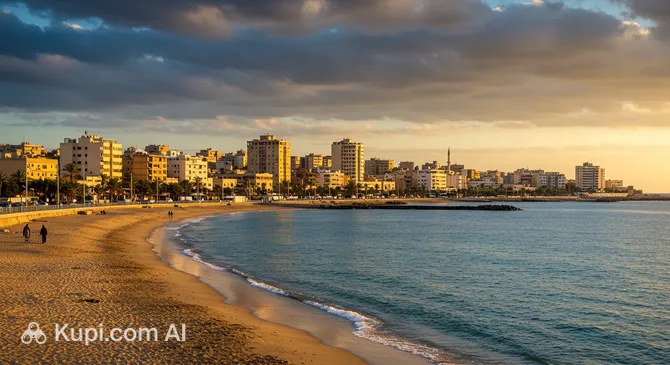
Misrata. Source: Kupi.Binoculars

The history of Misrata is rich and dates back to ancient times, with roots stretching to the Phoenician and Roman eras when it was known as Tubartis. Today, it stands as a testament to resilience and growth, functioning as the nation's commercial capital. The city is renowned for its well-planned layout, featuring wide avenues lined with palm trees and a variety of architectural styles that reflect its long heritage.

Travelers are often drawn to the stunning Qasr Ahmed area, famous for its port and the spectacular sand dunes that meet the blue waters of the Mediterranean, creating a picturesque landscape perfect for relaxation. The city center is equally engaging, hosting vibrant markets and mosques that showcase local craftsmanship and religious architecture. Whether you are interested in business or leisure, Misrata offers a unique and authentic glimpse into the heart of the region, making it a noteworthy destination for your itinerary.

Weather Overview

Misrata typically experiences a pleasant Mediterranean climate, characterized by hot, dry summers and mild winters. The coastal location helps moderate the temperatures, preventing the extreme heat found further inland. For a detailed breakdown of conditions during your planned trip, you can consult the current weather in Misrata.

The summer months, particularly from June to August, are the warmest, with average temperatures peaking around 28°C and daily highs reaching nearly 31°C. Rainfall is virtually non-existent during this period, ensuring bright, sunny days perfect for outdoor activities. In contrast, the winter season from December to February sees cooler temperatures averaging between 14°C and 16°C, with lows dropping to around 12°C. This is also when the city sees the most moisture, with December and January averaging about 7 to 8 wet days, though heavy downpours are rare.

Interesting Facts

Beyond its reputation as a bustling commercial hub, Misrata holds a collection of fascinating secrets that reveal its deep historical and geographical significance. This city is not merely a modern economic center but a place where ancient traditions and unique natural features create a distinct identity.

  • The City of Sands: Misrata is affectionately known by the nickname Dhat ar-Rimal, which translates to "The Sandy One." This title is derived from the spectacular belt of high golden sand dunes that encircle the city, effectively separating the lush, green oasis and urban areas from the blue waters of the sea.

  • Ancient Roots as Tubartis: While it appears modern today, the city's origins stretch back over 3,000 years. It was originally established as a trading station by the Phoenicians and was later known during the Roman era as Tubartis (or Thubactis), serving as a vital link in the trans-Saharan trade routes.

  • A Legacy of Weaving: The city has long been celebrated as a center for traditional craftsmanship, particularly for its handmade carpets known as kilims. For centuries, local artisans have produced these intricate, colorful textiles, making them a signature cultural product of the region.

  • Geographical Landmark: The city sits near Cape Misrata, a prominent headland that marks the westernmost point of the Gulf of Sidra. This unique position not only shapes the local climate but also made it a crucial navigational landmark for sailors throughout history.

How to Get There

Reaching this coastal metropolis is relatively straightforward, primarily due to its own international air hub and its connection to the capital's transport network. Whether you are arriving directly or traveling overland from a neighboring city, you can find more about how to get to Misrata and plan your journey effectively.

The most convenient option for most travelers is Misurata Airport (IATA: MRA), which serves as the city's primary gateway. Located just 3.6 km from the city center, it is a significant regional hub handling approximately 270,000 passengers annually. Due to its close proximity, the transfer to downtown is very quick; a taxi ride typically takes around 10 to 15 minutes, making it an efficient choice for direct arrivals.

Alternatively, you may choose to fly into Mitiga Airport (IATA: MJI), located in the city of Tripoli. This is a larger facility with a higher passenger volume, situated about 182 km from Misrata. While it may offer a wider range of international connections, travelers should account for the overland transfer. The journey from Tripoli to Misrata by taxi or car usually takes approximately 2.5 to 3 hours.

For clarity, here is a summary of the main airports:

Airport Name City Passenger Traffic Km from City
Mitiga Airport Tripoli High 182.4
Misurata Airport Misrata Medium 3.6

Main Attractions

While Misrata is primarily known as a commercial powerhouse, it possesses a distinct charm and a selection of interesting spots for visitors who wish to explore its local culture and geography. The city offers a mix of bustling urban life, serene green spaces, and unique natural landscapes where the desert meets the sea.

One of the most prominent areas to visit is Qasr Ahmed. This district is not only the site of the city's vital port but also a place of striking natural beauty. Here, travelers can witness the city's famous golden sand dunes rolling right down to the edge of the Mediterranean Sea. It is a favorite spot for locals and visitors alike to enjoy the fresh sea breeze, take photographs of the dramatic landscape, and experience the "oasis of sands" atmosphere that defines the region.

For a relaxing break within the city limits, Misrata Central Park offers a lush, green escape from the busy streets. As a popular gathering place for families and friends, it provides a glimpse into the social life of the city. The park features well-maintained gardens and walking paths, making it an ideal location for a leisurely afternoon stroll or a peaceful picnic under the shade of trees.

To experience the city's vibrant commercial heritage, a visit to the local Souqs and the Gold Market is essential. These traditional markets are bustling with activity and offer a sensory experience filled with the sights and sounds of daily trade. Visitors can browse through a variety of goods, from intricate jewelry to the region's famous handmade carpets, known as kilims. Exploring these markets provides a deep dive into the craftsmanship and trading history that has sustained the city for centuries.

Nature enthusiasts should also make their way to Cape Misrata. This geographical landmark marks the western end of the Gulf of Sidra and offers sweeping views of the coastline. The area around the cape is known for its relatively pristine beaches and clear waters, making it a refreshing destination for those looking to connect with the Mediterranean environment away from the city center.

Local Cuisine

The culinary scene in Misrata offers a flavorful reflection of its geography, blending the hearty traditions of the North African desert with fresh Mediterranean influences. As a coastal trade hub, the city enjoys access to a variety of ingredients, resulting in a cuisine that is rich, spicy, and deeply satisfying. Food here is more than just sustenance; it is a central part of social life and a primary expression of Libyan hospitality.

One of the most iconic dishes you must try is Bazeen. This traditional meal consists of a hard, unleavened dough made from barley flour, which is boiled and then shaped into a rounded mound. It is typically served in the center of a large communal bowl, surrounded by a rich tomato-based sauce, mutton, and hard-boiled eggs. Another local favorite is Mbakbaka, a spicy pasta dish that highlights the region's historical Italian influence. Unlike Italian pasta, the noodles are cooked directly in a stew of tomatoes, spices, and meat, allowing them to absorb every bit of flavor.

Given its location on the coast, Misrata is also an excellent place to enjoy fresh seafood. Local restaurants near the port and along the shoreline serve the catch of the day, often grilled simply with herbs or cooked into spicy stews known as haraimi. The use of spices like cumin, coriander, and chili powder is prevalent, giving the local food a distinctive kick that sets it apart from other Mediterranean cuisines.

When it comes to beverages, the culture is entirely dominated by non-alcoholic options, as alcohol is prohibited and not available in the country. The star of the show is undoubtedly Libyan tea. This is a strong, sweet green tea that is boiled for a long time to achieve a dark, amber color. It is famously served with a thick, foam-like layer on top called raghwa and is often accompanied by roasted peanuts or almonds floating in the glass. Coffee is also popular, typically served strong and black in the Turkish style.

The food culture in Misrata revolves around generosity and communal dining. Visitors will find a mix of casual street food stalls selling shawarma and sandwiches, alongside family-run restaurants where meals are meant to be shared. The atmosphere in local eateries is generally relaxed and welcoming, offering tourists a genuine taste of daily life in this vibrant city.

Travel Tips

Planning a trip to Misrata requires a bit of preparation to ensure a smooth and culturally respectful experience. These practical tips are designed to help you navigate local logistics and customs, allowing you to focus on enjoying the city's warm hospitality and unique atmosphere.

  1. Clothing and Gear: As Misrata is a conservative city, modest dress is essential. Men should wear long trousers rather than shorts, and women should opt for loose-fitting clothing that covers the arms and legs. A lightweight scarf is a useful accessory for women, especially if visiting religious sites. Given the Mediterranean climate, bring breathable natural fabrics like cotton or linen, along with comfortable walking shoes, sunglasses, and a hat to protect against the strong sun.

  2. Transportation: Public transport options like metros or trams do not exist in the city. The most convenient way to get around is by taxi. Taxis are widely available, but they rarely use meters, so it is crucial to negotiate and agree on the fare before starting your journey. Shared microbuses operate on specific routes, but they can be confusing for first-time visitors. Renting a car is possible, though local driving habits can be chaotic.

  3. Finances: The local currency is the Libyan Dinar (LYD). Misrata is primarily a cash-based economy, and credit cards are rarely accepted outside of major hotels or high-end businesses. International ATMs may be unreliable or scarce, so it is highly recommended to bring sufficient cash (USD or EUR) and exchange it at official exchange bureaus or banks upon arrival. Tipping is not mandatory but is appreciated; rounding up the bill or leaving a small amount is a kind gesture.

  4. Health and Safety: Pharmacies are common and usually marked with a green cross, with some operating 24 hours a day. It is advisable to drink bottled water rather than tap water to avoid any stomach issues. As with any travel destination, keep your valuables secure and avoid poorly lit areas at night. Always carry a copy of your identification documents with you while exploring the city.

  5. Communication: The official and dominant language is Arabic. While English is used in the business sector due to the city's commercial nature, it is not widely spoken by the general public. Learning a few basic Arabic phrases like As-salamu alaykum (Peace be upon you) and Shukran (Thank you) will go a long way. Purchasing a local SIM card (providers like Libyana or Al-Madar) is recommended for reliable internet access and navigation.

  6. Local Etiquette: Libyans are known for their hospitality, and greetings are an important part of social interaction. A handshake is the standard greeting between men, but wait for a woman to extend her hand first. Always use your right hand for eating, greeting, or exchanging money, as the left hand is considered unclean. If invited to a local home, remember to remove your shoes before entering.

  7. What to Avoid: Strictly avoid taking photographs of government buildings, military installations, or security personnel, as this is prohibited and can lead to serious legal trouble. Additionally, never consume or carry alcohol, as it is strictly illegal throughout the country. Public displays of affection should also be avoided to respect local conservative norms.

  8. Friday Schedule: Keep in mind that Friday is the holy day of the week. Most shops, businesses, and markets will be closed or have very limited hours, especially during prayer times in the early afternoon. Plan your shopping and major activities for other days of the week.

By keeping these practical considerations in mind, you will be well-equipped to explore Misrata with confidence and ease. Embracing the local customs and being prepared for the city's pace of life will ensure your visit is both memorable and hassle-free.

Entertainment & Nightlife

Nightlife in Misrata offers a vibrant yet distinct experience that differs significantly from Western concepts of evening entertainment. As alcohol is strictly prohibited throughout the country, you will not find nightclubs, bars, or pubs in the city. Instead, the "nightlife" culture is centered around lively social interactions in coffee houses, late-night shopping, and communal dining. The atmosphere is incredibly welcoming and family-oriented, with streets bustling with locals enjoying the cooler evening air well past midnight.

The epicenter of evening activity is often found along the city's major commercial arteries, particularly Tripoli Street. This bustling avenue transforms at night into a hub of lights and energy, lined with a multitude of modern cafes, restaurants, and shops. It is the perfect place to immerse yourself in the local social scene, where groups of friends gather to watch football matches on large screens, smoke shisha (where available), and enjoy endless cups of strong Libyan tea or espresso. The dress code here, as in the rest of the city, remains conservative; smart-casual and modest attire is expected for both men and women.

For those seeking a more scenic and relaxed evening, the Qasr Ahmed district is a favorite destination. Located near the coast, this area allows visitors to enjoy the fresh sea breeze and a peaceful ambiance away from the city center's noise. It is common to see families picnicking on the nearby dunes or walking along the seaside promenades under the stars. Another excellent spot for a safe and pleasant night walk is Misrata Central Park, which remains a popular gathering place for locals of all ages to unwind and socialize in a green, well-lit environment.

When it comes to daytime entertainment, the pace is generally more relaxed. While the city does not feature large-scale amusement parks, it offers opportunities to explore cultural sites. Visitors can spend their days visiting local museums to learn about the region's heritage or browsing the traditional markets. However, keep in mind that many venues may close for a few hours in the afternoon during the hottest part of the day, reopening in the late afternoon.

For a smooth experience, the best time to head out for the evening is after 8:00 PM, when the city truly comes alive. Prices for coffee and dining are generally very affordable. Public transport is limited at night, so it is highly recommended to rely on taxis to get around. While the main districts like Tripoli Street and the areas around the central park are safe for walking, it is advisable to stay in well-lit, populated areas and avoid wandering into quiet residential neighborhoods alone. If you need a ride, ask your hotel or a restaurant to call a trusted taxi service for you.

Parks & Museums

While Misrata is often celebrated for its commercial energy, the city also nurtures a quieter, more soulful side through its open spaces and historical landmarks. Beyond the modern thoroughfares, you will discover areas dedicated to leisure and reflection, ranging from breezy seaside promenades to architectural gems that honor the region's spiritual heritage.

Seaside and Urban Greenery

A highlight for anyone seeking fresh air is the Misrata Corniche. This seaside promenade offers a refreshing counterpoint to the city center, providing a paved route perfect for long walks accompanied by the sound of the Mediterranean. It is particularly popular in the late afternoon when the setting sun casts a golden glow over the water, drawing locals for evening strolls and casual conversations.

For a different kind of natural experience, the Qasr Ahmed Dunes offer more than just a scenic view. While mentioned elsewhere for their beauty, they are also a playground for activity; local families often head here for picnics on the soft sands, and the slopes provide a fun challenge for those looking to climb for a better vantage point. Back in the city center, Misrata Central Park serves as the community's social living room. Rather than just a garden, it is the prime spot to witness local life unfold, especially in the evenings when friends gather on the lawns to share stories and enjoy the cooler air.

Architectural and Spiritual Heritage

With the absence of a dedicated general history museum, the Old City itself acts as an open-air gallery of traditional Libyan Arab Jamahiriya culture. Wandering away from the main commercial strips, you can find narrower streets lined with older buildings that feature classic design elements, such as internal courtyards and thick masonry walls built to withstand the summer heat. This area provides a tangible connection to the city's past, distinct from its modern commercial identity.

A cornerstone of the city's cultural landscape is the Sheikh Ahmed Zarruq Mosque. Dedicated to the renowned 15th-century Sufi scholar and jurist who lived in the region, this religious site is a beacon of Misrata's spiritual history. The mosque is not only a place of worship but also an architectural landmark, characterized by its elegant minarets and serene atmosphere. It stands as a testament to the city's long-standing tradition of religious scholarship and offers a peaceful environment for contemplation.

Getting Around

Navigating the transport system in Misrata differs significantly from many international destinations, as the city relies heavily on informal networks rather than a centralized public transit authority. There are no metros, trams, trolleybuses, or scheduled municipal bus lines currently in operation. The city is designed primarily for vehicular traffic, making private cars and taxis the dominant modes of transportation for both locals and visitors.

The most practical and convenient option for tourists is the taxi. You will find them readily available throughout the city, particularly near major landmarks, markets, and hotels. Taxis here are typically not distinctively colored like in some other cities, though many will have a "Taxi" sign on the roof. They do not generally use meters, so the fare is based on the distance and the driver's estimation. It is standard practice to negotiate and agree on the price before you get into the car to avoid any misunderstandings at your destination.

For a more authentic and economical way to travel, you might encounter shared microbuses or vans. These vehicles serve as the city's de facto bus system, running along main avenues and connecting key districts. They are very inexpensive and popular with residents, but they can be challenging for visitors to use. Routes are rarely marked, and there are no fixed schedules or official stops; passengers simply flag them down from the side of the road and ask the driver to stop when they reach their destination.

Regarding payment, the system is exclusively cash-based. There are no travel cards, monthly passes, or mobile ticketing applications available for use in Misrata. You must pay the driver directly in Libyan Dinars. For shared microbuses, small change is essential, as fares are low and drivers may not have change for large banknotes. For private taxis, payment is made at the end of the journey. It is always wise to carry enough cash in smaller denominations to cover your transport needs for the day.

Car rental is a viable alternative for those who value independence and wish to explore the surrounding coastal areas or dunes at their own pace. Several local agencies offer rental services, but driving here requires a high degree of alertness due to local driving habits which can be unpredictable. Ride-hailing apps are not widely established or reliable compared to traditional phone-booking for taxis. Walking is pleasant in specific areas like the city center or the corniche, but due to the city's spread-out layout, it is not a practical way to get from one district to another.

Accommodation

Finding accommodation in Misrata differs somewhat from typical tourist destinations, as the local hospitality sector is primarily geared towards business travelers and trade professionals. Reflecting the city's status as the commercial capital of Libyan Arab Jamahiriya, the options generally range from functional mid-range hotels to modern, high-standard establishments designed for comfort and security. While you will not find sprawling all-inclusive holiday resorts, there is a growing number of furnished apartments and serviced residences suitable for longer stays.

When choosing where to stay, location is a key factor. The City Center, particularly the areas surrounding Tripoli Street, is the most popular choice for visitors. Staying here places you in the heart of the action, within walking distance of restaurants, cafes, and local markets. It is the most convenient zone for those who want easy access to the city's social life and commercial districts. Alternatively, the Qasr Ahmed area near the port offers a quieter atmosphere. This district is ideal for those who prefer to be closer to the sea and the famous sand dunes, providing a more relaxed environment away from the downtown hustle.

Most hotels in the city are equipped with essential modern amenities, including Wi-Fi, air conditioning, and on-site dining options. Since the clientele is often corporate, you can expect a high level of service and cleanliness. Many of the reputable establishments are located along the main boulevards, ensuring easy access to taxis and transport.

Booking Tip: As Misrata is a busy economic hub, hotels can fill up quickly with business delegations and traders. It is highly advisable to book your accommodation in advance. While some major hotels may appear on international booking platforms, many local establishments rely on direct bookings via phone or email. It is often helpful to have a local contact or your host assist with confirming reservations.

Regarding costs and payment, prices are generally reasonable but can vary significantly based on the level of luxury and security provided. Budget options are available, but most international visitors opt for mid-range to upper-tier hotels for guaranteed comfort. Be prepared to pay in cash (Libyan Dinars), as credit card acceptance is limited at hotel front desks. Always confirm the payment method before your arrival to ensure a smooth check-in process.

Nearby Cities

Nearby Cities:

Situated on the central coast, Misrata serves as an excellent starting point for exploring the wider region of Libyan Arab Jamahiriya. The city's location along the primary coastal highway connects it to several significant historical and urban centers. Whether you are interested in ancient archaeology, mountain landscapes, or the bustling life of the capital, there are several noteworthy destinations within driving distance that make for perfect day trips or next stops on your itinerary.

The closest major city is Al Khums, located approximately 86 km to the west. This coastal hub is best known as the gateway to the magnificent Roman ruins of Leptis Magna, a UNESCO World Heritage site and one of the most preserved archaeological treasures in the Mediterranean. A short drive here allows visitors to walk through ancient history before returning to the comforts of the city.

Further west lies the nation's capital, Tripoli, situated about 190 km from Misrata. Known as the "Mermaid of the Mediterranean," it is the largest city in the country and a center of culture and commerce. Visitors are often drawn to its historic Medina, the Red Castle Museum, and the lively atmosphere of its modern districts.

For those seeking a change in terrain, Gharyan offers a unique experience roughly 197 km away. Located in the Nafusa Mountains south of the capital, this city is famous for its traditional troglodyte architecture—homes carved vertically into the ground to maintain a comfortable temperature year-round. The journey provides scenic views as the flat coastal plains give way to rugged highlands.

Continuing along the coast past the capital, you will reach Zawiya (227 km) and the historic site of Sabratha (254 km). Sabratha is another archaeological gem, renowned for its spectacular Roman theatre that stands majestically against the backdrop of the sea. These destinations are ideal for travelers looking to extend their coastal journey further west.

Below is a summary of these nearby cities to help you plan your travels:

City Distance from Misrata Population Key Feature
Al Khums 86 km 201,943 Proximity to Leptis Magna
Tripoli 190 km 1,293,016 Capital City & Culture
Gharyan 197 km 187,854 Mountain Architecture
Zawiya 227 km 200,000 Coastal Trade Hub
Sabratha 254 km 102,038 Roman Theatre

Shopping & Souvenirs

As the commercial capital of Libyan Arab Jamahiriya, Misrata offers a shopping experience that is vibrant, diverse, and deeply rooted in its trading history. The city is renowned across the country for its bustling activity, where traditional commerce meets modern retail. Visitors will find everything from high-end furniture and electronics to locally crafted goods, making it an exciting destination for those looking to engage with the local economy and culture.

The heart of modern shopping in the city is undoubtedly Tripoli Street. This expansive avenue serves as the main commercial artery, lined with kilometers of shops, showrooms, and boutiques. It is the place to go for fashion, accessories, and modern conveniences, buzzing with energy particularly in the evenings. Walking along this street allows tourists to window shop, visit local cafes, and experience the lively urban atmosphere that defines Misrata's evenings.

While the city is famous for its street-side retail, it has also seen the development of modern indoor shopping centers. These malls offer a more concentrated shopping experience with air-conditioned comfort, featuring a mix of international brands, clothing stores, and food courts. They provide a convenient option for families and those looking to escape the midday heat while browsing for contemporary goods.

For a more traditional experience, the local Souqs are essential stops. The city is particularly famous for its Gold Market, where rows of shops display dazzling arrays of intricate jewelry. The craftsmanship is exceptional, and the sheer volume of gold on display is a sight to behold. Additionally, the traditional textile markets offer a glimpse into the region's heritage, where merchants sell fabrics and household goods in a style that has remained largely unchanged for decades.

When it comes to souvenirs, the most iconic item to bring back from Misrata is a Kilim. The city is the national center for weaving these traditional handmade carpets. Known for their durability, vibrant geometric patterns, and cultural significance, Misrata's kilims are highly prized and make for a beautiful, lasting memento. Other excellent choices include locally produced olive oil and high-quality dates, which reflect the agricultural richness of the surrounding region.

Understanding local business hours is crucial for a successful shopping trip. Most shops operate on a "split shift" schedule. They typically open around 9:00 AM and close for a midday break around 1:00 PM or 2:00 PM. They reopen in the late afternoon, around 4:00 PM or 5:00 PM, and stay open late into the night, often until 10:00 PM or 11:00 PM. On Fridays, most businesses are closed in the morning and early afternoon for prayer, opening only in the evening.

Regarding payment, Misrata is predominantly a cash economy. While some major hotels or large modern retailers might accept cards, the vast majority of shops, markets, and cafes deal exclusively in Libyan Dinars. It is highly recommended to carry sufficient cash with you. Tax-free shopping schemes for tourists are generally not available, so the price you see (or negotiate) is the final price you pay.

Nearby cities

Reached the end of the page?

That means the route is fully explored