Support

Az Zintan

About

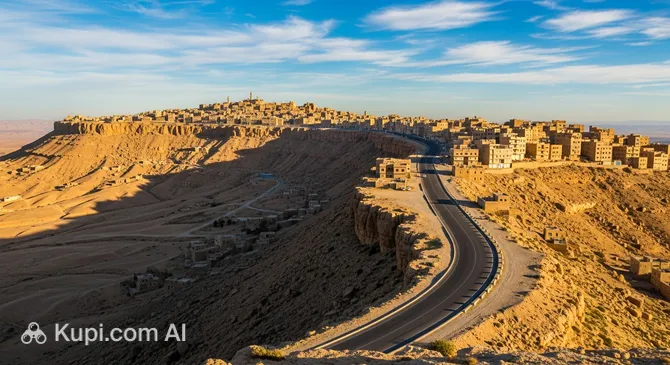
Nestled high within the rugged peaks of the Nafusa Mountains, Az Zintan offers a unique perspective on the diverse landscapes of Libyan Arab Jamahiriya. This city, often simply referred to as Zintan, is known for its commanding position overlooking the sprawling plains below. With a population of approximately 16,000 residents, it serves as a significant hub in the Jabal al Gharbi District, providing visitors with a glimpse into the authentic mountain life of the region.

Az Zintan. Source: Kupi.Binoculars

The city's geography is defined by its elevation, which grants it a cooler and more temperate climate compared to the arid desert lowlands. Exploring the history of Az Zintan reveals a community deeply connected to the land, where traditional architecture blends seamlessly with the rocky terrain. The area is characterized by winding mountain roads and ancient olive groves that have sustained the local population for generations.

Travelers are often drawn to the dramatic scenery and the opportunity to experience the hospitality of the local communities. The surrounding Jebel Nafusa range offers excellent opportunities for scenic drives and photography, capturing the stark beauty of the escarpment. Whether you are passing through on a wider tour of the mountains or stopping to admire the panoramic vistas, Az Zintan stands as a welcoming gateway to the highlands.

Weather Overview

Due to its elevated location in the Nafusa Mountains, the climate here offers a distinct contrast between seasons. Travelers checking the weather in Az Zintan can generally expect hot, dry summers and cool winters. The warmest period stretches from June to September, with July seeing average maximum temperatures peak around 35.9°C, creating a very warm environment for outdoor activities.

The winter months bring a refreshing change, with January being the coolest time of the year. During this season, average daytime temperatures hover around 10°C to 12°C, while nights can get chilly with lows dropping to approximately 6.0°C. Rainfall is exceptionally low year-round; even during the winter months like December and February, precipitation accumulation is minimal, though you may experience a few days with light moisture.

Interesting Facts

Beyond its scenic mountain vistas, Az Zintan holds fascinating details that reveal its deep historical and geographical significance. The city is not just a viewing point but a living testament to the resilience and traditions of the highlands.

  • The Meaning of "Small Castles": In the Amazigh language, the city is known as Tigharmin, which translates to "small castles" or "forts." This moniker reflects the city's historical appearance, where traditional stone structures clustered on the hilltops resembled a series of natural fortifications against the rugged landscape.

  • The "Balcony" of the Mountains: Due to its strategic position on the edge of the Nafusa escarpment, Az Zintan is often described as a natural balcony. On particularly clear days, the panoramic views from the city's highest points can stretch across the Jefara Plain all the way to the Mediterranean coast, offering one of the most expansive lines of sight in the region.

  • Camouflaged Architecture: The traditional architecture of Az Zintan is renowned for its ability to blend seamlessly with the environment. Builders historically used the same local limestone found in the cliffs, creating homes that are nearly indistinguishable from the natural rock face when viewed from a distance—a technique that provided both insulation and camouflage.

  • Ancient Olive Heritage: The city is surrounded by some of the oldest olive groves in the district, with trees that have been cultivated for generations. The local method of dry-farming in these highlands produces a distinctively rich olive oil that is a staple of the local diet and a source of pride for the community.

How to Get There

Reaching this mountain city typically involves a scenic journey by road, as the rugged terrain of the Nafusa Mountains makes direct air travel to the town itself impossible. Visitors usually fly into one of the major coastal hubs and then proceed by car or bus up the escarpment. For a comprehensive guide on travel options and routes, you can read more about how to get to Az Zintan.

The city of Az Zintan does not have its own airport, but the most convenient entry point is usually Mitiga Airport (MJI) in the city of Tripoli, which is approximately 144 km from Az Zintan. As a key regional hub with medium passenger traffic, it offers frequent connections. From Tripoli, the drive to the mountains takes about 4 hours by taxi or bus, winding through the foothills before ascending to the city.

Another option for travelers, particularly those coming from the west, is Melita Airport (DJE) located in the city of Midoun. Although it is about 256 km away, it is a significant international gateway with high passenger volume. The transfer from here requires a longer journey of approximately 6 hours and 45 minutes. Alternatively, Misurata Airport (MRA) in Misrata is roughly 269 km away, with a travel time of around 7 hours.

For clarity, here is a summary of the main airports:

Airport Name City Passenger Traffic Km from City
Melita Airport Midoun High 255.8
Mitiga Airport Tripoli Medium 143.7
Misurata Airport Misrata Low 268.6

Main Attractions

While Az Zintan is not defined by large museums or modern theme parks, its true appeal lies in its breathtaking geography and preserved heritage. The city serves as a living museum of mountain culture, offering visitors a chance to connect with the rugged beauty of the Nafusa Mountains. Exploring the area reveals a destination where nature and tradition are inextricably linked.

The most prominent attraction in the city is the Mountain Escarpment Views. Situated on the edge of a steep cliff, the city offers some of the most spectacular panoramic vistas in the region. Visitors often gather at the edge of the plateau to look out over the vast Jefara Plain stretching towards the Mediterranean Sea. It is an exceptional spot for photography, particularly at sunset when the changing light casts dramatic shadows across the rocky terrain below.

For those interested in history and architecture, a walk through the Old Quarter provides a fascinating insight into traditional Libyan mountain life. Here, you can see remnants of the vernacular architecture where homes were built using local limestone to blend seamlessly with the environment. wandering through these quiet, winding streets allows tourists to appreciate the ingenuity of past generations who constructed their dwellings to stay cool in summer and warm in winter.

Surrounding the urban area, the Ancient Olive Groves are a testament to the region's agricultural legacy. Many of these trees have stood for centuries, thriving in the arid mountain soil. A stroll through these groves offers a peaceful retreat and a chance to see the traditional dry-farming techniques that are still in use today. It is a perfect setting for nature lovers seeking tranquility away from the bustling coastal cities.

Local Cuisine

The culinary landscape of Az Zintan reflects the rugged nature of the Nafusa Mountains, offering hearty and wholesome meals designed to sustain life in the highlands. The local diet is deeply rooted in Amazigh traditions, relying heavily on locally sourced ingredients such as barley, olives, and lamb. Visitors will find that the food here is unpretentious but rich in flavor, characterized by the generous use of spices and the renowned local olive oil.

One of the most iconic dishes to try is Bazeen, a traditional meal that holds a special place in Libyan culture, particularly in the western mountains. It consists of a solid, dome-shaped dough made from barley flour, which is boiled in water and then kneaded to a smooth texture. It is typically served in the center of a large communal dish, surrounded by a rich tomato-based stew containing lamb, potatoes, and sometimes hard-boiled eggs. Another staple is Couscous, prepared here with a distinct Libyan twist—steamed over a spicy sauce and often mixed with vegetables like pumpkin and chickpeas.

When it comes to beverages, the local culture revolves around Libyan tea. This is not just a drink but a social ritual. The tea is boiled until it is strong and dark, heavily sweetened, and poured from a height to create a thick, frothy layer of foam known as reghwa. It is often served with roasted peanuts or almonds floating on top, adding a savory crunch to the sweet liquid. Coffee is also popular, but the tea ceremony is the true hallmark of local hospitality.

Dining in Az Zintan is primarily a family and communal affair. While you may not find high-end fine dining establishments, there are small local eateries and roadside grills where you can enjoy fresh lamb chops or liver sandwiches, which are popular street food items. Markets are also a great place to experience the local food culture, offering fresh dates, seasonal fruits, and the region's famous olive oil, which makes for a delicious souvenir.

Travel Tips

Visiting Az Zintan offers a rewarding glimpse into life atop the Nafusa Mountains, but the high altitude and traditional setting require some specific preparation. These practical tips will ensure your journey to the highlands is comfortable, safe, and culturally respectful.

  1. Clothing and Gear: Since Az Zintan is located at a high elevation, the weather can be significantly cooler than the coast, especially at night. Bring layers such as a light jacket or fleece, even in summer. As this is a conservative community, modest clothing is essential; both men and women should wear long trousers and cover their shoulders. Comfortable, sturdy walking shoes are a must for navigating the rocky terrain and unpaved paths.

  2. Transportation: Public transport options like buses or trams are virtually non-existent for tourists within the city. The best way to get around is by hiring a private car with a driver or using local taxis. Since many interesting spots and viewpoints are located on the outskirts or require driving on rugged mountain roads, renting a vehicle with high clearance or a 4x4 is highly recommended if you plan to explore independently.

  3. Finances: The local economy operates almost entirely on cash. Credit cards are rarely accepted in shops or restaurants, and ATMs may not accept international cards or could be out of service. It is crucial to carry sufficient Libyan Dinars (LYD) for your entire stay. It is best to exchange your foreign currency (USD or EUR) in major cities like Tripoli before heading up to the mountains.

  4. Health and Safety: While there are pharmacies in the city for basic needs, it is wise to bring a personal kit with essential medications, painkillers, and stomach relief. The mountain air is dry and the sun can be strong, so stay hydrated with bottled water and use sunscreen. Stick to main roads and well-known areas; if you wish to hike in the surrounding hills, it is safer and more enriching to go with a local guide who knows the terrain.

  5. Communication: The primary language is Arabic, though the local Amazigh language is also widely spoken. English proficiency is limited, so learning a few basic phrases like "As-salamu alaykum" (Peace be upon you) and "Shukran" (Thank you) will go a long way. Buying a local SIM card (such as Libyana or Al-Madar) is recommended for navigation and translation apps, as public Wi-Fi is scarce.

  6. Local Etiquette: The people of Az Zintan are known for their hospitality, but they are also traditional. Always greet people when entering a shop or room. If you are invited into a home, remember to remove your shoes at the entrance. When eating communal meals, use your right hand only. It is polite to accept tea or coffee if offered, as refusing can be seen as a rejection of hospitality.

  7. What to Avoid: Strictly avoid bringing or consuming alcohol, as it is illegal and culturally offensive throughout the country. Additionally, never take photographs of people—especially women—without their explicit permission. Taking photos of government buildings or military checkpoints is also strictly prohibited and can lead to serious legal trouble.

  8. Additional Tip: Take advantage of the golden hour. Because Az Zintan sits on a high escarpment, the sunsets are legendary. Locals often head to the edge of the cliffs in the late afternoon to drink tea and watch the sun dip below the horizon; joining this quiet ritual is a wonderful way to experience the city's "balcony" atmosphere.

With these preparations in mind, you are ready to fully embrace the rugged beauty and warm hospitality of Az Zintan. Respecting local customs and coming prepared for the mountain environment will allow you to enjoy a truly authentic and memorable experience in the Libyan highlands.

Entertainment & Nightlife

Entertainment and nightlife in Az Zintan differ significantly from the Western concept of clubs and bars. In this conservative mountain city, as in the rest of Libyan Arab Jamahiriya, alcohol is strictly prohibited, and there are no nightclubs or dance venues. Instead, the "nightlife" is centered around vibrant social interaction, traditional hospitality, and a relaxed café culture that extends late into the evening. The atmosphere is family-oriented and community-focused, offering a distinct and authentic experience for travelers.

The heart of the evening activity is found in the City Center and along the main thoroughfares. As the sun sets and the air cools, local residents flock to traditional tea houses and coffee shops. These venues act as the social hubs of the city, where people gather to watch football matches, play cards, and engage in lively conversations. The vibe is laid-back and welcoming, though it is important to note that many traditional cafes are predominantly male-dominated spaces. However, family sections are available in larger restaurants and modern cafes.

For a taste of the local evening culture, you should visit the bustling Central Market area. Shops and stalls often stay open late, creating a lively environment where you can shop for local crafts, spices, and snacks under the streetlights. Another popular activity is heading to the Cliffside Viewpoints. While not a commercial venue, the edge of the escarpment becomes a gathering spot for locals who bring their own tea and carpets to enjoy the cool mountain breeze and the twinkling lights of the towns on the plains below.

When planning your evening, keep in mind that the "peak hours" for socializing are typically from 8:00 PM until midnight. Prices are generally very affordable, with a pot of traditional Libyan tea costing only a few dinars. Since there is no formal public transport network at night, it is essential to arrange a reliable taxi or have a private driver on standby. Walking in the main well-lit areas is generally safe, but it is advisable to avoid unlit backstreets and to always dress modestly to respect local customs.

Regarding safety, Az Zintan is a close-knit community where crime rates against tourists are low, but cultural sensitivity is paramount. Always carry cash, as cards are rarely accepted. If you are exploring at night, it is best to be accompanied by a local guide who can navigate the social nuances and language barriers. For transportation, ask your hotel or host to recommend a trusted driver rather than hailing random cars on the street.

During the daytime, entertainment options focus on the region's natural and historical assets. While there are no large amusement parks, visitors can explore the rugged trails of the Nafusa Mountains for hiking and photography. The local architecture and the remnants of traditional oil presses offer a quiet, educational diversion before the city comes alive again after sunset.

Parks & Museums

While Az Zintan may not feature the manicured botanical gardens found in larger coastal metropolises, its "parks" are the dramatic, open landscapes of the Nafusa Mountains themselves. The city’s approach to leisure and culture is deeply intertwined with its rugged geography and ancient heritage, offering visitors a chance to explore natural viewpoints and historical collections that reflect the resilience of the highlanders.

The primary natural attraction for outdoor enthusiasts is the surrounding Jebel Nafusa range. Rather than enclosed city parks, these mountains serve as a vast, open-air recreational area perfect for hiking and geological exploration. The terrain is characterized by limestone cliffs and deep valleys, offering trails that wind through ancient olive groves and rocky outcrops. It is a haven for those who appreciate raw, untouched nature, providing opportunities to spot local wildlife and enjoy the silence of the highlands away from urban noise.

For a more relaxed experience, the Zintan Escarpment Lookout acts as the city's natural balcony. Located at the edge of the plateau, this area functions as a popular gathering spot where locals and visitors alike come to admire the breathtaking panoramic views. From this vantage point, you can gaze out over the vast Jefara Plain stretching towards the Mediterranean Sea. It is an ideal location for a sunset picnic, where the changing colors of the landscape provide a spectacular natural show that rivals any landscaped garden.

In terms of cultural preservation, the Zintan Museum stands as a key repository of local history. This small but significant facility is dedicated to preserving the heritage of the mountain tribes. Exhibits typically include traditional Amazigh clothing, agricultural tools used in dry-farming, and household artifacts that demonstrate the ingenuity of life in this arid region. It offers a fascinating window into the daily lives of the city's ancestors, highlighting their self-sufficiency and distinct cultural identity.

Another site of immense historical value is the Qasr Zintan (Zintan Fort). While primarily a historical landmark, it functions as an open-air museum of military and architectural history. Perched strategically on a high point, this fortress has watched over the trade routes for centuries. Visitors can explore the remnants of its stone walls and defensive structures, which tell the story of the city's role as a guardian of the mountains. The site provides not only historical context but also some of the best vantage points for photography in the city.

For those interested in vernacular architecture, the Old Town of Zintan serves as a living gallery. Walking through its narrow, winding lanes reveals the traditional stone masonry techniques that have allowed buildings to blend seamlessly with the rocky environment for generations. Unlike a formal museum, this area allows you to touch the history of the city, observing how the "small castles" (Tigharmin) were constructed to provide natural insulation and defense.

Insider Tip: If you have a keen interest in geology, ask a local guide to show you the fossil beds located on the outskirts of the city. The limestone formations of the Nafusa Mountains are rich in prehistoric marine fossils, turning a simple walk in the hills into an impromptu journey through millions of years of geological history.

Getting Around

The public transport system in Az Zintan is quite different from what travelers might expect in larger metropolitan areas. There is no formal network of metros, trams, or scheduled municipal buses within the city. Instead, the local transportation infrastructure relies heavily on informal systems suited to the town's size and mountainous terrain. The primary mode of transit for locals who do not own cars is the shared taxi or minibus, which connects the city center with surrounding neighborhoods and nearby villages.

Payment for transport is exclusively cash-based. Visitors will not find electronic travel cards, mobile ticketing apps, or validated passes here. Fares are paid directly to the driver in the local currency. For shared minibuses, the price is usually a fixed, nominal amount known to the locals. If you are using a private taxi service, it is standard practice to negotiate and agree on the fare before entering the vehicle, as taximeters are rarely used or available.

For tourists, navigating this system requires a bit of flexibility. Shared transport does not operate on a strict timetable; vehicles typically depart from designated gathering points only when they are full. Operating hours are generally limited to daylight hours, and finding public transport late at night can be very difficult. There are no ticket offices; you simply pay the driver upon boarding or disembarking.

Given the steep, winding nature of the city's roads, walking can be challenging for long distances, although it is a pleasant way to explore the compact historic center. Consequently, the most practical alternative for visitors is to hire a private car with a driver for the duration of the stay. This is the most popular option for tourists, as it provides the freedom to reach scenic viewpoints and dispersed attractions that are not served by shared transit routes. Modern services like app-based ride-sharing or bike rentals are not currently available in the city.

While Az Zintan lacks specialized tourist transport features like cable cars or historic trains, the road network itself offers a unique experience. The main routes traverse the edge of the Nafusa Mountains, turning a simple taxi ride into a scenic journey with breathtaking views of the valley below. Traveling by road here is often as much about the dramatic landscapes as it is about getting from point A to point B.

Accommodation

Finding accommodation in Az Zintan requires a bit of planning, as the city does not feature the extensive hotel infrastructure found in major coastal hubs like Tripoli or Misrata. The options here are generally modest and functional, reflecting the authentic and rugged nature of the Nafusa Mountains. Visitors should not expect international luxury chains or sprawling resorts; instead, the hospitality sector is comprised mainly of small, locally-run hotels and guesthouses that offer a warm welcome and basic amenities.

The available lodging is typically concentrated near the City Center, which provides convenient access to local markets, mosques, and tea houses. Staying in this area allows travelers to immerse themselves in the daily rhythm of mountain life. Alternatively, some accommodations may be situated closer to the edge of the escarpment. These locations are highly sought after for their breathtaking panoramic views of the Jefara Plain below, offering a serene environment particularly at sunrise and sunset.

For those seeking a more traditional experience, there is a growing interest in converting historic homes into guesthouses, often referred to as "Dar." These offer a unique opportunity to stay in buildings constructed from local limestone, designed to stay cool during the hot summers. However, availability can be sporadic, and such options are often best found through local guides or word-of-mouth recommendations upon arrival.

Booking Tip: Because Az Zintan is off the beaten path for mass tourism, very few accommodations have an online presence on major international booking platforms. It is highly recommended to arrange your stay in advance through a reputable local travel agency or a guide who can make reservations on your behalf. Arriving without a booking, especially late in the day, is risky as the number of rooms in the city is quite limited.

Regarding costs, accommodation in Az Zintan is generally budget-friendly to mid-range. Prices are significantly lower than in the capital, but facilities are also simpler. Be prepared to pay in cash (Libyan Dinars), as credit card facilities are virtually non-existent in local hotels. Most places will provide essential comforts like air conditioning and private bathrooms, but travelers should manage their expectations regarding internet speed and room service.

Nearby Cities

For those looking to explore the surroundings, Az Zintan serves as an excellent base for day trips to several interesting nearby locations. The city's position in the Nafusa Mountains places it within reasonable driving distance of both other mountain towns and the coastal historical sites.

One of the most compelling nearby destinations is Gharyan, located just under 80 kilometers away. As the largest city in the Nafusa Mountains, it offers a cultural continuity with Az Zintan but features its own distinct attractions. Gharyan is famous for its traditional pottery industry and the unique underground "troglodyte" houses, which were historically excavated to provide shelter from the heat. A visit here offers a deep dive into the architectural and artistic heritage of the region.

For a complete change of scenery and a journey into antiquity, travelers can head north to the coast to visit Sabratha. Situated approximately 96 kilometers from Az Zintan, this city is home to one of the most spectacular archaeological sites in the Mediterranean. The ancient Roman ruins, particularly the remarkably preserved three-story theater that overlooks the sea, make for an unforgettable day trip for history enthusiasts.

The capital city, Tripoli, is also accessible for a longer day excursion. Although it is a bustling metropolis compared to the quiet mountains, it offers the historic Red Castle Museum and the vibrant atmosphere of the old Medina. It serves as the primary urban hub where visitors can experience the modern pulse of the country alongside its rich Ottoman and Italian colonial history.

City Population Distance (km)
Tripoli 1,293,016 138
Al Khums 201,943 206
Zawiya 200,000 103
Gharyan 187,854 77
Sabratha 102,038 96

These nearby destinations offer a glimpse into the diverse culture and landscapes of the region, ranging from mountain traditions to coastal ancient history.

Shopping & Souvenirs

Shopping in Az Zintan offers a distinct departure from the commercialized experience of large international cities. Instead of sprawling luxury outlets, visitors will find a retail environment that is deeply integrated with the daily lives of the local mountain community. The shopping scene here is authentic and functional, focused primarily on essential goods, local produce, and traditional items. For tourists, it provides a wonderful opportunity to interact with residents and discover the agricultural richness of the Nafusa Mountains.

The primary commercial activity is concentrated along the Main Street and in the dense City Center. This area serves as the economic heart of the town, lined with small, family-run businesses that have often been in operation for decades. Walking down these busy thoroughfares, you can find everything from grocery stores and bakeries to hardware shops and clothing boutiques. It is a bustling strip where the community comes to stock up on daily necessities, offering a lively atmosphere particularly in the late afternoon.

Travelers expecting modern, multi-story shopping malls with international fashion franchises will not find them in Az Zintan. The city's retail infrastructure is traditional, and "malls" typically take the form of small, two-story commercial galleries or arcades containing independent vendors. These smaller complexes are practical and convenient, usually housing mobile phone shops, tailors, and stores selling household goods, but they lack the entertainment facilities found in the large malls of coastal cities like Tripoli.

The true highlight of the local shopping experience is the traditional market (souq). These open-air markets are vibrant social hubs where farmers from the surrounding highlands come to sell their fresh harvest. You will find an abundance of seasonal fruits and vegetables, aromatic spices, and sacks of grain. The market is not just a place to buy food; it is a sensory experience filled with the colors of fresh produce and the sounds of friendly negotiation, offering the most authentic glimpse into the region's trade culture.

When looking for souvenirs, the best purchases are those that reflect the region's agricultural heritage. The Nafusa Mountains are famous for producing some of the highest quality olive oil in Libyan Arab Jamahiriya. A bottle of locally pressed oil is a prized gift. Additionally, the region produces excellent honey and dates. While the nearby city of Gharyan is the center for pottery, you can often find beautiful clay pieces for sale in Zintan’s shops, along with traditional Amazigh textiles or rugs that make for unique keepsakes.

Opening hours in Az Zintan generally follow a split schedule to accommodate the afternoon heat, although the mountain climate is milder. Shops typically open around 9:00 AM and stay open until 1:00 PM or 2:00 PM. After a midday break for lunch and rest, they reopen around 4:00 PM or 5:00 PM and remain active until 9:00 PM or later. It is important to note that Friday is the holy day, and most businesses will be closed, particularly during prayer times, though some food markets may operate in the morning.

Regarding payment, cash is the absolute rule. Credit and debit cards are rarely, if ever, accepted in shops, markets, or small restaurants. ATMs may be scarce or unreliable for international cards, so tourists must ensure they carry sufficient Libyan Dinars (LYD) for all their purchases. Bargaining is common and expected in the open markets and souvenir stalls, but prices in grocery stores and pharmacies are usually fixed.

Tax-free shopping or VAT refund schemes for tourists are not available in Az Zintan. The prices you see are final, but given the generally low cost of living compared to Western standards, most visitors find the prices for local goods to be very reasonable without the need for tax rebates.
Reached the end of the page?

That means the route is fully explored