Support

Midoun

About

Midoun is the second-largest town on the enchanting island of Djerba and a vibrant hub for travelers exploring Tunisia. Known for its relaxed atmosphere and lush surroundings, this charming city offers a delightful mix of traditional island culture and modern tourist amenities. It sits inland, surrounded by verdant orchards and palm groves, yet remains just a stone's throw away from the sparkling Mediterranean coastline.

With a population of over 63,000 residents, Midoun serves as a bustling center for the eastern part of the island. The history of Midoun is deeply rooted in the region's heritage, visible in its architecture and the enduring customs of its people. The town is famous for its unique "menzel" estates—traditional whitewashed houses set within walled gardens—which dot the landscape and add to the area's picturesque appeal.

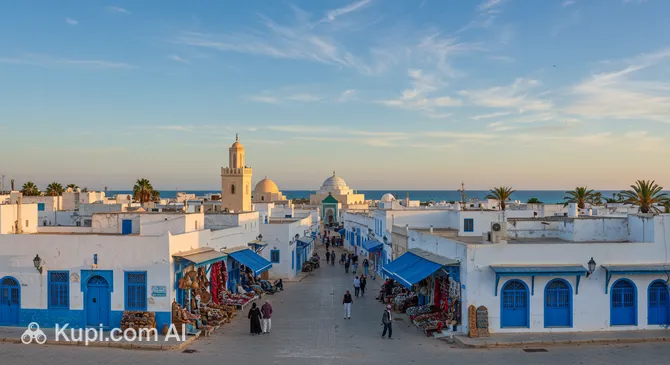
Midoun. Source: Kupi.Binoculars

Visitors are particularly drawn to the lively Friday market, a colorful sensory experience where locals sell everything from aromatic spices and fresh produce to intricate pottery and handcrafted souvenirs. The city is also the perfect gateway to the nearby Djerba Explore Park, which houses a fascinating museum and a renowned crocodile farm. Whether you are strolling through its sunny squares or enjoying a mint tea at a local café, Midoun invites you to experience the authentic heart of Djerba.

Weather Overview

Midoun enjoys a sunny and dry climate typical of Djerba, characterized by hot summers and mild, pleasant winters. The city receives abundant sunshine throughout the year, making it a popular destination for travelers seeking warmth regardless of the season. For a more detailed breakdown of conditions for your specific travel dates, you can consult the weather in Midoun guide.

The summer months, particularly from June to August, are the hottest time of year, with average temperatures climbing to around 29.4°C and maximums reaching up to 32.4°C. This season is exceptionally dry, with virtually 0mm of precipitation and clear skies, perfect for enjoying the nearby beaches. Visitors should be prepared for heat and strong sun during these months.

Winters are much cooler but remain gentle compared to European standards. From December to February, average temperatures range between 14.1°C and 15.7°C, with lows rarely dropping below 11°C. While this period sees a slight increase in "wet days"—ranging from 2 to 4 days a month—actual rainfall remains very low, typically around 1mm. Overall, expect hot, arid summers and mild winters with very scarce rainfall.

Interesting Facts

Beyond the main attractions, Midoun holds many fascinating secrets that reveal the rich tapestry of Djerbian culture and history. The city is a living guardian of traditions that have faded elsewhere, offering visitors a glimpse into the island's authentic soul.

  • The Fantasia Tradition: Midoun is the primary stage for the spectacular "Fantasia" performances on the island. These vibrant events are dramatic reenactments of traditional Djerbian weddings, featuring daring equestrian displays, camel caravans carrying the ceremonial jahfa (bride's palanquin), and folk musicians, keeping centuries-old customs alive for new generations.

  • Rhythms of the Gougou: The city is celebrated for its unique Gougou folklore, a rhythmic music and dance style performed by locals of sub-Saharan African descent. This cultural expression highlights the diverse historical trade routes that once converged in Tunisia, creating a distinct artistic heritage found specifically in this region.

  • Fortresses Disguised as Farms: The traditional menzel estates that dot the landscape around Midoun were not built solely for agriculture; they were designed as self-sufficient strongholds. Historically, their high, whitewashed walls and inland locations were strategic choices to protect families from pirates and sea raids, effectively turning each orchard home into a mini-fortress.

How to Get There

Reaching this charming island destination is relatively straightforward, with several options available depending on your starting point. For a comprehensive guide on all available transport methods, you can read more about how to get to Midoun.

The most convenient entry point is Melita Airport (DJE), which serves as the main aviation hub for the area. Located approximately 20 km from the center of Midoun, it welcomes a significant number of tourists annually. A taxi or transfer from this airport typically takes around 50 minutes to reach the heart of the city. It is a busy regional facility, handling a large volume of passenger traffic.

For those arriving from other parts of the region, Sfax El Maou Airport (SFA) in the city of Sfax is another possibility, situated about 107 km away. The journey from Sfax involves crossing to the island and takes approximately 3 hours by road. Additionally, Habib Bourguiba International Airport (MIR) in Monastir offers more international connections. However, it is located about 220 km from Midoun, requiring a longer transfer time of roughly 6 hours.

For clarity, here is a summary of the main airports:

Airport Name City Passenger Traffic Km from City
Melita Airport Midoun Large 20.1
Habib Bourguiba International Airport Monastir Large 220.7
Mitiga Airport Tripoli Medium 236.9
Lampedusa Airport Lampedusa Small 244.3
Sfax El Maou Airport Sfax Small 107.4

Midoun does not have a railway station, as it is situated on the island of Djerba. Travelers preferring ground transport typically take a train to the nearest mainland station, such as Gabès, and then continue their journey by bus or "louage" (shared taxi). Access to the island is provided via the Roman Causeway or the ferry service from Jorf to Ajim, offering a scenic approach to the city.

Main Attractions

One of the most comprehensive destinations for visitors is the Djerba Explore Park. Located in the heart of the tourist zone, this village-style complex offers a unique blend of culture and leisure. It is home to the Lalla Hadria Museum, which displays over a thousand years of Islamic art and history, and a heritage section that reconstructs traditional Djerbian life. The park is perhaps most famous for its crocodile farm, where you can observe hundreds of Nile crocodiles in a setting that mimics their natural habitat, making it a fascinating stop for families and history buffs alike.

For a glimpse into the island's spiritual and architectural heritage, the Fadhloun Mosque is a standout landmark situated just outside the town. Unlike typical urban mosques, this historic structure is a perfect example of a fortified mosque, designed to protect the local population during times of unrest. Its stark white walls, buttressed design, and secluded location among olive groves offer a peaceful atmosphere and a deeper understanding of the island's defensive traditions.

Standing as a proud sentinel on the northeastern coast is the Taguermess Lighthouse. Easily recognizable by its striking red and white bands, it is one of the tallest lighthouses in the country and serves as a major orientation point on the island. While visitors cannot always climb to the top, the structure itself, set against the backdrop of a blue lagoon and palm trees, provides a stunning photo opportunity and a scenic spot to appreciate the coastal beauty of the region.

Sports enthusiasts and nature lovers will find the Djerba Golf Club to be an oasis of green amidst the arid landscape. Designed by a renowned British architect, the course features three nine-hole loops that wind through palm trees and sand dunes, occasionally offering glimpses of the sea. It is celebrated not just for the game but for its tranquil environment, allowing players to enjoy the warm climate and distinct island scenery while they play.

Local Cuisine

The culinary scene in Midoun is a delightful reflection of Djerba's rich cultural heritage, offering a distinct palette of flavors that sets it apart from the mainland. As an island town, the local cuisine relies heavily on fresh ingredients, particularly seafood caught daily from the Mediterranean, combined with aromatic spices like cumin, coriander, and caraway. Visitors can expect hearty, flavorful meals that blend Berber, Arab, and Jewish culinary traditions.

One dish that you simply must try is Riz Djerbien (Djerbian Rice). Unlike typical rice dishes, this specialty is steamed rather than boiled. It is a colorful and fragrant mixture of rice, chickpeas, chopped greens such as spinach or parsley, and meat—usually lamb or liver—all seasoned to perfection and cooked together in a traditional steamer (couscousier). Another staple is Fish Couscous, which showcases the island's maritime bounty. The semolina is steamed over a broth of local fish and vegetables, absorbing the savory essence of the sea.

When it comes to beverages, the local culture offers unique tastes. A quintessential Djerbian drink is Lagmi, the sap extracted from date palm trees. It is served fresh as a sweet, refreshing juice, often sold by vendors in the morning, or fermented into a potent palm wine. For a non-alcoholic classic, sit down at a café for a glass of mint tea. In this region, it is often served sweet and topped with floating pine nuts, adding a crunchy texture to the warm, herbal brew.

The food culture in Midoun is vibrant and communal. For an authentic experience, visit the bustling Friday market, where the air is thick with the scent of spices and grilled street food. Here, you can sample Brik, a crispy deep-fried pastry filled with egg and tuna, often enjoyed on the go. While the tourist zone offers upscale dining, the town center is dotted with smaller, traditional eateries known as "gargottes," where you can enjoy generous portions of home-style cooking at affordable prices alongside the locals.

Travel Tips

Visiting Midoun offers a unique opportunity to immerse yourself in the authentic rhythm of Djerbian life, but a little preparation goes a long way in ensuring a smooth trip. To help you navigate the local customs and logistics with ease, here are some practical tips for your stay in this charming island town.

  1. Clothing and Gear: During the hot summer months, lightweight, breathable fabrics like cotton or linen are essential to cope with the heat. However, Midoun is a traditional town, not a beach resort, so modest dress is respectful; cover your shoulders and knees when walking around the center or visiting religious sites like the Fadhloun Mosque. Bring comfortable walking shoes for the dusty market streets and a Type C or E power adapter (European style) for your electronics.

  2. Transportation: The most convenient way to get around Midoun and the rest of Djerba is by using the bright yellow taxis. They are plentiful, safe, and very affordable; always ensure the driver turns on the meter when you start your ride. While buses exist, they can be infrequent and crowded. Since the island is quite flat, renting a bicycle or a scooter is also a popular and fun way to explore the surrounding palm groves at your own pace.

  3. Finances: The local currency is the Tunisian Dinar (TND). It is a "closed currency," meaning you cannot import or export it, so withdraw or exchange money only after arrival and keep your exchange receipts to convert leftover dinars before leaving. While hotels and large shops accept credit cards, cash is king in Midoun’s markets, cafes, and taxis. ATMs are widely available in the town center.

  4. Health and Safety: Midoun is generally very safe for tourists, but standard precautions against pickpocketing apply in crowded areas like the Friday market. Tap water is not recommended for drinking; stick to inexpensive bottled water to avoid stomach issues. Pharmacies are marked with a green cross, and you can usually find a "pharmacie de garde" (night pharmacy) open after hours for emergencies.

  5. Communication: The official language is Arabic, but French is widely spoken and serves as the primary language for tourism and business. English is understood in hotels and the tourist zone, but less so in local shops. Learning a few basic words like Aslema (Hello) and Aychek (Thank you) will go a long way in earning smiles from the locals. SIM cards from providers like Ooredoo or Orange are cheap and easy to buy with your passport.

  6. Local Etiquette: Djerbians are known for their hospitality and tolerance, but following social norms is appreciated. When greeting people, a handshake is common, but wait for a person of the opposite gender to extend their hand first. Always use your right hand for eating, passing money, or shaking hands, as the left is traditionally considered unclean.

  7. What to Avoid: Do not wear swimwear or scantily clad beach attire within the town of Midoun itself; save the bikinis and swim trunks for the hotel pool or the beaches. Additionally, avoid taking photographs of locals, especially women and military personnel, without explicitly asking for permission first.

  8. Market Day Strategy: If you plan to visit the famous Friday Market, arrive early in the morning (around 8:00 or 9:00 AM) to beat the midday heat and the tour bus crowds. Bargaining is an essential part of the shopping experience here; never accept the first price offered for souvenirs or handicrafts, but keep the negotiation friendly and fun.

By keeping these simple tips in mind, you will be well-equipped to enjoy everything Midoun has to offer, from its bustling souks to its tranquil orchards. Embrace the slower island pace, respect the local traditions, and you are sure to have an unforgettable experience on Djerba.

Entertainment & Nightlife

Midoun offers a diverse nightlife scene that caters to two very different moods: the relaxed, traditional atmosphere of the town center and the vibrant, high-energy pulse of the nearby "Zone Touristique." While the town itself quiets down after sunset, serving mostly as a place for social gatherings over tea, the coastal resort area—just a short taxi ride away—is where the island’s modern entertainment comes alive. This proximity allows visitors to enjoy an authentic dinner in town before heading to the coast for music and dancing.

The epicenter of nightlife for visitors staying in or near Midoun is the Zone Touristique. This strip along the coast is lined with hotels, clubs, and lounges that stay open late into the night. Here, the atmosphere is cosmopolitan and lively, attracting a mix of international tourists and local youth. The dress code in these venues is generally smart-casual; while beachwear is acceptable during the day, most clubs and upscale bars expect a more polished look in the evening.

For those looking to dance the night away, Cyclone Djerba is one of the most popular nightclubs in the area. Known for its energetic vibe, modern lighting, and mix of international and Arabic pop music, it is a staple of Djerba's nightlife. Another favorite spot is Desperados, a venue that often combines a restaurant setting with a bar atmosphere, perfect for enjoying a drink and live music in a slightly more laid-back environment. If you are feeling lucky, the Grand Casino de Djerba offers not just gaming tables and slot machines, but often hosts dinner shows and entertainment, providing a sophisticated option for a night out.

If you prefer a quieter, more culturally immersive evening, the heart of Midoun offers a charming alternative. The town center is dotted with traditional coffee shops and tea houses where the "nightlife" consists of animated conversations, mint tea with pine nuts, and the aromatic smoke of shisha (water pipes). This is a safe and friendly environment where you can observe local life winding down. While these venues are traditionally male-dominated, many in the tourist-friendly areas welcome families and couples.

Getting around at night is simple and affordable. The yellow taxis are the most reliable mode of transport; they are abundant and run 24/7. A ride from Midoun center to the clubs in the Zone Touristique typically takes less than 10 minutes and costs very little. It is highly recommended to use taxis rather than walking between the town and the tourist zone at night, as the roads can be dark and lack sidewalks. The area is generally very safe, but standard precautions like keeping an eye on your belongings in crowded clubs apply.

During the daylight hours, entertainment in Midoun shifts towards exploration and leisure. Apart from the beautiful beaches, visitors can explore local culture at the Djerba Heritage Museum or enjoy family fun at the Djerba Explore Park. Whether you are bargaining in the souks by day or sipping cocktails by the sea at night, Midoun provides a balanced and engaging holiday experience.

Parks & Museums

While Midoun is better known for its bustling markets and proximity to the sea than for vast urban parks, the city and its surroundings offer a delightful blend of curated green spaces and authentic agricultural landscapes. Visitors here can transition seamlessly from the arid beauty of the island's interior to lush, tropical gardens and world-class cultural venues that celebrate the region's artistic heritage.

The Crocodile Farm is the most prominent natural attraction in the immediate vicinity of Midoun. Part of a larger leisure complex, this facility is designed as a lush botanical garden as much as a wildlife reserve. Walking through the park, you are surrounded by exotic vegetation, including papyrus, banana trees, and giant palms, creating a tropical atmosphere that contrasts with the island's semi-desert environment. It is home to hundreds of Nile crocodiles, which can be observed basking on the banks or swimming in the pools, making it a captivating spot for nature lovers and families.

Beyond the manicured attractions, the Palm Groves of Midoun serve as the city’s natural green belt. These extensive agricultural lands are not a formal park but an open, living landscape that defines the area's character. A network of sandy tracks winds through thousands of date palms and olive trees, offering a peaceful retreat for walking, cycling, or horseback riding. This area allows visitors to experience the "menzel" system—traditional orchards where fruit trees and crops are cultivated in harmony—providing a quiet escape from the tourist crowds.

For those seeking cultural enrichment, the Lalla Hadria Museum is an unmissable gem located within the tourist zone. This museum holds one of the most impressive collections of Islamic art in Tunisia, featuring over 1,000 artifacts. The exhibits are divided into two main sections: one dedicated to the broader Islamic world, showcasing exquisite calligraphy, ceramics, and miniatures, and another focusing specifically on the arts of Tunisia. It is a fascinating place to understand the depth of the region's history through its artistic achievements.

Adjacent to the art collections lies Djerba Heritage, an open-air museum that offers an immersive look into traditional island life. Unlike a standard gallery, this venue reconstructs a life-sized "houch" (traditional house), complete with an oil mill, a pottery workshop, and a weaving loom. It is designed to show how locals lived, worked, and celebrated for centuries. Visitors can explore the architecture and tools of daily life, making it an educational experience that brings the island's ethnographic history to life.

For a truly authentic experience, rent a bicycle and head towards the Segui area behind the main town. Here, you will find ancient, whitewashed underground mosques and old wells scattered among the fields, offering a glimpse into a side of Midoun that few tourists take the time to discover.

Getting Around

The public transport system in Midoun is relatively simple and relies entirely on road vehicles. Unlike major metropolitan areas, there is no metro, tram, or train service within the city or on the island of Djerba itself. Instead, the local network consists primarily of taxis, public buses, and shared minivans, which together provide effective and affordable coverage for both locals and visitors navigating between the town center, the tourist zone, and neighboring villages.

The most popular and convenient option for tourists is the yellow taxi. These vehicles are ubiquitous and can be easily hailed on the street or found at designated stands. They operate on a taximeter system, making fares transparent and generally very inexpensive compared to international standards. For travel between cities, such as going from Midoun to the island's capital, Houmt Souk, you might also encounter louages. These are shared minibuses (usually white with a colored stripe) that depart from a specific station once all seats are filled, offering a faster alternative to the bus for inter-city trips.

Public buses, operated by the regional transport company, offer a budget-friendly alternative. They run along fixed routes connecting the town center with the coastal hotel zone and other key locations. While significantly cheaper than taxis, buses can be less frequent and occasionally crowded, especially during peak hours or on market days. Bus stops are generally marked, but schedules can sometimes be flexible, so a bit of patience is often required when relying on this mode of transport.

Regarding payment, cash is essential. There are no digital travel cards, mobile apps, or contactless payment systems for public transport in Midoun. You pay the bus conductor or driver directly upon boarding, or settle the fare with the taxi driver at the end of your ride. It is highly recommended to carry small denominations of the local currency, as drivers often do not have enough change for large banknotes. Fares are fixed for buses and louages, while taxis must use the meter.

For those seeking more independence, renting a car is a viable option, though not strictly necessary due to the low cost of taxis. However, given the island's flat terrain and scenic rural paths, renting a bicycle or scooter is a fantastic alternative for short-distance exploration. Additionally, you will frequently see calèches (horse-drawn carriages). While these are primarily a tourist attraction rather than practical transport, they offer a leisurely and scenic way to travel between the town and the hotel zone.

Practical advice for a smooth experience includes always ensuring the taxi driver switches on the meter ("compteur") at the start of your journey. If a driver refuses and tries to negotiate a fixed price, it is usually better to find another taxi. Be aware that a night tariff applies from 9:00 PM to 5:00 AM, which increases the fare by approximately 50%. Finally, public transport services, particularly buses, reduce their frequency significantly in the evening, so it is wise to plan your return trips accordingly or rely on taxis after dark.

Accommodation

Midoun provides a broad array of accommodation choices that suit various travel styles and budgets. The options range from modest, budget-friendly hostels and guesthouses in the heart of the town to luxurious, sprawling resorts along the nearby coastline. For a more authentic experience, travelers can also find "menzel" stays—traditional courtyard houses that have been converted into charming vacation rentals, offering a unique glimpse into Djerbian architecture.

The primary decision for visitors is whether to stay in the town center or the Zone Touristique. Staying in the center places you within walking distance of the vibrant Friday market, local eateries, and the daily rhythm of island life. However, most vacationers opt for the Zone Touristique, situated just a short taxi ride away. This coastal strip is home to the region's large hotels and club resorts, providing direct access to the sandy beaches of Sidi Mahrez and a wealth of leisure facilities.

While the town center is ideal for independent travelers looking for economy and culture, the coastal zone is famous for its high-end establishments. Here, you will find extensive complexes featuring swimming pools, entertainment teams, and world-class thalassotherapy (seawater spa) centers. These resorts are designed to offer a complete holiday experience, often operating on an all-inclusive basis that is popular with families and sun-seekers.

Booking Tip: Midoun is a premier summer destination, so availability can drop quickly during the high season. It is advisable to book your accommodation several months in advance if you plan to travel between June and August to secure the best rates and locations.

The price range in Midoun is quite flexible. Budget travelers can find very affordable nightly rates in the town's smaller hotels and apartments. In contrast, the seaside resorts offer mid-range to luxury pricing, depending on the level of service and the season. Most properties are easily bookable through major online travel platforms, though many tourists also arrive via package deals that include flights and transfers.

Nearby Cities

While Midoun offers plenty to explore within its own boundaries, its location on Djerba Island also makes it a convenient base for visiting other notable destinations in southern Tunisia. Several historic and bustling cities are situated on the nearby mainland, easily accessible via the Roman Causeway or the ferry, offering travelers a chance to experience the diverse landscapes and urban centers of the Medenine and Gabès governorates.

The following table lists some of the closest major cities, providing details on their population and distance from Midoun to help you plan your day trips or onward journey:

City Population Distance (km)
Medenine 109,409 65
Gabes 116,323 81
Metouia 170,000 90
Skhira 129,693 100
Sfax 272,801 109

Shopping & Souvenirs

Shopping in Midoun is a vibrant and sensory experience that centers largely around traditional craftsmanship and local produce rather than high-end fashion or international chains. As a market town, it offers a more authentic atmosphere compared to the purely commercial zones of the major resorts. Visitors can expect to find a treasure trove of artisanal goods, from hand-painted ceramics and woven baskets to aromatic spices and leather products, all reflecting the rich cultural heritage of Djerba.

The heart of the shopping scene is located in the town center (Centre Ville). Unlike sprawling metropolises, Midoun does not have a single "high street" but rather a cluster of pedestrian-friendly alleys and squares surrounding the central mosque. Here, small boutiques and open-fronted shops display colorful textiles and souvenirs. For a more relaxed experience, the area known as the "Zone Touristique," located a short drive toward the coast, features promenades lined with "fixed price" shops, which are perfect for travelers who prefer to browse without the pressure of bargaining.

While the city is traditional, there are modern conveniences available. The Bourgo Mall, situated on the outskirts of Midoun, is one of the few contemporary shopping centers in the area. It offers a different pace with air-conditioned comfort, featuring clothing boutiques, cosmetic stores, and a supermarket. It is a popular stop for tourists looking for standard necessities or a break from the heat of the outdoor markets.

The absolute highlight for any shopper is the weekly Friday Market. This is not just a place to buy goods but a major social event. The market is divided into sections: one area is dedicated to fresh fruits, vegetables, and mountains of local dates, while another caters specifically to tourists with stalls selling pottery, jewelry, and carpets. It is bustling, noisy, and incredibly photogenic. For daily needs, the covered Central Market offers fresh fish and meat, providing a glimpse into the local culinary lifestyle.

When it comes to souvenirs, Midoun is an excellent place to purchase Djerbian pottery, which is famous throughout Tunisia for its quality and distinct designs. Other popular items include high-quality olive oil, bags of mixed spices (such as traditional harissa blends), and leather sandals. Silver Berber jewelry is also a sought-after keepsake, though it is wise to buy these from reputable shops to ensure authenticity.

Most shops in the town center open around 8:00 or 9:00 AM and stay open until late evening, but it is important to remember the "siesta" culture. Many smaller independent stores close for a few hours in the afternoon, typically between 1:00 PM and 3:00 PM, especially during the hot summer months. Payment is predominantly made in cash (Tunisian Dinars). While the Bourgo Mall and larger souvenir emporiums in the tourist zone accept credit cards, cash is essential for the markets and smaller street vendors.

Regarding taxes, Tunisia does have a VAT refund system for foreign visitors on large purchases made in specific "Tax-Free" licensed stores. However, this is rarely applicable in the traditional souks or small shops of Midoun. It is generally better to focus on the good value obtained through friendly bargaining in the markets rather than relying on tax refunds.
Reached the end of the page?

That means the route is fully explored