Support

Palermo

About

Palermo is a city of distinct character, serving as the vibrant capital of the autonomous region of Sicily. Situated on the northern coast of the island, right at the edge of the Tyrrhenian Sea, it offers a unique blend of architectural styles and cultural influences that set it apart from the rest of Italy. With a population of approximately 668,000 inhabitants, it is a bustling metropolis that manages to retain an authentic and somewhat chaotic charm.

The city's atmosphere is defined by its warm Mediterranean climate and a legacy shaped by Phoenicians, Romans, Arabs, and Normans. To truly understand the depth of this heritage, one should explore the history of Palermo, which is etched into every corner of the old town. Visitors are often captivated by the stunning Palazzo dei Normanni, the oldest royal residence in Europe, and the intricate mosaics of the Cappella Palatina.

Beyond its monuments, Palermo is famous for its sensory experiences. The local street food scene is legendary, with bustling markets like Ballarò and Vucciria offering a taste of authentic Sicilian life. Whether you are admiring the majestic Palermo Cathedral or enjoying a gelato by the sea, the city promises an unforgettable journey. It is a destination that demands to be explored with all five senses, welcoming travelers to discover its hidden gems and vibrant energy.

Weather Overview

The city enjoys a classic Mediterranean climate, making it a year-round destination with distinct seasonal variations. Travelers looking for the ideal time to visit should consider the weather in Palermo, which generally features hot, dry summers and mild, somewhat wetter winters. July and August are the peak of summer, with average temperatures reaching 26.4°C and maximums hovering around 30°C, while rain is almost non-existent during this period.

In contrast, the winter months of January and February are cooler, with average temperatures dipping to around 10°C to 11°C and lows occasionally reaching 8°C. This season also brings more frequent precipitation, with January seeing up to 12 wet days. Spring and autumn offer a delightful middle ground; May and October, for instance, provide comfortable averages between 18°C and 20°C, perfect for exploring the city's outdoor attractions.

Interesting Facts

Beyond the main attractions, Palermo holds many fascinating secrets that reveal its complex and layered history. This city is a treasure trove of curiosities, from underground mysteries to unique scientific marvels hidden within religious sites.

  • The Capuchin Catacombs of Palermo house a macabre yet historically significant collection of over 8,000 mummies. The most famous resident is Rosalia Lombardo, known as "Sleeping Beauty," a two-year-old girl whose body has remained perfectly preserved since 1920, appearing as if she is merely napping.

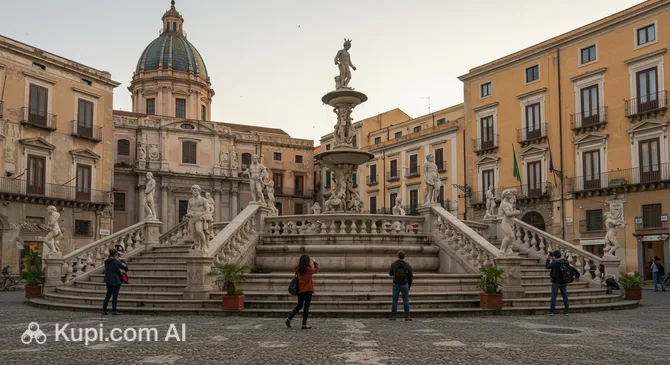
  • Locals historically referred to the Fontana Pretoria as the "Fountain of Shame." While often attributed to the nudity of the statues, the nickname actually mocked the corrupt city officials who authorized the purchase of such an expensive Florentine masterpiece during a period of famine and poverty.

  • The Palermo Cathedral functions as a precise solar calendar. A small hole in one of the domes projects a beam of sunlight onto a brass zodiac line on the floor, a "heliometer" installed in 1801 to standardize time and calculate the exact date of Easter.

  • The intersection known as Quattro Canti is designed so perfectly that the sun illuminates at least one of its four ornate facades at all times during the day. This unique architectural alignment has earned the square the poetic nickname "The Theater of the Sun."

Fontana Pretoria. Source: Kupi.Binoculars

How to Get There

Reaching the vibrant capital of Sicily is the first step of your journey, and there are several convenient ways to arrive. Whether you prefer flying directly onto the island or taking a scenic route from the mainland, the city is well-connected to the rest of Europe. For a comprehensive overview of all transport options, you can read more about how to get to Palermo.

The most direct way to arrive is via Falcone-Borsellino Airport (IATA: PMO), which is the main international gateway for the city. Located approximately 25 km from the center, it serves millions of passengers annually and offers a wide range of connections. The journey to the city center typically takes about 45 to 60 minutes by bus or taxi. Another viable option for travelers, particularly those flying with low-cost carriers, is Trapani-Birgi Airport (IATA: TPS). Situated in the city of Trapani, it is about 80 km away. A transfer from there to Palermo generally takes around 2 hours by road.

For those arriving from other parts of Italy or Europe, flying into Catania-Fontanarossa Airport (IATA: CTA) in Catania is also a popular choice. Although it is located roughly 166 km from Palermo, it is the busiest airport on the island with extensive international connections. The travel time from Catania to Palermo is approximately 3 hours across the island's scenic interior.

For clarity, here is a summary of the main airports:

Airport Name City Passenger Traffic Km from City
Catania-Fontanarossa Airport Catania Large 166.5
Falcone-Borsellino Airport Palermo Large 24.6
Trapani-Birgi Airport Trapani Medium 80.0
Comiso Airport Comiso Small 166.1
Pantelleria Airport Pantelleria Small 189.6

If you are approaching Sicily by train from the mainland, you will likely pass through major transport hubs before crossing the Strait of Messina. One significant stop is Reggio di Calabria Centrale Station (RCC), located in Reggio Calabria. It is approximately 200 km from Palermo and serves as a key terminal for trains arriving from northern Italy before the ferry crossing. Another relevant hub is Lamezia Terme Centrale Railway Station (IATA: LTZ) in Cosenza, situated about 268 km away, which connects the Calabrian region to the national rail network.

Below is a summary of these railway connections:

Station City Passenger Traffic Km to Center
Lamezia Terme Centrale Railway Station Cosenza Medium 267.8
Reggio di Calabria Centrale Station Reggio Calabria 199.5

Main Attractions

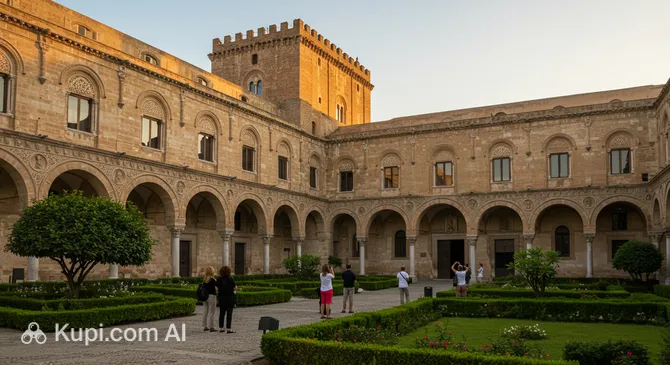
Palermo is a city where history is written in stone, boasting an incredible density of monuments that reflect its multicultural past. The heart of its artistic heritage is the UNESCO-listed Arab-Norman circuit, a collection of buildings that harmoniously blend Islamic, Byzantine, and Latin elements. A prime example is the Palace of the Normans, a majestic fortress that stands as the oldest royal residence in Europe. Inside, the Palatine Chapel and Royal Palace dazzle visitors with glistening gold mosaics and Muqarnas ceilings, creating an atmosphere of spiritual grandeur.

Palace of the Normans. Source: Kupi.Binoculars

Just a short walk away, the Palermo Cathedral dominates the skyline. This architectural masterpiece is a unique amalgamation of styles, evolving from a basilica to a mosque and back to a church over centuries. For those fascinated by the distinctive red domes that characterize the city's skyline, the Church of San Giovanni degli Eremiti is a must-see, offering a peaceful cloister garden that feels worlds away from the bustling streets. Further exploring the Arab-Norman legacy, the Zisa Palace provides insight into the summer residences of the Norman kings, renowned for their innovative natural cooling systems.

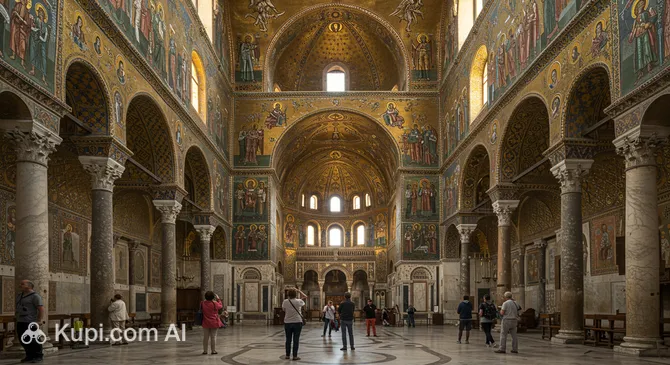
Moving into the Baroque era, the city center is anchored by the theatrical Quattro Canti, an octagonal square adorned with fountains and statues representing the four seasons. Nearby, the Fontana Pretoria showcases magnificent Renaissance sculptures. Religious architecture here is equally stunning; the Church of Santa Maria dell'Ammiraglio (Martorana) is famous for its breathtaking Byzantine mosaics, while the Church of the Gesù (Casa Professa) overwhelms the senses with its intricate marble inlays and stucco work.

Church of Santa Maria dell'Ammiraglio (Martorana). Source: Kupi.Binoculars

Art and history enthusiasts will find plenty to admire in the city's museums. The Antonio Salinas Regional Archaeological Museum holds one of the richest collections of Punic and Greek art in Italy, including artifacts from the ancient site of Selinunte. For fine art, Palazzo Abatellis is home to the stunning "Virgin Annunciate" by Antonello da Messina, housed within a beautiful 15th-century Gothic-Catalan palace.

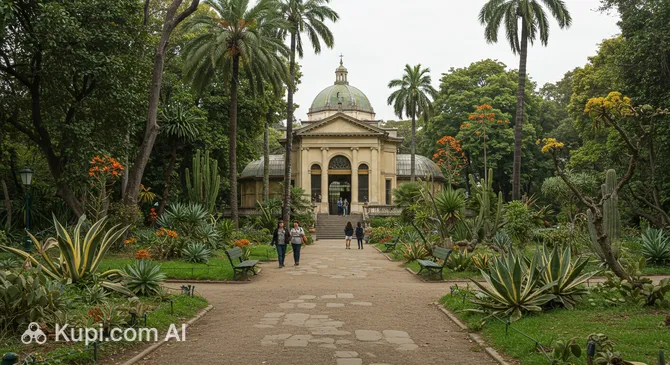
For a change of pace, the city offers lush green spaces and scenic views. The Palermo Botanical Garden is a sprawling open-air museum of flora, featuring giant Ficus trees and exotic species from around the globe. Visitors seeking a sea breeze can stroll along the Foro Italico, a vast lawn by the waterfront. Finally, a trip to Mount Pellegrino to visit the Sanctuary of Saint Rosalia rewards travelers with both spiritual significance and panoramic vistas over the bay.

Palermo Botanical Garden. Source: Kupi.Binoculars

Local Cuisine

The culinary landscape of Palermo is widely considered one of the most exciting in the world, serving as a delicious testament to the city's multicultural history. The cuisine here is a bold fusion of Arab spices, Spanish techniques, and French refinement, all grounded in the fresh ingredients of the Mediterranean. Eating is not just a necessity but a social ritual, with the streets themselves acting as a vast, open-air dining room where the aromas of fried treats and slow-cooked sauces are impossible to ignore.

Street food is the beating heart of the local food culture, and no visit is complete without trying the "holy trinity" of Palermitan snacks. First is the arancina (strictly feminine in Palermo), a deep-fried saffron rice ball typically filled with meat ragù or butter and ham. Another staple is pane e panelle, a sesame bun stuffed with chickpea fritters, often accompanied by potato croquettes known as "cazzilli." For those seeking a unique pizza experience, sfincione offers a thick, spongy base topped with tomato sauce, onions, anchovies, oregano, and caciocavallo cheese.

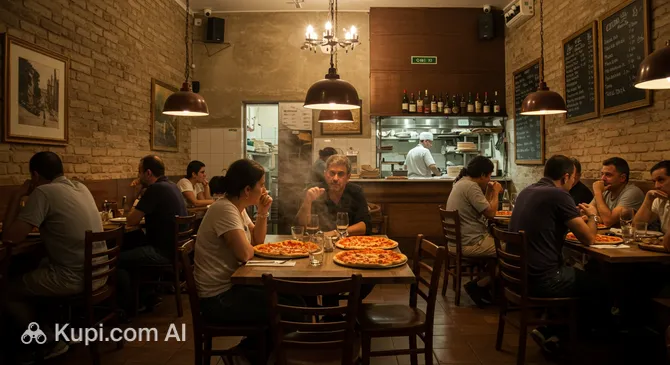
When it comes to sit-down meals, pasta dishes take center stage. The signature dish is pasta con le sarde, a complex masterpiece combining fresh sardines, wild fennel, pine nuts, and raisins—a perfect example of the Arab-Sicilian flavor profile. Another favorite is anelletti al forno, ring-shaped pasta baked with meat sauce, peas, and cheese, often enjoyed during family gatherings. For excellent pizza and a taste of local dough craftsmanship, travelers can visit Funnaco PizzaLab, which offers a modern take on traditional flavors.

Funnaco PizzaLab. Source: Kupi.Binoculars

Those with a sweet tooth will find themselves in paradise. The day often begins with a granita (a semi-frozen dessert) paired with a warm brioche, with coffee and almond being the most traditional flavors. The world-famous cannoli, crispy shells filled with sweet sheep's ricotta, are ubiquitous, as is the elaborate cassata siciliana, a sponge cake layered with ricotta, marzipan, and candied fruit. For a classic coffee break or to sample these sweets in an authentic setting, Bar Vabres is a well-regarded stop for locals and visitors alike.

To accompany these rich flavors, local wines are a must. Sicily's volcanic soil produces robust reds like Nero d'Avola and crisp whites like Grillo or Catarratto. After dinner, it is customary to sip on a digestif such as Limoncello or an Amaro. The nightlife and social drinking scene are vibrant, often spilling out onto the sidewalks. Venues like Grado Alcolico provide a lively atmosphere to enjoy a cocktail or a glass of wine while soaking up the city's energetic evening vibe.

Travel Tips

Visiting Palermo is a vibrant and sensory-rich experience, but the city's energetic pace and unique local customs can sometimes be overwhelming for first-time travelers. To help you navigate the bustling streets with confidence and ease, here are some essential practical tips for your trip.

  1. Clothing and Gear: In the summer, lightweight and breathable fabrics are essential to handle the heat, along with a good hat and sunscreen. However, always carry a scarf or shawl, as strict dress codes apply in religious sites like the Palermo Cathedral and the Palatine Chapel; shoulders and knees must be covered. For footwear, leave the high heels at home and opt for sturdy, comfortable walking shoes to navigate the uneven cobblestones and historic pavements.

  2. Transportation: The historic center is best explored on foot, as many main attractions are within walking distance of each other. Public transport relies on AMAT buses, but be prepared for them to be crowded and occasionally off-schedule. Avoid renting a car for city driving due to chaotic traffic, limited parking, and restricted traffic zones (ZTL). If you need a ride, use official taxi stands or ask your hotel to call one, as hailing cabs on the street is not common practice.

  3. Finances: While credit cards are widely accepted in hotels, restaurants, and shops, cash is king in the famous street markets like Ballarò and Vucciria. You will need small denominations of Euros (€) for buying street food or souvenirs. ATMs (Bancomat) are plentiful, but it is wise to decline the dynamic currency conversion offered by the machine to get a better exchange rate.

  4. Health and Safety: Palermo is generally safe, but like any major tourist hub, it requires vigilance. Be especially careful with your belongings in crowded areas, markets, and on the number 101 bus, where pickpocketing can occur. Pharmacies are easily engaging, marked by a green cross; look for a "Farmacia di turno" sign if you need assistance during the night or on holidays.

  5. Communication: Italian is the official language, though you will often hear the local Sicilian dialect among residents. English is spoken in most tourist establishments, but it is less common in smaller, family-run businesses. Learning a few basic phrases like "Buongiorno" (Good morning) and "Grazie" (Thank you) goes a long way. For connectivity, you can purchase a SIM card from major providers like TIM or Vodafone in the city center.

  6. Local Etiquette: Greetings are important; a friendly "Salve" when entering a shop is polite. Coffee culture is serious here—remember that a cappuccino is strictly a breakfast drink, and locals usually drink their espresso standing at the bar counter. Also, be patient with service; the pace of life is slower here, often referred to as "piano piano" (slowly, slowly).

  7. What to Avoid: Do not touch fruit and vegetables with your bare hands at the market stalls; this is considered unhygienic and rude. Instead, indicate what you want, and the vendor will serve you. Additionally, avoid planning dinner too early; most restaurants do not open their kitchens before 7:30 PM or 8:00 PM.

  8. Afternoon Break: Keep in mind that many smaller shops and businesses observe the afternoon riposo (siesta), closing around 1:30 PM and reopening after 4:00 PM. Plan your shopping or errands for the morning or late afternoon, and use this quiet time to enjoy a leisurely lunch or a rest.

By keeping these tips in mind, you will be well-prepared to embrace the chaotic charm of Palermo. The city rewards those who move at its rhythm, so relax, stay curious, and enjoy the incredible hospitality that Sicily is famous for.

Entertainment & Nightlife

As the sun sets over the Tyrrhenian Sea, the energy in Palermo shifts from bustling markets to a vibrant and somewhat chaotic nightlife scene. The local "movida" is less about expensive clubs and more about socializing in the open air. Squares and narrow alleys transform into impromptu bars, where locals and visitors mingle with plastic cups in hand. The atmosphere is warm, loud, and incredibly welcoming, reflecting the city's Mediterranean soul.

The epicenter of this street-level nightlife is undoubtedly the Vucciria district. By day, it is a traditional market, but by night, specifically around Piazza Caracciolo, it becomes a throbbing party zone with loud music, street food, and cheap drinks. For a slightly more polished but equally lively vibe, the area known as Champagneria, near the Teatro Massimo, is packed with trendy bars and a younger crowd. Alternatively, the Kalsa district, particularly around Piazza Magione, offers a bohemian atmosphere where students gather on the grass to drink beer and chat under the stars.

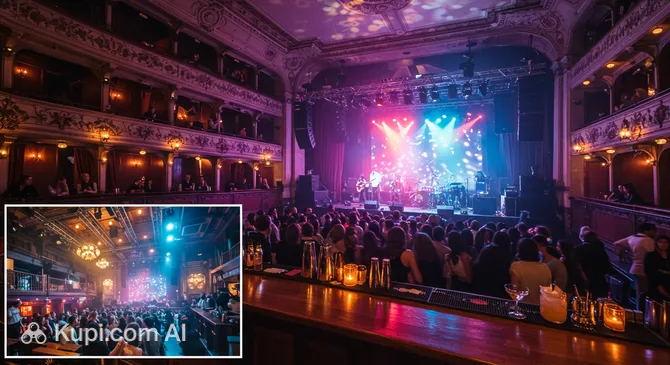
For those looking for specific venues to enjoy music and drinks, the city has excellent options. CuFu is a popular spot that embodies the fun, youthful spirit of Palermitan nights, perfect for grabbing a drink and soaking up the energy. If you prefer a more cultural evening with high-quality live music, the historic Teatro Santa Cecilia is a must-visit. As a hub for the Brass Group Foundation, it frequently hosts jazz concerts and artistic performances in a stunning setting.

Teatro Santa Cecilia. Source: Kupi.Binoculars

When planning a night out, timing is everything. The city operates on a late schedule; dinner often doesn't start until 9:00 PM, and bars don't get busy until after 11:00 PM. The dress code is generally "smart casual"—Sicilians like to dress up, but the vibe is rarely stiff. Prices are quite reasonable compared to other European cities, with cocktails typically costing between €6 and €10. Getting around is best done by taxi late at night; apps or calling an official radio taxi is safer and more reliable than hailing one on the street.

While the city is generally safe, it is wise to stay in populated areas and avoid unlit backstreets in the old town after dark. If you are exploring during the day or looking for early evening entertainment before the nightlife kicks in, there are plenty of options. Families might enjoy a visit to Family Park Palermo, which offers amusements for children. Meanwhile, culture lovers can admire the city's grand theaters, such as the Teatro Massimo, which hosts world-class opera and ballet performances.

Parks & Museums

While Palermo is renowned for its bustling streets and architectural grandeur, the city also offers serene green spaces and deep cultural repositories that provide a respite from the urban energy. Beyond the famous Botanical Garden, travelers can discover other natural oases and unique museums that preserve the living history of the Sicilian capital.

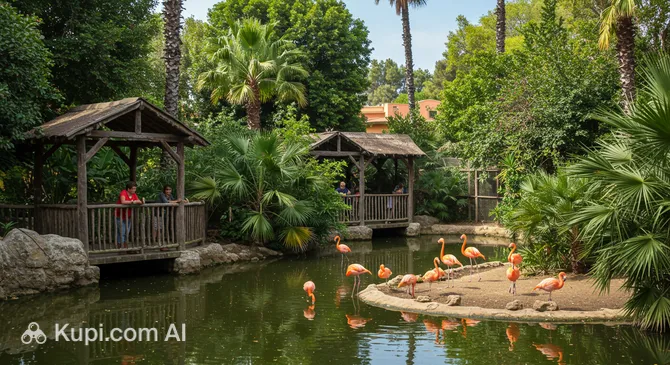
One of the most delightful green escapes in the city is the Parco d'Orleans Zoological Garden. Located near the Palazzo dei Normanni, this park is not just a garden but home to a significant collection of exotic birds. Visitors can stroll through lush pathways while admiring parrots, flamingos, and other avian species, making it a perfect spot for families or anyone seeking a connection with nature in the heart of the city.

Parco d'Orleans Zoological Garden. Source: Kupi.Binoculars

Another significant natural landmark, though not a park in the traditional sense, is the Falcone Tree. Situated in front of the home of the late judge Giovanni Falcone, this majestic magnolia tree has become a living monument to civic courage and justice. It is a place of pilgrimage for many Italians, covered in messages and drawings left by visitors, symbolizing hope and resilience.

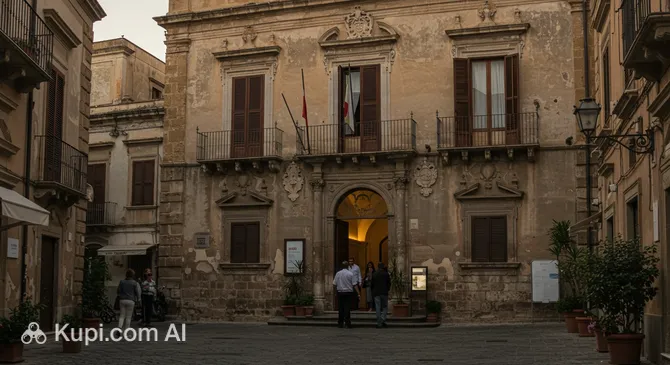
For those interested in delving deeper into the city's aristocratic past, Palazzo Conte Federico offers a rare glimpse into the life of Sicilian nobility. Unlike many other museums, this historic residence is still inhabited by the Count and his family, who often guide tours themselves. The palace is built upon Punic-Roman city walls and features beautifully preserved interiors, including a Norman tower and baroque ballrooms.

Palazzo Conte Federico. Source: Kupi.Binoculars

The city's cultural landscape is also defined by its impressive gateways and fortifications. The imposing Porta Nuova serves as the monumental entrance to the historic center, celebrated for its unique roof adorned with majolica tiles and four telamons depicting defeated Moors. At the other end of the main axis lies Porta Felice, a baroque gateway that opens up to the sea, historically marking the entrance for nobility arriving from the waterfront.

A hidden gem for culture and history enthusiasts is the Church and Monastery of Saint Catherine of Alexandria. While the church itself is a baroque masterpiece, the monastery offers a unique "insider" experience: visitors can explore the nuns' former living quarters and climb to the roof for one of the best panoramic views of the city. Don't miss the on-site bakery, which uses ancient recipes to produce some of the best traditional sweets in Palermo.

Getting Around

Navigating Palermo can be an adventure in itself, reflecting the city's vibrant and slightly chaotic character. While the historic center is compact and best explored on foot to truly appreciate its architectural nuances and hidden alleys, the public transport system provides a necessary link for reaching the outskirts, the beach at Mondello, or the upper town. The network is primarily managed by AMAT and consists of buses and trams, complemented by a metropolitan railway service operated by Trenitalia.

The bus network is the most extensive mode of transport, covering the entire city with numerous lines. The most useful routes for tourists include the 101 and 102, which traverse the city center from the main railway station (Stazione Centrale) through the major commercial and historic arteries. However, visitors should be aware that traffic congestion often impacts schedules, making buses somewhat unpredictable. Patience is key when waiting at stops, as precise timetables are often treated more as estimates than strict rules.

In addition to buses, the city operates a modern tram system consisting of four lines. While these lines primarily connect peripheral residential areas to major hubs like the central station and Notarbartolo station, they are comfortable, reliable, and punctual. There is also the Metropolitana di Palermo, which is not a traditional underground subway but rather an urban railway service. It is particularly efficient for traveling between the city center and the western suburbs, including the direct link to the airport, bypassing the heavy street traffic.

The payment system is integrated for AMAT services (buses and trams), but the metropolitan train requires a separate ticket from Trenitalia. A standard AMAT ticket typically costs around €1.40 and is valid for 90 minutes from the moment of validation, allowing for transfers between buses and trams. For those planning extensive travel, a daily pass (ticket giornaliero) is available for approximately €3.50, offering unlimited rides for 24 hours. Tickets can be purchased at authorized tobacconists (look for the "T" sign), newsstands, and AMAT ticket offices.

Modern convenience has also arrived in the form of digital ticketing. Tourists can use the PalerMobility app or other platforms like DropTicket to purchase tickets directly on their smartphones, which is often easier than hunting for a shop. Crucially, paper tickets must be validated immediately upon boarding by inserting them into the yellow or orange machines found on buses and trams. Failure to validate—or to activate a digital ticket—can result in hefty fines from ticket inspectors, who are quite active on popular routes.

For those who prefer private transport, taxis are available but can be expensive compared to other Italian cities. It is important to note that you generally cannot hail a taxi on the street. Instead, you must locate an official taxi stand (often found near main squares and the train station) or book one via telephone or an app. Car-sharing services and electric scooter rentals have also become increasingly popular, offering a flexible way to navigate the seafront areas, though caution is advised due to the erratic local driving style.

Finally, a unique aspect of local transport is the seasonal connection to the sea. During the summer months, specific shuttle buses run frequently between the city center and the seaside district of Mondello. These can get extremely crowded, so trying to catch an early ride is wise. Whether you choose the bus, the tram, or simply your own two feet, moving around the city is the best way to immerse yourself in the daily rhythm of Sicilian life.
Accommodation

Accommodation:

Finding the perfect place to stay in Palermo is part of the adventure, as the city offers a diverse range of accommodation options that reflect its layered history. Visitors can choose from everything from budget-friendly hostels and family-run Bed & Breakfasts hidden in centuries-old alleys to modern mid-range hotels and luxurious resorts. Compared to many other popular Italian destinations, the city generally offers excellent value for money, allowing travelers to enjoy comfortable lodgings without breaking the bank.

For those who want to be in the heart of the action, the Centro Storico (Historic Center) is the most convenient choice. Staying near the Cathedral or the Quattro Canti places you within walking distance of the main monuments and markets. Alternatively, the Politeama and Libertà districts offer a more elegant and relaxed atmosphere, characterized by wide avenues, upscale shopping, and a slightly quieter environment at night. For a more bohemian vibe, the Kalsa district is a favorite among younger travelers, packed with trendy bars and cultural spots. In the summer months, many visitors prefer to stay in the seaside suburb of Mondello, combining a city break with a beach vacation.

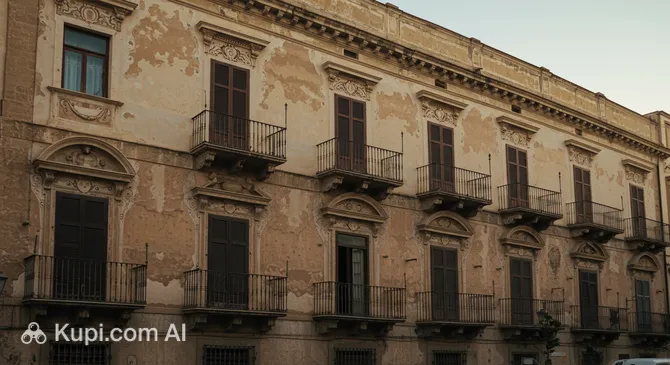
Travelers looking for a distinctive stay that captures the local charm might consider options like The Ventimiglia Family House. Establishments like this often provide a more personal connection to the city's heritage compared to standard chain hotels.

The Ventimiglia Family House. Source: Kupi.Binoculars

When planning your trip, it is highly recommended to book in advance, especially if you are visiting during the peak summer season (July and August) or during major festivals like the Feast of Saint Rosalia in July. While last-minute deals can sometimes be found, the best properties in the historic center tend to fill up quickly. Most accommodations can be easily booked via major online platforms, though contacting smaller B&Bs directly can sometimes result in better rates or personalized service. Prices generally range from budget-friendly to moderate, with luxury options available for those seeking extra indulgence.

Nearby Cities

For those looking to explore the surroundings, Palermo serves as an excellent base for day trips to several interesting nearby locations.

One of the most essential stops is Monreale, located just a few kilometers inland on the slopes of Mount Caputo. It is renowned worldwide for its magnificent Cathedral, a masterpiece of Norman architecture filled with breathtaking golden mosaics that rival those in the capital itself. Beyond the art, the town offers spectacular panoramic views over the "Conca d'Oro" (Golden Shell) valley, making it a perfect destination for a short but memorable excursion.

Heading east along the coast, travelers will find Bagheria, often referred to as the "City of Villas." This town was once the preferred summer retreat for the Palermitan aristocracy, who built lavish baroque estates here in the 18th century. The most famous among them is Villa Palagonia, known as the "Villa of Monsters" due to the grotesque statues adorning its walls, which have fascinated visitors for centuries, including the writer Goethe.

Another intriguing destination is Carini, situated to the west near the coast. It is dominated by a well-preserved medieval castle that is not only architecturally impressive but also steeped in local legend. The fortress is the setting for the tragic story of the Baroness of Carini, a tale of love and betrayal that is deeply woven into the region's folklore and popular culture.

City Population Distance (km)
Bagheria 55,047 14
Alcamo 45,273 38
Monreale 39,047 8
Carini 38,936 16
Partinico 31,786 23

These nearby destinations offer a glimpse into the diverse culture and landscapes of the region.

Shopping & Souvenirs

Shopping in Palermo offers a fascinating mix of contrasts, much like the city itself. Visitors can transition from browsing glossy windows of high-end international designers to haggling over fresh produce or vintage finds in centuries-old street markets within just a few blocks. The city is particularly renowned for its artisan craftsmanship, including ceramics and textiles, as well as its incredible variety of gastronomic products that make for perfect gifts.

For those seeking a traditional high-street experience, the area around Via della Libertà is the place to be. This elegant boulevard, lined with Art Nouveau buildings, is home to luxury brands and upscale Italian boutiques featuring the latest fashion trends. Connecting to it are Via Ruggero Settimo and the pedestrian-friendly Via Maqueda, which offer a more accessible mix of popular international chains, sportswear shops, and local clothing stores, making them perfect for a leisurely afternoon stroll.

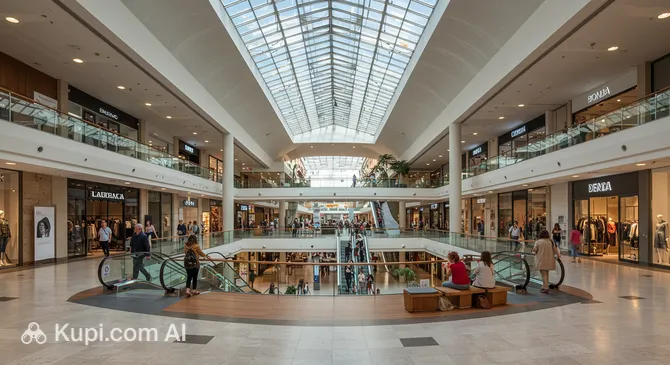
Travelers who prefer a modern, all-in-one shopping experience will find excellent options in the city's shopping centers. Forum Palermo is one of the largest and most popular malls in the area, housing over a hundred shops, a cinema, and a food court, located just a short tram ride from the city center. Another convenient option for everyday needs and variety is Ipershop, which offers a range of retail stores suitable for different budgets.

Forum Palermo. Source: Kupi.Binoculars

No shopping trip to Palermo is complete without visiting its legendary open-air markets. While Ballarò and Vucciria are famous for food, the Mercato del Capo also offers a vibrant selection of spices, cheeses, and household goods. For antique lovers, the Mercato delle Pulci (Flea Market) near the Cathedral is a treasure trove of furniture, vintage jewelry, and curiosities. These markets are not just places to buy; they are immersive experiences filled with the shouts of vendors and the scents of Sicily.

When it comes to souvenirs, authentic local crafts are the best choice. Look for Teste di Moro (Moorish heads), the colorful ceramic vases with a legendary history, or traditional Opera dei Pupi marionettes, which are recognized by UNESCO. Food items are also highly recommended; vacuum-packed pistachios, bottles of local olive oil, Modica chocolate, and the incredibly realistic marzipan fruits known as frutta martorana are favorites among tourists.

Store opening hours in the city generally follow the traditional Italian split schedule. Shops typically open around 9:00 AM or 9:30 AM, close for a lunch break (riposo) between 1:30 PM and 4:00 PM, and then reopen until 7:30 PM or 8:00 PM. However, large shopping malls and major chains on the main streets often stay open throughout the day (orario continuato). While credit cards are widely accepted in stores and malls, carrying cash is essential for small purchases in markets. Non-EU residents should also look for the "Tax Free" logo in shop windows to reclaim VAT on qualifying purchases before leaving the country.

Reached the end of the page?

That means the route is fully explored