Support

Reggio Calabria

About

Welcome to Reggio Calabria, a captivating city located at the very toe of the Italian peninsula. Separated from the island of Sicily by the narrow Strait of Messina, this coastal hub offers breathtaking views and a vibrant Mediterranean atmosphere. As one of the most important cities in southern Italy, it serves as a cultural and economic center for the region, home to a population of approximately 181,000 residents.

The city boasts a rich heritage that dates back to ancient times when it was a prominent colony of Magna Graecia known as Rhegion. Visitors intrigued by the past can delve deeper into the history of Reggio Calabria to discover how centuries of diverse influences have shaped its current character. Despite historical challenges, including earthquakes, the city has been rebuilt with elegant architecture that charms visitors today.
Reggio Calabria. Source: Kupi.Binoculars

Reggio Calabria is perhaps best known for housing one of the world's most significant archaeological treasures: the Riace Bronzes. These magnificent ancient Greek warrior statues are displayed at the National Archaeological Museum, a must-visit for art lovers. Another highlight is the renowned Lungomare Falcomatà, a seaside promenade often described as "the most beautiful kilometer in Italy," offering lush gardens and stunning vistas of Mount Etna across the water.

With its warm climate, unique local gastronomy featuring the rare bergamot fruit, and proximity to both the mountains of the Aspromonte National Park and the sea, Reggio Calabria is an ideal destination. Whether you are passing through or staying to explore the region, this city promises an unforgettable travel experience.
Weather Overview

Reggio Calabria enjoys a classic Mediterranean climate, making it an inviting destination throughout the year. The city is known for its hot, sunny summers and mild, relatively wet winters, influenced by its coastal position at the tip of the Italian peninsula. To help plan your trip effectively, you can view the detailed weather in Reggio Calabria guide.

Summer is the warmest time to visit, particularly in July and August, when average temperatures reach approximately 25.5°C and daily highs peak around 28.6°C. These months are also the driest, with very little precipitation and only about 4 to 6 wet days per month, creating ideal conditions for beachgoers and outdoor explorers.

As the season changes, temperatures cool down gradually. Winters remain mild compared to much of Europe, with average temperatures in January and February hovering between 10°C and 11°C. However, this period is characterized by more frequent rainfall; November and December are typically the dampest months, seeing up to 15 wet days each.

Overall, visitors can expect warm, dry summers perfect for sightseeing and mild winters with frequent rain showers.

Interesting Facts

Beyond its renowned museum and scenic coastline, Reggio Calabria holds many fascinating secrets and natural phenomena that surprise even seasoned travelers. From optical illusions to unique agricultural treasures, the city offers a deeper layer of history and mystery waiting to be explored.
  • The city is one of the few places in the world where you can witness the Fata Morgana, a rare optical illusion. When looking out from the Falcomatà Promenade across the Strait of Messina, atmospheric conditions can sometimes project images of the Sicilian coastline into the sky, making buildings and landscapes appear to float above the water.

  • Reggio Calabria is known as the "World Capital of Bergamot," producing nearly 90% of the global supply of this fragrant citrus fruit. The specific microclimate of the province is essential for the tree's growth, making the region the primary source for the essential oil used in Earl Grey tea and many luxury perfumes.

  • A local legend links the city to the dawn of Christianity in Italy through the "Miracle of the Burning Column." It is said that Saint Paul preached here and caused a marble column to glow with divine fire to convert the listeners; a fragment of this legendary column is still preserved within the Cathedral Basilica of Maria Santissima Assunta in Heaven (Reggio Calabria Cathedral).

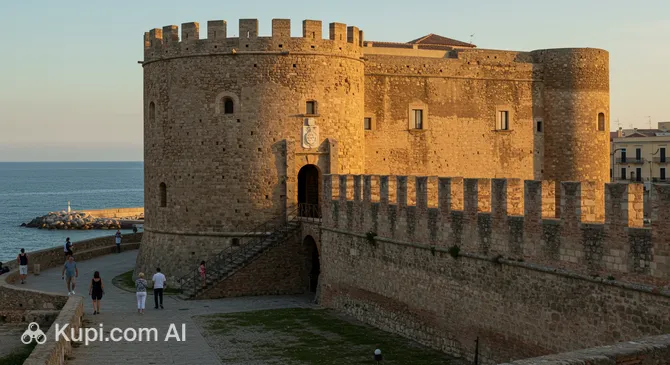
  • The impressive Aragonese Castle stands as a symbol of the city's resilience. While the devastating earthquake of 1908 destroyed much of the surrounding urban fabric, this fortification remained largely intact, surviving both natural disasters and centuries of invasions to watch over the city today.

Aragonese Castle. Source: Kupi.Binoculars

How to Get There

Reaching the tip of the Italian peninsula is easier than it might seem, with several convenient options available for travelers. Whether you prefer flying or taking a scenic train ride along the coast, you can find more about how to get to Reggio Calabria and choose the route that best suits your itinerary.

The most direct way to arrive is via the local Tito Menniti Airport (IATA: REG), also known as the "Airport of the Strait." It is located just 4.4 km from the heart of Reggio Calabria, making it an extremely convenient entry point. A taxi or bus ride from here to the city center takes approximately 27 minutes. While it handles a smaller volume of regional traffic, its proximity is unbeatable.

For a wider range of international flights, many visitors choose to fly into Catania-Fontanarossa Airport (IATA: CTA). It is located in the city of Catania, about 88 km away. Although it requires a longer transfer—taking roughly 2.5 hours by road—it is a major hub with high passenger traffic. Another significant option is Lamezia Terme International Airport (IATA: SUF), situated in the city of Cosenza, approximately 102 km from Reggio Calabria. The travel time from this airport is around 3 hours.

For clarity, here is a summary of the main airports:

Airport Name City Passenger Traffic Km from City
Catania-Fontanarossa AirportCataniaHigh88.0
Lamezia Terme International AirportCosenzaMedium102.3
Tito Menniti AirportReggio CalabriaSmall4.4
CrotoneCrotoneSmall159.0
Comiso AirportComisoSmall154.1

If you prefer traveling by rail, the city is well-served by the Italian railway network. The primary hub is Reggio di Calabria Centrale Station (IATA: RCC), located directly in the city, just 1.3 km from the center. It is a major terminus for trains arriving from northern Italy. Alternatively, you can arrive at Lamezia Terme Centrale Railway Station (IATA: LTZ) in the city of Cosenza, which is about 104 km away. From there, you can continue your journey to Reggio Calabria, which takes approximately 3 hours by road or a shorter time via connecting regional trains.

Below is a summary of the nearby railway stations:

Station City Passenger Traffic Km to Center
Lamezia Terme Centrale Railway StationCosenzaHigh104.4
Reggio di Calabria Centrale StationReggio Calabria1.3
Salerno Railway StationSalerno294.5

Main Attractions

Reggio Calabria offers a fascinating mix of ancient history, religious art, and stunning natural scenery. From its world-renowned museum to its elegant seaside promenade, the city's landmarks tell the story of its Greek origins and its resilience through the centuries. Here are some of the most interesting places to explore during your visit.

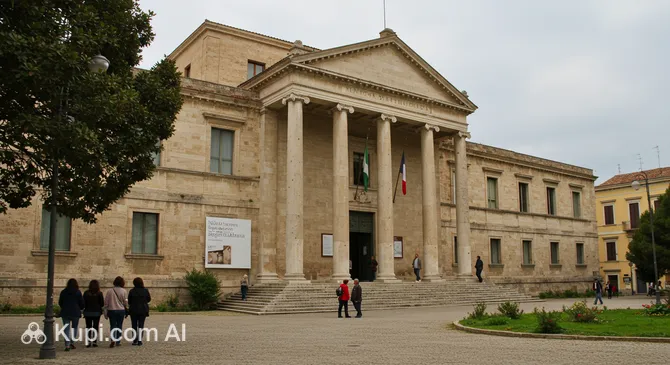
No trip to the city is complete without visiting the National Archaeological Museum of Reggio Calabria. This institution is one of the most prestigious archaeological museums in Italy, housing an extensive collection of artifacts from Magna Graecia. The undisputed highlights are the famous Riace Bronzes, two incredibly preserved ancient Greek statues of warriors found in the sea nearby. Beyond these masterpieces, the museum offers a deep dive into the region's prehistoric and classical past, making it an essential stop for history enthusiasts.

National Archaeological Museum of Reggio Calabria. Source: Kupi.Binoculars

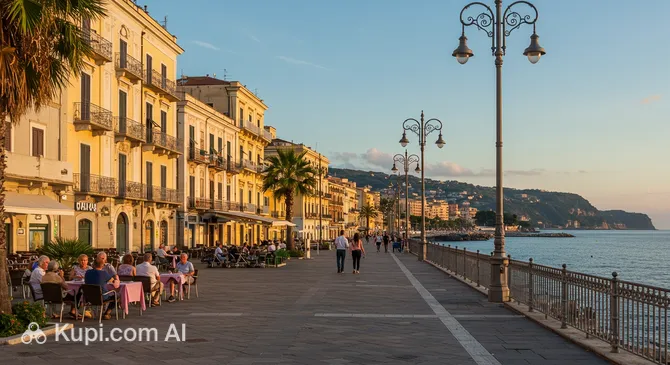
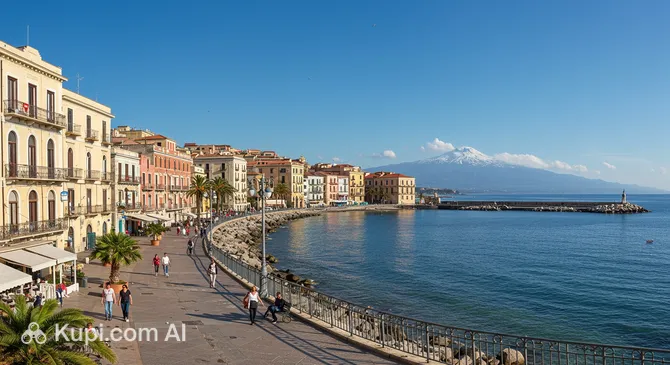
For a relaxing and scenic experience, take a stroll along the Falcomatà Promenade. Often referred to as "the most beautiful kilometer in Italy," this seafront avenue is lined with exotic magnolia and palm trees, elegant art nouveau villas, and archaeological sites. It serves as the city's living room, where locals and tourists alike gather to enjoy gelato and gaze across the strait at the imposing silhouette of Mount Etna in Sicily. It is especially magical at sunset when the light reflects off the water.

Falcomatà Promenade. Source: Kupi.Binoculars

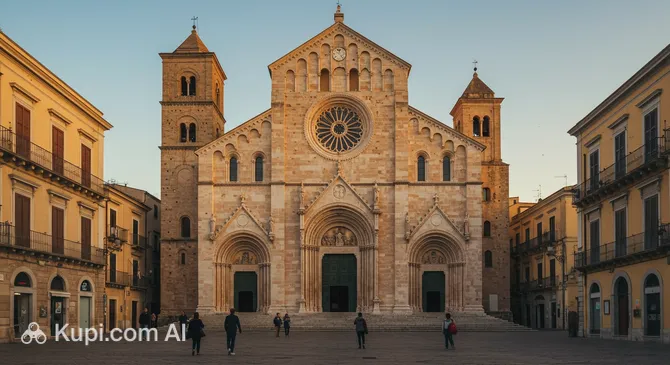
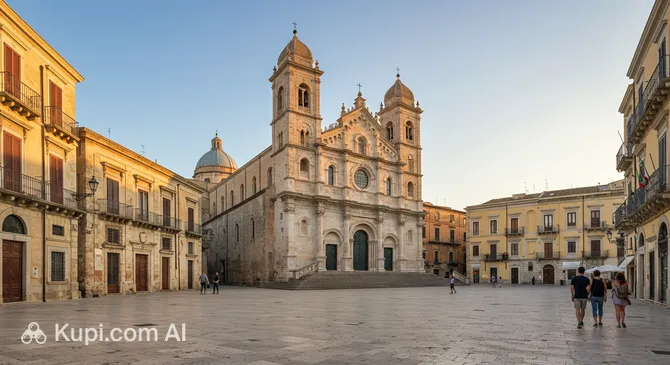
In the heart of the city stands the majestic Cathedral Basilica of Maria Santissima Assunta in Heaven, commonly known as the Reggio Calabria Cathedral. As the largest religious building in the region, it dominates the Piazza del Duomo with its eclectic Romanesque-Gothic style. The interior is equally impressive, featuring vibrant stained glass windows and precious marbles. It is a place of peace and beauty that reflects the deep spiritual heritage of the Calabrian people.

Cathedral Basilica of Maria Santissima Assunta in Heaven (Reggio Calabria Cathedral). Source: Kupi.Binoculars

Another significant spot is Piazza Italia, officially named Piazza Vittorio Emanuele II. This square is the political and administrative center of the city, bordered by important government buildings. What makes it truly unique, however, is the archaeological site located in its center. Excavations here have revealed layers of the city's history, uncovering ruins that date back to the Greek, Roman, and Byzantine eras, effectively allowing visitors to walk through time in the middle of the modern city.

Local Cuisine

The cuisine of Reggio Calabria is a vibrant reflection of its geography, blending the fresh bounty of the Tyrrhenian and Ionian seas with the robust, spicy flavors of the Calabrian mountains. The food here is characterized by simple yet intense ingredients, where olive oil, vegetables, and the famous local chili peppers, or peperoncino, play a central role. Dining in this city is not just a meal but a celebration of tradition, often starting with rich antipasti and lasting late into the evening.

Given its location on the Strait of Messina, it is no surprise that swordfish, or pesce spada, is the undisputed king of the local table. The fish is caught traditionally in these waters and prepared in numerous ways. A must-try dish is pesce spada alla ghiotta, where the fish is cooked with tomatoes, capers, and olives. Another favorite is swordfish rolls (involtini), filled with breadcrumbs, garlic, and herbs, offering a delicious taste of the Mediterranean in every bite.

For those who prefer land-based flavors, the region is famous for 'nduja, a spicy, spreadable pork sausage that adds a fiery kick to sauces and bruschetta. You should also try the local fresh pasta, often handmade maccheroni al ferretto, served with rich meat ragùs or spicy vegetable sauces. The bold flavors are perfectly complemented by the region's robust red wines, such as those produced from the Gaglioppo grape.

No culinary journey here is complete without tasting the city's unique "green gold": the Bergamot. Reggio Calabria is the world capital for this fragrant citrus fruit, and it finds its way into everything from tea and liqueurs to desserts. Be sure to try a Bergamino, a digestive liqueur made from bergamot zest, or indulge in a refreshing bergamot-flavored gelato. In the warmer months, locals often start their day with a semi-frozen dessert known as granita, usually served with a warm brioche bun—a tradition shared with neighboring Sicily.

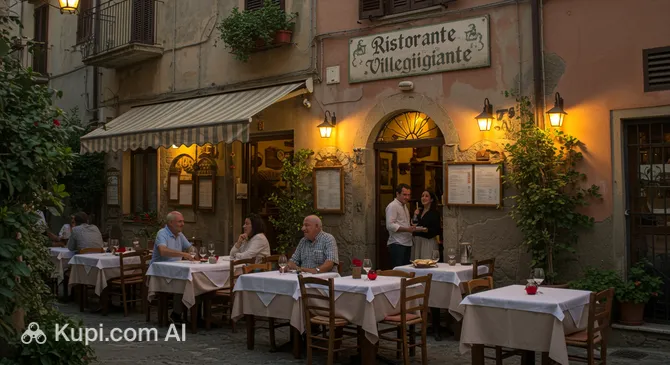
The dining scene in Reggio Calabria ranges from casual street food vendors selling arancini to elegant establishments along the seafront. For a memorable sit-down meal featuring traditional recipes, you might visit Ristorante Villeggiante, which offers a taste of authentic local hospitality.

Ristorante Villeggiante. Source: Kupi.Binoculars

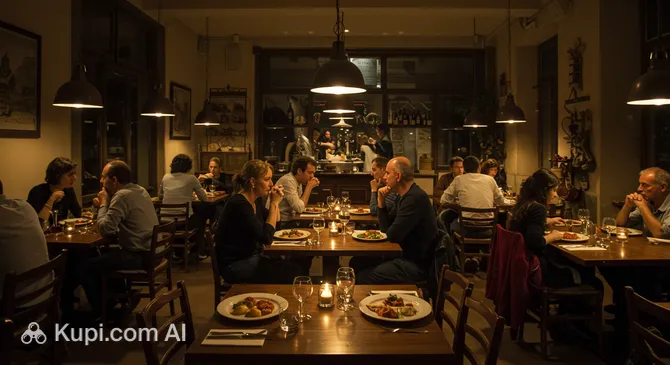
After dinner, the city comes alive with a relaxed nightlife. Locals love to gather for an evening aperitivo or a late-night drink. Places like the Bridge Lounge Pub provide a lively atmosphere to enjoy cocktails and mingle with residents, making it a great spot to soak up the modern social culture of this historic city.

Travel Tips

Visiting Reggio Calabria offers a unique blend of ancient history and seaside relaxation, but knowing the local rhythm can make your trip much smoother. Here are some practical tips to help you navigate the city like a local and avoid common tourist pitfalls.

  1. Clothing and Gear: The climate is generally warm, so light, breathable fabrics are essential for summer visits, along with a good hat and sunscreen. However, if you visit in winter, bring a waterproof jacket and an umbrella, as it can be surprisingly rainy. Comfortable walking shoes are a must for exploring the long Lungomare promenade. Remember that to enter religious sites like the Cathedral, you must dress modestly—shoulders and knees should be covered.

  2. Transportation: The city center is compact and best explored on foot, especially the area between the promenade and the museum. For longer distances, the local bus service (ATAM) is available, though schedules can sometimes be flexible. The coastal train service ("Metropolitana di Superficie") is excellent for visiting nearby towns. Renting a car is recommended only if you plan to explore the Aspromonte mountains or remote beaches, as city traffic can be chaotic and parking scarce.

  3. Finances: The currency is the Euro (€). While credit cards (Visa and Mastercard) are widely accepted in hotels, restaurants, and larger shops, cash is still king for smaller transactions. You will need coins or small bills for espresso bars, kiosks, and local markets. ATMs (Bancomat) are easy to find throughout the city. Tipping is not mandatory; a service charge (coperto) is often added to the bill, but rounding up the total is a polite gesture.

  4. Health and Safety: Reggio Calabria is generally a safe city for tourists, but standard precautions against petty theft apply in crowded areas or near the train station. Pharmacies are marked with a green cross sign; they are usually open during business hours, with a rotation system for nights and holidays. For any serious medical emergencies, dial 112, the universal European emergency number.

  5. Communication: Italian is the primary language. While staff at major hotels and the National Museum usually speak English, it is less common in small family-run shops or traditional trattorias. Learning a few basic phrases like "Buongiorno" (Good morning) and "Grazie" (Thank you) goes a long way. Free Wi-Fi is available in some public squares, but purchasing a local SIM card is the most reliable option for staying connected.

  6. Local Etiquette: Greetings are important in southern Italy. Always greet shopkeepers or bar staff when entering and leaving. Be aware of the riposo (siesta): many shops and businesses close from roughly 1:30 PM to 4:30 PM for a lunch break. Plan your shopping and errands for the morning or late afternoon to avoid finding closed doors.

  7. What to Avoid: Do not expect to eat dinner early. Restaurants typically open for dinner around 7:30 PM or 8:00 PM, and the atmosphere peaks even later. Also, avoid wearing beachwear (swimsuits, flip-flops) in the city center or when visiting museums; it is considered disrespectful and inappropriate away from the sand.

  8. Additional Tip: Embrace the ritual of the passeggiata. Around sunset, locals flock to the Falcomatà Promenade to stroll, socialize, and enjoy gelato. It is the best time to experience the authentic vibe of the city and witness the stunning "Fata Morgana" optical effect if conditions are right.

By keeping these practicalities in mind, you will be well-prepared to enjoy the warm hospitality and stunning landscapes of this Calabrian gem. Relax, take your time, and let the charm of the city unfold around you.

Entertainment & Nightlife

Reggio Calabria comes alive after dark, offering a vibrant mix of leisure activities that cater to diverse tastes. The city's entertainment scene is deeply connected to its seaside location, with the famous Lungomare serving as the hub of social life. In the evenings, locals partake in the traditional passeggiata, strolling along the waterfront and Corso Garibaldi to enjoy the lively atmosphere, street performers, and cool sea breeze.

For those seeking a more energetic night out, the city boasts a variety of trendy spots. The "movida" here is spirited yet relaxed, featuring numerous bars and clubs where visitors can unwind. A popular destination is Storie di Gusto, a venue known for its engaging ambiance and excellent selection of drinks, making it a favorite for experiencing the local nightlife. Similarly, the Bridge Lounge Pub offers a sophisticated setting to enjoy cocktails while soaking in the views of the strait.

Storie di Gusto. Source: Kupi.Binoculars

Shopping enthusiasts will find plenty to explore in the city center. The pedestrian-friendly Corso Garibaldi is lined with elegant boutiques, historic shops, and cafes, perfect for a leisurely shopping spree. For a more concentrated retail experience, Le Ninfee Shopping Mall provides a range of stores offering everything from fashion to local souvenirs, ensuring visitors can find exactly what they need.

Cultural entertainment is also a key part of the city's charm. The historic Teatro Francesco Cilea is the premier venue for the performing arts, hosting a rich calendar of opera, theater, and concerts throughout the year. Additionally, the city frequently organizes outdoor events and festivals, particularly in the summer, with the grand Festa di Madonna della Consolazione in September being the most spectacular celebration, filling the streets with processions and fireworks.

Parks & Museums

Reggio Calabria is a city where nature and culture intertwine seamlessly. Beyond its glittering coastline, the city offers lush green spaces and prestigious institutions that preserve thousands of years of history. Visitors can easily alternate between relaxing strolls in exotic gardens and inspiring visits to world-class museums.

For a refreshing break in the heart of the city, the Villa Comunale (also known as the Umberto I Public Gardens) is the perfect retreat. Originally established as a botanical garden, this park is home to a rich variety of tropical plants and centuries-old trees. It serves as a green lung for the city, offering shaded pathways, fountains, and busts of famous historical figures, making it an ideal spot for a peaceful afternoon walk.

While often celebrated for its sea views, the Falcomatà Promenade is also a significant botanical treasure. This "most beautiful kilometer" acts as a linear park, lined with gigantic Ficus Magnolioides trees, palm trees, and diverse Mediterranean flora. It combines the beauty of a well-tended garden with the openness of the sea, providing a unique natural environment right in the urban center.

When it comes to culture, the National Archaeological Museum of Reggio Calabria (MArRC) is the undisputed jewel of the region. Housed in a modern building designed by Marcello Piacentini, it is one of the most important archaeological museums in Italy. While famous for the Riace Bronzes, its four floors offer a comprehensive journey through the history of Calabria, from prehistoric times to the Roman age, showcasing exquisite jewelry, terracotta, and statues.

Piazza de Nava. Source: Kupi.Binoculars

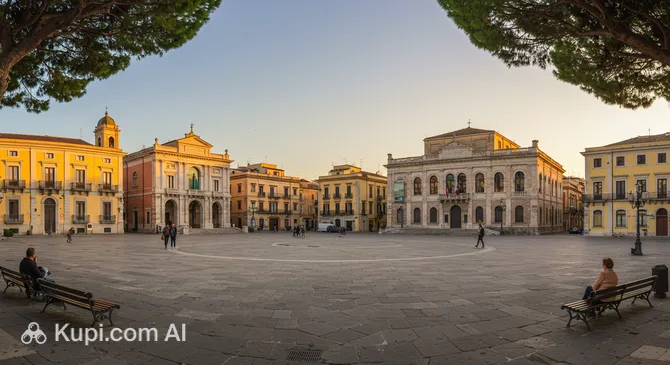
Just outside the museum lies Piazza de Nava, a historical square that serves as a cultural vestibule to the city's treasures. Named after a prominent local statesman, the square is a popular meeting point featuring a central monument and elegant surroundings. It connects the museum district with the bustling Corso Garibaldi, acting as a bridge between the city's ancient heritage and its modern life.

Another vital cultural venue is the Aragonese Castle. Although it is a fortification by design, today it functions as a dynamic exhibition space. The castle's restored interiors frequently host art exhibitions, photographic displays, and cultural events, allowing visitors to experience contemporary creativity within medieval walls.

For an insider cultural experience, look for the Pinacoteca Civica (Civic Art Gallery) located near the theater. It houses valuable paintings by artists from Southern Italy, including works by Mattia Preti and Antonello da Messina, offering a quieter but equally rewarding artistic encounter.

Getting Around

Getting around Reggio Calabria is relatively straightforward, thanks to a public transport network that combines bus services with a coastal rail system. While the historic center is compact enough to be explored comfortably on foot, utilizing the local transport options allows you to reach the suburbs, the airport, and nearby scenic towns with ease.

The backbone of the city's urban transport is the bus network operated by ATAM (Azienda Trasporti per l'Area Metropolitana). These buses cover the entire city area, including the hilly upper districts and the coastal strip. The most useful lines for tourists typically run along the main thoroughfares parallel to the sea, connecting the National Archaeological Museum, the Central Station, and the airport. Buses are generally orange or blue and are a reliable way to navigate the city's length.

A unique and highly efficient feature of Reggio Calabria's transport is the so-called "Metropolitana di Superficie" (Surface Metro). This is not a traditional underground subway but rather a high-frequency regional train service operated by Trenitalia. It runs along the coast, connecting the city center (Reggio di Calabria Centrale) with the airport (Reggio Calabria Omeca or Aeroporto stations) and outlying neighborhoods like Pellaro to the south and Catona to the north. It is often faster than the bus for traveling between the north and south ends of the city.

For those looking to cross the strait, the city is a major hub for maritime transport. Hydrofoils (operated by Liberty Lines) and ferries depart regularly from the port, connecting Reggio Calabria directly to Messina in Sicily and the Aeolian Islands. This makes it incredibly easy to take a day trip across the water, with the crossing to Sicily taking as little as 30 minutes.

Tickets and Payment: To use ATAM buses, you must purchase a ticket before boarding. Tickets are sold at authorized retailers, which include most Tabacchi (tobacconists) and newsstands throughout the city; look for the "T" sign. A standard single journey ticket costs approximately €1.50 and is valid for 75 minutes. Alternatively, you can use the ATAM - Trasporti e Sosta mobile app to buy digital tickets, which is often more convenient for tourists. Remember to validate your paper ticket immediately upon entering the bus using the yellow or orange machines to avoid fines.

If you prefer more direct transport, taxis are available but are not typically hailed on the street. You will find taxi ranks at key locations such as the Central Station, Piazza Garibaldi, and the airport. It is advisable to book one by phone or via a hotel concierge. While car-sharing apps are not widely established, renting a car is a popular choice for those planning to explore the wider Calabrian region or the Aspromonte mountains, though parking in the city center can be challenging.

Accommodation

Reggio Calabria offers a welcoming selection of accommodation that suits various travel styles, though it is generally less commercialized than some of Italy's major tourist hubs. The options range from charming Bed & Breakfasts (B&Bs) tucked away in historic buildings to modern hotels offering panoramic views of the Strait of Messina. You won't find many massive luxury resort complexes here; instead, the hospitality focus is on smaller, family-run establishments and mid-range hotels that provide personal attention and authentic local character.

For the most convenient experience, the Historic Center is the best area to base yourself. Staying near Piazza Duomo or along the bustling Corso Garibaldi places you within walking distance of the main shopping districts, the cathedral, and cultural landmarks. This central location allows you to easily explore the city on foot, with a wide array of restaurants and cafes right at your doorstep.

Piazza Duomo. Source: Kupi.Binoculars

Another highly desirable location is the area along the Falcomatà Promenade. Accommodations here often come with the added bonus of sea views, allowing you to wake up to the sight of Sicily across the water. It is a perfect spot for those who enjoy evening strolls and a slightly more relaxed atmosphere while remaining close to the city's heart.

Booking Tip: While Reggio Calabria is not always overrun with international tourists, it is a key gateway to Sicily and a popular summer destination for Italians. Therefore, it is highly recommended to book your accommodation well in advance if you plan to visit during July or August, or around major holidays like the Feast of the Madonna in September, when the city fills up quickly.

Travelers will generally find accommodation prices in Reggio Calabria to be quite reasonable compared to northern Italy. Budget options, such as simple guesthouses and B&Bs, are widely available and offer great value. Mid-range travelers can expect comfortable 3-star and 4-star hotels, often with breakfast included. While true 5-star luxury is rare, the higher-end hotels near the waterfront offer premium services. Most properties can be easily booked via major online platforms, ensuring a smooth planning process for your trip.

Nearby Cities

For those looking to explore the surroundings, Reggio Calabria serves as an excellent base for day trips to several interesting nearby locations:
City Population Distance (km)
Messina23429312
Barcellona Pozzo di Gotto4138938
Milazzo3123138
Gioia Tauro2007642
Palmi1860632

Just a short hydrofoil or ferry ride across the strait lies Messina, the gateway to Sicily. It is an ideal destination for a cultural day trip, famous for its Norman Cathedral and the bell tower housing one of the largest astronomical clocks in the world. Visitors can enjoy a granita near the harbor and explore the city's fountains and historic architecture before heading back to the mainland.

On the Calabrian side, traveling north along the stunning "Violet Coast" brings you to Palmi. This town is renowned for its dramatic cliffs, sandy beaches, and the House of Culture, which includes museums dedicated to folklore and music. It offers spectacular panoramic views of the sea and is steeped in local traditions, including the UNESCO-listed Varia festival.

Another notable stop is the historic town of Scilla, located just a short distance north of Reggio Calabria (approx. 22 km). While famous for the legendary sea monster from Greek mythology, today it charms visitors with the seaside district of Chianalea—often called the "Little Venice of the South"—and the imposing Ruffo Castle perched on a promontory overlooking the beach.

These nearby destinations offer a glimpse into the diverse culture and landscapes of the region.

Shopping & Souvenirs

Shopping in Reggio Calabria is a delightful experience that combines the elegance of Italian fashion with the authenticity of local craftsmanship. The city’s retail heart beats along Corso Garibaldi, a bustling avenue that runs parallel to the seafront. Stretching for several kilometers, this largely pedestrian-friendly street is lined with a mix of high-end boutiques, historic shops, and modern chains, offering everything from designer clothing and leather goods to jewelry and accessories.

For those seeking a more concentrated selection of stores, Le Ninfee Shopping Mall is a convenient destination. It offers a variety of brands and services in a modern setting, making it an excellent stop for travelers looking for specific items or a comprehensive retail experience in one location.

Le Ninfee Shopping Mall. Source: Kupi.Binoculars

However, the true treasures of the city are found in its artisanal products. As the "City of Bergamot," Reggio Calabria is the perfect place to purchase unique souvenirs made from this rare citrus fruit, including essential oils, perfumes, and natural cosmetics. Food lovers should also explore the local delicatessens to find authentic Calabrian specialties, such as jars of spicy 'nduja, dried chili peppers, and bergamot-flavored liqueurs, which allow you to bring a taste of Southern Italy home with you.

Reached the end of the page?

That means the route is fully explored