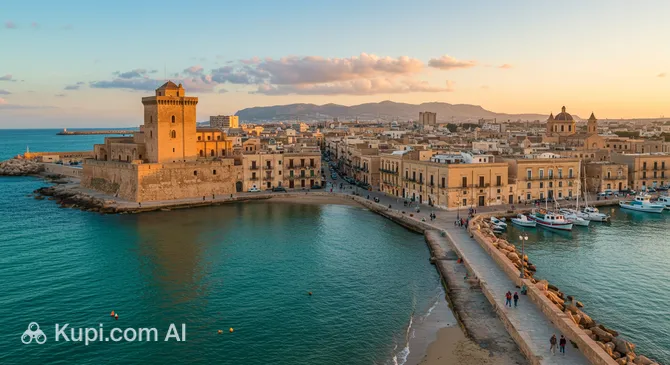
Trapani is a captivating coastal city located on the western tip of Sicily, often referred to as the "City of Two Seas" because of its unique position on a crescent-shaped peninsula where the Tyrrhenian and Mediterranean seas meet. This historic port town offers a perfect blend of maritime culture, elegant architecture, and natural beauty. As a significant destination in Italy, it serves as a vital gateway to the nearby Egadi Islands and has a population of approximately 68,000 residents, creating a lively yet manageable atmosphere for visitors.
The history of Trapani is deeply rooted in trade and conquest, with a legacy that stretches back to the ancient Elymians and Phoenicians. Over the centuries, the city has thrived due to its strategic location and its famous salt production. Today, travelers can explore the charming historic center, which is characterized by narrow, winding streets and stunning Baroque buildings, such as the Cathedral of San Lorenzo and the Church of the Holy Souls in Purgatory.
Trapani. Illustration.
Source: Kupi.com AI
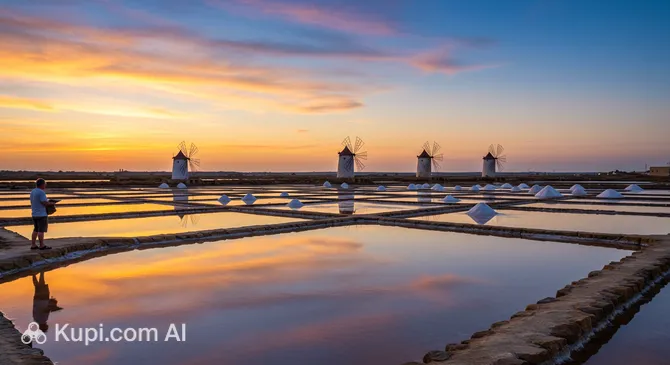
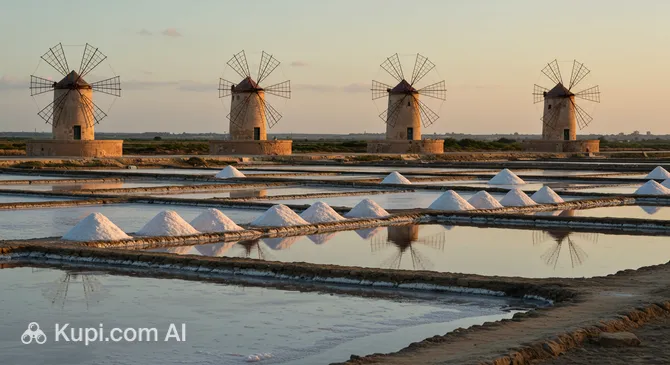
One of the most striking features of the area is the Riserva Naturale Saline di Trapani e Paceco. Here, visitors can admire the historic salt pans and traditional windmills that turn pink during sunset, offering one of the most photographic landscapes in the region. Whether you are strolling along the Mura di Tramontana walls or using the city as a base to explore the hilltop town of Erice, Trapani promises an authentic and memorable Sicilian experience.
Weather Overview
Trapani enjoys a classic Mediterranean climate, characterized by hot, sunny summers and mild, moderately wet winters. For travelers planning their trip, checking the weather in Trapani is recommended to pack appropriately, though the city is generally welcoming year-round. The summer season, particularly July and August, sees the highest temperatures, with daily maximums averaging around 30.5°C and very little rainfall.
The cooler months provide a stark contrast, offering a respite from the heat without becoming freezing. In January and February, the average temperature hovers around 12.0°C, with lows typically staying above 9.5°C. However, visitors should be prepared for more frequent precipitation during this time, as November and January can have up to 13 wet days. Overall, you can expect warm, dry summers ideal for coastal activities and mild winters with occasional rain showers.
Average monthly temperature
Average monthly precipitation
Interesting Facts
Beyond the main attractions, Trapani holds many fascinating secrets and legends that define its unique character. This city is a place where mythology, ancient crafts, and culinary traditions blend to create stories that surprise even the most seasoned travelers.
The Legend of the Sickle: The city's name derives from the Greek word Drépanon, which means "sickle." According to myth, a sickle fell from the hands of a god—often cited as Saturn or Demeter—into the sea, creating the curved peninsula on which the city was built. The Ligny Tower Civic Museum stands at the extreme tip of this legendary landform, offering views where the two seas meet.
The City of Red Gold: In the 15th and 16th centuries, Trapani was one of the most important centers in the Mediterranean for coral processing. Local artisans were famous for creating intricate jewelry and religious objects from red coral found in the nearby waters. You can admire extraordinary examples of this intricate craft at the Regional Museum A. Pepoli.
A 24-Hour Ritual: Trapani hosts one of the longest religious processions in Italy, the Processione dei Misteri. Held continuously for 24 hours starting on Good Friday, this event involves carrying massive, centuries-old wooden statues through the streets, accompanied by funeral bands, in a tradition that has remained largely unchanged for 400 years.
Couscous Over Pasta: While Italy is famous for pasta, Trapani's signature dish is actually fish couscous (Couscous alla Trapanese). This culinary staple highlights the city's deep historical connections with North Africa and is traditionally prepared in a special terracotta pot called a mafaradda.
Flamingos in the Salt Pans: The Salt Pans of Trapani and Paceco are not just industrial sites; they are a vibrant ecosystem. During migration seasons, these ancient basins often turn into a sea of pink as flocks of flamingos stop to rest and feed in the saline waters.
Salt Pans of Trapani and Paceco. Illustration.
Source: Kupi.com AI
Traveler photos:
How to Get There
Reaching this scenic Sicilian destination is relatively convenient, with options suiting various travel styles. For a comprehensive guide on planning your journey, you can read more about how to get to Trapani. The most direct route is flying into the local airport, though nearby cities also offer excellent connections for international travelers.
The closest entry point is Trapani-Birgi Airport (IATA: TPS), located directly in Trapani, just 12.5 km from the city center. It handles a moderate volume of traffic, serving around 1.3 million passengers annually, making it a convenient regional hub. The travel time to the center is short, taking approximately 40 minutes by taxi or bus. Alternatively, many visitors choose to fly into Falcone-Borsellino Airport (IATA: PMO) in the neighboring city of Palermo. Situated about 51.7 km away, this is a larger international facility with significantly higher passenger traffic. The transfer from Palermo to Trapani typically takes around 1 hour and 40 minutes by road.
For clarity, here is a summary of the main airports:
For those considering rail travel, it is important to note that the main long-distance connections often terminate on the mainland before crossing to Sicily. The Reggio di Calabria Centrale Station (IATA: RCC) is located in the city of Reggio Calabria, approximately 272.2 km from Trapani. Since this station is on the other side of the Strait of Messina, reaching Trapani from here involves a significant journey, taking roughly 7 hours by road transport.
Below is the available data for the railway station:
Trapani offers a wealth of sights that reflect its layered history and seaside charm. From ancient religious sites to scenic promenades, the city's main attractions are concentrated within the walkable historic center and its immediate surroundings, making it a delight to explore on foot.
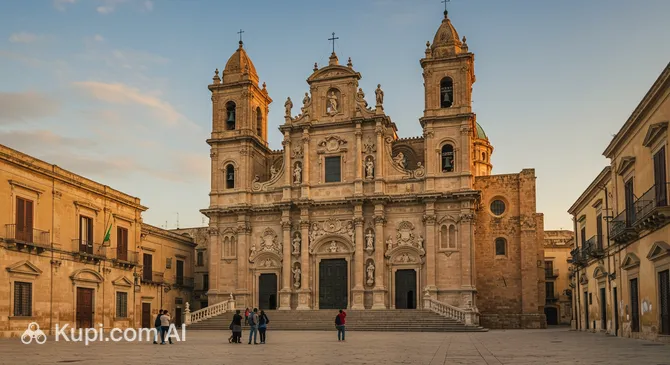
One of the most significant religious buildings in the city is the Cathedral of San Lorenzo. Located along the main thoroughfare of Corso Vittorio Emanuele, this cathedral is a stunning example of Sicilian Baroque architecture. Originally built in the 14th century and later renovated, it features an elegant façade and a majestic interior adorned with stuccoes and frescoes. It serves as the primary place of worship in the historic center and is dedicated to the city’s patron saint.
Cathedral of San Lorenzo. Illustration.
Source: Kupi.com AI
Traveler photos:
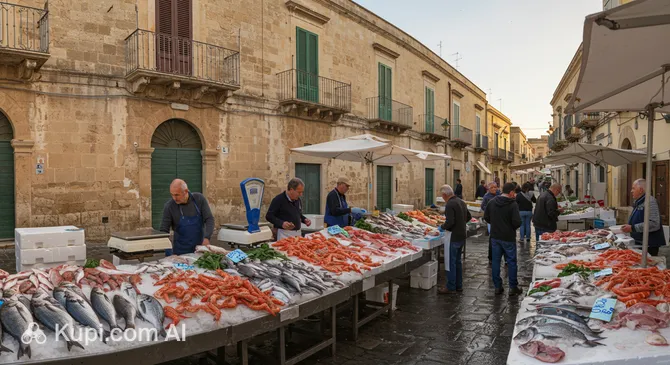
A short distance away lies the picturesque Old Fish Market Square, known locally as Piazza Mercato del Pesce. This semi-circular square was once the bustling hub of the city's fishing trade. Today, it stands as a beautiful open space framed by arches and centered around a statue of Venus Anadyomene emerging from the sea. It is a favorite spot for both locals and tourists to gather, especially in the evening, offering sweeping views of the coastline.
Old Fish Market Square. Illustration.
Source: Kupi.com AI
Traveler photos:
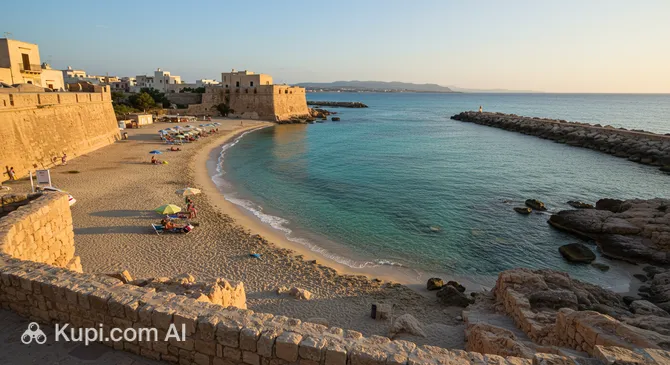
For those seeking a blend of history and relaxation, the Tramontana Walls Beach is an unmissable stop. This area allows visitors to walk atop the ancient fortifications that once protected the city from invaders. Below the walls lies a sandy beach with crystal-clear waters, providing a unique opportunity to swim right in the shadow of historic battlements. The promenade here is particularly magical at sunset when the stone glows in warm hues.
Tramontana Walls Beach. Illustration.
Source: Kupi.com AI
Traveler photos:
Another architectural jewel is the Cathedral of the Annunciation (Trapani Cathedral), often referred to as the Basilica-Sanctuary of Maria Santissima Annunziata. Located slightly outside the old town, this site is famous for housing the marble statue of the Madonna of Trapani, a revered work of art that attracts pilgrims from all over. The complex also includes a beautiful bell tower and a museum, making it a key destination for those interested in religious art and local devotion.
Local Cuisine
The culinary landscape of Trapani is a delicious testament to its history as a melting pot of Mediterranean cultures, blending Sicilian traditions with strong Arab influences. The undisputed king of the local table is Couscous alla Trapanese. Unlike the meat-based versions found in North Africa, this signature dish features semolina grains steamed to perfection and served with a rich, flavorful broth made from mixed fish. It is a source of immense local pride and a must-try experience for any visitor.
Pasta lovers should look for Busiate, a distinctive shape of twisted pasta traditionally made by wrapping dough around a thin reed or knitting needle. It is most famously served with Pesto alla Trapanese (pesto alla trapanese), a raw sauce created in a mortar using fresh tomatoes, almonds, garlic, basil, and olive oil. This aromatic combination offers a lighter, fresher alternative to the classic basil pesto and perfectly captures the essence of the island's produce.
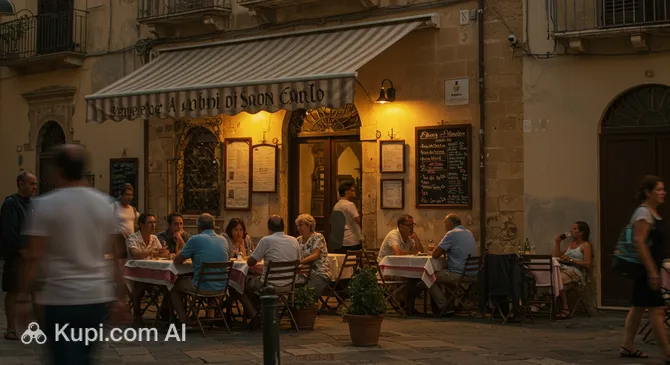
The city's dining scene ranges from casual street food vendors selling arancine and pane cunzato (seasoned bread) to elegant establishments. Seafood is naturally a staple, with red tuna and swordfish often taking center stage. For those seeking to enjoy authentic regional recipes in a welcoming atmosphere, restaurants such as Gli Archi di San Carlo offer a chance to taste these traditional preparations in the heart of the city.
Gli Archi di San Carlo. Illustration.
Source: Kupi.com AI
Traveler photos:
To accompany these robust flavors, the local wine culture provides excellent pairings, particularly crisp white wines made from Grillo or Catarratto grapes grown in the surrounding province. After dinner, the historic center comes alive with locals enjoying a passeggiata. Visitors often stop at wine bars like Enoteca Versi di Rosso to sample Sicilian vintages alongside small plates of local cheeses and olives, rounding off a perfect gastronomic journey.
Travel Tips
To make the most of your time in Trapani, a little local know-how goes a long way. This charming Sicilian port city is welcoming and relaxed, but keeping these practical tips in mind will help you navigate the streets like a pro and avoid common tourist pitfalls.
Clothing and Gear: Summers are hot and sunny, so bring breathable fabrics, a hat, and high-SPF sunscreen. However, the coastal location means it can get windy, so a light jacket is useful for evenings. In winter, layers are essential to protect against the damp sea breeze. Comfortable walking shoes are a must for the cobblestone streets of the historic center. If you plan to visit churches like the Cathedral of San Lorenzo, remember to dress modestly by covering your shoulders and knees.
Transportation: The best way to explore the old town is on foot, as most attractions are close together. For trips to the outskirts or the airport, the local ATM bus service is reliable and affordable. Renting a car is great for exploring the wider province, but be very careful of the ZTL (Limited Traffic Zones) in the city center to avoid hefty fines. For a scenic trip to the mountaintop town of Erice, the cable car (funivia) is the most convenient and spectacular option.
Finances: The local currency is the Euro (€). While major credit cards (Visa, Mastercard) are accepted in most restaurants and hotels, cash is still king at small street food stalls, markets, and some coffee bars. ATMs are widely available throughout the city. Tipping is not strictly mandatory as a "coperto" (cover charge) is often added to your bill, but rounding up or leaving a few euros for good service is a kind gesture.
Health and Safety: Trapani is generally a safe destination for travelers. Pharmacies are easily recognized by a green cross sign; look for a list posted outside any pharmacy to find the "Farmacia di turno" (duty pharmacy) open at night or on holidays. The universal emergency number is 112. Tap water is generally safe for hygiene, but locals often prefer bottled water for drinking due to the high mineral content.
Communication: Italian is the primary language. While staff in hotels and tourist restaurants usually speak English, it is less common among older locals and in smaller shops. Learning a few basic phrases like Buongiorno (Good morning) and Grazie (Thank you) is greatly appreciated. You can easily buy a SIM card from providers like TIM, Vodafone, or WindTre in the city center to stay connected.
Local Etiquette: Greetings are important in Italy; always say hello when entering a shop or café. Dining is a leisurely ritual here, so don't expect quick service—meals are meant to be enjoyed slowly. Dinner typically starts late, often after 8:00 PM, so plan your evening hunger accordingly.
What to Avoid: Do not expect shops to be open all day. Many businesses close for the afternoon break (riposo), typically between 1:30 PM and 4:00 PM, so plan your shopping for the morning or late afternoon. Additionally, avoid walking around the city center in beachwear; it is considered disrespectful and is strictly for the seaside.
Additional Tip: Keep an eye on the wind forecast if you plan to visit the Egadi Islands by hydrofoil. Strong winds, particularly the Sirocco, can occasionally cause cancellations or rough crossings, so it is wise to have a flexible schedule or check with the ticket office at the port in advance.
Armed with these tips, you are ready to immerse yourself in the vibrant culture and relaxed pace of Trapani. Embrace the local rhythm, enjoy the warm Sicilian hospitality, and let the city's unique charm create unforgettable memories for your trip.
Entertainment & Nightlife
Trapani transforms as the sun sets, shifting from a laid-back port town into a vibrant hub of social activity. The nightlife here is less about thumping mega-clubs and more about the lively Mediterranean tradition of the movida. The evening typically begins with a long, leisurely passeggiata (stroll) along Corso Vittorio Emanuele and the pedestrianized streets of the historic center. Locals and tourists alike gather here to enjoy the cool evening breeze, chat, and sip drinks in outdoor seating areas that spill onto the cobblestones.
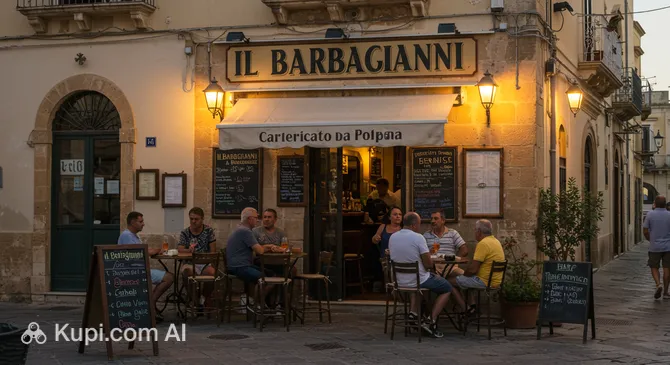
For those seeking a sophisticated atmosphere to start the night, the area around the old fish market and the city walls offers numerous lounge bars and wine cellars. A popular spot in the heart of the city is Il Barbagianni. Known for its creative cocktails and lively music, it attracts a stylish crowd and is a perfect example of the city's modern nightlife scene. The vibe in the historic center is generally smart-casual; while there is no strict dress code, Italians tend to dress up for the evening, so leaving the beachwear at the hotel is advisable.
Il Barbagianni. Illustration.
Source: Kupi.com AI
Traveler photos:
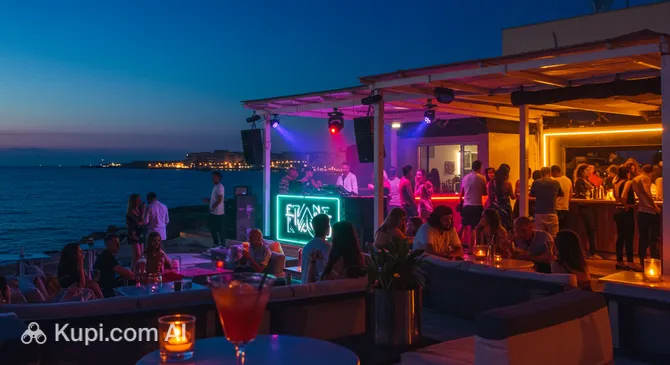
During the summer months, the center of gravity for entertainment often shifts towards the coastline. Beach clubs that offer sunbeds during the day transform into open-air discos at night. Lido San Giuliano is a prime destination for this, located on the city's main beach. It offers a fantastic setting where you can dance on the sand under the stars, often featuring DJ sets and themed parties that last until the early hours of the morning.
Another institution in the local social scene is Bar Nettuno. Situated near the port and the Villa Margherita gardens, this venue has a long history as a meeting point for locals. It serves as a versatile space, functioning as a cafe, bar, and gathering spot where the atmosphere is always welcoming and buzzing with conversation.
Lido San Giuliano. Illustration.
Source: Kupi.com AI
Traveler photos:
Regarding practicalities, nightlife in Trapani starts late. Dinner often runs until 10:00 PM or later, meaning bars only start to fill up around 11:00 PM. Prices are generally reasonable compared to larger Italian cities, with cocktails typically costing between €6 and €10. Getting around the historic center is best done on foot, as the distances are short. However, if you are heading to venues further along the coast or returning to your accommodation late at night, it is best to call a taxi. You can find taxi ranks at Piazza Vittorio Emanuele or ask your venue to call one for you, as hailing them on the street is not common practice.
In terms of safety, Trapani is a secure city for night walks, especially in the busy historic center and along the well-lit promenades. The atmosphere is friendly, but standard travel precautions apply: avoid unlit, deserted alleyways late at night and keep an eye on your belongings in crowded bars.
While the nights are for socializing, daytime entertainment offers a different pace. Visitors can explore cultural gems like the Ligny Tower or the Museum of Illusions. For those who prefer active entertainment, the harbor is the starting point for maritime adventures. Operators like Egadi Boating offer excursions to the nearby islands, providing a perfect mix of sightseeing and relaxation on the water before the evening festivities begin.
Parks & Museums
While Trapani is famous for its sea and salt, the city also offers a refreshing balance of green retreats and cultural repositories. Beyond the bustling port and historic streets, visitors can discover verdant gardens that offer a respite from the sun, as well as world-class museums that safeguard the region's artistic and archaeological treasures. Exploring these sites provides a deeper understanding of the city's evolution from an ancient trading post to a modern cultural hub.
For a peaceful escape within the city center, Villa Margherita is the beloved public garden of Trapani. Created shortly after the unification of Italy, this botanical oasis is renowned for its gigantic Ficus macrophylla trees, whose massive aerial roots and sprawling canopies create a spectacular natural canopy. It is a perfect spot for a leisurely stroll, offering shaded benches, ponds, and an open-air theater that hosts the renowned Luglio Musicale Trapanese opera festival in the summer.
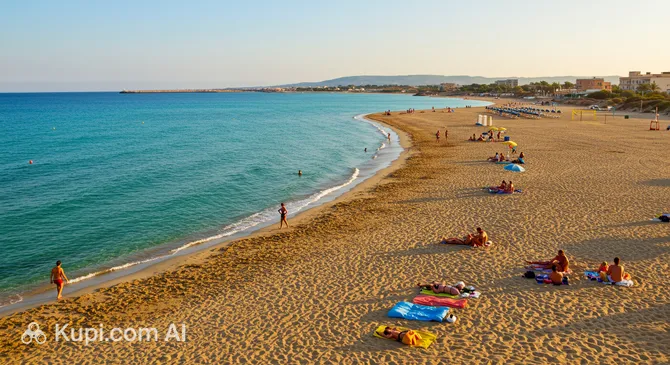
Just a short distance from the historic center lies San Giuliano Beach, a vast stretch of coastline that serves as a natural playground for locals and tourists alike. While it is a popular spot for swimming, its length and open vistas make it an excellent area for nature walks, offering stunning views of the mountain-top town of Erice looming above. The clear waters and fine sand make it a relaxing environment to connect with the Mediterranean landscape away from the urban stone.
San Giuliano Beach. Illustration.
Source: Kupi.com AI
Traveler photos:
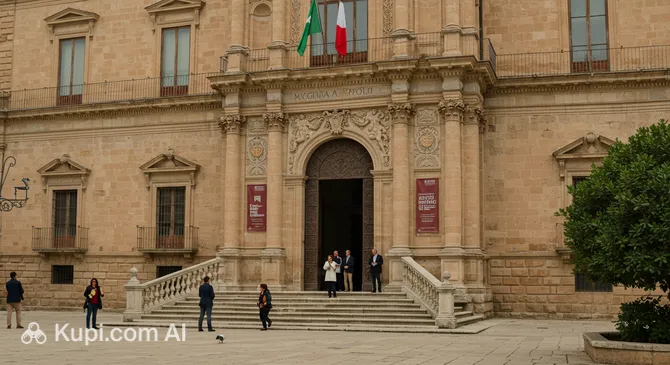
Trapani's cultural heritage is best experienced through its exceptional museums. The most significant of these is the Regional Museum A. Pepoli, located in a beautifully restored 14th-century Carmelite convent adjacent to the Sanctuary of the Annunziata. This museum is celebrated for its unique collection of decorative arts, particularly the exquisite coral works (corallari) that Trapani was famous for in the 17th and 18th centuries. Visitors can also admire silver sculptures, majolica floor tiles, and Renaissance paintings, making it a treasure trove of Sicilian craftsmanship.
Regional Museum A. Pepoli. Illustration.
Source: Kupi.com AI
Traveler photos:
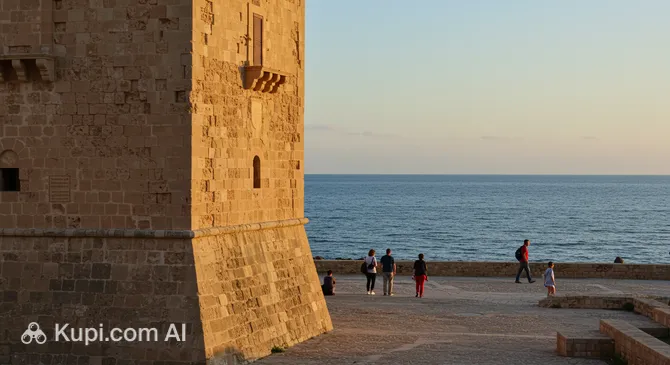
Standing guard at the extreme tip of the city's peninsula is the iconic Ligny Tower Civic Museum. Housed inside a robust 17th-century Spanish watchtower, the museum focuses on the city's prehistoric and marine history. The collection includes ancient anchors, amphorae recovered from the seabed, and artifacts detailing the Punic and Roman periods. Beyond the exhibits, the tower itself is a major attraction, offering a panoramic terrace with unparalleled views where the Tyrrhenian and Mediterranean seas converge.
Ligny Tower Civic Museum. Illustration.
Source: Kupi.com AI
Traveler photos:
For a different kind of cultural experience, the Museum of Illusions Trapani offers an interactive and engaging stop, particularly suitable for families or those looking for a break from traditional history. This venue challenges perceptions with optical illusions, holograms, and scientific installations that explore the limits of the human mind and vision, providing fun photo opportunities and a lighthearted educational experience.
In addition to these museums, the seascape is dominated by the Castello della Colombaia, also known as the Sea Castle. Located on a small island at the harbor's entrance, this ancient fortress has served as a lighthouse, prison, and defensive bulwark throughout history. While access to the interior can be limited depending on restoration works, its imposing silhouette is a defining architectural landmark of Trapani and a testament to its strategic military importance over the millennia.
Insider Tip: When planning your museum visits, check the opening hours carefully, as many Italian museums, including the Pepoli Museum, may be closed on Mondays or have shorter hours on Sundays. For a truly magical experience, visit the Ligny Tower just before sunset; you can explore the museum exhibits first and then head to the terrace to watch the sun dip below the horizon, painting the sky and sea in vivid colors.
Getting Around
Public transport in Trapani is relatively simple and straightforward, primarily relying on a network of urban buses managed by the local company, ATM (Azienda Trasporti e Mobilità). Since the city does not have a metro or tram system, these buses serve as the main connection between the historic center, the modern districts, the port, and the coastal areas. The historic center itself is compact and largely pedestrian-friendly, meaning most visitors will find that exploring on foot is the most convenient way to see the main sights, using buses mainly for reaching the outskirts or specific beaches.
A unique and highly popular feature of the local transport network is the Funivia di Erice (cable car). This gondola lift connects the outskirts of Trapani directly to the medieval hilltop town of Erice. The journey takes approximately 10 minutes and offers spectacular panoramic views of the city, the salt pans, and the Egadi Islands. It is not only a tourist attraction but a practical mode of transport for those wishing to visit the mountain without driving up the winding roads.
Regarding tickets and payment, the system is traditional. Tickets for urban buses must generally be purchased in advance from authorized retailers, which include tobacco shops (look for the "T" sign or Tabacchi), newsstands, and some coffee bars. While it is sometimes possible to buy a ticket on board from the driver, this usually incurs a surcharge and requires exact change, so it is not recommended. A standard single journey ticket typically costs around €1.40 and is valid for 90 minutes. For the cable car, tickets are purchased directly at the stations at the base or top of the mountain.
When using the bus, it is essential to validate your ticket immediately upon boarding by inserting it into the small yellow or orange machine inside the vehicle. Failure to do so can result in a fine if inspectors board the bus. Tourists should be aware that bus schedules can be somewhat flexible, and waiting times may vary. Operating hours generally run from early morning until around 10:00 PM or 11:00 PM, but service is significantly reduced on Sundays and public holidays, so planning ahead is advisable for weekend travel.
For alternatives to public transport, taxis are available but can be expensive compared to other options. They do not typically cruise the streets looking for passengers; instead, you must find a designated taxi rank, such as the one at the train station or Piazza Vittorio Emanuele, or call to book one. Due to the city's flat terrain and scenic coastline, renting a bike is an excellent and increasingly popular alternative for getting around. Car sharing is less common, but traditional car rentals are widely available and are often the preferred choice for travelers planning to explore the wider province beyond the city limits.
Accommodation
Trapani provides a welcoming variety of accommodation options that cater to different travel styles and budgets. The city is particularly renowned for its high concentration of family-run Bed & Breakfasts (B&Bs) and guest houses, often located within renovated historic palazzos. These establishments offer an authentic experience of Sicilian hospitality and are a staple of the local lodging scene. For those seeking more conventional amenities, there are several mid-range hotels and modern holiday apartments, while travelers looking for luxury can find elegant boutique properties, often boasting terraces with sea views.
The most popular area to stay is undoubtedly the Historic Center (Centro Storico). Staying here places you within walking distance of the main pedestrian streets, the best restaurants, and the port, making it the perfect location for travelers who want to immerse themselves in the city's lively atmosphere without needing a car. Alternatively, the area along the northern coast, near the Litoranea Dante Alighieri and San Giuliano Beach, is ideal for those who prefer a seaside resort vibe. This district offers easy access to the beach and modern facilities while still being just a short bus or taxi ride away from the old town's attractions.
If you plan to visit during the peak summer months of July and August, or during the famous Holy Week celebrations (Easter) when the Procession of the Mysteries takes place, it is highly recommended to book your accommodation several months in advance. These periods see a significant influx of visitors, and the most desirable rooms sell out quickly.
In terms of pricing, Trapani is generally more affordable than other famous Sicilian hotspots like Taormina. Visitors can find excellent budget-friendly options, particularly among the guest houses and rentals. Booking is typically done through major online travel platforms, which offer the widest selection and user reviews, although contacting smaller family-run establishments directly can sometimes be a good way to secure a specific room or a more personal connection with your hosts.
Nearby Cities
Nearby Cities:
Trapani's strategic position on the western tip of Sicily makes it an excellent base for exploring the surrounding region. A short drive from the city center allows visitors to discover a diverse array of destinations, ranging from world-renowned wine producers to towns rich in Arab-Norman heritage. Whether you are interested in history, architecture, or simply enjoying the scenic coastal roads, the nearby area offers rewarding day trips.
One of the closest and most popular excursions is to Marsala, located just 26 km south of Trapani. Famous globally for its fortified wine, this city also holds a significant place in Italian history as the landing site of Garibaldi's Thousand. Visitors can tour historic wineries, stroll through the elegant baroque center, or visit the archaeological park to see the remains of a Punic ship. The drive along the "Salt Road" between Trapani and Marsala is particularly scenic, passing by historic windmills and salt pans.
Continuing further south along the coast, approximately 40 km from Trapani, lies Mazara del Vallo. This unique town is known for having one of the largest fishing fleets in Italy and a distinct North African influence. Its historic center, known as the Kasbah, is a labyrinth of narrow alleys that reflects its Arab past. The city is also home to the Museum of the Dancing Satyr, which houses a magnificent ancient Greek bronze statue recovered from the sea.
Heading east towards the interior and the Gulf of Castellammare, travelers can reach Alcamo. Situated about 38 km away at the foot of Mount Bonifato, this town is known for its medieval Castle of the Counts of Modica and its production of "Bianco d'Alcamo" white wine. It offers a quieter, authentic Sicilian atmosphere and splendid views over the surrounding vineyards and the sea.
For those willing to travel a bit further towards Palermo, the town of Monreale is a must-see destination, located 66 km from Trapani. It is world-famous for its Norman Cathedral, a UNESCO World Heritage site filled with breathtaking golden Byzantine mosaics. Closer to the capital, about 58 km from Trapani, is Carini, best known for its imposing medieval castle and the tragic legend of the Baroness of Carini.
The following table provides a summary of these nearby destinations to help plan your trips:
City
Population
Distance
Erice
27 655
5 km
Paceco
11 307
5 km
Marsala
82 802
26 km
Castellammare del Golfo
15 209
30 km
Salemi
10 647
32 km
Shopping & Souvenirs
Shopping:
Shopping in Trapani is a delightful experience that allows visitors to connect with the city's rich artisanal heritage and gastronomic excellence. Unlike the frenetic fashion capitals of the north, the retail pace here is relaxed and intimate. The city is not just a place to buy international brands but a destination to discover unique local crafts, particularly the famous red coral jewelry and colorful ceramics that define the artistic character of western Sicily.
The heart of the shopping scene beats in the Historic Center. The main pedestrian artery, Corso Vittorio Emanuele, is an elegant street lined with a mix of high-end boutiques, historic jewelers, and inviting cafes. Walking down this thoroughfare, along with the adjacent Via Torrearsa, offers a quintessential Sicilian experience where window shopping is combined with the evening passeggiata. Here, you can find everything from Italian fashion labels to small, family-owned shops selling handcrafted leather goods and accessories.
For those seeking a more modern, all-in-one commercial experience, the city offers dedicated shopping centers. The most prominent is Le Saline, a shopping mall located just outside the historic core. It provides a convenient stop for travelers needing practical items, clothing chains, electronics, or a supermarket. It is a good option for escaping the midday heat or finding everyday necessities that might be harder to locate in the small boutiques of the old town.
Le Saline. Illustration.
Source: Kupi.com AI
Traveler photos:
Markets are an essential part of daily life in Trapani. While the Old Fish Market Square has transformed into a cultural venue, the spirit of the market lives on in the bustling street stalls found near the port and in the newer parts of the city. These markets are the best places to find fresh local produce, spices, and inexpensive clothing. They offer a vibrant atmosphere where bargaining is common and the colors of Sicilian fruits and vegetables are on full display.
When it comes to souvenirs, Trapani offers several distinct specialties that make for perfect gifts. The city is historically famous as the "City of Coral," and you will find exquisite coral jewelry intricately carved by local artisans. Another must-buy is the local sea salt, harvested from the nearby salt pans, often packaged in charming ceramic jars. Foodies should look for jars of pesto alla trapanese, capers, or high-quality tuna products like bottarga (cured fish roe). Colorful ceramics, often hand-painted with traditional Sicilian motifs, are also widely available and highly prized.
Visitors should be mindful of the local opening hours, which follow the traditional Italian schedule. Most shops open around 9:00 AM or 9:30 AM and close for the afternoon break (riposo) between 1:00 PM and 4:00 PM (or even 4:30 PM). They reopen in the late afternoon and stay open until 8:00 PM or 8:30 PM. Many smaller shops are closed on Sundays and Monday mornings. Major credit cards are widely accepted in the city center and malls, but it is always wise to carry some cash for small purchases at markets or kiosks.
For travelers residing outside the European Union, Italy offers a Tax-Free shopping scheme. If you spend above a certain minimum amount in a single store on the same day, you may be eligible for a VAT refund. Look for the "Tax Free" logo in shop windows and ask the staff for the necessary forms at the checkout to present at customs upon your departure from the EU.