Support

El Oued

About

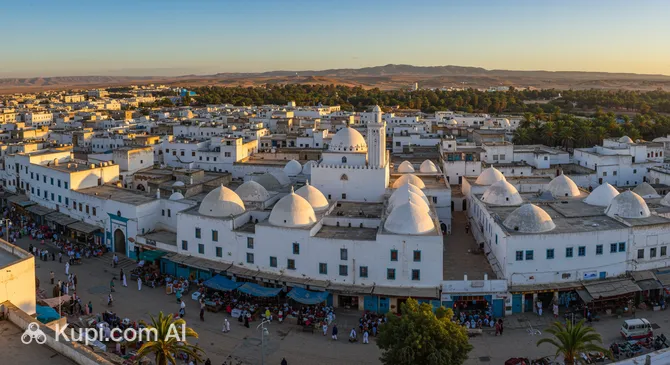
Welcome to El Oued, a mesmerizing oasis city often referred to as the "City of a Thousand Domes." Located in the northeastern Sahara of Algeria, this unique destination offers a striking contrast between its distinctive white architecture and the endless golden sands of the Grand Erg Oriental. With a population of over 130,000, it serves as the vibrant capital of the El Oued Province and the cultural heart of the Souf region.

El Oued. Source: Kupi.Binoculars

What makes El Oued truly remarkable is its ingenious traditional architecture. The city is famous for its multitude of domed roofs, designed to reflect the intense desert sun and keep interiors cool. Exploring the history of El Oued reveals how its inhabitants have masterfully adapted to the arid environment over centuries, creating a cityscape that looks like a mirage rising from the dunes. Unlike many other desert towns, the extensive use of ochre-colored brick and the absence of flat roofs give it a visual character entirely its own.

Visitors are drawn to the city's lively atmosphere, particularly in the central souq. This bustling marketplace is the perfect place to discover exquisite local carpets, traditional crafts, and the region's famous high-quality dates. Beyond the city streets, El Oued acts as a gateway to the stunning sand dunes that surround it, offering opportunities for desert excursions and sunset views that are simply unforgettable. Whether you are an architecture enthusiast or a desert adventurer, El Oued promises a captivating journey into the soul of the Sahara.

Weather Overview

El Oued features a quintessential desert climate, defined by blazing hot summers and mild, crisp winters. The city is known for its extreme aridity, with clear, sunny skies prevailing throughout the year and rainfall being an exceptionally rare occurrence.

During the peak summer months of June through August, the heat can be intense, with average temperatures climbing well above 30°C and daily maximums often exceeding 40°C. In contrast, the winter season from December to February brings much cooler conditions; average temperatures sit around 11°C to 13°C, and nights can be quite chilly with lows dropping to approximately 5°C.

Precipitation is minimal year-round, with most months recording zero rainfall and only the occasional wet day in the cooler seasons. For a comprehensive look at what to expect during your trip, you can consult the guide to the weather in El Oued. Generally, travelers should expect scorching, dry summers and cool winters with plenty of sunshine.

Interesting Facts

Beyond the main attractions, El Oued holds many fascinating secrets regarding how its people have thrived in such a challenging environment.

  • The region is renowned for the unique "Ghout" agricultural system, where farmers dig deep craters in the dunes to plant date palms directly above the water table, allowing the trees to drink without the need for surface irrigation.

  • While the city's iconic domes are famous for keeping homes cool, their rounded shape serves another critical purpose: it prevents sand from accumulating on the rooftops during desert storms, which could otherwise cause flat roofs to collapse.

  • El Oued is known as a source of "sand roses," intricate crystallized gypsum formations that grow naturally beneath the sand and are excavated to be sold as beautiful, flower-like mineral souvenirs.

  • Despite its arid location, the province has developed into a surprising agricultural powerhouse for Algeria, becoming one of the nation's top producers of potatoes by tapping into vast underground aquifers.

How to Get There

Reaching this desert oasis is an adventure in itself, with air travel being the most convenient method for covering the vast distances of the Sahara. For a comprehensive guide on planning your journey, you can read more about how to get to El Oued.

The primary gateway to the city is Guemar Airport (ELU), situated conveniently within the province. Located just 17.3 km from the city center, it offers the most direct access for visitors. Upon arrival, a taxi ride to the heart of El Oued typically takes about 45 minutes, allowing you to quickly immerse yourself in the local atmosphere. This regional hub handles a steady flow of travelers connecting from major cities.

If flights to Guemar are unavailable, another option is to fly into Biskra Airport (BSK), located in the city of Biskra. It is important to note that this airport is approximately 188 km away from El Oued. Travelers choosing this route should be prepared for a subsequent ground journey, which can take around 3 to 4 hours by taxi or bus across the scenic desert landscape.

For clarity, here is a summary of the main airports:

Airport Name City Passenger Traffic Km from City
Oued Irara Airport Hassi Messaoud Medium 199.5
Biskra Airport Biskra Medium 188.6
Guemar Airport El Oued Medium 17.3
Tozeur Airport Tozeur Small 132.9
Ain Beida Airport Ouargla 210.0

Since there are no direct railway connections to El Oued, most visitors arriving by land rely on the extensive network of long-distance buses or shared taxis that connect the city with northern Algeria. The road trip offers a unique opportunity to witness the changing terrain as you approach the Grand Erg Oriental.

Main Attractions

The charm of El Oued lies not just in its individual monuments, but in the cohesive beauty of its architecture and its proximity to the raw nature of the Sahara. Visitors to this unique city will find a blend of bustling cultural life and serene desert landscapes that offer a truly authentic experience.

One of the most vibrant places to visit is the Central Souq. Located in the heart of the old city, this traditional market is a labyrinth of narrow, brick-lined streets that pulse with daily life. It is the perfect spot for tourists to engage with locals and browse for regional handicrafts, particularly the famous Soufi carpets and traditional woolen burnous. The market is also the best place to find the region's "yellow gold"—the high-quality Deglet Nour dates, which are stacked in abundance and offer a sweet taste of the local agriculture.

For those seeking to understand the deep connection between the city and the desert, the Grand Erg Oriental is an unmissable natural attraction. El Oued sits right on the edge of this massive sea of sand dunes, making it an ideal gateway for desert exploration. Visitors can take short excursions to the outskirts of the city to witness the spectacular sunset, where the shifting sands turn deep shades of orange and red. It is a peaceful retreat from the city center and offers breathtaking photo opportunities of the endless horizon.

Architecture enthusiasts should make time to admire the Sidi Salem Mosque. As one of the most prominent religious structures in the city, it perfectly exemplifies the local architectural style. The mosque features the characteristic domes that El Oued is famous for, designed to keep the interior cool during the scorching summers. Its harmonious design and whitewashed exterior stand out against the blue sky, making it a serene and beautiful landmark to admire from the outside.

To gain deeper insight into the region's history and ecology, a visit to the El Oued Museum is highly recommended. This small but informative museum houses a collection of artifacts that tell the story of the Souf region, from its geological formation to the unique survival strategies of its inhabitants. Exhibits include traditional tools, costumes, and displays on local wildlife, providing a fascinating context to the unique lifestyle that has evolved in this arid environment.

Local Cuisine

The culinary landscape of El Oued is as distinct as its architecture, offering a flavorful journey into traditional Saharan gastronomy. Known locally as "Soufi" cuisine, the food here is hearty, generous, and often packed with spice to match the intensity of the desert climate. The region's isolation has preserved ancient cooking methods, particularly the use of simple, locally sourced ingredients like wheat, lamb, and the ubiquitous date.

One of the absolute must-try dishes in the city is Chakhchoukha. While found across Algeria, the local version in the Souf region is particularly renowned. It consists of "Rogag"—thin, hand-torn flatbread—soaked in a rich, spicy tomato-based stew containing lamb, vegetables, and chickpeas. It is a celebratory dish that perfectly embodies the warmth of local hospitality.

For a truly unique desert experience, visitors should look for Khobz El Mella, or "sand bread." This traditional bread is baked not in an oven, but directly in the hot sand and embers of a fire. The result is a thick, crusty loaf with a soft interior, often served with stews or simply dipped in olive oil and date syrup. Another popular street food option is Dobara, a spicy soup made from chickpeas or broad beans, seasoned generously with garlic, cumin, and harissa, perfect for a quick and filling meal.

No culinary tour of El Oued is complete without indulging in the region's "yellow gold"—the Deglet Nour date. These dates are not just a snack but a cornerstone of the diet, often served with fermented milk (Lben) as a welcome gesture. They are also used to create various sweets and pastes that provide a burst of natural energy.

When it comes to beverages, Mint Tea is the heartbeat of social life. Prepared with skill to produce a frothy "crown," it is strong, sweet, and served boiling hot, even in summer. For something strictly local, adventurous travelers might try Legmi, the sap extracted from the heart of the date palm. Drunk fresh, it is a sweet, non-alcoholic juice, though it ferments quickly if left to sit.

The food culture in El Oued is communal and unpretentious. While there are standard restaurants, the most authentic flavors are often found in the bustling eateries around the central markets. Here, locals gather to enjoy shared plates and conversation, making the dining experience as much about social connection as it is about sustenance.

Travel Tips

Preparing for a trip to El Oued requires understanding its unique desert environment and deep-rooted cultural traditions. To help you navigate the "City of a Thousand Domes" with ease and respect for local customs, here is a set of essential practical tips for your journey.

  1. Clothing and Gear: Due to the conservative nature of the region and the harsh desert climate, modesty and protection are key. Wear loose, breathable fabrics like cotton or linen that cover your shoulders and knees. A cheche (traditional scarf) or a wide-brimmed hat is essential for protection against the intense sun and blowing sand. If visiting in winter, bring a warm jacket, as desert nights can become surprisingly cold.

  2. Transportation: The most convenient way to get around the city is by taxi. They are affordable and plentiful, usually recognizable by their yellow color. While the city center and souq are walkable, distances to the outskirts or specific dunes require a car. Ride-hailing apps are not widely established here, so flagging down a taxi or arranging a driver through your hotel is the standard practice.

  3. Finances: El Oued is primarily a cash-based society. The local currency is the Algerian Dinar (DZD). While some high-end hotels may accept credit cards, most shops, restaurants, and markets deal exclusively in cash. ATMs are available in the city center, but it is wise to carry enough cash for daily expenses. Tipping is appreciated but not mandatory; rounding up the bill or leaving small change is a common gesture.

  4. Health and Safety: Hydration is critical in this arid environment; always carry bottled water and avoid drinking tap water. Pharmacies are marked with a green cross and are generally well-stocked for minor ailments. The city is safe for tourists, but it is best to avoid wandering into the deep dunes alone without a local guide, as it is easy to lose your bearings in the vast sands.

  5. Communication: The primary languages are Arabic (specifically the Soufi dialect) and French. English is not widely spoken outside of the tourism sector, so learning a few basic phrases in Arabic or French will go a long way. Buying a local SIM card (Mobilis, Djezzy, or Ooredoo) is highly recommended for navigation and translation apps, as public Wi-Fi can be sporadic.

  6. Local Etiquette: The people of El Oued are known for their hospitality. When greeting someone, a handshake with the right hand is standard, often accompanied by the phrase "Salam Alaykum." It is polite to accept tea or dates if offered. Public displays of affection are culturally inappropriate, and visitors should always ask for permission before taking photos of locals, especially women.

  7. What to Avoid: refrain from wearing revealing clothing, such as shorts or tank tops, in public spaces, as this can be seen as disrespectful. Also, avoid photographing government buildings, police checkpoints, or military personnel, which is strictly prohibited throughout the country.

  8. Local Insight: Be aware of the "siesta" culture, especially during the hot summer months. Many shops and businesses close in the early afternoon (around 1:00 PM to 4:00 PM) to escape the peak heat and reopen in the cooler evening hours, when the city comes back to life.

By keeping these tips in mind, you will be well-prepared to embrace the rhythm of life in El Oued. Respecting the local culture and adapting to the desert pace will ensure your experience in this golden oasis is both comfortable and truly memorable.

Entertainment & Nightlife

Entertainment and nightlife in El Oued offer a distinct cultural experience that differs significantly from the bustling club scenes found in Western capitals or coastal resorts. In this conservative desert city, "nightlife" is defined by vibrant social interaction, late-night markets, and a lively café culture rather than nightclubs or dance bars. As the sun sets and the temperatures drop, the city wakes up for a second time, with families, friends, and visitors filling the streets to enjoy the cool desert breeze.

The heart of the evening activity is undoubtedly the City Center and the streets surrounding the Central Souq. Here, the atmosphere is electric but relaxed. Shops and markets remain open late into the night, often until midnight or 1:00 AM during the summer. The air is filled with the scent of mint tea and grilled meats, and the sound of animated conversation replaces loud music. It is a place to walk, shop for local crafts, and observe the daily life of the Soufi people in a safe and welcoming environment.

For those seeking a more upscale or relaxed evening venue, the options are generally centered around the city's major hotels. La Gazelle d'Or is the premier destination for tourists. This luxury complex is not just a hotel but a sprawling oasis that offers refined dining and lounge areas. It is one of the few places where you might find a more international atmosphere, perfect for enjoying a quiet evening meal or a non-alcoholic cocktail while admiring the illuminated palm groves and traditional architecture.

Another notable spot is the Grand Hotel Souf, located closer to the town center. Its restaurant and lounge areas provide a comfortable setting for an evening out. While you will not find rowdy bars, these venues offer a sophisticated space to unwind after a day of desert exploration. For a more authentic local experience, visitors should head to the numerous traditional cafés lining the main boulevards. These are the true social hubs of the city, where men gather to watch football matches, play dominoes, and drink endless glasses of strong, sweet tea.

Practical advice for enjoying nights in El Oued revolves around timing and respect. The best time to venture out is after 9:00 PM, especially in summer. The dress code should remain modest; smart casual is appropriate for hotel venues, while comfortable, covering clothes are best for street walking. Alcohol is generally not served in public cafés or restaurants due to religious customs, so expect a "dry" night out unless you are in specific tourist-licensed hotel bars.

Safety is rarely a concern in El Oued, which is known for its low crime rate and friendly population. The city center is well-lit and bustling with families, making it safe for night walks. However, it is advisable to stay within the populated areas and avoid unlit outskirts. Taxis are the best way to get around at night; they are inexpensive and easy to flag down on major streets. If you are staying at a resort like La Gazelle d'Or, the front desk can arrange reliable transport for you.

While the night belongs to social gatherings, daytime entertainment in El Oued offers its own charms. Cultural enthusiasts can visit the Regional Theatre of El Oued, which occasionally hosts plays and musical performances celebrating local folklore. For families, the city features small amusement parks and public gardens where children can play. Additionally, the museums mentioned earlier provide a cool retreat during the hottest part of the day, allowing visitors to immerse themselves in the rich history of the Souf region before the evening festivities begin.
Parks & Museums

While El Oued is primarily defined by its golden sands and unique architecture, the city and its surroundings offer distinct spaces where nature and culture intersect. The concept of "green space" here is reimagined through the lens of the oasis, where lush palm groves provide respite from the desert sun, and cultural venues preserve the rich heritage of the Souf region.

The most significant "gardens" in El Oued are undoubtedly the Ghouts. These are not typical city parks but rather a UNESCO-recognized agricultural system unique to this region. Farmers plant date palms in deep craters excavated into the sand dunes to reach the underground water table. Walking near these craters offers a fascinating glimpse into a rare form of desert gardening that has sustained the local population for centuries. It is a living landscape where the ingenuity of the people transforms the arid dunes into productive, green pockets of life.

For a more conventional recreational experience, the City Public Garden (often referred to locally as the Jardin Public) serves as a central gathering point. Located near the city center, it features paved walkways, shaded seating areas under tall palms, and small play zones for children. It is particularly popular in the evenings when families come out to enjoy the cooler air. The garden provides a pleasant contrast to the bustling markets and offers a relaxed environment for a casual stroll.

Culture enthusiasts should prioritize a visit to the Musée du Souf (El Oued Museum). Housed in a building that reflects the city's domed architecture, this museum is the custodian of the region's history. Its collections are diverse, ranging from geology and paleontology to ethnography. Visitors can admire impressive displays of "sand roses" (crystallized gypsum formations), traditional Bedouin costumes, weaving tools, and ancient manuscripts. It provides essential context for understanding how civilization flourished in such a harsh environment.

Another key cultural venue is the Maison de l'Artisanat (House of Crafts). Serving as both a gallery and a workshop space, it showcases the finest examples of local craftsmanship. Here, you can see intricate wool carpets (known as hambels) and camel-hair weavings that the region is famous for. It is an excellent place to appreciate the artistic skills passed down through generations and perhaps meet artisans working on their looms.

In terms of historical landmarks, the city itself is an open-air museum of Domed Architecture. Unlike other Algerian cities that feature flat terraces, El Oued's skyline is a sea of domes and vaults. This design is not merely aesthetic but a brilliant adaptation to the climate. A walk through the older quarters reveals the uniformity and beauty of these structures, with the Sidi Salem Mosque standing out as a prime example of this style on a grand scale.

For a truly authentic experience, try to arrange a visit to a private date palm farm during the harvest season (typically October to December). Many locals are proud of their produce and may welcome respectful visitors to see the process of harvesting the famous Deglet Nour dates. It offers a rare, behind-the-scenes look at the agricultural heartbeat of the oasis that you won't find in standard guidebooks.

Getting Around

The public transport system in El Oued is relatively simple and relies entirely on road-based vehicles. Unlike the capital or larger coastal cities, there is no metro, tramway, or train system operating within the urban area. The primary modes of transportation for locals and visitors alike are public buses, privately operated minibuses, and the ubiquitous yellow taxis.

Minibuses and vans serve as the backbone of the city's transit network. These vehicles cover various neighborhoods and link the city center with outlying districts and nearby villages. They are an authentic way to experience local life and are often marked with their destination on the windshield in Arabic. While they are the most budget-friendly option, they can be crowded and generally do not follow a strict minute-by-minute timetable, often departing only when the vehicle is full.

For tourists, taxis are widely considered the most practical and comfortable option, especially given the desert climate. You will easily recognize them by their distinct yellow color. There are generally two types: individual taxis, which take you directly to your specific destination, and shared taxis (often called "taxi jema'i"), which follow fixed routes similar to buses but are faster and slightly more expensive. Taxis are abundant near the central market, bus stations, and major hotels.

The payment system in El Oued is almost exclusively cash-based. There are no electronic travel cards, tap-to-pay systems, or mobile ticketing apps for public transit. Fares for buses and shared taxis are extremely low, typically costing a very small amount of local currency. You pay the driver or the conductor directly upon boarding or when exiting. It is essential to carry small change (coins), as drivers may not always have change for large banknotes.

Operating hours for public transport generally run from early morning, around 6:00 AM, until the evening. However, service frequency drops significantly after sunset and becomes very limited on Fridays, which is the weekly day of rest. Stops for minibuses are not always clearly marked with signage; they often stop at known landmarks or major intersections. If you are unsure where to catch a bus, asking a local shopkeeper or hotel staff is the best strategy.

Given the intense heat, especially in summer, walking long distances is not recommended outside of the shaded souq areas or the city center. While ride-sharing apps are becoming popular in other regions, they are not yet a reliable standard here, so relying on flagged yellow taxis is the best method. For those planning to explore the surrounding dunes or distant oases at their own pace, renting a car is a viable alternative, though it requires confidence in driving on sandy or less-maintained roads.

Accommodation

Where to Stay:

Accommodation in El Oued caters primarily to desert explorers and business travelers, offering a range of options that reflect the city's unique character. While the selection is not as vast as in the coastal capitals, visitors can find everything from modest, budget-friendly city hotels to one of the most prestigious luxury resorts in the entire Sahara. The hospitality here is warm, though amenities in lower-priced establishments tend to be basic and functional.

For most travelers, the choice of location depends on the type of experience desired. The City Center is the most convenient area for those who want to be within walking distance of the bustling Central Souq, local restaurants, and transport hubs. Staying here immerses you in the daily rhythm of the "City of a Thousand Domes." Conversely, the outskirts of the city, particularly near the southern entrance, are home to larger resort-style properties that offer tranquility, sprawling gardens, and direct views of the sand dunes.

When it comes to specific establishments, La Gazelle d'Or is the undisputed jewel of the region. Often cited as one of the most beautiful hotels in Algeria, it is a destination in itself—a vast oasis complex featuring luxurious bungalows, Bedouin-style tents, and lush palm groves that provide a stark, beautiful contrast to the surrounding desert. For a more traditional stay within the city, the Grand Hotel Souf offers a reliable mid-range option with easy access to urban attractions.

Booking Tips: It is highly recommended to book your accommodation in advance if you plan to visit during the winter months (December to February) or during local desert festivals, as this is the peak tourist season when the weather is most pleasant. During the scorching summer, occupancy is lower, but confirming availability is still wise as some smaller establishments may operate on reduced schedules.

Prices and Payment: The price range in El Oued is generally very affordable by international standards. Budget and mid-range hotels offer excellent value, while the luxury experience comes at a higher, yet often reasonable, premium. While the top-tier resorts usually accept credit cards and online bookings, smaller hotels and guesthouses in the city center often prefer cash payments in Algerian Dinar and may require booking via phone or upon arrival.

Nearby Cities

Exploring the region around El Oued offers a chance to witness the incredible diversity of the Algerian landscape, ranging from the endless golden dunes of the Souf to the rocky peaks of the Aurès Mountains and the lush palm groves of neighboring oases. However, travelers should be aware that in the vast expanse of the Sahara, "nearby" is a relative term. Reaching the closest major cities typically involves a journey of several hours across scenic desert roads.

One of the most popular next stops is Biskra, often called the "Queen of the Zibans." Located approximately 195 km away, it marks the transition from the mountains to the desert and is famous for its thermal baths and high-quality dates. To the south, Ouargla provides another perspective on Saharan life. As a historic caravan city and a modern economic hub, it features vibrant markets and distinctive red-hued architecture that contrasts with the white domes of El Oued.

For those interested in history and architecture, the journey north leads to Batna and Tebessa. These cities are gateways to significant Roman ruins, including the ancient city of Timgad and impressive Byzantine fortifications. Travelers willing to venture a bit further west can visit Ghardaia, home to the M'zab Valley, a UNESCO World Heritage site renowned for its unique fortified hilltop cities and ancient irrigation systems.

Here is a breakdown of the major cities in the vicinity to help you plan your itinerary:

City Distance (km) Population
Biskra 195 204,661
Ouargla 212 133,024
Batna 250 290,645
Tebessa 254 194,461
Ghardaia 315 120,000

Most of these destinations are accessible via the network of shared taxis (taxis collectifs) and long-distance buses that depart from the main transport station in El Oued. Given the travel times, it is advisable to start your journey early in the morning to make the most of the daylight hours.

Shopping & Souvenirs

Shopping in El Oued is a vibrant cultural experience that centers less on modern retail therapy and more on traditional trade and local craftsmanship. The city is not a destination for high-end international fashion brands or sprawling luxury complexes; instead, it offers a treasure trove of authentic Saharan goods. Visitors will find that the shopping scene is dominated by bustling street markets and small, family-run boutiques where the connection between the merchant and the buyer is part of the charm.

The primary shopping hub is located in the City Center, radiating outwards from the main square. The streets here are lined with arcades that protect shoppers from the sun, housing a variety of stores selling clothing, fabrics, and household goods. Walking down these busy avenues allows tourists to browse through local fashion, including the intricately embroidered traditional dresses that are a specialty of the region.

Unlike the coastal metropolises of Algeria, El Oued does not feature massive Western-style shopping malls. The retail landscape is defined by smaller commercial galleries and multi-story shops rather than large entertainment-shopping complexes. For visitors, this means the experience is more intimate and focused on discovering hidden gems within the existing urban fabric rather than wandering through generic food courts and chain stores.

The undisputed highlight of the local shopping scene is the Central Souq. This traditional market is the beating heart of the city's commerce and a feast for the senses. Here, stalls are piled high with aromatic spices, blocks of herbal soaps, and fresh produce. It is the best place to witness the daily life of the Soufi people, where bargaining is a friendly and expected part of the transaction. The market is particularly lively in the mornings and late afternoons.

When it comes to souvenirs, the region offers several unique items that are perfect mementos. The most famous purchase is undoubtedly Deglet Nour dates. El Oued is a major producer of this "queen of dates," and buying them fresh from the market ensures the highest quality at a fraction of the export price. Another distinct local souvenir is the sand rose (rose des sables), a natural crystal formation resembling a flower, found beneath the desert sands. Additionally, the region is renowned for its wool weaving, making traditional carpets and the iconic burnous (a wool cloak) excellent choices for those seeking authentic handicrafts.

Store opening hours in El Oued are heavily influenced by the desert climate. Most shops open around 9:00 AM and stay open until 1:00 PM. There is a widespread closure during the hottest part of the day (siesta time), with businesses reopening around 4:00 PM or 5:00 PM and staying active until late in the evening, often past 9:00 PM. Friday is the weekly holiday, and while the main market may have some activity, many shops will be closed or have reduced hours.

Payment is almost exclusively cash-based. Credit cards are rarely accepted outside of luxury hotels or perhaps a few major travel agencies. Visitors should ensure they have sufficient Algerian Dinars (DZD) on hand, especially when shopping in the souq or smaller boutiques. ATMs are available in the city center for withdrawing cash.

Regarding tax refunds, tourists should note that a tax-free shopping system (VAT refund) is not generally available or operational for visitors in El Oued. The prices displayed are final, though in the markets, the price is often just a starting point for negotiation.

Reached the end of the page?

That means the route is fully explored