Support

Ouargla

About

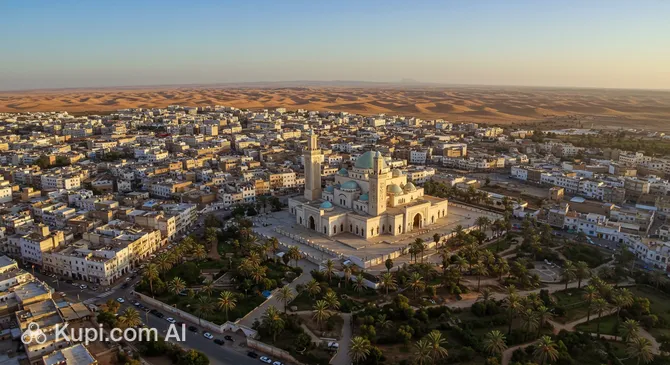
Welcome to Ouargla, a mesmerizing destination often referred to as the "Golden Key to the Desert." Situated in the vast Sahara of Algeria, this city serves as a vibrant capital of its namesake province and stands as a testament to life flourishing amidst the dunes. With a population of over 130,000 inhabitants, it is a bustling hub that perfectly blends the mystique of traditional oasis life with modern development.

Ouargla. Source: Kupi.Binoculars

The city is renowned for its distinct reddish-ochre architecture and its strategic location in the northern Sahara. The climate here is typically arid, offering endless sunshine that illuminates the spectacular landscapes surrounding the urban area. Those interested in the past will find the history of Ouargla deeply captivating, as the city was once a pivotal crossroads for trans-Saharan trade caravans and remains a center of culture and commerce today.

Travelers are drawn to the ancient Ksar, the old fortified city center, which offers a labyrinth of winding alleyways and historic structures. Another highlight is the Saharan Museum, which provides fascinating insights into the region's geology, ethnography, and the local oil industry that drives the economy. Don't miss the chance to explore the lively souq (market), where you can find beautiful "desert roses" (crystal formations) and authentic local crafts.

Whether you are an adventurer looking to explore the depths of the Sahara or a culture enthusiast eager to experience warm local hospitality, Ouargla offers a unique and unforgettable journey. It is a true jewel of the desert waiting to be discovered.

Weather Overview

Ouargla experiences a classic arid desert climate, defined by intense heat during the summer months and mild, comfortable winters. The city is bathed in sunshine throughout the year, with virtually no rainfall to interrupt your plans. Travelers should generally expect scorching summers with clear skies and cooler, dry winters that are ideal for outdoor exploration.

During the peak of summer, from June to August, the weather is sweltering. Average temperatures hover around 33°C to 36°C, with daily highs frequently exceeding 40°C, particularly in July. Nights offer little relief, often staying above 26°C. In contrast, the winter season from December to February brings much gentler conditions. Daytime highs typically range between 17°C and 20°C, though travelers should pack layers for the evenings, as temperatures can drop to around 5°C.

Precipitation is exceptionally rare in this region, with data showing almost zero millimeters of rain for most of the year. You might encounter a solitary wet day in months like February or March, but generally, the skies remain dry. For the most up-to-date forecast and specific seasonal averages, be sure to consult the detailed weather in Ouargla guide before your trip.

Interesting Facts

Beyond the main attractions, Ouargla holds many fascinating secrets that reveal the depth of its history and its modern ambition. This city is not just a gateway to the dunes but a place of unique contrasts and hidden gems.

  • The Desert Tramway: Ouargla distinguishes itself with a modern tramway system, a rare sight in the middle of the Sahara. Inaugurated in 2018, this network connects the city's historic districts with new developments, symbolizing a striking blend of tradition and futuristic infrastructure in Algeria's south.

  • The Pompeii of the Sands: Just a few kilometers from the modern city lie the ruins of Sedrata, an ancient city buried beneath the dunes. Dating back to the 10th century, it served as a capital for the Ibadite community before they moved to the M'zab Valley, and it remains a significant archaeological site offering clues to medieval desert civilization.

  • An Ocean of Palms: The city sits atop a massive underground water reserve, allowing it to sustain a palm grove of approximately one million trees. This lush green canopy not only produces high-quality dates, particularly the prized Deglet Nour, but also creates a unique microclimate that has supported life here for centuries.

How to Get There

Reaching this desert jewel is made easier by the presence of regional air hubs that connect the Sahara to the north of the country. For a comprehensive guide on all transport options, you can read more about how to get to Ouargla on our detailed page. The most direct way to arrive is via the city's own facility, Ain Beida Airport (OGX). Located just 8.5 km from the city center, it offers the quickest access to the downtown area. A taxi or shuttle from here typically takes a short drive of about 15 minutes, making it the most convenient choice for travelers.

If direct flights are unavailable, a viable alternative is the Oued Irara Airport (HME), situated in the nearby oil-industry hub of Hassi Messaoud. This airport handles a significant volume of traffic and is located approximately 82.5 km from Ouargla. The journey by road from Hassi Messaoud to Ouargla takes about an hour by taxi or car, offering a scenic drive through the arid landscapes of the Ouargla Province.

For clarity, here is a summary of the main airports:

Airport Name City Passenger Traffic Km from City
Oued Irara Airport Hassi Messaoud 450,000 82.5
Guemar Airport El Oued 250,000 219.9
Noumerate Airport Ghardaia 45,794 152.9
Ain Beida Airport Ouargla - 8.5

Main Attractions

There is much to see in this desert capital, where history and culture are etched into the architecture and the landscape. The city offers a mix of ancient heritage and lively local traditions, making it a rewarding stop for travelers exploring the Sahara.

One of the city's standout landmarks is the Saharan Museum (Musée Saharien). Housed in a striking white building that features a unique blend of neo-Sudanese and local architectural styles, this museum is a treasure trove for culture enthusiasts. Inside, you will find a diverse collection ranging from prehistoric fossils and geological specimens to traditional handicrafts, rugs, and weaponry used by the nomadic tribes of the region. It provides a comprehensive overview of the Sahara's natural and human history, helping visitors understand the deep connection between the people and the land.

Stepping into the Old Ksar feels like traveling back in time. This fortified historic center is the heart of traditional life in Ouargla, characterized by its labyrinthine alleyways and ochre-colored structures. Tourists enjoy wandering through the shaded streets, which were ingeniously designed to protect residents from the harsh desert sun. The Ksar is a living monument to the city's past and offers a fascinating spot for architecture lovers and photographers to capture the essence of oasis life.

For a truly mystical experience, a visit to the Ruins of Sedrata is essential. Located just outside the modern city, this archaeological site is the remnant of a 10th-century city that once served as the capital for the Ibadite community. Often described as the "Pompeii of the Sands," the ruins are partially submerged in the dunes, offering a hauntingly beautiful landscape where history and nature converge. It is a perfect destination for those looking to explore the deep roots of civilization in the Sahara.

No trip is complete without experiencing the vibrant atmosphere of the Central Market. Situated near the old city, this bustling souq is where the local culture comes alive. It is the best place to find the region's famous Deglet Nour dates, which are considered some of the finest in the world. Visitors can also shop for unique "sand roses"—natural crystal formations found in the desert—as well as locally made textiles and jewelry, making it an ideal stop for authentic souvenirs.

Local Cuisine

The culinary landscape of Ouargla is a delightful reflection of its oasis heritage, offering hearty flavors that have sustained travelers and locals in the Sahara for centuries. The cuisine here is characterized by the generous use of spices, wheat-based staples, and, of course, the high-quality dates for which the region is famous. Visitors can expect meals that are rich, filling, and deeply rooted in Bedouin traditions.

One of the most iconic dishes you must try is Chakhchoukha. While popular across Algeria, the local version in Ouargla is particularly flavorful. It consists of small pieces of torn flatbread (rougag) soaked in a spicy, tomato-based stew containing chickpeas, vegetables, and tender lamb or chicken. Another local favorite is Mokhtama, a type of stuffed bread similar to Mhajeb but often baked in a traditional oven. It is typically filled with a savory mixture of spiced onions, tomatoes, peppers, and sometimes minced meat, making it a perfect comfort food.

Given the city's location in a major date-growing region, the Deglet Nour date is omnipresent. You will find it served not just as a snack, but as a key element of hospitality, often accompanied by a glass of fermented milk (Lben) to balance the sweetness. For a true taste of the desert, adventurous eaters might also find dishes featuring camel meat, which is prized in the south for its lean texture and rich taste, often prepared in slow-cooked stews or grilled.

When it comes to beverages, the undisputed king is Mint Tea. Prepared with green tea, fresh mint leaves, and a generous amount of sugar, it is served hot and frothy in small glasses. This "Sahara whisky," as it is jokingly called, is central to social gatherings. You might also encounter Legmi, a traditional drink extracted from the sap of date palm trees. It is consumed fresh as a sweet, refreshing juice, though fermented versions exist but are less common in public dining settings due to local customs.

The food culture in Ouargla is centered around hospitality and communal dining. While there are modern restaurants in the city center serving grilled meats and pizzas, the most authentic experiences are often found in smaller, traditional eateries near the old Ksar or the marketplace. Here, food is unpretentious and meant to be shared. Street food is also a highlight, particularly in the evenings when the air cools down, and locals gather to enjoy freshly baked breads and grilled skewers.

Travel Tips

To ensure your trip to the "Golden Key to the Desert" is as smooth as it is memorable, a little preparation goes a long way. These practical tips will help you navigate the local customs and the unique desert environment of Ouargla with ease.

  1. Clothing and Gear: Given the arid climate, pack lightweight, loose-fitting clothing made of natural fibers like cotton or linen to stay cool. However, always bring a warm jacket or layers if you are visiting in winter, as desert nights can be surprisingly cold. Modesty is important in Algeria; both men and women should avoid very short shorts or sleeveless tops. A sturdy pair of walking shoes, a wide-brimmed hat, and high-quality sunglasses are essential protections against the intense sun.
  2. Transportation: Ouargla is unique among desert cities for having a modern tramway system, which is an affordable and efficient way to travel between the old city and newer districts. For destinations off the tram line, yellow taxis are plentiful and inexpensive; just agree on the fare or ensure the meter is running before you start. Renting a car is generally not necessary unless you plan to explore the surrounding dunes independently.
  3. Finances: The local currency is the Algerian Dinar (DZD). Algeria is heavily cash-based, and international credit cards are rarely accepted outside of luxury hotels or major airports. It is crucial to carry enough cash for daily expenses like food, transport, and souvenirs. ATMs are available in the city center for withdrawing local currency, but it is wise to have a backup reserve of cash in Euros or USD to exchange at banks if needed.
  4. Health and Safety: Hydration is your primary health concern here; always carry bottled water and drink frequently, even if you don't feel thirsty. Pharmacies are marked with a green cross and are usually well-stocked for minor ailments. The city is generally safe for tourists, but it is standard advice to avoid unlit or isolated areas late at night and to keep valuables secure in crowded market areas.
  5. Communication: The main languages spoken are Arabic and a local Berber dialect, with French widely used in business and on signage. English is not widely spoken, so learning a few basic phrases in French or Arabic (like "Salam" for hello and "Shukran" for thank you) will be greatly appreciated. Buying a local SIM card (Mobilis, Djezzy, or Ooredoo) is highly recommended for reliable navigation and translation apps.
  6. Local Etiquette: Algerians are known for their hospitality. When greeting someone, a handshake is common, but wait for a person of the opposite gender to extend their hand first. Always use your right hand for eating or passing items. If you are invited to a local home, it is polite to remove your shoes at the entrance unless told otherwise.
  7. What to Avoid: Public displays of affection are considered inappropriate and should be avoided. Additionally, never take photographs of people—especially women—without asking for their explicit permission first. It is also strictly forbidden to photograph police stations, military checkpoints, or government buildings.
  8. Siesta Time: Be aware that during the hotter months, the city often slows down significantly in the afternoon, typically between 1:00 PM and 4:00 PM. Many shops and businesses may close for a break to escape the peak heat, reopening in the late afternoon and staying open late into the evening. Plan your outdoor activities for the morning or evening to match this local rhythm.

By keeping these simple guidelines in mind, you will be well-equipped to enjoy the warm hospitality and stunning heritage of Ouargla. Embrace the slower pace of desert life, and you are sure to have an unforgettable adventure.

Entertainment & Nightlife

Entertainment and nightlife in Ouargla offer a distinct cultural experience that differs significantly from the club-centric scenes found in Western capitals. In this conservative desert city, the "nightlife" revolves around socializing, gastronomy, and enjoying the cool evening air after the scorching daytime heat. The atmosphere is relaxed and communal, with the streets coming alive after sunset as families, friends, and visitors gather to unwind.

The most bustling areas in the evening are typically found in the city center and along the route of the tramway. The main boulevards, particularly around the Avenue de la République and the vicinity of the Old Ksar, transform into lively hubs. Here, the sidewalks are lined with tea houses, cafeterias, and ice cream parlors that stay open late into the night. The crowd is predominantly local, with groups of men watching football matches in cafes and families enjoying evening strolls in public squares.

For those seeking a place to dine or enjoy a quiet evening, the city's major hotels offer some of the most reliable venues. Hôtel El Mehdi is a well-known establishment where travelers can enjoy a comfortable dinner in a refined setting. Similarly, Hôtel Tassili provides a welcoming atmosphere for guests looking to relax with a meal or a beverage in a safe and air-conditioned environment. While alcohol is generally not served in public cafes due to local customs, these hotel venues often serve as the primary social hubs for international visitors.

Another essential part of the evening experience is visiting the night markets. The central souq area often remains active well into the evening, offering a sensory overload of spices, grilled meats, and local chatter. It is the perfect place to try street food staples like grilled skewers (brochettes) or enjoy a glass of sweet mint tea. The dress code throughout the city is modest; visitors should dress respectfully, covering shoulders and knees, to blend in comfortably with the local crowd.

Practical advice for enjoying Ouargla at night includes heading out after 8:00 PM, when the temperature drops and the city wakes up. Yellow taxis are abundant and affordable, making them the safest and easiest way to get from your hotel to the city center. The modern tramway is also a convenient option for getting around the main districts until late. The city is generally safe for night walks in well-lit, populated areas, but it is always wise to remain in the main thoroughfares and avoid unlit outskirts.

While the nights are for socializing, daytime entertainment in Ouargla focuses on cultural exploration. Visitors can spend their days discovering the rich heritage at the Saharan Museum, exploring the architectural marvels of the Old Ksar, or taking a trip to the nearby palm groves. Whether day or night, the city offers a warm welcome and a glimpse into the authentic lifestyle of the Algerian Sahara.

Parks & Museums

While the golden dunes of the Sahara define the landscape surrounding Ouargla, the city itself is a sanctuary of culture and surprising natural beauty. Visitors will find that this desert capital offers more than just sand; it is home to lush agricultural gardens, distinct natural wetlands, and institutions that carefully preserve the deep history of the region.

The most significant green space in the city is undoubtedly the vast Ouargla Palm Grove (Palmeraie). Unlike a manicured urban park, this is a sprawling, living agricultural forest containing roughly one million date palms. It serves as the "lungs" of the city, creating a refreshing microclimate that offers respite from the intense desert heat. Walking through the shaded paths, visitors can observe traditional irrigation systems and see the cultivation of the famous Deglet Nour dates up close. It is a peaceful place to understand the vital relationship between the oasis dwellers and their environment.

For nature enthusiasts, the Sebkha of Ouargla offers a striking natural spectacle. This large salt lake (chott) situated near the city presents a mesmerizing contrast between the white salt crusts, the blue water, and the ochre desert backdrop. In the cooler months, particularly winter, it becomes a haven for migratory birds. Lucky visitors might spot flocks of pink flamingos, which add a vibrant splash of color to the surreal landscape, making it an excellent spot for photography and birdwatching.

Cultural exploration begins at the Saharan Museum (Musée Saharien), a landmark in its own right. Housed in a magnificent building constructed in the 1930s that blends neo-Sudanese and local architectural styles, the museum is classified as a national heritage monument. Its collections are divided into sections covering prehistory, geology, and ethnography. Visitors can admire Neolithic arrowheads, fossils found in the desert, and a rich array of local crafts, including traditional jewelry, weaving, and costumes that tell the story of the majestic Tassili and Hoggar regions.

Another key site that functions as an open-air museum is the Archaeological Site of Sedrata. Located about 14 kilometers from the city center, these ruins are the remains of an ancient Ibadite capital founded in the 10th century. Often buried and revealed by the shifting sands, the site allows tourists to walk among the foundations of historic dwellings and mosques. It provides a poignant look at medieval desert urbanization and the ingenuity of early inhabitants who thrived in this harsh environment.

In terms of historical architecture, the Old Ksar of Ouargla remains the city's most compelling monument. This fortified district is a masterpiece of desert adaptation, with its narrow, covered streets designed to keep the interiors cool. The Ksar is arranged around a central market square and the old mosque, offering a glimpse into the communal lifestyle that has persisted for centuries. The distinct reddish color of the buildings and the intricate geometric decorations are unique to this part of the Sahara.

For a truly authentic experience, try to visit the dunes of Sif El Menadi shortly before sunset. Located a short drive from the city, this area offers pristine sandscapes where you can enjoy a traditional tea ceremony on the dunes. It is a favorite local pastime and provides a quiet moment to appreciate the vastness and silence of the Great Desert away from the city noise.

Getting Around

Navigating Ouargla is surprisingly convenient and modern for a city located deep in the Sahara. The crown jewel of the public transport system is the Ouargla Tramway, which was inaugurated in 2018. This sleek, modern network is a source of local pride and the most efficient way for tourists to travel. The tram line stretches across the city, connecting key areas such as the Old Ksar (historic center), the university, and the new administrative districts. For visitors, the tram is not just a mode of transport but a refuge; the cabins are fully air-conditioned, offering a welcome escape from the intense desert heat while allowing you to view the cityscape through large panoramic windows.

Beyond the tram, the city is served by a network of buses and private minibuses. These vehicles cover routes that the tramway does not reach, linking residential neighborhoods with the city center. While buses are an authentic way to travel alongside locals, they can be crowded and may lack the comfort of the tram. They are, however, extremely affordable and run frequently throughout the day. Destination signs are typically displayed in Arabic, so it is helpful to ask the driver or a local for assistance to ensure you are on the right route.

For a more direct and flexible option, yellow taxis are ubiquitous on the streets. They are easily recognizable and can be hailed almost anywhere. Taxis in the city operate on two main models: individual hire and shared taxis. Shared taxis follow set routes and pick up multiple passengers, making them very cheap, while individual taxis will take you directly to your specific destination. While some taxis are equipped with meters, they are not always used; it is standard practice to agree on the fare with the driver before getting into the car to avoid any misunderstandings.

The payment system across all modes of transport is simple and relies almost exclusively on cash. For the tramway, you must purchase a single-journey ticket from kiosks or vending machines located at the tram stops before boarding. There are no complicated travel cards or apps for tourists; a simple paper ticket is all you need. Prices are very low by international standards, costing just a few dinars per trip. On buses and in taxis, you pay the driver directly in cash, so it is essential to carry small change, as drivers may not always have change for large banknotes.

Practical advice for travelers includes being mindful of operating hours. The tramway generally runs from early morning, around 5:00 AM, until late at night, typically closing near midnight, which is convenient for enjoying the cooler evening atmosphere. When using the tram, remember to validate your ticket immediately upon boarding using the yellow machines inside the carriage to avoid fines. While walking is a pleasant way to explore the narrow streets of the Old Ksar, distances between the historic center and modern hotels can be significant, so combining walking with the tram or taxis is the best strategy for a comfortable visit.

Accommodation

Where to Stay

Accommodation in Ouargla is primarily designed to serve business travelers connected to the oil industry and tourists exploring the Sahara. While you will not find the sprawling luxury resorts typical of coastal destinations, the city offers a respectable selection of mid-range business hotels and budget-friendly guesthouses. These establishments are generally known for their cleanliness, safety, and the warm hospitality of their staff, ensuring a comfortable base for your desert adventures.

For tourists, the most convenient area to stay is the city center, particularly near the tramway line or the Old Ksar. Choosing a hotel in this district allows for easy access to the main market, the museum, and historic sites on foot or via the modern tram system. Alternatively, there are several larger, modern hotels located on the outskirts of the city or along the main roads leading to Hassi Messaoud. These locations are often quieter and may offer additional amenities such as swimming pools and secured parking, making them ideal for travelers with their own vehicles.

When it comes to booking, the landscape is a mix of modern and traditional methods. While the larger hotels can often be booked through major international online platforms, many smaller, locally-run establishments may not have a significant online presence. In such cases, booking directly by phone is a common and effective practice. Prices are generally affordable, ranging from budget to moderate, offering excellent value for money compared to the capital.

Booking Tip: It is highly advisable to carry sufficient cash in Algerian Dinars to pay for your accommodation. While some top-tier hotels accept credit cards, payment terminals can be unreliable, and many smaller hotels exclusively accept cash. Additionally, if you plan to visit during the peak desert tourism season (winter), securing your reservation in advance is recommended to ensure availability.

Nearby Cities

For those looking to explore the surroundings, Ouargla serves as an excellent base for day trips to several interesting nearby locations:

One of the most visually striking destinations is El Oued, known as the "City of a Thousand Domes." Located to the east, this city is famous for its unique architecture, where almost every building is roofed with a dome to keep the interiors cool. Visitors can explore its vibrant market, known for high-quality carpets and the distinct culture of the Souf region, making it a fascinating contrast to Ouargla.

To the north lies Biskra, often celebrated as the "Queen of the Zibans." It is a historic gateway to the Sahara and is renowned worldwide for its vast palm groves that produce the famous Deglet Nour dates. Beyond its agricultural fame, Biskra is a place of relaxation, offering natural thermal baths (hammams) and the beautiful Landon Garden, which has inspired artists and writers for generations.

Another worthwhile stop is Laghouat, an oasis city that serves as a cultural bridge between the northern steppes and the deep desert. It is well-regarded for its traditional craftsmanship, particularly woven tapestries, and its scenic gardens. The city offers a slower pace and a welcoming atmosphere, allowing travelers to experience the hospitality of the pastoral and oasis communities.

City Population Distance (km)
Batna 290645 406
Djelfa 265833 358
Biskra 204661 324
El Oued 134699 212
Laghouat 134372 309

These nearby destinations offer a glimpse into the diverse culture and landscapes of the region.

Shopping & Souvenirs

Shopping in Ouargla offers a distinct experience that immerses visitors in the traditions of the Algerian Sahara. Unlike the high-end fashion capitals of the world, the shopping scene here is grounded in authenticity, local craftsmanship, and the vibrant trade of an oasis hub. While modern shops are becoming more common, the true charm lies in the bustling markets where the culture of the desert is on full display. It is an opportunity to engage with friendly locals and discover goods that are unique to this arid region.

The heartbeat of the city's commercial activity is found in the City Center, particularly along the main boulevards that follow the tramway line. Avenue de la République and the streets surrounding the Old Ksar are lined with a variety of small boutiques, clothing stores, and electronics shops. This area is perfect for a leisurely walk, allowing you to browse through modern garments or traditional attire while soaking in the lively atmosphere of the downtown district.

While Ouargla is not defined by massive, western-style shopping complexes, it has seen the emergence of smaller shopping centers and galleries in recent years. These modern venues provide a comfortable, air-conditioned environment to shop for everyday items, cosmetics, and ready-to-wear fashion. They serve as a contrast to the traditional souqs and are popular with local families looking for convenience and respite from the afternoon sun.

The most authentic shopping experience is undoubtedly found in the traditional markets (souqs). The central market, located near the historic sector, is a sensory delight filled with the aroma of spices and the sound of bargaining. This is the primary place to buy fresh produce and local specialties. Visitors will find stalls piled high with seasonal fruits, aromatic herbs, and traditional Saharan remedies. It is a vibrant, chaotic, and welcoming space that offers a glimpse into the daily life of the oasis dwellers.

When it comes to souvenirs, Ouargla has several treasures worth taking home. The undisputed star is the Deglet Nour date; as a major production center, the city offers some of the highest quality dates in the world at excellent prices. Another iconic keepsake is the sand rose (rose des sables), a natural crystal formation found in the desert that looks like a blooming flower. You can also look for traditional woolen rugs with geometric patterns, handmade jewelry, and bottles of sand art, which make for unique and decorative gifts.

Opening hours in Ouargla typically follow a split schedule to accommodate the desert climate. Shops generally open around 8:00 AM or 9:00 AM and stay open until 1:00 PM. They then close for a "siesta" during the hottest part of the day and reopen around 4:00 PM, staying active until 8:00 PM or 9:00 PM. On Fridays, which is the holy day, most shops and markets are closed or have very limited morning hours. Payment is almost exclusively made in cash (Algerian Dinar). Credit cards are rarely accepted outside of major hotels or the airport, so ensure you have sufficient local currency on hand.

Regarding tax-free shopping, tourists should be aware that Algeria does not typically offer a VAT refund system for visitors. The prices you see in stores and markets are final, though bargaining is a common and expected practice in the souqs, especially when purchasing handicrafts or souvenirs.
Reached the end of the page?

That means the route is fully explored