Support

El Golea

About

El Golea, frequently celebrated as the Pearl of the Desert, is a captivating oasis town located in the heart of Algeria. Officially known as El Meniaa today, this city offers a striking contrast between the endless golden sands of the Sahara and the vibrant green of its extensive palm groves. It serves as a refreshing gateway to the deep south, welcoming travelers with its unique charm, tranquil atmosphere, and renowned hospitality.

Geographically, the city is situated in the El Meniaa Province, acting as a central hub in the Algerian desert. Despite the arid climate typical of the region, El Golea is blessed with abundant underground water sources, which allow agriculture to thrive in the middle of the dunes. With a population of approximately 40,000 residents, it maintains a friendly, community-focused vibe while providing essential services for those traversing the vast desert landscapes.

El Golea. Source: Kupi.Binoculars

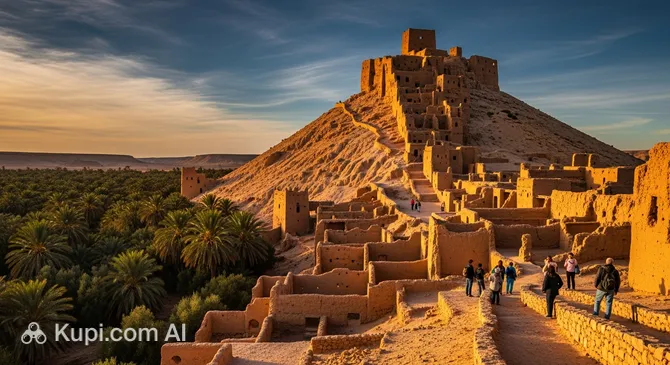
The history of El Golea is deeply intertwined with the ancient trade routes of the Sahara. Visitors are often drawn to the Old Ksar (Vieux Ksar), an ancient fortress perched atop a hill that offers breathtaking panoramic views of the surrounding orchards and the city below. Another significant landmark is the Church of Saint Joseph, a unique architectural site associated with the legacy of Charles de Foucauld. The city is also famous for its lush gardens, producing some of the finest dates and citrus fruits in the country.

Whether you are interested in exploring ancient architecture or simply wish to experience the serenity of a true desert oasis, El Golea is a destination that should not be missed. Its seamless blend of natural beauty and cultural richness makes it a memorable and scenic stop on any Saharan adventure.

Weather Overview

El Golea features a classic arid desert climate, characterized by abundant sunshine and significant temperature variations between the seasons. Before packing for your trip, it is helpful to review the weather in El Golea to understand the specific conditions you will encounter.

The summer months are intensely hot, with July being the peak; average temperatures hover around 35.1°C, while daily highs can soar to a scorching 42.2°C. In contrast, the winter season offers a much cooler atmosphere, with January averages dropping to 10.2°C and nighttime lows occasionally reaching 3.7°C.

Rainfall is extremely scarce throughout the year, with most months recording 0mm of precipitation and only the rare occurrence of a single wet day in spring or late autumn. Expect scorching summers with clear blue skies and cool, dry winters that are generally more comfortable for exploration.

Interesting Facts

Beyond the main attractions, El Golea holds many fascinating secrets that reveal the unique character of this Saharan hub. From its surprising agricultural diversity to its connection with famous explorers, there is much more to this oasis than meets the eye.

  • A Fruit Basket in the Desert: Unlike many other oases where high soil salinity restricts farming primarily to date palms, El Golea sits atop a vast reserve of sweet, fresh water. This geological anomaly allows the locals to cultivate crops typically found in the Mediterranean north, such as apricots, plums, and strawberries, creating a lush garden environment in the middle of the arid sands.

  • The Resting Place of a Hermit: While the famous explorer and hermit Charles de Foucauld is most closely associated with the remote Hoggar Mountains and Tamanrasset where he died, his grave is actually located here in El Golea. His remains were moved to the cemetery near the Church of Saint Joseph, making the town a significant site for those tracing the history of Saharan exploration.

  • The Meaning Behind the Name: Although widely known to travelers as El Golea (meaning "The Little Castle"), the city's official name is El Meniaa, which translates to "The Impregnable." This title pays homage to the city's historic Ksar, a fortress that stood resiliently atop the hill, guarding the trade routes and the lush valley below.

  • Land of Desert Roses: The region surrounding the city is a prime location for finding sand roses (crystallized gypsum). These beautiful, flower-like rock formations are created naturally by the evaporation of groundwater and are often found just beneath the surface of the sand in the surrounding dunes.

How to Get There

Reaching the desert oasis of El Golea is an adventure that takes you deep into the Algerian Sahara. The journey itself highlights the dramatic shift from the northern landscapes to the golden dunes of the south. Whether you are arriving by air to a nearby regional hub or driving across the vast terrain, some preparation is recommended. For a detailed guide on routes and transport options, you can read more about how to get to El Golea.

For those traveling by air, there are several regional airports in neighboring provinces that serve as convenient gateways. One of the most frequently used options is Noumerate Airport (IATA: GHA), located in the city of Ghardaia, approximately 217.6 km from El Golea. After landing, travelers can continue their journey by road, which typically involves a drive of approximately 3 to 4 hours along the scenic desert highways.

Alternative entry points include Timimoun Airport (IATA: TMX) in the distinct red-clay city of Timimoun, situated roughly 292.7 km away. Another option is Ain Beida Airport (IATA: OGX) in Ouargla, located about 282.7 km from El Golea. Both airports connect to the national network and require a subsequent ground transfer to reach the oasis.

Below is a summary of these regional airports to help you plan your arrival:

Airport Name City Distance to El Golea
Noumerate Airport Ghardaia 217.6 km
Timimoun Airport Timimoun 292.7 km
Ain Beida Airport Ouargla 282.7 km

Once on the ground, the primary mode of transport to El Golea is via the National Highway 1, also known as the Trans-Sahara Highway. This major route connects the north of the country to the deep south, making the city accessible by long-distance buses and shared taxis. The road trip offers a unique opportunity to witness the vastness of the desert before arriving at the lush greenery of the El Meniaa palm groves.

Main Attractions

El Golea offers a compelling mix of historical depth and natural wonder, making it a rewarding stop for travelers exploring the Algerian Sahara. While the town is small, its landmarks are significant, ranging from ancient fortifications to sites of spiritual reflection and surprising pockets of biodiversity.

The Old Ksar (Vieux Ksar)

Dominating the skyline from its hilltop perch, the Old Ksar is the most iconic landmark of the city. This 10th-century fortress was originally built to protect the inhabitants and control the trade routes passing through the oasis. Although time and the elements have reduced much of it to ruins, the site remains incredibly atmospheric. Tourists make the climb not just for the history, but for the spectacular panoramic views it offers. From the top, you can see the sharp contrast between the lush green palm groves and the encroaching golden dunes of the Grand Erg Occidental.

Church of Saint Joseph

A rare sight in the Sahara, the Church of Saint Joseph is a testament to the region's diverse history. It is best known for housing the tomb of Charles de Foucauld, a prominent French explorer and hermit who lived in the Algerian desert. The church itself is architecturally distinct, featuring a blend of local desert style and European religious design. For visitors, it is a place of peace and silence, offering a unique insight into the spiritual heritage of the area and the life of the famous figure whose final resting place is located within these grounds.

Lake El Meniaa

In a land defined by sand, the presence of a large body of water is a surreal and beautiful surprise. Located just outside the main town, this lake is formed by artesian water and has become a vital habitat for migratory birds. It is a haven for ornithologists and nature lovers, who flock here to spot pink flamingos, storks, and ducks resting in the desert waters. The reflection of the dunes and palm trees on the lake's surface creates a photographer's paradise, especially during sunset.

The Palmeraie (Palm Grove)

The heart of El Golea's life is its expansive palm grove, which is renowned for its density and productivity. Unlike typical oases, the water here is sweet, allowing for the cultivation of a wide variety of fruit trees alongside the date palms. A walk through the shaded pathways offers a cool retreat from the desert heat. Visitors can observe traditional irrigation methods in action and enjoy the tranquil ambiance of one of the most fertile spots in the Sahara.

Local Cuisine

The cuisine of El Golea reflects its status as a lush oasis in the heart of the desert. Unlike many other Saharan towns where fresh produce can be scarce, El Golea's abundant sweet water allows for the cultivation of a wide variety of vegetables and fruits. This agricultural richness infuses the local gastronomy with fresh flavors, creating hearty and wholesome meals that sustain travelers and locals alike in the arid climate.

One of the most authentic dishes to try in this region is Mardoud. This traditional southern specialty consists of large, hand-rolled pearls of semolina, similar to giant couscous, cooked in a spicy, tomato-based sauce rich with vegetables and sometimes dried meat. It is a comforting, warming meal often shared during gatherings. Another staple is Couscous, prepared here with a generous serving of seasonal root vegetables like carrots and turnips grown right in the oasis, and typically topped with tender lamb or chicken.

For the adventurous eater, El Golea offers the opportunity to taste camel meat, a delicacy of the Algerian Sahara. It is often prepared as a stew (douara) or grilled as steaks. The meat is lean and flavorful, providing a unique culinary experience that connects visitors to the nomadic heritage of the region. Alongside savory dishes, the city is famous for its dates, particularly the high-quality Deglet Nour variety, which are served as a natural sweet treat at almost every meal.

Beverages play a central role in social life here. The day often revolves around Mint Tea, served hot, sweet, and frothy. Preparing and drinking tea is a ritual of hospitality, often accompanied by peanuts or almonds. Additionally, El Golea is renowned for its exceptional mineral water. Sourced from deep underground aquifers, the water here is famous for its purity and sweet taste, a refreshing change from the saline water found in many other desert locations.

Dining in El Golea is generally a casual and communal affair. You will not find high-end luxury dining; instead, the city offers small, family-run restaurants and roadside eateries that specialize in grilled meats (brochettes) and traditional stews. The best food is often found in these modest establishments or, if you are lucky enough to be invited, within a local home, where the legendary Saharan hospitality ensures that no guest ever leaves hungry.

Travel Tips

Traveling to El Golea offers a serene escape into the Sahara, but the unique desert environment requires some specific preparation to ensure a smooth and enjoyable journey. Here are some practical tips to help you navigate the local culture and climate with ease.

  1. Clothing and Gear: Pack loose, breathable clothing made of cotton or linen that covers your shoulders and knees to respect local customs and protect your skin from the intense sun. Since desert temperatures can drop significantly at night, always bring a warm layer like a fleece or jacket. Sturdy walking shoes are essential for climbing the rocky path to the Old Ksar.
  2. Transportation: The city is relatively compact, and while walking is possible in the center, yellow taxis are the most convenient and affordable way to reach attractions like the lake or the airport. There is no public metro or tram system. If you plan to explore the surrounding dunes or the outskirts, hiring a local driver with a 4x4 vehicle is highly recommended over attempting to self-drive.
  3. Finances: The local currency is the Algerian Dinar (DZD), and cash is king in El Golea. Credit cards are rarely accepted in shops, markets, or small restaurants, so ensure you have enough cash on hand. It is advisable to exchange money or withdraw cash in a larger city before arrival, as ATMs in the town may not always be reliable with international cards.
  4. Health and Safety: The desert sun is unforgiving, so carrying high-SPF sunscreen, sunglasses, and a wide-brimmed hat is non-negotiable. Pharmacies are available in the town center for basic needs, but you should bring any specific prescription medications with you. The town is generally very safe, but it is wise to stay hydrated and avoid strenuous activity during the hottest part of the day.
  5. Communication: The primary languages are Arabic and French; English is not widely spoken outside of official tourism contexts. Downloading an offline translation app or learning a few basic phrases in French or Arabic will be very helpful. Buying a local SIM card (Mobilis is often best for the south) is recommended for reliable navigation, as public Wi-Fi can be limited.
  6. Local Etiquette: The society in El Meniaa is conservative and deeply hospitable. When greeting locals, a polite "Salam Alaykum" is appreciated, and you should always use your right hand for eating or shaking hands. If you are invited for tea, accepting it is a sign of respect. Always ask for clear permission before taking photographs of people, especially women.
  7. What to Avoid: Strictly avoid taking photos of government buildings, police stations, or military checkpoints, as this is prohibited by law and can cause serious issues. Additionally, refrain from public displays of affection, which are considered culturally inappropriate in this region.
  8. Taste the Water: El Golea is famous across Algeria for its high-quality mineral water, which is sourced from deep underground aquifers. Unlike other desert regions where tap water can be saline, the water here is sweet and refreshing; be sure to try the locally bottled brand, which is a source of local pride.

By keeping these practical tips in mind, you will be well-equipped to enjoy the unique hospitality and breathtaking landscapes of this desert oasis. Embrace the slower pace of life in El Golea, and you are sure to have a comfortable and memorable adventure.

Entertainment & Nightlife

Nightlife in El Golea (El Meniaa) offers a stark and refreshing contrast to the bustling party scenes found in northern coastal cities. Here, the "nightlife" is defined by the serene rhythms of the Sahara: star-filled skies, cool desert breezes, and the warm hospitality of the locals. Travelers should not expect Western-style nightclubs, loud bars, or discos, as the town is conservative and alcohol is generally not sold in public venues. Instead, the evening entertainment revolves around social gatherings, traditional dining, and relaxing in the lush gardens that give this oasis its fame.

The social hub for most visitors is the historic Hotel El Boustan. Designed by the renowned architect Fernand Pouillon, this hotel is not just a place to sleep but a venue for evening relaxation. Its expansive gardens and pool area provide a tranquil setting where guests can unwind after a day of exploration. While it does not operate a high-energy nightclub, the hotel's lounge and restaurant area serve as the primary meeting point for travelers to exchange stories, enjoy a hearty dinner, and soak in the peaceful atmosphere of the oasis.

For a more authentic local experience, head to the town center near the market area. As the heat of the day subsides, the streets come alive with families and friends gathering at small, open-air cafés. These traditional tea houses are the heart of El Golea's social life. Ordering a pot of thé à la menthe (mint tea) is essential; it is often served strong, sweet, and frothy. Sitting at one of these roadside venues allows you to observe the slow, friendly pace of desert life while engaging in conversation with welcoming locals.

Another unique way to spend the evening is at a local guesthouse, such as the charming Dar Lalla Mbarka. These venues often host traditional dinners for guests, featuring local dishes like mardoud or couscous prepared with fresh ingredients from the surrounding palm groves. These dinners frequently extend into late-night tea sessions under the open sky, offering an intimate glimpse into the culture of the Zenete Berbers without the noise of a city.

Beyond dining, the desert night offers its own natural entertainment. Stargazing is a premier activity here; with virtually no light pollution, the Milky Way is often visible to the naked eye, creating a mesmerizing canopy over the dunes. For those seeking relaxation, visiting a traditional hammam (bathhouse) is a wonderful way to unwind and cleanse the body after a dusty day in the Sahara. Additionally, watching the sunset over the dunes or near the salt lake provides a spectacular display of colors, transitioning the day into a peaceful, starry night.

Practical Advice for the Evening:

  • Best Time to Go Out: The town wakes up after sunset. The best time to explore the center is between 8:00 PM and 10:00 PM, when the temperature is pleasant.
  • Getting Around: El Golea is safe, but streets can be dimly lit away from the main avenues. It is best to use yellow taxis to move between your hotel and the town center. Fares are inexpensive and should be agreed upon before the ride.
  • Dress Code: The region is conservative. Casual but modest clothing is appropriate for both men and women. Avoid revealing attire even when dining out.
  • Safety: The town is known for its safety and lack of crime, but it is always wise to stick to populated areas and avoid wandering into the unlit palm groves (palmeraie) at night without a local guide.

Parks & Museums

As a true garden city of the Sahara, El Golea (El Meniaa) is defined less by enclosed museums and more by its living heritage and verdant landscapes. The city is an open-air gallery of agricultural ingenuity, where the boundaries between urban life, historical ruins, and lush nature blur seamlessly. Visitors here spend most of their time outdoors, exploring the vibrant green belts that stand in defiance of the surrounding desert.

Gardens of the Oasis

The entire town is essentially one vast park, but the Palmeraie of El Meniaa stands out as the primary green space. Unlike typical date-palm plantations, this area functions like a botanical garden due to the abundance of fresh, sweet water. Walking through the shaded lanes, you will find a surprising variety of flora, including orange, lemon, and apricot trees growing beneath the canopy of palms. It is a peaceful retreat where the sound of wind in the fronds and flowing irrigation water creates a meditative atmosphere.

Lake El Meniaa (Sebkha)

For nature enthusiasts, the salt lake located on the outskirts of the city serves as a magnificent natural park. While not a manicured garden, this wetland is a critical ecosystem in the desert. It attracts a wealth of migratory birds, making it a premier spot for birdwatching. In the cooler months, you can observe pink flamingos, storks, and herons. The contrast of the blue water against the golden sand dunes creates a stunning visual gallery that appeals to photographers and nature lovers alike.

Cultural Heritage and Museums

El Golea does not boast large, state-run museums; instead, its history is preserved within its religious and historical sites. The Church of Saint Joseph functions as the city's de facto museum. Beyond its religious significance, the site preserves the personal effects and room of Charles de Foucauld, the famous explorer and hermit. Visitors can view a small collection of artifacts, manuscripts, and items that offer a glimpse into the life of the "Universal Brother" and the history of the White Fathers in the Sahara. The architecture of the church itself, blending local clay construction with Christian motifs, is an exhibit of cultural convergence.

Historical Landmarks

The Old Ksar (Vieux Ksar) remains the most significant historical site. Perched on a pyramidal hill, this 10th-century fortress is an archaeological wonder. While the previous sections mentioned its views, the site itself is a lesson in medieval Berber architecture. Wandering among the crumbling walls and ancient dwellings allows you to trace the layout of a traditional fortified city, from the communal granaries to the strategic watchtowers that once guarded the Trans-Saharan trade routes.

Another site of interest is the Christian Cemetery, located near the church. It is a solemn and historically significant area containing the tomb of Charles de Foucauld. The cemetery is well-maintained and serves as a quiet place of reflection, marking a unique chapter in the region's colonial and religious history.

Authentic Experiences

For a truly local experience, ask a guide to take you to a traditional rose of the sands site. The desert surrounding El Golea is rich with these crystallized gypsum formations. Unlike buying them in a shop, searching for them in the dunes (with a local expert) combines a nature walk with a treasure hunt. Additionally, visiting the gardens of the Hotel El Boustan is highly recommended. Even if you are not a guest, the architecture by Fernand Pouillon and the meticulously kept grounds offer a splendid example of how modern design can harmonize with traditional desert aesthetics.

Getting Around

Navigating the public transport system in El Golea is a straightforward and stress-free experience, reflecting the relaxed pace of life in this desert oasis. Due to the city's relatively small size and population, there are no complex transit networks such as metros, trams, or trolleybuses. Instead, the local transport infrastructure relies heavily on road-based options, primarily taxis and privately operated minibuses, which serve the needs of both residents and visitors efficiently.

The most convenient way for tourists to get around is by using the city's fleet of yellow taxis. These vehicles are ubiquitous in the town center and can be easily hailed from the street or found waiting at designated stands near major landmarks like the market or the bus station. Taxis here operate as both private hires and shared transport (collective taxis). Shared taxis are a common practice in the region; the driver may pick up other passengers heading in the same direction, making the fare significantly cheaper for everyone on board.

For those looking to travel between neighborhoods or to nearby villages, small minibuses and vans serve as the local "bus" system. These vehicles follow roughly fixed routes along the main avenues but do not have strict timetables or official stops marked with signage. You simply wave one down as it approaches and tell the driver your destination. While this is an authentic way to travel with locals, it can be confusing for first-time visitors who are unfamiliar with the city's layout.

The payment system across all modes of transport in El Golea is exclusively cash-based. There are no travel cards, digital passes, or mobile apps for ticketing. You must pay the driver directly in the local currency (Dinar). Fares are generally very affordable compared to northern cities. For taxis, short trips within the town center typically cost a fixed small amount, but for longer journeys—such as to the airport or the salt lake—it is essential to agree on the price before getting into the car, as meters are rarely used or strictly followed.

Walking is a viable and pleasant alternative for exploring the town center and the lush palm groves, especially during the cooler morning hours. However, given the desert climate, distances can feel longer under the midday sun. For excursions into the surrounding dunes or to visit the Old Ksar, standard taxis may struggle with the terrain. in these cases, it is highly recommended to hire a 4x4 vehicle with a driver. These can be arranged through your hotel or local guides and act as a private charter service for day trips.

A few practical tips will ensure a smooth journey: always carry small change (coins and small notes), as drivers often struggle to break large bills. Be aware that transport availability decreases significantly during the hottest part of the day (typically from 1:00 PM to 4:00 PM) when many locals take a break. Finally, while the town is safe, it is polite to greet the driver with a "Salam" upon entering, a small gesture that goes a long way in this hospitable community.

Accommodation

Accommodation in El Golea is relatively limited compared to Algeria's major northern cities, reflecting its status as a tranquil desert oasis rather than a mass tourism hub. Visitors should not expect international luxury chains or high-rise resorts. Instead, the town offers a modest selection of lodgings that range from functional, state-run hotels to charming, family-run guesthouses. These options provide a comfortable and authentic base for exploring the Sahara, often characterized by traditional architecture and warm local hospitality.

The most convenient area to stay is generally near the town center or on the edge of the lush Palmeraie (Palm Grove). Staying close to the center provides easy access to the market, taxi stands, and simple eateries, while locations near the palm grove offer a more serene, scenic atmosphere. Given the small size of the city, almost any location will place you within a short drive of the main attractions, such as the Old Ksar or the museum at the Church of Saint Joseph.

The most renowned establishment in the city is the Hotel El Boustan. Designed by the famous French architect Fernand Pouillon, this hotel is considered a local landmark in itself. It is celebrated for its beautiful integration with the surrounding landscape, featuring expansive gardens and traditional desert architecture. While the amenities are often described as mid-range or "faded glory," the atmosphere and the architectural pedigree make it the preferred choice for many travelers seeking a sense of history and style during their stay.

For budget travelers and backpackers, there are simpler options, including youth hostels and smaller, no-frills hotels that provide basic amenities. In recent years, the concept of "Dars" (traditional guesthouses) has slowly begun to emerge in the region, offering a more intimate experience where guests can enjoy home-cooked meals and interaction with local families.

Booking and Prices:

The price range for accommodation in El Golea is generally very affordable, falling into the budget to lower mid-range categories. Luxury pricing is virtually non-existent here. It is important to note that many local establishments do not have a strong presence on major international booking platforms. While some larger hotels may be bookable online, it is often more reliable to book through a local travel agency or by contacting the hotel directly via phone. Additionally, credit card payment facilities are rare, so it is highly recommended to carry sufficient cash (Algerian Dinars) to cover your stay.

Nearby Cities

For those looking to explore the surroundings, El Golea serves as an excellent base for day trips to several interesting nearby locations:

City Population Distance (km)
Laghouat 134,372 358
Ouargla 133,024 278
Ghardaia 120,000 224
Messaad 102,453 400
Hassi Rmel 100,000 263

Among these neighboring cities, a few stand out as particularly rewarding destinations for travelers seeking to deepen their understanding of the Algerian Sahara:

Ghardaia
Located approximately 224 km north of El Golea, Ghardaia is the most prominent tourist destination in the region. It is the heart of the M'zab Valley, a UNESCO World Heritage site famous for its unique Mozabite architecture and pentapolis of five fortified cities. Visitors can explore the ancient marketplaces, wander through narrow, winding streets designed to keep the homes cool, and admire the distinct minarets that define the skyline. It offers a fascinating cultural contrast to the open oasis feel of El Golea.

Ouargla
To the east lies Ouargla, often referred to as the "Golden Key of the Desert." As one of the most important economic hubs in the south, it blends modern development with deep historical roots. The city is home to a beautiful Saharan Museum, which houses artifacts ranging from prehistoric tools to Bedouin crafts. Its old ksar and the lively market square provide a vibrant atmosphere where visitors can experience the daily life of a major desert capital.

These nearby destinations offer a glimpse into the diverse culture and landscapes of the region.

Shopping & Souvenirs

Shopping in El Golea is a delightful immersion into the traditional lifestyle of the Saharan oasis. Unlike the bustling commercial hubs of the north, this city does not feature sprawling shopping complexes or international luxury brands. Instead, visitors will find a relaxed and authentic atmosphere where commerce revolves around daily necessities, local craftsmanship, and the bountiful produce of the palm groves. It is an experience defined by personal interaction with shopkeepers rather than browsing anonymous aisles.

The primary retail activity is concentrated in the town center, particularly around the main market area. Here, the streets are lined with small, independent boutiques and open-fronted stalls. The local Souk is the beating heart of the city's economy, offering a vibrant array of goods ranging from aromatic spices and textiles to household items. Exploring this area allows tourists to mingle with locals and observe the daily rhythm of desert life, especially in the cooler evening hours when the market becomes most lively.

Travelers should be aware that there are no Western-style shopping malls in El Golea. The retail landscape is dominated by traditional "Hanouts" (small corner shops) and modest arcades. If you are looking for specific travel gear, branded clothing, or specialized electronics, it is advisable to purchase these in larger cities like Algiers or Ghardaia before traveling south, as the selection here is limited to basic functional items.

The most prized purchase in El Golea is undoubtedly its agricultural produce. Thanks to the region's sweet underground water, the dates grown here—particularly the high-quality Deglet Nour variety—are considered some of the best in Algeria. Visitors can buy them fresh in the market or directly from farmers near the palm groves. In addition to dates, you can find other local treats such as peanuts, almonds, and seasonal fruits like apricots, which are surprisingly abundant in this fertile oasis.

For non-edible souvenirs, the region is famous for its Sand Roses (Rose des Sables). These intricate crystal formations, created by nature beneath the sand, make for beautiful and unique decorative pieces. You will find them sold in various sizes at souvenir stands or by local guides. Additionally, you may find traditional handicrafts such as hand-woven rugs, basketry made from palm leaves, and embroidered textiles that reflect the cultural heritage of the local population.

When planning your shopping trips, keep in mind that business hours are heavily influenced by the desert climate. Shops typically open early in the morning, close for a long break during the hottest part of the day (roughly from 1:00 PM to 4:00 PM), and reopen in the late afternoon until the evening. Friday is the holy day, so many businesses may be closed or have reduced hours, particularly in the morning.

Cash is the absolute rule for transactions in El Golea. Credit cards are virtually unknown in local markets, small shops, and even most souvenir stalls. Ensure you have withdrawn sufficient Algerian Dinars (DZD) in a larger city or use the local post office or bank ATMs in the town center, although these can sometimes be unreliable. Bargaining is common in the market for items like handicrafts and sand roses, but prices for food and groceries are usually fixed.

Tax-free shopping or VAT refund schemes are not available in El Golea. The prices you see are final, but given the generally low cost of living in the region, most tourists find the prices to be very reasonable without the need for tax rebates.
Reached the end of the page?

That means the route is fully explored