Support

Timimoun

About

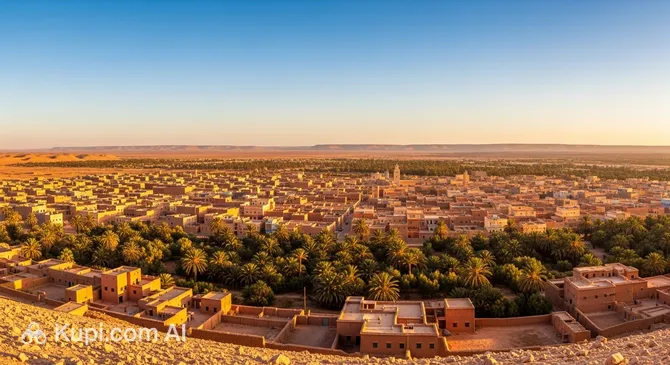
Timimoun, widely known as the Red Oasis, is one of the most enchanting and visually striking destinations in the Sahara Desert. Located in the Gourara region of Algeria, this city is famous for the distinctive ochre color of its buildings, which contrasts beautifully with the surrounding golden sand dunes and the deep green of its lush palm groves. It offers a serene yet vibrant atmosphere that captures the essence of desert life.

Timimoun. Source: Kupi.Binoculars

Geographically, Timimoun sits at the edge of the Grand Erg Occidental, bordering a vast salt lake known as the Sebkha. With a population of approximately 33,000 residents, it maintains the charm of a small, welcoming community while serving as a vital hub for the region. The climate is typical of the desert—extremely hot in the summer and mild in the winter—making the cooler months the ideal time to explore its unique landscape.

The architecture of the city is a major draw for travelers. The buildings are constructed in a unique Neo-Sudanese style, characterized by red mud-brick walls and intricate geometric decorations. As you explore the streets, the history of Timimoun reveals itself through its ancient ksour (fortified villages) and the remnants of its past as a significant stop on trans-Saharan trade routes. This heritage blends seamlessly with the local culture, which is rich in folklore and musical traditions.

Visitors should not miss the opportunity to view the Sebkha of Timimoun, a dried salt lake that offers spectacular panoramic views, especially at sunset. Another highlight is the extensive Palmeraie, a cool and shady refuge where intricate irrigation systems, known as foggaras, have supported agriculture for centuries. Whether you are wandering through the vibrant local market or gazing at the endless dunes, Timimoun promises an unforgettable travel experience.

Weather Overview

Timimoun features an arid desert climate defined by significant temperature variations between seasons. When planning your journey and looking up the weather in Timimoun, you can generally expect bright, sunny skies regardless of when you visit, as rainfall is exceptionally rare throughout the year.

The summer months, particularly June through August, are intensely hot. Average temperatures climb well above 30°C, with July seeing highs reaching a scorching 44.7°C. Travelers visiting during this time should be prepared for extreme heat and plan activities for the cooler parts of the day.

Winters, spanning December to February, are much milder and are considered the optimal time for tourism. During this period, average temperatures sit comfortably between 11.6°C and 14.7°C, making exploration pleasant. However, be sure to pack layers, as nights can be cold with minimum temperatures dropping to around 4.7°C in January. Precipitation remains virtually non-existent, with almost 0mm of rain recorded year-round.

Interesting Facts

Beyond the visual splendor of the Red Oasis, Timimoun holds many fascinating secrets that distinguish it within the vast landscapes of Algeria. While its red dunes and palm groves are famous, the city’s culture and history offer a deeper layer of discovery for the curious traveler.

  • The Invisible River System: The lushness of the palm groves is maintained by an ancient hydraulic system called foggaras. These are intricate underground galleries hand-dug centuries ago to capture water from the sandstone plateaus and transport it over long distances to the oasis. This gravity-based engineering prevents evaporation in the scorching heat and ensures a fair distribution of water to local gardens.

  • A UNESCO Musical Heritage: Timimoun is the heartland of the Ahellil of Gourara, a poetic and musical genre performed by the Zenete people. Recognized by UNESCO as Intangible Cultural Heritage, these polyphonic performances involve a soloist and a large chorus clapping and chanting in a circle, preserving the region's linguistic and historical traditions.

  • The Pilgrimage of the Flags: The city hosts a unique celebration known as the Sbu during the Mawlid (the Prophet's birthday). During this seven-day event, inhabitants from various surrounding fortified villages (ksour) march toward Timimoun carrying large, colorful banners. The tribes converge in a spectacular display of unity, folklore, and gunpowder games.

  • Architectural Influence: While the city's "Neo-Sudanese" style with its red mud-brick and clay spikes feels timeless, its modern uniformity was significantly influenced by the French architect Fernand Pouillon in the 1970s. His design of the Hotel Gourara set a standard for local construction, inspiring the municipality to mandate this distinctive aesthetic for the entire town.

How to Get There

Reaching the heart of the Sahara requires some planning, but the journey to the "Red Oasis" is an integral part of the experience. The most convenient and fastest way to arrive is by air, connecting from major northern cities. For a comprehensive overview of routes and travel tips, you can read more about how to get to Timimoun.

The city is served by its own airport, Timimoun Airport (TMX), which is conveniently located just 4.3 km from the city center. A taxi ride from here is very quick, typically taking approximately 10 minutes. Although it handles a small volume of passenger traffic, it provides the most direct access to the region.

Alternatively, travelers can fly into Adrar Airport (AZR), located in the neighboring city of Adrar. This airport is approximately 163 km away from Timimoun. From Adrar, the journey by road takes about 2.5 hours by taxi. Public buses are also available but generally result in a longer travel time compared to private transport. This airport serves as a viable option if direct flights to Timimoun are unavailable.

For clarity, here is a summary of the main airports:

Airport Name City Passenger Traffic Km from City
Timimoun Airport Timimoun Small 4.3
Adrar Airport Adrar Medium 163.3

Currently, there are no direct railway services to Timimoun, as the rail network primarily serves the northern coastal and high plateau regions. Visitors who prefer not to fly typically rely on the extensive network of long-distance buses or shared taxis connecting Timimoun to other desert hubs like Ghardaïa or Béchar. While these road journeys offer scenic views of the dunes, they can be lengthy given the vast distances of the Sahara.

Main Attractions

Timimoun is a destination where the architecture and the landscape merge to create a truly surreal experience. The city and its surroundings offer a variety of sites that showcase the unique heritage of the Gourara region. From ancient fortifications to natural wonders, here are the main attractions that every visitor should explore.

The heart of the city is the Old Ksar, the historic fortified district that gives Timimoun its distinctive character. Walking through its narrow, shaded alleyways is like stepping back in time. The walls are constructed from red ochre clay, typical of the Neo-Sudanese style, and are dotted with the "picons" (clay spikes) that adorn the rooftops. It is a fascinating place to observe local life, admire the intricate geometric patterns on the facades, and find respite from the desert sun in the cool, winding streets.

Just on the edge of the city lies the Sebkha, a vast ancient salt lake that creates a breathtaking contrast with the red sand dunes. This dried-up basin, shimmering with white salt crystals, offers one of the most photogenic landscapes in the Sahara. It is best visited in the late afternoon when the setting sun turns the surrounding dunes a fiery red, highlighting the stark white of the salt. The view from the terrace of the Hotel Gourara, which overlooks the Sebkha and the palm grove, is widely considered the best vantage point in town.

The Palmeraie of Timimoun offers a lush, green sanctuary amidst the arid desert environment. This extensive palm grove is not just a beautiful garden but a testament to human ingenuity. Visitors can walk along the paths shaded by date palms and fruit trees, tracing the lines of the foggaras. These traditional irrigation channels bring water from underground aquifers to the surface, creating a cool microclimate that is perfect for a relaxing stroll away from the heat.

A short trip outside the main city center takes you to Ighzer, one of the most picturesque ksour (villages) in the region. Located a few kilometers from Timimoun, Ighzer is famous for its dramatic location perched above a dry riverbed and its stunning grotto. The village offers panoramic views of the sand dunes encroaching on the gardens, making it a favorite spot for photographers and those looking to see the traditional way of life in the Gourara oases.

Local Cuisine

The culinary experience in Timimoun is deeply rooted in the traditions of the Sahara, offering hearty and flavorful dishes designed to sustain life in the desert. The local cuisine relies heavily on ingredients that can be grown in the oasis or stored for long periods, such as dates, wheat, and dried meats. A meal here is not just about sustenance; it is a warm expression of the legendary hospitality of the Gourara people.

One of the most iconic dishes you must try is Mardoud. This is a traditional specialty consisting of small, hand-rolled pearls of semolina, similar to large couscous grains, cooked in a rich, spicy tomato-based sauce with vegetables and sometimes dried meat or chicken. It is a celebratory dish, often reserved for special occasions and guests, but available in local eateries. Another unique staple is Tagella, a type of bread baked directly in the hot sand or embers of a fire. It is often broken into pieces and served with a meat and vegetable sauce, offering a distinct smoky flavor that defines desert cooking.

No visit to Timimoun is complete without experiencing the local tea culture. Saharan mint tea is far more than a beverage; it is a ritual of welcome and friendship. Prepared with green tea, fresh mint, and a generous amount of sugar, it is poured from a height to create a thick, frothy foam called the "turban." Typically served in three rounds—the first being strong and bitter, the second milder, and the third sweet—sipping tea in the shade of a palm grove or a local café is the perfect way to relax after a day of exploration.

The food scene in Timimoun is modest yet authentic. You won't find many high-end dining establishments; instead, the best meals are often found in small, family-run restaurants or within the guesthouses. The local market is also a vibrant spot to explore, where you can sample the region's famous dates. The dates from the Gourara region are renowned for their quality and sweetness, often served as a natural dessert or a welcome snack alongside a glass of fermented milk known as Lben.

Travel Tips

Welcome to Timimoun, the jewel of the Gourara region. To help you navigate the unique desert environment and immerse yourself respectfully in the local culture, we have compiled a list of essential practical tips for your journey to the "Red Oasis."

  1. Clothing and Gear: The desert climate requires strategic packing. Even if you visit during the mild winter, bring layers; days are sunny, but nights can be surprisingly cold, requiring a warm jacket or fleece. Culturally, Algeria is conservative, so dress modestly by covering your shoulders and knees—loose-fitting cotton or linen clothes are ideal for both heat management and respect. Don't forget sturdy walking shoes for the rocky terrain of the ksour, sunglasses, and a hat to protect against the intense Saharan glare.
  2. Transportation: Within the small city center, walking is pleasant and taxis are affordable for short trips. However, to truly explore the surrounding attractions like the Sebkha or distant fortified villages, hiring a 4x4 vehicle with a driver-guide is practically mandatory. Self-driving a rental car is not recommended for desert excursions due to the challenging terrain and lack of signage in the dunes.
  3. Finances: The economy in Timimoun is almost entirely cash-based. The currency is the Algerian Dinar (DZD). While there is a post office and a bank with ATMs, they may not always accept international cards or could be out of service. It is highly advisable to exchange sufficient money in Algiers or larger northern cities before traveling south. Carry small denominations for tips and small purchases in the market.
  4. Health and Safety: Timimoun is a safe and peaceful destination, but the environment demands caution. Dehydration is a real risk; always carry bottled water and drink frequently, even if you don't feel thirsty. Pharmacies (marked with a green cross) are available in the town for basic supplies, but you should bring your own prescription medications. Stick to bottled water for drinking and brushing your teeth to avoid stomach upsets.
  5. Communication: The primary languages are Arabic and the local Zenete dialect. French is widely spoken and is the main language used for tourism interactions. English is not yet widely mastered, so learning a few basic phrases in French or Arabic (like "Salam" for hello and "Shukran" for thank you) will go a long way. For connectivity, purchase a local SIM card (Mobilis typically offers the best coverage in the south) as Wi-Fi speeds can be slow.
  6. Local Etiquette: The people of the Gourara are renowned for their hospitality. If you are invited for tea, accept it graciously; sharing tea is a vital social ritual. When interacting with locals, greet people with "Salam Alaykum." Always use your right hand for eating (if sharing a communal dish) or shaking hands. Be mindful of religious customs, especially during prayer times.
  7. What to Avoid: Strictly avoid taking photographs of people—especially women—without their explicit permission, as this is considered very rude and intrusive. Additionally, refrain from public displays of affection, such as kissing or hugging, which are culturally inappropriate in this conservative society.
  8. Respect the Siesta: Life in the oasis adapts to the heat. Between 1:00 PM and 4:00 PM, the town typically shuts down for a rest period, and most shops will be closed. Plan your day accordingly: explore in the morning and late afternoon, and use the midday break to rest in the shade or enjoy a long lunch, just like the locals do.

By following these simple guidelines, you will ensure a smooth and respectful adventure in Timimoun. Embrace the slow pace of desert life, connect with the warm-hearted locals, and let the breathtaking red landscapes create memories that will last a lifetime.

Entertainment & Nightlife

Travelers visiting Timimoun should adjust their expectations regarding nightlife; this is not a destination for pulsing nightclubs or loud bars. Instead, the evening entertainment in this "Red Oasis" of Algeria is deeply rooted in traditional culture, relaxation, and the breathtaking natural surroundings. The nightlife here is serene and atmospheric, revolving around social gatherings, stargazing in the vast Sahara, and enjoying the cool desert air after a hot day.

The heart of evening activity is undoubtedly the town center and the main market area. As the sun sets, the red mud-brick buildings glow with an intense ochre hue, and locals gather in the streets to socialize. The atmosphere is welcoming but conservative. You won't find Western-style dance clubs; rather, the "buzz" comes from busy tea houses and small eateries where people converse for hours. A popular activity is simply sitting at a café terrace, sipping sweet mint tea, and watching the world go by under the starry desert sky.

For a more tourist-oriented evening experience, the Hotel Gourara is the most iconic venue in town. Built on the edge of the escarpment, its terrace offers arguably the best view of the sunset over the Sebkha (salt lake) and the sand dunes. It is one of the few places where international travelers congregate to relax in comfort. Another focal point is the town's main square, often lively with families and vendors selling crafts or snacks well into the evening, providing a safe and authentic glimpse into local life.

Practical advice for nights in Timimoun includes dressing modestly and respecting local customs. Alcohol is generally not available in public cafés or restaurants due to religious norms, though some high-end tourist hotels may have different regulations. The best time to venture out is immediately after sunset to catch the changing colors of the dunes. Taxis are available, but the town center is compact enough to explore on foot. The area is generally very safe for tourists, but it is always wise to stick to lit main streets and avoid wandering into unlit palm groves (palmeraies) alone at night.

During the daylight hours, entertainment shifts to exploration and adventure. Visitors spend their time touring the ancient ksars (fortified villages), exploring the intricate irrigation systems known as foggaras, or taking 4x4 excursions into the surrounding dunes. While there are no large amusement parks, the natural landscape itself serves as a playground for sandboarding and camel trekking, offering a stark but beautiful contrast to the quiet, star-filled nights.

Parks & Museums

While Timimoun may not possess the manicured city parks or sprawling national museums found in major capitals, its cultural and natural offerings are profound and unique. The city itself serves as a living museum of Saharan architecture, while its "green spaces" are the life-sustaining oases that defy the surrounding desert. Visitors to this region of Algeria will find that nature and history are inextricably linked, offering an immersive experience into the traditions of the Gourara region.

The most significant green space in the city is the Palmeraie of Timimoun. Unlike a typical recreational park, this is a working agricultural garden that forms the heart of the oasis. It is a lush, shady labyrinth of date palms, fruit trees, and small vegetable plots, divided by low red-mud walls. Walking here offers a cool respite from the desert heat and a chance to see the ancient irrigation channels in action. For a different kind of natural beauty, the Sebkha—a vast salt lake located just outside the town—offers a stunning, stark landscape. While not a park in the traditional sense, it is a primary natural attraction where the white salt crust contrasts vividly with the red dunes and the deep blue sky.

In terms of museums, the city relies heavily on its heritage sites to tell its story. The Old Ksar (fortified village) functions effectively as an open-air museum. Wandering through its narrow, covered alleyways reveals the ingenuity of Sudano-Sahelian architecture, characterized by the extensive use of red ochre clay and intricate geometric decorations. Additionally, the Cultural Center of Timimoun often hosts exhibitions related to local festivals, such as the Sboue, and displays traditional crafts like pottery, basketry, and tapestry, providing insight into the artistic legacy of the local Zenete and Haratin communities.

A crucial historical and architectural landmark that fascinates visitors is the Foggara system. These ancient underground water channels are a marvel of engineering, capturing groundwater and transporting it over long distances to the palm groves without evaporation. Viewing the "combs" (lines of access wells) stretching across the desert surface is a lesson in how civilization has survived in this arid environment for centuries. The Porte du Soudan, an iconic archway in the city center, is another architectural highlight, symbolizing the town's historical role as a trading hub on the trans-Saharan caravan routes.

For a truly authentic experience, look for the small, often unmarked workshops of local artisans within the Ksar. Unlike formal galleries, these spaces allow you to watch craftsmen at work and understand the cultural significance of their designs. A local tip is to visit the Palmeraie in the late afternoon; the play of light through the palm fronds creates a magical atmosphere, and you are likely to meet locals tending to their gardens, offering a genuine glimpse into daily life in the oasis.

Getting Around

Navigating Timimoun is a straightforward and relaxed experience, reflecting the calm pace of life in this desert oasis. Unlike major metropolitan areas, there is no complex network of metros, trams, or city trains here. The town center is compact and pedestrian-friendly, allowing visitors to explore the main markets, the historic Ksar, and the administrative district comfortably on foot. Walking is often the best way to appreciate the intricate red-mud architecture and the vibrant local atmosphere.

For distances too far to walk, particularly when heading to the outskirts or the Palmeraie, taxis are the primary mode of motorized transport. These are typically standard yellow vehicles or sometimes unmarked cars operating as local shuttles. Taxis here generally do not use meters; instead, fares are fixed based on the destination or are negotiable before the journey begins. It is common to share a taxi with other passengers heading in the same direction, which significantly reduces the cost.

To reach the surrounding villages and ancient fortified ksars dotted around the oasis, minibuses and shared vans serve as the main public transport. These depart from designated spots, usually near the central market or the main bus station (Gare Routière). They are an authentic and inexpensive way to travel, though they operate without strict timetables, typically departing only when all seats are full. This mode of transport offers a great opportunity to interact with locals but requires a bit of patience.

For tourists, the most practical alternative for exploring the wider region—including the Sebkha salt lake and the sand dunes—is renting a 4x4 vehicle with a driver. Standard city taxis cannot navigate the sandy terrain of the desert. These excursions are usually arranged through hotels, guesthouses, or local tour agencies. While not "public transport" in the traditional sense, this is the standard way for visitors to access the major natural attractions surrounding the city.

When it comes to payment, the system in Timimoun is entirely cash-based. There are no travel cards, mobile apps, or electronic ticket machines for local transport. Visitors should carry sufficient local currency in small denominations, as drivers often struggle to make change for large bills. Fares are generally very affordable. It is advisable to ask your hotel reception for current approximate taxi rates to avoid overpaying, and always agree on the price with the driver before getting into the car.

Accommodation

Accommodation in Timimoun offers a unique opportunity to immerse yourself in the distinct architecture and culture of the "Red Oasis." Unlike modern metropolises filled with high-rise glass chains, the lodging landscape here is dominated by traditional structures built from the local red ochre clay. Options generally range from simple, family-run guesthouses and hostels to a few mid-range hotels that offer more amenities. For the adventurous, there are also campsites located on the outskirts, providing a chance to sleep under the stars near the sand dunes.

When choosing where to stay, visitors typically decide between the convenience of the town center and the tranquility of the Palmeraie. Staying in the heart of the city places you within walking distance of the main market, the bus station, and local eateries, making it ideal for those without a vehicle. Alternatively, accommodations located within or on the edge of the palm groves offer a serene escape, often featuring lush gardens and stunning views of the Sebkha salt lake, though they may require a taxi to reach the town center.

A distinctive feature of hospitality in this region is the prevalence of "residences" or traditional homes converted into guesthouses. These establishments often feature central courtyards and authentic decor, providing a much more intimate experience than a standard hotel. While luxury in the international sense is rare, the warmth of the welcome and the architectural beauty of the buildings—often designed to stay cool naturally—more than make up for the lack of five-star facilities.

Travelers should be aware that the high season for tourism in the Sahara is during the cooler winter months, particularly around the New Year and during local festivals like the Sboue. During these times, the limited number of rooms can fill up quickly, so booking accommodation well in advance is highly recommended. While some larger establishments appear on international booking platforms, many smaller guesthouses rely on direct contact or phone reservations. Furthermore, it is advisable to carry sufficient cash, as credit card facilities are not widely available at reception desks.

Nearby Cities

For those looking to explore the surroundings, Timimoun serves as an excellent base for day trips to several interesting nearby locations:
City Population Distance (km)
Bechar 165627 353
Laghouat 134372 562
Ghardaia 120000 484
Mecheria 114000 477
Hassi Rmel 100000 499

While the major regional cities listed above serve as key transit hubs for longer journeys across the Sahara, the most rewarding day trips from Timimoun are found much closer, within the Gourara region itself. A popular excursion is the "Sebkha Circuit," which takes visitors through a chain of picturesque oases and ancient villages that dot the edge of the salt lake.

One of the most fascinating stops is the oasis of Ouled Saïd. Located just a short drive from Timimoun, it is renowned for its exceptional foggara system—the traditional water management channels that are vital to life in the desert. Visitors can explore the lush palm groves and witness the ingenious distribution of water that has sustained the community for centuries. The village is also famous for its annual cultural festivals, making it a vibrant center of local heritage.

Another captivating destination for a short visit is the village of Ighzer. Situated along the escarpment, Ighzer is celebrated for its stunning panoramic views over the Sebkha and its unique grotto. The village features a beautiful ksar that seems to blend seamlessly with the red rock of the cliff. It is a perfect spot for photographers and those wishing to see the diverse architecture of the Gourara region without venturing too far from their base in Timimoun.

These nearby destinations offer a glimpse into the diverse culture and landscapes of the region.

Shopping & Souvenirs

Shopping in Timimoun is an experience deeply rooted in the traditions of the Sahara. Visitors should not expect sprawling shopping malls or high-end luxury boutiques. Instead, the "Red Oasis" offers a chance to discover authentic local craftsmanship and regional produce. The shopping scene here is intimate and centered around small, family-owned businesses and open-air stalls, making it perfect for travelers seeking unique, handmade items that reflect the cultural heritage of Algeria.

The primary commercial activity is concentrated along the Main Avenue (often referred to as the main street running through the town center). This bustling thoroughfare is lined with the city's characteristic red-mud architecture, featuring arched walkways that provide shade for shoppers. Here, you will find a variety of small shops selling everything from general groceries and fabrics to traditional clothing and local handicrafts. It is the best place to take a leisurely stroll and browse the wares without the pressure of aggressive sales tactics.

Travelers looking for modern shopping malls will not find them in Timimoun. The city preserves a traditional way of life, and the retail landscape reflects this. Large department stores and international chains are non-existent. The absence of commercial complexes adds to the charm of the destination, forcing visitors to slow down and engage directly with local shopkeepers in a more personal setting.

The heart of the local economy is the Central Market (Souk). This is the most vibrant spot in the city, particularly in the mornings and late afternoons. It is a sensory experience filled with the scent of spices and the bright colors of fresh produce. While it serves primarily as a food market for locals, it is also an excellent place for tourists to find regional specialties. You can explore stalls piled high with dried fruits, nuts, and aromatic herbs that are staples of Saharan cuisine.

When it comes to souvenirs, the region is famous for its high-quality dates. The local palm groves produce some of the best varieties in the country, and buying a box of fresh dates is a must. Other popular keepsakes include intricate basketry woven from palm leaves, traditional pottery made from local clay, and colorful Berber rugs. You may also find "sand roses" (crystallized rock formations found in the desert) sold by locals, which make for beautiful and inexpensive natural ornaments.

Opening hours in Timimoun are heavily influenced by the desert climate and religious customs. Shops typically open early in the morning, around 8:00 or 9:00 AM, and stay open until midday. A long break is taken during the hottest part of the day (usually from 1:00 PM to 4:00 PM), after which stores reopen and stay busy until late in the evening. On Fridays, which is the holy day, most businesses will be closed in the morning and may only open in the late afternoon.

Payment methods are strictly traditional. Cash is the absolute rule in Timimoun. Credit cards are almost never accepted in shops, markets, or small restaurants. While there are a few ATMs in the town center, they can occasionally be out of service, so it is highly advisable to carry sufficient Algerian Dinars with you. Bargaining is common in the market and for handicrafts, but it is generally done with a polite and friendly attitude rather than aggressive haggling.

Regarding tax-free shopping, there is no VAT refund system available for tourists in Timimoun. The prices are generally very affordable compared to international standards, so the lack of tax-free shopping is rarely an issue for visitors. The value lies in the authenticity and uniqueness of the products rather than in duty-free savings.
Nearby cities

Reached the end of the page?

That means the route is fully explored