Support

Beni Mellal

About

Welcome to Beni Mellal, a captivating city situated at the foot of the Middle Atlas Mountains. Known for its lush gardens, abundant water sources, and vibrant agricultural heritage, this destination offers a refreshing and scenic atmosphere for travelers exploring the region. As the capital of the Beni Mellal-Khénifra region, it serves as a vital economic and cultural hub in the heart of Morocco.
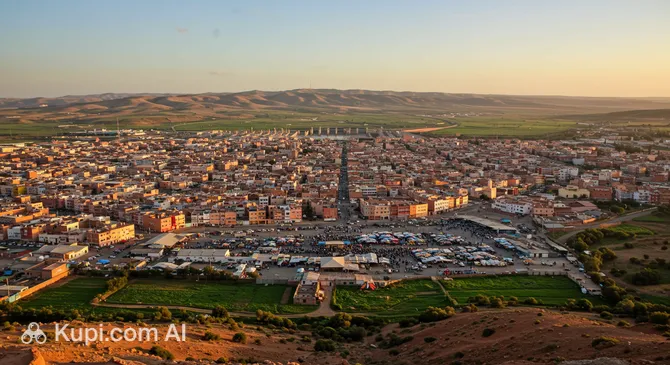
Beni Mellal. Source: Kupi.Binoculars

The city is geographically unique, positioned between the towering mountains and the fertile Tadla plain. This location provides a stunning backdrop of peaks, including the majestic Jbel Tassemit, which rises above the urban landscape. With a population of approximately 190,000, Beni Mellal balances the energy of a growing city with the tranquility of its natural surroundings. The climate here is continental, characterized by hot summers and cool winters, making the spring season particularly beautiful when the orchards are in full bloom.

One of the city's most defining features is its historical significance as a crossroads for trade. Visitors interested in the past can discover more about the history of Beni Mellal, which includes ancient fortifications and a legacy of agricultural prosperity. The city is famously associated with the production of oranges, olives, and figs, contributing to its reputation as a green oasis.

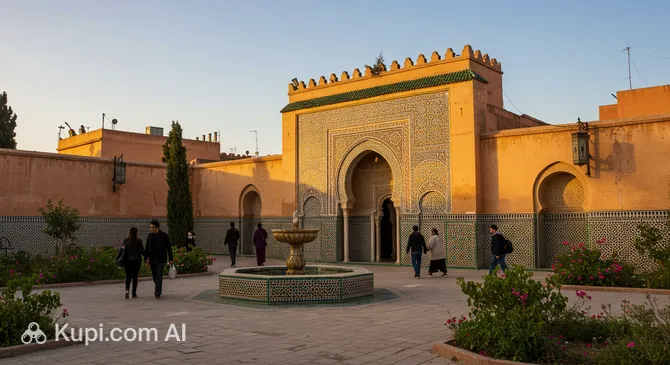
Tourists are often drawn to the iconic Ain Asserdoun, a magnificent spring that cascades down through beautifully landscaped gardens, offering a perfect spot for relaxation and photography. Overlooking the spring stands the Kasbah Ras el Ain, a restored fortress that offers panoramic views of the city and the olive groves below. Whether you are passing through on a road trip or staying to explore the local culture, Beni Mellal invites you to experience its unique charm and warm hospitality.
Weather Overview

Beni Mellal features a continental climate marked by distinct seasonal changes, offering travelers different experiences depending on the time of year. Summers are typically hot and dry, while winters bring cooler temperatures and occasional rain. The heat peaks in July and August, where average temperatures sit around 29.5°C, and daily highs frequently climb to 37.9°C under bright, sunny skies.

In contrast, the winter months are much cooler, especially in January, when the average temperature drops to 10.3°C and nights can get quite cold with lows of 3.1°C. Spring serves as a pleasant transition, though March can be somewhat variable with up to 10 wet days. For the most precise information to help you pack, we recommend checking the current weather in Beni Mellal before your journey.

Interesting Facts

Beyond its lush gardens and bustling markets, Beni Mellal holds fascinating stories and unique features that often escape the casual observer. Delve into these lesser-known aspects to truly appreciate the character of this city nestled in the Middle Atlas.
  • Skydiving Capital: Surprisingly, Beni Mellal is considered the premier destination for skydiving in Morocco. Its aerodrome is renowned among aviation sports enthusiasts, hosting international parachuting competitions and offering thrill-seekers unparalleled views of the mountains meeting the plains.

  • The Mule's Discovery: The city's most famous attraction, Ain Asserdoun, has a name that literally translates to "Spring of the Mule." According to local legend, this vital water source was originally discovered by a thirsty mule, a serendipitous event that allowed the region's agriculture to flourish.

  • A Guardian Fortress: The iconic Kasbah overlooking the spring, known locally as Kasbah Bel Koush, was built in the 17th century by Sultan Moulay Ismail. Unlike many royal residences designed for luxury, this stone fortress was constructed specifically to protect the water source and monitor the strategic trade routes crossing the Tadla plain.

Ain Asserdoun. Source: Kupi.Binoculars

How to Get There

Reaching this scenic city in the Middle Atlas region typically involves arriving at one of the major international airports in neighboring cities and completing the journey by road. For a detailed breakdown of all transport modes, you can check more about how to get to Beni Mellal. Since the city does not have a major international airport of its own, most travelers choose to fly into Mohammed V (CMN) in Casablanca. Situated approximately 162 km away in a straight line, this hub serves as a primary entry point, followed by a transfer via bus or taxi.

Alternatively, you can arrive at Menara Airport (RAK) in Marrakech. This airport is located roughly 177 km from Beni Mellal geographically. Both hubs are well-connected internationally, making them convenient starting points. The subsequent drive to Beni Mellal offers a chance to see the changing landscapes of the region, typically taking several hours depending on the chosen route and traffic conditions.

For clarity, here is a summary of the main airports in the vicinity:

Airport Name City Passenger Traffic Distance (Straight Line)
Mohammed V Casablanca High 162.4 km
Menara Airport Marrakech High 177.5 km
Sale Airport Rabat Medium 194.1 km
Ouarzazate Airport Ouarzazate Low 163.0 km
Moulay Ali Cherif Airport Errachidia Low 190.1 km

Regarding rail travel, the city of Beni Mellal does not have a railway station. Visitors preferring trains typically travel to Casablanca or Oued Zem and then transfer to a bus or a shared "grand taxi" to reach their final destination. The road trip is an integral part of the experience, offering beautiful views as you approach the Atlas Mountains.

Main Attractions

Beni Mellal is a destination where nature and history converge, offering visitors a chance to explore lush landscapes and ancient fortifications. The city's attractions are centered around its abundant water sources and the dramatic backdrop of the Middle Atlas Mountains, making it a refreshing stop for any traveler.

Undoubtedly the most famous site in the city is Ain Asserdoun. This magnificent spring is the lifeblood of the region, celebrated for its cascading waterfalls and beautifully maintained gardens. Tourists flock here to enjoy the cool, refreshing atmosphere and to walk along the shaded paths lined with flowers and pomegranate trees. It is a perfect spot for families and nature lovers seeking a peaceful escape from the bustling city streets.

Watching over the spring and the city is the historic Kasbah Ras el Ain. Perched high on a cliff, this stone fortress dates back to the 17th century and was originally built to protect the vital water source below. While the interior is not always open to the public, the site itself is a major draw for its architecture and the panoramic views it offers. From the terrace near the Kasbah, visitors can take in breathtaking vistas of the entire Tadla plain and the olive groves stretching to the horizon.

For those interested in outdoor adventures, Jbel Tassemit provides an excellent opportunity for exploration. Rising to an elevation of over 2,200 meters, this mountain dominates the local skyline and offers scenic routes for hiking and trekking. The ascent reveals stunning landscapes of oak forests and rugged terrain, rewarding climbers with sweeping views of Beni Mellal and its surroundings. It is a favorite spot for locals and tourists alike who wish to immerse themselves in the raw beauty of the Atlas Mountains.

Local Cuisine

The local cuisine of Beni Mellal is a delightful reflection of its location in the heart of the fertile Tadla plain. Thanks to the region's rich agricultural output, dishes here are defined by the exceptional freshness of their ingredients. The city is surrounded by olive groves and citrus orchards, meaning that local meals are often prepared with high-quality olive oil and accompanied by an abundance of fresh fruits. Visitors can expect a culinary experience that is authentic, hearty, and deeply rooted in Moroccan traditions.

Among the main dishes worth trying, the classic Tagine takes center stage. In Beni Mellal, this slow-cooked stew often features tender lamb or chicken, simmered with locally grown vegetables, olives, and preserved lemons. Another staple is Couscous, typically served on Fridays, which is a communal dish of semolina granules topped with seven vegetables and meat. For those looking for something truly savory, Mechoui—slow-roasted lamb seasoned with cumin and salt—is a regional favorite often enjoyed during celebrations or at roadside eateries nearby.

When it comes to beverages, the city offers refreshing options that perfectly complement the warm climate. Mint tea is the undisputed national drink, served sweet and hot throughout the day as a gesture of hospitality. Given the area's reputation for citrus production, freshly squeezed orange juice is widely available and incredibly flavorful. While alcohol is not a part of traditional street food culture, it can be found in licensed hotels, bars, and certain restaurants catering to tourists.

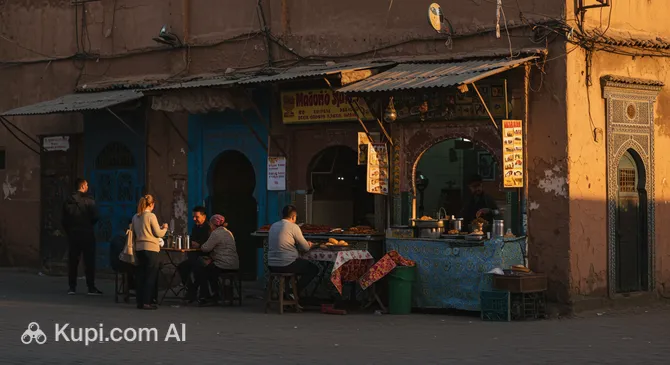
The food culture in Beni Mellal ranges from bustling street markets to relaxed dining establishments. For a quick bite, local bakeries and street stalls offer Msemen (square pancakes) and Harira soup. For a more formal dining experience, you can explore the city center, where various restaurants serve both traditional and international fare. One such place to enjoy a meal is Manhattan, a restaurant that offers a comfortable setting for visitors to unwind and enjoy good food after a day of exploration.

Manhattan. Source: Kupi.Binoculars

Travel Tips

Planning a trip to Beni Mellal guarantees a genuine experience away from the massive tourist crowds found in larger imperial cities. To help you navigate this charming destination at the foot of the Atlas Mountains smoothly and respectfully, we have compiled a set of essential practical guidelines.

  1. Clothing and Gear: The climate here is continental, meaning you need to pack according to the season. Summers are intensely hot, requiring breathable, loose-fitting cotton clothes and a hat, while winters can be surprisingly cold, so bring a warm jacket and layers. Since Morocco is a conservative country, it is respectful to dress modestly by covering your shoulders and knees. Sturdy walking shoes are a must if you plan to hike up to the Kasbah or explore the mountain trails.
  2. Transportation: The most convenient way to move around the city limits is by using Petit Taxis. In Beni Mellal, these are typically painted yellow or orange and operate on a meter or fixed short-distance rates. They are affordable and plentiful. For excursions outside the city, such as into the mountains, you will need a shared Grand Taxi. Walking is also a pleasant option for exploring the city center and the gardens around Ain Asserdoun.
  3. Finances: The local currency is the Moroccan Dirham (MAD). While some hotels and larger restaurants accept credit cards, cash is king in Beni Mellal, especially in local markets (souks) and small cafes. ATMs are widely available in the city center. It is customary to leave a small tip (around 10%) at restaurants and to round up the fare for taxi drivers.
  4. Health and Safety: Beni Mellal is generally a safe and welcoming city for tourists. Pharmacies are easy to spot by their green cross signs, and many rotate duties to stay open late for emergencies. As a precaution, it is advisable to drink bottled water instead of tap water to avoid any stomach discomfort. Always keep an eye on your belongings in crowded areas like markets, although pickpocketing is less common here than in major tourist hubs.
  5. Communication: The primary languages spoken are Moroccan Arabic (Darija) and Tamazight (Berber). French is widely understood and serves as the main language for business and tourism. English is not as commonly spoken as in Marrakech or Fes, so learning a few basic phrases in French or Arabic, or having an offline translation app, will be extremely helpful. SIM cards from providers like Maroc Telecom or Orange are cheap and easy to purchase at local shops.
  6. Local Etiquette: Moroccans are incredibly hospitable. When greeting someone, a handshake is common, often followed by touching your hand to your heart as a sign of respect. If you are invited into a home, remember to remove your shoes at the entrance. Public displays of affection should be avoided, and it is polite to ask for permission before taking photos of people, particularly women and the elderly.
  7. What to Avoid: Do not consume alcohol in public spaces; it is strictly prohibited and culturally offensive. Alcohol is only available in licensed bars and hotels. Also, avoid using your left hand for eating if you are sharing a communal dish, such as couscous or tagine, as the right hand is traditionally used for dining.
  8. Exploring the Markets: To truly understand the local rhythm of life, take time to visit the city's bustling souks. These markets are vibrant hubs where farmers from the surrounding Tadla plain come to sell fresh produce, livestock, and traditional goods. Wandering through the stalls offers a fascinating and authentic glimpse into daily life that you won't find in standard guidebooks.

Armed with these practical tips, you are well-prepared to embrace the unique character of Beni Mellal. Enjoy the stunning natural landscapes, the warmth of the locals, and the relaxed atmosphere of this beautiful hidden gem.

Entertainment & Nightlife

Nightlife in Beni Mellal offers a relaxed and authentic experience, distinct from the high-energy clubbing scenes found in Morocco's larger coastal cities. Here, the evening entertainment is centered around socializing, dining, and enjoying the pleasant mountain air. The atmosphere is laid-back and family-friendly, with the local culture favoring lively conversations in cafés over loud music or dance floors. For visitors, this provides a unique opportunity to unwind and observe the local rhythm of life after sunset.

The heart of the city's evening activity beats along the main thoroughfares, particularly Boulevard Mohammed V. As the heat of the day subsides, this avenue comes alive with locals enjoying a traditional passeggiata (evening stroll). The sidewalks are lined with coffee shops where men and families gather to sip mint tea or coffee, watch football matches, and chat late into the night. Joining them is the best way to immerse yourself in the local vibe. The dress code is generally casual, though it is respectful to dress modestly, avoiding overly revealing beachwear even in the evening.

For those seeking a dining experience with a modern touch, Manhattan is a popular venue. It serves as a restaurant and a gathering spot where you can enjoy a hearty meal in a comfortable, contemporary setting. While standalone bars and nightclubs are rare in Beni Mellal due to conservative customs, you can find establishments serving alcohol primarily within the larger 4-star hotels, such as the Hotel Ouzoud or Hotel Chems. These hotel bars offer a quiet environment for a drink, usually open until around midnight.

Regarding practicalities, the city is safe for night walks, especially in well-lit central areas like the medina and main boulevards. However, it is always wise to stay in populated zones. Getting around is easy with the plentiful petit taxis (yellow cabs). They are inexpensive, and for a night out, a ride across the city will rarely cost more than a few dirhams. If you are staying on the outskirts, ask your hotel reception or the venue to call a taxi for you. Prices for evening entertainment are very reasonable compared to Marrakech, with a coffee costing around 10-15 MAD and a dinner for two around 150-200 MAD.

Before the sun sets, daytime entertainment in Beni Mellal revolves around nature and relaxation. The city is famous for its green spaces, most notably the Ain Asserdoun gardens. This site is perfect for a refreshing afternoon walk near the waterfalls before heading back to the city center for the evening. Additionally, during the hot summer months, many locals and tourists flock to the swimming pools of local hotels or private clubs to cool off, which serves as a primary form of daytime leisure in the region.

Parks & Museums

Beni Mellal is widely celebrated as a "Garden City," offering a refreshing blend of well-maintained green spaces and rich cultural heritage. Unlike the arid landscapes typical of some Moroccan regions, this city thrives on water and greenery, providing visitors with lush environments for relaxation and historical sites that narrate the area's past. Whether you are looking to stroll through blooming orchards or explore local history, the city offers a serene environment to connect with nature and tradition.

The crown jewel of the city's green spaces is undoubtedly the gardens surrounding Ain Asserdoun. While famous for its water source, the park itself is a botanical masterpiece, featuring terraced landscaping that showcases a variety of exotic plants, rose bushes, and towering trees. It serves as a cool retreat during the hot summer months, where families picnic in the shade and visitors wander along pathways lined with pomegranate and fig trees. Beyond this central attraction, the city is characterized by pleasant, tree-lined boulevards and is encircled by vast olive groves. These ancient orchards act as natural parks, offering a tranquil setting for long walks and a glimpse into the region's enduring agrarian lifestyle.

While Beni Mellal does not boast a vast array of large museums, its cultural history is well-preserved in specific venues. A key institution is the Espace de la Mémoire Historique de la Résistance et de la Libération. This museum is dedicated to the region's role in the struggle for Moroccan independence, housing photographs, documents, and artifacts that offer insight into the local resistance movement. It provides a meaningful educational stop for those interested in understanding the modern history of the Middle Atlas region.

Beyond formal museums, the city's architecture acts as an open-air gallery of history. The majestic Kasbah Ras el Ain (also known as Kasbah Bel Koush) is the most significant historical landmark. Built from pisé (rammed earth) and stone in the 17th century by Sultan Moulay Ismail, it stands as a testament to the military architecture of the Alaouite dynasty. Although the interior is often closed to the public, the structure itself and its strategic position overlooking the gardens and the plains make it an essential cultural stop.

Getting Around

Navigating Beni Mellal is relatively straightforward compared to the larger metropolises in Morocco. The city is compact, and its public transport system is simple, relying primarily on taxis and a network of buses. There is no metro, tram, or train system within the city limits. For most tourists, the combination of affordable taxis and walking is the most efficient and stress-free way to explore the urban center and its immediate surroundings.

The most popular and convenient mode of transport for getting around the city is the Petit Taxi. In Beni Mellal, these small vehicles are distinctively painted, typically yellow, making them easy to spot on the streets. Unlike in some European cities, you do not need to find a designated stand; you can simply hail one from the roadside. These taxis are authorized to carry up to three passengers and operate strictly within the municipal boundaries. They are known for being very affordable and are the preferred choice for short trips, such as getting from the city center to the Ain Asserdoun gardens.

For those looking to travel further afield, such as to the outskirts or neighboring villages in the Atlas foothills, the Grand Taxi is the standard option. These are larger sedans, often older Mercedes models or newer minivans, which operate on fixed routes. They gather at specific designated stations and depart only when full (usually six passengers), or you can hire the entire vehicle for a private excursion at a negotiated price. This is the best alternative for reaching hiking trails or attractions located outside the city limits where Petit Taxis are not permitted to go.

Beni Mellal also has a public bus network that connects the city center with residential neighborhoods and nearby suburbs. While this is the most economical option, with tickets costing just a few dirhams, it is generally more popular with local residents than with tourists. Buses can be crowded during peak hours, and schedules may not always be strictly adhered to. Tickets are purchased directly from the driver or a conductor upon boarding. If you choose to use the bus, it is helpful to know your route in advance or ask a local for assistance, as route maps and signage at stops are often limited.

Regarding payment, the system is almost exclusively cash-based. There are no travel cards, digital passes, or mobile apps for public transport in Beni Mellal. You must pay the driver directly in local currency. For Petit Taxis, drivers are legally required to use a meter (compteur). However, it is always wise to ensure the meter is turned on at the start of the ride. If the driver does not use it, you should politely ask them to do so or agree on a fare before departing. Be aware that taxi fares increase by 50% during the night, typically between 8:00 PM and 6:00 AM.

Ride-sharing apps like Uber or Careem are not currently active or reliable in Beni Mellal, so relying on traditional street-hailing is the norm. For visitors who prefer more independence, car rentals are available and can be a good option if you plan to explore the wider region at your own pace. However, within the city center itself, many attractions are close enough to be reached on foot, allowing you to soak in the atmosphere of the streets and markets without the need for a vehicle.

Accommodation

Where to Stay:

Accommodation in Beni Mellal caters primarily to travelers seeking authenticity and comfort rather than ultra-luxury. The city provides a range of options, including budget-friendly hotels, mid-range establishments, and a few higher-end properties that offer modern amenities. While you won't find the extensive resort sprawl seen in coastal cities or the sheer volume of riads found in Marrakech, the available lodgings are well-suited for a stopover or a short stay to explore the region.

For location, most visitors opt to stay either in the city center or on the outskirts near the main roads leading to Marrakech or Fes. Staying in the center places you within walking distance of local markets, restaurants, and transport connections, making it convenient for those without a car. Conversely, the hotels located slightly outside the dense urban core often boast larger grounds, lush gardens, and swimming pools—a highly desirable feature given the region's hot summers. These locations also frequently offer stunning views of the Middle Atlas Mountains and the surrounding olive groves.

Travelers should note that prices in Beni Mellal are generally quite affordable compared to Morocco's major tourist hubs. Budget travelers can find simple, clean rooms for a low cost, while the more upscale hotels remain reasonably priced. Booking methods vary; while the larger and more modern hotels are listed on major online booking platforms, some smaller, family-run establishments may rely on direct contact. A helpful tip for summer visitors is to book in advance and prioritize accommodation with air conditioning and a pool, as temperatures can soar during the day.

Nearby Cities

For those looking to explore the surroundings, Beni Mellal serves as an excellent base for day trips to several interesting nearby locations:
City Population Distance (km)
Ait Ali 76,646 23
Kasba Tadla 47,343 30
Boujad 46,893 49
Azilal 38,520 45
Oulad Zemam 33,652 31

Among these destinations, Kasba Tadla is particularly notable for history enthusiasts. Located on the banks of the Oum Er-Rbia river, it is home to a significant historical fortress built by Sultan Moulay Ismail in the 17th century. The town also features an iconic old bridge and offers a glimpse into the region's military architecture and past strategic importance.

For those interested in nature and mountain landscapes, Azilal is a perfect choice. Situated in the High Atlas Mountains, it serves as the gateway to the UNESCO Global Geopark of M'Goun. It is an ideal starting point for exploring the rugged terrain, deep valleys, and geological wonders that define this part of Morocco, appealing to hikers and eco-tourists alike.

Another fascinating stop is Boujad, a city with deep spiritual roots. Known as a holy city, it was founded in the 16th century and is famous for its numerous zaouias (religious shrines) and traditional architecture. Visitors often come here to appreciate the serene atmosphere of its old medina and to see the renowned local carpets, which are a hallmark of the town's artisanal heritage.

These nearby destinations offer a glimpse into the diverse culture and landscapes of the region.

Shopping & Souvenirs

Shopping in Beni Mellal offers a distinctively authentic experience, far removed from the commercialized tourist hubs of larger Moroccan cities. While you will not find high-end luxury boutiques or massive fashion complexes here, the city provides a genuine glimpse into local commerce. The shopping scene is deeply connected to the region's agricultural abundance, making it an excellent destination for purchasing fresh produce, traditional crafts, and locally made goods at reasonable prices.

For a mix of modern and traditional retail, the Ville Nouvelle (New Town) and the area along Boulevard Mohammed V are the primary districts to explore. Here, visitors can find a variety of clothing stores, pharmacies, electronics shops, and patisseries. This area is more organized and pedestrian-friendly, offering a relaxed environment for window shopping. In contrast, the Old Medina offers a more traditional atmosphere with small stalls tucked into narrow streets, selling everything from everyday household items to traditional Moroccan attire.

The city does not host expansive shopping malls like those in Casablanca, but it is served by the Marjane Hypermarket, located on the outskirts of the city. This large commercial center is a one-stop shop for travelers, offering groceries, clothing, camping gear, and electronics under one roof. It is particularly useful for tourists looking to restock supplies at fixed prices without the need for bargaining.

To truly understand the local culture, a visit to the Central Market or the weekly souk is essential. These markets are vibrant and sensory-rich, overflowing with mounds of spices, fresh fruits, and vegetables from the fertile Tadla plain. It is the perfect place to mingle with locals and observe the daily rhythm of trade. The markets are less about souvenirs and more about the ingredients that define Moroccan cuisine, offering an immersive experience for food enthusiasts.

When it comes to souvenirs, Beni Mellal is best known for its agricultural products rather than trinkets. The region is famous for producing some of the finest olive oil in Morocco, which makes for a practical and delicious gift to take home. Honey from the Atlas Mountains is another local specialty worth buying. Additionally, since the city is the capital of a region known for its wool, you may find beautiful Berber rugs and textiles brought in from nearby mountain villages like Khénifra.

Stores in Beni Mellal generally open around 9:00 AM and close between 8:00 PM and 9:00 PM, though many smaller shops may close for a few hours in the afternoon or during Friday prayers. Cash is the primary method of payment, especially in the medina, markets, and smaller independent shops. While the Marjane supermarket and some hotels accept credit cards, it is highly recommended to carry sufficient Moroccan Dirhams for most of your shopping needs.

Regarding tax-free shopping, Morocco does offer a VAT refund system for tourists, but it is primarily applicable in large international franchise stores found in major cities like Marrakech or Casablanca. In Beni Mellal, finding stores that participate in the tax-free scheme is rare, so visitors should not rely on this option for their purchases within the city.

Reached the end of the page?

That means the route is fully explored