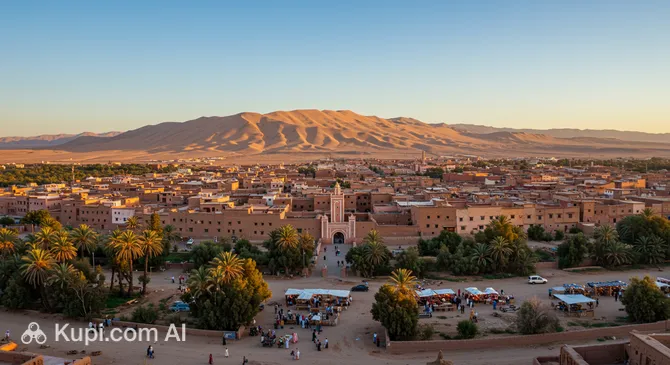
Shopping in Zagora offers a refreshing contrast to the frantic pace of the larger medinas in Morocco. Here, the experience is less about high-pressure sales and more about discovering authentic local craftsmanship and agricultural bounty. As the commercial center of the Drâa Valley, the town provides a genuine glimpse into the region's trade traditions, where the exchange of goods is deeply intertwined with desert culture.
The undisputed star of the local market is the date. With millions of palm trees in the surrounding valley, Zagora is one of the country's premier destinations for purchasing high-quality dates. The harvest season, typically in October, brings an abundance of varieties to the stalls. Look for the prized Aziza date, known for its rarity and distinct flavor, or the popular Boufeggous. Buying them here not only guarantees freshness but also supports the local farmers who have cultivated these groves for centuries.
Artisanal crafts are another highlight, with a focus on the unique heritage of the south. The region is famous for its Tamegroute pottery, easily recognizable by its signature emerald-green glaze. While the workshops are located in the nearby village of Tamegroute, you will find a wide selection of bowls, plates, and candle holders in Zagora's shops. These pieces are rustic and imperfect, characteristics that certify their handmade authenticity and traditional firing methods.
For those interested in jewelry, the historic district of Amazrou, located just across the dry riverbed, is a must-visit. This area has a long history of silver craftsmanship, originally established by Jewish artisans. Today, local silversmiths continue to create intricate pieces, including Berber fibulas (brooches), necklaces, and bracelets. Watching the artisans at work in their small ateliers adds a layer of appreciation to the purchase, allowing you to see the skill involved in shaping the metal.
No trip to the desert is complete without the proper attire, and Zagora is the perfect place to buy a Cheich. This long cotton scarf is essential for protection against the sun and sand. Shops throughout the town offer them in every color imaginable, from traditional indigo to vibrant saffron. Shopkeepers are usually happy to demonstrate the various ways to tie the turban, turning a simple purchase into a fun cultural lesson.
The heartbeat of the town's commerce is the weekly souk (market), typically held on Wednesdays and Sundays. This is where the locals shop, and it offers a sensory overload of spices, dried fruits, vegetables, and livestock. Wandering through the aisles provides a fascinating look at daily life in the oasis. You can find bags of cumin, saffron, and henna, often at prices significantly lower than in tourist-heavy cities like Marrakech.
When shopping in Zagora, keep in mind that cash is essential. While some larger carpet shops or hotels might accept credit cards, market stalls and small artisans deal exclusively in Dirhams. Bargaining is a standard part of the transaction, but it is generally conducted with a smile and a sense of mutual respect. Start by offering a lower price than asked, and work your way to a fair compromise, enjoying the social interaction as much as the deal itself.