Support

Mahon

About

Welcome to Mahon (often referred to locally as Maó), the vibrant capital of the beautiful island of Menorca. This charming city seamlessly blends authentic Mediterranean tradition with a unique colonial legacy, offering visitors a relaxed yet culturally rich atmosphere that sets it apart from other destinations in the region.

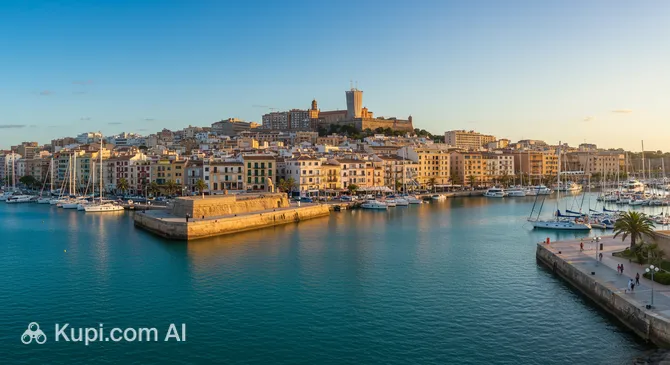
Situated in the easternmost part of the Balearic Islands in Spain, Mahon is dramatically built atop cliffs overlooking a magnificent harbor. With a population of approximately 30,000 residents, the city maintains a cozy, friendly feel while serving as the administrative and commercial hub of the island. Its mild Mediterranean climate makes it a delightful destination to explore year-round.

Mahon. Source: Kupi.Binoculars

The city is globally renowned for possessing one of the largest natural harbors in the world, stretching over 5 kilometers inland. This strategic location has deeply influenced the history of Mahon, attracting various civilizations over the centuries. Most notably, a significant period of British occupation in the 18th century left a lasting mark on the local architecture, giving the city a distinctive look with its sash windows and Georgian-style buildings.

Travelers will find plenty to do, from strolling along the bustling waterfront promenade lined with restaurants and cafes to visiting the Church of Santa Maria, famous for its massive 19th-century organ. Another unique feature is the local production of gin; a visit to the Xoriguer Gin Distillery offers a taste of this enduring tradition. Whether you are interested in culinary delights—such as the famous Mahón cheese—or maritime heritage, Mahon is an inviting gateway to the wonders of Menorca.

Weather Overview

Mahon enjoys a pleasant Mediterranean climate, making it an attractive destination throughout the year. The weather is characterized by distinct seasons that offer different experiences for travelers. For a detailed breakdown of what to expect during your specific travel dates, you can consult the guide to the weather in Mahon.

Summers are typically warm and sunny, with August being the hottest month, boasting an average temperature of approximately 25.9°C and highs reaching nearly 27.1°C. This season is notably dry; for instance, July sees almost no rainfall with only about one wet day on average. It is the perfect time for enjoying the island's coastline and outdoor dining.

Winters are mild rather than harsh, with average temperatures in January and February hovering around 12.7°C to 12.8°C. While it rarely gets freezing, the cooler months do bring more precipitation. November is typically the wettest month, experiencing around 12 days of rain. Overall, you can expect warm, dry summers with abundant sunshine and mild winters with occasional rain.

Interesting Facts

Beyond the main attractions and the bustling harbor, Mahon holds fascinating stories that reveal its deep connection to maritime history and international culture. From culinary legends to architectural marvels, the city offers curious details that often surprise visitors.

Fortress of Isabel II (La Mola). Source: Kupi.Binoculars
  • One of the world's most popular condiments, mayonnaise, is widely believed to have originated right here in Mahon. Legend has it that the French Duke of Richelieu discovered the local "salsa mahonesa" after capturing the port in 1756 and brought the recipe back to France, where it became a global staple.

  • The city is home to the Teatro Principal de Maó, which holds the distinction of being the oldest opera house in Spain. Built in 1829 by an Italian architect, this historic venue highlights the city's long-standing passion for the arts and remains an active cultural hub today.

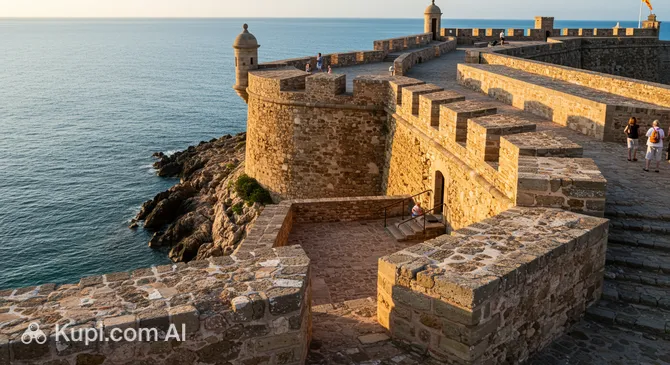
  • The massive Fortress of Isabel II (La Mola) guarding the harbor entrance is considered a masterpiece of 19th-century military engineering. Interestingly, despite its formidable design and strategic importance, the fortress never saw active combat, serving instead as a powerful deterrent against potential invaders.

  • Inside the Church of Santa Maria of Mahón, you will find a spectacular organ equipped with over 3,000 pipes. This instrument is not only famous for its impressive sound but also for its resilience; it managed to endure the turbulence of the Spanish Civil War relatively unscathed, unlike many other religious artifacts of the era.

How to Get There

Reaching this island destination is an adventure in itself, with most travelers arriving by air or sea. As an island capital, the city relies heavily on its maritime and aerial connections. You can find more about how to get to Mahon and the various transport options available to help plan your journey.

The most convenient entry point is Menorca Airport (IATA: MAH), which serves as the main gateway to the island. It is an international airport located just 4.5 km from the city center, making the transfer quick and easy. A taxi or bus ride is very brief, typically taking a short 10 to 15-minute drive. For those traveling from further afield, Barcelona-El Prat Airport (IATA: BCN) in Barcelona acts as a major connecting hub. Although it is located on the mainland about 242 km away, it offers frequent connecting flights and ferry links to Menorca.

For clarity, here is a summary of the main airports:

Airport Name City Passenger Traffic Km from City
Barcelona-El Prat Airport Barcelona Large 242.1
Palma de Mallorca Airport Palma Large 136.1
Ibiza Airport Ibiza Medium 273.0
Menorca Airport Mahon Medium 4.5
Girona-Costa Brava Airport Girona Medium 256.8

The city of Mahon does not have a railway station, as there are no trains on the island of Menorca. Travelers preferring rail transport generally take a train to a major mainland port city before catching a ferry. You can arrive at Sants Railway Station in Barcelona, which is approximately 244 km away across the sea. From the station, you would need to transfer to the ferry port or airport to complete your journey to Mahon.

Below is an overview of the nearest major railway stations on the mainland:

Station City Passenger Traffic Km to Center
Sants Railway Station Barcelona High 244.1
Girona Railway Station Girona Medium 262.1
Tarragona Camp Station Tarragona Medium 288.8
Estació de França Barcelona Medium 241.6

Main Attractions

Mahon is a city where layers of history coexist with stunning natural landscapes. From its prehistoric roots to its colonial military legacy and pristine coastal spots, the city offers a diverse array of sights for every type of traveler. Exploring these attractions provides a deeper understanding of why this harbor city has been so coveted throughout the centuries.

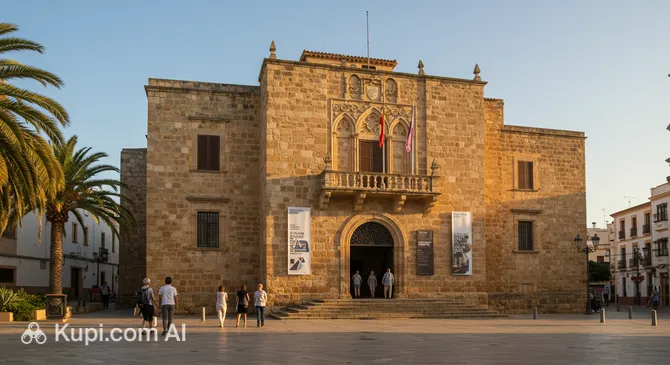
For those interested in delving into the island's rich past, the Museum of Menorca is an essential stop. Housed in a beautifully restored 17th-century Franciscan monastery, it serves as the most important museum on the island. The exhibits take visitors on a journey through time, from the earliest prehistoric settlers to the various conquests that shaped local culture. The building itself, with its elegant baroque cloister, is as impressive as the collections it holds.

Museum of Menorca. Source: Kupi.Binoculars

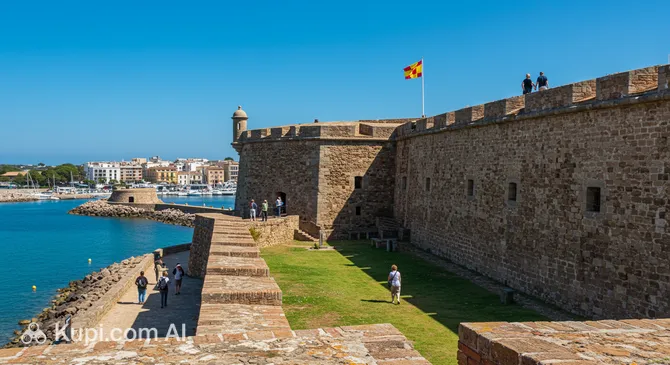
A testament to the city's strategic military importance is Fort Marlborough. Located in the cove of Sant Esteve, this fortification was built by the British in the 18th century to protect the harbor entrance. What makes it particularly interesting is that much of it is carved directly into the rock. Visitors can explore its underground galleries and trenches, which feature reenactments that vividly bring the turbulent history of the era to life.

Fort Marlborough. Source: Kupi.Binoculars

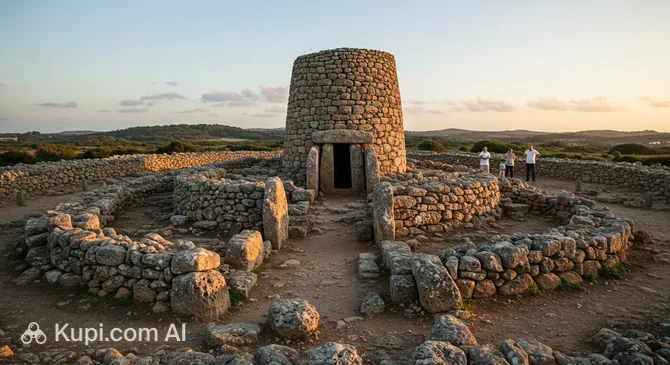
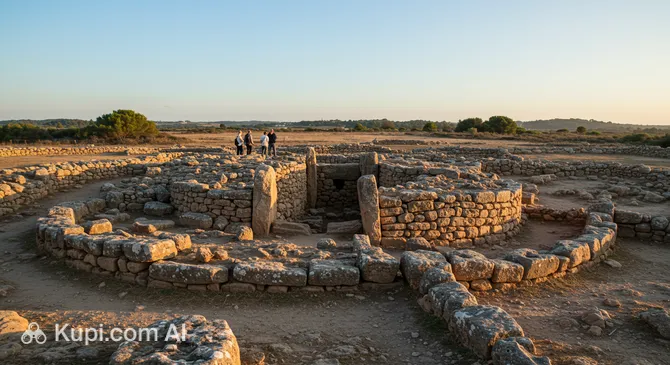
Menorca is famous for its mysterious prehistoric sites, and the Trepucó Talayotic Settlement is one of the best places to experience this ancient culture near the capital. This archaeological site features a massive "taula" (a T-shaped stone monument) and remains of talayots (watchtowers) dating back nearly three millennia. Walking among these ancient stones offers a quiet and atmospheric glimpse into the lives of the island's earliest inhabitants.

Trepucó Talayotic Settlement. Source: Kupi.Binoculars

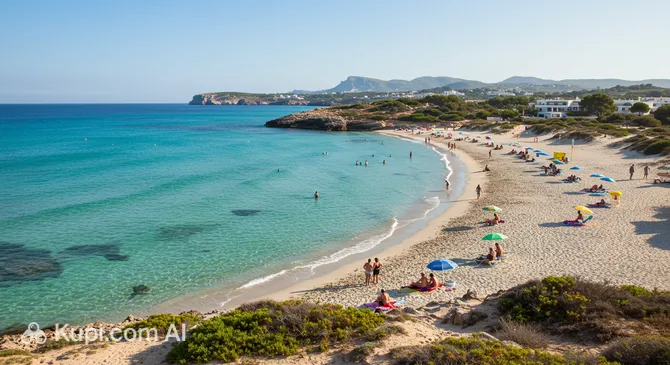
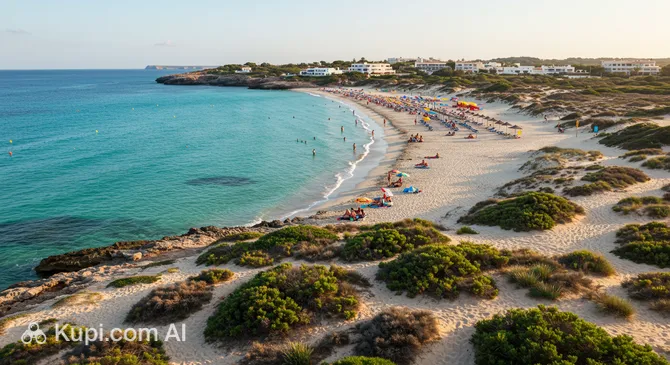
If you are looking to relax by the sea, Sa Mesquida Beach is a favorite among locals and visitors alike. Situated just north of the harbor, this crescent-shaped bay is framed by a historic defense tower and rugged hills. Its crystal-clear turquoise waters and golden sands make it a perfect spot for swimming or simply soaking up the Mediterranean sun in a picturesque, natural setting.

Sa Mesquida Beach. Source: Kupi.Binoculars

Local Cuisine

The gastronomy of Mahon is a delicious reflection of its maritime history and the island's fertile landscape. At the heart of the local cuisine is fresh seafood, with the undisputed star being Caldereta de Langosta. This rich lobster stew is Menorca's signature dish, traditionally cooked in an earthenware pot with a flavorful base of tomatoes, onions, peppers, and garlic. It is a must-try experience, often best enjoyed in the specialist seafood restaurants lining the harbor.

Beyond seafood, the city is famous for its artisanal products, particularly Mahón-Menorca cheese. This cow's milk cheese has a Protected Designation of Origin status and is known for its distinctive square shape and orange rind, rubbed with butter and paprika. Visitors can sample it in various stages of maturity, ranging from soft and mild to hard and intensely spicy. It is often served as an appetizer, drizzled with olive oil and accompanied by local bread.

The British legacy in Mahon has left a lasting mark on the local drinking culture, most notably through the production of gin. Gin de Menorca is aromatic and distilled in copper stills using wine alcohol and juniper berries. Locals typically enjoy it in the form of a Pomada, a refreshing cocktail made by mixing the gin with cloudy lemonade and plenty of ice. This drink is ubiquitous during summer festivals and serves as a perfect cooling beverage on warm evenings.

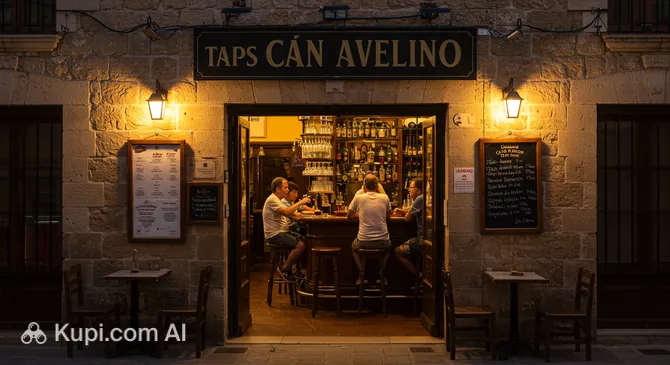
Taps Can Avelino. Source: Kupi.Binoculars

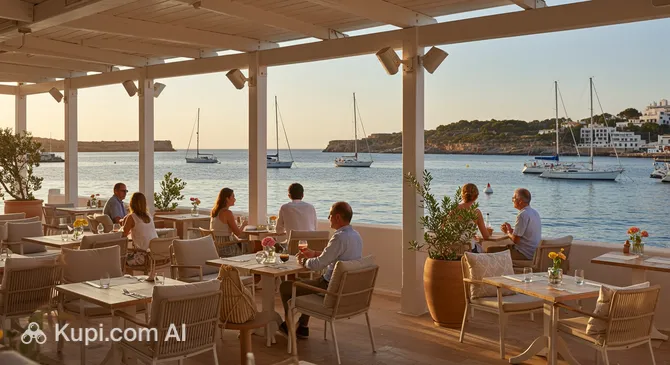
The dining scene in Mahon is vibrant and varied, centered largely around the magnificent port and the bustling fish market, where you can buy fresh produce or enjoy "pintxos" at the bar counters. For a relaxed atmosphere and a great selection of creative tapas, Taps Can Avelino is a popular choice among residents and travelers alike. If you are looking for a meal that combines excellent Mediterranean cuisine with stunning coastal views, Sa Punta Menorca offers a memorable setting to enjoy the island's culinary delights.

Travel Tips

Planning a trip to Mahon can be the start of an unforgettable Mediterranean adventure, but knowing a few local nuances will help you navigate the city with ease and confidence. To ensure your visit to the capital of Menorca is as smooth as it is enjoyable, here is a collection of practical tips designed to help you travel like a pro.

  1. Clothing and Gear: Mahon is built on cliffs with many sloping streets and cobblestones, so bringing comfortable walking shoes is absolutely essential for exploring the city center. In summer, light, breathable fabrics and sun protection are a must, while a light jacket is recommended for breezy evenings or if you visit during the cooler months. If you plan to enter the Church of Santa Maria or other religious sites, remember to dress modestly by covering your shoulders and knees.
  2. Transportation: The city center is compact and best explored on foot, but to reach the surrounding beaches or remote villages, renting a car is highly recommended for maximum flexibility. Public transport is reliable; the local bus network (TMSA) connects Mahon with the airport and major towns across the island efficiently. Taxis are available at designated ranks, but ride-hailing apps are less common here than on the mainland, so keeping a local taxi number handy is a good idea.
  3. Finances: The official currency is the Euro (€). While credit and debit cards are widely accepted in most hotels, restaurants, and shops, it is wise to carry some cash for small purchases at local markets, cafes, or on the bus. ATMs are plentiful in the city center. Tipping is not mandatory but is appreciated; leaving a small amount (rounding up the bill or 5-10%) for good service is standard practice.
  4. Health and Safety: Mahon is a very safe destination for tourists, but standard precautions against petty theft in crowded areas should still be taken. Pharmacies are marked with a green cross, and there is always one on "guardia" (duty) 24/7 for emergencies; checking the schedule posted on any pharmacy door will tell you which one is open. The general emergency number for police, fire, or ambulance is 112.
  5. Communication: The official languages are Spanish and Catalan (specifically the Menorquí dialect), but English is widely spoken in the hospitality sector and tourist areas. Learning a few basic phrases like "Hola" (Hello) and "Gracias" (Thank you) is always a polite gesture that locals appreciate. Free Wi-Fi is often available in public squares and cafes, and EU citizens can use their mobile data plans without roaming charges.
  6. Local Etiquette: The island operates on a relaxed Mediterranean schedule. Lunch is typically served between 1:30 PM and 3:30 PM, and dinner is a late affair, rarely starting before 8:30 PM or 9:00 PM. Be aware of the "siesta" tradition; many smaller shops and businesses close in the afternoon, roughly from 2:00 PM to 5:00 PM, before reopening for the evening.
  7. What to Avoid: Do not walk around the city center or enter shops and restaurants wearing only swimwear; this is considered disrespectful and is strictly for the beach. Also, avoid rushing or expecting instant service; the pace of life here is slower and more laid-back ("poco a poco"), so patience is key to enjoying the local vibe.
  8. Market Insight: For an authentic culinary experience, visit the Mercat de Peix (Fish Market) around midday. It is not just a place to buy fresh seafood; one side of the market is dedicated to counters serving delicious tapas and local wines, making it a favorite meeting spot for locals to enjoy an aperitif before lunch.

By keeping these practical tips in mind, you will be well-prepared to embrace the laid-back rhythm and historic charm of Mahon. Whether you are navigating its historic streets or enjoying a late sunset dinner by the harbor, you are set for a relaxing and hassle-free experience on this beautiful Balearic island.

Entertainment & Nightlife

The nightlife in Mahon is a reflection of the island's overall character: relaxed, sophisticated, and deeply connected to the sea. Unlike the high-energy clubbing scenes found on neighboring islands, the evenings here are centered around socializing on open-air terraces, enjoying live jazz, and sipping cocktails while overlooking the water. The atmosphere is welcoming and laid-back, attracting a crowd that appreciates good conversation and stunning views over thumping bass lines.

The epicenter of evening entertainment is undoubtedly the Port of Mahon, specifically along the Moll de Llevant and Moll de Ponent. As the sun sets, this area transforms into a bustling promenade lit by the warm glow of streetlamps and venue lights. Here, you will find a dense concentration of music bars, gastro-pubs, and lounge terraces. It is the perfect place to stroll, browse the small night markets that often pop up during the summer months, and soak in the maritime vibe.

For those starting their evening, Taps Can Avelino is a fantastic spot to immerse yourself in the local social scene. Known for its vibrant atmosphere and excellent selection of wines and tapas, it serves as a popular meeting point for both locals and visitors before the night progresses. If you prefer a venue that combines exquisite dining with a relaxed late-night ambiance, Sa Punta Menorca offers a memorable experience with its panoramic views of the harbor, making it an ideal location for a long, leisurely evening.

Sa Punta Menorca. Source: Kupi.Binoculars

Practicality is key to enjoying a night out in Mahon. The action starts relatively late, with bars filling up around 10:00 PM or 11:00 PM. Most venues stay open until 2:00 AM or 3:00 AM, especially on weekends. The dress code is generally "smart casual"—think summer linens and comfortable but neat attire. Prices are moderate, though tables right on the waterfront may command a premium. Getting around is easy; the port area is walkable, but if your accommodation is in the upper town or further afield, taxis are readily available and can be hailed at designated ranks or ordered by phone.

Safety is rarely a concern in Mahon. The port and city center are well-lit and populated, making them safe for walking at night. However, standard travel common sense applies. If you need to return to a hotel outside the city center late at night, booking a taxi in advance is recommended, as services can be busy during peak summer months.

While the nights are enchanting, Mahon also offers diverse entertainment during the day. Culture enthusiasts can visit the historic Teatro Principal, one of the oldest opera houses in Spain, which hosts a variety of performances. For a journey into the island's ancient past, the Talatí de Dalt Talayotic Settlement provides a fascinating daytime excursion. Exploring these prehistoric ruins offers a quiet contrast to the lively buzz of the harbor, rounding out a perfect blend of history and leisure.

Talatí de Dalt Talayotic Settlement. Source: Kupi.Binoculars

Parks & Museums

Beyond its bustling harbor and colonial architecture, Mahon offers a surprising wealth of green spaces and cultural institutions that invite visitors to explore the island's quieter, more artistic side. The city effectively balances its role as a busy administrative capital with serene natural areas and museums that preserve the rich heritage of Menorca.

For a peaceful escape within the city limits, Parc des Freginal is the largest public park in Mahon and a favorite among locals seeking tranquility. This lush green lung is situated in a valley and features well-maintained gardens, shaded walking paths, and a playground, making it an excellent spot for a leisurely afternoon stroll or a family picnic. The park's layout reflects a blend of Mediterranean flora and English garden influences, providing a cool retreat from the summer heat.

Cala Sa Mesquida. Source: Kupi.Binoculars

Just a short distance from the urban center lies the stunning natural area of Cala Sa Mesquida. While often visited for its waters, the surrounding landscape is a protected natural area characterized by rolling dunes and rugged hills. It serves as a perfect example of the island's Biosphere Reserve status, offering visitors a chance to hike along the coast and admire the pristine, wild beauty of the Menorcan landscape away from the more developed resorts.

Cultural enthusiasts should not miss the Museum of Menorca, the island's definitive institution for history and archaeology. While it is housed in a former monastery, its collections are vast and varied, covering everything from the enigmatic Talayotic culture to the Byzantine, Islamic, and British periods. It provides the essential context needed to understand the complex layers of civilization that have shaped the city over thousands of years.

Another significant cultural venue is Ca n'Oliver, a magnificent 18th-century bourgeois mansion that now serves as the Hernandez Sanz - Hernandez Mora Art and History Collection. The building itself is an architectural gem, featuring period furniture and decorative arts that offer a glimpse into the opulent lifestyle of Mahon's merchant class during the 18th and 19th centuries. The center also hosts temporary art exhibitions and offers wonderful views of the harbor from its tower.

Church of Santa Maria of Mahón. Source: Kupi.Binoculars

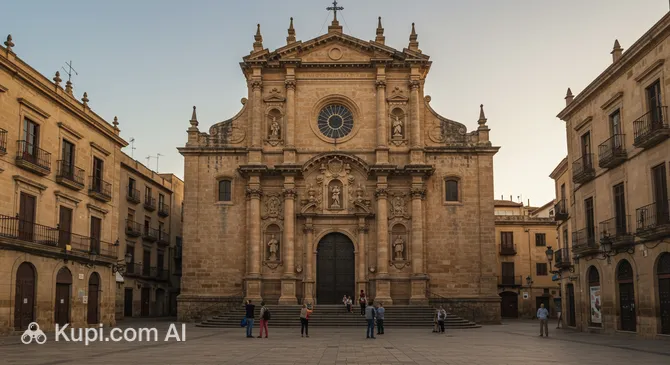
Dominating the city's skyline is the Church of Santa Maria of Mahón, a key architectural landmark located in the heart of the town. Built in the 18th century on the site of an earlier Gothic church, its neoclassical exterior hides a grand interior known for its monumental dimensions. It is a focal point for both religious and cultural events, standing as a testament to the city's enduring spiritual heritage.

For a truly unique art experience, take the short boat trip to Illa del Rei in the middle of the harbor. This islet is home to the celebrated Hauser & Wirth gallery, which has transformed historic naval hospital buildings into a world-class contemporary art space surrounded by Piet Oudolf-designed gardens. It is an exceptional fusion of avant-garde art, history, and nature that has put Mahon firmly on the international cultural map.

Getting Around

Navigating Mahon is remarkably straightforward, as the city is compact and pedestrian-friendly. Unlike larger European capitals, there is no metro, tram, or rail system here. Instead, the public transport network relies primarily on a reliable and efficient bus service that connects the city center with the airport, surrounding neighborhoods, and other towns across the island. For most tourists, the combination of walking and utilizing the local buses is sufficient for exploring the main attractions.

The backbone of the local transport system is the bus network, operated largely by TMSA (Transportes Menorca). The main transport hub is the Estació d'Autobusos (Bus Station), located near the Plaça de l'Esplanada. From here, you can catch buses to almost any destination, including the popular Line 10 which provides a quick shuttle service to and from the airport. The buses are modern, air-conditioned, and generally run on a punctual schedule, making them a comfortable option for getting around.

A unique and highly practical feature of Mahon's transport infrastructure is the public lift (Ascensor). Since the city is split between the historic center on the cliffs and the harbor below, this glass-walled elevator connects the Moll de Ponent (port area) with the Parc Rochina near the city center. It offers stunning panoramic views of the harbor as you ascend and, best of all, it is typically free to use. This saves visitors the effort of climbing the steep "Costa de Ses Voltes" stairs, especially during the hot summer months.

Regarding payment, the system is traditional and user-friendly. For most short bus journeys within the city or to nearby beaches, you purchase single tickets directly from the driver upon boarding. It is highly advisable to carry cash, specifically coins or small notes (usually €5 or €10), as drivers may not have change for large denominations and card machines are not always available on every vehicle. Ticket prices are affordable, typically ranging from €1.50 to €2.65 depending on the distance, with the airport bus being slightly more expensive.

For those who prefer a more leisurely way to see the sights, the Mahon Express is a seasonal tourist train that operates during the warmer months. While primarily an attraction, it serves as a convenient loop transport, winding through the narrow streets of the old town and down to the port. It provides an audio guide in multiple languages and is an excellent way to get your bearings without navigating the hills on foot.

Taxis are a popular alternative, especially for dining out late at night when bus frequencies drop. Official taxis are white with a green light on the roof indicating availability. You can find them at designated ranks (paradas) at the airport, the bus station, and the port. Ride-hailing apps are not the standard here; it is better to call a local radio taxi service or simply walk to the nearest rank. While car rentals are extremely popular for exploring the rest of the island, they are generally unnecessary for staying strictly within Mahon due to limited parking in the historic center.

Finally, given the city's maritime nature, water taxis and yellow catamarans offer a scenic way to cross the expansive harbor. These boats not only serve as transport between different points of the port, such as moving from the city side to the Illa del Rei or La Mola fortress, but also provide a refreshing perspective of the city from the water.

Accommodation

Accommodation:

Finding the right place to stay in Mahon is the first step to enjoying a relaxing Menorcan holiday. The city offers a diverse range of accommodation options that cater to different travel styles, though it differs significantly from the typical beach resort destinations found elsewhere on the island. Instead of sprawling all-inclusive complexes, the capital is characterized by charming boutique hotels housed in historic Georgian buildings, functional mid-range city hotels, and a wide variety of private rental apartments. For budget travelers, there are also a few hostels and guesthouses that provide basic but comfortable amenities.

When choosing a location, most visitors decide between two distinct areas: the historic city center (located atop the cliffs) or the Port of Mahon (down by the water). Staying in the city center is incredibly convenient for accessing cultural sites, shops, and the main bus station, making it the best choice for those relying on public transport. On the other hand, accommodation along the harbor offers stunning maritime views and immediate access to the city's vibrant dining and nightlife scene, though you will need to use the public lift or stairs to reach the main town for daytime errands.

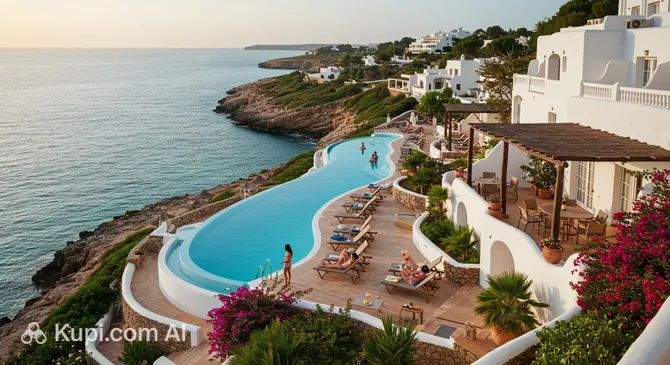
For travelers seeking a reliable and well-situated option, the Capri Hotel is a popular choice. It offers a comfortable blend of modern amenities and accessibility, making it an excellent base for exploring both the urban attractions of the capital and the surrounding beaches.

Capri Hotel. Source: Kupi.Binoculars

Regarding costs, prices in Mahon can vary significantly depending on the season. During the peak summer months of July and August, rates are at their highest, and availability can become scarce very quickly. It is highly recommended to book your accommodation several months in advance if you plan to visit during this time. The shoulder seasons (May, June, September, and October) often offer a better balance of pleasant weather and more reasonable prices. Booking is typically done through major online platforms, though contacting smaller boutique properties directly can sometimes yield better rates or specific room requests.

Nearby Cities

For those looking to explore the surroundings, Mahon serves as an excellent base for day trips to several interesting nearby locations. While Mahon offers plenty to see, the city's position in the Balearic Islands allows for exciting excursions to neighboring destinations via short flights or ferry crossings, offering a glimpse into the broader culture of the archipelago.

The most prominent nearby destination is Palma, the capital of Mallorca and the Balearic Islands. Located approximately 142 km away, it is accessible for a long day trip or an overnight stay. Palma stands out for its magnificent Gothic Cathedral (La Seu) dominating the waterfront, its historic Arab Baths, and a vibrant cosmopolitan energy that contrasts with the quieter pace of Menorca. It is a hub for shopping, gastronomy, and architectural sightseeing.

Another interesting option on the neighboring island is Manacor. Famous internationally as the birthplace of tennis star Rafael Nadal, the town hosts his renowned sports academy and museum. Historically, Manacor is also celebrated for its artificial pearl industry, and visitors can tour factories to see the manufacturing process. The town serves as a convenient gateway to the stunning Caves of Drach, one of Mallorca's most impressive natural wonders.

City Population Distance (km)
Palma 550000 142
Calvia 51567 155
Manacor 45352 97
Blanes 40579 234
Marratxí 38902 134

These nearby destinations offer a glimpse into the diverse culture and landscapes of the region. While some require a ferry or flight to reach, they provide excellent opportunities for travelers wishing to extend their Mediterranean experience beyond the shores of Menorca.

Shopping & Souvenirs

Shopping in Mahon is a delightful experience that mirrors the city's relaxed and authentic character. Unlike the frenetic pace of major European capitals, the retail scene here is laid-back and intimate, characterized by pedestrian-friendly streets and historic architecture rather than massive concrete complexes. Visitors can expect a charming mix of traditional family-run businesses, artisan workshops, and stylish boutiques selling international fashion, all within easy walking distance of each other.

The heart of the city's shopping district is the pedestrian zone in the historic center. The main arteries are Carrer de s'Arravaleta and Carrer Nou, along with the elegant Carrer de ses Moreres. These streets are lined with a variety of stores ranging from clothing and footwear to perfumeries and bookstores. It is a pleasure to wander through this "open-air shopping center," where you can browse the latest trends while admiring the colonial-style buildings and stopping for a coffee in one of the many plazas.

Travelers looking for large-scale shopping malls might be surprised to find that Mahon does not have the typical multi-story mega-malls found on the mainland. Instead, the city prides itself on its local commerce. While there is an industrial estate (Polígono) on the outskirts with larger supermarkets and furniture stores, the true shopping appeal for tourists lies in the concentrated retail offer of the old town, which functions effectively as a vibrant, open-air commercial hub.

Markets are an essential part of daily life in Mahon and a must-visit for any shopper. The most spectacular is the Mercat del Claustre (Cloister Market), located within the ancient cloisters of the Carme Church, not far from the Church of Santa Maria of Mahón. Here, beneath beautiful stone arches, you will find stalls selling fresh produce, cold cuts, and local crafts. Just a few steps away is the famous Fish Market (Mercat de Peix), which, while primarily for seafood, also sells local gourmet products. During the summer months, the port area comes alive in the evenings with the Mercat de Nit, an artisan night market perfect for finding unique handmade jewelry and gifts.

When it comes to souvenirs, Mahon offers high-quality local products that make for excellent gifts. The most iconic item to buy is a pair of Avarcas (also known as Menorquinas), the traditional leather sandals worn by locals. For foodies, a wheel of Mahón-Menorca cheese or a bottle of the aromatic Gin Xoriguer are essential purchases. Ceramics and costume jewelry are also significant local industries, with many shops offering beautiful, locally designed pieces that capture the spirit of the Mediterranean.

Understanding the local schedule is crucial for a successful shopping trip. Most shops in the city center operate on traditional Spanish hours, opening around 9:30 AM or 10:00 AM and closing for the afternoon "siesta" between 1:30 PM and 5:00 PM. They reopen in the evening until roughly 8:30 PM. However, during the peak summer season, many tourist-oriented shops may stay open later or skip the midday break. Sundays are generally quiet, with most retail stores closed, although some souvenir shops near the port may remain open.

Payment is straightforward, with major credit and debit cards (Visa, Mastercard) being widely accepted even for small amounts. However, it is always useful to carry some cash for small purchases at market stalls or for buying small souvenirs. For visitors residing outside the European Union, tax-free shopping is available. Look for the "Tax Free" sign in shop windows to reclaim the VAT (IVA) on purchases that meet the required threshold, a process that can usually be completed at the airport upon departure.
Reached the end of the page?

That means the route is fully explored