Support

Lorient

About

Lorient is a captivating port city located in the Brittany region of France. Situated where the rivers Scorff, Ter, and Blavet flow into the Atlantic Ocean, this maritime hub is defined by its deep connection to the sea. With a population of approximately 57,000 residents, Lorient offers a dynamic atmosphere that perfectly balances its industrial heritage with a modern, lively spirit.

The city was originally established in the 17th century to support the operations of the French East India Company. Visitors interested in the history of Lorient will discover how it evolved from a strategic trading post into a resilient city that was rebuilt after World War II. Today, it stands as a "City of Art and History," proud of its unique architectural identity and maritime legacy.

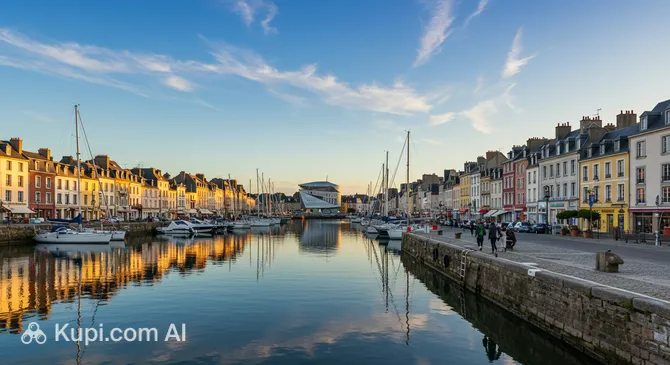
Lorient. Source: Kupi.Binoculars

One of the city's main draws is the Cité de la Voile Éric Tabarly, the only museum in Europe dedicated entirely to offshore sailing and ocean racing. History enthusiasts should not miss the Keroman Submarine Base, a massive complex of bunkers from the Second World War that has been converted into a fascinating tourist site. Additionally, Lorient is world-famous for its annual Interceltic Festival, which fills the streets with music, dance, and cultural celebrations every August.

Whether you are looking to explore the world of sailing, dive into historical intrigues, or simply enjoy fresh seafood by the harbor, Lorient is a welcoming destination. It serves as an excellent gateway for discovering the rugged beauty and cultural richness of the southern Breton coast.

Weather Overview

Lorient experiences a temperate oceanic climate, characterized by mild winters and pleasantly warm summers. The city's proximity to the Atlantic Ocean moderates the temperature year-round, ensuring that it rarely gets extremely hot or bitterly cold. Travelers planning a trip can consult the detailed guide to the weather in Lorient to pack appropriately for the season.

The warmest months are typically July and August, with average temperatures hovering around 18.5°C and daily highs reaching approximately 21.7°C. These summer months are also the driest, with July seeing only about 8 wet days. In contrast, the winter period is cooler and damper; January is usually the coldest month with an average temperature of 7.4°C. Precipitation is more frequent during the cooler season, with months like December and March experiencing up to 15 wet days.

Interesting Facts

Beyond the main attractions, Lorient holds many fascinating secrets that reveal its evolution from a colonial shipyard to a modern racing capital. These lesser-known details offer a deeper appreciation of the city's unique character and resilience.
  • The Origin of the Name: The city owes its name to a specific ship, the Soleil d'Orient ("Sun of the East"), which was constructed in the local shipyards in the 17th century for the French East India Company. The area was frequently referred to as "L'Orient" by the workers and sailors, a nickname that eventually became the official name of the city.

  • The "Sailing Valley": The former military site at the submarine base has been completely reinvented as a global hub for elite offshore racing, earning it the nickname "Sailing Valley." It serves as the home port for the world's fastest racing yachts and skippers, a legacy celebrated at the Eric Tabarly Sailing City.

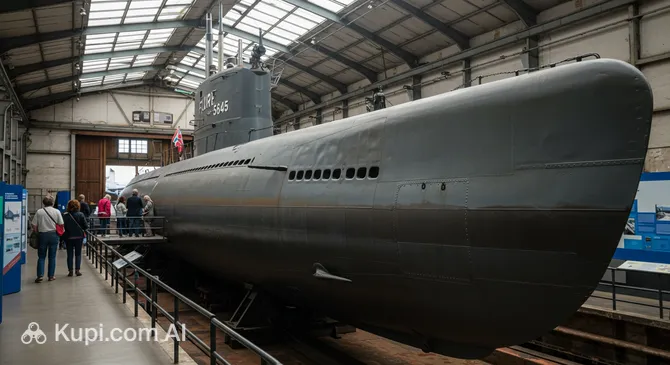
  • A Submarine Inside a Bunker: While the massive concrete bunkers are visible from the outside, few realize they house a fully preserved Cold War-era vessel. Visitors can step aboard the Flore Submarine S645, which is dry-docked within the K2 bunker, to experience the confined reality of life underwater.

  • A Seafood Powerhouse: Lorient-Keroman is not just a historic harbor; it is the second-largest fishing port in France for fresh catch. The port is a hive of activity in the early hours, handling thousands of tons of fish and langoustines annually that supply top restaurants across the country.

Flore Submarine S645. Source: Kupi.Binoculars

How to Get There

Planning a trip to Brittany requires considering the best entry points to the region. Whether you prefer flying or taking the train, there are several convenient options available. You can find more about how to get to Lorient and choose the route that suits your itinerary best.

For those arriving by air, the most convenient option is often Lann Bihoue Airport (LRT), which is located directly in Lorient, just 5.4 km from the city center. It is a small regional airport, so flight availability may be limited compared to larger hubs. Alternatively, many travelers choose Nantes Atlantique Airport (NTE) in the city of Nantes, situated approximately 148 km away. It is a major international hub offering a wider range of connections. You might also consider Brest Bretagne Airport (BES) in Brest, which is roughly 110 km from Lorient, providing another viable entry point to the region.

For clarity, here is a summary of the main airports:

Airport Name City Passenger Traffic Km from City
Nantes Atlantique Airport Nantes High 148.3
Brest Bretagne Airport Brest Medium 110.2
Rennes Airport Rennes Medium 127.4
Pleurtuit Airport Dinard Small 133.9
Lann Bihoue Airport Lorient Small 5.4

If you prefer traveling by rail, you can reach the region via major transport hubs nearby. One significant option is Nantes Railway Station in the city of Nantes, located about 149.9 km from Lorient. From there, you can continue your journey to the coast. Another key hub is Rennes Station in Rennes, situated 132.9 km away, serving as a major gateway to Brittany with frequent high-speed connections.

Below is a list of the closest major railway stations:

Station City Passenger Traffic Km to Center
Nantes Railway Station Nantes High 149.9
Rennes Station Rennes High 132.9
Angers Saint-Laud Station Angers Medium 213.9
Le Mans Railway Station Le Mans Medium 267.9

Main Attractions

Attractions:

Lorient offers a fascinating mix of industrial history and modern maritime culture, making it a unique destination in Brittany. The city's transformation from a strategic military port to a hub for ocean racing provides visitors with a variety of engaging experiences, from exploring massive bunkers to learning the art of sailing.

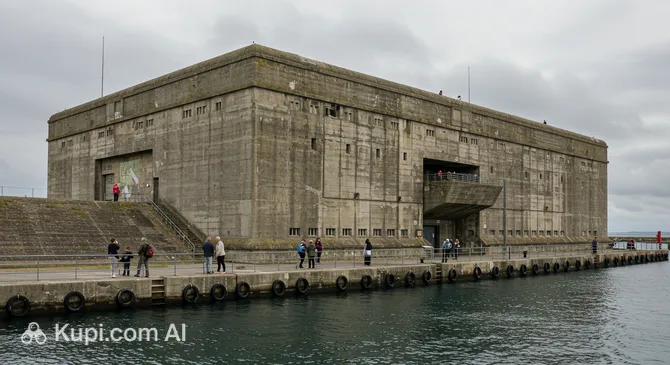
A dominant feature of the city's landscape is the Lorient Submarine Base. Also known as the Keroman Base, this colossal complex of concrete bunkers was built during the Second World War and survives as a testament to 20th-century history. Today, the site has been repurposed into a vibrant area that hosts businesses, museums, and tours, allowing visitors to grasp the scale of the architecture and its historical significance.

Lorient Submarine Base. Source: Kupi.Binoculars

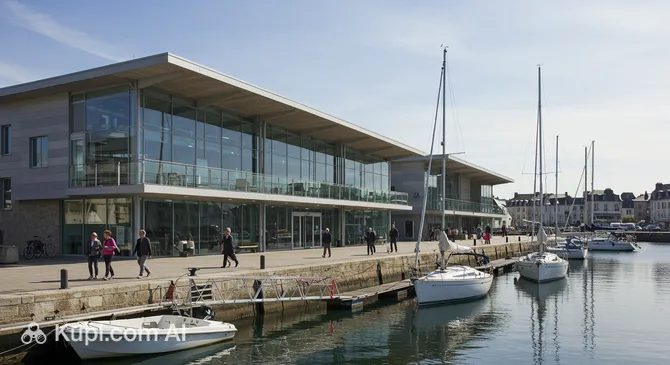
Located within this historic maritime precinct is the Eric Tabarly Sailing City (Cité de la Voile). This interactive museum is the only one of its kind in Europe, dedicated entirely to offshore sailing and ocean racing. Named after the legendary French sailor, the center offers flight simulators, hands-on workshops, and exhibitions that let you experience the thrill of navigating the open seas.

Eric Tabarly Sailing City. Source: Kupi.Binoculars

For a truly immersive experience, you can step aboard the Flore Submarine S645. Nestled inside one of the massive bunkers, this decommissioned vessel has been converted into a museum ship. Visitors can tour the cramped interior to understand the daily lives of submariners, complete with an audio guide that brings the operational history of the boat to life.

If you are looking for leisure and relaxation, the Moustoir Aquatic Center is a popular spot for families and travelers alike. This modern facility features multiple swimming pools, slides for children, and wellness areas with saunas and hammams, offering a refreshing break after a day of sightseeing.

Local Cuisine

As one of the most important fishing ports in France, Lorient offers a culinary scene that is inextricably linked to the sea. The local gastronomy is fresh, unpretentious, and deeply rooted in Breton traditions. For seafood lovers, this city is a paradise where the catch of the day travels straight from the boats at the Keroman port to the plates of local restaurants.

The undisputed star of Lorient's tables is the langoustine, affectionately known locally as the "Demoiselle de Lorient." These sweet, tender crustaceans are often enjoyed simply boiled with homemade mayonnaise or grilled to highlight their delicate flavor. Another must-try dish is the Cotriade, a traditional Breton fish stew similar to bouillabaisse but made with local varieties of fish and potatoes, often served with toasted bread and butter.

Beyond seafood, Lorient embraces the classic staples of Brittany. No visit is complete without tasting a galette, a savory buckwheat pancake typically filled with ham, cheese, and egg, followed by a sweet wheat crêpe for dessert. For those with a sweet tooth, the rich and buttery Kouign-amann cake is a decadent treat that perfectly represents the region's love for salted butter.

To accompany these meals, the local drink of choice is Breton cider, ranging from sweet to dry, and traditionally served in a ceramic bowl called a "bolée." Given Lorient's strong Celtic connections, there is also a vibrant pub culture where you can enjoy local craft beers and ciders in a lively atmosphere. A great place to experience this warm, festive spirit is Tavarn Ar Roué Morvan, a bar known for its authentic setting.

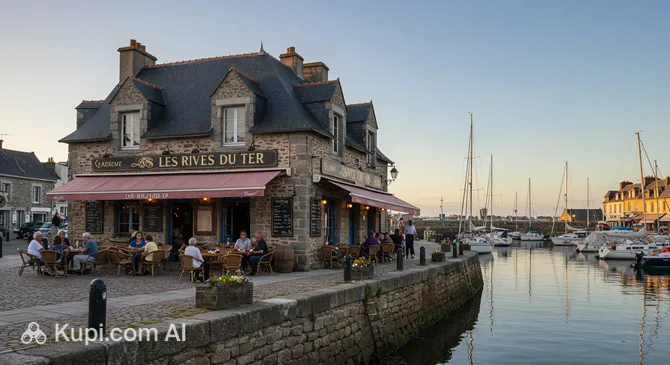
The food culture in Lorient revolves around conviviality and fresh produce. The Halles de Merville is a historic market hall that serves as a temple for gourmets, offering the freshest fish, cheeses, and regional vegetables. For a more relaxed dining experience surrounded by nature, you might visit Les Rives du Ter, a restaurant that combines fine cuisine with a pleasant view, reflecting the city's harmonious relationship with its waterways.

Les Rives du Ter. Source: Kupi.Binoculars

Travel Tips

To ensure your visit to Lorient is as smooth and enjoyable as possible, we have compiled a set of practical guidelines to help you navigate the city with ease. From packing for the Breton weather to mastering local transport, these tips will help you make the most of your stay in this dynamic port city.

  1. Clothing and Gear: The weather in Brittany is known for being changeable. Even in summer, it is wise to pack layers and a reliable waterproof jacket or windbreaker, as rain showers can pass through quickly. Comfortable walking shoes are essential, especially if you plan to explore the extensive harbor docks or the submarine base area. Dress codes are generally casual, but modest attire is respectful if visiting religious sites.

  2. Transportation: The best way to get around is by using the CTRL network, which integrates both buses and passenger ferries known as batobus. These boat buses are unique to the area and are often the fastest way to cross the harbor to visit nearby towns like Port-Louis. Taxis are available but less frequent than in major capitals, so it is advisable to book them in advance or use a ride-hailing app.

  3. Finances: The local currency is the Euro (€). Credit and debit cards (Visa and Mastercard) are widely accepted in hotels, restaurants, and most shops. However, it is recommended to carry some cash for small purchases at local markets like the Halles de Merville or for small cafés. Tipping is not mandatory since a service charge is included in the bill, but rounding up or leaving small change is a polite gesture.

  4. Health and Safety: Lorient is a safe city for tourists, but standard precautions regarding personal belongings should be taken, especially in crowded areas. Pharmacies are easily recognizable by a flashing green cross sign and can provide advice for minor health issues. In case of a serious emergency, dial 112 for assistance.

  5. Communication: French is the official language. While English is spoken at major tourist attractions like the Cité de la Voile, it may be less common in smaller local businesses. Locals appreciate it when you make an effort to speak a few words of French; a simple "Bonjour" (Hello) and "Merci" (Thank you) can go a long way in establishing a friendly connection.

  6. Local Etiquette: Politeness is highly valued in French culture. Always greet shopkeepers or staff when entering an establishment and say goodbye when leaving. When dining out, be aware that lunch hours are typically strict (usually 12:00 PM to 2:00 PM), and it can be difficult to find a restaurant serving full meals outside of these times.

  7. What to Avoid: Avoid expecting dinner service to start early; most restaurants do not open for the evening shift until 7:00 PM or 7:30 PM. Additionally, try not to overlook the strong Breton identity of the region; locals are proud of their Celtic heritage, so showing interest in their distinct culture is always well-received.

  8. Local Insight: Use the Batobus as a budget-friendly sightseeing cruise. Since it is part of the public transport system, a standard ticket allows you to enjoy scenic views of the citadel and the harbor from the water, offering a unique perspective of Lorient without the cost of a private tour.

Armed with these practical tips, you are ready to explore the maritime charm and cultural richness of Lorient. Whether you are hopping on a boat bus or enjoying fresh seafood by the port, a little local knowledge will ensure your trip is a memorable success.

Entertainment & Nightlife

Lorient may be best known for its maritime history, but it also boasts a lively cultural scene that draws visitors from all over the world. The highlight of the city's entertainment calendar is the Interceltic Festival of Lorient, held every August. This massive event transforms the streets into a vibrant celebration of Celtic heritage, featuring spectacular parades, traditional music, and dance performances that unite nations from Scotland to Asturias in a festive atmosphere.

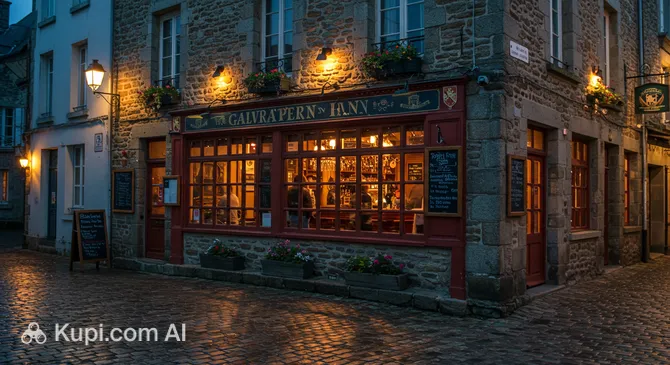
When the sun sets, the city's energy shifts to its welcoming pubs and bars, many of which reflect the region's strong connections across the Channel. The nightlife here is characterized by a warm, convivial spirit, perfect for a relaxed evening out. The Galway Inn is a popular choice for those seeking an authentic Irish pub experience, offering live music sessions and a wide range of draft beers in a setting that feels like a home away from home.

The Galway Inn. Source: Kupi.Binoculars

For a taste of local tradition, Tavarn Ar Roué Morvan is another must-visit establishment. With its wooden interior and extensive selection of Breton ciders and craft beers, it provides a genuine immersion into the local culture. Beyond the pubs, visitors can enjoy a leisurely stroll through the city center, where a variety of shops and boutiques offer everything from nautical fashion to regional souvenirs, or take a peaceful evening walk along the scenic banks of the Ter river.

Parks & Museums

While Lorient is defined by its maritime identity, the city also offers refreshing green spaces and cultural venues that celebrate its rich heritage. Beyond the docks and bustling harbors, visitors can find peaceful gardens and galleries that tell the story of the city's origins and its artistic spirit.

For a relaxing escape within the city, the Jardin Chevassu is a favorite among locals. This English-style botanical garden is a nod to Lorient's history of exploration, featuring exotic plants, centuries-old oaks, and colorful camellias that thrive in the Breton climate. It also includes a small animal park, making it a delightful spot for families to wander and unwind away from the urban center.

Nature lovers should explore the Banks of the Ter (Rives du Ter), a vast natural area that offers a perfect blend of water and greenery. A network of walking and cycling paths stretches for several kilometers around the Ter estuary, providing scenic views and a tranquil environment for jogging or leisurely strolls. It serves as the city's "green lung," connecting different neighborhoods through preserved woodlands and marshy areas rich in birdlife.

In terms of culture, the history of Lorient is best understood through the Museum of the East India Company (Musée de la Compagnie des Indes). Although located just across the harbor in the Citadel of Port-Louis (easily accessible by the Batobus ferry), it is an essential cultural stop. The museum chronicles the epic voyages of the 17th and 18th centuries, displaying rare porcelain, printed textiles, and ship models that explain how Lorient became a global trading hub.

For art enthusiasts, the Galerie du Faouëdic offers a more contemporary cultural experience. Housed in a renovated public building, this municipal gallery hosts rotating exhibitions of modern art, photography, and visual installations. It serves as a dynamic platform for both local and international artists, reflecting the city's commitment to modern creativity.

Architecturally, Lorient is a testament to post-war resilience, but traces of its colonial past remain. The Hôtel Gabriel is one of the few buildings to survive the bombings of World War II. Originally built in the 18th century for the East India Company, it now houses the city archives and stands as a dignified reminder of the pre-war era. In contrast, the Church of Notre-Dame-de-Victoire represents the reconstruction period; its striking concrete structure and immense bell tower are icons of 1950s modernism.

For an authentic local experience, take a walk through the Cité Allende district. This area offers a glimpse into the everyday life of Lorient's residents and features colorful street art murals that add a vibrant, youthful energy to the city's walls.

Getting Around

Public transport in Lorient is managed by the IziLo network (formerly known as CTRL), which offers a comprehensive and integrated system designed to navigate the city's unique maritime geography. Unlike larger metropolises, Lorient does not have a metro or tram system; instead, it relies on an efficient fleet of buses and a distinct local feature: the "batobus" or boat bus. This multimodal network covers not only the city center but also the surrounding municipalities, making it easy to reach beaches, museums, and residential areas.

A standout feature of the local transport is the Batobus service, which functions exactly like a bus on water. These passenger ferries connect Lorient's main ferry terminal (Gare Maritime) with key destinations across the harbor, such as Port-Louis, Gâvres, and Riantec. For tourists, this is often the most enjoyable way to travel, offering scenic views of the citadel and the bay for the price of a standard transit ticket. The boats run frequently throughout the day and are fully integrated into the general transport schedule.

The payment system is user-friendly and unified across both buses and boats. A standard single-trip ticket costs approximately €1.50 and is valid for one hour, allowing for transfers between land and water transport. For visitors planning a full day of sightseeing, a 24-hour pass is available for around €4.50, offering unlimited travel. Tickets can be purchased directly from bus drivers (though carrying exact change is recommended), at automatic vending machines located at major transfer hubs, or via the official mobile app, which allows you to buy and validate "M-tickets" directly on your smartphone.

For those who prefer active travel, the city offers a bike rental service known as Vélo An Oriant. The city center is relatively flat and compact, making cycling a convenient alternative to motorized transport. Taxis are also available, but they cannot be hailed on the street as easily as in bigger capital cities; it is advisable to locate a designated taxi rank, such as the one near the train station, or to book a ride by phone or app in advance.

To navigate the system smoothly, tourists should head to the Gare d'Échanges, the central transit hub located near the railway station where most bus lines converge. Remember to validate your ticket every time you board a bus or boat to avoid fines. While services generally run from early morning until around 9:00 PM or 10:00 PM, some major lines offer evening services, particularly during the busy summer season. Always check the latest timetables on the IziLo website or app, especially for the last boat crossings of the day.

Accommodation

Finding the right place to stay in Lorient is relatively straightforward, as the city offers a functional range of accommodation options suited to various needs. While it is not primarily known for ultra-luxury resorts, visitors will find a good selection of comfortable mid-range hotels, modern business chains, and charming independent guesthouses. For those who prefer more independence, there is also a growing number of furnished apartments and aparthotels, which are particularly convenient for longer stays or families.

When choosing a location, the City Center is often the most practical choice for tourists. Staying near the Place Aristide Briand or the Jules Ferry Park places you within walking distance of the main shops, the Halles de Merville market, and a variety of restaurants. For travelers arriving by rail, the area around the Gare de Lorient (train station) has undergone significant redevelopment and offers modern lodging options with excellent transport links to the rest of Brittany.

Another popular area is Lorient La Base, the district located near the former submarine base and the sailing museums. This neighborhood has a more modern, industrial-chic vibe and is perfect for visitors who want to be close to the maritime attractions and the bustling waterfront businesses. It is slightly further from the traditional center but offers a unique atmosphere surrounded by racing yachts and history.

Booking Tip: Lorient is generally easy to book, but there is one major exception: the Interceltic Festival in early August. During this period, the city's population swells significantly, and accommodation is often booked out months in advance. If you plan to visit during the festival, securing your reservation as early as possible is essential.

In terms of pricing, Lorient is generally more affordable than some of Brittany's more tourist-heavy coastal towns like Saint-Malo. Prices typically fall into the budget to mid-range category, making it an accessible destination. Booking is standard, with most hotels and rentals available via major online platforms, though contacting smaller independent establishments directly can sometimes yield better rates or specific room requests.

Nearby Cities

For those looking to explore the surroundings, Lorient serves as an excellent base for day trips to several interesting nearby locations:

Situated just a short drive away, Vannes is a historic gem that contrasts beautifully with Lorient’s modern architecture. Visitors can wander through its well-preserved medieval streets, admire the colorful timber-framed houses, and walk along the impressive ramparts that encircle the old town.

Another captivating destination is Concarneau, famous for its "Ville Close," a fortified citadel built on a small island in the harbor. This picturesque walled town is connected to the mainland by a bridge and offers charming narrow alleys filled with shops and crêperies, reflecting the region's strong maritime traditions.

For a deeper dive into Breton culture, Quimper is well worth the journey. Known as the cultural capital of Finistère, it boasts the magnificent Saint Corentin Cathedral and is renowned for its traditional faience pottery. The city’s atmospheric squares and the peaceful River Odet flowing through the center make it a delightful spot for a day trip.

City Population Distance (km)
Quimper 63283 61
Vannes 53719 47
Lanester 23124 2
Concarneau 19816 43
Ploemeur 17790 4

These nearby destinations offer a glimpse into the diverse culture and landscapes of the region.

Shopping & Souvenirs

Shopping in Lorient

Shopping in Lorient offers a pleasant mix of modern convenience and traditional Breton charm. While it may not have the sprawling luxury avenues of Paris, the city provides a relaxed atmosphere where visitors can find everything from international high-street fashion to unique local craftsmanship. The city center is compact and walkable, making it easy to browse through boutiques, bookshops, and specialty food stores without the need for extensive travel.

The heart of the shopping district is located in the downtown area, particularly along the pedestrian-friendly streets near Place Aristide Briand and Rue de la Patrie. Here, you will find a variety of clothing stores, shoe shops, and independent boutiques. Rue du Port is another key artery, lined with shops that lead down towards the harbor, offering a scenic backdrop to a day of retail therapy.

For a more concentrated shopping experience, the Espace Nayel is the city's primary downtown shopping mall. distinctively designed with modern architecture, it houses a selection of popular fashion brands like H&M and Zara, as well as a large cultural and electronics store. It serves as a central meeting point and is a convenient stop for those looking for well-known labels in a comfortable, covered environment.

Markets are an essential part of daily life in Lorient, and the Halles de Merville is the undisputed jewel of the local trade. Housed in a striking concrete building that is a landmark of post-war architecture, this market is bustling with activity every morning. While it is famous for fresh seafood and produce, it is also an excellent place to buy regional specialties to take home, such as local cheeses, salted butter, and artisanal treats. Outdoor markets also pop up in various neighborhoods, offering clothes and bric-a-brac, particularly on Saturday mornings.

When searching for souvenirs, visitors should look for items that reflect Lorient's maritime heritage and Celtic roots. Canned seafood, particularly sardines and tuna from local canneries like Groix & Nature, are high-quality gifts that travel well. Traditional Breton biscuits (galettes and palets), salted butter caramels, and bottles of artisanal cider are also crowd-pleasers. For non-edible gifts, the iconic marinière (striped sailor shirt) is a classic choice. You can also find nautical-themed gifts and books at the shop within the Eric Tabarly Sailing City, perfect for sailing enthusiasts.

Store opening hours in Lorient generally follow the standard French pattern. Most shops are open from 10:00 AM to 7:00 PM, Monday through Saturday. Smaller independent boutiques may close for a lunch break between 12:30 PM and 2:00 PM, although larger chains and malls usually remain open. Sundays are typically quiet, with most retail stores closed, except for food markets and some bakeries in the morning. Credit and debit cards (Visa and Mastercard) are widely accepted, even for small amounts, though having some cash for market stalls is advisable.

Travelers residing outside the European Union may be eligible for a VAT refund (tax-free shopping) on purchases exceeding a certain amount (typically €100.01) in a single store. Look for the "Tax-Free" sign in shop windows and ask the staff for a "détaxe" form at the checkout, which you will need to validate at customs upon leaving the EU.
Reached the end of the page?

That means the route is fully explored