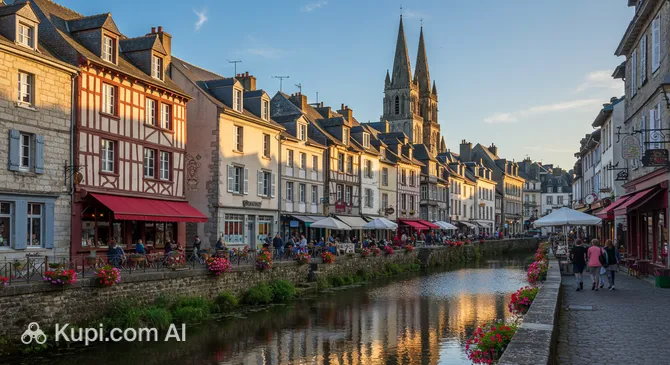
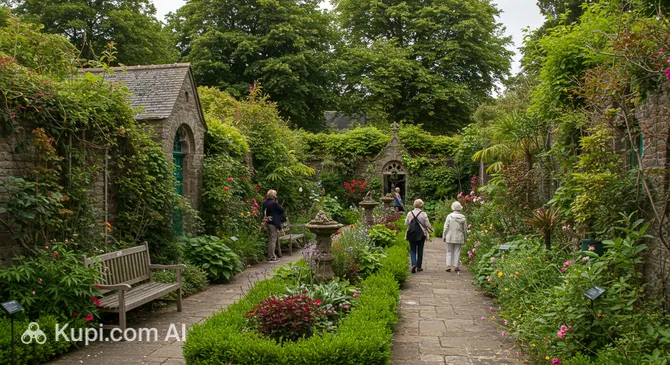
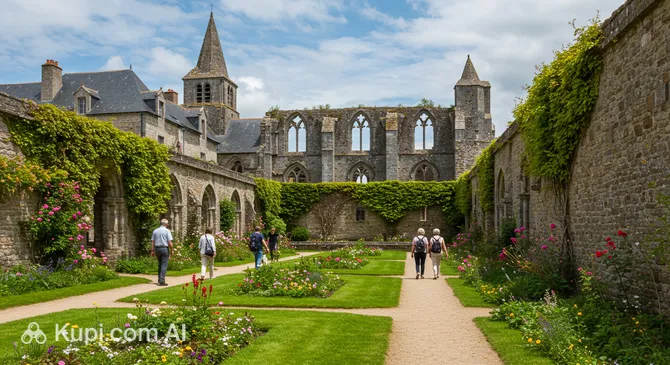
Nestled in the lush valleys of the Brittany region, Quimper is often regarded as the cultural heart of Celtic tradition in France. This charming city offers a perfect blend of medieval architecture, vibrant local festivals, and a relaxed atmosphere that captivates visitors from the moment they arrive.
Geographically, the city is situated at the confluence of the Odet and Steir rivers, a setting that gave the town its name—kemper means "confluence" in Breton. With a population of over 63,000 people, it serves as a bustling administrative center while maintaining the intimate feel of a historic town.
Quimper. Illustration.
Source: Kupi.com AI
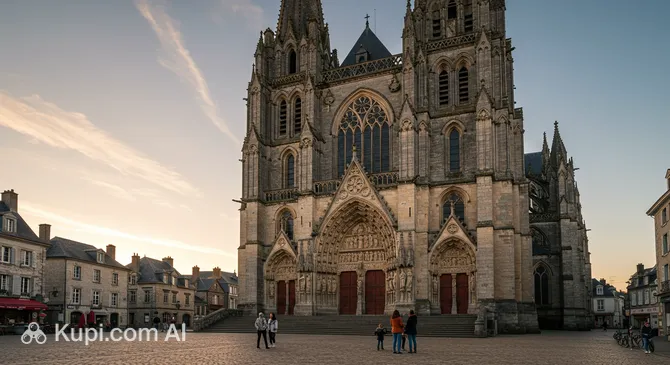
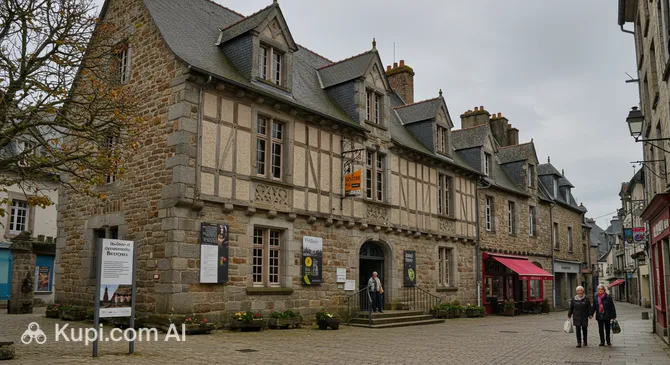
Those interested in the history of Quimper will be delighted by its well-preserved heritage. The city is dominated by the twin spires of the magnificent Saint Corentin Cathedral, a jewel of Gothic architecture. Surrounding the cathedral, the cobblestone streets of the old town are lined with colorful half-timbered houses, creating a picturesque backdrop for a leisurely stroll.
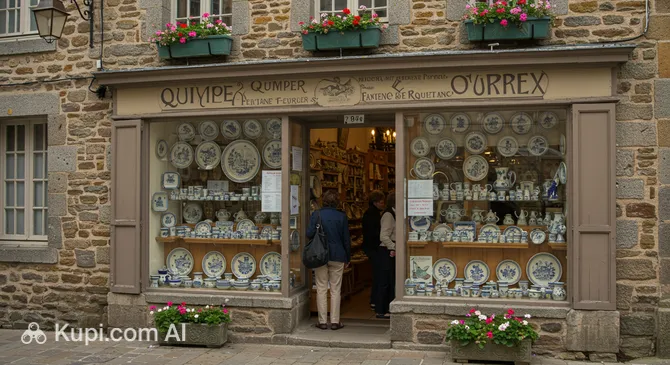
Quimper is also world-renowned for its faience (tin-glazed pottery), a craft that has been practiced here for centuries. Visitors can explore the workshops to see the intricate hand-painted designs that have become a symbol of the city. Whether you are exploring its museums or enjoying a crêpe by the river, Quimper promises an authentic and memorable Breton experience.
Weather Overview
The climate in this part of Brittany is characterized by its oceanic influence, resulting in mild temperatures throughout the year. For travelers wanting to pack appropriately, checking the current weather in Quimper is recommended, as conditions can be quite changeable. The city generally avoids temperature extremes, offering a temperate atmosphere that is conducive to sightseeing in any season.
Summers are pleasant and never scorching, with average temperatures in July peaking at around 17.8°C and daily highs reaching approximately 20°C. Winters are cool but typically stay above freezing; the average temperature in January is about 8.0°C. Rainfall is frequent across all seasons, so expect mild summers with occasional showers and cool, damp winters with up to 18 wet days in December.
Average monthly temperature
Average monthly precipitation
Interesting Facts
Beyond the main attractions, Quimper holds many fascinating secrets and legends that add depth to its charming character. From architectural oddities to mythical kings, the city offers curious details that often escape the casual observer.
The majestic Saint Corentin Cathedral is famous for a distinct architectural peculiarity: its nave and choir are not perfectly aligned. If you look down the central aisle, you will see a noticeable bend to the left, which some claim represents the tilting head of Christ on the cross, while others attribute it to the need to avoid swampy ground during construction.
Quimper is the birthplace of the iconic "bol à oreilles" (bowl with ears), often personalized with a first name. This tradition is maintained by the historic Quimper Faience workshops in the Locmaria district, which have been producing these famous hand-painted ceramics featuring the "Petit Breton" character since the late 17th century.
Perched high between the spires of the cathedral is a statue of King Gradlon on horseback. According to Breton folklore, he was the king of the legendary sunken city of Ys; he is said to gaze eternally toward the west, looking for his lost kingdom beneath the waves.
Saint Corentin Cathedral. Illustration.
Source: Kupi.com AI
Traveler photos:
How to Get There
Reaching this captivating part of Brittany is quite straightforward, with several transport options available depending on your starting point. Whether you prefer to fly or travel by rail, you can easily plan your journey. For a complete overview of all routes and tips, you can read more about how to get to Quimper.
The city of Quimper does not have a major international airport of its own, so most air travelers fly into neighboring cities. The most convenient option is typically Brest Bretagne Airport (BES), located in the city of Brest. It is a busy regional hub situated approximately 55.5 km from Quimper. A transfer by taxi or rental car generally takes around 45 to 60 minutes, whereas using public transport services can take significantly longer, often exceeding 90 minutes. Alternatively, you can fly into Lann Bihoue Airport (LRT) in Lorient, which is about 55.8 km away. While it handles significantly less traffic than Brest, it remains a viable entry point, with a similar driving time of roughly 50 minutes.
For clarity, here is a summary of the main airports:
Travelers preferring rail transport can arrive via major stations in the wider region. While these hubs are not located directly in Quimper, they serve as key gateways to Brittany. You can arrive at Rennes Station in the city of Rennes, which is approximately 181 km away. It is a very busy station with frequent connections. Another major option is Nantes Railway Station in Nantes, located about 211 km from Quimper. From either of these cities, you can rent a car or take a connecting train or bus to reach your final destination.
Below is a list of the nearest railway stations listed for this region:
No visit to Quimper would be complete without admiring the breathtaking Saint Corentin Cathedral. Standing proudly in the city center, this architectural masterpiece is considered one of the finest examples of Gothic art in Brittany. While its twin spires dominate the skyline, the interior is equally impressive, featuring stunning 15th-century stained glass windows that cast a kaleidoscope of colors across the stone. It serves as a perfect starting point for exploring the surrounding historic quarter.
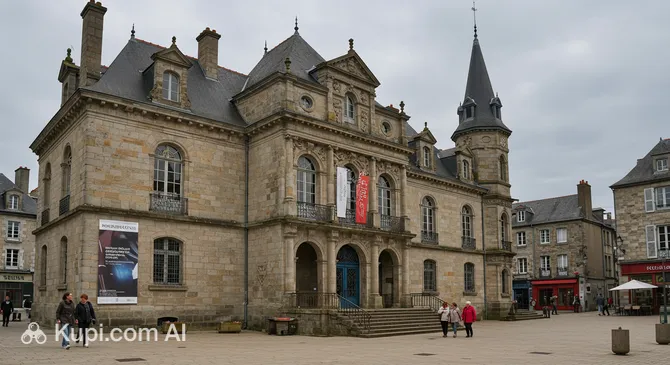
Just a stone's throw from the cathedral, art enthusiasts will find the Quimper Museum of Fine Arts. Housed in an elegant 19th-century building, it is widely regarded as one of the most significant art museums in western France. The collection is vast, showcasing European paintings from the 14th century to the present day, including works by masters such as Rubens and Boucher, as well as pieces inspired by the famous Pont-Aven school.
Quimper Museum of Fine Arts. Illustration.
Source: Kupi.com AI
Traveler photos:
For a deep dive into the region's rich heritage, the Museum of Brittany is an essential stop. Located in the former Bishop's Palace adjacent to the cathedral, this museum offers a comprehensive journey through the history and culture of the department of Finistère. Visitors can explore fascinating exhibits ranging from archaeological finds to traditional Breton costumes and furniture, providing a vivid picture of local life through the centuries.
Museum of Brittany. Illustration.
Source: Kupi.com AI
Traveler photos:
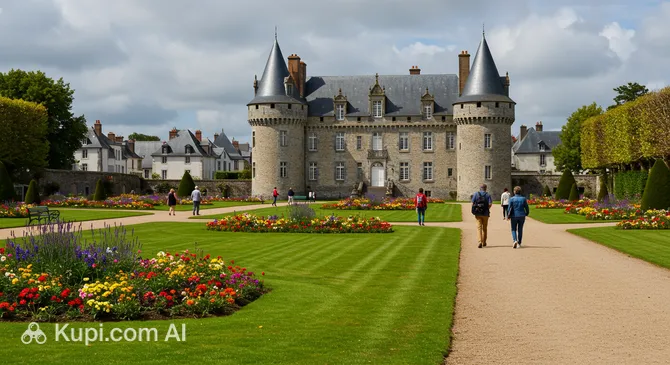
If you are looking to escape the city streets and enjoy some nature, the Lanniron Castle Park and Gardens offers a magnificent retreat. Once the summer residence of the bishops of Quimper, this estate sits on the banks of the Odet river. Tourists can wander through remarkable 17th-century terraced gardens, admire rare botanical species, and enjoy the peaceful atmosphere of this historic domain, which beautifully combines heritage with natural beauty.
Lanniron Castle Park and Gardens. Illustration.
Source: Kupi.com AI
Traveler photos:
Local Cuisine
The culinary landscape of Quimper is deeply rooted in the rich traditions of Brittany, offering a gastronomic experience that is both hearty and authentic. The undisputed stars of the local table are crêpes and galettes. While the former are made with wheat flour and served as a sweet dessert, the latter are savory pancakes crafted from buckwheat flour (blé noir). A classic choice for lunch is a "galette complète," typically filled with ham, egg, and cheese, though more adventurous variations featuring scallops or andouille sausage are also popular.
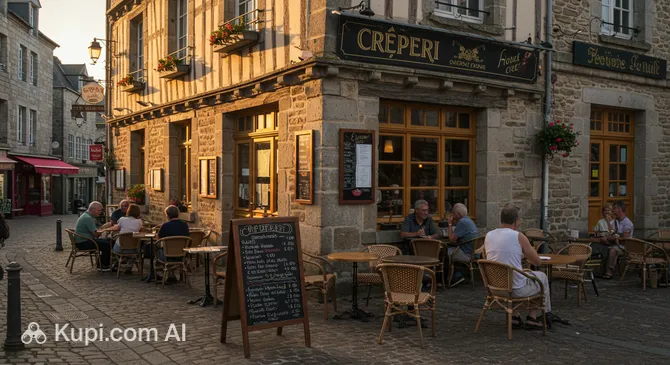
For those with a sweet tooth, the region offers indulgent treats that are famous across France. The kouign-amann is a legendary butter cake that is caramelized to perfection, offering a crispy exterior and a soft, melting interior. Another staple is Far Breton, a dense custard flan often filled with prunes. To sample authentic versions of these delights, travelers often visit local establishments like Crêperie du Quartier, where the warm atmosphere complements the traditional flavors.
Crêperie du Quartier. Illustration.
Source: Kupi.com AI
Traveler photos:
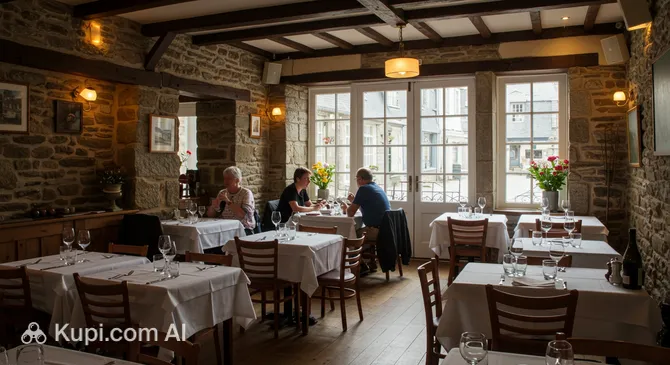
Given Quimper's proximity to the coast, fresh seafood also plays a significant role in the local diet. Platters of oysters, crab, and langoustines are common sights in restaurants, showcasing the bounty of the Atlantic. The city's food scene is characterized by a relaxed and welcoming vibe, with many eateries emphasizing locally sourced ingredients. For a rustic and cozy dining experience, La Grange is a notable spot where visitors can enjoy generous portions of regional cuisine in a charming setting.
La Grange. Illustration.
Source: Kupi.com AI
Traveler photos:
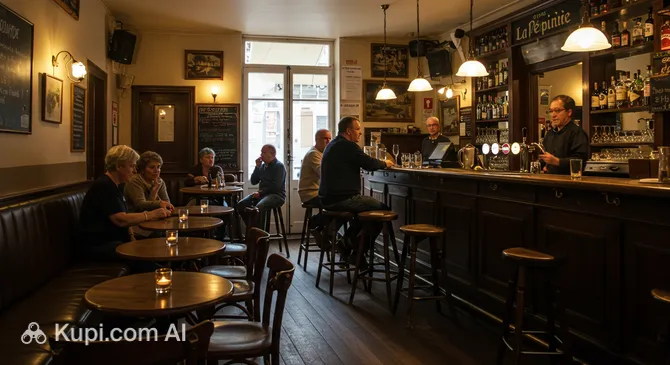
When it comes to beverages, cider is the drink of choice. Ranging from sweet (doux) to dry (brut), it is traditionally served in ceramic bowls rather than glasses. For something stronger, you might try chouchen, a potent form of mead made from fermented honey and apple juice, often consumed as an apéritif. Whether you are looking for a casual drink or a lively evening, places like La Pépinière offer a great environment to mingle with locals and enjoy the vibrant spirit of the city.
Travel Tips
Visiting Quimper is a delightful immersion into the heart of Breton culture, but a little preparation ensures your trip remains stress-free and enjoyable. Here are some practical insights to help you navigate the city smoothly and experience it like a local.
Clothing and Gear: Brittany is known for its changeable oceanic climate, so layering is the key to comfort. Even in summer, it is wise to carry a waterproof jacket or a sturdy umbrella for occasional showers. Since the historic center features charming but uneven cobblestones, pack comfortable walking shoes rather than high heels. If you plan to visit religious sites like the cathedral, modest attire covering shoulders and knees is recommended.
Transportation: The city center is compact and pedestrian-friendly, making it best explored on foot. For trips further afield, the local QUB bus network is efficient and affordable. While you do not need a car to see the city itself, renting one is highly recommended if you wish to explore the rugged coastline or rural villages of the surrounding Finistère region. Taxis are available but can be scarce, so booking in advance is advisable.
Finances: The local currency is the Euro (€), as in the rest of France. Credit and debit cards (Visa and Mastercard) are widely accepted, even for small amounts, thanks to contactless payment terminals. However, it is useful to carry some cash for small purchases at markets or traditional bakeries. Service is included in restaurant bills, but leaving small change or rounding up the amount is a polite and appreciated gesture.
Health and Safety: Quimper is a safe and peaceful city for tourists. Pharmacies are easily identifiable by a flashing green cross and are well-stocked to handle minor health issues. In case of an emergency, dial 112 for universal European assistance. The tap water is safe to drink, so carrying a reusable water bottle is a convenient and eco-friendly choice.
Communication: The primary language is French, though you will frequently see street signs in Breton. English is generally understood in hotels, museums, and larger restaurants, but may be less common in smaller shops. Learning a few basic phrases like "Bonjour" (Hello) and "Merci" (Thank you) goes a long way in establishing a friendly rapport with locals.
Local Etiquette: Politeness is highly valued here. It is customary to greet shopkeepers or staff with a friendly "Bonjour" upon entering an establishment and "Au revoir" when leaving; failing to do so can be perceived as rude. When dining out, keep your voice at a moderate volume to respect the generally calm atmosphere of local restaurants.
What to Avoid: Do not assume that shops and businesses remain open throughout the entire day. Many smaller boutiques and independent services close for a lunch break, typically between 12:00 PM and 2:00 PM. Plan your shopping and errands around this pause to avoid disappointment.
Additional Tip: Be aware of Sunday closures. Like many French provincial towns, Quimper is very quiet on Sundays, with most shops and supermarkets closed. This is the perfect day to enjoy nature, visit the gardens, or explore the museums, which usually remain open.
With these practical tips in hand, you are ready to fully embrace the charm and character of this unique Breton city. Enjoy the relaxed pace of life, the delicious regional cuisine, and the warm hospitality that awaits you in Quimper.
Entertainment & Nightlife
Entertainment in Quimper reflects the city's friendly and authentic character. While it may not have the frenetic pace of a large metropolis, the nightlife here is vibrant, deeply rooted in Celtic camaraderie, and centered around socializing in cozy environments. The atmosphere is generally relaxed and welcoming, making it easy for visitors to strike up conversations with locals over a drink.
The heartbeat of the evening scene is undoubtedly the historic center (Vieux Quimper). The cobblestone streets around the cathedral and the picturesque Place au Beurre transform at night, with the warm glow of streetlamps illuminating the half-timbered facades. This area is teeming with lively pubs and bars where the Breton spirit is alive and well. In the warmer months, terraces fill up quickly as people enjoy the mild evenings along the quays of the Odet river.
For those seeking a classic local experience, La Pépinière is a standout venue. Known for its inviting ambiance, it is an excellent spot to unwind after a day of sightseeing. The crowd here is a mix of students, residents, and tourists, all enjoying a selection of local beers and ciders. The dress code in most Quimper establishments is casual; jeans and a nice top are perfectly appropriate for almost any venue in town.
La Pépinière. Illustration.
Source: Kupi.com AI
Traveler photos:
Beyond the bars, the city offers unique cultural entertainment. Traditional Fest-Noz (night festivals) are frequent occurrences, especially in summer, where everyone is invited to join in traditional Breton dancing. For a more modern night out, there are several clubs and late-night bars located slightly outside the pedestrian core, particularly towards the train station area, where the energy picks up on Thursday and Saturday nights.
Practical Advice: The nightlife in Quimper peaks on weekends, but Thursday evenings are also lively due to the student population. Prices are generally reasonable, with a pint of beer costing significantly less than in Paris. The city center is very safe for night walks, even for solo travelers. However, public transport options like buses stop running in the early evening. If you are staying outside the center, it is advisable to book a taxi in advance, as they can be difficult to flag down on the street late at night.
During the day, the entertainment options shift towards leisure and shopping. Visitors looking for some retail therapy can head to La Galerie Quimper, a shopping mall that offers a variety of fashion and lifestyle stores. It provides a modern contrast to the artisanal boutiques of the old town and is a good place to spend a rainy afternoon.
La Galerie Quimper. Illustration.
Source: Kupi.com AI
Traveler photos:
Families and thrill-seekers looking for daytime fun should consider visiting the Lanniron Orangerie Water Park. Located within a historic estate, it combines heritage with recreation, offering slides and pools that are perfect for cooling off during the summer. Whether you prefer a quiet pint in a medieval setting or an active day out, Quimper offers a delightful range of activities to suit every pace.
Parks & Museums
Quimper is widely celebrated as a "City of Art and History," but it is also a city of blooming gardens and lush greenery. The municipality has been awarded the prestigious "Grand Prix National du Fleurissement" multiple times, a testament to its commitment to integrating nature with its rich architectural heritage. Visitors can easily transition from exploring medieval streets to relaxing in beautifully manicured parks.
One of the most surprising green spaces in the city center is the Exotic Garden of La Retraite. Concealed behind the old city walls, this garden offers a tropical escape with palm trees, ferns, and plants from distant lands like Chile and Mexico. It creates a stunning contrast with the surrounding granite architecture and provides a peaceful haven where tourists can admire the preserved sections of the medieval ramparts.
Exotic Garden of La Retraite. Illustration.
Source: Kupi.com AI
Traveler photos:
For a journey back in time, the Priory Garden of Locmaria is a must-visit. Located along the Odet river in the city's oldest district, this garden is designed in the spirit of a medieval monastery. It features geometric beds filled with aromatic and medicinal plants that were commonly used in the Middle Ages, as well as symbolic flowers like the white lily and Gallica rose. It is a quiet, contemplative spot that perfectly complements the nearby Romanesque church.
Priory Garden of Locmaria. Illustration.
Source: Kupi.com AI
Traveler photos:
While the city's major art and history museums are well-known, Quimper's identity is also deeply tied to its ceramic craftsmanship. The Quimper Faience museum (Musée de la Faïence) is dedicated to this artistic tradition. Located in the Locmaria district, it displays a collection of over 2,500 pieces that trace the evolution of the famous "Quimper style" over three centuries. Visitors can learn about the intricate production process and see rare examples of the hand-painted pottery that has made the city famous worldwide.
Quimper Faience. Illustration.
Source: Kupi.com AI
Traveler photos:
In addition to these unique spots, the city is anchored by its two major cultural institutions. The Quimper Museum of Fine Arts remains a favorite for its exceptional collection of European paintings, while the Museum of Brittany continues to serve as the premier destination for understanding the region's anthropological and historical depth. Together, these venues offer a comprehensive look at both local heritage and broader artistic movements.
For those interested in historical architecture beyond the cathedral, the Locmaria district itself is an open-air museum of sorts. As the original settlement of Quimper, it features ancient priory buildings and a charming riverside atmosphere. An insider tip for nature lovers is to visit the gardens in late spring when the rhododendrons and camellias—symbols of Breton horticulture—are in full bloom, transforming the city into a vibrant palette of colors.
Getting Around
Navigating Quimper is relatively straightforward thanks to its efficient public transport network, known locally as QUB. Since the city is compact, there is no metro or tram system; instead, the municipality relies on a comprehensive web of bus lines that connect the historic center with the surrounding neighborhoods and suburbs. For tourists, the most useful service is often the network of high-frequency buses, known as IlliCO lines, which run regularly throughout the day to key destinations.
A standout feature for visitors exploring the downtown area is the free electric shuttle (Navette QUB City). This blue minibus loops around the pedestrian heart of the city, allowing you to hop on and off without purchasing a ticket. It is an excellent way to move between the cathedral district, the museums, and the shopping streets without tiring your legs. The shuttle typically runs every 15 to 20 minutes and is designed to easily navigate the narrow, winding streets of the old town.
Regarding payment, the system is user-friendly and offers several options suited for short stays. You can purchase a single ticket for approximately €1.50, which is valid for one hour of travel, or opt for a day pass (Pass Journée) if you plan to make multiple trips. Tickets can be bought directly from the driver upon boarding (usually with a small surcharge), at the QUB sales office near the Covered Market, or via the official mobile app, which allows you to use your smartphone as a ticket.
For a smooth experience, always remember to validate your ticket immediately upon entering the bus to avoid fines. Transport services generally operate from early morning, around 6:30 AM, until approximately 8:00 PM. It is important to note that evening services are limited, and the frequency of buses drops significantly on Sundays and public holidays. Therefore, if you are planning a late dinner or a Sunday excursion, checking the timetable in advance is highly recommended.
If you prefer more independence, there are several alternatives to the bus network. Taxis are available but are not typically hailed on the street; you will find ranks primarily at the train station and central squares, or you can book one by phone. Cycling is also gaining popularity, with the VéloQUB service offering both standard and electric bikes for rent. However, given the charm of the cobblestone streets and the proximity of major attractions, walking remains the most popular and pleasant way to discover the city center.
Accommodation
Accommodation in Quimper caters to a wide variety of preferences and budgets, reflecting the city's status as a welcoming tourist destination. Visitors can choose from charming independent hotels housed in traditional buildings, reliable modern chains, and intimate bed-and-breakfasts (chambres d'hôtes) that offer a more personal touch. For those who prefer self-catering options, there is a growing selection of furnished apartments and vacation rentals, particularly suitable for families or longer stays.
The most popular area for tourists to stay is undoubtedly the historic center (Vieux Quimper). Staying here places you within walking distance of the magnificent cathedral, the museums, and the lively pedestrian streets filled with crêperies and shops. For travelers arriving by rail, the neighborhood around the train station offers practical and often more affordable options, situated just a short walk from the main attractions. Alternatively, visitors looking for tranquility might prefer the greener outskirts or the banks of the Odet river, where some establishments offer a peaceful retreat close to nature.
Prices in Quimper are generally reasonable compared to larger French cities or coastal resorts. Mid-range hotels are the most common, offering comfortable amenities at a fair price. Budget travelers can find economical guesthouses and youth hostels, while those seeking luxury will find a few upscale boutique hotels with premium services. It is highly recommended to book in advance, especially if you plan to visit during the summer months or during the Festival de Cornouaille in July, when the city is at its busiest. Most accommodations can be easily reserved through major online booking platforms or by contacting the establishments directly.
Nearby Cities
For those looking to explore the surroundings, Quimper serves as an excellent base for day trips to several interesting nearby locations. The region of Brittany is compact enough that many distinct towns and coastal gems are within an hour's drive, offering a variety of experiences ranging from fortified medieval islands to major maritime hubs.
One of the most beloved destinations for a short excursion is Concarneau. Located just a short distance south of Quimper, it is famous for its "Ville Close," a stunning walled town built on a small island in the harbor. Visitors can walk along the granite ramparts for panoramic views, explore the narrow streets filled with shops, or visit the fishing museum to learn about the town's maritime heritage. It is a perfect spot to enjoy fresh seafood while watching fishing boats return to port.
Heading northwest, the city of Brest offers a completely different atmosphere. As a major naval port, it is known for its vast natural harbor and modern architecture. A highlight for families and nature lovers is Océanopolis, a massive ocean discovery center with large aquariums representing different marine ecosystems. The city is also home to a medieval castle that houses the National Navy Museum, providing a deep dive into the naval history of the Atlantic coast.
Another interesting option is Lorient, a town with a rich sailing tradition. It is home to the Cité de la Voile Éric Tabarly, an interactive museum dedicated to offshore sailing and yacht racing. The town's submarine base, a remnant of the 20th century transformed into a cultural site, is also a unique attraction. Its dynamic atmosphere makes it a great place to experience the modern side of Breton culture.
City
Population
Distance
Fouesnant
9 864
13 km
Concarneau
19 816
19 km
Douarnenez
14 015
20 km
Quimperlé
12 220
43 km
Plougastel Daoulas
13 330
46 km
These nearby destinations offer a glimpse into the diverse culture and landscapes of the region, allowing travelers to easily expand their itinerary beyond the city limits of Quimper.
Shopping & Souvenirs
Shopping in Quimper is a vibrant reflection of Breton culture, offering visitors a chance to take home a piece of the region's heritage. The city is renowned for its artisanal craftsmanship, most notably the exquisite hand-painted pottery known as faience. Produced here for over three centuries, these distinctive ceramic pieces often feature the "Petit Breton" character and traditional floral motifs. Collectors and souvenir hunters can find authentic items at the historic Quimper Faience workshops in the Locmaria district or in specialized boutiques throughout the city center.
For those with a taste for gastronomy, the city is a treasure trove of local delicacies. A visit to the Halles Saint-François is essential; this covered market is buzzing with activity and filled with stalls selling fresh regional produce. Here, you can purchase vacuum-packed crêpes, jars of salted butter caramel, and tins of buttery biscuits like Traou Mad or Galettes de Pont-Aven. These edible souvenirs are perfect for sharing the flavors of Brittany with friends and family back home.
The heart of the shopping district lies around the cathedral, particularly along the picturesque Rue Kéréon. This pedestrian street offers a stunning view of the cathedral spires and is lined with a mix of high-end fashion boutiques, chocolate shops, and independent bookstores. It is the ideal place to find high-quality clothing, including the iconic marinière (striped sailor shirt), which is a staple of French coastal fashion.
Travelers looking for a more modern retail experience or everyday essentials will find everything they need at La Galerie Quimper. This large shopping center features a wide array of international brands, fashion outlets, and lifestyle stores. Whether you are searching for the latest trends or simply need to pick up travel supplies, this mall provides a convenient and comprehensive shopping environment away from the cobbled streets of the old town.