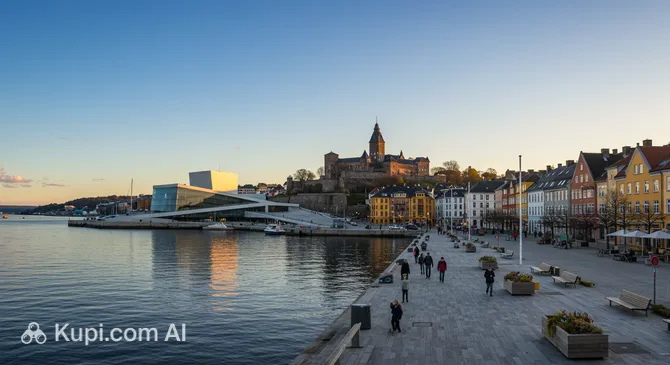
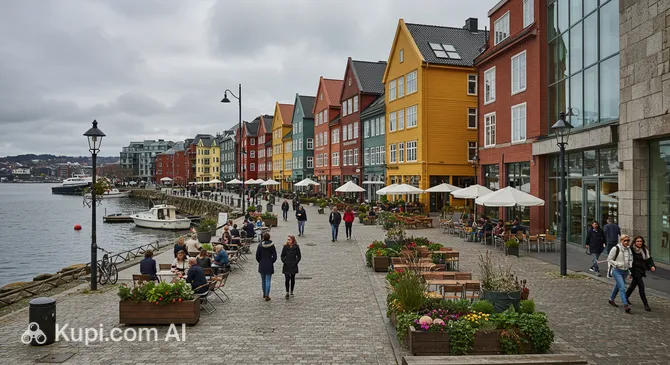
Welcome to Oslo, the rapidly growing and vibrant capital of Norway. Situated at the head of the picturesque Oslofjord and surrounded by deep forests and hills, this city offers a unique combination of energetic urban life and easily accessible outdoor nature. It is known for its cutting-edge architecture, world-class museums, and a relaxed atmosphere that captivates visitors from around the globe.
With a population exceeding one million in its greater urban area, Oslo serves as the demographic and cultural heart of the nation. Despite its size, the city maintains a compact and friendly feel, making it remarkably easy to navigate. The local climate features warm, pleasant summers that bring the city's parks to life, and cold, snowy winters that turn the surrounding hills into a paradise for winter sports enthusiasts.
Oslo. Illustration.
Source: Kupi.com AI
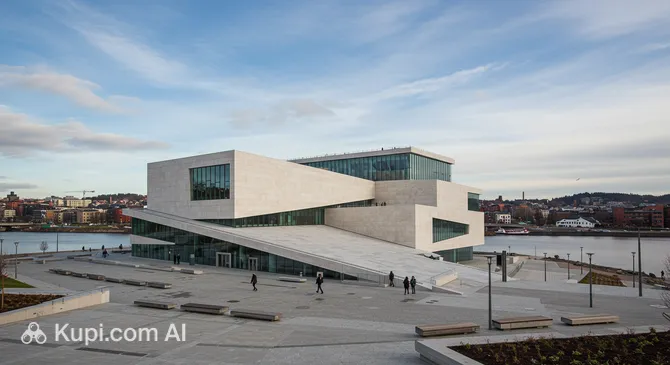
The history of Oslo is a fascinating tale of transformation from a Viking Age settlement to a modern European metropolis. Today, the city seamlessly blends its rich heritage with forward-thinking design. Visitors can marvel at the iconic Oslo Opera House, which appears to rise from the fjord like a marble iceberg, or stroll through the incredible open-air gallery at Vigeland Park, featuring hundreds of unique sculptures.
Whether you are interested in exploring the dedicated Munch Museum or simply enjoying fresh seafood along the bustling waterfront promenade, Oslo promises an unforgettable experience. We invite you to discover the charm of this Nordic gem, where nature and culture exist in perfect harmony.
Weather Overview
The climate in Oslo is characterized by distinct seasons, offering a varied experience depending on when you visit. Summers are generally mild and pleasant, with average temperatures in July reaching around 16.6°C and daily highs often surpassing 20°C. This is the perfect time for outdoor activities, although you should be prepared for precipitation, as the city experiences about 13 to 14 wet days per month during the summer season.
Winters transform the capital into a crisp, snowy landscape. January is typically the coldest month, with an average temperature of -4.5°C and lows dipping to -7.0°C. For a more detailed forecast and historical data to help plan your trip, you can consult the guide on the weather in Oslo. Spring and autumn serve as cool transition periods; by May, averages rise to a comfortable 10.7°C, while October sees temperatures cooling down to approximately 6.6°C.
Overall, you can expect warm summers with occasional rain and cold winters that are perfect for cozying up indoors or enjoying winter sports. Precipitation is fairly consistent throughout the year, so packing layers and waterproof clothing is always a good idea.
Average monthly temperature
Average monthly precipitation
Interesting Facts
Beyond the main attractions, Oslo holds many fascinating secrets and unique traditions that surprise even seasoned travelers. Digging a little deeper into the city's culture reveals a destination defined by peace, artistic innovation, and enduring friendships.
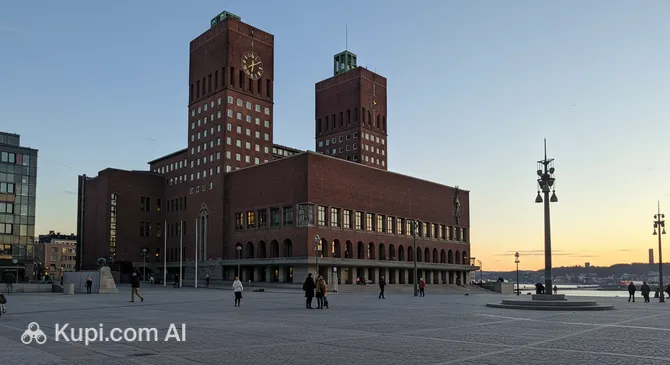
Oslo City Hall. Illustration.
Source: Kupi.com AI
Traveler photos:
A Unique Nobel Venue: While most Nobel Prizes are awarded in Stockholm, the prestigious Nobel Peace Prize is exclusively presented in Norway. The ceremony takes place every year on December 10th at the Oslo City Hall, a building famous for its distinctive twin towers and elaborate local art.
Walking on Art: The city encourages interaction with its architecture in unusual ways. The Oslo Opera House is designed with sloping white marble surfaces that allow visitors to walk all the way up to the roof, offering spectacular views of the fjord and the city skyline.
The Tiger City: You may hear locals refer to the capital as "Tigerstaden," or The Tiger City. This nickname originated from a 19th-century poem describing the city as a dangerous place, but today it is embraced with pride, symbolized by a large bronze tiger statue near the central station.
A Gift to London: Every winter since 1947, the people of Oslo have cut down a towering spruce tree from the surrounding forests and shipped it to London. It stands in Trafalgar Square as an annual token of gratitude for British support during the Second World War.
World's Oldest Ski Museum: Skiing is deeply ingrained in the local soul, and the city hosts the Holmenkollen Ski Museum, located underneath the famous ski jump. It is the oldest museum of its kind in the world, showcasing 4,000 years of skiing history.
How to Get There
Reaching the Norwegian capital is convenient thanks to its well-connected transport network, serving millions of visitors each year. Whether you prefer flying or taking a scenic train ride, there are multiple options to suit your itinerary. You can find detailed information and all ways to reach the city in our comprehensive travel guide.
The primary gateway for international and domestic travelers is Oslo Airport Gardermoen (OSL). It is the largest airport in Norway, handling heavy passenger traffic and offering extensive connections. Located approximately 36.7 km from the city center, a journey by taxi or bus typically takes around 75 minutes. For those looking for alternative routes, Torp Sandefjord Airport (TRF) is another significant option, often used by low-cost airlines. It is situated about 85.7 km from the city, so travelers should anticipate a travel time of roughly 2.5 hours (150 minutes) by road.
For clarity, here is a summary of the main airports:
If you prefer traveling by rail, Oslo Central Station (XZO) is the main hub, connecting the capital to various regions in Norway and neighboring Sweden. It handles a massive volume of passengers annually, making it a bustling entry point. Another key stop is Nationaltheatret Station (ZZN), which is exceptionally central, located just 0.3 km from the heart of the city, providing easy access to the western districts and major cultural attractions.
Oslo offers a fascinating mix of historical landmarks, artistic treasures, and modern architectural marvels. From medieval castles guarding the harbor to cutting-edge museums dedicated to world-famous artists, the city's diverse attractions provide deep insights into Norwegian culture and history. Here are some of the most compelling places to explore during your visit.
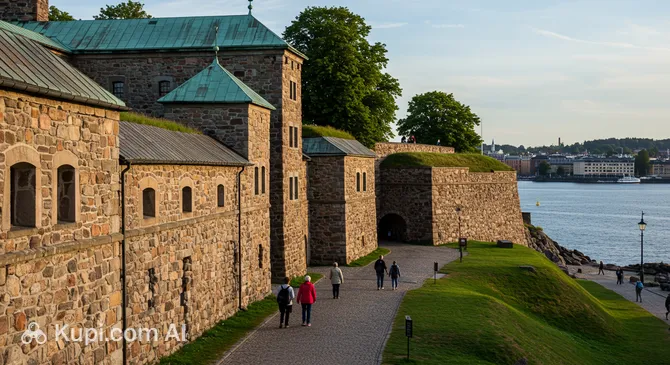
Standing guard over the harbor is the majestic Akershus Fortress. This medieval castle, dating back to the late 13th century, has played a pivotal role in the city's defense and history. Visitors can wander through the castle grounds, explore the royal mausoleum, and enjoy panoramic views of the Oslofjord. It is a perfect spot for history buffs and those looking to capture beautiful photos of the waterfront.
Akershus Fortress. Illustration.
Source: Kupi.com AI
Traveler photos:
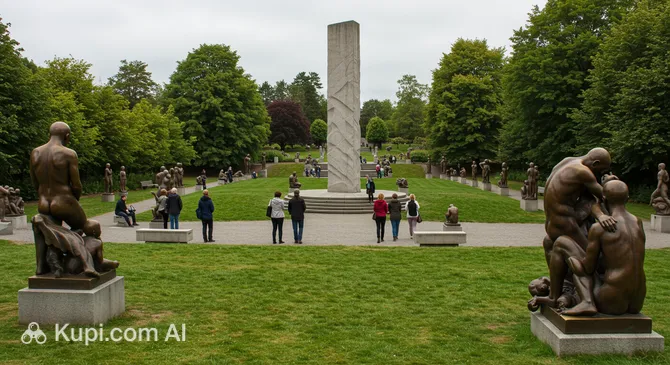
No trip to the capital is complete without a visit to Vigeland Park, located within the larger Frogner Park. This unique open-air gallery features more than 200 sculptures in bronze, granite, and cast iron, all created by a single artist, Gustav Vigeland. The park is famous for its emotive depictions of the human lifecycle, including the iconic Monolith and the Angry Boy. It is a favorite destination for both locals and tourists seeking a peaceful yet thought-provoking stroll.
Vigeland Park. Illustration.
Source: Kupi.com AI
Traveler photos:
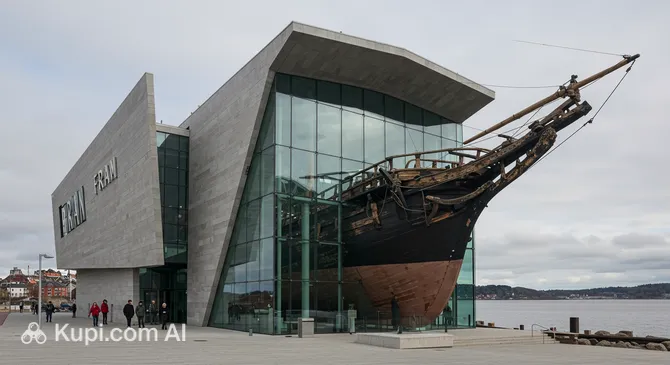
For those interested in maritime history and polar exploration, the Fram Museum on the Bygdøy peninsula is an absolute must. The museum houses the world's strongest wooden ship, the Fram, which was used by famous explorers like Fridtjof Nansen and Roald Amundsen. Visitors can actually board the ship and experience what life was like during the treacherous expeditions to the North and South Poles.
Fram Museum. Illustration.
Source: Kupi.com AI
Traveler photos:
In the heart of the city lies The Royal Palace, the official residence of the Norwegian monarch. Situated at the end of the bustling Karl Johans gate, the palace is surrounded by the beautiful Palace Park, which is open to the public year-round. During the summer months, guided tours of the state rooms are available, and visitors can watch the Changing of the Guard ceremony, a tradition that adds a touch of regal pageantry to the city center.
Art lovers should head to the waterfront to experience The Munch Museum. Dedicated to the life and works of Edvard Munch, Norway's most renowned artist, the museum showcases a vast collection of his paintings, including several versions of The Scream. The striking modern building itself is a landmark, offering stunning views of the city from its upper floors and hosting rotating exhibitions that place Munch's art in a contemporary context.
Local Cuisine
Oslo's culinary landscape has evolved dramatically, transforming from simple traditional fare into a dynamic scene that rivals other European capitals. The city's proximity to the fjord means that fresh seafood is a staple, but you will also find a deep respect for locally sourced ingredients from the surrounding forests and farms. The food culture here emphasizes quality and sustainability, offering everything from high-end New Nordic cuisine to comforting rustic dishes.
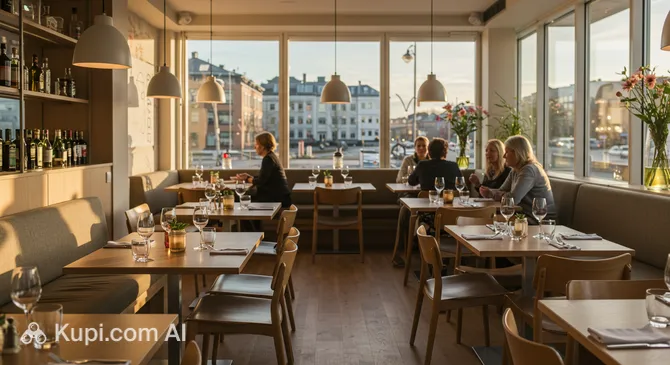
When it comes to must-try dishes, Norwegian salmon takes center stage. It is prepared in countless ways, from traditional gravlaks (cured salmon) to modern sushi interpretations. For a dedicated experience, you can visit The Salmon, a restaurant and experience center located at Tjuvholmen that celebrates this iconic fish. Another local favorite is brunost, a sweet, caramel-like brown cheese often served on heart-shaped waffles or crispbread, providing a unique taste of Norwegian heritage that you won't find anywhere else.
The Salmon. Illustration.
Source: Kupi.com AI
Traveler photos:
The city is also renowned for its exceptional coffee culture, with locals consuming some of the highest amounts of coffee per capita in the world. During the day, you might stop by Fuglen, a vintage design bar that serves high-quality roasts by day and transforms into a cocktail bar by night. For something stronger and strictly traditional, try Aquavit (Akevitt), a potato-based spirit flavored with herbs like caraway. You can sample distinct varieties at the HIMKOK Storgata Distillery, which produces its own spirits and is frequently ranked among the world's best bars.
Dining in the capital is often a relaxed affair, ranging from casual street food stalls selling pølse (hot dogs) to upscale waterfront establishments. The vibrant district of Aker Brygge is a perfect spot to enjoy a meal with a view. Here, former shipyard buildings have been converted into a lively strip of restaurants and shops, allowing you to dine al fresco while watching boats drift by on the fjord.
Travel Tips
Planning a trip to Oslo is exciting, but a few insider tips can make your Nordic adventure much smoother and more affordable. From navigating the efficient public transport to understanding local customs, these practical suggestions will help you experience the Norwegian capital like a local.
Clothing and Gear: The weather in Oslo can be unpredictable, so the golden rule is to dress in layers. Even in summer, bring a waterproof jacket and a warm sweater for cool evenings. If you are visiting in winter, thermal underwear, a heavy coat, and insulated, non-slip boots are essential to handle the snow and ice safely.
Transportation: The city has an exceptional public transport system operated by Ruter, integrating buses, trams, ferries, and the Metro (T-bane). The city center is compact and very walkable, so renting a car is generally unnecessary and can be expensive due to tolls and high parking fees. Download the Ruter app to easily buy tickets for all zones.
Finances: The local currency is the Norwegian Krone (NOK). Oslo is rapidly becoming a cashless society; credit and debit cards are accepted almost everywhere, from hot dog stands to high-end boutiques. While it is known as an expensive city, you can manage costs by planning ahead. Tipping is not mandatory, but rounding up the bill for good service is a common and appreciated gesture.
Health and Safety: Oslo is one of the safest capitals in the world, but standard precautions against pickpocketing in crowded areas apply. Pharmacies, marked as Apotek, are widely available, and there is a 24-hour emergency room (Legevakt) in the city center. Tap water here is pure, delicious, and perfectly safe to drink, so bring a reusable bottle to stay hydrated.
Communication: You will find that nearly everyone speaks English fluently, making communication effortless for most travelers. However, learning a few basic Norwegian words like Takk (Thank you) or Hei (Hello) is always appreciated. Free Wi-Fi is common in cafes, museums, and public spaces.
Local Etiquette: Norwegians value personal space and privacy. On public transport, it is polite to sit in an empty row rather than next to someone else if space permits. Greetings are casual, usually a firm handshake, and punctuality is highly regarded—being on time for appointments or tours is expected.
What to Avoid: Do not buy bottled water if you can avoid it; it is expensive and unnecessary given the high quality of tap water. Also, avoid trying to buy wine or spirits in regular supermarkets; these are only sold in state-run Vinmonopolet stores, which have limited opening hours and are closed on Sundays.
Sunday Closures: Be aware that most shops, malls, and grocery stores are closed on Sundays. Only small convenience stores, souvenir shops, and restaurants remain open. Plan your shopping needs for Saturday to avoid being caught out without essentials.
Armed with these practical tips, you are ready to embrace the unique rhythm of Oslo. Whether you are island hopping on the fjord or exploring the city's modern architecture, a little preparation ensures your journey will be as relaxing and memorable as possible.
Entertainment & Nightlife
Entertainment and Nightlife:
Oslo’s nightlife has undergone a quiet revolution in recent years, transforming from a modest scene into a diverse landscape of cocktail bars, pulsating clubs, and cozy pubs. The city comes alive after dark, offering everything from sophisticated rooftop drinks to underground techno beats. While alcohol prices can be high, the quality of venues and the friendly atmosphere make a night out in the Norwegian capital truly memorable.
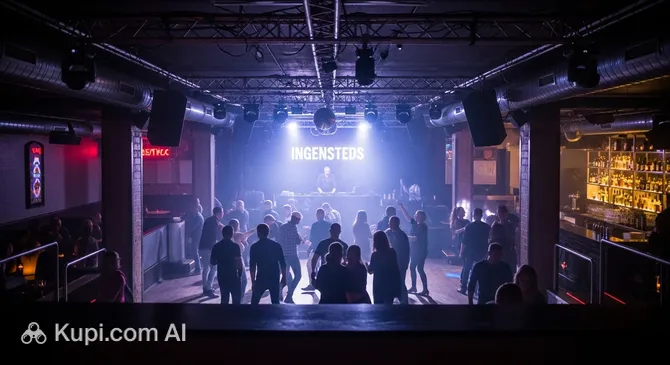
The epicenter of the city’s party scene is undoubtedly around Youngstorget and the surrounding streets. This area is packed with venues catering to a mixed crowd, where you can easily hop from a relaxed bar to a lively dance floor. Just a short walk away, the district of Grünerløkka offers a more bohemian vibe. Here, along the Akerselva river, you will find former industrial buildings turned into trendy cultural hubs. One such standout is Ingensteds, a popular nightclub and cultural venue known for its eclectic music program and riverside terrace.
Ingensteds. Illustration.
Source: Kupi.com AI
Traveler photos:
For those seeking a more intimate and unique experience, the city hides several gems in unexpected places. Kiosken Bar is a perfect example—a tiny, historic 1930s gas station converted into a charming bar. It is an ideal spot for craft beer enthusiasts looking to escape the larger crowds. If you prefer a more upscale evening, the waterfront area of Aker Brygge and Tjuvholmen offers stylish bars where the dress code is slightly smarter, and the views of the fjord are unbeatable.
When planning a night out, keep in mind that Norwegians often start the evening with a "vorspiel" (pre-party) at home before heading out around 11:00 PM or midnight. Bars typically close around 1:00 AM on weekends, while clubs stay open until 3:00 AM. Be aware that many nightclubs have age limits ranging from 20 to 23, or even 25. Safety is rarely a concern; the city is very safe for night walks, though it is always wise to stay in well-lit areas. Public transport, including night buses and trams, runs on weekends, but if you prefer a taxi, it is best to book via an app like Vy or Oslo Taxi, as hailing one on the street can be significantly more expensive.
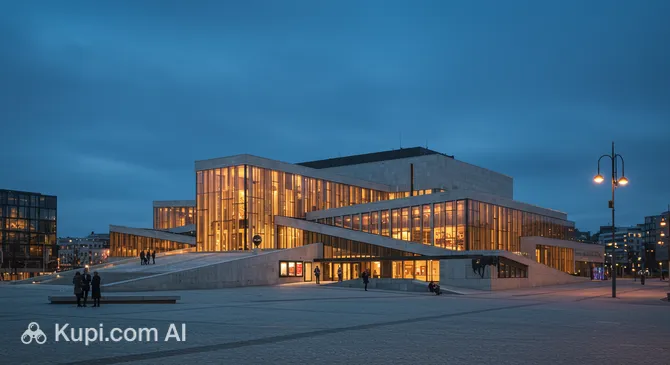
Beyond the late-night revelry, Oslo offers a rich array of cultural and daytime entertainment. The National Theatre provides world-class performances in a stunning historical setting, perfect for a sophisticated evening. For adrenaline seekers, daytime activities include options like Harald Huysman Karting, one of the premier go-karting centers in the country, located a short drive from the city center.
National Theatre. Illustration.
Source: Kupi.com AI
Traveler photos:
Parks & Museums
Oslo is a city where urban sophistication meets raw nature, offering an impressive array of green spaces and world-class cultural institutions. Whether you want to immerse yourself in art, history, or simply enjoy a quiet moment under the trees, the capital's parks and museums provide endless opportunities for exploration and inspiration.
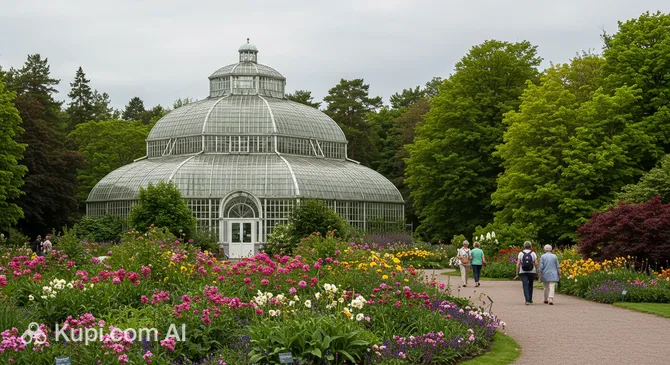
For a refreshing escape from the city streets, The Botanical Garden is a lush oasis located in the Tøyen district. As Norway's oldest botanical garden, it features extensive collections of plants from around the world, including a scent garden and the magnificent Victoria House with its giant water lilies. It is a perfect spot for a leisurely walk or a picnic on a sunny day.
The Botanical Garden. Illustration.
Source: Kupi.com AI
Traveler photos:
Another unique outdoor destination is Ekeberg Park, situated on a hillside overlooking the city. This sculpture park combines breathtaking views of the Oslofjord with high-quality contemporary art scattered throughout the forest. It offers a distinct hiking experience where nature and culture intertwine, making it a favorite among locals for evening strolls and sunset watching.
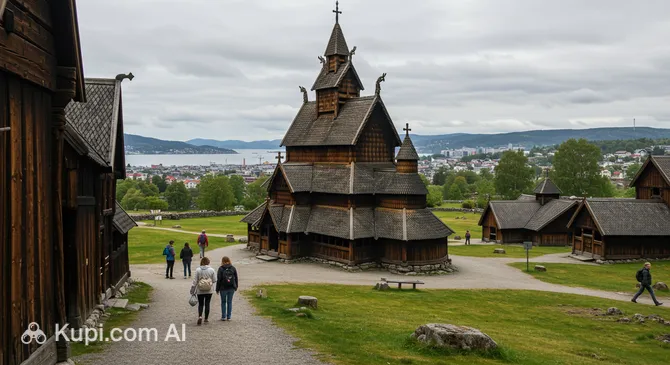
If you are looking to combine history with outdoor exploration, the Norwegian Museum of Cultural History on the Bygdøy peninsula is an essential stop. This vast open-air museum showcases 160 historic buildings relocated from different parts of Norway, allowing you to walk through time. The highlight for many is the intricate Gol Stave Church, a wooden masterpiece dating back to the 1200s that perfectly illustrates the country's medieval architectural heritage.
Norwegian Museum of Cultural History. Illustration.
Source: Kupi.com AI
Traveler photos:
Art enthusiasts should not miss the new National Museum, the largest art museum in the Nordic countries. Located near the harbor, this modern architectural landmark houses an extensive collection ranging from classical sculptures to modern design. It is the place to see iconic Norwegian landscapes alongside international masterpieces, offering a comprehensive journey through art history.
National Museum. Illustration.
Source: Kupi.com AI
Traveler photos:
Nearby on Bygdøy, adjacent to the maritime museums, you will find the Kon-Tiki Museum. This fascinating venue is dedicated to the life and expeditions of Thor Heyerdahl. Visitors can see the original balsa wood raft, Kon-Tiki, and the reed boat Ra II, gaining insight into daring voyages across the Pacific and Atlantic oceans that challenged established scientific theories.
For a truly authentic local experience during the warmer months, head to Huk Beach. Located at the tip of the Bygdøy peninsula, it is a bustling spot where city dwellers flock to swim and sunbathe. Alternatively, for families interested in exotic wildlife, the indoor Oslo Reptile Park in the city center offers an unexpected and exciting encounter with snakes, lizards, and spiders.
Getting Around
Navigating Oslo is remarkably straightforward thanks to an efficient and fully integrated public transport system operated by Ruter. This network unifies the metro, trams, buses, and ferries under a single ticketing system, allowing you to switch seamlessly between different modes of transport without purchasing separate tickets for each leg of your journey. Whether you are heading to a museum on the Bygdøy peninsula or seeking a panoramic view from the hills, the city's infrastructure makes getting around both easy and comfortable.
The backbone of the city's transit is the Metro (T-bane), which consists of five lines that converge in the city center at Majorstuen, Nationaltheatret, Stortinget, Jernbanetorget, Grønland, and Tøyen. It is the fastest way to travel longer distances. A highlight for visitors is Line 1, which ascends from the underground tunnels up to the forests of Holmenkollen and Frognerseteren, offering spectacular views of the fjord and the city below as the train climbs the hillside.
For shorter trips within the city center, the blue trams are a charming and scenic option. They weave through the main streets and neighborhoods, stopping frequently near major attractions and shopping districts. Complementing the trams is an extensive bus network, recognizable by its red city buses. These cover areas not reached by rail and are particularly useful for cross-town journeys. All buses are designed with accessibility in mind, featuring low floors for strollers and wheelchairs.
One of the most delightful features of the transport system is the network of passenger ferries. Since they are part of the Ruter system, your standard ticket is valid on the boats departing from Aker Brygge to the idyllic islands in the inner fjord. These ferries run year-round and provide a fantastic way to see the city from the water without paying for an expensive sightseeing cruise. Please note that the dedicated museum ferry to Bygdøy is often commercial and may not be included in the standard Ruter pass, so always check the signage before boarding.
The payment system is modern and user-friendly. The city is divided into zones, but as a tourist, you will likely only need a ticket for Zone 1, which covers the entire city center and most major attractions. The easiest way to buy tickets is via the Ruter app, which allows you to purchase single tickets, 24-hour passes, or weekly cards instantly. Alternatively, you can buy disposable travel cards at kiosks like Narvesen, 7-Eleven, and Deli de Luca, or at ticket machines found at major metro stations.
If you plan to visit many museums, the Oslo Pass is a highly recommended investment. It includes unlimited free travel on all public transport in zones 1 and 2, along with free admission to most museums and discounts at various restaurants. Remember to validate your ticket before you travel; if you use the app, the countdown starts immediately upon purchase or at a set time, while physical cards must be scanned at the card readers on board or at the station entrance. Ticket inspections are frequent, and fines for traveling without a valid ticket are steep.
Public transport generally operates from around 5:00 AM to midnight or 1:00 AM. On Friday and Saturday nights, the service is extended with night buses and trams that ensure you can get home safely after a late evening out. These night services follow the same ticketing rules, so your valid travel pass covers them as well.
For alternatives, Oslo City Bike (Oslo Bysykkel) is extremely popular during the warmer months (typically April to November). You can pick up a bike from one of the hundreds of racks across the city using their app for a small fee, making it a healthy and flexible way to explore. Taxis are available but are known for being quite expensive compared to other European cities. If you must take a car, it is advisable to book through apps like Uber or local services like Oslo Taxi rather than hailing one on the street, to ensure a fixed or metered price.
Accommodation
Where to Stay:
Finding the perfect place to stay in Oslo is an integral part of the travel experience, with options ranging from functional budget hostels and modern apartments to opulent, historic establishments. The standard of accommodation is generally very high across the board, ensuring a comfortable stay regardless of your budget. While the city is known for its higher price point, the value often comes in the form of excellent locations, generous breakfasts, and sustainable practices that are standard in many Norwegian lodgings.
For first-time visitors, the most convenient area to stay is the City Center (Sentrum). This district places you within walking distance of the main shopping street, Karl Johans gate, the central station, and the harbor. It is the heartbeat of the capital, making it easy to return to your room after a day of sightseeing. If you prefer a more bohemian and youthful vibe, the Grünerløkka district is a fantastic alternative. Packed with cafes, vintage shops, and parks, it offers a lively local atmosphere just a short tram ride from the center.
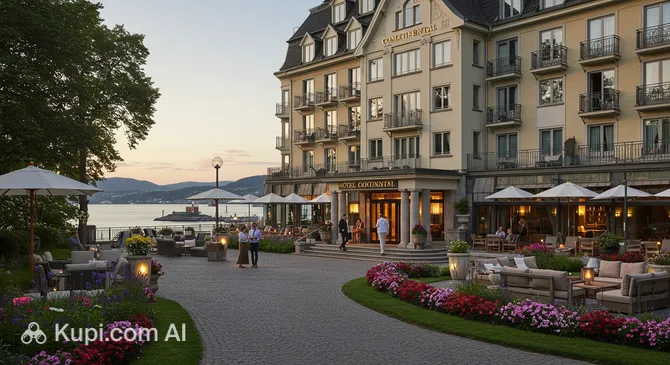
If you are looking for a luxurious stay steeped in history, the Hotel Continental is a prime example of the city's high-end hospitality. Located directly opposite the National Theatre, this family-owned establishment has been a landmark for generations, hosting Nobel Prize winners and celebrities. It offers a classic European hotel experience with elegant rooms and renowned dining options right on the premises.
Hotel Continental. Illustration.
Source: Kupi.com AI
Traveler photos:
For travelers concerned about costs, booking well in advance is the best strategy. Prices in Oslo can be significantly higher than the European average, especially during the peak summer season (June to August) and around the Nobel Peace Prize ceremony in December. Budget travelers often opt for "citybox" style hotels or hostels that offer self-check-in and compact rooms to keep rates lower. Apartment rentals are also a popular choice for families or those staying longer, providing the flexibility to cook your own meals.
Most accommodations can be easily booked via major online platforms or directly through the hotel websites. Regardless of where you choose to stay, you will likely find that public transport is never far away, making the entire city accessible from almost any doorstep.
Nearby Cities
For those looking to explore the surroundings, Oslo serves as an excellent base for day trips to several interesting nearby locations. Just a short train ride away lies Drammen, a city that has transformed itself into a modern riverfront destination with beautiful promenades and the unique Spiralen tunnel offering panoramic views. Closer to the capital, Sandvika is known for hosting one of the region's largest shopping centers and the idyllic Kalvøya island, which is perfect for summer picnics and swimming. For nature lovers, Asker serves as a gateway to lush forests and coastal paths, providing a peaceful retreat from urban life.
City
Population
Distance
Lysaker
—
6 km
Nesoddtangen
19 939
7 km
Lorenskog
44 693
11 km
Sandvika
115 543
13 km
Lommedalen
11 200
15 km
These nearby destinations offer a glimpse into the diverse culture and landscapes of the region.
Shopping & Souvenirs
Shopping in Oslo is a delightful experience that combines high-quality Scandinavian design with a relaxed atmosphere. While the city is known for its higher price point, the quality of goods—particularly in fashion, interior design, and outdoor gear—is exceptional. Visitors can expect clean, uncrowded stores and a focus on sustainable, durable products rather than fast fashion.
The city's main shopping artery is Karl Johans gate, a pedestrian-friendly street stretching from the Central Station to the Royal Palace. Here, you will find major international chains and large department stores. For a more upscale experience, the side streets around Nedre Slottsgate host luxury fashion houses and exclusive boutiques. Alternatively, the Bogstadveien street in the Majorstuen district offers a long strip of high-street brands and popular clothing stores, making it a favorite destination for local shoppers.
If you prefer browsing independent boutiques, vintage shops, and unique design stores, the trendy district of Grünerløkka is the place to go. This bohemian area is perfect for finding one-of-a-kind items, retro clothing, and local handicrafts, all while enjoying a vibrant street life.
For a comprehensive shopping experience under one roof (or open sky), Aker Brygge is a top choice. This former shipyard has been transformed into a bustling waterfront district featuring a mix of fashion boutiques, interior design shops, and restaurants. It offers a unique indoor-outdoor shopping environment right by the fjord.
Aker Brygge. Illustration.
Source: Kupi.com AI
Traveler photos:
Another noteworthy destination, especially for those interested in eco-friendly shopping, is Fornebu S. Located a short bus ride from the city center, this award-winning mall is known for its sustainable architecture and a wide selection of stores, covering everything from groceries to fashion and electronics.
Markets play a charming role in the local shopping scene. Mathallen Oslo is a must-visit for foodies, offering specialty Norwegian ingredients, cheeses, and cured meats. On Saturdays, the Vestkanttorget flea market in the Frogner district attracts crowds looking for antiques, second-hand clothes, and famous waffles. During December, the city transforms with traditional Christmas markets, particularly the one at Spikersuppa near the National Theatre, selling festive crafts and local treats.
When looking for souvenirs, authentic Norwegian goods are the best investment. Classic wool sweaters with traditional patterns (lusekofte) are both stylish and practical for the climate. Other popular items include a cheese slicer (ostehøvel)—a Norwegian invention—and the sweet, caramel-like brown cheese (brunost). For smaller gifts, hand-painted troll figurines or pewter Viking ships make for fun keepsakes.
Opening hours in Oslo are generally from 10:00 AM to 6:00 PM or 8:00 PM on weekdays, with malls often staying open until 8:00 PM or 9:00 PM. On Saturdays, shops typically close earlier, around 6:00 PM. It is important to note that most shops, including grocery stores and malls, are closed on Sundays, although some smaller souvenir shops and garden centers may remain open. Cards are the preferred payment method almost everywhere, and many places are entirely cashless.
Tourists residing outside of Norway, Sweden, Denmark, and Finland are eligible for Tax-Free shopping. If you spend more than a certain amount (usually around 315 NOK) in a single store affiliated with Global Blue or similar services, you can ask for a Tax-Free form. By presenting your goods, passport, and the form at the airport or border upon departure, you can receive a refund of the VAT, making your shopping spree a bit more affordable.