Support

Sogndal

About

Nestled deep within the majestic landscape of the Sognefjord, Sogndal is often referred to as the "heart of the fjord." This vibrant municipality in the Vestland county serves as a perfect base for exploring some of the most dramatic natural scenery in Norway. Known for its stunning surroundings where steep mountains plunge into deep blue waters, the town offers a unique blend of rural charm and modern energy, partly thanks to its status as a lively student hub.

Geographically, Sogndal is situated on the northern shore of the Sognefjord, the longest and deepest fjord in the country. The area enjoys a relatively mild climate for its latitude, which has historically supported thriving fruit orchards; in fact, the town is affectionately known as "Saftbygda" (The Juice Village) due to its significant fruit juice production. With a population of approximately 12,000 residents, it balances the amenities of a regional center with the tranquility of the Norwegian countryside.

Those interested in the past will find the history of Sogndal fascinating, ranging from ancient Viking roots to its development as an agricultural and educational stronghold. The region has long been a crossroads for trade and culture in the fjord district, leaving behind a rich heritage that is still visible today.
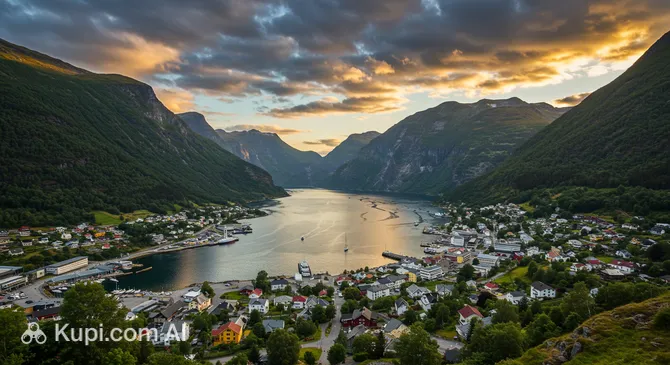
Sogndal. Source: Kupi.Binoculars

Travelers flock to Sogndal for its unparalleled access to outdoor adventures. It is a primary gateway to the Jostedalsbreen National Park, home to the largest glacier on the European mainland. Nearby, visitors can admire the Kaupanger Stave Church, a magnificent wooden structure dating back to the 12th century that stands as a testament to medieval craftsmanship. Additionally, the De Heibergske Samlinger – Sogn Folkemuseum offers an immersive open-air experience showcasing traditional life in the region.

Whether you are looking to hike rugged peaks, kayak on the serene fjord, or simply enjoy the local hospitality, Sogndal is an inviting destination that captures the true essence of the Norwegian fjord experience. A visit here promises unforgettable views and a refreshing escape into nature.

Weather Overview

Understanding the local climate is key to enjoying your visit to the fullest. For a comprehensive forecast and packing advice, you can consult the guide on weather in Sogndal. The town experiences a varied climate with distinct seasonal changes, influenced by its location near the fjord and mountains.

Winter in Sogndal is typically cold, with January being the coldest month, featuring an average temperature of -5.7°C and lows dipping to -7.8°C. Travelers should be prepared for frequent precipitation, as December and January see around 20 to 21 wet days each month, often creating excellent conditions for winter sports. Spring brings a gradual warming trend, with May averages rising to 6.7°C, though the nights can still be chilly.

Summer offers the most pleasant conditions for outdoor activities, with July being the warmest month. During this time, average temperatures reach 12.6°C, with daily highs occasionally hitting 16.0°C. Despite the milder weather, rain is still common, with July and August experiencing roughly 20 to 21 wet days, so carrying a waterproof jacket is recommended. As autumn approaches, the air cools significantly, dropping to an average of 3.0°C by October.

Overall, you can expect mild summers with frequent showers and cold winters characterized by consistent precipitation and sub-zero temperatures.

Interesting Facts

Beyond the main attractions, Sogndal holds many fascinating secrets that reveal the unique character of this fjord community. From sporting miracles to legendary outlaws, the town offers much more than just stunning scenery.
Sogningen Shopping Center. Source: Kupi.Binoculars
  • A Football Miracle: Despite a modest population, the local club, Sogndal Fotball, has spent many seasons in Norway's top division, the Eliteserien. The team is a source of immense local pride and is often cited as a prime example of a small community punching well above its weight in the sporting world.

  • The Jam Capital: While often called the "Juice Village," the town is specifically the home of Lerum, Norway's largest manufacturer of jam and squash. What started as a small rural trade has grown into a national industrial icon, supplying sweet spreads to breakfast tables across the entire country.

  • The Master Thief: The area has a connection to Gjest Baardsen, Norway's most famous master thief and escape artist. He was notoriously arrested in Sogndalsfjøra in the 19th century, adding a layer of thrilling folklore to the town's history.

  • A Regional Powerhouse: Although it feels like a cozy rural town, Sogndal serves as the commercial capital for the wider Sogn region. It draws visitors from far and wide, largely due to extensive facilities like the Sogningen Shopping Center, which is unexpectedly large for a town of this size.

How to Get There

Reaching the heart of the fjords requires a bit of planning, but the journey itself offers spectacular views of Norway's dramatic landscape. Whether you choose to fly or travel by train and bus, you can find more about how to get to Sogndal and the various routes available to help you organize your trip.

For those preferring the quickest route, the most convenient option is to fly directly into Sogndal Airport (IATA: SOG). Located just outside the town center, this regional hub connects the area with major Norwegian cities. The airport is situated approximately 8.8 km from Sogndal, and the transfer by taxi or shuttle generally takes around 33 minutes. While it is a smaller airport, it provides vital access for travelers wanting to avoid long drives.

Alternatively, many international visitors choose to land at Bergen Airport (IATA: BGO) in the city of Bergen. As a major international gateway, it offers a wider range of flight connections. However, please note that this airport is about 146.1 km away from Sogndal. From Bergen, you can rent a car or take a bus, with the journey taking approximately 239 minutes through scenic fjord roads.

For clarity, here is a summary of the main airports:

Airport Name City Passenger Traffic Km from City
Bergen Airport Bergen Large 146.1
Flora Airport Florø Medium 117.7
Hovden Airport Ørsta Small 119.2
Sogndal Airport Sogndal Small 8.8
Bringeland Airport Førde Small 74.0

If you prefer traveling by rail, it is important to know that the city of Sogndal does not have its own railway station. The nearest major rail hub is Bergen Railway Station (IATA: QFV) in Bergen, located about 145.6 km away. From there, you can connect to Sogndal by express boat or bus, a trip that takes roughly 238 minutes. Another option is arriving at Oslo Central Station (IATA: XZO) in the capital, which is approximately 245.6 km away. The onward journey from Oslo involves a scenic bus ride or a combination of train and bus that takes about 388 minutes.

Here is an overview of the nearest major railway stations:

Station City Passenger Traffic Km to Center
Oslo Central Station Oslo Very Large 245.6
Nationaltheatret Station Oslo Large 248.3
Bergen Railway Station Bergen Large 145.6

Main Attractions

Sogndal offers a delightful mix of cultural heritage, dramatic nature, and modern conveniences. From ancient wooden architecture to lively commercial hubs, the town serves as a diverse destination for travelers exploring the Sognefjord region. Here are some of the top places to visit during your stay.

De Heibergske Samlinger – Sogn Folkemuseum

This extensive open-air museum is a must-visit for anyone interested in Norwegian history. Situated in a scenic landscape, it features nearly 40 historic buildings that have been relocated from various parts of the Sogn district. You can stroll through traditional farmsteads, see historic workshops, and observe farm animals grazing in the fields. It provides an immersive journey through time, showcasing how people in the fjord regions lived and worked from the Middle Ages to the modern era.

Kaupanger Stave Church

Located just a short drive from the town center, the Kaupanger Stave Church is a magnificent example of medieval wooden architecture. Dating back to the 12th century, it is the largest of the stave churches in the Sogn og Fjordane region and has been in continuous use for over 900 years. Unlike many other stave churches, it features a simple, airy interior with tall wooden columns that create a cathedral-like atmosphere, offering a peaceful retreat and a fascinating glimpse into the past.

Sogningen Shopping Center

As the commercial heartbeat of the area, this center is surprisingly large for a town of Sogndal's size. It hosts a wide array of stores, from fashion and sports equipment to groceries and specialty shops. It is a bustling meeting point for locals and the large student population, making it a great place to pick up hiking gear, buy souvenirs, or simply enjoy a break indoors on a rainy day.

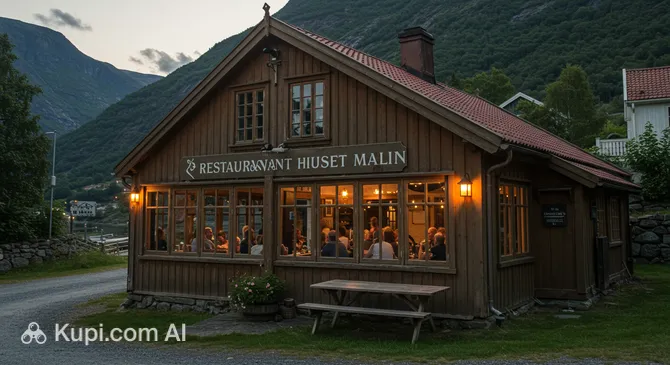
Restauranthuset Malin. Source: Kupi.Binoculars

Restauranthuset Malin

For those looking to enjoy a meal in the center of town, this restaurant is a popular choice. It is known for offering a varied menu that typically combines Chinese cuisine with European favorites, catering to a broad range of tastes. The friendly atmosphere and central location make it a convenient spot for tourists to unwind and refuel after a long day of exploring the fjords and mountains.

Molden

Often cited as the best viewpoint in Sogn, Molden is a mountain peak that offers an accessible yet rewarding hike. The trail takes you up to 1,116 meters above sea level, where you are greeted with a panoramic view of the lustrafjord and the surrounding high peaks. It is a favorite among both locals and visitors for its breathtaking scenery, and on a clear day, the vista is simply unforgettable.

Local Cuisine

Sogndal is widely known as "Saftbygda" (The Juice Village), a nickname that highlights its status as one of Norway's premier fruit and berry regions. The local cuisine is deeply rooted in this agricultural heritage, with fresh strawberries, raspberries, and apples playing a starring role on many menus. Visitors can expect a focus on farm-to-table freshness, where ingredients are often sourced directly from the steep orchards lining the fjord or the fertile valleys nearby.

When it comes to hearty traditional meals, the region embraces the savory flavors typical of Western Norway. A beloved staple is raspeballer, dense potato dumplings usually served with salted lamb, sausages, and bacon. This dish is a comfort food classic, often enjoyed on Thursdays. Given the area's strong farming traditions, lamb is a significant part of the diet, renowned for its tenderness and flavor derived from the mountain pastures. Seafood also features prominently, with fresh trout and salmon from the Sognefjord offering a taste of the local waters.

The beverage culture here is naturally dominated by the abundant fruit harvest. Pure, unfiltered apple juice, known as eplemost, is a local specialty that rivals wine in its complexity and is the perfect non-alcoholic pairing for dinner. For those seeking something stronger, the region has a growing reputation for producing excellent hard ciders, which balance natural sweetness with a refreshing tartness. You may also find traditional Norwegian aquavit served alongside festive meals to aid digestion.

The dining scene in Sogndal is relaxed and unpretentious, influenced by both its rural roots and its vibrant student population. You will find a variety of cozy cafes and bakeries perfect for a midday snack or a sweet treat featuring local jams. For a sit-down dinner that caters to a wide range of tastes, Restauranthuset Malin is a popular destination, known for serving a mix of Chinese and European dishes. Locals also frequently gather at the cafes within the Sogningen Shopping Center, making it a convenient spot to grab a quick bite while experiencing the town's daily rhythm.

Travel Tips

Visiting Sogndal places you right in the dramatic heart of the Norwegian fjords, but a trip to this region requires a bit of preparation to fully enjoy its rugged beauty. To help you navigate everything from the changeable weather to local customs, here is a list of practical tips for a smooth and memorable stay.

  1. Clothing and Gear: The weather in Vestland can be unpredictable, so the golden rule is to dress in layers. Even in summer, bring a waterproof and windproof jacket, as rain showers are frequent. Woolen base layers are excellent for hiking, keeping you warm even if you get damp. Sturdy, broken-in hiking boots are essential if you plan to explore the trails around Molden or the glaciers. Don't forget a power bank for your phone, as the cold air can drain batteries quickly during long treks.

  2. Transportation: While there is a local bus network operated by Skyss that connects Sogndal to nearby villages and the airport, having a rental car is highly recommended for exploring the wider region at your own pace. Taxis are available but can be quite expensive for long distances. If you rely on buses, download the local travel app to check schedules in real-time, as frequencies can be low on weekends and holidays.

  3. Finances: Norway is rapidly becoming a cashless society. The currency is the Norwegian Krone (NOK), but you will rarely need physical cash. Credit and debit cards (Visa and Mastercard) are accepted almost everywhere, from supermarkets to small kiosks. ATMs (minibank) are available in the town center if you prefer to have some cash, but it is not strictly necessary. Tipping is not mandatory, though rounding up the bill at restaurants is a common gesture of appreciation.

  4. Health and Safety: Sogndal is a very safe town with low crime rates. The biggest risks are related to nature; never walk on a glacier without a certified guide, as crevices can be hidden and deadly. Pharmacies (Apotek) are available in the town center, including one at the shopping center, but they are generally closed on Sundays. For medical emergencies, dial 113.

  5. Communication: The official language is Norwegian, and the local dialect can be quite distinct. However, English is spoken fluently by almost everyone, so you will have no trouble communicating. Free Wi-Fi is standard in hotels, cafes, and on many express buses. If you need mobile data, you can purchase a prepaid SIM card at convenience stores like Narvesen or 7-Eleven, provided you show your passport.

  6. Local Etiquette: Norwegians value personal space and quiet politeness. When hiking, it is customary to greet fellow trekkers with a simple "Hei" or "Hei hei." Punctuality is important for guided tours and public transport. Furthermore, respecting nature is paramount—strictly follow the "leave no trace" rule, taking all your trash back with you.

  7. What to Avoid: Do not assume shops will be open on Sundays. In Norway, most grocery stores and retail shops close entirely on Sundays, so plan your shopping for food and supplies on Saturday. Also, avoid underestimating hiking times; the terrain is steep, and weather can change rapidly, so always allow more time than you think you need.

  8. Local Specialty: Since Sogndal is known as "Saftbygda" (The Juice Village), make sure to try the locally produced fruit juices and jams. You will find a great selection in local grocery stores, which make for delicious and authentic souvenirs to take home.

With these tips in mind, you are well-equipped to experience the best of Sogndal. Embrace the fresh fjord air, enjoy the local hospitality, and have a fantastic adventure in this stunning corner of Norway!

Entertainment & Nightlife

Despite its modest size and rural setting, Sogndal boasts a surprisingly vibrant energy after dark, largely fueled by its active student population. While it may not rival the nightlife of a major metropolis, the town offers a cozy and welcoming scene centered around the area known as Sogndalsfjøra. Here, locals and visitors mingle in a relaxed atmosphere where the focus is on good conversation, live music, and enjoying the company of others against the backdrop of the fjord.

The heartbeat of the local nightlife is undoubtedly the student culture. The most prominent venue is Meieriet, a repurposed dairy factory that now serves as a lively cultural center and concert stage. It hosts everything from quizzes and stand-up comedy to energetic DJ nights and live bands. For those seeking a traditional pub vibe, Lægreidspuben is a local favorite. It is the perfect spot to sample local brews or cider, watch football matches, and experience the genuine hospitality of the Sogn region.

If you prefer to start your evening with a nice meal and a drink, Restauranthuset Malin is a popular choice in the town center. It offers a comfortable setting for a late dinner before you head out to explore the bars. The dress code in Sogndal is generally casual and practical; jeans and a nice sweater are perfectly acceptable everywhere. The nightlife peaks on weekends, particularly on Fridays and Saturdays, though Thursdays can also be lively due to student events.

For daytime entertainment, the pace is more laid-back. Cultural enthusiasts can visit the Sogndal Kulturhus, which houses a cinema showing the latest international films and a stage for theater productions. If you are in the mood for some light retail therapy or just want to grab a coffee and people-watch, the Sogningen Shopping Center is the main hub of activity during the day, offering a break from outdoor excursions.

Safety is rarely a concern in Sogndal. The town is compact and very safe for walking at night, with well-lit streets in the center. Most nightlife venues are within walking distance of each other. However, if your accommodation is further out, local taxis are available, though it is wise to book one in advance on busy weekend nights. Prices for drinks and entry fees are standard for Norway, so budget accordingly.

Parks & Museums

Sogndal offers a seamless blend of outdoor splendor and rich cultural history, providing visitors with access to both serene green spaces and fascinating educational institutions. Whether you are looking to stroll along the water's edge or dive deep into the region's past, the town and its surroundings have plenty to offer.

The Fjord Path (Fjordstien)

For a relaxing experience close to the town center, the Fjord Path is the perfect destination. This scenic promenade stretches along the Sognefjord, offering paved walking and cycling routes that are accessible to everyone. It is an ideal spot for a leisurely evening stroll, allowing you to admire the reflection of the mountains in the water. Benches are placed at regular intervals, making it a great place to sit with a coffee and watch the boats glide by.

Sogndalsdalen and Anestølen

Just a short drive north of the town center lies the lush valley of Sogndalsdalen. This area serves as a massive natural playground, featuring verdant pastures, crystal-clear rivers, and towering peaks. A highlight here is Anestølen, a traditional summer mountain farm (seter) that is popular among hikers and families. The area is renowned for its tranquility and the opportunity to see goats and sheep grazing freely in their natural habitat during the summer months.

The Norwegian Glacier Museum (Norsk Bremuseum)

Located in Fjærland, which is part of the Sogndal municipality, this award-winning museum is a must-see for those interested in natural history. The building itself is an architectural gem designed by Sverre Fehn. Inside, interactive exhibits explain the physics of glaciers and climate change in an engaging way. The panoramic cinema, which shows a breathtaking film about the Jostedalsbreen glacier, provides an immersive experience that brings visitors as close to the ice as possible without hiking.

Sogn Fjord Museum

Situated by the ferry quay in Kaupanger, this specialized museum focuses on the maritime history of the region. It houses a unique collection of traditional boats and fishing gear, illustrating how vital the fjord was for transport and survival in earlier times. It provides a distinct perspective on the local culture, emphasizing the deep connection between the people of Sogn and the water.

For a truly authentic experience, consider visiting the "Book Town" in Fjærland during the summer season. While technically a collection of second-hand bookshops rather than a traditional park or museum, the open-air shelves lining the fjord create a unique cultural atmosphere that blends literature with stunning nature.

Getting Around

Public transport in Sogndal is efficient and reliable, primarily revolving around a network of buses that serve the town center, residential areas, and the surrounding region. Given the town's modest size, there are no metros, trams, or trolleybuses. Instead, the local transport system is integrated into the wider Skyss network, which operates across the Vestland county. The main hub for all transit is the Sogndal Skysstasjon, located centrally by the fjord, where local buses, regional coaches, and airport shuttles converge.

For payment, the system is designed to be digital-first. The most convenient way to purchase tickets is through the Skyss Billett app, which is available for download on smartphones. This app allows you to buy single tickets or period passes instantly. Alternatively, you can use a Skyss Travel Card (Skysskort) if you plan to stay longer. While it is possible to buy single tickets with cash or a bank card directly from the driver upon boarding, be aware that this often incurs a surcharge. Prices are zone-based, but a standard single ticket within the local zone is reasonably priced for short trips.

Tourists should keep a few practical tips in mind to navigate the system smoothly. It is highly recommended to buy your ticket before boarding to save money and time. Tickets bought via the app are validated automatically upon purchase or at a set start time, while travel cards must be scanned against the readers inside the bus. Operating hours are extensive on weekdays, catering to the student population and commuters, but frequencies drop significantly on weekends and late in the evenings. Always check the timetables in advance, either through the Skyss app or their website, especially if you are traveling on a Sunday.

Beyond buses, the express boat (hurtigbåt) is a unique and scenic feature of the public transport system in this fjord region. While primarily an intercity connection to Bergen, it functions much like a "fjord metro," offering a fast and spectacular way to travel by water. The boat terminal is located just a short walk from the bus station. For exploring the town center itself, walking is often the best option as Sogndal is compact and pedestrian-friendly.

If you require more flexibility, taxis are available, though they can be quite expensive compared to public transit. There is a taxi rank near the bus station, but it is advisable to book in advance, especially during peak times or late at night. Car rentals are also popular for tourists who wish to explore the remote corners of the Sognefjord that buses might not reach. Cycling is another great alternative in summer, with the flat terrain along the fjord making for an easy and enjoyable ride.

Accommodation

Where to Stay:

Finding the right place to stay in Sogndal is relatively straightforward, as the town offers a concentrated but diverse selection of accommodation suited to different travel styles. The options generally range from full-service hotels and modern apartments to charming guesthouses and camping sites. Given its location in the heart of the fjord region, many properties focus on providing easy access to nature, often featuring views of the mountains or the Sognefjord itself.

For those who prioritize convenience, the town center, known as Sogndalsfjøra, is the most popular area to base yourself. Staying here places you within walking distance of the bus station, the Sogningen Shopping Center, and various dining options like Restauranthuset Malin. This central location is ideal for travelers relying on public transport, as it minimizes the need for taxis. Alternatively, if you have a car and prefer a quieter atmosphere, there are cabins and campsites located just outside the main hub, offering a more rustic experience closer to the hiking trails.

While the town does not have a vast number of luxury resorts, it is well-served by reputable mid-range hotels that provide high standards of comfort and Norwegian hospitality. Travelers on a budget, including the many students and backpackers who visit, can often find affordable hostels or cabin rentals, which are a staple of Norwegian summer holidays. These cabins, often located at camping grounds, range from basic shelters to fully equipped lodges with private facilities.

Booking Tips and Prices

Sogndal is a highly popular destination during the summer months (June to August) and the winter ski season. Consequently, it is strongly recommended to book your accommodation well in advance, as the best spots fill up quickly. Prices in Norway can be higher than the European average; however, Sogndal offers a fair mix of price points. You can generally expect mid-range prices for standard hotels, while camping cabins offer a more budget-friendly alternative. Most accommodations can be easily booked via major online platforms or directly through their websites, and credit cards are accepted almost everywhere.

Nearby Cities

Sogndal serves as an excellent starting point for exploring the wider Vestland region and beyond. The surrounding area is dotted with towns that offer distinct experiences, from adrenaline-fueled adventures to deep dives into Norway's coastal culture. Whether you are planning a day trip or looking for your next destination, these nearby cities provide a variety of options within a reasonable distance.

The closest notable destination is Voss, located approximately 66 km away. Known as the adventure capital of Norway, Voss is a magnet for thrill-seekers, offering world-class skiing in winter and extreme sports like skydiving and white-water rafting in summer. For those seeking a more urban experience, Bergen lies about 134 km to the southwest. As Norway's second-largest city, it is famous for its historic Hanseatic wharf, vibrant fish market, and rich cultural scene.

Travelers heading towards the coast near Bergen might also visit Askøy or Lindas, both of which offer a glimpse into the coastal island lifestyle typical of Western Norway. To the east, Fagernes serves as a regional hub for the Valdres valley, connecting the fjord districts with the inland mountains.

Below is a list of nearby cities and towns, ordered by their distance from Sogndal:

City Population Distance (km)
Voss 15,875 66
Lindas 15,607 118
Fagernes 13,381 118
Bergen 267,117 134
Askøy 29,816 139

Shopping & Souvenirs

Shopping in Sogndal offers a relaxed and convenient experience, blending the charm of a small fjord town with the amenities of a regional commercial hub. While it may not be a sprawling fashion capital, the town provides everything a traveler might need, from high-quality outdoor gear to locally produced delicacies. The retail scene is concentrated and easy to navigate, making it simple to combine a shopping trip with a stroll along the fjord.

The main street and the area known as Sogndalsfjøra form the historic heart of the town. Here, you can find a selection of smaller, independent shops and boutiques nestled among traditional wooden buildings. This area is perfect for those looking to browse for unique items, home décor, or sports equipment in a more intimate setting. The atmosphere is laid-back, allowing visitors to take their time exploring the offerings without the rush of a big city.

For a more extensive range of stores under one roof, the Sogningen Shopping Center is the undisputed center of commerce in the region. As one of the largest malls in this part of Norway, it serves as a gathering point for locals and students alike. The center houses dozens of shops, including popular fashion chains, pharmacies, electronics stores, and well-stocked supermarkets, making it the go-to destination for both daily essentials and leisure shopping.

Given Sogndal's reputation as the "Juice Village" (Saftbygda), the local markets and farm shops are a highlight, particularly during the harvest season. While there is no large permanent market hall, you can often find seasonal stands selling fresh strawberries, raspberries, and apples directly from the nearby orchards. These local products are renowned for their intense flavor, nurtured by the long summer days and the cool fjord climate.

When looking for souvenirs, the most authentic choice is undoubtedly a jar of local jam or a bottle of fruit syrup from Lerum, the town's famous juice manufacturer. These make for delicious and practical gifts that capture the taste of the region. Additionally, since Sogndal is a gateway to glaciers and mountains, sporting goods stores are excellent places to pick up high-quality Norwegian wool underwear or hiking gear, which are designed to withstand the rugged Nordic weather.

Store opening hours in Sogndal generally follow standard Norwegian patterns. Most street-side shops are open from 10:00 AM to 5:00 PM on weekdays, with shorter hours on Saturdays. The shopping center typically offers extended hours, staying open until 8:00 PM on weekdays and 6:00 PM on Saturdays. It is important to note that, like most of Norway, almost all shops are closed on Sundays. Payment is seamless, with credit and debit cards being the preferred method everywhere; even small stalls often accept digital payments, so carrying large amounts of cash is rarely necessary.

Tourists residing outside of Norway, Sweden, Denmark, and Finland may be eligible for a tax refund on purchases made in affiliated stores. Look for the "Tax Free" signage in shop windows, and be sure to ask for a refund form at the checkout if your purchase exceeds the minimum amount. You can then claim your refund at the airport or border crossing when leaving the country.

Reached the end of the page?

That means the route is fully explored