Support

Kristiansund

Attractions

About

Welcome to Kristiansund, a charming and distinctive city located on the western coast of Norway. Often described as the "Opera City" or the "Klippfisk Capital," this urban gem offers a blend of vibrant culture, maritime tradition, and stunning coastal scenery. Unlike many other towns, Kristiansund is uniquely situated across four main islands—Kirkelandet, Innlandet, Nordlandet, and Gomalandet—creating a captivating cityscape where the ocean is an integral part of daily life.
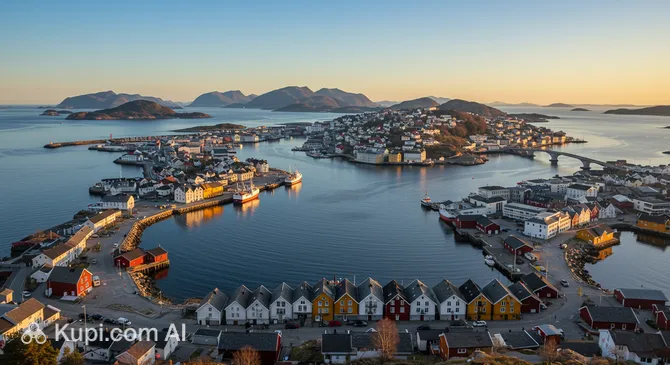
Kristiansund. Source: Kupi.Binoculars

With a population of approximately 18,000 residents, the city maintains a cozy, small-town atmosphere while serving as the cultural and commercial center of the Nordmøre region in Møre og Romsdal. The local geography protects the natural harbor, which has been the heartbeat of the community for centuries. To truly understand how this island community evolved from a small fishing settlement into a thriving export hub, exploring the history of Kristiansund is highly recommended. The city's heritage is deeply entwined with the production of dried cod, or klippfisk, which shaped its economy and culinary identity.

Visitors will find plenty to see and do, starting with a ride on the Sundbåten, one of the world's oldest public transport ferry services still in operation, which connects the four islands. The city is also renowned for its colorful post-war architecture and its unexpectedly rich cultural scene, including a prestigious annual Opera Festival. For those seeking natural beauty, the nearby Atlantic Ocean Road offers one of the most scenic drives in the world, making Kristiansund an excellent base for exploration.

Whether you are strolling through the historic district of Innlandet, tasting the local Bacalao, or simply admiring the view of the open sea, Kristiansund promises a memorable experience. It is a destination that perfectly balances urban amenities with the raw beauty of the Norwegian coast, inviting travelers to relax and discover its many treasures.


Weather Overview

Kristiansund experiences a maritime climate heavily influenced by its location on the Atlantic coast, resulting in relatively mild winters and cool summers compared to inland regions. The weather can be quite changeable, so it is always a good idea to check the current forecast for weather in Kristiansund when planning your activities.

The warmest months are July and August, where average temperatures reach around 13.5°C, with highs occasionally climbing to 15.2°C. Winters are generally cold but not severe, with average temperatures in January and February hovering near 0.5°C to 0.8°C and lows rarely dropping far below -1°C. Precipitation is frequent throughout the year, with "wet days" ranging from 14 to 22 days per month, peaking in October. Expect cool, breezy summers with regular showers and cold, damp winters.

Interesting Facts

Beyond its scenic harbor and islands, Kristiansund holds a treasure trove of stories that define its unique identity. Here are a few intriguing facts that showcase the city's resilience and cultural depth.

  • The city boasts one of the world's oldest public transport systems still in continuous operation. The Sundbåten passenger ferry has been shuttling locals between the four islands since 1876, serving as a vital and beloved connection long before modern bridges were built.

  • Kristiansund is affectionately known as Norway's "Opera City," a surprising title for a town of its size. This cultural tradition dates back to the early 20th century and was largely funded by the lucrative klippfisk (dried cod) industry, proving that rugged maritime labor and high art can go hand in hand.

  • The colorful architecture that defines the city today is a result of tragedy and rebirth. After being nearly destroyed by bombing in 1940, the town was rebuilt in a distinct, vibrant style, breaking away from the traditional white wooden houses seen elsewhere in Norway to create a cheerful, modern cityscape.

  • For a historic perspective on the landscape, Varden Viewpoint offers more than just scenery. Located 78 meters above sea level, this old guard tower area provides a 360-degree view of the shipping lanes and was historically used to watch for incoming vessels.

Varden Viewpoint. Source: Kupi.Binoculars

How to Get There

Reaching this coastal city is an adventure in itself, with options ranging from direct flights to scenic drives along the Atlantic coast. Whether you prefer the speed of air travel or a combination of transport through the fjord landscapes, you can find more about how to get to Kristiansund and choose the route that best suits your itinerary.

The most direct way to arrive is by flying into Kristiansund Airport, Kvernberget (IATA: KSU). Ideally located just 4.9 km from the city center, this airport offers frequent connections to major Norwegian hubs. The transfer to the city is quick and convenient, taking about 15 to 20 minutes by taxi or airport bus.

Another viable option is Molde Airport, Årø (IATA: MOL), situated in the city of Molde. Although it is not in Kristiansund itself, it serves as a good alternative entry point, located about 47 km away. The journey from Molde to Kristiansund typically involves a drive or bus ride that takes around 1.5 hours. For travelers seeking more international connections, Trondheim Airport Værnes (IATA: TRD) in Trondheim is a larger facility, though it is located roughly 165 km from Kristiansund.

For clarity, here is a summary of the main airports:

Airport Name City Passenger Traffic Km from City
Trondheim Airport Værnes Trondheim Large 165.0
Ålesund Airport, Vigra Alesund Medium 102.7
Molde Airport, Årø Molde Medium 47.1
Kristiansund Airport, Kvernberget Kristiansund Small 4.9
Hovden Airport Ørsta Small 134.0

The city of Kristiansund does not have a railway station, but you can arrive at the Trondheim S Station (IATA: XZT) in the city of Trondheim, which is about 165 km from Kristiansund. From there, the journey by bus or car takes approximately 3.5 to 4.5 hours depending on the route and ferry connections. Many travelers also opt for the express boat (Hurtigbåt) from Trondheim, which offers a scenic voyage along the coast directly to Kristiansund.

Below is the nearest major railway station:

Station City Passenger Traffic Km to Center
Trondheim S Station Trondheim Large 165.1

Main Attractions

Kristiansund offers a delightful mix of natural beauty and modern facilities, making it a joy to explore on foot or by boat. From panoramic lookouts to family-friendly activities, the city's highlights reflect its close relationship with the sea and its vibrant community life.

For the best overview of the cityscape, a trip to Varden Viewpoint is essential. This lookout point sits 78 meters above sea level and offers a spectacular 360-degree panorama of the ocean, the shipping lanes, and the colorful houses scattered across the islands. It is an easy walk from the center, making it a perfect spot for a sunset stroll or a quick nature break to admire the rugged coastline.

Families and water enthusiasts should not miss Atlanterhavsbadet. This popular water park features a variety of pools, including a wave pool, sports pool, and therapy pool, alongside thrilling slides and diving towers. It is a great place to relax or have fun indoors, especially on days when the coastal weather is a bit brisk.

Atlanterhavsbadet. Source: Kupi.Binoculars

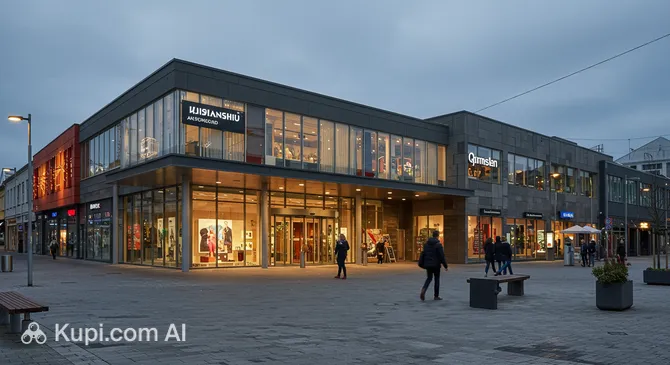
Located right in the heart of the harbor, Alti Storkaia is a central hub for both locals and visitors. This shopping center offers a wide range of stores, from fashion to local goods, and serves as a convenient place to pick up souvenirs. Its location by the pier allows you to combine a shopping trip with a coffee break while watching the boats navigate the strait.

Alti Storkaia. Source: Kupi.Binoculars

Local Cuisine

The culinary identity of Kristiansund is inseparable from its history as the "Klippfisk Capital" of Norway. For centuries, the production and export of klippfisk (dried and salted cod) connected this coastal city with the wider world, particularly Southern Europe. Consequently, the signature dish here is Bacalao, a rich and hearty tomato-based stew made with high-quality dried cod, onions, potatoes, and olive oil. Unlike traditional boiled Norwegian fish dishes, Bacalao offers a spicy, Mediterranean flair that has become a beloved local staple.

Beyond the famous red stew, visitors should try another regional specialty known as blandaball. These are large, savory dumplings made from a mixture of fish and potatoes, typically served with boiled potatoes, bacon fat, and sometimes a slice of rutabaga. It is a humble, filling comfort food that locals hold dear. Of course, being an island city, the access to fresh seafood is unparalleled, and you will find excellent fish soup, fresh shrimp, and the catch of the day featuring heavily on menus across town.

Dining in Kristiansund often comes with a view of the harbor, where the atmosphere is relaxed and maritime. To accompany these savory seafood meals, locals might enjoy a glass of cold beer or a shot of aquavit, a traditional Scandinavian spirit that is believed to aid digestion, especially after a rich meal of Bacalao. Coffee culture is also strong here, often enjoyed with a svele, a thick, crescent-shaped pancake that is a favorite snack on the local ferries.

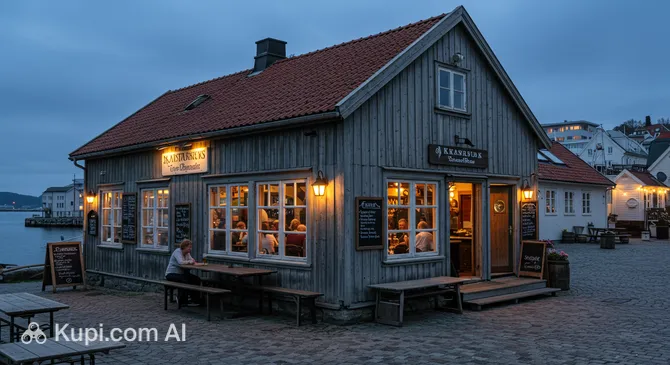
The restaurant scene ranges from casual harbor-side eateries to more modern establishments. For a taste of the city's social life and good food, you can visit Boteco. This venue is a popular spot among locals and tourists alike, offering a pleasant atmosphere to unwind after a day of exploring the islands.

Boteco. Source: Kupi.Binoculars

Travel Tips

To ensure your visit to this unique island city is as smooth and enjoyable as possible, we have compiled a list of essential travel advice. From navigating the harbor to packing for the coastal weather, these practical tips will help you experience the best of Kristiansund like a seasoned traveler.

  1. Clothing and Gear: The weather on the western coast of Norway is notoriously unpredictable. Even in summer, you should pack a high-quality windproof and waterproof jacket, as rain showers can occur suddenly. Layering is key; bring warm sweaters and lighter shirts to adapt to changing temperatures. Comfortable, sturdy walking shoes are a must, especially if you plan to hike up to Varden Viewpoint or explore the cobblestone streets of the historic Innlandet district.

  2. Transportation: The most iconic and efficient way to get around is the Sundbåten, a passenger ferry service that shuttles between the four main islands (lands) of the city. It is often faster than driving or taking the bus. For trips further afield, such as to the Atlantic Road, renting a car is recommended. Within the city center, walking is very feasible, and the local "Fram" buses cover the rest of the area well.

  3. Finances: The local currency is the Norwegian Krone (NOK). Kristiansund, like the rest of the country, is rapidly becoming a cashless society. Credit and debit cards (Visa and Mastercard) are accepted almost everywhere, from hot dog stands to museums. You rarely need cash, but if you prefer having some, ATMs (minibank) are available in the city center. Tipping is not mandatory, but it is polite to round up the bill at restaurants for good service.

  4. Health and Safety: Kristiansund is a very safe city for tourists. Pharmacies, known as Apotek, are easily found in shopping centers like Alti Storkaia and are generally open during regular business hours. Tap water here is not just safe but delicious—bring a reusable bottle and fill it up from the tap to save money and plastic. In case of an emergency, dial 112 for police or 113 for an ambulance.

  5. Communication: English is widely spoken and understood by almost everyone, so you will have no trouble communicating. Learning a few basic Norwegian words like Takk (Thank you) or Hei (Hello) is always appreciated by locals. Free Wi-Fi is standard in most hotels, cafes, and public transport, and EU/EEA residents can usually "roam like at home" with their mobile data plans.

  6. Local Etiquette: Norwegians value personal space and privacy. When using public transport, it is customary to sit in an empty row rather than next to someone else if space allows. Greetings are usually a firm handshake. If you are lucky enough to be invited to a local's home, remember to remove your shoes at the door before entering.

  7. What to Avoid: Do not expect to buy wine or spirits in regular supermarkets. Alcohol stronger than 4.7% is only sold at the state-run liquor store, Vinmonopolet, which has limited opening hours and is closed on Sundays. Plan your purchases ahead if you want to enjoy a glass of wine on your balcony.

  8. Additional Tip: Keep an eye on the clock if you are relying on the Sundbåten late in the evening or on Sundays, as the schedule may be reduced. Also, when taking ferries in the region, try the local snack called svele—a thick, sweet pancake served with buttercream and brown cheese; it is a true taste of the Møre og Romsdal ferries.

Armed with these tips, you are ready to embrace the maritime charm and rugged beauty of Kristiansund. Whether you are hopping between islands on the ferry or enjoying a fresh seafood dinner, a little preparation will go a long way in making your Norwegian adventure unforgettable.

Entertainment & Nightlife

While Kristiansund may not be a sprawling metropolis with a chaotic club scene, its nightlife offers a cozy, social, and distinctly maritime atmosphere. The evening entertainment here is centered around the harbor area in the Kirkelandet district and the historic Innlandet, often referred to as "Tahiti." Instead of large dance clubs, you will mostly find lively pubs, stylish bars, and restaurants that transition into social hotspots after dark. The vibe is generally relaxed and welcoming, making it easy to strike up a conversation with locals over a drink.

For a sophisticated yet laid-back evening, Boteco is a favorite among residents. Located near the waterfront, this venue combines the qualities of a good restaurant with a vibrant bar atmosphere, making it an excellent place to enjoy a glass of wine or a cocktail while soaking in the harbor views. If you are looking for live music and a wider selection of beverages, Hjørnet Bar is another popular local haunt where the atmosphere often picks up on weekends.

For those who prefer an activity-based evening, the city offers more than just traditional bars. A trip to Alti Futura can provide a fun break from the elements. This center is home to Futura Bowling, which is fully licensed to serve food and drinks, offering a playful alternative for groups and families looking to compete on the lanes before heading out for the night.

Alti Futura. Source: Kupi.Binoculars

When planning a night out, keep in mind that alcohol prices in Norway can be high compared to other countries. The dress code is typically "smart casual"—Norwegians value comfort but tend to dress neatly when going out. The city is very safe for night walks, even in the late hours. The harbor promenade is well-lit and peaceful, but if you need to travel between the islands late at night after the ferries have stopped, taxis are readily available. You can usually find them at designated stands in the center or book one by phone.

During the daylight hours, the entertainment options are equally engaging. Beyond the shopping and cafes, you can visit Atlanterhavsbadet, a family-friendly water park that is perfect for a refreshing dip. For a dose of culture, the city's museums and the famous Sundbåten ferry offer a deep dive into the local history, ensuring that your days are just as fulfilled as your evenings.

Parks & Museums

Kristiansund surprises many visitors with its harmonious blend of rugged coastal nature and deeply rooted cultural heritage. While the ocean dominates the landscape, the city also boasts lush green spaces and fascinating museums that tell the story of its transformation from a small fishing settlement to a global export hub.

One of the most beloved recreational areas in the city is Vanndamman (The Water Ponds). Originally constructed as water reservoirs for the city, this area has been transformed into a beautiful park characterized by rich vegetation, winding walking paths, and serene ponds. It is particularly popular among families and nature lovers due to its resident bird life, including swans, ducks, and even free-roaming peacocks. Just a short walk from the ponds, you can continue into the Kringsjå area, which offers a network of hiking trails through hilly terrain, providing a peaceful escape within the city limits.

For those seeking panoramic views combined with a refreshing hike, Varden Viewpoint is the ultimate destination. Situated 78 meters above sea level on the island of Kirkelandet, this area serves as an open-air park where locals go to exercise and admire the horizon. The surrounding terrain is accessible and offers a direct connection to the raw elements of the Norwegian coast, making it a perfect spot to watch the sunset or spot ships entering the harbor.

To understand the soul of Kristiansund, a visit to the Norwegian Clipfish Museum (Norsk Klippfiskmuseum) is essential. Located in a large, well-preserved wharf on the island of Gomalandet, the museum vividly captures the history of the dried cod industry that built the city's wealth. Visitors can smell the salt and timber while exploring the historic building, learning about the labor-intensive process of creating klippfisk and the culture of the "fish wives" and workers who powered the trade.

Another cultural gem is Mellemverftet, a "living" shipbuilding museum situated in the Vågen area. Unlike traditional museums with static displays, Mellemverftet is often buzzing with activity as local craftsmen work on restoring old vessels using traditional methods. It provides a unique insight into the maritime skills that have sustained the community for generations, featuring an operational blacksmith shop and woodworking areas.

Architecturally, the city offers a striking contrast between the old and the new. The Kirkelandet Church is a landmark of modern Norwegian architecture, famous for its daring, crystal-like shape and stained glass that fills the interior with colored light. In contrast, the district of Innlandet preserves the charm of the past with its narrow streets and older wooden houses that survived the WWII bombings, offering a glimpse into what the town looked like in the 19th century.

For a truly authentic experience, take a walk towards Klubba, a scenic area near the harbor entrance. Here, you can find old fortifications and bunkers from the war, but the real draw is the rugged coastline where the waves crash directly against the rocks. It is a favorite spot for locals to experience the power of the ocean safely from land, especially on windy days.

Getting Around

Navigating Kristiansund is a unique experience due to its geography, which is spread across four main islands. Unlike larger metropolises, the city does not have a metro, tram, or trolleybus system. Instead, the public transport network relies on a combination of buses and a historic passenger ferry service that functions as a vital link between the different boroughs. The system is efficient, clean, and integrated under the regional transport authority, making it easy for visitors to get around.

The most iconic and practical way to travel between the islands of Kirkelandet, Innlandet, Nordlandet, and Gomalandet is the Sundbåten. This passenger ferry is one of the world's oldest public transport services still in continuous operation. It is not merely a tourist attraction but the backbone of daily commuting in the city. The ferry runs on a loop, allowing passengers to hop on and off at the different piers. It is generally faster than driving between the islands, as it cuts directly across the harbor rather than taking the longer road routes over bridges.

For travel within the islands or to reach suburban areas and the airport, the local bus network is the primary option. Operated by Fram, the regional public transport provider for Møre og Romsdal, the buses are modern and reliable. The main bus terminal is located at the pier in the city center, making it easy to transfer between the ferry and the bus. While the city center is compact enough to explore on foot, buses are essential for reaching attractions like the Atlantic Ocean Road or the Varden Viewpoint if you prefer not to hike up the hill.

The payment system is fully integrated, meaning tickets are often valid for both buses and the Sundbåten ferry within the city zone. The most convenient way to purchase tickets is through the Fram app, which is available for smartphones. This app allows you to buy single tickets or day passes and provides real-time schedule information. You can also purchase a travel card (reisekort) if you plan to stay longer. Buying tickets on board with cash is possible but is usually more expensive and requires exact change, so using the app or a credit card is highly recommended.

Tourists should be aware that public transport schedules vary significantly depending on the day of the week. The Sundbåten and local buses run frequently during weekdays and Saturdays, but services are often reduced on Sundays and public holidays. On Saturday afternoons and Sundays, the ferry service typically stops earlier than on weekdays. It is always wise to check the timetables in the Fram app or at the stops to avoid being stranded on one of the islands late at night.

If you need to travel outside of public transport operating hours, taxis are a reliable alternative. Taxis can be found at designated stands in the city center or booked via phone or mobile apps. However, taxi fares in this region can be quite high compared to other European destinations, so they are best used for short trips or when carrying heavy luggage. Car sharing and bike rentals are less common than in major capitals, but the city's compact nature makes walking a pleasant and viable option for most visitors.

Accommodation

Accommodation in Kristiansund reflects the city's modest size and maritime character. While you will not find an overwhelming number of options, the available choices are generally of high quality, ranging from modern full-service hotels to charming guesthouses and practical apartments. For those traveling on a budget or seeking a closer connection to nature, there are also camping sites and cabins located just a short drive from the city center, offering a peaceful retreat by the fjord.

The most convenient area to stay is undoubtedly in the city center, primarily on the island of Kirkelandet. Staying here places you within walking distance of the main shopping streets, restaurants, and the iconic harbor. Hotels located near the waterfront are particularly popular, as they often offer rooms with stunning views of the ship traffic and the colorful cityscape surrounding the strait. Being in the center also ensures easy access to the Sundbåten ferry, making it simple to explore the other islands without needing a car.

When planning your trip, it is important to consider the timing. Kristiansund hosts several popular events throughout the year, such as the Opera Festival in February and the Tahiti Festival in summer. During these periods, as well as the peak summer tourist season (June to August), accommodation can fill up quickly. It is highly recommended to book your room well in advance to secure your preferred location and rate.

In terms of pricing, accommodation in Kristiansund generally aligns with the Norwegian standard, which can be perceived as mid-range to high compared to other parts of Europe. Most establishments offer online booking through major travel platforms or their own websites, which is the most efficient way to compare prices and check availability. Whether you choose a harbor-front hotel or a cozy apartment, you can expect a comfortable and clean base for your coastal adventures.

Nearby Cities

For those looking to explore the surroundings, Kristiansund serves as an excellent base for day trips to several interesting nearby locations:

One of the most accessible destinations is Molde, often referred to as the "Town of Roses." Situated just a short ferry ride and drive away, it is famous for its annual international jazz festival and the breathtaking Molde Panorama, which boasts a view of 222 mountain peaks. It provides a perfect contrast of culture and nature within easy reach.

Further south lies the picturesque city of Alesund, renowned worldwide for its consistent Art Nouveau architecture. Rebuilt in a fairy-tale style after a fire in 1904, the town is spread across several islands and offers stunning views from the Mount Aksla viewpoint, making it a visual treat for architecture enthusiasts.

For a dive into deep history, Trondheim is a rewarding destination. Although it requires a longer journey, it is home to the magnificent Nidaros Cathedral, the national sanctuary of Norway, and the charming wooden warehouses along the Nidelva River. It stands as a vibrant student city with a rich medieval heritage.

City Population Distance (km)
Trondheim 194,860 139
Alesund 52,163 107
Molde 32,002 50
Stjørdal 24,287 165
Malvik 14,425 154

These nearby destinations offer a glimpse into the diverse culture and landscapes of the region.

Shopping & Souvenirs

Shopping in Kristiansund offers a relaxed and pleasant experience, characterized by a mix of modern convenience and small-town charm. While it may not be a massive retail metropolis, the city provides everything a traveler might need, from high-street fashion to unique local handicrafts. The shopping scene is compact, making it easy to browse through stores without the stress of large crowds, all while enjoying the fresh sea breeze that sweeps through the streets.

The heart of the shopping district is located in the city center on the island of Kirkelandet. Here, the pedestrian street (Gågata) and the area around Kaibakken serve as the traditional commercial hubs. Strolling through these streets allows visitors to discover independent boutiques, cozy cafes, and smaller specialty shops selling interior design items, books, and clothing. It is a great area to explore on foot, with most stores located just a short walk from the harbor.

For those who prefer a more concentrated shopping experience under one roof, the city boasts two main shopping centers. Located right by the pier in the city center, Alti Storkaia is a favorite among locals and tourists alike. It offers a wide variety of shops and services, and its location makes it perfect for a quick shopping spree while waiting for the ferry. Further inland, in the Løkkemyra area, you will find Alti Futura. This is a larger commercial center with extensive parking, housing major chains, electronics stores, and a grocery hypermarket, making it the go-to destination for major purchases.

While Kristiansund does not have a permanent daily market in the southern European style, the city's connection to the sea is evident in its food offerings. You can often find fresh seafood being sold directly from boats or at the fishmongers by the harbor. Seasonal markets, particularly before Christmas or during summer festivals, bring local farmers and artisans to the town square, offering fresh produce, baked goods, and handmade crafts.

When it comes to souvenirs, there is one item that stands out above all else: klippfisk (dried and salted cod). Given Kristiansund's history as the "Klippfisk Capital," bringing home a high-quality pack of this local delicacy is almost mandatory. It is widely available in supermarkets and specialty shops, often sold in gift-friendly packaging. Other popular keepsakes include traditional Norwegian wool sweaters, pewter items, and troll figurines, which can be found in the gift shops around the center.

Store opening hours in Kristiansund are generally consistent with the rest of Norway. Most shops in the city center are open from 10:00 AM to 5:00 PM on weekdays, with extended hours on Thursdays. On Saturdays, shops typically close earlier, around 3:00 PM or 4:00 PM. The shopping malls, such as Alti Storkaia and Alti Futura, usually stay open later, often until 8:00 PM on weekdays and 6:00 PM on Saturdays. Please note that nearly all shops are closed on Sundays, with the exception of small convenience stores and garden centers.

Payment is seamless throughout the city, as Norway is a leader in cashless transactions. Major credit and debit cards (Visa and Mastercard) are accepted virtually everywhere, even for small purchases like a cup of coffee or a newspaper. Contactless payment is the norm. While it is possible to use cash, it is rarely necessary.

Tourists residing outside of Norway, Sweden, Denmark, and Finland may be eligible for tax-free shopping. Look for the "Tax Free" logo in store windows. If you spend above a certain amount in a participating store, you can ask for a tax refund form. This allows you to claim a refund on the Value Added Tax (VAT) when leaving the country, provided you show the goods and the form at the airport or border crossing.

Reached the end of the page?

That means the route is fully explored