Support

Roros

About

Welcome to Roros, a truly enchanting destination that feels like stepping into a living museum. Renowned for its incredibly preserved wooden architecture and unique atmosphere, this historic mining town is one of the few places in the world that holds the status of a UNESCO World Heritage site. With a population of around 1,800 residents, it offers an intimate and authentic experience, far removed from the bustle of modern metropolitan life.

Located in the Trøndelag county of central Norway, Roros sits on a high mountain plateau. This geographical setting contributes to its distinctively crisp climate; it is known for being one of the coldest places in the country, which only adds to its charm during the snowy winter months. The town is surrounded by vast, rugged wilderness, making it a picturesque haven for nature lovers and history enthusiasts alike.
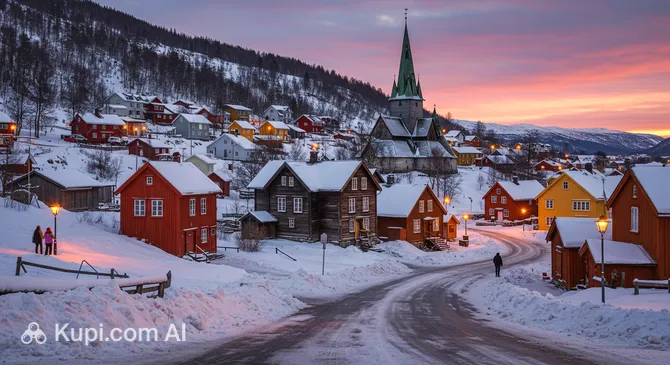
Roros. Source: Kupi.Binoculars

The history of Roros is inextricably linked to the discovery of copper ore in the 17th century, which shaped the town's development for over 300 years. Walking through the narrow streets, visitors are greeted by colorful wooden houses that have stood the test of time, many retaining their original dark timber facades. The town layout and its buildings provide a remarkable window into the life of a traditional mining community.

Among the key attractions is the majestic Roros Church, also known as "Bergstadens Ziir," which dominates the skyline with its white stone tower and serves as a symbol of the town's golden age. Visitors should also explore the fascinating slag heaps, remnants of the mining industry that now offer panoramic views over the old town and the surrounding mountains. Whether you are wandering through the charming courtyards or exploring the local artisan shops, the town offers a captivating blend of culture and heritage.

We invite you to discover the magic of Roros, a place where the past is vibrant and alive. Whether you visit for the famous winter market, Rørosmartnan, or simply to enjoy the serenity of the Norwegian mountains, this unique town promises an unforgettable journey into the heart of Scandinavian history.
Weather Overview

The climate in this historic mining town is distinctively continental, shaped by its inland location and elevation. Visitors should be prepared for significant contrasts between the seasons, ranging from snowy, freezing winters to pleasantly mild summers. To help you choose the best time for your visit, we recommend checking the detailed weather in Roros before booking your trip.

Winter is the dominant season here, bringing a true Arctic feel to the streets. In January, the average temperature hovers around -8.1°C, often dropping to a minimum of -10.4°C. This cold snap preserves the snow perfectly, creating a magical atmosphere, though travelers should pack heavy thermal clothing to stay comfortable.

Summer brings a welcome thaw, though temperatures remain refreshing rather than hot. By July, the average temperature rises to 11.2°C, with maximums reaching a comfortable 15.2°C. This creates ideal conditions for walking tours and hiking, as the heat is rarely oppressive.

Precipitation is a constant companion throughout the year, usually falling as light rain or snow rather than heavy downpours. While the precipitation volume is recorded at just 2mm to 4mm, the frequency is high, with July seeing up to 19 wet days. Expect mild summers with frequent light showers and cold, crisp winters with consistent snowfall.

Interesting Facts

Beyond the well-known history of copper mining, Roros holds several fascinating secrets and cultural quirks that surprise many visitors. This UNESCO-listed town is more than just a heritage site; it is a place where fairytale magic and daily life intertwine.

  • A Disney Inspiration: The charming wooden architecture and snowy landscapes of this town served as a key visual inspiration for the Kingdom of Arendelle in Disney's blockbuster movie, Frozen. Exploring the narrow streets in winter truly feels like stepping into an animated fairytale.

  • Kick-Sled Commuting: In the winter months, you will see locals navigating the icy streets on traditional kick-sleds, known as "spark." This is not just a tourist activity but a legitimate and practical mode of daily transportation for residents going to work or the shops.

  • Pippi's Winter Wonderland: The town's timeless appearance made it the perfect filming location for the winter scenes in the classic Pippi Longstocking movies. The lack of modern structures allows filmmakers to capture authentic historical settings without needing extensive sets.

  • A Monumental Capacity: The magnificent Røros Church was built to seat 1,600 people, which is a staggering number considering the town's current population is only around 1,800. This massive size reflects the immense wealth and importance of the copper works during the town's golden age.

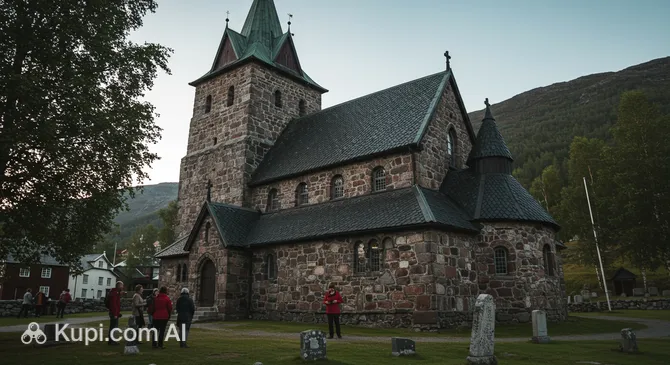
Røros Church. Source: Kupi.Binoculars

How to Get There

Reaching this historic mountain town is part of the adventure, offering scenic routes through the Norwegian wilderness. Whether you prefer flying or taking a train through the picturesque valleys, there are several ways to arrive. You can find more about how to get to Roros and plan your journey in detail.

For those looking to fly directly, the city is served by its own regional hub, Roros Airport (IATA: RRS). Located just 2.2 km from the center, it offers the quickest access to the town. The short transfer takes approximately 5 minutes by taxi. Alternatively, many international travelers fly into Trondheim Airport Værnes (IATA: TRD), which is a major transport hub located in Trondheim. This airport is about 101 km from Roros.

For clarity, here is a summary of the main airports:

Airport Name City Passenger Traffic Km from City
Trondheim Airport VærnesTrondheimLarge101.1
Kristiansund Airport, KvernbergetKristiansundMedium190.9
Åre Östersund AirportOstersundMedium173.0
Scandinavian Mountains AirportSälenSmall175.4
Roros AirportRorosSmall2.2

Traveling by rail is another popular option, as the Rørosbanen line is known for its beautiful scenery. While the town has its own station, major connections often route through larger hubs nearby. You can connect via Trondheim S Station in the city of Trondheim, which is approximately 100 km away. From there, travelers can take the train directly to Roros via the Rørosbanen line rather than transferring by road. Another key junction for long-distance travelers is Oslo Central Station in Oslo, situated roughly 265 km south of Roros.

Below is a list of the nearest major railway stations:

Station City Passenger Traffic Km to Center
Oslo Central StationOsloLarge265.2
Nationaltheatret StationOsloLarge298.8
Trondheim S StationTrondheimLarge100.2
Leksand Railway StationLeksand280.8

Main Attractions

Exploring this UNESCO World Heritage site is like taking a journey back in time. The town itself is an open-air museum, but several specific locations stand out as essential stops for any visitor. From the remnants of its industrial past to its spiritual heart, the attractions here offer a deep dive into the culture of a mining community that survived for centuries in the harsh mountain climate.

One of the most important stops for understanding the town's heritage is the Røros Museum Smelthytta. Built directly on the ruins of the old smelter that burned down in 1975, this museum is the centerpiece of the town's mining history. Inside, visitors can see working models of the mines and smelters, illustrating the water-powered technology used in the 18th century. It provides a fascinating insight into the hard labor and ingenuity that defined life here.

Røros Museum Smelthytta. Source: Kupi.Binoculars

Dominating the town's skyline is the magnificent Røros Church, often referred to as "Bergstadens Ziir" or the "Jewel of the Mining Town." Completed in 1784, this octagonal wooden and stone structure is one of the largest churches in Norway, reflecting the immense wealth the copper works brought to the region. Its distinctive tower and baroque interior make it a photographer's dream and a symbol of the town's pride.

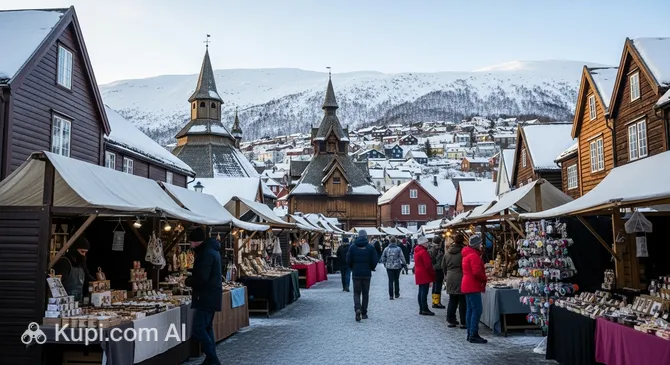
For those visiting in late February, the Røros Market (Rørosmartnan) is an unmissable cultural phenomenon. This national event has been a tradition since 1854, transforming the town into a lively hub of trade, folklore, and festivities. Thousands of people gather to experience the vibrant atmosphere, where traditional crafts, local food, and horse-drawn sleighs fill the snowy streets, keeping age-old customs alive.

Røros Market. Source: Kupi.Binoculars

Local Cuisine

Roros is widely celebrated as one of Norway's premier culinary destinations, often referred to as the nation's "local food capital." The region's harsh climate and clean mountain air contribute to the production of high-quality ingredients with distinct, intense flavors. The local food culture focuses heavily on "short-traveled" food, meaning ingredients are sourced from the immediate surroundings, including wild game from the mountains, fish from fresh lakes, and berries from the forests.

When visiting, you simply must try the reindeer meat, which is a staple of the region. Whether served as a tender steak, cured as a snack, or simmered in a hearty stew, the meat is lean and flavorful, reflecting the animal's natural diet of lichen and herbs. Another unique local specialty is Tjukkmjølk, a type of thick, sour milk with a history dating back hundreds of years. It has a pudding-like consistency and is often enjoyed with breakfast or as a dessert. For a sweet treat, look for Pjalt, a traditional griddle cake specific to Roros, typically served with brown cheese or sour cream.

To accompany these hearty meals, visitors can explore the local beverage scene. The town has a proud brewing tradition, and local craft beers are designed to pair perfectly with the rich flavors of game and cured meats. For a non-alcoholic option, juices and nectars made from cloudberries or lingonberries offer a refreshing taste of the Norwegian wilderness. Aquavit is also a popular choice during festive dinners, often enjoyed alongside traditional dishes.

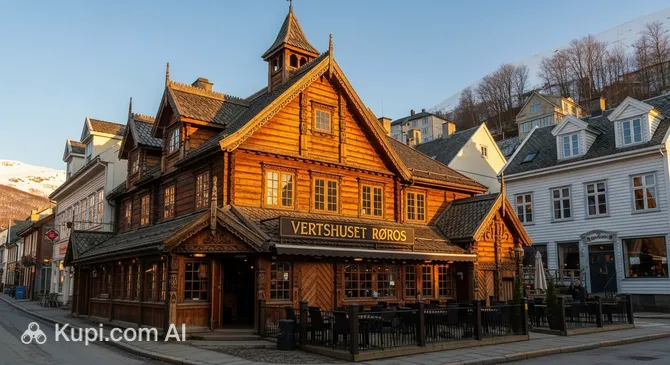
Vertshuset Røros. Source: Kupi.Binoculars

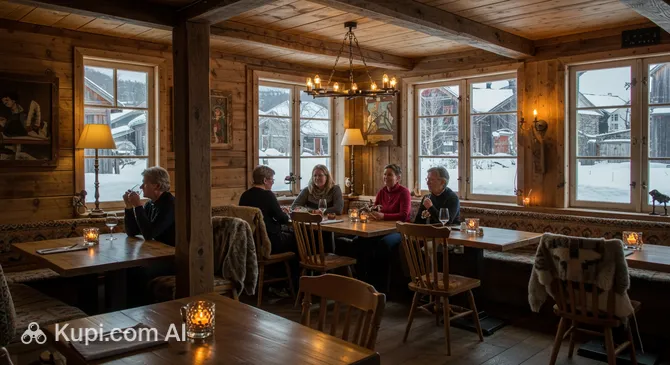
The dining atmosphere in Roros is as authentic as the food itself. Many eateries are housed in historic wooden buildings, offering a cozy and rustic setting. A prime example of this is Vertshuset Røros, a renowned establishment located in the heart of the town. Here, you can experience a menu deeply rooted in local traditions, featuring ingredients sourced from the Røros region. For those seeking a broader culinary experience, the Røros Hotel is also known for its dedication to local gastronomy, often showcasing the best of the region's produce in their dining halls.

Travel Tips

To ensure your visit to this UNESCO World Heritage site is as enjoyable and comfortable as possible, we have compiled a list of essential practical advice. Roros is a unique destination with a distinct climate and culture, so a little preparation goes a long way in making your trip smooth and memorable.

  1. Clothing and Gear: The golden rule for Roros, especially from autumn to spring, is layering. Wool is the material of choice for locals; bring thermal base layers, a warm mid-layer, and a windproof and waterproof outer shell. In winter, temperatures can drop significantly below freezing, so a heavy down jacket, hat, gloves, and a scarf are mandatory. Footwear is critical: wear sturdy, insulated boots with good grip to navigate the snowy and often icy cobblestone streets. In summer, the weather is milder but can change rapidly, so always carry a light rain jacket.

  2. Transportation: Roros is a compact town, and the best way to explore the historic center is on foot. Public transport like buses exists for connecting to nearby areas, but you won't need it for sightseeing within the town itself. In winter, do as the locals do and try using a spark (kick-sled); they are a fun, efficient, and traditional way to get around the snowy streets. Taxis are available but can be expensive; car rental is only necessary if you plan to explore the wider wilderness of the Trøndelag region.

  3. Finances: The local currency is the Norwegian Krone (NOK). However, Norway is one of the most digitized societies in the world. Credit and debit cards (Visa and Mastercard) are accepted almost everywhere, from hotels to small kiosks, and are often preferred over cash. ATMs are available in the town center if you need physical money. Tipping is not mandatory, but it is common to round up the bill or leave a 5-10% tip for exceptional service in restaurants.

  4. Health and Safety: Roros is an incredibly safe destination with very low crime rates. The biggest safety hazard is usually the environment; slippery, icy streets in winter can lead to falls, so consider buying removable spikes (crampons) for your shoes. There is a pharmacy (Apotek) in the town for basic medicines. For emergencies, dial 112 for police or 113 for an ambulance.

  5. Communication: The official language is Norwegian, but English is widely spoken and understood at a near-native level by almost everyone. You will have no trouble communicating in hotels, shops, or restaurants. Free Wi-Fi is standard in most accommodation and cafes. If you need mobile data, prepaid SIM cards from carriers like Telenor or Telia can be purchased at convenience stores, though EU/EEA citizens can usually roam at domestic rates.

  6. Local Etiquette: Norwegians are generally informal but polite. A simple handshake or a friendly "Hei" is a standard greeting. If you are invited into a private home or staying in a guesthouse that feels like a home, it is customary to remove your shoes at the door to avoid dragging in snow and dirt. Respect personal space and keep your voice down in public places to match the calm local atmosphere.

  7. What to Avoid: Avoid wearing high heels or shoes with smooth soles. The town is famous for its historic cobblestone streets, which are uneven in summer and slippery in winter, making practical footwear a necessity rather than a choice. Also, try not to complain loudly about the prices; Norway is known for its high cost of living, and locals are well aware of it.

  8. Shopping Hours: Be mindful that shops in Roros, like many smaller Norwegian towns, often close earlier than you might expect, typically around 16:00 or 17:00 on weekdays and even earlier on Saturdays. Most shops are closed on Sundays, so plan your grocery or souvenir shopping accordingly.

By keeping these practical tips in mind, you will be well-equipped to embrace the charm of Roros without any logistical surprises. We hope you have a fantastic time exploring the wooden streets and soaking up the magical atmosphere of this mountain town!

Entertainment & Nightlife

Given the intimate size of the town, with a population of just around 1,800 people, the nightlife in Roros is far removed from the thumping bass of large nightclubs. Instead, the evening entertainment here is defined by a cozy, rustic atmosphere known in Norwegian as "koselig." The nightlife scene revolves around warm, inviting pubs, hotel lounges, and restaurants where locals and visitors gather to socialize, enjoy local craft beers, and escape the crisp mountain air. The action is concentrated primarily along the two main historic streets, Bergmannsgata and Kjerkgata, making it easy to hop between venues on foot.

For an authentic taste of the town's social life, Vertshuset Røros is a central gathering spot. Housed in a beautifully preserved building, this venue functions as a gastro-pub where the atmosphere is relaxed and the interior is steeped in history. It is the perfect place to sample local microbrews or enjoy a glass of aquavit after a long day of exploring. The crowd is a mix of locals catching up and tourists soaking in the heritage, and the dress code is generally casual and practical, reflecting the town's outdoor lifestyle.

Another key venue for evening entertainment is the Røros Hotel. While it is a major accommodation provider, its lobby bar and lounge areas are open to non-guests and offer a slightly more sophisticated yet comfortable setting. It is an excellent spot for a quiet cocktail or a glass of wine by the fireplace. During weekends or peak seasons, you might find live piano music or small concerts adding to the ambiance.

Røros Hotel. Source: Kupi.Binoculars

When planning a night out, keep in mind that alcohol prices in Norway are high compared to many other countries, so budget accordingly. Bars typically close around 01:00 or 02:00 on weekends, but earlier during the week. Roros is exceptionally safe for night walks, even in the darkest winter months. The streets are well-lit and peaceful, though they can be slippery, so sensible footwear is more important than high fashion. Taxis are available but limited; if you are staying outside the immediate center, it is wise to ask the venue staff to book one for you in advance.

While the nights are for relaxing, the days are for exploring. Before settling into a pub for the evening, visitors can spend their daylight hours visiting the Domus Shopping Center Røros for supplies or immersing themselves in culture at the town's museums. The transition from a day of history to an evening of warm hospitality is what makes a visit to Roros so special.

Parks & Museums

In Roros, the concept of green space is uniquely defined by its location on a rugged mountain plateau. Rather than manicured botanical gardens, the town offers protected cultural landscapes and vast wilderness areas that invite visitors to explore the region's natural beauty and industrial heritage simultaneously.

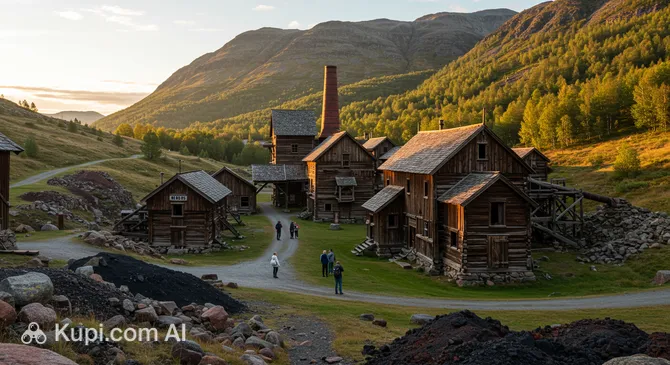
The most iconic outdoor area in the city is Slegghaugan, the historic slag heaps. These monumental mounds of crushed rock are the visible legacy of over 300 years of copper mining and have become a protected cultural landmark. Today, they function as a unique recreational park where locals and tourists alike climb to the top for sweeping panoramic views of the wooden town and the distant mountains. It is a starkly beautiful landscape that changes character with the seasons, from green and grey in summer to sparkling white in winter.

For nature enthusiasts seeking a more traditional wilderness experience, Femundsmarka National Park is a significant natural attraction located nearby. Known for its ancient, gnarled pine trees and countless lakes, it is one of the largest continuous areas of untouched wilderness in Southern Scandinavia. The park offers excellent opportunities for hiking, canoeing, and fishing, providing a serene escape into the raw nature that surrounds this historic mining community.

The cultural anchor of the town is the Røros Museum Smelthytta. Constructed on the ruins of the original smelter, this museum offers a comprehensive look into the technology and history that built Roros. Its main attraction is a series of intricate, moving scale models that demonstrate the water-powered mining processes of the past. Beyond the mechanics, the museum also hosts exhibitions showcasing the clothing, tools, and daily lives of the miners, helping visitors connect emotionally with the people who lived here.

Another essential cultural site is Olavsgruva (Olav’s Mine), which allows visitors to step directly into history—literally. Located a short drive from the town center, this museum takes you 50 meters underground into the cool, damp tunnels of the copper mines. Guided tours lead you through the massive "Bergmannshallen" cavern, using sound and light effects to recreate the atmosphere of 18th-century mining work. It is an immersive experience that reveals the sheer scale of the labor involved in the town's prosperity.

While an active place of worship, the Røros Church stands as a monumental gallery of baroque art and architecture. Its interior is remarkably preserved, featuring traditional enclosed pews and portraits of the mining directors and local dignitaries from the 1700s. The building's acoustics also make it a premier venue for concerts and cultural events, blending spiritual heritage with the artistic life of the modern town.

For a unique insider experience, look for the Pressemuseet Fjeld-Ljom. This lesser-known museum is dedicated to newspaper history and houses a complete, fully functioning print shop with old linotype machines. It offers a rare and fascinating glimpse into the history of communication and the press in this isolated mountain region.

Getting Around

Given the intimate size of Roros, the public transport system is relatively modest compared to larger metropolitan areas. There is no metro, tram, or trolleybus network here. Instead, the town center is compact enough that the vast majority of visitors find walking to be the most efficient and enjoyable way to get around. Most hotels, attractions, and restaurants are located within a few hundred meters of each other, making the use of motorized transport unnecessary for daily sightseeing within the historic district.

For those needing to travel slightly further, such as to the airport or nearby residential areas, the local bus service is the primary option. The public transport in this region is operated by AtB, the transport authority for the Trøndelag county. While reliable, the frequency of these buses can be limited, especially on weekends and in the evenings. It is highly recommended to check the timetables in advance rather than waiting at a stop, as intervals between buses can be significant.

The payment system is modern and digital-first. The most convenient way to purchase tickets is through the AtB mobile app, which allows you to buy single tickets or day passes instantly. This is generally cheaper than buying a ticket on board. If you do not have the app, you can usually pay with a credit or debit card on the bus, but be aware that cash is increasingly less common and may carry a surcharge. Tickets purchased via the app are validated by showing the active screen to the driver upon boarding.

Taxis serve as a reliable alternative when buses are not running or if you have heavy luggage. Røros Taxi operates in the area and can be hailed by phone or found at designated stands, such as near the railway station. Prices are relatively high, consistent with the general cost of services in the region, so it is advisable to check the estimated fare before starting your journey. Ride-sharing apps like Uber are generally not available in this small town.

A unique and charming form of "public transport" specific to Roros in the winter is the spark, or kick-sled. While it may look like a recreational activity to outsiders, locals genuinely use these sleds to commute to work, the shops, or to visit friends. The flat, snowy streets are maintained in a way that accommodates them, and many hotels offer them for rent or loan to guests. It is often faster than walking on icy ground and provides a truly authentic local experience.

For those wishing to explore the wider wilderness surrounding the town, renting a car is a practical solution. However, within the town center itself, driving can be challenging due to narrow, historic streets and strict preservation rules. Public parking is available on the outskirts of the heritage zone, and it is best to leave the car there and explore the wooden town on foot.

Accommodation

Finding a place to stay in Roros is often an extension of the cultural experience, as many accommodation options are steeped in the town's rich history. The range of lodging is relatively compact but high in quality, focusing on atmosphere and authenticity rather than large-scale luxury chains. Visitors can choose from historic hotels that have served travelers for centuries, charming guesthouses located within traditional wooden buildings, or more modern apartments suitable for families.

The most popular area to stay is undoubtedly the Bergstaden (the historic town center). Staying here places you within walking distance of the main attractions, restaurants, and the iconic wooden streets. Accommodation in this zone often features rustic interiors, timber walls, and a cozy, "koselig" vibe that is perfect for winter evenings. For those who prefer a quieter setting or are traveling by car, there are options on the outskirts of the town which offer easier access to ski trails and hiking paths, as well as camping facilities for budget-conscious travelers and nature lovers.

Booking Tip: Roros is a small town with limited capacity, and it fills up incredibly fast during major events. If you plan to visit during the famous Rørosmartnan winter market in February or during the Easter holidays, it is essential to book your accommodation at least six months to a year in advance. Even for a standard summer visit, booking a few months ahead is recommended to secure the best locations.

In terms of cost, accommodation prices generally reflect the standard Norwegian price range, which can be perceived as high by international standards. You can expect mid-to-high rates for central hotels and guesthouses, especially during the peak winter season. Booking is most commonly done via major online travel platforms or directly through the establishments' websites, which is often the best way to find specific package deals or room types.

Nearby Cities

For those looking to explore the surroundings, Roros serves as an excellent base for day trips to several interesting nearby locations:

One of the most popular destinations is Trondheim, the third-largest city in Norway. Known as the historical capital of the Viking Age, it boasts the magnificent Nidaros Cathedral and the charming Bakklandet district with its old wooden warehouses. It offers a vibrant mix of history, student life, and Nordic cuisine, making it well worth the journey.

Another significant town in the region is Lillehammer, famous worldwide for hosting the 1994 Winter Olympics. Visitors here can explore the impressive Maihaugen open-air museum, which showcases Norwegian culture and architecture through the ages, or visit the Olympic arenas that are still in use today.

For those interested in Viking history, Verdal is a notable stop. It is the site of the famous Battle of Stiklestad in 1030, a turning point in Norwegian history where King Olav Haraldsson fell. The area features a cultural center and open-air theater dedicated to this pivotal event.

City Population Distance (km)
Trondheim 194860 108
Lillehammer 28493 170
Stjørdal 24287 102
Rena 20000 161
Verdal 14986 134

These nearby destinations offer a glimpse into the diverse culture and landscapes of the region.

Shopping & Souvenirs

Shopping in Roros is a delightful experience that focuses on craftsmanship, local heritage, and unique design rather than mass-market consumerism. The town is famous for its vibrant community of artisans who produce high-quality goods ranging from textiles to ceramics. Visitors will not find endless rows of international chain stores here; instead, the retail landscape is characterized by independent boutiques and workshops housed in centuries-old wooden buildings, offering a shopping atmosphere that is both intimate and historically significant.

The primary shopping district is concentrated along the two main historic thoroughfares, Kjerkgata and Bergmannsgata. Walking down these picturesque streets, you will discover a variety of charming shops selling everything from traditional Norwegian clothing to modern Scandinavian interior design. These streets are the pulse of the town, where you can browse for handmade jewelry, visit local potteries, or simply enjoy window shopping amidst the unique timber architecture.

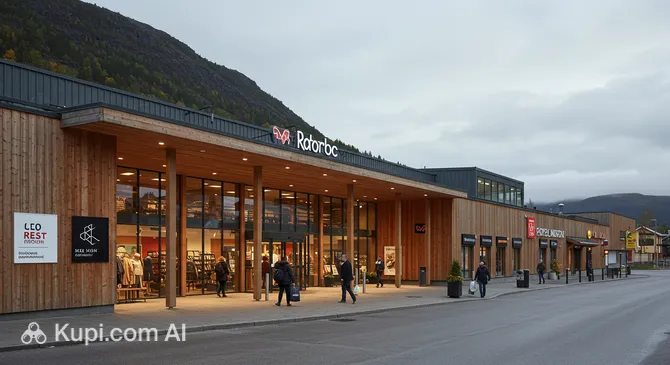
For those seeking a more modern and convenient shopping experience under one roof, the town is home to the Domus Shopping Center Røros. Located centrally, this mall serves as the commercial hub for both locals and visitors. It offers a range of essential services, fashion retailers, a pharmacy, and a grocery store, making it the perfect place to pick up daily supplies or hiking snacks before heading out into the mountains.

Domus Shopping Center Røros. Source: Kupi.Binoculars

While not a permanent daily feature, the Røros Market (Rørosmartnan) is central to the town's trading identity. Held annually in February, this historic event transforms the entire town into a bustling marketplace. However, even outside the festival dates, the spirit of trade persists, and you may find smaller seasonal markets or local food producers selling their goods in the town square, offering fresh produce and artisanal treats.

When it comes to souvenirs, Roros is renowned for its high-quality wool products. Røros Tweed is a famous local brand, and their blankets and pillows make for beautiful, lasting gifts. Other popular items include handmade ceramics, traditional silver jewelry, and local culinary specialties such as cured reindeer meat, flatbreads, and lingonberry jam. These items offer a genuine taste of the region to take home.

Store opening hours in Roros are generally shorter than in larger European cities. Most shops open around 10:00 AM and close by 5:00 PM (17:00) on weekdays. On Saturdays, closing times are often earlier, around 3:00 PM or 4:00 PM, and the majority of shops are closed on Sundays. Payment is seamless, with credit and debit cards being widely accepted even for small purchases, though having a small amount of cash can be useful for very small stalls.

For international tourists residing outside of Scandinavia, tax-free shopping is often available. Many shops in Roros participate in the Global Blue tax refund scheme. Look for the "Tax Free" signage in store windows, and ask for a refund form when making a purchase over a certain amount to claim a percentage of the VAT back upon leaving the country.

Reached the end of the page?

That means the route is fully explored