Support

Ostersund

About

Nestled on the eastern shore of the vast Lake Storsjön, Ostersund serves as the vibrant cultural and commercial hub of Jämtland County. This picturesque city offers a unique blend of urban life and proximity to the wild, making it a distinct destination in Sweden. With a population of approximately 50,000 residents, it maintains a lively yet intimate atmosphere where nature is never far away.

Often referred to as the Vinterstaden or "Winter City," Ostersund is renowned for its reliable snow conditions and world-class winter sports facilities. However, the city is equally enchanting during the warmer months when the midnight sun illuminates the surrounding landscapes. The history of Ostersund dates back to its founding in 1786 by King Gustav III, originally established to control trade in the region, and today it stands as a testament to Northern resilience and innovation.
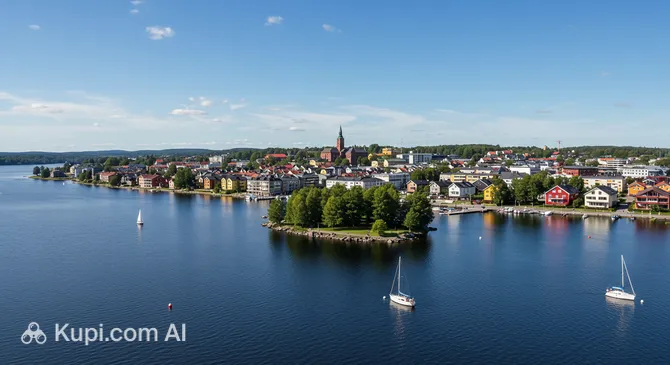
Ostersund. Source: Kupi.Binoculars

Visitors are frequently drawn to the Jamtli museum, an award-winning open-air museum that offers an immersive journey through the region's past. Another intriguing aspect of the city is the legend of the Storsjöodjuret, a mysterious lake monster said to inhabit the deep waters of Storsjön, which adds a touch of myth to the scenic views. Additionally, as a designated UNESCO Creative City of Gastronomy, Ostersund is a paradise for foodies, boasting high-quality local produce and artisanal culinary traditions.

Whether you are exploring the beautiful island of Frösön connected by bridges to the city center or enjoying the cozy cafes downtown, Ostersund invites you to experience the authentic charm of the Swedish north. It is a perfect getaway for those seeking a mix of outdoor adventure, rich culture, and exceptional food.
Weather Overview

The climate in Ostersund is characterized by distinct seasonal contrasts, offering a true Nordic atmosphere. Winters are typically cold, with January being the coldest month, averaging around -6.2°C and lows dipping to -8.4°C. In contrast, the summer season brings milder and more comfortable weather, with July seeing average temperatures of 14.6°C and maximums reaching 18.3°C.

Precipitation volume is generally low throughout the year, ranging from 1mm to 3mm, though the number of wet days is consistent, peaking at 15 days in July. For a comprehensive overview of what to expect during your specific travel dates, you can consult the detailed guide to the weather in Ostersund.

Expect mild summers with frequent light showers and cold winters that are ideal for snow-based activities.

Interesting Facts

Beyond its scenic waterfronts and snowy peaks, Ostersund harbors intriguing stories that define its distinct character. From quirky legal history to ancient monuments, the city offers fascinating details that go far beyond the standard guidebook descriptions.

  • While the legend of the Great Lake Monster is well-known, few realize that the creature was once legally protected. In 1986, the Jämtland County Administrative Board officially declared the Storsjöodjuret an endangered species, granting it and its "nests and eggs" protection under the law until the decision was revoked in 2005.

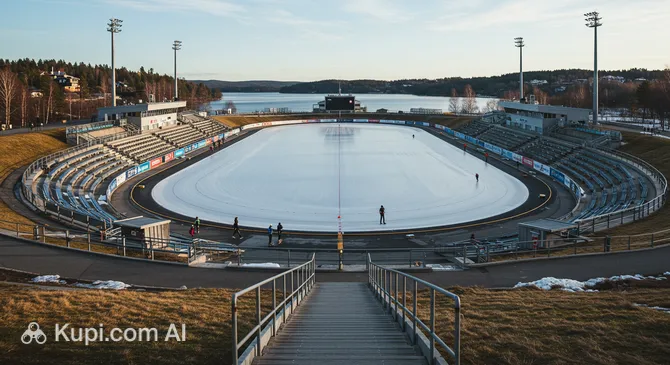
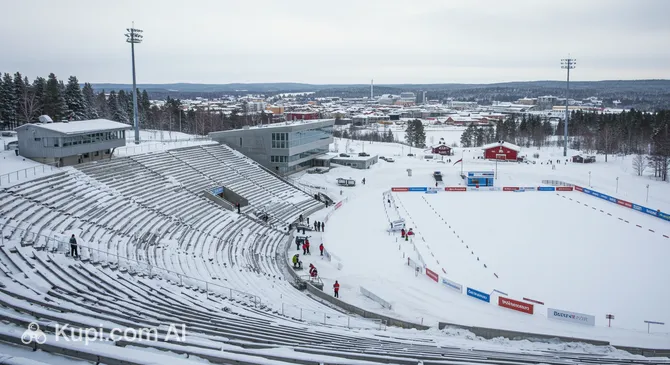
  • The city is a global powerhouse in the world of biathlon, holding a rare permanent license to host the Biathlon World Cup. The Östersund Ski Stadium is designed to guarantee snow from early November, using massive piles of snow stored from the previous winter to ensure the tracks are ready regardless of the weather.

  • Just across the bridge on Frösön island stands the Frösö Runestone, which holds the title of the northernmost raised runestone in the world. Dating back to the 11th century, it is unique because it commemorates the Christianization of Jämtland by a local chieftain named Austmaðr, rather than a king.

  • Ostersund’s skyline is dominated by a futuristic structure known as Arctura, which locals affectionately call "The Thermos." This massive hot water accumulation tank ensures the city's district heating is efficient, and it features a restaurant at the top offering panoramic views of the mountains.

Östersund Ski Stadium. Source: Kupi.Binoculars

How to Get There

Planning a trip to the heart of Jämtland requires choosing the best route for your journey. Whether you prefer flying directly into the region or taking a scenic train ride through the Scandinavian landscape, there are several options available. For a complete overview of travel methods, you can read more about how to get to Ostersund.

The most convenient way to arrive is via Åre Östersund Airport (IATA: OSD), which is located on Frösön island, just a stone's throw from the city center. It is a regional hub that welcomes travelers year-round. Since the airport is situated only about 6.9 km from downtown Ostersund, the transfer is quick and easy; a taxi ride typically takes around 15 minutes, and there are also airport buses available. For those looking for more international connections, Trondheim Airport Værnes (IATA: TRD) in Norway is a significant alternative. Although it is located in the city of Trondheim, approximately 188 km away, it handles a larger volume of passengers and offers a wider range of flights. Travelers arriving there can rent a car or take a train/bus connection to cross the border into Sweden, a journey that takes roughly 2.5 to 3 hours by road.

For clarity, here is a summary of the main airports:

Airport Name City Passenger Traffic Km from City
Trondheim Airport VærnesTrondheimLarge188.6
Sundsvall-Timra AirportSundsvallMedium160.2
Åre Östersund AirportOstersundMedium6.9
Ornskoldsvik AirportÖrnsköldsvikSmall219.9
Roros AirportRorosSmall180.4

Travelers exploring the wider region by rail may also pass through major transport hubs in neighboring cities. Trondheim S Station is a key railway facility located in Trondheim, Norway, about 188 km from Ostersund. It serves as a major connector for those coming from the west. Another significant hub is Sundsvall Central Station, situated in the city of Sundsvall on the Swedish east coast, approximately 163 km away. Both stations offer connections that can eventually link you to the railway lines heading towards Jämtland, allowing you to enjoy the scenic transition from coast to mountains.

Below is a list of regional railway stations that may be relevant for planning your approach:

Station City Passenger Traffic Km to Center
Trondheim S StationTrondheimHigh188.2
Sundsvall Central StationSundsvall162.8
Leksand Railway StationLeksand273.0
Falun Central StationBorlange291.6

Main Attractions

Ostersund offers a delightful variety of sights that cater to history buffs, nature lovers, and thrill-seekers alike. The city’s compact center and proximity to the water make it easy to explore its highlights, ranging from immersive cultural experiences to scenic outdoor spaces.

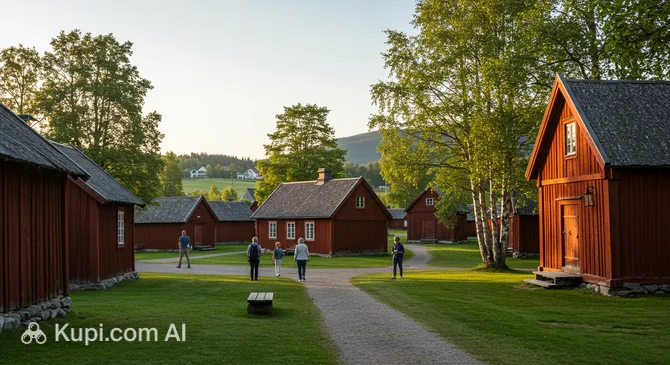
One of the most celebrated stops is Jamtli, a unique attraction that functions as both an indoor regional museum and an expansive open-air history land. It is particularly famous for its "Historyland" in the summer, where actors in period costumes bring the past to life, allowing visitors to interact with historical settings from different eras. From 18th-century farms to 1970s villas, the museum provides a fascinating, hands-on journey through the cultural heritage of Jämtland.

Jamtli. Source: Kupi.Binoculars

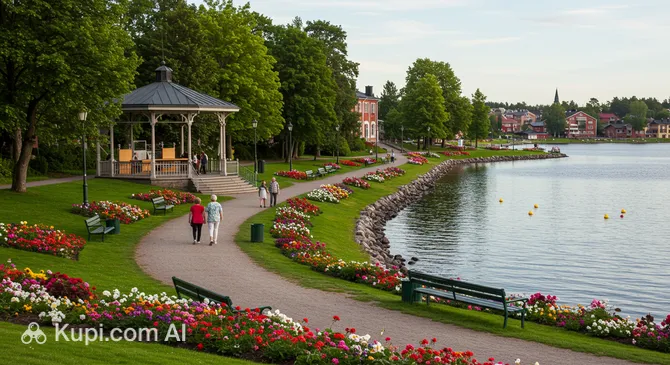
For those who enjoy relaxing by the water, Badhusparken is a favorite local gathering spot. Located right on the shores of Lake Storsjön, this park offers beautiful views of the water and the distant mountains. It serves as a green oasis in the city center, perfect for a leisurely stroll, a picnic, or simply watching the boats at the marina. In the winter, the park transforms into a gateway to the "Winter Park" on the frozen lake, making it a year-round destination for recreation.

Badhusparken. Source: Kupi.Binoculars

Families and adventure enthusiasts should not miss Multi Challenge, one of Sweden's largest indoor activity centers. This facility is packed with excitement, featuring everything from go-karting and climbing walls to laser tag and mini-golf. It is an excellent option for rainy days or for those looking to burn off some energy with fun, competitive games in a safe environment.

Multi Challenge. Source: Kupi.Binoculars

Sports play a huge role in the city's identity, and the Östersund Arena stands as a modern testament to this passion. While primarily a venue for ice hockey and figure skating, it also hosts large events and concerts. The arena contributes to the vibrant atmosphere of the district and is a key landmark for visitors interested in the sporting culture of northern Sweden.

Local Cuisine

As a designated UNESCO Creative City of Gastronomy, Ostersund is a true paradise for food lovers. The region of Jämtland is famous for its "culinary artisans," focusing heavily on locally sourced ingredients, sustainable farming, and traditional preservation methods. The city's food culture is deeply rooted in the surrounding wilderness, meaning that game meat, freshwater fish, and berries play a central role on many menus.

When visiting, you must try the local game delicacies. Moose (elk) and reindeer are staples, served in various forms ranging from slow-cooked stews to smoked fillets known as suovas. Another signature dish is the Arctic char (röding), a fish caught in the cold, clear waters of the nearby lakes, typically pan-fried or grilled to perfection. For cheese enthusiasts, the region produces exceptional cellar-matured goat cheeses and the unique messmör, a sweet, spreadable whey butter that is a polarizing yet essential local taste.

The bakery tradition is also strong here. A classic quick bite is the tunnbröd (thin flatbread), which can be soft or hard. It is often used to make a stut, a wrap filled with slices of meat, potatoes, and butter, making for a hearty lunch on the go. To wash it all down, explore the local beverage scene; Jämtland has a thriving microbrewery culture producing high-quality craft beers. For a non-alcoholic option, lingonberry juice and cloudberry drinks offer a refreshing taste of the forest.

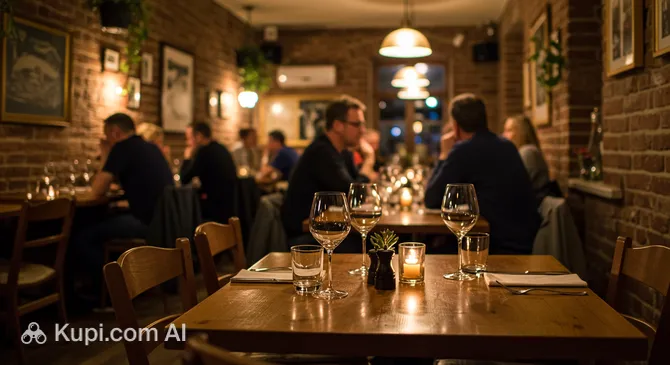
The dining scene in Ostersund is diverse, ranging from rustic lodges serving traditional fare to modern urban eateries. While the focus is often on Nordic cuisine, the city also embraces international flavors with a high standard of quality. A popular spot for locals seeking a vibrant atmosphere and modern dishes is BASTA Italian Restaurant Östersund. Located centrally, it exemplifies how the city blends its small-town charm with cosmopolitan dining experiences.

BASTA Italian Restaurant Östersund. Source: Kupi.Binoculars

Locals take their fika (coffee break) seriously, so you will find plenty of cozy cafes serving strong coffee and cinnamon buns. Whether you are visiting a high-end restaurant or grabbing a snack at a market stall during the annual Gregoriana market, the passion for high-quality, honest food is evident everywhere in Ostersund.

Travel Tips

Welcome to Ostersund, where the charm of Jämtland meets the convenience of modern city life. To help you make the most of your visit to this northern gem, we have compiled a list of essential practical tips for a smooth and enjoyable journey.

  1. Clothing and Gear: Since Ostersund is known as the "Winter City," proper clothing is crucial from November to March; pack thermal underwear, a heavy windproof jacket, and insulated boots with good grip. Summer weather is generally mild and pleasant, but conditions can change rapidly, so bringing a waterproof shell and a warm sweater for cooler evenings is highly recommended.
  2. Transportation: The city center is compact and best explored on foot, but the local bus network, operated by Länstrafiken, is efficient for reaching outlying areas or the island of Frösön. While renting a car is excellent for day trips into the wider Jämtland wilderness, it is not necessary for staying within the city limits; taxis are available but can be quite expensive compared to public transit.
  3. Finances: The local currency is the Swedish Krona (SEK), but Ostersund is largely a cashless society where credit and debit cards are accepted almost everywhere, even for small purchases like a coffee. You rarely need physical cash, but if you do, ATMs are readily available; tipping is not mandatory, though rounding up the bill at restaurants is a polite and common gesture.
  4. Health and Safety: Ostersund is a very safe destination with low crime rates, but during winter, the icy streets can be treacherous, so walk carefully or consider buying anti-slip shoe grips locally known as broddar. Pharmacies are marked as Apotek and are easily found in the center, with staff who generally speak excellent English and can assist with minor ailments.
  5. Communication: The official language is Swedish, but English is widely spoken with high proficiency, making communication effortless for most international travelers. Free Wi-Fi is common in cafes, hotels, and public spaces, and you can easily purchase a prepaid SIM card at convenience stores like Pressbyrån if you need constant connectivity.
  6. Local Etiquette: Swedes value personal space and calmness, so avoid speaking loudly in public places or on public transport. When entering a private home, it is strictly customary to remove your shoes at the door; greetings are usually a firm handshake, and punctuality is highly appreciated in all social interactions.
  7. What to Avoid: Never cut in line or ignore the queuing systems (often ticket-based) in shops, pharmacies, and banks, as queue jumping is considered very rude. Also, do not expect to buy strong alcohol in regular supermarkets; wine and spirits are sold exclusively at the state-run store, Systembolaget, which has limited opening hours and is closed on Sundays.
  8. Winter Life Hack: If you visit during the colder months, take advantage of the "Winter Park" (Vinterparken) created directly on the frozen Lake Storsjön. It is a beloved local hub for ice skating and walking, but always check the ice safety reports and stick to marked tracks if you are inexperienced with frozen lakes.

By keeping these practicalities in mind, you can focus on enjoying the stunning nature and culinary delights that Ostersund has to offer. Whether you are hunting for the Northern Lights or enjoying a summer fika by the lake, these tips will ensure a hassle-free adventure in the heart of Sweden.

Entertainment & Nightlife

Despite its relatively small size, Ostersund boasts a surprisingly vibrant and diverse nightlife scene, largely fueled by its status as a university city and a regional commercial hub. The entertainment landscape is compact, with most action concentrated in the city center, particularly around the main square, Stortorget, and the pedestrian street Prästgatan. Here, visitors can find everything from cozy British-style pubs and sophisticated cocktail bars to energetic nightclubs that stay open late into the night.

For those looking to start the evening with style, the city offers several modern venues that blend dining with a lively bar atmosphere. A popular choice is BASTA Italian Restaurant Östersund, which serves as a vibrant meeting point. With its colorful interior and bustling vibe, it is an excellent spot to enjoy dinner followed by creative cocktails before heading out to explore more of the night. During the warmer months, the area around the harbor also comes alive, with the iconic Marité restaurant and nightclub offering lakeside views and multiple dance floors.

Live music and cultural events are a staple of Ostersund's evening entertainment. While smaller bars often host local bands and jazz nights, larger concerts and major shows take place at the Östersund Arena. This modern facility attracts national and international acts, making it worth checking the events calendar when planning your trip. For a more relaxed evening, the city has several pubs offering a wide selection of local Jämtland craft beers, providing a warm refuge during the cold winter nights.

The atmosphere in Ostersund is generally relaxed and welcoming. The dress code is "smart casual"—Swedes tend to dress neatly but practically, especially given the winter climate. Most bars and clubs are busiest on Friday and Saturday nights, with closing times typically ranging from 2:00 AM to 3:00 AM. Prices for alcohol can be high compared to other European destinations, so it is common for locals to enjoy a "pre-party" at home before heading out around 10:00 PM or 11:00 PM.

Getting around at night is safe and convenient. The city center is small enough to navigate on foot, even in winter, provided you have warm clothing and good shoes. Ostersund is considered very safe for night walks, with well-lit streets and a low crime rate. If you need to travel further or prefer not to walk, taxis are readily available; reputable companies like Taxi Östersund can be hailed or booked via phone and app. It is advisable to book in advance on busy weekends.

Before the sun goes down, the city offers plenty of daytime entertainment to keep travelers occupied. Cultural enthusiasts should not miss Jamtli, which provides an engaging look into regional history. For those seeking a more adrenaline-filled afternoon, Multi Challenge offers a variety of indoor activities, from go-karting to climbing, ensuring that the fun continues regardless of the weather outside.

Parks & Museums

Ostersund is a city where the boundary between urban culture and untamed nature is delightfully blurred, offering visitors easy access to lush green spaces and rich historical treasures. From lakeside promenades to world-class art exhibitions, the city's parks and museums reflect its identity as a gateway to the mountains and a center of Northern creativity.

The city's most beloved green space is undoubtedly Badhusparken, located directly on the shores of Lake Storsjön. This park serves as Ostersund's living room, where locals gather to enjoy the marina views, sunbathe on the wooden decks, or stroll along the waterfront promenade. In summer, it is a vibrant hub with cafes and events, while the cooler months highlight its serene beauty as the gateway to the frozen lake.

For a more immersive nature experience, the Andersön Nature Reserve is a spectacular destination just a short drive from the city center. This peninsula extends into the lake and offers a peaceful retreat with pine forests, pebble beaches, and designated barbecue areas. It is also historically significant, dotted with ancient burial mounds and ruins of a medieval fortress, making it a perfect spot for both hiking and history enthusiasts.

When it comes to museums, Jamtli stands in a league of its own. It is not just a regional museum but a cultural complex that houses the Nationalmuseum Jamtli, a northern branch of Sweden's premier art and design museum. Here, you can admire world-class art collections alongside the famous Överhogdal Tapestries, which date back to the Viking Age and are among the oldest preserved textiles in Europe.

Another cultural gem is Sommarhagen, the former home of the celebrated Swedish composer Wilhelm Peterson-Berger. Located on the island of Frösön, this stunning Art Nouveau house has been preserved as a museum, offering a glimpse into the life of the artist who captured the spirit of Jämtland in his music. The building itself is an architectural masterpiece, designed to frame the breathtaking views of the mountains that inspired his work.

To understand the indigenous heritage of the region, a visit to Gaaltije, the South Sami Cultural Centre, is highly recommended. It serves as a vital knowledge bank and exhibition space dedicated to South Sami history, culture, and contemporary life. Through its exhibitions and shop, visitors can gain a deeper appreciation for the traditions and craftsmanship of the Sami people.

History lovers should also venture to Frösö Church, one of Sweden's most popular wedding churches, known for its medieval roots and panoramic views. Just nearby stands the Frösö Runestone, the northernmost raised runestone in the world, which tells the story of how Jämtland was Christianized in the 11th century.

For a truly authentic experience, take a walk around Bynäset on Frösön. Once a closed military training area, it has been transformed into a beautiful recreation area often called the "Riviera of Ostersund" due to its scenic shoreline trail and wind-swept pines.

Getting Around

Public transport in Ostersund is efficient, reliable, and eco-friendly, primarily relying on a comprehensive network of city buses (Stadsbussarna). Operated by the regional authority Länstrafiken, these buses connect the downtown area with residential districts, the railway station, and the popular island of Frösön. The fleet is modern and often runs on renewable fuels, reflecting the region's commitment to sustainability. There is no metro or tram system, but the bus network is sufficiently dense to cover most tourist needs.

The payment system is almost entirely cashless, so you will not be able to pay with coins or notes on board. The most convenient way to pay is by downloading the Länstrafiken Jämtland app, where you can purchase single tickets or visitor passes using a credit card. If you prefer not to use the app, you can usually tap your contactless credit or debit card directly on the reader when boarding the bus. Tickets are generally valid for a set period (often one hour), allowing for transfers between different lines within that window.

For a smooth experience, tourists should be aware that buses operate from early morning until late evening, with reduced frequency on weekends and holidays. You must board through the front door and validate your ticket or tap your payment card at the driver's console. The main hub for local buses is located centrally near Kyrkgatan and the harbor area, making it easy to switch routes. If you plan to travel extensively, check the digital schedules in advance, as punctuality is a hallmark of the service.

While the city center is compact and highly walkable, there are alternatives to the bus. Taxis are available but can be significantly more expensive than public transit; it is advisable to use reputable companies like Taxi Östersund and book via phone or an app rather than hailing one on the street. During the summer, cycling is a favorite local mode of transport, with excellent bike paths crossing the bridges between the mainland and Frösön. In winter, the paths are cleared of snow, but walking remains the most common way to navigate short distances in the crisp air.

Accommodation

Finding the perfect place to stay in Ostersund is relatively easy, as the city offers a welcoming mix of accommodation options suited to various travel styles and budgets. The selection ranges from modern city hotels and charming historic guesthouses to budget-friendly hostels and well-equipped campsites. Given the city's strong connection to nature, many visitors also opt for cabins or cottages, particularly those located slightly outside the urban core.

For most travelers, the City Center is the most convenient area to base yourself. Staying near the main pedestrian street, Prästgatan, or the central square, Stortorget, places you within walking distance of the railway station, major shopping districts, and a wide array of restaurants. This area is ideal for those who want to be in the heart of the action and have easy access to public transport links.

Another popular area is the island of Frösön, which offers a more scenic and tranquil atmosphere while still being close to the city. Connected to the mainland by bridges, this area is perfect for nature lovers and those looking for stunning views of Lake Storsjön and the distant mountains. It is also a strategic location for visitors planning to spend time on the ski slopes or those who prefer to be closer to the airport.

Booking Tip: Ostersund hosts several major international events, such as the Biathlon World Cup in winter and the Storsjöyran music festival in summer. During these periods, accommodation fills up very quickly. It is highly recommended to book your room several months in advance if your travel dates coincide with these popular events.

Regarding prices and booking, the cost of accommodation generally aligns with Swedish standards, meaning it leans towards the mid-to-high range. However, value can be found in hostels and by booking camping cabins. Online booking platforms are the most common and efficient method for securing a reservation, though contacting smaller guesthouses directly can sometimes yield better personalized service.

Nearby Cities

For those looking to explore the surroundings, Ostersund serves as an excellent base for day trips to several interesting nearby locations:

City Population Distance (km)
Sundsvall99825162
Umea91916289
Borlange44898303
Falun37291291
Örnsköldsvik32953205

Among the most popular choices for a visit is Sundsvall, often referred to as the "Stone City" (Stenstaden). After a devastating fire in 1888, the city center was rebuilt entirely in stone, resulting in a stunning collection of 19th-century architecture. Visitors can explore its grand boulevards, enjoy a wide range of shopping options, or visit the Kulturmagasinet, a cultural center housing the city library and museum. Its coastal location also offers a different atmosphere compared to the inland setting of Jämtland.

Another excellent destination is Örnsköldsvik, situated along the breathtaking High Coast (Höga Kusten), a UNESCO World Heritage site. This town is a paradise for nature lovers, offering access to a dramatic archipelago and unique geological formations. It is also known for its strong sporting tradition, particularly in ice hockey, and features a lovely harbor area perfect for a relaxing stroll. The combination of steep granite cliffs and the deep blue sea makes the journey there as scenic as the destination itself.

These nearby destinations offer a glimpse into the diverse culture and landscapes of the region.

Shopping & Souvenirs

As the commercial hub of Jämtland County, Ostersund offers a shopping experience that perfectly blends modern retail convenience with deep-rooted local traditions. The city is the primary trading center for a vast region, meaning you will find a surprisingly wide selection of shops for a city of its size. Visitors can expect a mix of well-known international fashion chains, high-quality outdoor gear retailers reflecting the active local lifestyle, and charming boutiques selling regional handicrafts.

The heart of the city's shopping scene is undoubtedly Prästgatan. This bustling pedestrian street runs through the city center and is lined with a variety of stores, cozy cafes, and historic buildings. It is the natural meeting place for locals and tourists alike, offering a relaxed atmosphere where you can stroll between shops without the disturbance of traffic. The area around the main square, Stortorget, also features several smaller side streets filled with unique interior design shops and local delis.

For those preferring an indoor shopping experience, especially during the colder months, the city center hosts two main shopping malls: Mittpunkten and Kärnan. Both are located conveniently close to the pedestrian zone and offer a range of fashion, beauty, and home goods stores under one roof. Just outside the city center, the Lillänge commercial area provides larger retail parks and electronics stores for those who need to stock up on supplies.

Markets play a significant role in the city's history and culture. The most famous is the historic Gregoriemarknaden, held every March, which has been a tradition for over 1,000 years. During this time, the city fills with traders selling everything from sweets to furs. In December, the Christmas market at Jamtli is a must-visit, attracting thousands of visitors seeking authentic crafts and festive foods in a magical historical setting.

When looking for souvenirs, you should focus on the region's specialties. As a UNESCO Creative City of Gastronomy, Ostersund is the perfect place to buy local delicacies such as cloudberry jam, reindeer meat, and the famous Jämtland cheeses. Traditional thin flatbread, known as tunnbröd, is another excellent edible gift. For non-edible souvenirs, look for high-quality wool products (the renowned brand Woolpower is manufactured here), Sami handicrafts made from reindeer antlers and leather, or locally blown glass.

Standard opening hours for shops in the city center are typically Monday to Friday from 10:00 AM to 6:00 PM, and Saturdays from 10:00 AM to 3:00 PM or 4:00 PM. Shopping malls usually stay open on Sundays, often from 12:00 PM to 4:00 PM, but many smaller boutiques remain closed. Payment is almost exclusively cashless; credit and debit cards are accepted everywhere, and some small vendors may only accept card or mobile payments.

Tourists residing outside the European Union are eligible for tax-free shopping in many stores. Look for the "Global Blue" Tax-Free Shopping signage in shop windows. If you spend above a certain amount, you can request a tax refund form to claim back the VAT upon your departure from the EU.

Reached the end of the page?

That means the route is fully explored