Support

Vilhelmina

About

Welcome to Vilhelmina, a captivating destination nestled in the heart of Västerbotten County. This charming town serves as a perfect gateway to the pristine wilderness of southern Lapland, offering visitors a unique blend of cultural heritage and breathtaking natural beauty. Located in the northern part of Sweden, Vilhelmina is surrounded by vast forests, sparkling lakes, and rolling hills, creating an atmosphere of tranquility that attracts nature lovers from around the globe.

With a population of approximately 8,000 residents, the municipality maintains a cozy, small-town feel while providing essential amenities for travelers. The area is known for its distinct seasons, ranging from snowy, magical winters to bright, sunlit summers. The town itself was named in honor of Queen Fredrika Dorothea Wilhelmina in the early 19th century. To deeply understand the local culture and how the settlement developed over centuries, exploring the history of Vilhelmina is highly recommended for any visitor.

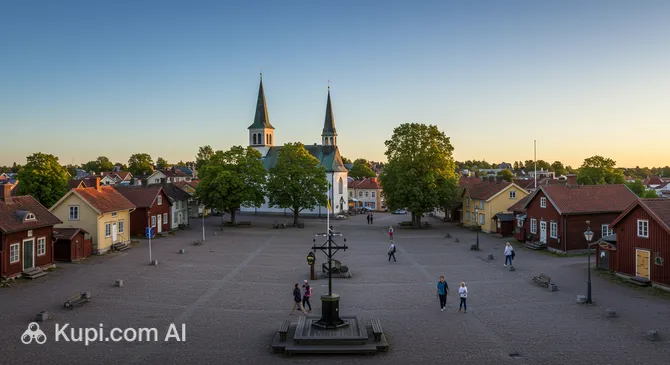
Vilhelmina. Source: Kupi.Binoculars

One of the most significant highlights of the town is the Vilhelmina Kyrkstad (Church Town). This well-preserved historic area features traditional wooden cottages that date back to the 1800s, offering a glimpse into the past when parishioners needed overnight accommodation during church festivals. Today, these charming buildings house a museum, craft shops, and even accommodations for tourists.

Vilhelmina is also a key stop along the famous Wilderness Road (Vildmarksvägen), one of Sweden's most spectacular scenic drives that leads into the high mountains. Outdoor enthusiasts will find endless opportunities here, from fishing in crystal-clear waters to hiking through untouched landscapes. Whether you are seeking a peaceful retreat or an adventurous journey through the Nordic wilderness, Vilhelmina welcomes you with open arms and unforgettable experiences.

Weather Overview

Vilhelmina experiences a climate marked by distinct seasonal contrasts, typical of northern Sweden's inland regions. To help you plan your activities and packing list, it is helpful to review the current weather in Vilhelmina before your arrival. Generally, you can expect mild, comfortable summers and cold, snowy winters that transform the landscape into a winter wonderland.

The winter months are dominated by freezing temperatures, with January being the coldest time of the year. During this month, the average temperature sits around -8.6°C, often dipping to a minimum of -11.1°C. December and February are similarly cold, maintaining averages between -7°C and -8°C. Despite the chill, this season is atmospheric, with about 10 to 15 days of precipitation per month, usually falling as snow.

Summer offers a pleasant respite with significantly warmer conditions. July is typically the warmest month, featuring an average temperature of 14.1°C and daily highs reaching up to 18.0°C. While the actual volume of rainfall remains relatively low throughout the year (often just 1-3mm), visitors should be prepared for frequent damp days; August, for instance, can have up to 17 wet days. Overall, the climate supports outdoor adventures year-round, provided you dress for the season.

Interesting Facts

Beyond the scenic landscapes and the well-known Church Town, Vilhelmina holds intriguing stories that add depth to its character. Here are a few fascinating details about this northern municipality that are often overlooked by visitors.

  • A Royal Puzzle: While many know the town is named after a queen, few realize it is part of a larger geographical tribute. Together with the neighboring municipalities of Dorotea and Fredrika, these three towns collectively spell out the full name of Queen Fredrika Dorothea Wilhelmina, the consort of King Gustav IV Adolf.

  • The Original Identity: Before it received its royal title in 1804, the settlement was known as Volgsjö. This earlier name was derived from the adjacent Lake Volgsjön, reflecting the vital role the waterways played for the early settlers in this remote region.

  • A Literary Legacy: The municipality is deeply connected to the works of Bernhard Nordh, one of the most popular authors in Sweden during the 20th century. His novels, such as In the Shadow of Mars Mountain, vividly depict the harsh yet beautiful life of settlers in the Vilhelmina mountains, cementing his place in local history.

  • Immensely Spacious: The municipality covers a vast land area of over 8,000 square kilometers, making it larger than several independent nations. This massive expanse, combined with a small population, ensures that the wilderness remains dominant and largely untouched.

How to Get There

Reaching the scenic municipality of Vilhelmina involves a journey through the beautiful landscapes of northern Sweden. While the town is tucked away in the wilderness, there are several transport hubs in the wider region that serve as entry points. You can find more comprehensive details about all ways to reach the city on our dedicated page.

The city of Vilhelmina does not have its own major international airport, but you can fly into Umea Airport (UME) in the city of Umea, which is about 199 km from Vilhelmina. As the largest hub in the vicinity, it offers good connections; the drive by car typically takes around 2.5 to 3 hours, while public transport options like buses will take significantly longer. Alternatively, travelers often use Åre Östersund Airport (OSD) in Ostersund. Located roughly 191 km away, the transfer by car takes approximately 2.5 to 3 hours.

For clarity, here is a summary of the main airports in the region:

Airport Name City Passenger Traffic Km from City
Umea Airport Umea Large 199.1
Åre Östersund Airport Ostersund Medium 191.3
Ornskoldsvik Airport Örnsköldsvik Small 177.2
Arvidsjaur Airport Arvidsjaur Small 163.8
Hemavan Airport Hemavan Small 150.9

If you are considering arriving by train, please note that the main rail network often connects to coastal cities before transferring inland. The city of Vilhelmina does not have a major mainline railway station, but you can arrive at the Sundsvall Central Station in the city of Sundsvall, which is about 252 km from Vilhelmina. From there, a car journey takes approximately 3.5 hours, though connecting by bus is also an option for those without a vehicle.

Here is the information regarding the railway station:

Station City Passenger Traffic Km to Center
Sundsvall Central Station Sundsvall 251.7

Main Attractions

While Vilhelmina is often celebrated for its natural surroundings, the town itself and its immediate vicinity offer several compelling cultural and historical sites. Visitors can immerse themselves in the local heritage, exploring the deep connections between the Swedish settlers and the indigenous Sami people, or simply enjoy the panoramic views that characterize this part of Lapland.

Vilhelmina Museum is a cultural cornerstone located within the historic Church Town. Housed in traditional wooden buildings, the museum offers a fascinating journey through time, showcasing artifacts that illustrate the harsh yet resilient life of the early settlers. It places a strong emphasis on the region's history, including the development of the parish and the daily struggles of life in the north. For tourists, it provides essential context to the charming wooden cottages seen outside, making the history of the area come alive.

For those interested in authentic local craftsmanship, Risfjells Sameslöjd is a must-visit destination. This establishment is more than just a shop; it serves as a gallery for high-quality Sami handicrafts, known as slöjd. Visitors can admire and purchase exquisite items made from reindeer antler, wood, and leather, such as traditional knives and drums. It is an excellent place to learn about the artistic traditions of the Sami people and to find a unique, meaningful souvenir that represents the spirit of Swedish Lapland.

Nature lovers who prefer to stay close to the town center should head to Kyrkberget (Church Mountain). This accessible nature area features a network of walking paths that lead up the hill, rewarding hikers with sweeping views over Vilhelmina and the shimmering Lake Volgsjön. At the summit, you will find the Samevistet, a traditional Sami hut that was moved to this location to preserve local heritage. It is a peaceful spot perfect for a picnic or a quiet moment to appreciate the vast landscape.

Although it requires a short journey from the town center, the Marsfjället Nature Reserve is one of the most impressive natural attractions in the municipality. Dominated by the double peaks of Marsfjället, which rise over 1,500 meters, this reserve offers a dramatic alpine environment unique to this latitude. It attracts hikers and outdoor enthusiasts looking to experience the raw beauty of the mountains, featuring ancient forests and deep valleys that remain largely untouched by modern development.

Local Cuisine

The culinary landscape of Vilhelmina is deeply rooted in the pristine wilderness that surrounds it. Known as the "pantry of the north," the region offers flavors defined by fresh, organic ingredients sourced directly from the vast forests, mountains, and crystal-clear lakes. Visitors can expect a dining experience that honors the traditions of Swedish Lapland, where game meat, fish, and berries take center stage, often prepared with methods passed down through generations of settlers and the indigenous Sami people.

One of the most iconic dishes to try is Suovas, a traditional Sami delicacy consisting of salted and smoked reindeer meat. It is typically sliced thin and fried, often served on flatbread (gáhkku) with a dollop of lingonberry jam. For those who prefer seafood, the local lakes are teeming with Arctic Char (Röding). This pink-fleshed fish is renowned for its delicate flavor and is commonly served grilled or pan-fried with butter and dill, offering a true taste of the northern waters.

No gastronomic journey in Vilhelmina is complete without tasting Cloudberries (Hjortron). Often referred to as the "gold of the north," these amber-colored berries grow in the marshlands and are a highly prized local treasure. They are most frequently enjoyed as a warm jam served over vanilla ice cream or squeaky cheese, providing a sweet and tart finish to a hearty meal. Another staple of the region is Palt, heavy potato dumplings filled with pork, which serve as the ultimate comfort food during the colder months.

When it comes to beverages, coffee plays a central role in the local culture, often enjoyed as part of the beloved Swedish tradition of fika. In the north, coffee is typically strong and sometimes boiled over an open fire when outdoors. For a non-alcoholic refresher, locally produced berry juices, such as lingonberry or blueberry squash, are popular choices. Diners may also find local craft beers from nearby microbreweries that incorporate regional botanicals to capture the spirit of the landscape.

The food culture in Vilhelmina is unpretentious and welcoming. Rather than high-end fine dining, the town excels in cozy lunch spots and farm shops (Gårdsbutiker) where the connection between producer and plate is evident. Tourists and locals alike often frequent establishments that double as delis, allowing them to sample smoked meats and fish before sitting down for a meal. This "farm-to-table" approach ensures that whether you are eating a simple lunch special or a festive dinner, the quality of the raw ingredients remains the highlight.

Travel Tips

Planning a trip to Vilhelmina means preparing for the beautiful extremes of the Swedish north, where the wilderness is always close at hand. To help you make the most of your adventure in southern Lapland, here are some practical tips to ensure your journey is as smooth and enjoyable as possible.

  1. Dress for the Arctic Elements: The weather in Vilhelmina can be unpredictable. In winter, thermal base layers, a windproof down jacket, and insulated boots are non-negotiable necessities. If you visit in summer, bring light layers and a rain jacket, as the weather can change rapidly. Crucially, if you plan to hike during June or July, do not forget high-quality mosquito repellent, as the inland forests can be teeming with insects.

  2. Rent a Car for Freedom: While you can walk around the small town center easily, the true magic of the region lies in the surrounding wilderness and the scenic Wilderness Road. Public transport buses exist but are infrequent and may not reach remote nature spots. Renting a car is highly recommended for exploring at your own pace; just ensure it is equipped with winter tires if you are visiting between October and April.

  3. Go Cashless: Like most of the country, Vilhelmina is moving towards a completely cashless society. Most shops, restaurants, and even small cafes prefer or exclusively accept credit and debit cards (Visa and Mastercard are standard). While the currency is the Swedish Krona (SEK), you likely won't need to visit an ATM or exchange large amounts of cash.

  4. Health and Safety Essentials: Vilhelmina is a very safe destination with low crime rates. For minor health issues, look for the local pharmacy (Apoteket) in the town center, but be aware that opening hours may be limited on weekends. In an emergency, dial 112 for police, ambulance, or fire services. When driving, always remain vigilant for moose and reindeer crossing the roads, especially at dawn and dusk.

  5. Communication is Easy: You will find that English is widely spoken and understood by almost everyone in Vilhelmina, so communication barriers are rarely an issue. For mobile data, coverage is generally good in the town, but can be spotty in deep forests or valleys. Buying a prepaid SIM card from a major provider like Telia can offer better connectivity if you plan to venture far off the beaten path.

  6. Respect Local Etiquette: Locals value personal space and calmness. When entering a private home or certain lodgings, it is customary and polite to remove your shoes at the door. Greetings are typically a firm handshake. If you are queuing for a service, wait for your turn patiently; cutting in line is considered very rude.

  7. Do Not Disturb the Reindeer: You will likely see reindeer roaming freely, sometimes even on the roads. Avoid honking your horn, chasing them, or trying to pet them. These animals belong to local Sami herding communities and can be stressed easily. Observe them from a respectful distance and drive slowly to let them pass.

  8. Plan Your Alcohol Purchases: If you wish to buy wine or spirits, remember that they are only sold at the state-run liquor store, Systembolaget. It has restricted opening hours (usually closing early on Saturdays and closed on Sundays), so you cannot buy strong alcohol in regular supermarkets or gas stations.

By keeping these practicalities in mind, you will be well-equipped to embrace the tranquility and rugged charm of Vilhelmina. Whether you are here for the snowy peaks or the midnight sun, a little preparation goes a long way in this welcoming corner of Västerbotten.

Entertainment & Nightlife

Nightlife in Vilhelmina reflects the town's cozy, small-scale character. As a remote municipality in the Swedish wilderness, you will not find bustling nightclub districts or neon-lit strips here. Instead, the evening entertainment is centered around warm, welcoming hotel bars and local restaurants where residents and visitors gather to socialize. The atmosphere is relaxed and informal, often characterized by "After Work" (AW) gatherings on Fridays or casual dinners that extend into the late evening. The dress code is almost exclusively casual; given the outdoor lifestyle of the region, neat trekking attire is as common as jeans and a shirt.

The main hub for evening activity is typically located along the central thoroughfare, Volgsjövägen. This is where most dining and drinking establishments are situated, making it easy to walk between venues. The most prominent spot for a night out is usually Hotell Wilhelmina. It serves as the social heart of the town, offering a restaurant and bar that frequently hosts events, troubadours, and occasional dance nights on weekends. It is the go-to place for anyone looking to enjoy a cocktail, meet locals, or experience a bit of music in a lively setting.

For a more intimate atmosphere, Lilla Hotellet offers a charming environment to enjoy a quiet drink. It is well-regarded for its homey feel, making it a perfect spot for couples or small groups seeking conversation rather than loud music. Another option for a casual evening is the local pizzerias, such as Kungs Pizzeria, which often serve beer and wine and act as informal meeting points for the younger crowd and families alike.

When planning a night out, keep in mind that opening hours can be limited compared to larger cities. Bars typically close around 01:00 or 02:00 on Fridays and Saturdays, and much earlier on weekdays. Alcohol prices follow standard Swedish rates, which can be relatively high for international visitors. Safety is rarely a concern in Vilhelmina; the streets are peaceful and secure for night walks. However, taxis can be scarce late at night, so it is highly recommended to pre-book your ride if you are staying outside the immediate town center.

Beyond the bars, Vilhelmina offers modest daytime and early evening entertainment options. Folkets Hus serves as the cultural center, housing a cinema that screens current movies and a theater stage for local productions. For families or groups looking for activity, the local bowling alley provides a fun way to spend an afternoon indoors, especially during the cold winter months.

Parks & Museums

While the vast wilderness defines much of the region, the city of Vilhelmina itself offers curated green spaces and cultural institutions that celebrate its unique heritage. Visitors can easily transition from a relaxing stroll in a local park to an immersive journey through the history of Swedish settlers and the indigenous Sami people, all within a short distance of the town center.

Baksjötjärn Recreation Area is a favorite local escape located just on the outskirts of the town. This accessible natural haven features a scenic walking loop of approximately 3 kilometers that circles a small, tranquil lake. It is an ideal spot for a leisurely walk or a morning jog, offering well-maintained paths, wind shelters, and designated grilling spots. In the summer, the area is popular for "put-and-take" fishing, while winter transforms the trails into groomed tracks for cross-country skiing, making it a year-round destination for fresh air and exercise.

For a greener experience within the urban area, the Bernhard Nordh Park serves as a small but significant tribute to the town’s literary history. Located centrally, this green square is home to a bust of the famous author Bernhard Nordh, whose novels brought the struggles and beauty of the local settlers to a national audience. It is a quiet place to sit and observe the daily life of the town, surrounded by well-tended flower beds and birch trees that are characteristic of the region.

The cultural heart of the city is undoubtedly the Vilhelmina Museum. Although mentioned as a highlight of the Church Town, it deserves specific attention for its comprehensive collections. The museum goes beyond simple displays; it recreates the atmosphere of the past with fully furnished rooms, including a traditional settler's kitchen and a historic schoolroom. It also houses an impressive collection of archaeological finds from the Stone Age, providing a deep dive into the prehistoric human presence in Västerbotten County. The museum effectively narrates the story of survival in the harsh northern climate.

Art and craftsmanship take center stage at Risfjells Sameslöjd. Functioning as both a museum and a gallery, this venue is dedicated to preserving and displaying Sami Duodji—traditional Sami handicraft. Unlike a standard souvenir shop, the gallery exhibits intricate works of art made from natural materials like birch burl, reindeer antler, and leather. Visitors can gain insight into the symbolism and techniques behind these items, which have been vital to the Sami way of life for centuries.

Architecturally, the Vilhelmina Church stands as a proud landmark overlooking the wooden cottages of the Church Town. Consecrated in 1840, this neoclassical wooden church is beautifully preserved and serves as the focal point of the parish. Its bright, spacious interior and commanding position on the hill reflect the importance of faith in the community's history. Just below the church lies the Kyrkstad, where the rows of preserved wooden huts create an open-air museum environment, allowing visitors to walk through a 19th-century streetscape that is unique to northern Sweden.

For an authentic and lesser-known experience, take a walk to the Skoludden area by Lake Volgsjön. This picturesque peninsula offers stunning views across the water towards the mountains and is a favorite spot for locals to watch the sunset or the midnight sun. It is peaceful, uncrowded, and provides a perfect vantage point for photography without leaving the town limits.

Getting Around

Public transport in Vilhelmina is scaled to fit its status as a small, remote municipality in the Swedish wilderness. Unlike larger metropolitan areas, there is no metro, tram, or trolleybus system here. The town center is compact and easily navigable on foot, meaning that for most tourists staying within the immediate vicinity of the shops, hotels, and the historic Church Town, walking is the most efficient mode of transport. For travel to outlying villages, nature reserves, or neighboring towns, the local bus network is the primary public option.

The bus service is operated by Länstrafiken Västerbotten, the regional public transport authority. These buses connect the central bus station in Vilhelmina with surrounding settlements such as Saxnäs, Dikanäs, and Klimpfjäll, as well as larger regional hubs like Umeå. The buses are modern, comfortable, and equipped to handle the harsh winter conditions. However, frequencies can be low, especially on weekends and during school holidays, so it is essential to plan your journeys carefully around the specific timetables.

Sweden is a leader in cashless transactions, and public transport in Vilhelmina follows this trend. You cannot pay with cash on board the buses. The most convenient way to purchase tickets is through the "Tabussen.nu" mobile app, which allows you to search for routes and buy single tickets or period passes directly on your phone. Alternatively, you can pay with a credit or debit card (Visa or Mastercard) directly to the driver when boarding. Prices are zone-based, meaning the cost depends on the distance you travel, but a single local trip is generally affordable.

For tourists, a few practical tips ensure a smooth experience. Since bus stops in rural areas may not always have electronic displays, it is advisable to signal the driver clearly by raising your hand as the bus approaches; otherwise, they may not stop. If you plan to explore the mountains or remote hiking trails, be aware that the "last bus back" might be in the late afternoon. Always double-check the return schedule before setting out. During the winter, buses may experience slight delays due to heavy snowfall, though the service is remarkably reliable given the climate.

Alternatives to public buses are often necessary for those wanting flexibility. Taxis are available but do not roam the streets looking for passengers; you must book them in advance by phone or via your hotel reception. Given the distances in Lapland, taxi rides can become expensive quickly. Consequently, car rental is the most popular choice for visitors who want to explore the Wilderness Road or specific fishing spots at their own pace. During the summer months, renting a bicycle is also a fantastic way to see the town and its lakeside surroundings.

A unique feature of transport in Vilhelmina is the Inlandsbanan (The Inland Railway). While it functions as a railway line connecting the Swedish interior from Kristinehamn in the south to Gällivare in the north, it is much more than a commuter train. During the summer season, it operates as a slow-travel tourist experience, stopping in Vilhelmina. Riding the railbus is a scenic adventure through the forests and serves as a memorable way to arrive in or depart from the town, offering a historic and romantic alternative to standard road travel.

Accommodation

Finding accommodation in Vilhelmina is a straightforward experience, with options that reflect the town's connection to nature and history rather than international luxury standards. The range of lodging is modest but diverse enough to suit different travel styles. Visitors can choose from a central full-service hotel, cozy family-run hostels (known as vandrarhem), and traditional bed and breakfasts. For those seeking a more immersive experience, renting a cabin or staying at a campsite near the water is a popular choice, especially during the summer months when the midnight sun allows for long evenings outdoors.

The most convenient area to stay is undoubtedly the town center. This location places you within walking distance of the bus station, supermarkets, and the main restaurants along Volgsjövägen. Staying centrally is particularly recommended for winter travelers who may not want to drive on snowy roads to reach amenities. Alternatively, the historic Church Town (Kyrkstaden) offers a unique setting. Here, you can stay in modernized versions of the traditional wooden church cottages, allowing you to sleep in the heart of the town's cultural heritage while enjoying a quiet, atmospheric environment.

For travelers looking for standard amenities, Hotell Wilhelmina is the most well-known establishment in the area. Located on a hill overlooking the town and the lake, it serves as the primary hub for visitors, offering a restaurant, spa facilities, and comfortable rooms with views. It is often the preferred choice for business travelers and tour groups. Another notable option for those on a budget or seeking a homey feel is Lilla Hotellet, a smaller, centrally located venue known for its personal service and cozy atmosphere.

Booking Tip: While Vilhelmina is not a mass-tourism destination, accommodation can become scarce during peak periods. The summer season, particularly July when the Wilderness Road is most popular, sees a high influx of visitors. Similarly, the hunting season in autumn and major winter holidays can fill up local lodgings quickly. It is highly advisable to book your room or cabin at least a few months in advance if you plan to visit during these times.

Prices and Booking: The cost of accommodation in Vilhelmina is generally mid-range by Swedish standards. You can expect to pay moderate prices for hotel rooms, while hostels and cabins offer more budget-friendly alternatives. Most establishments, including the main hotel and larger campsites, can be booked via major online travel platforms. However, for specific stugor (cabins) or smaller B&Bs, you may find better availability or rates by booking directly through their websites or by contacting the local tourist center for recommendations.

Nearby Cities

For those looking to explore the surroundings, Vilhelmina serves as an excellent base for day trips to several interesting nearby locations:

City Population Distance (km)
Sundsvall 99825 251
Umea 91916 196
Skellefteå 74402 205
Ostersund 49806 189
Lulea 49123 280

Although the distances in northern Sweden are significant, a trip to Östersund is a rewarding option for those willing to start their day early. Situated by the shores of Lake Storsjön, this city is famous for the Jamtli museum, an impressive open-air history museum where actors and preserved buildings recreate life from the 18th to the 20th century. It is also a UNESCO Creative City of Gastronomy, making it a fantastic destination for sampling local artisanal foods.

Heading towards the coast, Umeå offers a vibrant cultural contrast to the inland wilderness. Known as the "City of Birches," it served as a European Capital of Culture in 2014 and is home to the renowned Bildmuseet for contemporary art. Visitors can enjoy a scenic walk along the Umeälven River or explore unique attractions like the Guitars – The Museum, which houses one of the world's most extensive private guitar collections.

These nearby destinations offer a glimpse into the diverse culture and landscapes of the region.

Shopping & Souvenirs

Shopping in Vilhelmina offers a relaxed and intimate experience that stands in stark contrast to the busy commercial centers of larger cities. Rather than sprawling malls and international luxury chains, the town focuses on small, independent retailers that cater to the needs of locals and outdoor enthusiasts. Visitors will find a selection of stores providing high-quality outdoor gear, cozy Nordic fashion, and daily essentials, all within a compact and easily walkable area. The shopping atmosphere here is personal and friendly, often reflecting the region's deep connection to nature and craftsmanship.

The primary destination for retail therapy is the main street, Volgsjövägen, which runs through the heart of the town. This central thoroughfare is lined with the majority of Vilhelmina's shops, including clothing boutiques, sports stores, and interior design shops. A stroll down this street allows you to browse for everything from durable hiking boots suitable for the surrounding wilderness to charming home décor items that capture the Swedish rustic style. It is also where you will find the main supermarkets and pharmacies, making it the convenient hub for all your shopping needs.

Given the town's modest size, there are no large-scale shopping malls in Vilhelmina. The retail landscape is instead characterized by stand-alone shops and small clusters of businesses. However, you may find smaller commercial buildings or "gallerias" along the main street that house a few different stores under one roof. These spots are perfect for escaping the cold on a winter day while browsing for books, electronics, or local gifts without having to walk far between entrances.

Markets play a special role in the local culture, particularly during the summer months. While there is no permanent daily market hall, the tradition of Loppis (flea markets) is strong in the region. During the summer season, keep an eye out for signs pointing to roadside garage sales or pop-up second-hand markets where you can find unique vintage items and Swedish glass or porcelain. Additionally, the annual summer events in Vilhelmina often feature market stalls selling local produce, handmade crafts, and street food, drawing visitors from all over the municipality.

When it comes to souvenirs, Vilhelmina offers distinctive items that truly represent the spirit of the north. The most sought-after goods are traditional Sami handicrafts (Duodji), such as intricately carved reindeer antler knives, leather bracelets, and pewter embroidery. These can be found in specialized local shops like Risfjells Sameslöjd. Food items also make excellent gifts; look for jars of cloudberry jam, dried reindeer meat (suovas), or locally produced flatbreads. Woolen products, including the classic Lovikka mittens, are also popular purchases that are both practical for the climate and culturally significant.

Store opening hours in Vilhelmina generally follow standard Swedish practices. Most shops are open from 10:00 AM to 6:00 PM on weekdays. On Saturdays, hours are typically reduced, with many stores closing around 2:00 PM or 3:00 PM, and most retail businesses remain closed on Sundays, except for larger supermarkets. Regarding payment, Sweden is a global leader in cashless transactions. Almost all shops, cafes, and market stalls in Vilhelmina accept—and often prefer—credit or debit cards (Visa and Mastercard). It is not uncommon to find "Card Only" signs, so carrying large amounts of cash is rarely necessary.

For visitors residing outside the European Union, the tax-free shopping scheme is available in many Swedish stores. If you see the "Global Blue" Tax-Free signage in a shop window, you are eligible for a VAT refund on purchases exceeding a certain amount. Be sure to ask the staff for a tax-free form at the checkout, which you can later validate and redeem at your point of departure from the EU.
Reached the end of the page?

That means the route is fully explored