Support

Hemavan

About

Nestled in the breathtaking mountainous landscape of northern Sweden, Hemavan is a destination that captivates outdoor enthusiasts year-round. Located in Västerbotten County, this charming village offers a unique blend of serene wilderness and vibrant recreational activities, making it a perfect getaway for those looking to escape the hustle and bustle of city life.

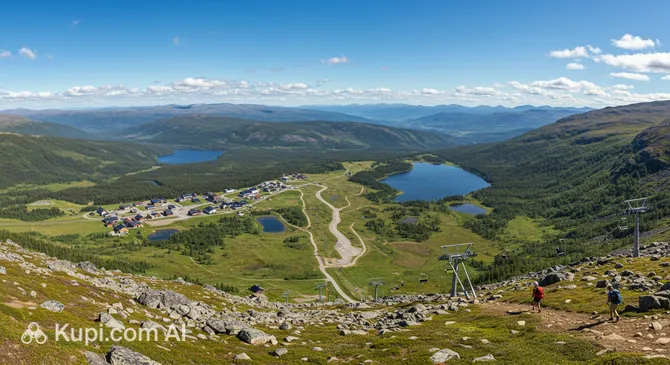
Despite its modest population of around 1,000 residents, Hemavan feels lively and welcoming, thanks to its status as one of the country's premier ski resorts. The village is situated in a valley surrounded by majestic peaks, offering a climate that ensures snowy winters ideal for sports and mild, pleasant summers perfect for hiking.

Hemavan. Source: Kupi.Binoculars

While it is now a modern hub for adventure, the history of Hemavan traces its evolution from a quiet remote settlement into a bustling tourist center. Today, it is perhaps best known as the southern gateway to the famous Kungsleden (The King's Trail), a spectacular hiking route that attracts trekkers from all over the world to explore the stunning Vindelfjällen Nature Reserve.

Beyond hiking, Hemavan is a paradise for winter sports lovers, boasting a wide variety of slopes that cater to both families and advanced skiers. Whether you are arriving to conquer the snowy mountains or to enjoy the midnight sun during the warmer months, Hemavan promises an unforgettable experience in the heart of the Scandinavian wilderness.

Weather Overview

The climate in this region is characterized by its subarctic nature, ensuring distinct seasons that shape the local outdoor activities. To plan your trip effectively, it is helpful to check the detailed weather in Hemavan, as conditions can change rapidly in the mountains.

Winters are reliably cold, with average temperatures in January and February hovering around -9.8°C, often dipping to -12.0°C. This period provides the crisp, snowy environment essential for the area's renowned skiing. As spring approaches, temperatures slowly rise, though April remains chilly with averages around -3.0°C.

Summer offers a milder but cool experience, perfect for hiking the King's Trail. July is typically the warmest month, with average temperatures of 11.1°C and highs reaching 14.5°C. However, visitors should be aware that precipitation is frequent throughout the year; even in the drier months, you might encounter damp conditions, with August averaging 21 wet days. Expect cool, mild summers with frequent light rain and cold, snowy winters.

Interesting Facts

Beyond the well-groomed slopes and hiking trails, Hemavan holds several fascinating distinctions that surprise many visitors. This mountain village is not just a recreational hub but also a place of unique geographical and botanical features.
  • Hemavan boasts one of the most convenient travel connections in the world for skiers; the local airport is located so close to the village center that you can practically walk from the arrival terminal directly to the ski lifts in just a few minutes.

  • The village is home to a unique Alpine Botanical Garden, known as Fjällbotaniska trädgården, which is situated right at the tree line and is accessible by taking the summer ski lift, offering a rare chance to see mountain flora from Sweden and around the world in their natural environment.

  • It serves as the gateway to the Vindelfjällen Nature Reserve, which is one of the largest protected areas in all of Europe, covering a staggering 560,000 hectares—an area larger than many small nations.

  • While many visitors come for short trips, Hemavan is the official southern terminus of the legendary King's Trail (Kungsleden), and a dedicated portal marks the finish line for trekkers who have completed the arduous 440-kilometer journey from the north.

How to Get There

Reaching this northern gem is surprisingly convenient, offering travelers a choice between direct flights into the heart of the mountains or scenic drives from neighboring regions. For a comprehensive guide on all available transport modes, you can read more about how to get to Hemavan and choose the route that best suits your itinerary.

The most effortless way to arrive is undoubtedly via Hemavan Airport (IATA: HMV). Located just 1.0 km from the village center, it is one of the few airports in the world where you can practically walk from the terminal to the ski lifts. Although it is a small facility, its unbeatable proximity makes it the primary gateway for most visitors. A taxi or transfer to your accommodation typically takes only a few minutes.

Travelers may also consider flying into nearby Norway and driving across the border. Mo i Rana Airport (IATA: MQN) is located in the city of Mo i Rana, approximately 70.9 km from Hemavan. The journey by car takes about 1 hour and 10 minutes, offering beautiful views as you traverse the Scandinavian mountain range. Another option is Kjærstad Airport (IATA: MJF) in Mosjoen, situated about 85.8 km away. The drive from there takes roughly 1 hour and 20 minutes.

For clarity, here is a summary of the main airports:

Airport Name City Passenger Traffic Km from City
Bronnoysund Airport Bronnoysund Medium 137.9
Mo i Rana Airport Mo i Rana Medium 70.9
Stokka Airport Sandnessjoen Small 120.5
Kjærstad Airport Mosjoen Small 85.8
Hemavan Airport Hemavan Small 1.0

Main Attractions

Attractions:

Hemavan is a destination defined by its spectacular natural surroundings, serving as a gateway to some of Sweden's most impressive wilderness areas. Whether you are visiting for the winter snow or the summer sun, the local attractions offer immersive experiences in the heart of the Scandinavian mountains.

Kungsleden (The King's Trail) is arguably the most famous hiking route in Sweden, and Hemavan serves as its southern terminus. This legendary trail stretches over 400 kilometers north to Abisko, but you don't need to hike the entire distance to appreciate its beauty. The section starting from Hemavan takes you immediately into the stunning high mountains, offering breathtaking vistas of valleys and peaks. It is a must-visit for trekkers looking to experience the classic Lappish landscape.

Surrounding the village is the vast Vindelfjällen Nature Reserve, one of the largest protected areas in Europe. This immense wilderness is a haven for biodiversity, home to roaming reindeer herds, arctic foxes, and golden eagles. For tourists, the reserve offers endless opportunities for exploration, from marked hiking trails in summer to cross-country skiing routes in winter, allowing visitors to connect deeply with untouched nature.

For those interested in local flora without the need for strenuous hiking, the Alpine Botanical Garden (Fjällbotaniska trädgården) is a unique highlight. Located near the tree line and accessible via the local ski lift, this garden showcases the diverse plant life that thrives in the subarctic climate. It provides an educational and scenic break, allowing you to see rare mountain flowers and plants in their natural habitat while enjoying panoramic views of the valley below.

A short distance from the main village lies Ruttjebäcken, a fascinating geological formation known for its "giant's kettles" or glacial potholes. These smooth, hollowed-out rock formations were created by rushing water and stones during the Ice Age. In the summer, the area becomes a popular spot for a refreshing dip in the crystal-clear water and for sunbathing on the flat rocks, making it a perfect excursion for families and nature lovers alike.

Local Cuisine

The culinary scene in Hemavan is deeply rooted in the traditions of Swedish Lapland and Västerbotten, focusing on high-quality, locally sourced ingredients that reflect the surrounding wilderness. Visitors can expect hearty, warming meals designed to fuel long days on the ski slopes or hiking trails. The cuisine here heavily features game meat, freshwater fish from the mountain lakes, and berries picked from the nearby forests.

One of the absolute must-try dishes in this region is suovvas, a traditional Sámi delicacy consisting of lightly smoked reindeer meat. It is often pan-fried and served with flatbread and lingonberry jam, offering a perfect balance of smoky and sweet flavors. Another staple is Arctic char (röding), a pink-fleshed fish caught in local alpine waters, typically grilled or pan-seared and served with potatoes and a creamy sauce. For those who enjoy game, elk (moose) is also frequently found on menus, often prepared as steaks or rich stews.

No visit to the Swedish mountains is complete without indulging in the classic fika culture. In Hemavan, this often takes the form of crispy waffles served with whipped cream and cloudberry jam. Cloudberries, known as the "gold of the north," grow in the marshlands surrounding the village and are a prized local delicacy. For drinks, strong coffee is the standard accompaniment, but you should also try warm lingonberry juice, a soothing non-alcoholic beverage that is particularly popular during the cold winter months. Local craft beers from northern breweries are also widely available for an evening treat.

The dining atmosphere in Hemavan is relaxed and unpretentious, catering to outdoor enthusiasts. Most restaurants are located within the hotels or directly on the mountain slopes, allowing for convenient "ski-in, ski-out" dining. You will find everything from casual cafeterias serving burgers and goulash soup to cozy à la carte restaurants offering refined versions of northern Swedish classics. Whether you are eating a packed lunch in a wind shelter or enjoying a three-course dinner by a fireplace, the food culture here is all about comfort and connection to nature.

Travel Tips

Planning a trip to Hemavan means preparing for an adventure in the heart of the Swedish mountains, where the wilderness dictates the pace of life. To help you make the most of your visit to this stunning alpine village, here are some practical tips to ensure a smooth and enjoyable experience.

  1. Clothing and Gear: The weather in the mountains can be unpredictable, so the "layering principle" is essential regardless of the season. In winter, bring high-quality thermal underwear, a warm mid-layer, and a windproof and waterproof outer shell. For summer visits, sturdy hiking boots are a must, and do not forget mosquito repellent—the insects can be intense in the Lappish wetlands during June and July.

  2. Transportation: Hemavan is a small village, and most key locations, including ski lifts and restaurants, are within walking distance. There is no metro or tram system here. If you plan to explore the wider Västerbotten region or visit neighboring Tärnaby, renting a car is recommended. Taxis are available but should be booked in advance, especially during peak season.

  3. Finances: The local currency is the Swedish Krona (SEK). Like the rest of Sweden, Hemavan is moving towards a cashless society. Most hotels, restaurants, and shops prefer or strictly accept credit and debit cards (Visa and Mastercard are widely accepted). It is advisable to rely on cards rather than cash, though having a small amount of cash can be useful for very small vendors.

  4. Health and Safety: The primary safety concern here is the natural environment. Never underestimate the mountain weather; conditions can change from sunny to blizzard-like in minutes. Always check the forecast before heading out. For medical issues, there is a local health center (Vårdcentral) in the area, but for emergencies, dial 112. Pharmacies may have limited opening hours compared to big cities, so bring essential prescription meds with you.

  5. Communication: The official language is Swedish, but English is spoken fluently by almost everyone, so you will have no trouble communicating. Free Wi-Fi is standard in hotels and cafes. If you need mobile data, coverage is generally good in the village but can be spotty deep in the mountains. Buying a prepaid SIM card from a major provider like Telia or Telenor is a good idea for reliable connectivity.

  6. Local Etiquette: Swedes value personal space and order. If there is a line, queue patiently. When entering a private home or certain lodgings (like mountain cabins), it is customary to remove your shoes at the door. In nature, follow the "Right of Public Access" (Allemansrätten): you are free to roam, but you must not disturb wildlife or leave any trace behind.

  7. What to Avoid: Do not walk on prepared cross-country ski tracks (spår) if you are on foot; this ruins the grooming and annoys skiers. Also, avoid assuming you can buy alcohol anywhere at any time. Strong beer, wine, and spirits are only sold at the state-run Systembolaget, which has restricted opening hours and is closed on Sundays.

  8. Seasonal Tip: If you are visiting in winter to see the Northern Lights, download an aurora forecast app and be prepared to stay up late. The lights are natural and elusive, so patience is key. In summer, bring an eye mask for sleeping, as the Midnight Sun means it stays light 24 hours a day, which can disrupt your sleep cycle.

By keeping these practicalities in mind, you can focus entirely on the breathtaking scenery and outdoor activities that Hemavan has to offer. Whether you are hiking the King's Trail or carving down the slopes, a little preparation goes a long way in this beautiful northern wilderness.

Entertainment & Nightlife

Entertainment in Hemavan is intimately tied to its identity as a premier ski resort, meaning the nightlife is seasonal, energetic, and centered around the classic tradition of "After-ski." While you will not find a sprawling district of nightclubs like in a major city, the village offers a concentrated and vibrant party scene, particularly during the winter months and the Easter holidays. The atmosphere is distinctively alpine: relaxed, friendly, and often starting in the afternoon while guests are still wearing their ski boots.

The heartbeat of the village's evening entertainment is undoubtedly Hemavans Högfjällshotell, often referred to locally as "Högis." This venue is legendary in the Swedish mountains for hosting high-energy after-ski sessions featuring live bands and troubadours that get the entire crowd singing along. On weekends and during peak season, the hotel's nightclub opens its doors, transforming into a bustling spot where locals and tourists dance until the early morning hours. It serves as the primary social hub where almost all late-night activity converges.

For a more sophisticated experience with a view, Björk – Topprestaurang & Fjällbar offers a unique setting. Located on the mountainside, this architectural gem is famous for its distinct design and panoramic vistas. While it is primarily a top-tier restaurant, its bar provides an exceptional atmosphere for enjoying local beverages while watching the sun dip behind the peaks. It attracts a crowd looking for a slightly more laid-back but stylish evening compared to the rowdier dance floors in the valley.

Practicalities for a night out in Hemavan are simple. The village is compact, so the "nightlife district" is essentially the short walk between the slopes and the main hotels. Most visitors get around on foot, but be aware that winter temperatures drop significantly at night; walking home in -20°C requires a warm jacket even after a night of dancing. If walking is not an option, Hemavan Taxi operates in the area, though it is highly recommended to book your ride in advance as availability can be limited during peak hours.

Regarding costs and timing, expect Swedish price levels, where a beer or glass of wine typically costs between 80 and 110 SEK. The nightlife kicks off early with the after-ski sessions around 3:00 PM or 4:00 PM, winding down for dinner, and then picking up again at the clubs around 10:00 PM. Safety is rarely a concern in this tight-knit community; the area is very safe for night walks, provided you dress appropriately for the weather.

During the daytime, entertainment shifts towards relaxation and culture. Apart from the slopes, visitors can unwind at the local swimming pool and sauna facilities, which are perfect for soothing muscles after a day of activity. For a touch of education, the Naturum Vindelfjällen visitor center offers fascinating exhibitions about the geology, flora, and fauna of the reserve, providing an interesting diversion for families and nature enthusiasts alike.

Parks & Museums

In Hemavan, the concept of a "park" is elevated to a grand scale, where manicured city gardens are replaced by vast, protected wilderness areas, and museums are dedicated to explaining the complex relationship between nature and the people who live here. While the village itself is small, it serves as the threshold to some of Sweden's most significant ecological and cultural landscapes.

Vindelfjällen Nature Reserve constitutes the ultimate "green space" for visitors to Hemavan. As one of the largest protected areas in Europe, it effectively functions as a massive national park right on the village's doorstep. The reserve is a patchwork of birch forests, wetlands, and high alpine peaks, offering a habitat for arctic foxes and reindeer. For tourists, it provides an accessible wilderness experience where you can hike for hours or days without seeing a road, yet still find well-maintained trails and wind shelters.

For a more curated experience of the local flora, the Alpine Botanical Garden (Fjällbotaniska trädgården) is a botanical gem located high above the village near the tree line. Unlike traditional gardens, this site is integrated into the natural mountainside, showcasing hundreds of plant species that thrive in the subarctic climate. It is particularly interesting for visitors who want to learn about the specialized vegetation of the Scandinavian mountains without embarking on a multi-day trek; the garden is easily accessible via the summer ski lift.

The cultural heart of the village is the Naturum Vindelfjällen Hemavan. This visitor center acts as a museum of the mountains, offering interactive exhibitions that cover everything from the geology of the U-shaped valleys to the biology of the local fauna. Crucially, it also serves as a cultural hub, providing deep insights into the Sami indigenous culture and their centuries-old tradition of reindeer husbandry in the region. It is an essential first stop for any tourist to understand the landscape they are about to explore.

Just a short drive (approximately 20 km) from Hemavan lies the neighboring village of Tärnaby, home to the Tärnaby Ski Museum. Given the region's reputation as a producer of legendary alpine skiers like Ingemar Stenmark, this museum is a key cultural site. It chronicles the history of skiing in the area, displaying vintage equipment and awards, and explaining how these remote villages became a global powerhouse in winter sports history.

In terms of historical sites, Atoklinten serves as a profound cultural landmark located roughly 30 kilometers from Hemavan. This mountain is a Cultural Reserve and a sacred site for the Sami people, featuring a characteristic peak that has been a spiritual focal point for generations. Visitors can explore the remains of old reindeer enclosures and settlements, offering a tangible connection to the area's indigenous history that predates modern tourism.

For a unique local experience, seek out the Drottningleden (The Queen's Trail). Inaugurated by the Queen of Sweden, this hiking path is less strenuous than the famous King's Trail but offers equally stunning panoramic views of the mountains and the Ume River valley. It is a perfect "insider" choice for families or those seeking a high-reward hike that can be completed in a few hours.

Getting Around

Given the compact size of Hemavan, visitors should not expect a complex metropolis-style public transport network. There is no metro, tram, or train system within the village itself. Instead, the local transport infrastructure is designed primarily around the needs of outdoor enthusiasts, relying heavily on a network of buses and the high walkability of the area. For most tourists, getting around involves a combination of regional buses, seasonal shuttles, and simply walking between the slopes and accommodations.

The primary public transport provider connecting the village with the surrounding region is Länstrafiken Västerbotten. Their buses, particularly the popular Line 31, serve as the main link to neighboring towns like Tärnaby and larger transport hubs such as Umeå. During the peak winter season, a dedicated Ski Bus (Skidbuss) typically operates within the resort area. This shuttle loops between the airport, various cabin villages, and the main ski lifts, offering a convenient solution for skiers carrying heavy gear.

The payment system is modern and strictly cashless, in line with the general practice across the region. You cannot pay with cash on board. The most convenient way to purchase tickets is by downloading the local transport app, often referred to as "Tabussen.nu," which allows you to buy single journey tickets or passes instantly. Alternatively, major credit and debit cards (Visa and Mastercard) are widely accepted directly on the buses. Prices are reasonable, but make sure to have your card or app ready before boarding to avoid delays.

For tourists, the most important piece of advice is to check the schedules in advance. While the Ski Bus runs frequently during the day in winter, regional bus services can be sparse, especially during evenings or the summer season. Timetables are usually available at the tourist center, hotels, or online. If you are waiting at a bus stop along the main road, remember to wave clearly to the driver, as buses may not stop unless signaled.

Regarding alternatives, taxis are available but the fleet is quite small. It is highly recommended to book your ride in advance, particularly for airport transfers or evening returns from restaurants. Car-sharing apps are not present, but renting a car is a very popular choice for visitors who wish to explore the wider scenic landscapes at their own pace. In the summer, bike rentals become a major mode of transport, with many visitors using mountain bikes to navigate the local trails and village paths.

A unique and essential part of the local transport "system" is the Hemavan Gondola (Hemavan Gondol). While technically a ski lift, it functions as a vital transportation link that carries pedestrians and hikers from the village center up to the mountain plateau. Operating in both winter and summer, it provides effortless access to the high alpine terrain and the start of hiking trails, making it a transport experience that doubles as a scenic attraction.

Accommodation

Accommodation in Hemavan is designed to complement the outdoor lifestyle, offering a cozy range of options that cater primarily to skiers, hikers, and families. The selection is dominated by self-catering cabins (stugor) and apartments, which are the preferred choice for visitors seeking a home-away-from-home experience in the mountains. However, for those who prefer full service, there are also classic hotels and budget-friendly hostels available, ensuring that everyone from backpackers to luxury seekers can find a suitable place to stay.

When choosing where to stay, location is key. The most popular area is the village center, which offers unbeatable convenience with close proximity to the airport, grocery stores, and the main ski lifts. Staying here means you can often walk to everything you need. For a more immersive alpine experience, the Gondolbyn area and the slopeside cabin villages offer "ski-in, ski-out" possibilities, allowing you to step out of your door and directly onto the snow. These areas are particularly favored by families and dedicated skiers who want to maximize their time on the mountain.

Among the well-known establishments, Hemavans Högfjällshotell stands out as the central hub of the village. It is not just a place to sleep but also the center of social life, housing restaurants and the popular nightclub. It offers a classic hotel experience with easy access to the lifts. For travelers on a budget or those hiking the King's Trail, STF Hemavan Fjällstation provides comfortable hostel-style accommodation with access to communal kitchens and saunas, fostering a social atmosphere among adventurers.

Booking Tip: Hemavan is an extremely popular destination during the Swedish school holidays, particularly the "Sportlov" weeks in February and March, as well as during Easter. Accommodation for these peak periods often sells out months in advance. To secure the best cabins or hotel rooms, it is highly recommended to book your stay as early as possible.

In terms of pricing, the range is generally mid-range to high, reflecting the seasonal demand of a ski resort. Budget options are available in the form of hostels and simpler cabins, while larger, modern lodges with private saunas command premium prices. Booking is most commonly done via major online travel platforms or through the official regional tourism websites, which offer comprehensive listings of private cabins and apartments.

Nearby Cities

For those looking to explore the surroundings, Hemavan serves as an excellent base for day trips to several interesting nearby locations:

Tärnaby is the closest neighbor and an absolute must-visit for anyone interested in sports history. Located just 20 kilometers east of Hemavan, this small village is world-renowned as the home of alpine legends Ingemar Stenmark and Anja Pärson. Visitors can explore the Tärnaby Ski Museum to learn about the area's incredible contribution to skiing or test their skills on the same slopes that raised Olympic champions. It offers a quieter, more traditional atmosphere compared to the bustling resort vibe of Hemavan.

For a complete change of scenery, a trip across the border to Mo i Rana in Norway is highly recommended. Situated approximately 90 kilometers to the west, the drive takes you through stunning mountain passes and down towards the dramatic Norwegian coastline. Mo i Rana is a lively town located at the head of the Ranfjorden, offering cultural attractions such as the Havmannen statue and the Vitensenter Nordland science center. It is also the gateway to the spectacular Svartisen glacier and several limestone caves, making it a perfect destination for a full-day excursion.

City Population Distance (km)
Sundsvall 99825 397
Umea 91916 331
Skellefteå 74402 298
Ostersund 49806 295
Lulea 49123 326

These nearby destinations offer a glimpse into the diverse culture and landscapes of the region.

Shopping & Souvenirs

Shopping:

Shopping in Hemavan offers a unique experience that reflects its dual identity as a ski resort and a border trading hub. While you will not find high-fashion boulevards or sprawling department stores, the village provides a focused retail scene tailored to outdoor enthusiasts and cross-border visitors. The selection is practical and high-quality, dominated by sports equipment, local delicacies, and provisions for mountain living.

The primary shopping activity is concentrated in the village center, conveniently located along the main road, the E12 (Blå Vägen). This area serves as the commercial heart of Hemavan, where most retail outlets, grocery stores, and services are clustered within easy walking distance of the ski slopes and major hotels. It is a compact district where you can easily find everything from hiking boots to evening snacks without needing a car.

The undisputed hub of commerce in the village is the Bayhill Center. This modern shopping gallery is surprisingly comprehensive for a village of this size, largely due to the high volume of visitors driving across the border from Norway. Inside, you will find a large grocery supermarket, the state-owned liquor store (Systembolaget), and several specialty shops. It also houses major sports outlets offering a wide range of clothing and gear for skiing, hiking, and fishing, often at competitive prices.

While Hemavan does not have traditional open-air markets, the spirit of local trade is alive in its specialty food shops and deli counters. Visitors should look out for local producers selling "border trade" favorites. These often include high-quality meat products and seasonal goods. During peak seasons, you may occasionally find pop-up stalls or small fairs near the center selling handicrafts, but the best place to find local food items is generally within the well-stocked supermarkets and delis.

When it comes to souvenirs, the best items to bring back are those that represent the region's nature and culture. Sami handicrafts (Duodji), such as handmade knives, leather pouches, and carved wooden cups (kåsa), are prized possessions that last a lifetime. For a taste of Swedish Lapland, look for edible gifts like cloudberry jam, dried or smoked reindeer meat (suovvas), and traditional flatbreads. High-quality outdoor apparel is also a popular purchase, as the local shops stock top Scandinavian brands designed for the harsh northern climate.

Opening hours in Hemavan are generally generous to accommodate tourists. The main grocery stores and the shopping center are typically open every day, often until 8:00 PM or 9:00 PM. However, specialty shops may close earlier, around 5:00 PM or 6:00 PM, and have reduced hours on Sundays. It is important to note that Systembolaget (the alcohol monopoly) has strict opening hours: it closes early on Saturdays and is completely closed on Sundays, so plan your purchases in advance.

Payment is almost exclusively digital. Like the rest of Sweden, Hemavan is a nearly cashless society. Major credit and debit cards (Visa, Mastercard) are accepted everywhere, even for small amounts. Some vendors may not even accept cash at all. For non-EU residents, tax-free shopping is available in many stores; look for the "Global Blue" signage in windows to claim a VAT refund on larger purchases of goods like clothing and souvenirs.
Reached the end of the page?

That means the route is fully explored