Support

Røst

About

Røst is a truly unique destination located at the outermost tip of the Lofoten archipelago, roughly 100 kilometers off the mainland coast. This island municipality in Norway is renowned for its flat landscape, which contrasts sharply with the jagged peaks found elsewhere in Lofoten, and for its distinct maritime atmosphere. Despite being situated well north of the Arctic Circle, Røst enjoys a surprisingly mild climate due to the warming influence of the Gulf Stream.

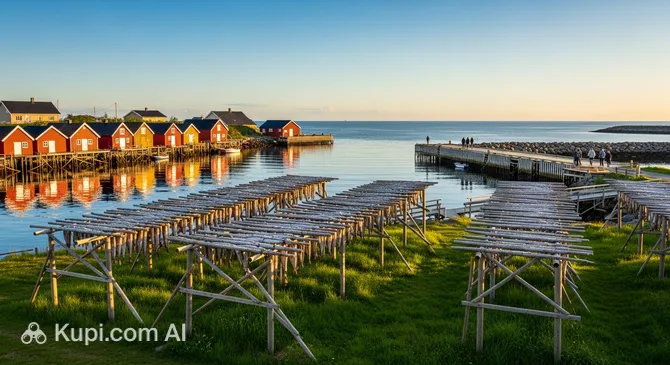
Røst. Source: Kupi.Binoculars

With a population of approximately 950 residents, this small community is deeply connected to the ocean. Fishing has been the lifeblood of the islands for centuries, particularly the production of high-quality stockfish. Visitors interested in the local heritage can delve into the history of Røst to learn how the seasonal cod fisheries have shaped the culture and economy of this remote outpost since the Middle Ages.

The islands are a paradise for nature enthusiasts, boasting one of the largest seabird colonies in the North Atlantic. Excursions to the bird cliffs offer the chance to see hundreds of thousands of nesting birds, including the charismatic puffin. Another key attraction is the historic Skomvær Lighthouse, which stands as a solitary guardian on the southernmost island. Whether you are seeking dramatic wildlife encounters or the tranquility of life at the edge of the world, Røst offers an unforgettable experience.

Weather Overview

Due to the warming influence of the Gulf Stream, the climate here is exceptionally mild for a location so far north. The weather in Røst is characterized by a narrow temperature range, avoiding the extreme highs and lows often found on the mainland.

Summers are generally cool and pleasant, with August being the warmest month, averaging 12.6°C. Winters remain relatively temperate, with the coldest average temperatures dropping to just 1.7°C in March. While the thermometer rarely plunges deep below freezing, visitors should be prepared for frequent moisture.

Precipitation patterns vary, with late autumn and winter seeing the highest frequency of damp weather; November, for instance, typically records around 23 wet days. In contrast, summer offers better chances for clear skies, particularly in July, which sees the fewest wet days of the year.

Interesting Facts

Beyond its role as a traditional fishing hub, Røst holds captivating secrets that range from surprising international historical ties to meteorological wonders.
  • The Venetian Connection: In 1432, the Venetian merchant Pietro Querini was shipwrecked on these remote shores. His rescue by locals sparked a centuries-old trade relationship involving stockfish and established a deep cultural bond between this Arctic island and Italy. This unique history is celebrated annually with the Querini Opera, a dramatic performance often cited as the world's most northerly opera.

  • A Global Climate Anomaly: Røst is famous among meteorologists for having the largest temperature anomaly in the world relative to its latitude. Thanks to the intense warming effect of the Gulf Stream, the islands often do not experience a true "meteorological winter," as the average temperature frequently stays above freezing even during the coldest months.

  • The Flat Island: While the rest of the Lofoten archipelago is renowned for jagged, towering mountains, the main inhabited island of Røstlandet is remarkably flat. Its highest point rises only about 11 meters above sea level, creating a striking contrast with the steep, dramatic cliffs of the nearby uninhabited bird islands like Storfjellet.

How to Get There

Reaching the remote archipelago of Røst is an integral part of the experience, offering travelers a journey through some of Norway's most dramatic seascapes. While the islands are located far out in the ocean, they are well-connected to the mainland by air and sea. For a complete overview of all travel options, including ferry schedules and detailed routes, you can read more about how to get to Røst.

The most direct way to arrive is by flying into Stolport Airport (RET). This small regional airport serves the island directly and is located on the main island, Røstlandet, quite close to the village. Although the passenger traffic is modest, it provides a vital lifeline for locals and visitors alike, connecting the archipelago to the mainland and neighboring parts of Lofoten.

For most international and long-distance travelers, the primary gateway is Bodo Airport (BOO), located in the city of Bodø on the mainland. This is a large regional hub handling over 1.8 million passengers annually. Since Bodø is situated across the Vestfjorden, it serves as the main transit point. From here, visitors typically catch a connecting flight to Røst or board the ferry, which offers a scenic crossing to the islands.

For clarity, here is a summary of the main airports in the region:

Airport Name City Passenger Traffic Distance (km)
Bodo Airport Bodo Large 99.5
Leknes Airport Leknes Medium 105.7
Mo i Rana Airport Mo i Rana Medium 151.5
Helle Airport Svolvaer Small 143.8
Stolport Airport Røst Small 13.7

There is no railway service on the islands of Røst, as the archipelago is situated approximately 100 kilometers offshore. The Norwegian railway network terminates on the mainland at the city of Bodø. Travelers preferring to travel by train can take the scenic Nordland Line to Bodø station and then transfer to a ferry or a plane to complete the final leg of the journey to Røst.

Main Attractions

While Røst may appear small on a map, it is packed with dramatic natural wonders and deep historical roots that captivate visitors. The main appeal of this remote archipelago lies in its untouched nature, particularly the teeming bird life and the rugged beauty of the surrounding ocean. Here are some of the most interesting places to experience during your visit.

The Bird Cliffs of Vedøya and Storfjellet are arguably the most famous attractions in the area. These steep, rocky islands rise majestically from the sea and serve as nesting grounds for hundreds of thousands of seabirds. A boat trip here is essential for any visitor, offering the chance to see vast colonies of puffins, kittiwakes, and guillemots up close. The sound of the birds and the sight of them swarming around the cliffs create an intense and unforgettable natural spectacle.

Another iconic landmark is the Skomvær Lighthouse, situated on the southernmost island of the archipelago. Built in 1887, this cast-iron tower stands as the final outpost between the Norwegian coast and the open Atlantic Ocean. It has guided sailors for over a century and holds a special place in Norwegian maritime history. Visitors can often join guided boat tours to the island, where they can explore the lighthouse station and enjoy panoramic views of the endless horizon.

For a glimpse into the local heritage, the Old Røst Church Ruins offer a poignant reminder of the past. Located on the northern side of the main island, Røstlandet, these stone ruins date back to a church consecrated in 1835, though the site has been a place of worship since medieval times. The walls stand weathered by the elements, surrounded by an old graveyard, creating a peaceful and atmospheric setting for a walk.

History enthusiasts will also appreciate the Pietro Querini Monument, which commemorates a unique link between this Arctic island and Venice, Italy. In 1432, the Venetian merchant Pietro Querini was shipwrecked here, and his crew was saved by the local islanders. This event sparked a centuries-long trade relationship centered on stockfish. The monument celebrates this friendship, which is also honored annually during the local opera festival.

Local Cuisine

The culinary identity of Røst is inextricably linked to the ocean that surrounds it. As one of the world's most important centers for fishing, particularly for the seasonal Arctic cod known as skrei, the local diet is defined by incredibly fresh seafood. The absolute star of the menu here is stockfish (tørrfisk). Røst produces the highest quality dried cod in Norway, thanks to its unique climate which is perfect for air-drying fish without salt. This local treasure has been exported to Italy for centuries, creating a fascinating culinary link between this Arctic outpost and Venice.

When visiting, you simply must try a dish featuring grilled stockfish. Unlike the salted cod (bacalao) found elsewhere, the stockfish here is rehydrated to create a firm, flavorful meat that is often served with bacon, peas, and potatoes, or sometimes prepared with an Italian twist in honor of the island's historical trade partners. Another delicacy to look out for is fried cod tongues (torsketunger). Traditionally cut by local children, these tender morsels are breaded and fried, offering a texture that is a favorite among locals.

For a true taste of Northern Norway, meals are often accompanied by traditional beverages. A glass of Aquavit (akevitt) is the classic choice to pair with rich fish dishes; this caraway-spiced spirit is believed to aid digestion. You will also find excellent local tap water, which is pure and refreshing, alongside a growing selection of craft beers from regional breweries in the Lofoten area.

The dining scene in Røst is intimate and authentic. You will not find fast-food chains or large commercial strips here. Instead, the food culture is centered around cozy guesthouses, small hotels, and local pubs where the atmosphere is warm and welcoming. These establishments pride themselves on serving "short-travelled" food, meaning ingredients that have been caught just off the coast or sourced from nearby islands. It is a place where the catch of the day is literally what was caught that morning, ensuring a dining experience that is as honest as it is delicious.

Travel Tips

Visiting Røst is an adventure into the raw and captivating beauty of the Norwegian coast, but its remote location requires a bit of extra preparation. To help you make the most of your journey to this unique island municipality, here are some practical tips covering everything from packing essentials to local customs.

  1. Clothing and Gear: The weather in Røst can change rapidly, shifting from sunshine to rain and strong winds within minutes. The key to comfort is layering. Bring a high-quality windproof and waterproof outer shell, as the wind here can be piercing even in summer. Woolen base layers are excellent for regulating body temperature. sturdy, waterproof walking shoes are a must for exploring the terrain. If you plan to visit the bird cliffs or go on boat tours, bring binoculars and a hat that stays firmly on your head.

  2. Transportation: Røst is a small community, and the main island, Røstlandet, is remarkably flat, making it a paradise for cycling. Renting a bike is arguably the best way to get around and see the sights at your own pace. There is no metro or train service, and public buses are infrequent. While you can bring a car on the ferry, it is not strictly necessary for getting around the main village. Taxis are available but limited, so booking in advance is wise if you have a specific schedule.

  3. Finances: The local currency is the Norwegian Krone (NOK). Norway is one of the most cashless societies in the world, and Røst is no exception. Credit and debit cards (Visa and Mastercard) are accepted almost everywhere, including small cafes and local shops. It is still handy to have a small amount of cash for very minor purchases, but you can rely on your card for the vast majority of your trip. Be aware that Norway can be expensive, so budget accordingly for food and accommodation.

  4. Health and Safety: Røst is an incredibly safe place with virtually no crime. However, the natural environment demands respect. Be cautious near the water's edge and on boat trips. There is a local doctor's office (legevakt) on the island for basic medical needs, but for serious emergencies, patients are transported to the mainland. Pharmacies are not open 24/7, so bring a sufficient supply of any prescription medications you need, as well as a basic travel first-aid kit.

  5. Communication: The official language is Norwegian, but the level of English proficiency is extremely high. You will have no trouble communicating with locals in English. Mobile coverage (4G/5G) is generally excellent across the islands, even in relatively remote spots. Wi-Fi is standard in hotels and guesthouses. A useful phrase to know is "Takk" (Thank you), which is always appreciated.

  6. Local Etiquette: The atmosphere in Røst is laid-back and informal. A simple "Hei" is the standard greeting for everyone. When hiking or exploring nature, strictly follow the "leave no trace" principle. If you are invited into a local's home, it is customary to remove your shoes at the door. Also, respect private property; while the right to roam exists, you should not walk through private gardens or disturb agricultural equipment.

  7. What to Avoid: Do not touch or climb on the fish drying racks (hjell). These are not just cultural monuments; they are active food production facilities, and the stockfish hanging there represents the livelihood of the locals. Additionally, during the nesting season (spring and early summer), strictly avoid disturbing the birds. Keep a respectful distance from nests and colonies, especially if you are photographing the puffins.

  8. Additional Tip: If you are visiting during the summer months (late May to mid-July), you will experience the Midnight Sun, where it stays light 24 hours a day. While magical, this can disrupt sleep patterns. Pack a good quality sleep mask if your accommodation does not have blackout curtains, so you can get a full night's rest before your next adventure.

By keeping these practical tips in mind, you will be well-equipped to embrace the charm and rugged nature of Røst. Whether you are there for the birdwatching, the history, or simply the fresh sea air, a little preparation ensures your trip to the edge of the Lofoten archipelago is truly unforgettable.

Entertainment & Nightlife

Entertainment and nightlife in Røst are defined by the island's remote charm and small-town intimacy rather than bustling nightclubs or neon-lit districts. Visitors should not expect a high-energy party scene; instead, the evenings here are about enjoying good company, savoring local flavors, and soaking in the unique Arctic atmosphere. Whether you are basking in the glow of the Midnight Sun during summer or hunting for the Northern Lights in winter, the "nightlife" is inextricably linked to the natural rhythm of the island.

The social hub of the community is concentrated around the harbor area on the main island of Røstlandet. This is where locals and visitors gather to unwind after a day at sea. The atmosphere is incredibly relaxed and welcoming, with no strict dress codes—hiking gear or a warm wool sweater is perfectly acceptable attire for a night out. The primary venue for evening entertainment is Røst Bryggehotell, which houses a popular restaurant and bar. It serves as the living room for the island, offering a cozy setting to enjoy a glass of wine or a local beer while chatting with fishermen and fellow travelers.

Another key spot to experience the local vibe is Querini Mat & Vin. Named after the famous Venetian merchant Pietro Querini, this establishment offers a blend of dining and social drinking. It is an excellent place to sample the local aquavit or enjoy a quiet evening drink. During the summer season, the outdoor terraces become the center of attention, allowing guests to enjoy the endless daylight. Prices for alcohol are consistent with the rest of Norway, meaning they can be quite high, so it is wise to budget accordingly.

For practical advice, the "night" in Røst ends relatively early compared to larger cities. Venues typically close around midnight or 1:00 AM, even on weekends. Getting around is simple; since the village is small and flat, you can easily walk back to your accommodation from the harbor. The area is exceptionally safe for night walks, with virtually no crime. However, always be mindful of the weather and the water's edge, especially if walking near the docks in low light or strong winds. Taxis are available but limited, so walking is often the most reliable option.

While nightlife is quiet, Røst offers unique cultural entertainment during the day and early evening. The highlight of the cultural calendar is the annual Querini Opera, a dramatic musical performance that takes place in summer. It celebrates the island's historical connection to Italy and attracts visitors from all over the world. Aside from this major event, daytime entertainment revolves around nature and history, such as exploring the local heritage sites or taking boat tours, rather than traditional amusement parks or shopping malls.

Parks & Museums

In Røst, the concept of parks and museums is redefined by the landscape itself. You will not find manicured city gardens or sprawling indoor museum complexes here; instead, the entire archipelago serves as a vast, open-air gallery of nature and coastal culture. The "green spaces" are wild, protected reserves teeming with life, while the local history is etched directly into the stone ruins and monuments scattered across the islands.

The most significant natural area is undoubtedly the Nykan Nature Reserve. This protected zone encompasses the dramatic bird cliffs west of the main island, including Vedøya and Storfjellet. While not a park in the traditional sense, it acts as a sanctuary for millions of seabirds and offers visitors a chance to witness one of Europe's most important ecosystems in action. For those preferring to stay on land, the flat terrain of Røstlandet functions as a sprawling recreational area. Its network of quiet roads and paths is perfect for walking or cycling, allowing you to traverse the wetlands and grassy moors where sheep graze freely and migratory birds rest.

Culturally, the Old Røst Church Ruins stand as the island's most poignant historical site. Located on the northern side of Røstlandet, these stone remnants of a medieval church (consecrated in 1835 on older foundations) offer a tangible connection to the past. The site acts as an open-air museum, where the weathered stone walls and the surrounding graveyard tell the story of the community's endurance against the elements. It is a peaceful place for reflection, set against the backdrop of the open sea.

Another key cultural landmark is the Pietro Querini Monument, situated near the harbor. This artistic installation is not just a statue but a symbol of the deep historical bond between Røst and Venice, Italy. It commemorates the shipwreck of 1432 that introduced stockfish to the Italian market, fundamentally changing the island's economy. While there isn't a dedicated "Stockfish Museum," the ubiquitous fish drying racks (hjell) that cover large parts of the island serve as a living museum. Walking among these towering wooden cathedrals, especially when they are full of drying cod in winter and spring, offers an authentic glimpse into a tradition that has remained unchanged for centuries.

For a lesser-known experience, seek out the local hiking trails that wind through the heathlands. One such path, often referred to by locals as a "Love Trail" or similar quiet walking route near the church ruins, offers secluded spots to watch the Midnight Sun without the crowds. These hidden paths provide intimate views of the unique flora of the island, which manages to thrive despite the salt spray and Arctic winds.

Getting Around

Navigating Røst is a refreshingly simple experience compared to larger urban centers. Due to the small size of the municipality and the flat terrain of the main inhabited island, Røstlandet, there is no complex network of metros, trams, or trains. The public transport system is primarily limited to a local bus service that connects key locations, designed largely to align with the arrival and departure times of ferries and flights, ensuring travelers can move between the harbor, the airport, and the main village.

The local bus service is operated by the regional transport authority of Nordland. These buses are modern and comfortable, but their frequency is low compared to mainland cities. The schedule is strictly tailored to the needs of the community and the logistics of inter-island travel. You will typically find buses waiting at the ferry terminal when a boat docks, ready to transport passengers to the center or the airport. It is crucial to check the timetables in advance, as buses may not run frequently outside of these specific connection windows.

For payment and ticketing, the system is fully integrated into the regional digital platform. The most convenient way to pay for trips and check schedules is by using the Reis mobile app, which covers public transport across the entire Nordland region. Through the app, you can purchase single tickets or travel passes and plan your route. If you do not have the app, you can usually buy a ticket directly from the driver using a credit or debit card. Cash is increasingly rare in use, and paying with a card is the standard and preferred method.

Given the compact nature of Røst, the most popular and practical "transport alternative" is actually cycling. The island is remarkably flat, making it a paradise for bikers. Many visitors choose to rent bicycles from local accommodations or the tourist information point upon arrival. This allows for complete freedom to explore the scenic roads and reach the ends of the island at your own pace. Walking is also a very viable option, as most services, shops, and guesthouses are located within a short distance of the ferry quay.

Taxis are available but operate on a much smaller scale than in big cities. There are very few taxis on the island, so you cannot expect to simply hail one on the street. It is highly recommended to book a taxi in advance by phone, especially if you have a tight connection to the airport or need transport late at night. Car rentals are possible but generally considered unnecessary for staying within Røstlandet itself, as the road network is limited and distances are short.

A unique aspect of transport here is the reliance on boats for visiting the outlying islands. While not a "metro" system, the local boat services and organized tours act as the essential link for reaching the famous bird cliffs and the historic Skomvær Lighthouse. These trips are weather-dependent, so tourists are advised to maintain a flexible schedule. Always verify the return times with boat operators, as being left behind on an uninhabited island is not a part of the standard itinerary.

Accommodation

Finding accommodation in Røst is a unique experience that differs significantly from staying in a typical city. Due to the small size of the community and its remote location, the number of lodging options is limited. There are no large international hotel chains or luxury resorts here. Instead, the hospitality scene is characterized by small, locally run establishments that offer a high degree of authenticity and a close connection to the island's maritime history.

The most iconic way to stay in Røst is in a rorbu (plural: rorbuer). These are traditional fishermen's cabins that have been renovated to meet modern standards while retaining their rustic charm. Historically, these cabins provided seasonal shelter for fishermen during the intense winter cod fishing season. Today, they are popular with tourists seeking a genuine Lofoten experience. Most rorbuer are located right on the waterfront, often built on stilts over the sea, providing immediate access to boats and stunning views of the harbor.

For travelers seeking more conventional hotel amenities, the main option is Røst Bryggehotell. Situated centrally in the harbor area, this hotel serves as a hub for visitors and locals alike. It offers standard rooms with en-suite facilities and typically includes breakfast. Staying here places you within walking distance of the ferry terminal, the local shop, and the few dining options available on the island. It is a convenient choice for those who prefer the services of a hotel over self-catering cabins.

In addition to the hotel and cabins, there are a few guesthouses and simpler lodging options, often referred to as sjøhus (sea houses) or rooms in private annexes. These can be a budget-friendly alternative and often provide a cozy, home-like atmosphere. Facilities in these smaller establishments may vary, with some offering shared kitchens or bathrooms, so it is advisable to check the specific amenities before booking.

Given the limited capacity on the island, especially during the peak summer season (June to August) and the winter fishing season, it is highly recommended to book accommodation well in advance. It is not uncommon for the island to be fully booked during popular events like the Querini Opera or when large tour groups arrive. Prices in Norway can be relatively high, and Røst is no exception, but the cost often reflects the unique location and the logistical challenges of operating in such a remote area.

Nearby Cities

For those looking to explore the surroundings, Røst serves as an excellent base for day trips to several interesting nearby locations:

City Population Distance (km)
Bodo 52803 101
Harstad 50000 242
Mo i Rana 18899 152
Narvik 14148 252
Sortland 10514 200

Given the remote island location of Røst, the most practical destination for a day trip or a short excursion is the regional capital, Bodø. As the main transport hub connecting the archipelago to the mainland, Bodø offers a vibrant contrast to the quiet island life. Visitors can explore the Norwegian Aviation Museum, which is the largest of its kind in the Nordics, or witness the power of Saltstraumen, the world's strongest tidal current, located just outside the city center. Its status as a European Capital of Culture makes it a bustling spot for art and events.

For those willing to travel further for a short visit, Narvik presents a dramatic change in scenery with its steep mountains and deep fjords. Known for its significant World War II history, the city houses the compelling Narvik War Museum. Additionally, it is a premier destination for alpine skiing, offering slopes that seem to plunge directly into the sea, providing a stark difference to the flat terrain of Røst.

Another interesting option on the mainland is Mo i Rana, often referred to as the "Arctic Circle City." It is famous for its proximity to the Svartisen glacier and the spectacular Grønligrotta cave system. While a bit further away, it serves as a gateway to some of Northern Norway's most rugged subterranean and glacial landscapes, appealing to travelers seeking adventurous nature experiences.

These nearby destinations offer a glimpse into the diverse culture and landscapes of the region.

Shopping & Souvenirs

Shopping:

General Overview: Shopping in Røst is a reflection of its character as a remote fishing community: practical, small-scale, and authentic. You will not find high streets lined with fashion boutiques or sprawling retail complexes here. Instead, the shopping experience is centered around daily necessities and unique local products. For visitors, this means the opportunity to purchase goods that are genuinely connected to the island's culture, particularly its world-famous fishing heritage, rather than mass-produced generic souvenirs.

Main Shopping Areas: There is no designated shopping district or pedestrian street in Røst. Commercial activity is concentrated in the main village on Røstlandet, primarily around the ferry terminal and the harbor. This area acts as the heart of the community where you can find the few essential stores available. The local grocery stores, such as the Coop Prix or Joker, function as "general stores," selling everything from fresh food and toiletries to basic hardware and sometimes even fishing gear.

Shopping Malls: Travelers should be aware that there are no shopping malls or department stores on the islands. The retail landscape is comprised entirely of standalone shops. If you require specialized equipment, electronics, or extensive fashion items, it is highly advisable to purchase these in larger mainland cities like Bodø before traveling to the archipelago.

Markets: Røst does not have a permanent marketplace. However, the island's spirit comes alive during local events and festivals, such as the annual opera festival or summer fairs. On these occasions, you may find pop-up stalls where locals sell handmade crafts, knitted woolens, and homemade food products. These temporary markets offer a charming glimpse into the local lifestyle and are the best place to find one-of-a-kind items directly from the artisans.

Souvenirs: The ultimate souvenir from Røst is, without a doubt, stockfish (tørrfisk). As one of the most important producers of dried cod in Norway, the island offers the highest quality fish you can buy. You can purchase it in various forms, from whole fish to snack packs of dried bits. Other popular keepsakes include locally knitted wool socks or mittens—essential for the Arctic climate—and items featuring the iconic puffin, which nests in the nearby cliffs. You can often find a selection of these gifts at the local hotel or the tourist information points.

Opening Hours and Payment: Store hours in Røst are generally shorter than in major cities. The main grocery stores are typically open from around 09:00 to 18:00 or 20:00 on weekdays, with reduced hours on Saturdays. Most shops are closed on Sundays, so it is important to plan your supply runs accordingly. Payment is seamless, as cards are accepted almost everywhere, even for small amounts. While carrying a little cash can be useful for very small stalls, you can rely on Visa or Mastercard for the vast majority of your transactions.

Tax-Free: While Norway offers a tax-free refund scheme for tourists from outside the Nordic region, the opportunities to use this in Røst are very limited due to the small size of the shops. Most local stores may not be affiliated with Global Blue or similar refund services. If you are making significant purchases of souvenirs or knitwear, it is worth asking the staff if they offer "Tax Free" forms, but do not expect this service to be available at the grocery stores.
Reached the end of the page?

That means the route is fully explored