Support

Svolvaer

About

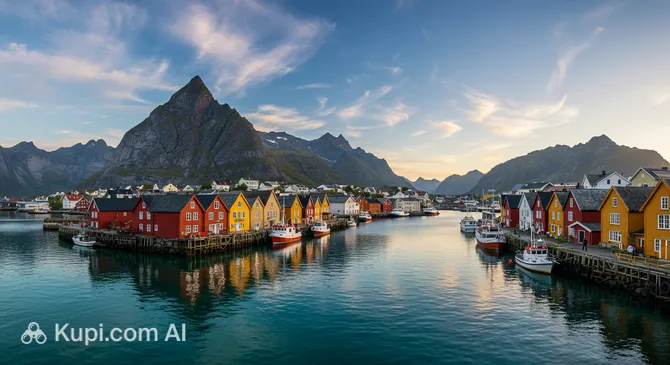
Svolvaer is often described as the vibrant capital of the Lofoten Islands, offering a perfect blend of modern amenities and traditional coastal charm. As a gateway to some of the most dramatic landscapes in Norway, this town serves as an essential hub for travelers seeking adventure and breathtaking scenery. Its unique atmosphere is defined by the bustling harbor, where fishing boats dock alongside visiting yachts, creating a lively maritime environment.
Svolvaer. Source: Kupi.Binoculars

Geographically, the town is situated on the southern coast of Austvågøya island in the province of Nordland. Despite its modest population of approximately 4,700 residents, Svolvaer feels surprisingly cosmopolitan, serving as a commercial and cultural center for the region. Its location above the Arctic Circle means visitors can experience the Midnight Sun in summer and the mesmerizing Northern Lights during the winter months.

The town's roots are deeply embedded in the fishing industry, particularly the seasonal cod fishery that has sustained the region for centuries. Those wishing to delve deeper into the local heritage can explore the rich history of Svolvaer, observing how it evolved from a vital trading post into a beloved tourist destination without losing its authentic character.

Among the top attractions is the iconic Svolværgeita (The Svolvaer Goat), a distinctive rock formation that towers over the town and offers a thrilling challenge for climbers. For a more relaxed experience, a stroll through the harbor reveals picturesque wooden racks used for drying fish and traditional red fishermen's cabins known as rorbuer. Whether you are looking to embark on a sea eagle safari or simply enjoy fresh local seafood, Svolvaer provides an unforgettable base for your Arctic adventure.
Weather Overview

Travelers planning a visit to this coastal town should be prepared for a climate that is milder than one might expect for a location above the Arctic Circle, though it remains cool and changeable. The warmest period occurs from June to August, where the average temperature peaks at around 12.7°C. July is typically the driest month, making it a popular time for outdoor exploration, although visitors should still anticipate about 11 wet days during this peak summer season.

Winters are cold but generally stable, with average temperatures in January and February hovering just below freezing at approximately -0.8°C. Precipitation is frequent throughout the year, particularly in late autumn and winter; months like October, November, and December can see up to 20 wet days each. For a more detailed breakdown of seasonal trends and what to pack, you can consult our guide to the weather in Svolvaer.

Interesting Facts

Beyond its role as a fishing capital, Svolvaer hides curious details that add depth to any visit. These lesser-known aspects reveal the town's adventurous spirit and rich, sometimes unexpected, history.
  • The Daredevil's Leap: While many admire the Svolværgeita rock formation from below, the ultimate challenge for climbers is "The Jump." Tradition dictates that those who reach the summit leap across the 1.5-meter gap between the two granite "horns" of the goat. It is a heart-pounding feat that has granted bragging rights to mountaineers for generations.

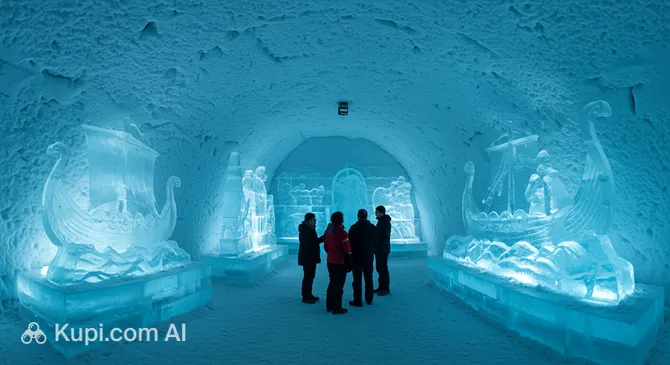
  • A Frozen Art Gallery: You can step into a permanent winter wonderland at Magic Ice Lofoten, which is often cited as the world's first permanent ice gallery. Constructed inside a former fish freezing plant, the venue keeps its temperature at a constant -6°C and features sculptures, a bar, and even glasses made entirely from crystal-clear ice harvested from local lakes.

  • World-Class History Collection: Despite the town's small size, the Lofoten War Memorial Museum houses one of the most extensive private collections of World War II artifacts in existence. History enthusiasts are often surprised to find such rare uniforms and memorabilia, including personal items linked to major historical figures, tucked away in this coastal community.

Magic Ice Lofoten. Source: Kupi.Binoculars

How to Get There

Reaching this picturesque archipelago town is an adventure in itself, often involving scenic flights or boat rides through the stunning landscapes of Nordland. For a comprehensive overview of all travel options, including details on ferries and driving routes, you can read more about how to get to Svolvaer. The most convenient method for many visitors is arriving by air, as the region is well-served by a network of airports catering to different travel needs.

The closest entry point is Helle Airport (SVJ), conveniently located in Svolvaer itself, just 4.4 km from the town center. It is a regional airport that primarily handles flights from larger hubs like Bodo. Due to its proximity, the transfer is extremely quick; a taxi ride typically takes approximately 5-10 minutes. Another significant option for travelers, especially those arriving on larger flights, is Harstad/Narvik Airport, Evenes (EVE). Located in the city of Harstad, about 91.5 km from Svolvaer, it serves as a major gateway to the Lofoten Islands. The journey from Evenes to Svolvaer by road is longer, taking around 2 hours and 40 minutes, but offers beautiful coastal views.

Travelers may also transit through Bodo Airport (BOO) in the city of Bodo, which is a major regional hub located approximately 108 km away across the Vestfjord. While it requires a connecting flight or a boat transfer to reach Svolvaer, it handles a large volume of passenger traffic and offers numerous connections. Other nearby regional options include Leknes Airport (LKN) in Leknes and Stokmarknes Skagen Airport (SKN) in Stokmarknes, providing further flexibility for exploring the archipelago.

For clarity, here is a summary of the main airports:

Airport Name City Passenger Traffic Km from City
Bodo Airport Bodo Large 108.0
Harstad/Narvik Airport, Evenes Harstad Medium 91.5
Leknes Airport Leknes Small 40.6
Stokmarknes Skagen Airport Stokmarknes Small 43.1
Helle Airport Svolvaer Small 4.4

Main Attractions

While the dramatic peaks and open sea define the landscape, Svolvaer itself offers several compelling sites that cater to diverse interests. From immersive art installations to historical exhibitions, visitors will find plenty to explore within the town center.

One of the most distinctive experiences is Magic Ice Lofoten. This unique gallery is constructed entirely from ice and snow, featuring intricate sculptures and a sub-zero bar. It provides a magical atmosphere where art and the arctic climate merge, illuminated by atmospheric lighting and accompanied by music.

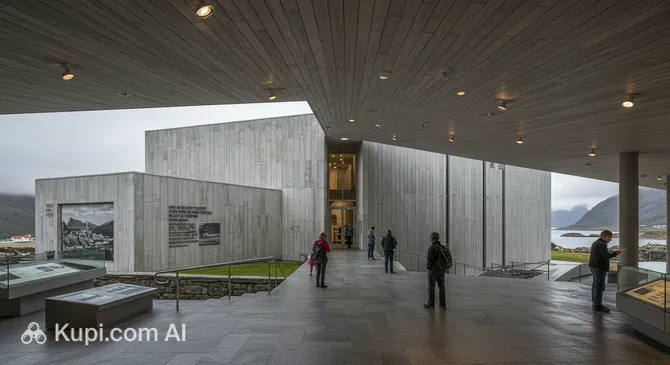
For a deep dive into the region's turbulent past, the Lofoten War Memorial Museum is an unmissable stop. This museum houses an extensive and rare collection of World War II uniforms and artifacts. It offers a thought-provoking look at the events of the war, with a particular focus on the occupation of Norway and the local impact.

Lofoten War Memorial Museum. Source: Kupi.Binoculars

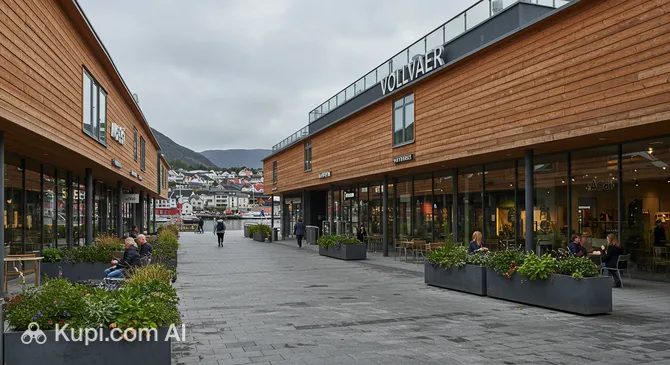
Travelers looking for a modern shopping experience or a place to relax can visit Alti Svolvær. As a central shopping mall, it offers a variety of stores, cafes, and services, making it a convenient spot to pick up supplies, souvenirs, or simply enjoy a warm break from the outdoor elements.

Alti Svolvær. Source: Kupi.Binoculars

Local Cuisine

The culinary identity of Svolvaer is inextricably linked to the sea, with the pristine Arctic waters providing some of the finest seafood in the world. For food enthusiasts, this town offers a genuine "farm-to-table" experience, or rather, "sea-to-table," where the catch of the day is often landed just meters from where it is served. The local gastronomy is defined by fresh ingredients, traditional preservation methods, and a growing focus on modern Arctic cuisine.

No visit to Svolvaer is complete without trying Stockfish (tørrfisk), the region's most famous export. You will see it drying on wooden racks throughout the islands, and it appears on menus in various forms, from grilled fillets to creamy soups. Another seasonal highlight is Skrei, the migratory Arctic cod that arrives in winter. If you are adventurous, ask for Mølje, a traditional dish consisting of poached cod, liver, and roe, which is a cherished delicacy among locals during the fishing season.

Beyond seafood, the region is renowned for Lofoten Lamb. These sheep graze freely on the salty coastal pastures and seaweed-rich shores, giving the meat a unique, tender, and savory flavor that requires little seasoning. For dessert, look for treats made with cloudberries, often called "Arctic Gold," which grow wild in the marshlands and are served with whipped cream or as a warm sauce over ice cream.

The dining scene in Svolvaer ranges from cozy cafes to high-end restaurants often housed in restored rorbuer (fishermen's cabins) or old quayside warehouses. This setting allows you to enjoy your meal with a view of the harbor and the surrounding mountains. For those who prefer to cook their own meals or grab a quick bite, Alti Svolvær offers a selection of grocery stores and casual eateries where you can find local produce and fresh bakery items.

When it comes to drinks, coffee is the fuel of social life here, enjoyed in generous quantities throughout the day. For an alcoholic beverage, Aquavit is the traditional choice to accompany heavy seafood or meat dishes. For a truly unique drinking experience, you can visit Magic Ice Lofoten, where signature cocktails are served in glasses made of pure ice, surrounded by frozen art sculptures, making the drink itself part of an unforgettable Arctic adventure.

Travel Tips

Welcome to Svolvaer, the vibrant heart of the Lofoten Islands! To help you make the most of your Arctic adventure, we have compiled a list of essential practical tips that will ensure your stay is comfortable, safe, and culturally enriching.

  1. Clothing and Gear: The weather in Svolvaer can change rapidly, often experiencing four seasons in a single day. The key to comfort is layering; start with wool or thermal base layers, add a warm mid-layer, and always carry a high-quality windproof and waterproof outer shell. Sturdy, waterproof hiking boots are a must if you plan to explore the trails or the Svolværgeita, while crampons (spikes for shoes) are highly recommended for walking on icy streets during winter.
  2. Transportation: The town center of Svolvaer is compact and easily navigable on foot, with most hotels, restaurants, and attractions within walking distance. However, to explore the wider Lofoten archipelago, renting a car offers the most freedom and flexibility. Public transport is available via the regional bus network (Nordland), but frequencies can be low, especially on weekends, so checking the "Reis" app for schedules is essential.
  3. Finances: The local currency is the Norwegian Krone (NOK), but Norway is rapidly becoming a cashless society. Credit and debit cards (Visa and Mastercard) are accepted almost everywhere in Svolvaer, from supermarkets to small kiosks, meaning you rarely need to carry large amounts of cash. Tipping is not mandatory as service charges are included, but rounding up the bill or leaving a small amount for exceptional service is a kind gesture.
  4. Health and Safety: Svolvaer is a very safe destination with low crime rates, but nature poses the biggest risks. Always check weather forecasts before hiking and never venture onto glaciers or steep terrain without proper experience or a guide. For minor health issues, look for the "Apotek 1" pharmacy, often located in the shopping centers; for emergencies, dial 113 for medical assistance.
  5. Communication: You will find that English is spoken fluently by nearly everyone in Svolvaer, making communication effortless for international travelers. Free Wi-Fi is widely available in hotels, cafes, and public areas. If you need mobile data, buying a prepaid SIM card from a convenience store (like Narvesen or 7-Eleven) is straightforward, provided your phone is unlocked.
  6. Local Etiquette: Norwegians are generally informal but value personal space and politeness. A simple "Hei" is a standard greeting for everyone. When entering private homes or certain traditional lodgings (like some rorbuer), it is customary to remove your shoes at the door. Punctuality is also highly valued, so try to be on time for guided tours or dinner reservations.
  7. What to Avoid: Do not touch, climb on, or disturb the wooden fish racks (hjell) where cod is drying. This is not just a tourist display but valuable food stock and a livelihood for locals. Additionally, avoid underestimating the power of the sea; keep a safe distance from the water's edge on rocky shores, especially when large waves are present.
  8. Additional Tip: Be mindful of Sunday closures. Most shops, including grocery stores, are closed on Sundays, though smaller convenience stores may remain open. If you wish to buy wine or spirits, note that the state-run liquor store, Vinmonopolet, closes early on Saturdays and is closed on Sundays, so plan your purchases in advance.

By keeping these practical tips in mind, you will be well-prepared to embrace the stunning nature and warm hospitality of Svolvaer. Whether you are chasing the Northern Lights or enjoying the Midnight Sun, a little preparation goes a long way in ensuring an unforgettable Norwegian holiday.

Entertainment & Nightlife

Entertainment and Nightlife:

Nightlife in Svolvaer is surprisingly lively for a town of its size, fueled by a mix of locals, fishermen, and travelers returning from Arctic expeditions. The action is almost entirely concentrated around the harbor area and the main square, Torget. Here, you will not find sprawling nightclubs or neon-lit districts; instead, the evening scene revolves around cozy pubs, waterfront bars, and restaurants housed in renovated fishermen's cabins. The atmosphere is warm and welcoming, encouraging conversation rather than high-energy partying.

For a drinking experience unlike any other, a visit to Magic Ice Lofoten is essential. This venue serves as both an art gallery and a bar, where you don ponchos and gloves to sip signature cocktails from glasses made of ice. It is a popular starting point for the evening before moving on to warmer venues. Other popular spots along the quay offer a wide selection of local craft beers and live music on weekends, often featuring Norwegian folk or rock bands.

The crowd in Svolvaer is diverse and unpretentious. You are just as likely to sit next to a mountaineer in hiking gear as a local enjoying a post-work beer. Consequently, the dress code is very casual; practical, warm clothing is the norm, even in the evening. Most bars and pubs stay open until around 1:00 or 2:00 AM on Fridays and Saturdays, though weekdays can be much quieter with earlier closing times. Prices for alcohol are high, consistent with the rest of Norway, so many visitors enjoy a "vorspiel" (pre-party) at their accommodation before heading out.

Safety is rarely a concern in Svolvaer. The town is well-lit and compact enough that walking between venues and hotels is safe and convenient. However, during winter, the docks can be slippery, so caution is advised near the water's edge. If you need a ride, taxis are available at the central rank near the square, or you can call 07550 to book one, though walking is usually the best option given the short distances.

While the nights are for socializing, the town offers engaging daytime entertainment as well. History buffs should explore the Lofoten War Memorial Museum, which provides a fascinating break from outdoor activities. For those looking to relax indoors, Alti Svolvær serves as the commercial heart of the town, featuring a variety of shops, cafes, and dining spots perfect for a leisurely afternoon.

Parks & Museums

Svolvaer is a destination where the concept of "parks" transcends manicured lawns and flowerbeds, extending instead into the majestic mountains and rugged coastlines that frame the town. While traditional city parks are few, the surrounding nature serves as a vast, open-air recreational space, complemented by a surprisingly rich selection of museums and galleries that celebrate the region's heritage and artistic spirit.

For those seeking green spaces and outdoor activity, the most significant "park" is undoubtedly the hiking terrain of Mount Fløya. Located just on the edge of town, this area features the famous "Sherpa Stairs" (Sherpatrappa), a stone staircase built by Nepalese Sherpas that makes the ascent accessible to many. The trail leads up towards the iconic Svolværgeita and offers panoramic views over the archipelago, effectively serving as the town's primary recreational ground for locals and tourists alike.

Another scenic area perfect for a leisurely stroll is the island of Svinøya, connected to the main town by a bridge. While not a park in the conventional sense, it is a preserved slice of history with active fish drying racks (hjell) and traditional rorbuer cabins. Walking here provides a peaceful escape with stunning views of the open sea and the surrounding peaks, offering a close encounter with the coastal ecosystem that defines Lofoten.

Culturally, Svolvaer punches well above its weight. The Lofoten War Memorial Museum is a standout institution, housing a collection of World War II artifacts that is unrivaled in depth and rarity. Visitors can spend hours examining the uniforms, equipment, and personal items that tell the harrowing and heroic stories of the war years in the Arctic, making it a must-visit for history enthusiasts.

Art lovers will find a unique experience at Magic Ice Lofoten. Far more than just a tourist attraction, this venue functions as an art gallery where the canvas is frozen water. The intricate ice sculptures depict local legends, Viking history, and coastal life, all illuminated by atmospheric lighting. Additionally, the North Norwegian Art Centre (Nordnorsk Kunstnersenter) plays a pivotal role in the local art scene, hosting rotating exhibitions of contemporary visual arts and crafts from the region.

In terms of historical landmarks, the Svolvær Church (Svolvær kirke) is a key architectural site. Consecrated in 1934, this concrete church is notable for its simple yet striking functionalist style, standing as a spiritual anchor for the fishing community. Nearby, the statue of Fiskerkona (The Fisherman's Wife) stands at the harbor entrance, a poignant monument dedicated to the women who watched and waited for their husbands to return from the sea.

For a truly authentic local experience, take a walk along the breakwater past the statue of The Fisherman's Wife. It is a quiet spot often overlooked by the crowds, offering one of the best vantage points for photographing the town against the backdrop of the looming mountains, especially during the golden hour.

Getting Around

Navigating Svolvaer is remarkably straightforward, primarily because the town center is compact and pedestrian-friendly. For most visitors staying within the main harbor area, walking is the most efficient and enjoyable way to get around. You can easily reach major hotels, restaurants, galleries, and the starting points for hiking trails on foot. There is no metro, tram, or train system here; instead, the public transport network relies entirely on buses and the sea, reflecting the region's island geography.

For travel beyond the immediate town center to other parts of the Lofoten archipelago, the regional bus service operated by Nordland is the primary mode of transport. The main bus terminal is located near the harbor. These buses connect Svolvaer with nearby villages like Kabelvåg and Henningsvær, as well as the western parts of Lofoten. While the buses are modern and comfortable, equipped with Wi-Fi and good heating, frequencies can be low, especially outside the peak summer season and on weekends.

The most convenient way to pay for public transport is through the official Reis app (Nordland), which allows you to purchase single tickets or travel passes directly on your smartphone. This is often cheaper than buying tickets on board. If you do not use the app, you can usually pay with a credit or debit card directly to the driver, but cash is rarely used and sometimes not accepted. Fares are zone-based, so the price depends on the distance traveled.

Given its location on the coast, sea transport is an integral part of the local infrastructure. Express boats (hurtigbåt) connect Svolvaer to nearby islands like Skrova and the mainland city of Bodø. These boats are fast, scenic, and essential for island hopping. Additionally, the famous coastal steamer Hurtigruten and the Havila Voyages ships make daily stops in Svolvaer, serving as both a travel method for long distances and a unique way to see the coastline.

For those seeking more flexibility, renting a car is highly recommended and arguably the most popular option for tourists. While public transport covers the main routes, a car allows you to explore hidden beaches and remote fjords at your own pace. Several international and local car rental agencies operate in the town center and at the airport. Alternatively, taxis are available and can be found at the rank near the central square or booked by phone, though fares can be quite high compared to European averages.

Cycling is another excellent alternative during the summer months. You can rent standard bicycles or e-bikes from local tourist offices and sports shops. This is a fantastic way to visit the nearby fishing village of Kabelvåg or explore the immediate coastline. However, be mindful of the weather; wind and rain can arrive suddenly, so always dress appropriately even for short rides.

A crucial piece of advice for travelers is to plan ahead. Schedules for buses and ferries change significantly between summer and winter, and services are often reduced on Sundays and public holidays. Always check the latest timetables on the Reis app or the Nordland regional transport website before setting out. Also, remember that in winter, road conditions can impact bus punctuality, so allow extra time for your connections.

Accommodation

Accommodation in Svolvaer caters to a wide spectrum of travelers, ranging from those seeking modern luxury to adventurers looking for a traditional Arctic experience. As the largest town in the Lofoten archipelago, it offers the most extensive selection of lodging options in the region. Visitors can choose from full-service chain hotels, budget-friendly hostels, private apartments, and the iconic rorbuer—historic fishermen's cabins that have been renovated into cozy, waterfront cottages.

The most popular area to stay is undoubtedly around the harbor and the central square. This location places you within walking distance of restaurants, galleries, and tour operators. For a more atmospheric stay, the small island of Svinøya, connected to the center by a bridge, is highly recommended. Here, you can stay in authentic cabins perched on stilts over the water, offering stunning views of the sea and mountains while remaining just a short walk from the town's amenities.

While standard hotels in the city center provide familiar comforts like extensive breakfast buffets and 24-hour reception, the rorbuer offer a distinctively local flavor. These cabins often feature wooden interiors, kitchenettes, and a sense of history, allowing guests to sleep to the sound of the waves. They are particularly favored by families and groups due to their spaciousness and self-catering facilities.

Booking Tip: Svolvaer is an extremely popular destination, and accommodation can sell out months in advance, particularly during the peak summer season (June to August) and the prime Northern Lights months (February and March). It is highly advisable to secure your lodging as soon as your travel dates are confirmed to avoid limited choices and higher rates.

Price Range and Booking: Generally, accommodation prices in Svolvaer are in the mid-to-high range, reflecting the high cost of living in Norway and the region's popularity. Budget options exist but are limited and fill up quickly. Booking is most easily done through major online travel platforms, though many of the specialized rorbu resorts also accept direct bookings via their websites.

Nearby Cities

For those looking to explore the surroundings, Svolvaer serves as an excellent base for day trips to several interesting nearby locations.

Located across the Vestfjord, Bodo is a bustling regional hub that can be reached by a scenic express boat ride or a short flight. It is famous for being home to the Norwegian Aviation Museum and the spectacular Saltstraumen, which is the world's strongest tidal current. The city offers a mix of urban culture and raw nature, making it a perfect spot for a day of exploration.

To the northeast lies Harstad, situated on Hinnøya, Norway's largest island. Known for its rich cultural heritage, the city features the medieval Trondenes Church and the Trondenes Historical Centre, which provide fascinating insights into the Viking Age and World War II. The journey there involves a drive through some of the region's most beautiful coastal landscapes.

City Population Distance (km)
Bodo 52,803 106
Harstad 50,000 102
Tromsø 38,980 236
Mo i Rana 18,899 215
Tromsdalen 16,787 237

These nearby destinations offer a glimpse into the diverse culture and landscapes of the region.

Shopping & Souvenirs

As the commercial center of the Lofoten archipelago, Svolvaer offers the most comprehensive shopping experience in the region. While it is not a metropolis filled with high-end designer boutiques, it provides a charming selection of stores that cater to both the practical needs of locals and the interests of visitors. The shopping scene here is characterized by a mix of high-quality outdoor equipment shops, local artisan galleries, and stores selling traditional Norwegian goods.

The main shopping activity is concentrated within the compact town center, making it easy to explore on foot. Vestfjordgata serves as the primary thoroughfare where you will find a variety of shops lining the street. A stroll along the harbor front and the area around the central square (Torget) also reveals several smaller boutiques and souvenir shops, often tucked into renovated historic buildings that add to the atmosphere.

For a more modern and concentrated shopping experience, Alti Svolvær is the go-to destination. Located right in the heart of the town, this shopping mall is the largest in the area and houses a wide range of retailers. Here, visitors can find fashion chains, a pharmacy, interior design shops, and a well-stocked grocery store, making it a convenient one-stop location for supplies and leisure shopping.

While Svolvaer does not have a permanent large-scale flea market, the harbor itself functions as a vibrant marketplace for fresh seafood. One of the most authentic shopping experiences you can have is buying fresh shrimp directly from the fishing boats docked at the quay. In the summer months and leading up to Christmas, pop-up stalls and seasonal markets often appear in the town square, featuring local handicrafts and regional delicacies.

When searching for the perfect keepsake, locally produced items are the best choice. Svolvaer is an excellent place to purchase stockfish (tørrfisk), which is often sold in attractive gift packs. Other popular souvenirs include traditional Norwegian wool sweaters, which are essential for the Arctic climate, and cloudberry products like jams or liqueurs. The region is also home to many artists, so look for galleries selling glass art, ceramics, and paintings inspired by the dramatic Lofoten light.

Store opening hours in Svolvaer generally follow standard Norwegian customs. Most shops are open from 10:00 AM to 5:00 PM or 6:00 PM on weekdays, with shorter hours on Saturdays, typically closing around 3:00 PM or 4:00 PM. It is important to note that nearly all shops, including the mall, are closed on Sundays. Payment is seamless, with credit and debit cards being the preferred method almost everywhere; even small stalls often accept card payments, though having a small amount of cash can be useful for very minor purchases.

Tourists residing outside of Norway, Sweden, Denmark, and Finland may be eligible for a tax refund on purchases. Many shops in Svolvaer participate in the Global Blue tax-free shopping scheme. If you spend above a certain threshold in a participating store, ask for a Tax-Free form at the checkout, which you can then present at your point of departure from Norway to receive a refund on the VAT.

Reached the end of the page?

That means the route is fully explored