Support

Bodo

About

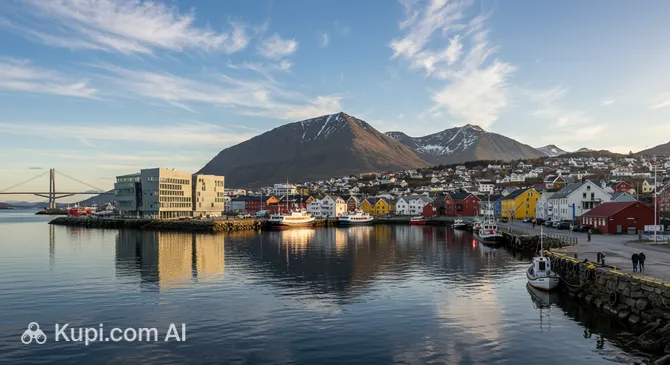
Welcome to Bodø, a vibrant and rapidly growing city located just north of the Arctic Circle. As the administrative center of the Nordland county, it serves as a bustling gateway to the stunning northern regions of Norway. With a population of approximately 53,000 residents, the city offers a perfect balance of urban amenities and immediate access to wild, untouched nature. Its unique location ensures that visitors can experience the magical Midnight Sun in the summer and the dancing Northern Lights during the winter months.

Bodo. Source: Kupi.Binoculars

The city is situated on a peninsula jutting out into the Norwegian Sea, providing breathtaking coastal views and a dynamic climate. While it is a modern metropolis today, the history of Bodø is marked by resilience and transformation, particularly its dramatic reconstruction following World War II which shaped its distinctive architecture. Today, it stands as a cultural hub, having been designated as a European Capital of Culture for 2024.

Travelers are drawn here by spectacular natural phenomena and world-class attractions. A short drive from the city center lies Saltstraumen, the world's strongest tidal current, where mesmerizing whirlpools are created four times a day. Aviation enthusiasts will find the Norwegian Aviation Museum fascinating, as it is the largest of its kind in the Nordic countries. Whether you are looking to hike up to the Keiservarden plateau for a panoramic view or use the city as a jumping-off point for the Lofoten Islands, Bodø is an unforgettable destination waiting to be explored.

Weather Overview

The climate in this coastal city is largely influenced by the Norwegian Sea, creating a subpolar oceanic environment that is surprisingly mild for its latitude. While the weather can be changeable, visitors should generally expect cool summers and winters that are not as harsh as inland regions. For a detailed breakdown of conditions throughout the year, you can check the weather in Bodø to help plan your packing list.

Summer brings the most pleasant temperatures, with July seeing average highs of around 15.3°C and daily averages resting near 13.0°C. This is the driest period of the year, though "dry" is relative here; even in May and July, you can expect about 16 wet days per month. It is the perfect time for outdoor activities, provided you bring layers to handle the cool evenings.

Winter sees temperatures drop, but the ocean keeps extreme cold at bay. January is typically the coldest month, with average temperatures hovering around -3.3°C and lows dipping to -5.1°C. Precipitation is frequent year-round, with October being particularly damp, recording up to 22 wet days. Travelers should come prepared for rain, snow, and wind, making waterproof clothing and warm wool layers essential regardless of when you visit.

Interesting Facts

Beyond the well-known landmarks, Bodø holds several fascinating secrets and unique characteristics that define its identity. From architectural marvels to natural phenomena that defy imagination, here are some intriguing details about this Arctic city.
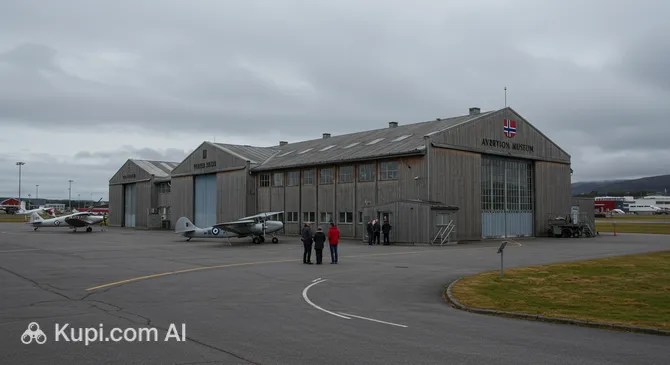
Norwegian Aviation Museum. Source: Kupi.Binoculars
  • Bodø is widely known as the "Sea Eagle Capital" of the world. The area boasts the densest population of white-tailed sea eagles on the planet, giving visitors a rare chance to see these majestic birds soaring directly over the city and harbor.

  • The Norwegian Aviation Museum features a unique architectural design that is best appreciated from above. The building is shaped exactly like a giant propeller, a deliberate tribute to the city's significant role in aviation history.

  • While many know about the Saltstraumen tidal current, the sheer volume of water involved is staggering. Every six hours, approximately 400 million cubic meters of seawater rush through the narrow strait at speeds of up to 20 knots, creating massive whirlpools that can be 10 meters in diameter.

  • During the winter "Polar Night," the city is not always pitch black. Instead, Bodø experiences a stunning atmospheric phenomenon known as the "Blue Hour," where the snowy landscape and sky are bathed in a deep, magical blue twilight for several hours in the middle of the day.

How to Get There

Reaching this Arctic metropolis is a seamless experience, as it serves as a major transportation hub for Northern Norway. Whether you prefer flying or taking a scenic train ride, the city is well-connected to the rest of the country. For a complete overview of routes and tips, you can read more about how to get to Bodo.

The most convenient entry point is Bodo Airport (IATA: BOO), located remarkably close to the urban area. Situated just 2.6 km from the city center, it is one of the few airports where you can practically walk to your hotel, though a taxi or bus ride takes only about 5-10 minutes. It is a bustling hub with high passenger traffic, offering frequent connections to Oslo and regional destinations.

Travelers exploring the wider Nordland region might also arrive via Leknes Airport (IATA: LKN) or Mo i Rana Airport (IATA: MQN). However, it is important to note that these airports are located in the cities of Leknes and Mo i Rana respectively, which are over 100 km away from Bodo. Traveling from these airports to Bodo typically involves a journey of approximately 3 hours by road and ferry, depending on connections.

For clarity, here is a summary of the main airports:

Airport Name City Passenger Traffic Km from City
Bodo Airport Bodo Large 2.6
Leknes Airport Leknes Medium 102.9
Mo i Rana Airport Mo i Rana Medium 102.5
Helle Airport Svolvaer Small 107.8
Stolport Airport Røst Small 102.8

If you prefer ground transport, Bodo is the northern terminus of the famous Nordland Line (Nordlandsbanen). This railway route from Trondheim is considered one of the most scenic train journeys in the world, crossing the Arctic Circle and offering spectacular views of fjords and mountains. The train station is centrally located, making it an excellent option for those who want to enjoy the landscape before arriving.

Main Attractions

Attractions:

While Bodø is famous for its surrounding nature, the city itself offers a range of attractions that cater to history buffs, shoppers, and foodies alike. From world-class museums to unique architectural features designed for the Arctic climate, there is plenty to discover within the urban area.

For those interested in history and technology, the Norwegian Aviation Museum is an absolute must-see. As the largest aviation museum in the Nordic countries, it covers the fascinating military and civil aviation history of Norway. The building itself is shaped like a giant propeller, and inside, visitors can explore a vast collection of iconic aircraft, control tower exhibits, and interactive flight simulators. It provides a deep dive into how air travel connected this rugged, elongated country.

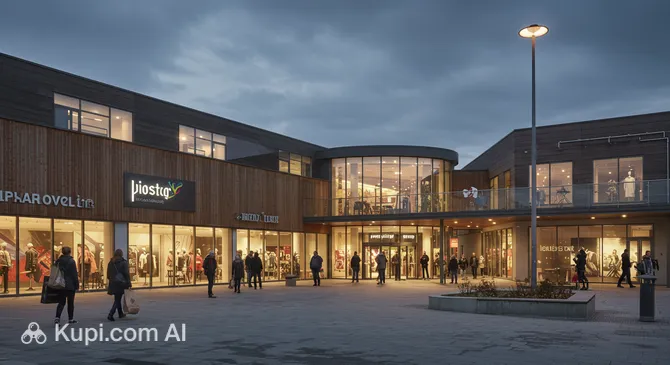
Travelers looking for a modern shopping experience should visit City Nord. Located just outside the city center, it stands as one of the largest shopping malls in Northern Norway. It is a bustling hub offering a wide variety of international brands, local stores, and restaurants. Whether you need to pick up outdoor gear for your hiking trips or simply want to enjoy a warm environment on a rainy day, this center has everything you need under one roof.

City Nord. Source: Kupi.Binoculars

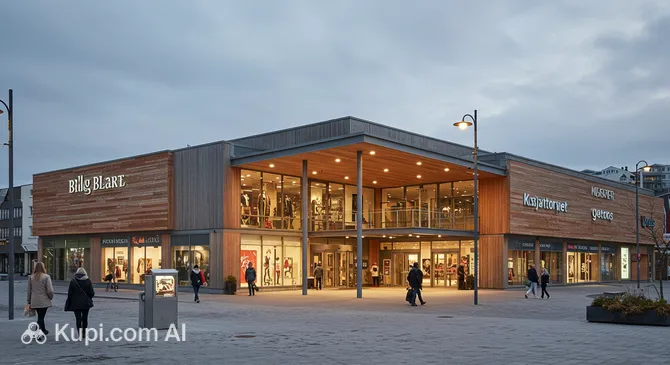
In the heart of the downtown area, you will find the Koch Shopping Center. This mall is particularly interesting because it is integrated into the "Glasshuset" (Glass House) district, a pedestrian street covered by a glass roof to protect shoppers from the wind and snow. This unique architectural solution allows visitors to enjoy a vibrant street atmosphere and café culture year-round, making it a favorite meeting place for locals.

Koch Shopping Center. Source: Kupi.Binoculars

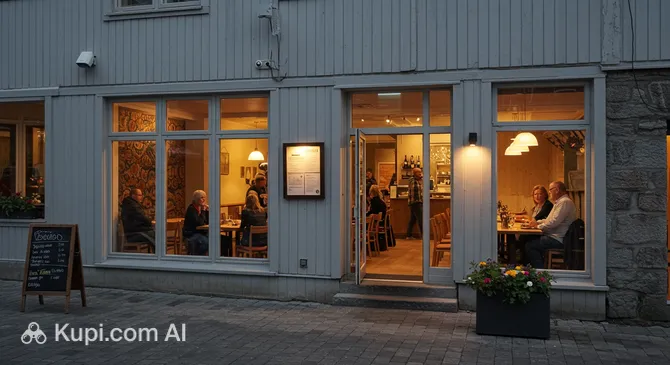
After a day of exploring, the local food scene offers some delicious casual dining options. Burgasm Bodø has become a popular spot for both residents and tourists, known for serving high-quality, creative burgers in a relaxed setting. It is an excellent place to refuel and soak in the youthful energy of the city before heading out to chase the Northern Lights.

Burgasm Bodø. Source: Kupi.Binoculars

Local Cuisine

Located on the edge of the Norwegian Sea, the culinary scene in Bodø is naturally defined by its access to some of the freshest seafood in the world. The cold, nutrient-rich waters provide an abundance of high-quality ingredients that serve as the backbone of the local diet. Visitors should definitely try the seasonal skrei (Arctic cod), which is particularly prized during the winter months, or sample stockfish (dried cod), a traditional staple that has sustained Northern Norway for centuries. Grilled halibut and creamy fish soups are also common menu highlights that showcase the region's maritime heritage.

However, the most iconic dish specific to this region is undoubtedly Møsbrømlefse. Unlike the thin, cold pastry served elsewhere in the country, this specialty of the Salten district is a warm, hearty meal. It consists of a soft flatbread topped with "møsbrøm"—a rich, sweet sauce made from brown cheese and milk—and is generously garnished with sour cream and melted butter. It is a must-try experience that is unique to this part of the country, often enjoyed as a filling lunch rather than just a dessert.

To wash down these hearty meals, locals often turn to Aquavit, a traditional Scandinavian spirit flavored with caraway or dill, which pairs excellently with traditional meat and fish dishes. The city also has a growing reputation for craft beer, with local breweries producing distinct ales that sometimes incorporate Arctic berries or herbs. For non-alcoholic options, coffee culture is huge here, and you will find that Norwegians drink plenty of high-quality coffee throughout the day, regardless of the weather.

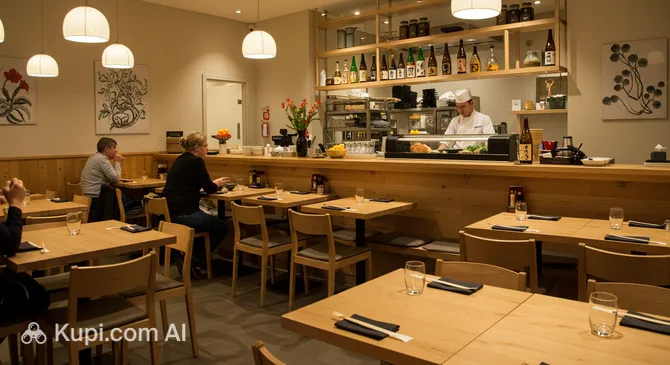
The dining atmosphere in the city is relaxed and unpretentious, ranging from cozy cafes in the "Glasshuset" area to modern restaurants along the harbor. While traditional Norwegian food is the heart of the culinary scene, the city has enthusiastically embraced international flavors that utilize local produce. A prime example of this fusion is the Tiger Sushi Bar, where the world-famous quality of Norwegian salmon and shellfish is transformed into exquisite Japanese-style dishes. Whether you are looking for a quick street-food snack or a sit-down dinner, the common thread in Bodø is a commitment to freshness and local sourcing.

Tiger Sushi Bar. Source: Kupi.Binoculars

Travel Tips

Preparing for a trip to Bodø requires a bit of foresight, especially given its location north of the Arctic Circle where weather and daylight hours can change rapidly. To help you make the most of your adventure in this ruggedly beautiful part of Norway, here are some essential practical tips to keep in mind.

  1. Clothing and Gear: The weather in Bodø is notoriously unpredictable and often windy. The key to staying comfortable is layering. Bring a base layer of wool, a warm mid-layer, and a high-quality windproof and waterproof outer shell. Comfortable, water-resistant walking shoes are a must, even for city strolling. If you are visiting in winter to hunt for the Northern Lights, thermal underwear, a hat, gloves, and a scarf are non-negotiable.
  2. Transportation: The city center is compact and very walkable; you can easily explore the main attractions on foot. In fact, the airport is so close that many travelers simply walk to their hotels. For trips to the suburbs or nearby attractions like Saltstraumen, the local bus network is reliable and efficient. Taxis are available but can be quite expensive. If you plan to explore the wider Nordland region at your own pace, renting a car is recommended, but be prepared for narrow roads and changing driving conditions.
  3. Finances: The local currency is the Norwegian Krone (NOK). Norway is rapidly becoming a cashless society, and cards are accepted almost everywhere in Bodø, from high-end restaurants to small kiosks. While ATMs are available, you will rarely need physical cash. Be aware that prices for food and services are generally high, so plan your daily budget accordingly. Tipping is not mandatory, as service charges are included, but rounding up the bill for good service is a common gesture.
  4. Health and Safety: Bodø is an extremely safe city with low crime rates. The biggest risks are usually environmental; rocks near the sea can be slippery, and the tidal currents are powerful, so always observe safety signs near the water. Pharmacies (called Apotek) are well-stocked and easy to find in the city center and shopping malls. For emergencies, dial 112 for police or 113 for an ambulance.
  5. Communication: The official language is Norwegian, but English is spoken fluently by almost everyone, making communication effortless for most international travelers. Free Wi-Fi is commonly available in hotels, cafes, and public spaces. If you need mobile data, you can purchase a prepaid SIM card at convenience stores like Narvesen or 7-Eleven, though EU/EEA citizens can typically use their home data plans without extra roaming charges.
  6. Local Etiquette: Norwegians value personal space and punctuality. When meeting locals or joining a tour, being on time is expected. It is also a strict social norm to remove your shoes when entering someone's home. In public, people are generally polite but reserved; a simple nod or a "hei" is a sufficient greeting.
  7. What to Avoid: Do not buy bottled water unless you specifically want sparkling water. The tap water in Bodø is sourced from pristine mountain lakes and is among the cleanest and best-tasting in the world—buying plastic bottles is seen as unnecessary and environmentally unfriendly. Also, avoid trying to haggle in shops or markets; prices are fixed, and bargaining is not part of the local culture.
  8. Sunday Closures: Keep in mind that most shops and supermarkets in Norway are closed on Sundays. In Bodø, only small convenience stores, souvenir shops, and restaurants will remain open. If you are arriving on a weekend or staying in a self-catering apartment, make sure to do your grocery shopping by Saturday afternoon.

Armed with these practical tips, you are ready to navigate Bodø with ease and confidence. Whether you are here to marvel at the midnight sun or brave the winter storms, a little preparation ensures that your focus remains on the breathtaking experiences this Arctic city has to offer.

Entertainment & Nightlife

To the surprise of many visitors, the nightlife in Bodø is vibrant, diverse, and punches well above its weight for a city of its size. Thanks to a large student population and a thriving cultural scene, the evenings here offer everything from cozy "brown" pubs and artistic hangouts to lively nightclubs and sophisticated cocktail lounges. The city center is compact, particularly around the harbor and the Glasshuset area, making it incredibly easy to walk between venues without needing a taxi.

For a true taste of the local social scene, head to the popular Hundholmen Brygghus. This massive gastropub and brewery spans two floors and serves as a social anchor for the city. It offers a relaxed atmosphere where you can sample beer brewed on-site or explore one of Scandinavia's largest collections of grappa. On weekends, the venue transforms as DJs take over the second floor, turning the space into a lively club spot. Just a short walk away is Dama Di, a bohemian favorite that feels like a slice of Berlin in the Arctic. Part bar, part art gallery, and part concert venue, it is famous for its eclectic decor, vinyl records, and the "Halv ti på torsdag" (Half past nine on Thursday) live music concept.

If you prefer a view with your drink, the Top 13 Bar & Lounge at the Radisson Blu Hotel offers panoramic vistas of the harbor and the surrounding mountains. It is an ideal spot to sip a martini while watching the Midnight Sun or searching for the Northern Lights through the floor-to-ceiling windows. For those seeking a cultural evening, the Stormen Concert Hall is not just for classical music; its legendary club venue, Sinus, hosts jazz, rock, and pop concerts, drawing varied crowds throughout the week.

Before diving into the late-night festivities, it is customary to start the evening with a good meal. The city offers excellent options that transition perfectly from dinner to drinks. You might grab a hearty, casual meal at Burgasm Bodø, which is known for its indulgent burgers and relaxed vibe, making it a great pre-party meeting point. Alternatively, for a more refined start to the night, Tiger Sushi Bar offers top-tier sushi made from fresh Norwegian seafood, providing a stylish setting to energize before hitting the town.

Practical Tips for Nightlife:

  • Dress Code: The style in Bodø is generally "Arctic casual." While people dress up for clubs, practicality reigns supreme. In winter, always bring a warm coat for the walk between bars; most venues have cloakrooms.
  • Timing: The nightlife peaks on Fridays and Saturdays. Bars typically close around 3:00 AM, but alcohol sales in supermarkets stop much earlier (usually 8:00 PM on weekdays and 6:00 PM on Saturdays), so plan accordingly if you are hosting a pre-party.
  • Safety & Transport: Bodø is incredibly safe at night. The city center is well-lit and walkable, but be careful of slippery streets in winter. Taxis are available at designated stands or can be booked via phone (07550), though they can be pricey.
  • Daytime Entertainment: If you need a break from the evening buzz, the city offers plenty of daytime diversions. You can explore the City Nord shopping mall or immerse yourself in history at the local museums before the sun goes down—or doesn't, depending on the season!

Parks & Museums

Bodø is a city where the line between urban culture and raw wilderness is delightfully blurred. The municipality prides itself on its accessible green spaces and a rich cultural heritage that tells the story of life at the edge of the Arctic. Whether you are looking to stroll through manicured gardens or dive deep into the history of trade and aviation, the city offers a diverse array of experiences just steps from the harbor.

For a refreshing break within the city limits, Rensåsparken serves as the main green lung of Bodø. Located just a short walk from the shopping district, this park is a favorite among locals for picnics and leisurely walks. It features rolling lawns, mature trees, and sculptures, providing a peaceful contrast to the bustling streets. In the winter, the park's slopes become a popular spot for children enjoying sledding, while summer sees it hosting various outdoor events and festivals.

If you prefer a more rugged natural experience, the Bodømarka area offers an extensive network of hiking trails immediately accessible from the residential areas. A standout destination here is the path to Keiservarden. While more of a mountain plateau than a traditional park, it functions as the city's premier outdoor recreational space. At 366 meters above sea level, it offers unrivaled 360-degree views of the Lofoten Islands and the Salten region, making it the perfect spot to experience the Midnight Sun surrounded by nature.

When it comes to museums, the city is home to the spectacular Norwegian Aviation Museum. As previously noted, this is a landmark institution for the entire country. Beyond its impressive collection of aircraft, the museum plays a crucial role in preserving the Cold War history of the region. It is an engaging experience for all ages, where you can not only see the machines that conquered the Arctic skies but also try your hand at flying them in realistic simulators.

To understand the deeper cultural roots of the region, a visit to the Nordland Museum (Nordlandsmuseet) is essential. Housed in one of the few buildings in the city center to survive the WWII bombing—a beautiful yellow wooden structure built in 1903—it offers a glimpse into pre-war Bodø. The exhibits cover a wide range of topics, from the dramatic history of the city's destruction and rebuilding to the fascinating culture of the Sami people and the traditional life of fishermen in Nordland.

Another cultural gem is the Jektefartsmuseet (Jekt Trade Museum), located just a few kilometers from the center. This modern museum is dedicated to the history of the "jekt," a traditional cargo vessel that was vital for the stockfish trade between Northern Norway and Bergen. The centerpiece is the Anna Karoline, the last surviving authentic jekt, which rests in a stunning glass hall. It is a captivating place to learn how dried fish created the economic foundation for this part of the world.

For an authentic and free cultural experience, take a walk through the city streets to admire the street art. As a result of the UpNorth festival, Bodø has been transformed into an open-air gallery, with massive murals painted on building facades by world-renowned artists. Hunting for these colorful masterpieces offers a unique way to explore the city's architecture while enjoying contemporary art.

Getting Around

Navigating Bodø is remarkably stress-free, thanks to its compact size and efficient infrastructure. For many visitors, the city center is small enough to explore entirely on foot, with most major hotels, attractions, and the harbor located within a comfortable walking distance of each other. However, if you plan to venture into the suburbs, visit the university, or explore the surrounding natural wonders, the city offers a reliable and modern public transport network.

The backbone of the local transportation system is the bus network, operated by the regional authority, Reis Nordland. There are no trams or metros in this Arctic city; instead, a fleet of comfortable buses connects the downtown area with residential neighborhoods, the airport, and nearby towns. The buses are frequent during the day on weekdays, though service frequencies drop during evenings and weekends. The main bus terminal is centrally located, making it an easy starting point for any journey.

For tickets and route planning, the digital approach is highly recommended. The most convenient way to pay is via the Reis mobile app, which is available for both iOS and Android. Through the app, you can purchase single tickets or 24-hour passes instantly, and it often offers a lower price compared to buying onboard. While you can usually pay with a contactless bank card on the bus, using cash is increasingly difficult and often incurs a surcharge. It is best to buy your ticket on your phone before you board.

Given the city's location on a peninsula, the sea is also a highway. Express boats (hurtigbåt) function as an extension of the public transport system, connecting the city center to nearby islands and coastal communities. These high-speed catamarans depart from the harbor and offer a scenic and practical way to visit places like Gildeskål or Steigen. The ticketing system for these boats is generally integrated with the regional transport authority, though it is wise to check specific zones and fares in the Reis app.

If you prefer more direct transport, taxis are readily available, though they are known for being quite expensive compared to European standards. You can find taxi ranks in the city center and at the airport, or book one via phone or the local taxi app. For a more active alternative during the warmer months, keep an eye out for electric scooters and city bikes, which have become popular for short hops around the waterfront and downtown areas.

A unique feature of the local transport landscape is the proximity of the train station. While primarily serving the long-distance Nordland Line, the train also acts as a local commuter service (Saltenpendelen) for towns east of the city, such as Fauske and Rognan. It provides a comfortable and scenic alternative to the bus for day trips out of the city limits. Remember to check the schedules carefully, as trains are less frequent than buses.

Accommodation

Finding a place to stay in Bodø is relatively straightforward, as the city offers a concentrated selection of accommodation options that cater to various travel styles. The range typically spans from modern, full-service hotels suited for business travelers and comfort-seekers to budget-friendly hostels and guesthouses for backpackers. For those who want to be closer to nature, there are also camping sites and cabins located just a short drive from the urban center, offering a more rustic experience under the Arctic sky.

The most convenient area for the majority of tourists is undoubtedly the city center. Bodø is compact, and staying downtown places you within easy walking distance of the harbor, the railway station, and the "Glasshuset" shopping district. This location is ideal for travelers planning to take the ferry to the Lofoten Islands or those who want quick access to local restaurants and museums. Uniquely, the airport is located just a few kilometers away, meaning that even hotels in the city center are practically "airport hotels" in terms of convenience.

For visitors seeking a unique experience, there are accommodation options located near the famous Saltstraumen tidal current, about 30 kilometers from the city. Staying in this area allows for immediate access to fishing and hiking, providing a tranquil alternative to the town center. These locations often feature cabins or "rorbu" (traditional fishermen's shacks) that have been converted into comfortable lodgings, perfect for watching the Northern Lights away from city lights.

Booking Tips: As a gateway to Northern Norway, Bodø can get quite busy, especially during the peak summer season (June to August) when the Midnight Sun draws crowds, and during the winter months for Aurora hunting. It is highly recommended to book your accommodation well in advance, as the best-value rooms tend to sell out quickly. During major events or conferences, availability in the city center can become very scarce.

Regarding prices, travelers should be prepared for the generally high standard of living in Norway. Accommodation prices are typically in the mid-to-high range compared to the rest of Europe. Budget options exist but are limited, so flexibility with dates can help save money. Booking is almost exclusively done via online platforms or direct hotel websites, which is the most secure and efficient way to guarantee your reservation.

Nearby Cities

For those looking to explore the surroundings, Bodø serves as an excellent base for day trips and short excursions to several interesting nearby locations. The region offers a mix of industrial history, dramatic war memorials, and stunning natural wonders that are well worth the journey.

One notable destination is Narvik, famous for its dramatic World War II history and the excellent War Museum. Beyond its historical significance, it is a paradise for skiers, offering the unique experience of skiing from the mountain summit almost down to the fjord at Narvikfjellet. Another fascinating option is Mo i Rana, located just south of the Arctic Circle. Known as the "Arctic Circle City," it is the gateway to the magnificent Svartisen glacier and the Grønligrotta cave, the only illuminated tourist cave in the Nordic region, making it a perfect spot for nature adventures.

City Population Distance (km)
Harstad 50000 191
Mo i Rana 18899 109
Narvik 14148 181
Lenvik 11618 284
Sortland 10514 163

These nearby destinations offer a glimpse into the diverse culture and landscapes of the region, providing travelers with a broader understanding of Northern Norway's unique character.

Shopping & Souvenirs

Shopping in Bodø offers a convenient and pleasant mix of modern retail experiences and local charm, all set against a backdrop of Arctic nature. While it may not be a sprawling metropolis, the city serves as the commercial hub for the Nordland region, providing everything from high-end international brands to unique regional handicrafts. Visitors will find that the city center is compact and pedestrian-friendly, making it easy to browse through stores without the need for extensive travel.

The heart of the city's shopping scene is undoubtedly the famous Glasshuset (The Glass House). This unique architectural feature covers a portion of the pedestrian street, Storgata, with a glass roof, creating a climate-controlled environment that allows for comfortable shopping regardless of the rain, wind, or snow outside. Here, you can stroll past a variety of fashion boutiques, interior design shops, and cozy cafes while enjoying the feeling of being outdoors, protected from the harsh Arctic elements.

For those seeking a more comprehensive retail experience, the city boasts two major shopping centers. Located directly within the Glasshuset area is the Koch Shopping Center, which houses numerous fashion chains, a pharmacy, and lifestyle stores spread across multiple floors. Just a short distance from the city center is City Nord, one of the largest shopping malls in Northern Norway. With over 100 stores, it is the go-to destination for everything from sports gear and electronics to groceries and international fashion labels.

While traditional open-air markets are not a daily occurrence in Bodø, the city occasionally hosts seasonal fairs and farmers' markets, particularly in the town square or near the harbor. These events are excellent places to find locally produced goods. However, for everyday purchases of local delicacies, the specialized food sections in larger supermarkets or dedicated delicatessens are your best bet.

When looking for souvenirs to take home, focus on items that reflect the region's heritage and climate. Norwegian wool sweaters are a classic choice, known for their warmth and durability. Local glass art is also a specialty of the area, with several studios producing stunning pieces inspired by the Northern Lights and the sea. For a taste of the Arctic, consider buying stockfish (dried cod), cloudberry jam, or locally crafted chocolate, which make for unique and edible gifts.

Store opening hours in Bodø generally follow standard Norwegian practice. Most shops open around 10:00 AM and close between 5:00 PM and 8:00 PM on weekdays, with shorter hours on Saturdays, typically closing by 6:00 PM. It is important to remember that most shops are closed on Sundays, with the exception of small convenience stores and some souvenir shops. Payment is almost exclusively digital; credit and debit cards are accepted everywhere, even for small amounts, and some places may not even accept cash.

International tourists residing outside of Norway, Sweden, Denmark, and Finland may be eligible for tax-free shopping. Many stores in Bodø participate in the Global Blue tax refund scheme. Look for the "Tax Free" signage in store windows, and remember to ask for a refund form at the checkout if your purchase exceeds the minimum threshold. You can then claim your refund at the airport or other departure points before leaving the country.
Reached the end of the page?

That means the route is fully explored