Support

Kiruna

About

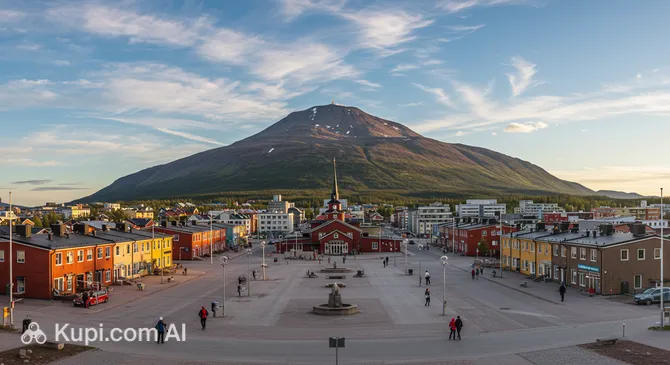
Welcome to Kiruna, the northernmost city in Sweden. Situated in the vast province of Norrbotten, roughly 145 kilometers north of the Arctic Circle, this unique destination offers an unparalleled blend of industrial heritage and breathtaking Arctic nature. With a population of approximately 27,000, Kiruna is a vital hub in Swedish Lapland, known for its pristine wilderness and extreme light conditions, ranging from the Polar Night in winter to the Midnight Sun in summer.

Kiruna. Source: Kupi.Binoculars

The city is world-renowned for housing the largest underground iron ore mine on the planet, a facility that defines much of the local identity. This industrial legacy is deeply intertwined with the history of Kiruna, which is currently undergoing one of the most ambitious urban transformation projects in the world. To accommodate the expanding mine, the entire city center is being moved eastwards, a fascinating process that attracts architecture and urban planning enthusiasts from around the globe.

Beyond its urban curiosity, Kiruna is a premier destination for winter tourism. Visitors flock here to witness the magical Northern Lights (Aurora Borealis) dancing across the dark skies or to explore the nearby village of Jukkasjärvi, home to the world-famous original Icehotel. Whether you want to marvel at the unique architecture of Kiruna Church, which resembles a traditional Sami tent, or go dog sledding through snowy forests, Kiruna invites you to experience the true spirit of the Arctic.

Weather Overview

Due to its location north of the Arctic Circle, the city experiences a subarctic climate with distinct seasonal contrasts. The weather in Kiruna is characterized by long, snowy winters and short, mild summers. January is typically the coldest month, with average temperatures around -12.1°C and lows often dropping to -14.8°C, creating a crisp and cold environment suitable for winter sports.

In contrast, the summer months bring a thaw, with July being the warmest time of year, averaging 13.1°C and seeing daily highs of up to 16.7°C. While the total volume of precipitation is generally low, recorded around 1mm to 3mm, the frequency of wet days remains high throughout the year, ranging from 9 to 17 days per month. Expect cool, mild summers with frequent light showers and cold winters that are consistently freezing.

Interesting Facts

Beyond the main attractions and the famous mine, Kiruna holds many fascinating secrets that reveal the depth of its character and history. Here are a few unique aspects of this Arctic city that often surprise visitors:

  • The iconic Kiruna Church, voted Sweden's most beautiful building in 2001, is central to the city's massive relocation project; unlike many structures that are demolished, this massive wooden building is scheduled to be lifted and moved in one piece to the new city center to preserve its heritage.

  • Kiruna is often referred to as the space capital of Sweden because it is home to Esrange Space Center, a facility located in the wilderness outside the city that launches sounding rockets and stratospheric balloons to study the atmosphere and the Northern Lights.

  • A symbol of the city's transformation is the clock tower from the old City Hall; while the original brick building had to be demolished due to the expanding mine, the historic iron clock tower was carefully dismantled and reassembled in the new town square, serving as a bridge between the past and the future.

  • The city serves as the seat of the Sami Parliament of Sweden, marking it as a vital political and cultural hub for the indigenous Sami people and their ongoing efforts to preserve their language and traditions within the Sápmi region.

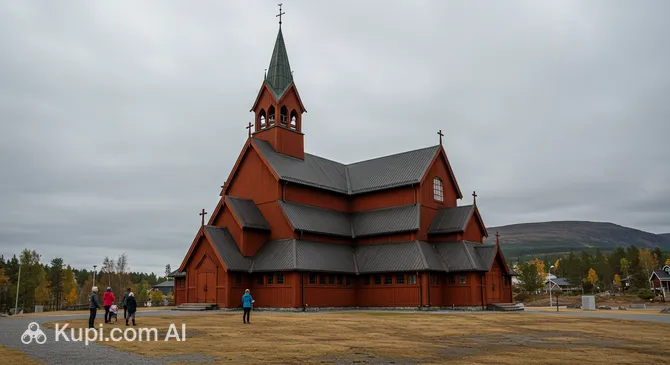
Kiruna Church. Source: Kupi.Binoculars

How to Get There

Reaching the Arctic wilderness of Swedish Lapland is easier than it might seem. While the journey is part of the adventure, you can find more about how to get to Kiruna and the various transport options available for planning your specific itinerary. The most common and time-efficient method for most international visitors is traveling by air.

The city is served by its own local hub, Kiruna Airport (KRN), which is conveniently located just 6.3 km from the city center. It is a regional airport with an annual passenger traffic of approximately 222,000 people. Due to its proximity, a transfer to the heart of the city is quick, typically taking around 15 to 20 minutes by taxi or airport shuttle.

For those exploring the broader region, there are alternative airports in neighboring countries. You can fly into Harstad/Narvik Airport, Evenes (EVE), located in the city of Harstad, Norway. It is approximately 163 km away, and the drive to Kiruna takes about 4.5 hours. Another option is Kittila Airport (KTT) in Kittila, Finland, which is roughly 196 km away. While these options require a longer transfer, they can be useful for travelers planning a multi-country Arctic tour.

For clarity, here is a summary of the main airports:

Airport Name City Passenger Traffic Km from City
Tromsø Airport, Langnes Tromsø Large 210.6
Harstad/Narvik Airport, Evenes Harstad Medium 163.4
Kittila Airport Kittila Medium 195.8
Kiruna Airport Kiruna Small 6.3
Bardufoss Airport Bardufoss Small 150.6

Main Attractions

Kiruna offers a distinctive mix of architectural landmarks and unique culinary experiences that reflect the spirit of Swedish Lapland. While the city is famous for its vast wilderness and the nearby Icehotel, the town center itself holds several treasures that allow visitors to connect with local culture and history.

One of the most striking sights is Kiruna Church. Designed by architect Gustaf Wickman and opened in 1912, this unique wooden structure draws inspiration from the shape of a traditional Sami tent, or kåta. Its deep red exterior and spacious, light-filled interior make it a masterpiece of the National Romantic style. As one of Sweden's largest wooden buildings, it stands as a beloved monument that is being carefully preserved during the city's ongoing relocation.

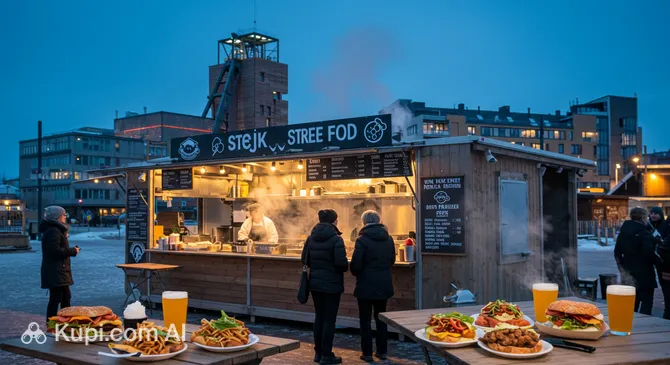
For a true taste of the Arctic, a visit to Stejk Street Food is highly recommended. Far more than a typical food truck, this popular spot has become a culinary destination in its own right. It is renowned for serving locally sourced delicacies, such as reindeer and moose meat, often prepared as hearty submarine sandwiches. Guests can enjoy their meals in a cozy, teepee-style dining tent, adding to the authentic northern atmosphere.

Stejk Street Food. Source: Kupi.Binoculars

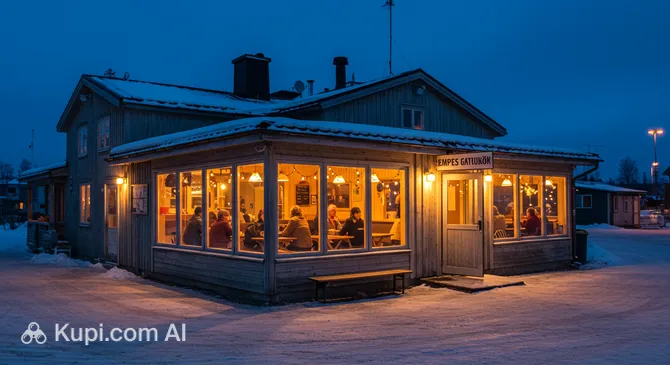
If you are looking for a classic Swedish dining experience, Empes Gatukök is a local institution. This long-standing grill kiosk is the perfect place to try traditional Swedish fast food, such as the "Parisare" (a large sausage patty served in a bun) or a classic burger with all the trimmings. It offers a warm, unpretentious vibe that has been a favorite among locals for decades, making it a great spot to refuel after a day of winter activities.

Empes Gatukök. Source: Kupi.Binoculars

Local Cuisine

The culinary landscape of Kiruna is deeply rooted in the surrounding Arctic wilderness. The local diet relies heavily on fresh, natural ingredients sourced from the mountains, forests, and rivers of Swedish Lapland. Visitors can expect a strong focus on game meat, fish, and wild berries, creating a rustic yet refined flavor profile that reflects the Sami heritage and the harsh northern climate.

Reindeer meat is the cornerstone of the local cuisine and a must-try for any traveler. One of the most famous preparations is suovas, salted and smoked reindeer meat that is typically pan-fried and served on flatbread with lingonberry jam. For a modern twist on this traditional staple, you can visit Stejk Street Food, where the meat is served in hearty sandwiches. Moose, or elk, is another popular game meat, often found in rich stews or served as succulent steaks.

Fish lovers should look for Arctic char, known locally as röding. Caught in the cold, crystal-clear lakes of the region, this pink-fleshed fish is usually grilled or butter-fried to highlight its delicate taste. To finish a meal, look for desserts featuring cloudberries. Often called the "gold of the north," these amber-colored berries grow in the marshlands and are frequently served warm with vanilla ice cream or squeaky cheese.

When it comes to drinks, coffee plays a central role in the local culture, integral to the Swedish tradition of fika. In this part of the country, you might encounter the unique specialty of kaffeost, where cubes of firm cheese are placed into a cup of hot coffee, absorbing the liquid and becoming soft. Non-alcoholic options often include refreshing juices made from lingonberries or blueberries, packed with vitamins to combat the cold.

The dining atmosphere in Kiruna is generally casual and welcoming, ranging from fine dining in hotels to cozy street food vendors. The "Parisare," a large sausage slice served in a hamburger bun, is a classic northern fast-food dish. It is a favorite among locals for a quick bite, and places like Empes Gatukök are perfect for experiencing this authentic slice of everyday life in the north.

Travel Tips

Planning a trip to the Arctic North requires a bit more preparation than your average holiday, but the reward is an unforgettable experience in one of the world's most unique environments. To help you navigate the climate, culture, and logistics of Kiruna, here are some essential practical tips for your journey.

  1. Clothing and Gear: The golden rule in the Arctic is layering. In winter, thermal underwear (merino wool is best), a warm middle layer, and a windproof and waterproof outer shell are non-negotiable. Don't forget insulated boots, thick gloves, and a hat that covers your ears. Since icy streets are common, bringing a pair of slip-on spikes (crampons) for your shoes is highly recommended. If you visit in summer, pack a sleep mask to block out the Midnight Sun and strong insect repellent, as mosquitoes can be intense in the wilderness.
  2. Transportation: While the new city center is walkable, distances between attractions like the Icehotel or the mine can be significant. Local buses (Länstrafiken Norrbotten) connect the city and nearby villages, but frequencies can be low. For maximum flexibility, especially if you want to chase the Northern Lights on your own, renting a car is the best option; however, ensure you are comfortable driving on snow and ice. Taxis are available but can be expensive, so book in advance when possible.
  3. Finances: Sweden is one of the most cashless societies in the world. The local currency is the Swedish Krona (SEK), but you will rarely need physical cash. Credit and debit cards (Visa and Mastercard) are accepted almost everywhere, even for small purchases like a cup of coffee or a bus ticket. ATMs are available but seldom used by tourists. Tipping is not mandatory, but rounding up the bill or leaving a small amount for exceptional service is appreciated.
  4. Health and Safety: Kiruna is a very safe city with low crime rates. The biggest risks are environmental: extreme cold and slippery surfaces. Always cover exposed skin in deep winter to prevent frostbite. Pharmacies (Apotek) are well-stocked, but they are not open 24/7, so bring personal prescriptions with you. For emergencies, dial 112.
  5. Communication: You will find that nearly everyone speaks excellent English, so language barriers are rarely an issue. However, learning a few words like Hej (Hello) and Tack (Thank you) is always polite. Free Wi-Fi is standard in hotels, cafes, and on many buses. If you need mobile data, prepaid SIM cards can be bought at convenience stores like Pressbyrån or supermarkets.
  6. Local Etiquette: Swedish culture values personal space and calmness. When entering a private home, and sometimes even in certain public accommodations or cabins, it is customary to remove your shoes at the door. Punctuality is also highly valued; if you have booked a tour or a table, arrive exactly on time. When interacting with the indigenous Sami people, always ask for permission before photographing them or their reindeer.
  7. What to Avoid: Do not walk on ski tracks or snowmobile trails; these are designated lanes for specific sports and vehicles, and blocking them is considered rude and dangerous. Also, avoid raising your voice in public places, as loud behavior is generally frowned upon.
  8. City Transformation Tip: Remember that Kiruna is a city on the move. The town center has recently shifted about 3 kilometers east. Double-check the location of your accommodation and the pickup points for tours, as old maps or outdated guidebooks might direct you to the "old center," which is largely being decommissioned.

By keeping these practicalities in mind, you can focus entirely on the magic of the Arctic, from the dancing auroras to the snowy expanses. Kiruna is a welcoming place where nature rules, and being well-prepared is the first step to embracing its wild beauty.

Entertainment & Nightlife

Nightlife in Kiruna offers a distinctively cozy and welcoming atmosphere, standing in stark contrast to the arctic wilderness that surrounds the city. Rather than sprawling nightclubs or neon-lit strips, the evening scene here revolves around warm, inviting pubs, hotel bars, and unique dining experiences where locals and travelers mingle. As the city undergoes its historic transformation, the heart of the entertainment district has shifted to the New City Center, particularly around the new town square and the modern City Hall, Kristallen.

For those seeking a classic pub experience, The Bishops Arms is a popular gathering spot located in the new center. It is known for its extensive selection of beers and whiskies, offering a British pub feel with a Swedish twist. It is the perfect place to relax after a day of winter activities, chatting with locals in a low-key, friendly environment. If you prefer a view with your drink, the Sky Bar at the Scandic Kiruna hotel offers a more modern setting. As Sweden's northernmost sky bar, it provides panoramic views of the city and the surrounding mountains—a prime spot for catching a glimpse of the Northern Lights while enjoying a cocktail indoors.

Dining plays a significant role in the evening entertainment here. For a truly local start to your night, visit Stejk Street Food. This venue transforms the concept of street food into an event, serving reindeer and moose delicacies in a traditional Sami-style tent (lavvu). It creates a social and rustic atmosphere that perfectly sets the mood for an Arctic night out.

When the bars close, usually around 2:00 AM on weekends, participating in the local tradition of a late-night snack is a must. Empes Gatukök is the legendary spot for this ritual. Known for its hearty burgers and "Parisare," this grill kiosk has been a staple of Kiruna's culture for decades and remains the favorite place to refuel and debrief after an evening out.

Beyond bars and food, the city offers cultural entertainment centered around the Aurora Kultur & Kongress. This modern venue hosts concerts, theater productions, and exhibitions, serving as the cultural heartbeat of the new city. For daytime entertainment, visitors can explore the local art museum within the same complex or take excursions to the nearby Jukkasjärvi to visit the world-famous Icebar, where drinks are served in glasses made entirely of ice.

Practical Tips for Nightlife:

  • Dress Code: The vibe is casual and practical. Due to the freezing temperatures, it is perfectly acceptable—and expected—to wear thermal layers, wool sweaters, and sturdy winter boots even in bars and restaurants.
  • Getting Around: While the new center is walkable, distances to accommodation can be deceivingly long in the cold. It is highly recommended to book a taxi in advance for your return journey, especially on weekends when demand is high.
  • Safety: Kiruna is incredibly safe for night walks. The primary concern is the environment; watch your step on icy streets and ensure you are dressed warmly enough if you plan to walk between venues.
  • Prices: As in the rest of Sweden, alcohol can be pricey. Many locals enjoy "After Work" (AW) specials on Friday afternoons, which can be a more budget-friendly way to enjoy the pub scene.

Parks & Museums

Kiruna serves as the ultimate gateway to the Arctic wilderness, offering a mix of industrial heritage and breathtaking natural beauty that functions as a living museum. While the city itself is undergoing a historic transformation, the surrounding region is home to some of Sweden's most impressive national parks and unique cultural exhibitions.

For nature enthusiasts, Abisko National Park is the crown jewel of the region. Located approximately an hour from the city, it is renowned for its dramatic canyon, the wild Abiskojåkka river, and as the northern terminus of the famous Kungsleden (King's Trail) hiking route. In winter, the park is celebrated as one of the best places on Earth to witness the Northern Lights, while summer offers endless daylight for exploring the birch forests and alpine meadows.

A completely different kind of exploration awaits at the LKAB's Visitor Centre, located 540 meters underground. This facility offers a rare glimpse into the world's largest modern iron ore mine, which is the economic heart of the city. Guided tours take visitors deep into the mountain to learn about mining techniques, the history of the ore body, and the complex logistics of moving a city to accommodate the mine's expansion.

To connect with the region's indigenous roots, visitors can explore the local Sami culture. Various exhibitions and the Samegården museum provide insights into the traditions, handicrafts, and reindeer herding lifestyle of the Sami people. This cultural heritage is deeply woven into the fabric of Norrbotten County and offers a profound perspective on life in the Arctic.

Just a short distance away in Jukkasjärvi, the Icehotel offers an art experience unlike any other. Functioning as a gallery of ice and snow, the site features the permanent Icehotel 365, where visitors can admire intricate ice sculptures and hand-carved art suites year-round, maintained at a constant sub-zero temperature.

Getting Around

Navigating the unique urban landscape of Kiruna is relatively straightforward, though the options are more limited than in larger metropolises. The public transport system relies entirely on a network of buses, as there are no metros, trams, or trolleybuses in this Arctic municipality. The local bus service, often recognizable by its distinctive red and white buses, connects the new city center with residential areas, the old town district, and key landmarks. While the network is efficient for getting around the core areas, frequencies can vary, especially during weekends and holidays.

Sweden is a leader in cashless transactions, and this extends to public transport in the north. You cannot pay with cash on board the buses. The most convenient way to pay for your journey is by using the regional transport app, typically provided by Länstrafiken Norrbotten. This app allows you to search for routes, check real-time schedules, and purchase mobile tickets directly on your phone. Credit and debit cards are also generally accepted for onboard payments, but having the app is the safest bet to avoid any technical issues with card readers.

For tourists, a few practical tips can make travel smoother. Since the city is currently undergoing a massive transformation—moving its center eastward—bus stops and routes are subject to change more frequently than in other cities. It is highly recommended to double-check the latest route maps upon arrival or consult the digital timetables in the app. Operating hours generally run from early morning until late evening, but night services are limited. Always validate your mobile ticket as you board by showing it to the driver or scanning it at the designated reader.

Given the subarctic climate and the distances between attractions like the Icehotel or the darker spots for aurora hunting, many visitors opt for alternatives to public buses. Taxis are a reliable and popular choice, especially during the freezing winter nights when waiting at a bus stop can be challenging. Local taxi companies operate 24/7, but it is advisable to book in advance, particularly for early morning airport transfers. Car rentals are also extremely popular here, offering the freedom to explore the surrounding wilderness at your own pace, provided you are comfortable driving on snow and ice.

While there is no historic metro or cable car, the transport system's unique feature is its adaptability to the city's relocation. You might find yourself traveling between the "old" and "new" centers, witnessing urban planning history in motion. Additionally, for those arriving by air, specialized airport buses connect the airport to the city center, timed specifically to coincide with flight arrivals and departures, which is a convenient and cost-effective alternative to private taxis.

Accommodation

Finding accommodation in Kiruna is an adventure in itself, offering options that range from standard modern comforts to truly unique Arctic experiences. The city provides a mix of lodging types, including classic mid-range hotels, budget-friendly hostels, and cozy wilderness cabins designed for nature lovers. Because of the city's ongoing urban transformation, the accommodation landscape is shifting, with new modern hotels springing up in the New City Center while some older establishments in the decommissioning zones have closed.

For most travelers, the most convenient area to stay is the developing New City Center (around the new City Hall). Staying here places you close to transport hubs, shopping, and restaurants, making it easy to get around without a car. This area features modern, Scandinavian-style hotels that cater to both business travelers and tourists. Alternatively, many visitors prefer to stay slightly outside the urban core. The outskirts of Kiruna are dotted with lodges and cabins that offer less light pollution, significantly increasing your chances of seeing the Northern Lights right from your doorstep.

One of the most defining features of accommodation in this region is the focus on the surrounding nature. Many properties offer "aurora cabins" or glass igloos, allowing guests to watch the night sky from the warmth of their beds. While not located in the city center, the nearby village of Jukkasjärvi is famous globally for its ice accommodation, attracting visitors who want to spend a night in a room carved entirely from snow and ice.

Booking Tips: Kiruna is an extremely popular winter destination, and demand often exceeds supply during the peak season (December to March). It is highly recommended to book your accommodation several months in advance to secure your preferred dates and reasonable rates. If you plan to visit during the Swedish holidays or the peak of the aurora season, last-minute availability is practically non-existent.

Price Range: Accommodation in Kiruna is generally priced at a premium, typical for Swedish Lapland. Budget options are available in the form of hostels and guesthouses, but prices rise significantly for hotels and specialized wilderness lodges. Booking is almost exclusively done via major online travel platforms or directly through property websites, and credit card guarantees are standard.

Nearby Cities

For those looking to explore the surroundings, Kiruna serves as an excellent base for day trips to several interesting nearby locations:

Located just over an hour's drive south, Gällivare offers a fascinating complement to the mining heritage of the region. It is home to the vast Aitik copper mine and the Dundret nature reserve, a fell that rises just outside the town center. Dundret is a popular destination for skiing in winter and hiking in summer, offering spectacular panoramic views where, on a clear day, one can see one-eleventh of Sweden's land area. Gällivare also serves as a gateway to the Laponia World Heritage Area.

For a change of scenery from the alpine tundra to the coast, a visit to Luleå is a rewarding option, though it requires a longer drive or train ride, making it suitable for an extended day trip or a short overnight stay. As the largest city in Swedish Lapland and the capital of Norrbotten County, it boasts the UNESCO-listed Gammelstad Church Town, a beautifully preserved collection of over 400 wooden cottages surrounding a medieval stone church. The city also offers a vibrant culinary scene and a stunning archipelago that freezes over in winter, allowing for ice skating and walking on the sea.

Another essential destination for nature lovers is Abisko, situated roughly an hour northwest of Kiruna. While famous for its national park, the village itself is a quiet hub for outdoor enthusiasts. It is widely regarded as one of the best places on Earth to witness the Northern Lights due to its unique microclimate, which often ensures clear skies even when surrounding areas are cloudy. The dramatic Abisko Canyon and the Torneträsk lake provide breathtaking backdrops for photography and exploration.

City Population Distance (km)
Sundsvall 99825 624
Umea 91916 449
Skellefteå 74402 348
Ostersund 49806 582
Lulea 49123 267

These nearby destinations offer a glimpse into the diverse culture and landscapes of the region.

Shopping & Souvenirs

Shopping in Kiruna offers a unique experience that mirrors the city's distinct character: a blend of modern convenience and deep-rooted Arctic tradition. While you will not find the endless avenues of high-end fashion typical of major capitals, the city provides excellent opportunities to purchase high-quality outdoor gear, local delicacies, and authentic handicrafts. Due to the ongoing urban transformation, the retail landscape has shifted, with the heart of the shopping district moving from the old town to the newly developed city center.

The main shopping area is now concentrated in the New City Center, particularly around the new town square and the immediate blocks surrounding the City Hall. This pedestrian-friendly zone is designed to be the commercial hub of the "new" Kiruna. Here, visitors can stroll between modern boutiques, sports shops, and interior design stores. The compact nature of the new center means that most shops are within easy walking distance of each other, making it convenient to browse even during the colder winter months.

For a more concentrated retail experience, visitors can explore the shopping galleries located within the new center's modern blocks. These indoor shopping malls offer a refuge from the Arctic weather and house a variety of stores under one roof. You will find a mix of well-known Swedish fashion chains, pharmacies, and specialty shops. These galleries serve as popular meeting points for locals, offering not just shopping but also cafes and services.

While Kiruna does not have a permanent daily market culture in the southern European sense, the city comes alive with seasonal trade. During special events and festivals, such as the winter markets, pop-up stalls appear selling local produce. These are excellent places to find smoked fish, dried reindeer meat, and other regional food specialties that are difficult to find elsewhere.

When it comes to souvenirs, Kiruna is one of the best places in Sweden to buy authentic Sami handicrafts (duodji). Look for items made from reindeer leather, antler, and silver, such as the intricately carved Sami knives or traditional pewter-thread bracelets. Another classic local product is the "Lovikka mitten," a distinctively patterned wool mitten that originated in a nearby village and is famous for its warmth. For a taste of the north to take home, cloudberry jam and locally produced chocolate are popular choices.

Standard opening hours for shops in the city center are generally from 10:00 AM to 6:00 PM on weekdays, with shorter hours on Saturdays, typically closing around 3:00 PM or 4:00 PM. Most shops are closed on Sundays, although some larger supermarkets and mall outlets may remain open. Sweden is a leader in cashless payments, and Kiruna is no exception; nearly all stores accept major credit and debit cards, and some may not even accept cash at all.

For visitors residing outside the European Union, tax-free shopping is often available in larger stores and souvenir shops. Look for the "Global Blue" or "Tax Free" signage in the window. If you spend a certain amount in a single store, you can request a refund form to claim back the VAT upon your departure from the EU, making those high-quality winter jackets or silver handicrafts a bit more affordable.
Reached the end of the page?

That means the route is fully explored