Support

Pajala

About

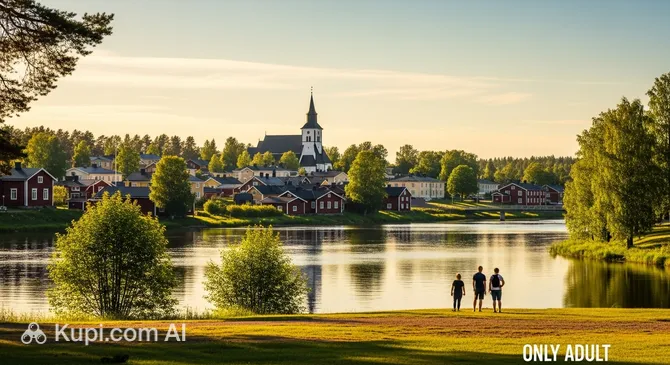
Welcome to Pajala, a captivating destination located deep in the heart of the Torne Valley. Known for its rich cultural blend and stunning natural surroundings, this small locality offers a truly authentic Arctic experience where Swedish, Finnish, and Sami influences converge.

Pajala. Source: Kupi.Binoculars

Situated in Norrbotten County, close to the border with Finland, Pajala is a gem in northern Sweden. With a population of approximately 1,900 residents, the town retains a cozy and intimate atmosphere. The local climate is subarctic, characterized by snowy winters that are perfect for viewing the Northern Lights, and short, vibrant summers bathed in the glow of the Midnight Sun.

The town has gained international fame as the setting for the best-selling novel Popular Music from Vittula, which celebrates the unique spirit of the region. Visitors interested in the past can explore the fascinating history of Pajala, which is deeply connected to the legacy of the revivalist preacher Lars Levi Laestadius. His former home, the Laestadius Pörtet, is a key historical site. Another unmissable landmark is the world's largest sundial, standing proudly in the town center to symbolize the area's special relationship with light and time.

Whether you are visiting to experience the bustling atmosphere of the annual Pajala Market or to enjoy the tranquility of the Torne River, this charming town invites you to discover the soulful heritage of Swedish Lapland.

Weather Overview

The climate in Pajala is defined by its northern location, resulting in significant seasonal contrasts suitable for different types of travelers. Winters are typically cold, with January seeing average temperatures of -11.3°C and minimums often dropping to -14.2°C. As the seasons shift, the weather warms significantly, reaching its peak in July when average daily highs climb to a pleasant 19.6°C.

Expect mild summers with frequent cloudy or damp days and cold winters with low precipitation volume. While the actual rainfall amount is generally light, ranging between 1mm and 3mm per month, wet days are quite common, peaking in August with approximately 16 days of precipitation. To help plan your activities around these conditions, you can consult the detailed guide to the weather in Pajala.

Interesting Facts

Beyond the main attractions and literary fame, Pajala holds many fascinating secrets that reveal the quirky and resilient spirit of the Torne Valley. Here are some intriguing details that make this northern outpost truly unique.

  • The Population Paradox: The annual Pajala Market is a phenomenon that defies the town's size. While the locality has fewer than 2,000 permanent residents, this summer event draws a staggering crowd of over 40,000 visitors, temporarily transforming the quiet town into one of the busiest hubs in northern Sweden.

  • A Distinct Language: While Finnish influence is often mentioned, Pajala is specifically a stronghold for Meänkieli. This distinct Finno-Ugric language has official minority status here, and unlike standard Finnish, it evolved independently in the Torne Valley, serving as a vital cultural marker for the locals.

  • Coffee Cheese Tradition: One of the most surprising local customs involves kaffeost, or "coffee cheese." It is traditional in this area to dice a special type of squeaky, baked cheese and submerge it in a hot cup of coffee, creating a savory-sweet delicacy that is a must-try for culinary adventurers.

  • Celebrating Darkness: In the nearby village of Korpilombolo, which lies within the Pajala municipality, the locals embrace the long polar nights with a unique "European Festival of the Night." Instead of shying away from the darkness, this cultural event fills the December gloom with literature, philosophy, and music.

How to Get There

Reaching the scenic Torne Valley requires a bit of planning, as this northern destination is tucked away in a remote part of the country. However, the journey through the Arctic landscapes is part of the experience. For a detailed breakdown of routes and transport options, you can read more about how to get to Pajala on our dedicated page.

The city of Pajala does not have its own airport, but it is well-served by several regional and international hubs in neighboring cities and across the border in Finland. The closest option is Kittila Airport (IATA: KTT), located in the city of Kittila, approximately 84 km away. A drive from there typically takes about 1 hour and 30 minutes. Another popular gateway is Rovaniemi Airport (IATA: RVN) in Rovaniemi, roughly 130 km from Pajala, which connects you to the home of Santa Claus. For those traveling domestically within Sweden, Lulea Airport (IATA: LLA) in Lulea is a major entry point. Although it is about 194 km away, it offers frequent connections to Stockholm and other Swedish cities.

For clarity, here is a summary of the main airports facilitating travel to the region:

Airport Name City Passenger Traffic Km from City
Lulea AirportLuleaLarge194.3
Rovaniemi AirportRovaniemiLarge129.9
Kittila AirportKittilaMedium83.5
Kiruna AirportKirunaMedium146.0
Kemi-Tornio AirportKemiSmall168.8

Pajala does not have a railway station, and the rail network does not extend directly to the town. Travelers preferring trains typically travel to stations in nearby major hubs, such as Kiruna or Lulea. From these cities, reliable bus services (Länstrafiken Norrbotten) connect passengers to Pajala. The bus journey offers a comfortable way to see the vast forests and river valleys of Norrbotten County.

Main Attractions

One of the most iconic landmarks in the city is the World's Largest Sundial, situated prominently at Soltorget in the town center. With a diameter of over 38 meters, this massive structure is not just an architectural feat but a tribute to the region's unique relationship with the sun. It is particularly fascinating for tourists because it symbolizes the phenomenon of the Midnight Sun, where the sun never sets during the height of summer, and the long, dark winters characteristic of the Arctic Circle.

For those interested in history and culture, the Laestadius Pörtet (Laestadius Cottage) offers a glimpse into the life of Lars Levi Laestadius, the renowned 19th-century pastor, botanist, and founder of the Laestadian revival movement. This preserved red timber cottage serves as a museum where visitors can step back in time to see how this influential figure lived and worked. It provides deep insight into the spiritual and social history that has shaped the Torne Valley.

Nature enthusiasts should not miss a visit to Vasikkavuoma Nature Reserve. Known as one of the largest preserved mowed meadows in Scandinavia, it is famous for its collection of over 70 historic hay barns scattered across the landscape. The reserve is a peaceful retreat that showcases traditional agricultural practices and offers scenic walking paths, making it a perfect spot for photography and enjoying the tranquil northern wilderness.

Another significant site is Kengis Bruk, located just outside the main town. Historically, this was the northernmost ironworks in the world and played a crucial role in the industrial development of Sweden. Today, visitors are drawn to the beautiful manor house and the roaring Kengis rapids in the Torne River. It is a popular destination for salmon fishing and enjoying the raw power of the river against a backdrop of historic charm.

Local Cuisine

The local cuisine of Pajala is a direct reflection of its location in the Torne Valley, where the culinary traditions of Sweden, Finland, and the Sami culture blend seamlessly. The food here is hearty, honest, and deeply rooted in the surrounding wilderness. Ingredients are often sourced directly from the nearby forests and rivers, with a heavy emphasis on game meat, freshwater fish, and wild berries.

One of the most iconic dishes you must try is suovas, which consists of salted and smoked reindeer meat. It is typically sliced thin and fried, then served inside a piece of traditional flatbread known as rieska, often accompanied by lingonberry jam. This barley-based flatbread is a staple of the region and is best enjoyed fresh with a generous layer of butter. Another local favorite is renskav, a sautéed reindeer dish served with creamy mashed potatoes and lingonberries, offering a comforting taste of home-style Arctic cooking.

Given the proximity to the Torne River, fish plays a central role in the local diet. Whitefish (sik) and salmon are commonly prepared in various ways, from grilling to smoking. During the late summer, locals head to the marshes to pick cloudberries, often referred to as "Arctic Gold." These tart, amber-colored berries are usually turned into jams or served warm with ice cream or squeaky cheese, creating a quintessential northern dessert.

When it comes to drinks, coffee is more than just a beverage; it is a cultural institution. As mentioned in local lore, the tradition of kaffeost (coffee cheese) is a unique experience here. Cubes of mild, baked cheese are placed into a cup of hot coffee, where they soften and absorb the liquid. Once the coffee is drunk, the cheese is eaten with a spoon. For something non-alcoholic and refreshing, locally produced berry juices, particularly lingonberry or blueberry, are widely available and pair perfectly with meals.

The food culture in Pajala is unpretentious and welcoming. You won't find many high-end fine dining establishments; instead, the town offers cozy lunch restaurants and grills serving husmanskost (traditional Swedish home cooking). The atmosphere is casual, and locals often gather over a "Dagens Rätt" (dish of the day) lunch. If you visit during the annual Pajala Market in July, the streets come alive with food stalls selling everything from elk kebabs to freshly fried donuts, offering the perfect opportunity to taste the full spectrum of Torne Valley flavors.

Travel Tips

Visiting Pajala offers a unique glimpse into the life of the Torne Valley, but its remote location and Arctic climate require a bit of extra preparation. To ensure your trip to this northern gem is as smooth and enjoyable as possible, here are some essential practical tips to keep in mind.

  1. Clothing and Gear: Layering is key regardless of the season. In winter, thermal underwear, a heavy down coat, and insulated, waterproof boots are non-negotiable to handle sub-zero temperatures. If you visit in summer, bring a sleep mask to block out the Midnight Sun and strong insect repellent, as mosquitoes can be intense in the forests and near water.

  2. Transportation: While regional buses connect the town to larger hubs, public transport within Pajala itself is limited. The best way to explore the surrounding wilderness and scattered villages is by renting a car. Taxis are available but should be booked in advance, as ride-hailing apps are generally not operational in this rural area.

  3. Finances: The local currency is the Swedish Krona (SEK). Sweden is a nearly cashless society, and cards are accepted almost everywhere, from supermarkets to small cafes. It is quite common for businesses to be "card only," so ensure you have a valid chip-and-pin card; carrying large amounts of cash is usually unnecessary.

  4. Health and Safety: Pajala is a very safe destination with low crime rates, but nature poses certain risks. Be extremely cautious of moose and reindeer on the roads, especially at dawn and dusk. For minor health issues, there is a local pharmacy (Apotek), and for emergencies, the universal number is 112.

  5. Communication: English is widely spoken and understood, so you will have no trouble communicating. The official language is Swedish, but you will also hear Meänkieli, a local Finno-Ugric language. Mobile coverage is generally good in the town but can become spotty if you venture deep into the unpopulated wilderness.

  6. Local Etiquette: Swedish culture values personal space and punctuality, so try to be on time for tours or appointments. It is also customary to remove your shoes when entering a private home or certain lodgings to keep the floors clean from snow and gravel.

  7. What to Avoid: Do not walk on groomed cross-country ski tracks if you are on foot; this ruins the trails for skiers and is considered very rude. Additionally, avoid assuming that the "Right of Public Access" (Allemansrätten) allows you to drive off-road; it applies to walking and camping, but motorized vehicles must stay on designated roads.

  8. Shopping Hours: Keep in mind that Pajala is a small town, and shops often close early, particularly on Saturdays, and may be closed entirely on Sundays. Plan your grocery shopping and supply runs during weekdays or Saturday mornings to avoid being caught out.

By keeping these practicalities in mind, you can focus entirely on the beauty and culture of the region. Whether you are chasing the Northern Lights or enjoying a coffee by the river, Pajala is ready to welcome you with open arms and warm hospitality.

Entertainment & Nightlife

In a small, close-knit community like Pajala, nightlife is less about pulsing nightclubs and neon lights, and more about cozy gatherings, hearty meals, and local camaraderie. The evening scene here is quiet and intimate, reflecting the relaxed pace of life in the Torne Valley. Visitors should not expect a bustling party district; instead, the town center around Soltorget serves as the main hub where locals and travelers converge to unwind after a day in the Arctic wilderness.

The primary destination for an evening out is often Hotell Smedjan. Located in the heart of the village, its restaurant and pub section acts as the community's living room. Here, you can enjoy a casual dinner featuring local ingredients like reindeer or whitefish, followed by drinks in a warm, rustic atmosphere. It is the best place to meet locals, hear stories about life in the north, and enjoy a selection of beers and spirits. Another excellent option for a laid-back evening is Mat & Bar Bykrogen. Located near Hotel Lapland, this popular local spot is the go-to place for casual dining, serving favorites like pizza and burgers in an unpretentious setting. These venues typically have a "come as you are" vibe, where outdoor gear is just as acceptable as casual evening wear.

While ordinary weekends are tranquil, the nightlife scene transforms completely during the annual Pajala Market in July. For a few days, the town swells with visitors, and the evenings are filled with live music, dancing, and party tents. If you are lucky enough to visit during this period, you will experience a festive energy that rivals much larger cities, with events often running late into the bright summer nights.

For those planning a night out, timing is important. Venues in Pajala generally close earlier than in major cities, often winding down around 10:00 PM or 11:00 PM on weekdays, with slightly extended hours on weekends. Alcohol prices follow standard rates for Sweden, which can be relatively high compared to other countries; expect to pay around 70–90 SEK for a pint of beer. Since the town center is compact, you can easily walk between your accommodation and dining spots. However, if you are staying further afield or the winter weather is severe, it is advisable to pre-book a taxi, as ride-hailing apps are not commonly used here.

Safety is rarely a concern in Pajala, making it an excellent place for peaceful night walks. The streets are calm and well-lit, but during winter, the extreme cold and icy surfaces require caution. Always dress in layers if you plan to walk home, even for short distances. In the summer, the Midnight Sun provides natural light all night long, creating a surreal and safe environment for evening strolls along the Torne River.

Before the sun sets—or during the endless days of summer—entertainment in Pajala leans towards cultural and outdoor experiences. You can spend your day visiting the local library or catching a film at Folkets Hus, which serves as a cultural center for cinema and theater. Exploring the town's museums or taking a scenic walk to the historic Kengis Bruk area offers a perfect prelude to a relaxing evening in town.

Parks & Museums

The cultural and natural landscape of Pajala is deeply intertwined with the wild beauty of the Torne Valley. Unlike urban centers with manicured city parks, the "green spaces" here are vast, untamed expanses of Arctic wilderness that begin right at the town's edge. The local museums and historical sites are equally compelling, offering intimate glimpses into the religious history, craftsmanship, and resilient lifestyle of the people who have called this northern frontier home for centuries.

Jupukka Nature Reserve is a standout destination for nature lovers, located just a short drive north of the town center. This mountain offers one of the best vantage points in the area, providing panoramic views over the winding Torne River and the endless taiga forest. It is also historically significant as the site of a measurement point for the Struve Geodetic Arc, a UNESCO World Heritage site. Visitors can hike the trail to the summit to enjoy a picnic with a view or, in winter, witness the Northern Lights dancing over the valley.

For a more serene experience, the banks of the Torne River serve as a natural recreational area for the locals. While not a formal park, the riverside paths offer a peaceful setting for walking, fishing, and birdwatching. In the summer, the midnight sun reflects off the water, creating a magical atmosphere for evening strolls. It is an excellent spot to connect with the region's lifeline, which has served as a transport route and food source for generations.

In terms of cultural heritage, the Laestadius Pörtet (Laestadius Cottage) remains the most significant museum in Pajala. This preserved residence of Lars Levi Laestadius is not just a building but a monument to a movement that changed the social fabric of northern Scandinavia. Inside, visitors can see original furniture and personal artifacts that tell the story of the revivalist preacher and botanist. It is a humble yet powerful place that explains much of the local mindset and history.

A short journey from the town center takes you to the village of Sattajärvi, home to the renowned Kero tannery and shoemaking workshop. While it functions as a business, it serves as a living museum of Sami and Torne Valley handicraft traditions. Visitors can learn about the natural vegetable tanning process of reindeer leather and see the production of the famous "beak shoes" (näbbskor). It is a fascinating stop for those interested in sustainable local design and traditional skills that have survived the modern age.

Among the architectural highlights, the Pajala Church stands as a testament to the town's endurance. The current wooden church, with its warm ochre exterior, was completed in the late 18th century after the previous one was moved. Its interior is known for its simplicity and the "snickarglädje" (carpenter's joy) details that characterize rural Swedish architecture. Another key site is the historic area of Kengis Bruk, where the manor house and the remains of the ironworks remind visitors of the region's industrial past, set against the dramatic backdrop of the Kengis rapids.

For a truly authentic experience, consider visiting the village of Tärendö, roughly 40 km from Pajala. It is famous not only for its bifurcated river—a geographical rarity—but also as the hometown of Olympic skiing legend Charlotte Kalla. A statue in her honor stands here, symbolizing the region's deep connection to winter sports and the resilience required to thrive in this subarctic climate.

Getting Around

Public transport in Pajala is designed to serve a small, rural community rather than a bustling metropolis. Due to the town's compact size and remote location, there is no metro, tram, or train system. Instead, the public transportation network relies entirely on bus services operated by Länstrafiken Norrbotten. These buses connect the town center with surrounding villages and larger regional hubs like Luleå and Kiruna, serving as the primary lifeline for locals and visitors without cars.

For getting around the immediate town center, walking is often the most efficient option, as most shops, hotels, and attractions are located within a short distance of each other. However, for those needing to travel slightly further afield or to neighboring settlements, the local bus stops are well-marked. Travelers should be aware that service frequency can be low, especially during weekends and holidays, so checking the timetable in advance is essential.

The payment system is modern and largely digital, reflecting the cashless nature of the region. The most convenient way to purchase tickets is through the Länstrafiken Norrbotten mobile app, which allows you to buy single tickets or period passes directly on your smartphone. If you do not have the app, you can usually pay with a credit or debit card directly on the bus. It is important to note that cash is generally not accepted on board, so ensure you have a valid card or the app ready before you board.

Ticket prices are based on zones. A single journey within the local zone is relatively affordable, while prices increase for longer regional trips. If you plan to stay for a longer period and travel frequently by bus throughout the county, look into the "Periodkort" (period card) options available in the app, which can offer significant savings compared to buying individual tickets for every trip.

Given the rural nature of the area, alternatives to public transport are popular and often necessary for tourists wishing to explore the wilderness. Car rental is highly recommended for maximum flexibility, allowing you to reach nature reserves and attractions that buses do not serve. Taxis are available but are not as abundant as in larger cities; you cannot simply hail one on the street. Instead, you must book a taxi in advance by calling a local dispatch number, especially if you need a ride to the airport or late at night.

During the warmer months, cycling is a fantastic alternative for getting around Pajala. The terrain is relatively flat, and the roads are quiet, making it a pleasant way to see the town and the banks of the Torne River. Some local accommodations may offer bike rentals to their guests. Whether you choose the bus, a car, or a bike, the key to navigating Pajala is planning, as the relaxed pace of the north means transport schedules are strictly followed but less frequent than in urban centers.

Accommodation

Accommodation in Pajala is characterized by its cozy, small-town charm and warm hospitality rather than large-scale luxury resorts. The options here are modest but comfortable, catering well to nature lovers, business travelers, and those seeking an authentic Arctic experience. Visitors can generally choose between functional central hotels, family-run bed and breakfasts, and scenic riverside cabins or campsites that offer a closer connection to the surrounding wilderness.

For most travelers, the most convenient area to stay is the town center. Staying here places you within walking distance of local amenities, such as the bus station, grocery stores, and the Soltorget square with its famous sundial. This central location is ideal for those who want easy access to services without needing a car for every errand. Alternatively, if you prefer tranquility, look for options along the banks of the Torne River. These spots are perfect for enjoying the Midnight Sun in summer or watching for the Northern Lights in winter, often providing a more rustic and peaceful atmosphere.

The hospitality scene in Pajala is anchored by a few well-known establishments that serve as community hubs. Hotell Smedjan is a classic choice located right in the heart of the village. It is often described as the town's "living room," offering a restaurant and pub where locals and visitors mingle. Another prominent option is Hotel Lapland River, which combines modern comfort with beautiful views of the river valley, making it a popular base for exploring the region. For those traveling on a budget or with a camper van, Pajala Camping (Route 99) offers cabins and pitches in a scenic riverside setting just a short distance from the center.

Booking Tip: While finding a room is usually straightforward, the town fills up completely during the annual Pajala Market in early July. If you plan to visit during this festive week, it is essential to book your accommodation several months in advance. Similarly, winter tourism is growing, so securing your stay early for the peak Aurora season (December to March) is highly recommended.

In terms of cost, accommodation in Pajala typically falls into the mid-range category. You can expect standard Swedish pricing for hotels, while cabins and hostels offer more budget-friendly alternatives. Most established hotels and larger guesthouses can be booked via major online travel platforms, but for smaller B&Bs or camping cabins, contacting the owners directly or checking their specific websites is often the best way to secure a reservation.

Nearby Cities

For those looking to explore the surroundings, Pajala serves as an excellent base for day trips to several interesting nearby locations.

Luleå, located on the coast of the Gulf of Bothnia, is the regional capital and a hub of northern culture. It is famously home to the Gammelstad Church Town, a UNESCO World Heritage site consisting of over 400 traditional red wooden cottages clustered around a medieval stone church. In winter, the city is known for its extensive ice roads that connect the archipelago, offering a unique driving or walking experience on the frozen sea.

Another fascinating destination within driving distance is Kiruna. Known for its immense iron ore mine and the world-famous Icehotel in the nearby village of Jukkasjärvi, it offers a distinct Arctic atmosphere. The city is currently undergoing a historic urban transformation, moving its center to accommodate the mine's expansion, making it a unique place to witness modern engineering and resilience in action.

City Population Distance (km)
Sundsvall99825609
Umeå91916404
Skellefteå74402296
Östersund49806607
Luleå49123189

These nearby destinations offer a glimpse into the diverse culture and landscapes of the region.

Shopping & Souvenirs

Shopping in Pajala is a reflection of the town's practical and traditional lifestyle. Unlike larger cities filled with high-street fashion chains and sprawling complexes, the retail experience here is intimate, functional, and deeply rooted in the local culture. Visitors will find that shopping in this part of the Torne Valley is less about consumption and more about discovering unique craftsmanship, outdoor gear suitable for the Arctic climate, and locally produced delicacies. The selection is small but curated to meet the needs of life in the north.

The main shopping activity is concentrated in the compact town center, primarily along the main road, Tornedalsvägen, and around the central square, Soltorget. This area is easily walkable and houses the essential services and stores. Here, you will find a mix of grocery stores, pharmacies, and smaller specialty shops selling clothing, hardware, and home goods. It is a quiet district where you can browse at a relaxed pace, often interacting directly with the shop owners who are happy to share the stories behind their products.

Travelers expecting large shopping malls will not find them in Pajala. The town relies on a few larger supermarkets, such as ICA and Coop, which often serve as general stores stocking everything from food to household items and basic clothing. For a more comprehensive shopping spree involving major international brands, locals typically travel to Luleå or across the border to Finland. However, the local stores in Pajala are excellent for finding high-quality winter apparel and specialized equipment for fishing and hunting, which are superior to what you might find in non-Arctic regions.

The undisputed highlight of the local shopping calendar is the annual Pajala Market (Pajala Marknad). Held every July, this is the largest event in the Torne Valley, attracting tens of thousands of visitors. During these days, the town transforms into a bustling bazaar with hundreds of vendors selling everything from handcrafted wooden items and clothes to sweets and household gadgets. It is the perfect place to experience the vibrant trade culture of the region and find unique bargains that are not available at any other time of the year.

When it comes to souvenirs, Pajala offers distinct items that embody the spirit of Swedish Lapland. The region is famous for Sami handicrafts (duodji), particularly items made from reindeer leather and antlers. Look for the renowned Kero leather products, such as the traditional "beak shoes" (näbbskor) and durable bags, which are crafted in the nearby village of Sattajärvi. Another authentic keepsake is a pair of Lovikka mittens. Originated in the village of Lovikka within the Pajala municipality, these knitted wool mittens are famous for their warmth and distinctive embroidery. For edible souvenirs, jars of cloudberry jam, dried reindeer meat, and the local "coffee cheese" are excellent choices.

Opening hours in Pajala follow a traditional schedule. Most shops are open from 10:00 AM to 5:00 PM or 6:00 PM on weekdays. On Saturdays, hours are often reduced, typically closing around 2:00 PM, and most retail stores (excluding large supermarkets) are closed on Sundays. It is important to plan your shopping trips accordingly, especially if visiting over a weekend.

Payment methods are modern and convenient. Like the rest of Sweden, Pajala is largely a cashless society. Major credit and debit cards (Visa, Mastercard) are accepted almost everywhere, from supermarkets to small market stalls. Some smaller vendors may use mobile payment apps like Swish, but these generally require a Swedish bank account, so cards remain the best option for tourists. If you are eligible, look for the "Global Blue" Tax-Free Shopping signage in participating stores to reclaim VAT on purchases before leaving the EU.
Reached the end of the page?

That means the route is fully explored