Support

Umea

About

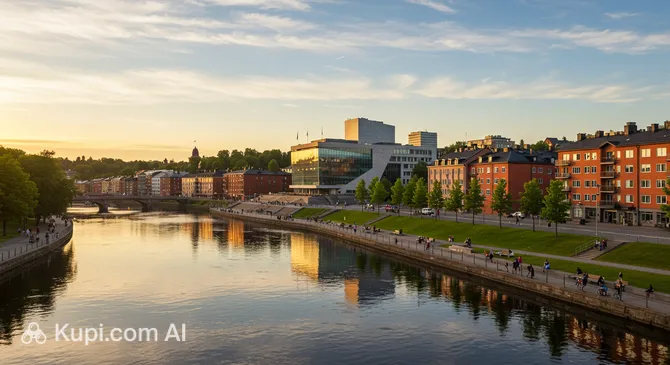
Umea is often referred to as the "Capital of Northern Sweden" and is a dynamic city known for its youthful energy and cultural richness. Situated on the inlet of the Gulf of Bothnia at the mouth of the Ume River, this city in Västerbotten County offers a unique blend of urban life and proximity to the wild nature of northern Sweden. With a population of over 90,000, it is the largest city in the Norrland region, serving as a major center for education and commerce.

Umea. Source: Kupi.Binoculars

One of the city's most distinctive features is its wide avenues lined with thousands of birch trees, earning it the nickname "The City of Birches" (Björkarnas stad). This green canopy is deeply rooted in the history of Umea, as the trees were planted to prevent the spread of fire after a devastating blaze in 1888. The climate here is subarctic, offering snowy winters perfect for spotting the Northern Lights and bright summers where the sun barely sets.

Culturally, Umea punches above its weight, having been designated a European Capital of Culture in 2014. Visitors can explore the renowned Umedalen Sculpture Park, one of Europe's most significant sculpture collections, or visit the fascinating Västerbottens Museum to learn about the region's heritage. The city is also home to a lively university atmosphere, ensuring a vibrant cafe culture and music scene.

Whether you are looking to experience the magic of the aurora borealis, explore modern art, or simply enjoy a fika by the river, Umea provides a welcoming gateway to the north. It is an ideal destination for travelers seeking both intellectual stimulation and outdoor adventure.

Weather Overview

The climate in this northern city is subarctic, characterized by distinct seasonal contrasts that shape the local lifestyle. Winters are typically long and cold, with January being the coldest month, featuring an average temperature of -6.4°C and lows dropping to -9.0°C. Conversely, summers are mild and pleasant, with July offering the warmest conditions, averaging 16.0°C and daily maximums reaching nearly 20°C.

Precipitation is spread across the year, and while the total accumulation is often low, the frequency of precipitation is notable. You can expect about 7 to 15 wet days per month depending on the season, with December and July being the most frequent. To ensure you are fully prepared for these conditions, checking the detailed forecast for the weather in Umea is highly recommended before your trip.

Interesting Facts

Beyond its scenic birch-lined avenues, Umea holds several fascinating secrets that surprise even seasoned travelers. From a legendary music scene to world-class collections, the city offers unique discoveries hidden in plain sight.
  • Umea was the unlikely epicenter of the global "Straight Edge" hardcore punk scene in the 1990s. Bands like Refused put this quiet northern city on the musical map, creating a vibrant legacy that continues to influence the local youth culture and alternative music scene today.

  • The city is home to Guitars – The Museum, which houses one of the world's most extensive private collections of vintage electric guitars. Visitors can marvel at hundreds of rare instruments, including 1950s Gibson Les Pauls and Fender Stratocasters, valued for their pristine condition and historical significance.

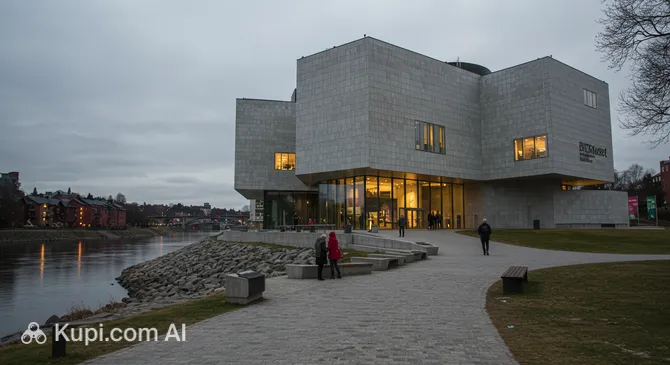
  • Standing tall by the Ume River, the Bildmuseet is often cited as one of the most beautiful university museums in the world. Its striking contemporary architecture, clad in Siberian larch, hosts international contemporary art exhibitions and offers panoramic views of the river landscape.

  • Umea boasts the northernmost opera house in the world, Norrlandsoperan. This cultural hub defies the notion that high culture is reserved for larger capitals, offering a diverse program of opera, dance, and symphony orchestra performances in the heart of the subarctic region.

Bildmuseet. Source: Kupi.Binoculars

How to Get There

Reaching this northern gem is relatively straightforward, with several transport options connecting it to the rest of Sweden and beyond. Whether you prefer flying or taking a scenic route through the Swedish landscape, you can find more about how to get to Umea and choose the method that best suits your travel plans.

The most convenient entry point is Umea Airport (UME), situated just 3.9 km from the city center. This close proximity allows for a very quick transfer; a taxi or bus ride typically takes only about 10 to 15 minutes. As the primary hub for the region, it handles a significant volume of passengers and offers frequent connections. For travelers seeking alternative flight options, Ornskoldsvik Airport (OER) is a practical choice. Located approximately 78.4 km away, the transfer by road generally takes around 1 hour.

Another accessible option is Skelleftea Airport (SFT), found in the neighboring municipality. The distance to Umea is about 97.4 km, which translates to a drive of roughly 1 hour and 15 minutes. While further away than the local airport, both Ornskoldsvik and Skelleftea serve as viable alternatives for accessing the Västerbotten region.

Below is a summary of the airports in the wider vicinity:

Airport Name City Passenger Traffic Km from City
Umea AirportUmeaLarge3.9
Skelleftea AirportSkellefteåMedium97.4
Vaasa AirportVaasaMedium114.3
Ornskoldsvik AirportÖrnsköldsvikSmall78.4
Kruunupyy AirportKokkolaSmall142.5

Regarding rail travel, visitors might notice Sundsvall Central Station (XXZ) listed as a regional hub. However, it is important to realize that this station is located in Sundsvall, approximately 218.7 km south of Umea. A transfer by car or bus from there would be a considerable journey, taking about 3 hours. Consequently, most travelers find it much more convenient to book trains that travel directly to Umea's local stations rather than transferring from Sundsvall.

Here is the data for the regional station mentioned:

Station City Passenger Traffic Km to Center
Sundsvall Central StationSundsvall218.7

Main Attractions

Umea offers a delightful mix of culture, shopping, and gastronomy, making it a diverse destination for travelers. While the city is known for its outdoor spaces, its indoor attractions provide excellent opportunities to explore the local lifestyle and history.

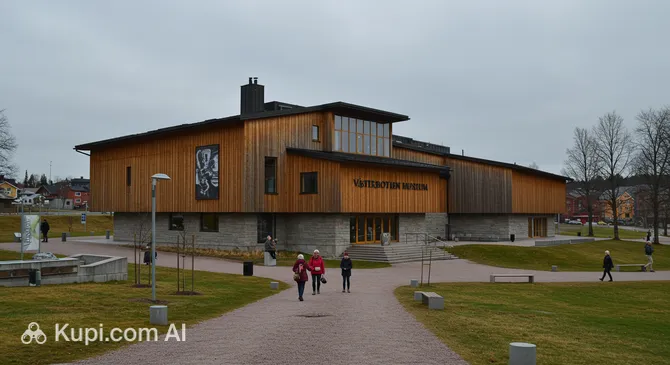
For those interested in the cultural heritage of the region, the Västerbotten Museum is an essential stop. Located in the Gammlia area, this museum covers the cultural history of Västerbotten County, featuring exhibitions on Sami culture, art, and local traditions. It is particularly interesting for tourists because it often includes an open-air museum component with historical buildings, allowing visitors to step back in time and experience how people lived in northern Sweden centuries ago.

Västerbotten Museum. Source: Kupi.Binoculars

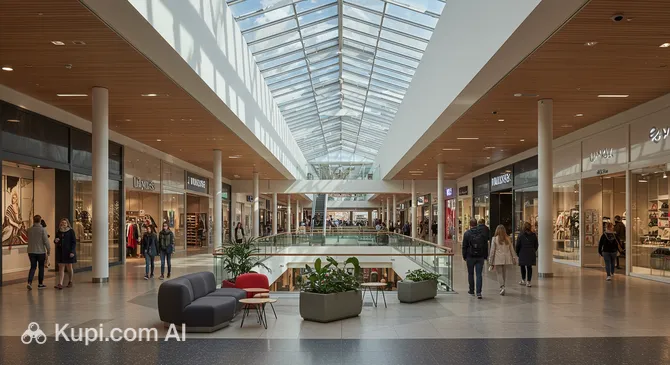
If you are looking to enjoy the modern pulse of the city, Utopia Shopping Mall stands out as a central hub. Situated in the heart of Umea, this mall offers a wide range of fashion, design, and lifestyle stores. It is a perfect place for visitors who want to experience Swedish retail therapy or simply take a break from sightseeing in a lively, contemporary environment.

Utopia Shopping Mall. Source: Kupi.Binoculars

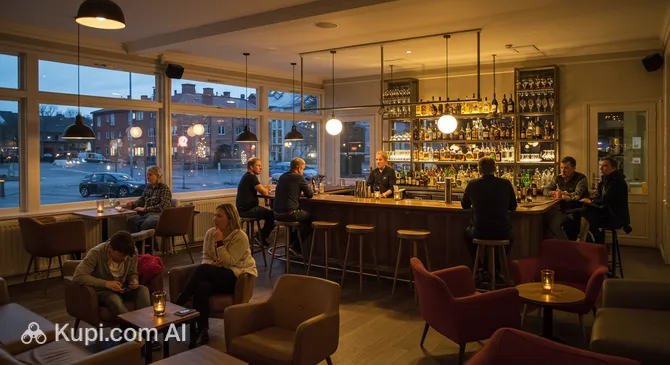
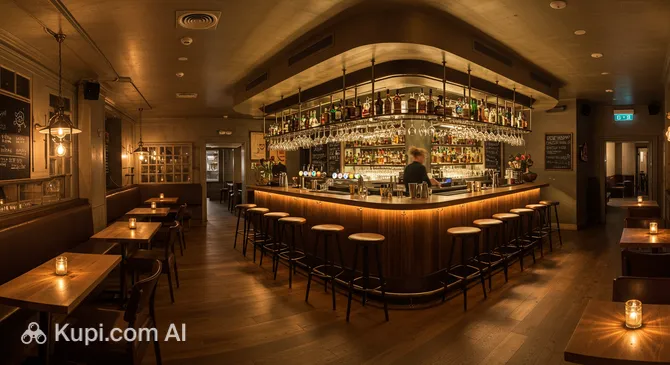
For a taste of the local culinary scene, Köksbaren is a highly regarded gastrobar that attracts both locals and tourists. Known for its high-quality ingredients and relaxed atmosphere, it offers a menu that often highlights local produce. It is a fantastic spot for foodies who want to enjoy a sophisticated yet unpretentious meal after a day of exploring the city.

Köksbaren. Source: Kupi.Binoculars

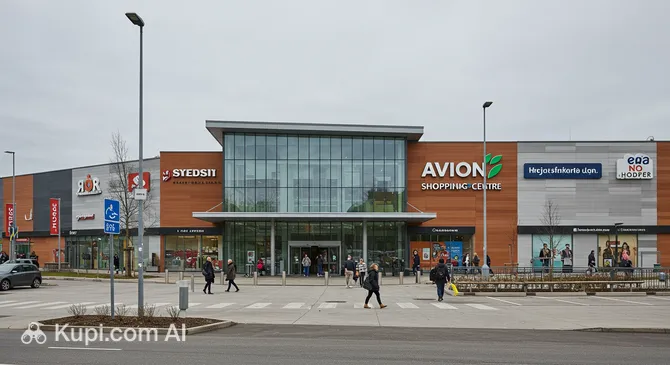
Another major destination for shopping enthusiasts is the Avion Shopping Centre. Located slightly outside the city center near the airport, it is one of the largest shopping destinations in the region. With a vast selection of shops, cafes, and services, it provides a comprehensive shopping experience and is a convenient stop for those looking for international brands and spacious facilities.

Avion Shopping Centre. Source: Kupi.Binoculars

Local Cuisine

The culinary landscape of Umea is deeply rooted in the traditions of northern Sweden, characterized by a closeness to nature and a reliance on high-quality, locally sourced ingredients. Situated in the Västerbotten region, the city offers a gastronomic experience that highlights the flavors of the subarctic wilderness, ranging from game meat and river fish to forest berries and distinct dairy products.

No visit to Umea is complete without tasting the region's most famous export: Västerbottensost. This strong, aromatic hard cheese is a national treasure and the star ingredient in Västerbottensostpaj (Västerbotten cheese pie). Often served with sour cream, red onion, and bleak roe, this savory pie is a staple at celebrations and a must-try dish found on many local menus. It perfectly encapsulates the rich, creamy, and tangy profile that locals adore.

For those interested in traditional protein, the northern forests provide an abundance of game. Reindeer and moose are frequently featured in local cuisine. A classic preparation is suovas, which consists of salted and smoked reindeer meat, traditionally fried and served on flatbread with lingonberries. Seafood lovers should look for Arctic char (röding) or whitefish, often caught in the nearby cold waters and served simply to let the delicate natural flavors shine, perhaps accompanied by a sauce made from golden cloudberries.

The beverage culture in Umea is equally vibrant, heavily influenced by the Swedish tradition of fika. Given the city's large student population, cafes are plentiful, serving strong coffee alongside cinnamon buns or almond tarts. In the evenings, the focus shifts to local craft beverages. The region has seen a surge in microbreweries, and you can easily find locally brewed beers that incorporate northern ingredients like spruce shoots or berries.

When it comes to dining out, the city offers a mix of sophisticated gastrobars and casual eateries. Köksbaren is a prime example of Umea's modern food scene, a popular gastrobar where the menu changes with the seasons to ensure the freshest local produce is used. It is an excellent spot for travelers wishing to explore high-quality northern cuisine in a lively setting.

For a more relaxed atmosphere, visitors might stop by Restaurant Maria. Places like this contribute to the city's friendly social scene, offering a comfortable environment to enjoy a meal or a drink after a day of sightseeing. Whether you are looking for a fine dining experience or a hearty pub meal, Umea's food culture is welcoming and unpretentious.

Restaurant Maria. Source: Kupi.Binoculars

Travel Tips

Welcome to Umea! To help you make the most of your visit to this northern cultural hub, here are some essential practical insights that will allow you to navigate the city with the ease of a local.

  1. Clothing and Gear: If visiting in winter (November to March), thermal base layers, a heavy windproof coat, and insulated boots with good grip are non-negotiable due to the subarctic climate and icy streets. Summers are mild, but a light jacket is recommended for breezy evenings. Pro tip: Bring a high-quality sleep mask if you visit in summer, as the Midnight Sun keeps the sky bright 24 hours a day.

  2. Transportation: The local bus network, known as Ultra, is efficient, clean, and covers the entire city. Be aware that you cannot pay with cash on board; you must use a credit card or the local transport app. Umea is also one of the most bicycle-friendly cities in Sweden, so renting a bike is a fantastic and popular way to get around.

  3. Finances: The local currency is the Swedish Krona (SEK). However, Sweden is rapidly becoming a cashless society, and many cafes, shops, and buses in Umea do not accept cash at all. Ensure you have a valid credit or debit card (Visa and Mastercard are standard) with a PIN code, as this will be your primary method of payment.

  4. Health and Safety: Umea is an extremely safe city with low crime rates. The biggest hazard is often the weather; in winter, sidewalks can be slippery, so walk carefully or purchase broddar (anti-slip shoe spikes) at a local pharmacy (Apotek). For any emergencies, dial 112.

  5. Communication: While Swedish is the official language, English is spoken fluently by almost everyone, so you will rarely encounter a language barrier. Wi-Fi is widely available in hotels, the Utopia shopping mall, and many cafes. If you need a SIM card, they are easily found at convenience stores like Pressbyrån.

  6. Local Etiquette: Swedes value order and personal space. The queuing system is sacred here; whether waiting for a bus or at a bakery, never cut in line. If you are invited to someone's private home, it is customary and polite to remove your shoes at the door.

  7. What to Avoid: Do not walk in the designated bicycle lanes. Cyclists in Umea move fast and use these lanes for commuting year-round; walking there is dangerous and frown upon. Also, avoid raising your voice on public transport or in quiet public spaces.

  8. Local Insight: Don't rush your coffee. Embrace the Swedish tradition of fika—taking a break for coffee and a treat. Umea has a vibrant cafe culture, and taking the time to sit down and socialize is an integral part of the local lifestyle.

With these practical tips in mind, you are well-prepared to experience the unique charm of Umea comfortably and confidently. Whether you are exploring the birch-lined avenues or hunting for the northern lights, this friendly city welcomes you with open arms.

Entertainment & Nightlife

As a vibrant university city, Umea boasts a nightlife scene that punches well above its weight, characterized by a youthful energy and a welcoming atmosphere. The city comes alive after dark, particularly on weekends, offering a diverse mix of cozy pubs, sophisticated cocktail bars, and lively nightclubs. The long, bright summer nights add a unique touch to the experience, where the sun barely sets, keeping the energy high until the early morning hours.

The heart of the action is concentrated in the city center, particularly around the main square, Rådhustorget, and the nearby Renmarkstorget. Here, you will find a cluster of venues within easy walking distance of each other. The crowd is generally a mix of students and locals, creating a relaxed and unpretentious vibe. The dress code in Umea is typically "smart casual"; while some nightclubs might expect a neater appearance, most bars and pubs are very laid-back.

For those looking to start the evening with a wide selection of beverages and a classic pub atmosphere, Restaurant Maria is a steadfast local favorite. It offers a warm environment perfect for socializing over a beer. If you prefer a more gastronomic start to your night, Köksbaren is an excellent choice. This gastrobar is renowned not just for its food but also for its convivial setting, making it a great spot to enjoy a glass of wine and soak up the buzzing ambiance of the city center.

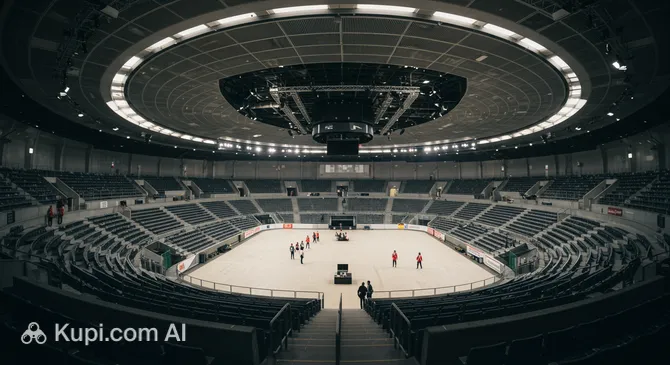
For larger entertainment events, concerts, and floorball matches that draw big crowds, the Visionite Arena is the premier venue in the area. It hosts various performances and sports events throughout the year, serving as a key pillar of Umea's large-scale entertainment scene. Checking their schedule in advance is recommended if you want to catch a live show during your visit.

Visionite Arena. Source: Kupi.Binoculars

Practicalities are simple in Umea. The city is incredibly safe, and walking between venues in the center is common and secure, even late at night. However, if you are venturing further out or visiting during the freezing winter months, booking a taxi is advisable. Taxis are reliable but can be expensive; reputable companies like Umeå Taxi are widely used. Most venues stay open until 2:00 AM or 3:00 AM on Fridays and Saturdays, while weeknights are generally quieter.

While the nights are for socializing, Umea offers plenty of daytime entertainment to round out your trip. Cultural enthusiasts can revisit the acclaimed museums or enjoy a stroll through the city's shopping districts. Whether you are catching a play at the local theater or enjoying the thrill of an amusement center, the transition from day to night in this northern city is seamless and full of options.

Parks & Museums

Umea is a city where the boundary between urban culture and the northern wilderness is delightfully blurred. Known for its birch-lined avenues and riverfront vistas, the city offers a wealth of green spaces that complement its impressive array of museums and galleries. Visitors can easily transition from a peaceful forest walk to a thought-provoking art exhibition within minutes, making it a perfect destination for those who appreciate both nature and creativity.

One of the most remarkable outdoor spaces is the Umedalen Sculpture Park. Located a short distance from the city center, this park is open year-round and free to the public. It features a permanent collection of over 40 works by internationally renowned artists, set amidst pine trees and garden paths. It is a unique experience where modern art meets the tranquility of the forest, transforming a simple walk into a cultural journey. For those interested in botany, the Arboretum Norr in Baggböle offers a fascinating look at how trees and shrubs from different parts of the world adapt to the subarctic climate, set against the rushing backdrop of the Ume River.

When it comes to indoor cultural experiences, the Bildmuseet is a standout attraction. Housed in a striking building by the river, this museum for contemporary art and visual culture is known for its world-class exhibitions. It does not have a permanent collection; instead, it hosts a rotating schedule of international shows that explore complex societal and aesthetic themes. The architecture itself, with its wood-paneled facade and large windows offering panoramic views, is a reason to visit.

To dive deep into the local heritage, a visit to the Västerbotten Museum is essential. Situated in the Gammlia area, this museum preserves the cultural history of Västerbotten County. It is particularly famous for its open-air section, which features historical buildings moved from around the region, allowing tourists to see how people lived and worked in northern Sweden in centuries past. Inside, you can explore extensive exhibitions on Sami culture, textiles, and archaeology.

Another unique cultural venue worth mentioning is Guitars – The Museum. This private collection has gained global attention for its incredible assortment of vintage electric guitars and basses, primarily from the 1950s and 60s. It is a pilgrimage site for music lovers and history buffs alike, offering a nostalgic look at the instruments that shaped the sound of modern rock and pop.

For a truly authentic experience, take a stroll along the Strandpromenaden (River Promenade). It is a favorite spot for locals to jog, cycle, or simply sit on the wooden docks. In the winter, the frozen river often becomes a canvas for snow art and a track for cross-country skiing, offering a magical perspective of the city from the ice.

Getting Around

Navigating Umea is a seamless experience, thanks to an efficient and environmentally friendly public transport system that reflects the city's commitment to sustainability. As a relatively compact city, Umea does not have a metro or tram network; instead, it relies on a comprehensive and modern bus system known as Ultra. These recognizable blue and green buses cover the entire city, including the university campus, major shopping centers, and residential areas, making it easy for visitors to reach all key attractions without a car.

The city is a pioneer in green urban transport, and you will likely find yourself traveling on one of the many electric buses that operate silently through the streets. The main hub for local buses is Vasaplan in the city center. From here, most lines radiate outwards, ensuring that you are never far from a connection. During peak hours, services are frequent, usually running every 10 to 15 minutes, while late-night services are available on weekends to cater to the city's vibrant nightlife.

When it comes to paying for your journey, it is important to know that Umea is almost entirely cashless. You cannot pay with cash on board the buses. The most convenient way for tourists to pay is by using a contactless credit or debit card (Visa or Mastercard). You simply tap your card on the reader when boarding; this functions as a single ticket valid for transfers within a certain time window. Alternatively, you can download the local transport app, often referred to as the "Ultra" app, to purchase single tickets or visitor passes directly on your smartphone.

For those planning to stay for a few days, buying a visitor pass can be a cost-effective option. These passes, along with single tickets, can also be purchased at authorized resellers, such as the bus station at Vasaplan or various newsagents like Pressbyrån. Remember to activate your mobile ticket before boarding or validate your physical card at the reader near the driver. Children and seniors often receive discounted rates, so be sure to check the fare categories.

While the bus system is excellent, Umea is famously known as a bicycle city. Cycling is a way of life here, regardless of the season. The city boasts an extensive network of bicycle lanes that are well-maintained and cleared of snow even in winter. Renting a bike is highly recommended if you want to experience the city like a local; it is often the fastest way to get around the flat terrain of the city center and the university district.

If you prefer a more private mode of transport, taxis are readily available and reliable, though they can be quite expensive compared to public transit. You can find taxi stands at major hubs like the railway station and the airport, or you can book one via phone or app. Popular companies include Umeå Taxi and Eco Taxi. For excursions further afield into the Västerbotten countryside, renting a car might be necessary, but within Umea itself, the combination of buses, bikes, and walking is perfectly sufficient.

Walking is also a viable and pleasant option, especially within the city center where many hotels, museums, and restaurants are clustered close together. The pedestrian-friendly streets and the scenic river promenade make exploring on foot a delight. Whether you choose to hop on an electric bus, pedal through the birch-lined avenues, or simply walk, getting around Umea is safe, simple, and stress-free.

Accommodation

Where to Stay:

Finding the perfect place to stay in Umea is part of the adventure, as the city offers a surprising variety of accommodation options that reflect its blend of history and innovation. Whether you are looking for a grand historic hotel, a sleek modern room with a view, or a cozy budget-friendly hostel, the "City of Birches" has something to suit every traveler's taste and budget.

For those who want to be in the middle of the action, the city center is the best choice. Staying here places you within walking distance of the main pedestrian streets, filled with shops and cafes. You will be just steps away from the Utopia Shopping Mall, making it convenient for those who enjoy having retail and dining options right at their doorstep. The central district is also home to some of the city's most iconic hotels, including beautifully restored 19th-century buildings that evoke Umea's seafaring past.

If you prefer a more contemporary experience, look for accommodations along the Ume River. The city has embraced modern architecture, and you can find hotels located within the cultural hub, offering self-check-in services and panoramic views of the river and the surrounding landscape. These spots are perfect for design lovers and those visiting the nearby Bildmuseet or the opera house, allowing you to wake up to stunning vistas of the water.

Travelers seeking a quieter environment or a connection to nature might consider staying near the university area or the Gammlia district, close to the Västerbotten Museum. For a true northern experience, especially in summer, there are camping grounds and cabins located by Lake Nydala (Nydalasjön). These offer a fantastic opportunity to enjoy the midnight sun and outdoor activities while still being accessible to the city center via the efficient local bus network.

It is worth noting that Umea is a busy university city and a regional hub for conferences and events. Consequently, hotels can fill up quickly, particularly during the start of the academic year or during major cultural festivals. Booking your accommodation well in advance is highly recommended to secure your preferred location and rate.

Nearby Cities

For those looking to explore the surroundings, Umea serves as an excellent base for day trips to several interesting nearby locations:

City Population Distance (km)
Sundsvall99825219
Skellefteå74402108
Ostersund49806289
Lulea49123216
Örnsköldsvik3295397

One of the most accessible and scenic destinations is Örnsköldsvik, located less than an hour away by train. It is widely known as the gateway to the High Coast (Höga Kusten), a UNESCO World Heritage site famous for its dramatic land uplift and stunning archipelago scenery. Outdoor lovers can explore numerous hiking trails, while the city itself offers a charming harbor and is home to the famous Modo Hockey team.

To the north lies Skellefteå, a city that beautifully blends its rich history with cutting-edge sustainability. Visitors can step back in time at Bonnstan, a preserved 17th-century church town with over 100 wooden houses, and then marvel at the Sara Kulturhus, one of the world's tallest timber buildings. This contrast between old traditions and modern wooden architecture makes it a fascinating spot for a day visit.

These nearby destinations offer a glimpse into the diverse culture and landscapes of the region.

Shopping & Souvenirs

Umea serves as the primary retail destination for the Västerbotten region, offering a diverse shopping experience that ranges from modern commercial complexes to charming local boutiques. The city is particularly known for its strong culture of sustainability, with a thriving scene for vintage and second-hand goods, alongside high-quality Swedish design and handicrafts. Whether you are looking for international fashion brands or unique northern specialties, the city provides a welcoming and walkable environment for shoppers.

The heart of the city's shopping district is the pedestrianized section of Kungsgatan. This vibrant street is lined with a mix of well-known fashion chains, independent interior design shops, and cozy cafes, allowing visitors to browse comfortably without traffic. Just a short walk away, Renmarkstorget offers additional retail options and serves as a social hub where locals gather, creating a lively atmosphere perfect for a leisurely afternoon of window shopping.

For a comprehensive indoor shopping experience, the city center boasts the Utopia Shopping Mall. This modern facility spans several floors and houses a wide variety of fashion retailers, beauty salons, and restaurants, making it a convenient stop for visitors right in the middle of town. On the southern edge of the city, near the airport, you will find the Avion Shopping Centre. This is the largest shopping destination in the region, featuring major international brands and a massive IKEA store, offering extensive variety under one roof.

Umea has a deep appreciation for locally sourced goods and sustainable living. While large permanent market halls are less common, the city hosts popular seasonal markets, particularly the Bondens egen Marknad (Farmers' Market) in the autumn, where local producers sell fresh vegetables, berries, and artisanal products. Additionally, the city is a haven for thrift shoppers, with numerous well-curated second-hand stores (locally known as loppis) scattered throughout the center, offering everything from retro clothing to vintage Scandinavian furniture.

When looking for gifts to take home, the region's culinary pride, Västerbottensost, is the top choice; this savory hard cheese is a true taste of the north and is widely available in local delis. Other excellent souvenirs include cloudberry jam, made from the "gold of the forest," and authentic Sami handicrafts (duodji), such as reindeer leather bracelets or hand-carved knives. For design lovers, items featuring classic Swedish minimalism or locally produced textiles make for timeless keepsakes.

Stores in the city center typically open around 10:00 AM and close between 6:00 PM and 7:00 PM on weekdays. On Saturdays, shops usually close earlier, around 4:00 PM, and many smaller boutiques remain closed on Sundays, although the major shopping malls stay open daily. It is crucial to remember that Umea is largely a cashless society. Most shops, cafes, and markets only accept credit or debit cards, so carrying a card with a PIN is essential for a smooth shopping experience.

Visitors residing outside the European Union are often eligible for tax-free shopping. Look for the "Global Blue" signage in store windows. If you spend a certain minimum amount in a participating store, you can request a tax refund form to reclaim the VAT upon your departure from the EU, making your shopping spree slightly more affordable.
Reached the end of the page?

That means the route is fully explored