Support

Kokkola

About

Welcome to Kokkola, a vibrant and charming city located on the coast of the Gulf of Bothnia. As the provincial center of Central Ostrobothnia, this destination offers a unique blend of maritime tradition, cultural heritage, and modern urban life. Situated in western Finland, Kokkola is known for its bilingual atmosphere, where both Finnish and Swedish cultures seamlessly coexist, creating a welcoming environment for visitors from around the world.

With a population of approximately 47,000 residents, the city strikes a perfect balance between a lively town center and the tranquility of nature. The region is characterized by its stunning archipelago and flat coastal geography, which influences the local climate and lifestyle. The sea has always played a crucial role here, shaping the economy and leisure activities of the locals.
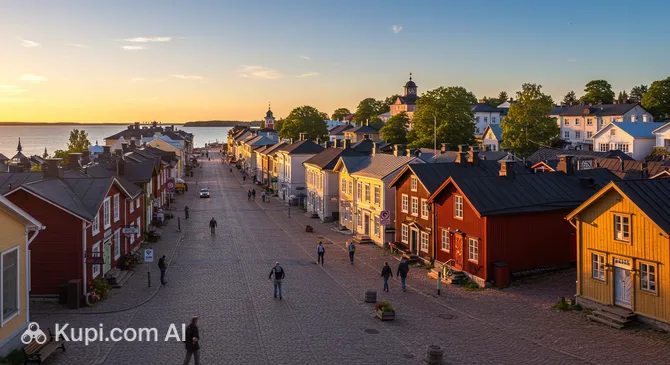
Kokkola. Source: Kupi.Binoculars

Travelers interested in the past will find plenty to discover. You can delve deeper into the history of Kokkola by exploring its well-preserved historical areas. The city was founded in 1620 by King Gustav II Adolf, making it one of the oldest cities in the country. This long legacy is best experienced in Neristan, the expansive wooden old town district, which features hundreds of wooden houses from the 18th and 19th centuries that are still inhabited today.

Beyond the charming streets of the old town, Kokkola offers exceptional natural attractions. The Tankar Island lighthouse is a must-visit summer destination, offering a glimpse into the authentic archipelago life of fishermen and seal hunters. The city's maritime heritage is also celebrated in its museums and events, making it a fascinating stop for anyone who loves the sea.

Whether you are strolling through the idyllic wooden quarters, enjoying a boat trip to the outer archipelago, or sampling local delicacies in the market square, Kokkola promises a memorable stay. We invite you to experience the genuine hospitality and the relaxing coastal rhythm of this unique Nordic gem.
Weather Overview

Travelers planning a visit should consider the distinct seasonal variations that characterize the weather in Kokkola. The winter months are typically cold, with February being the chilliest time of the year, featuring an average temperature of -5.4°C and lows dropping to -7.5°C. As the city moves through spring, temperatures gradually rise, transitioning from a freezing -3.2°C average in March to a milder 7.5°C by May.

Summer brings the most pleasant conditions for outdoor activities, with July standing out as the warmest month. During this peak season, you can enjoy average temperatures of 16.7°C, with highs reaching up to 19.3°C. However, visitors should pack for potential rain, as August and October are notable for their frequency of precipitation, each recording approximately 16 wet days. As autumn sets in, temperatures cool significantly, dropping to an average of 5.4°C in October and approaching freezing levels by November.

Expect mild, comfortable summers with frequent rainy days and cold, dry winters ideal for enjoying the crisp Nordic air.

Interesting Facts

Beyond its idyllic wooden streets and maritime charm, Kokkola holds a collection of fascinating secrets waiting to be uncovered. Here are a few unique insights that reveal the city's distinct character and history.

  • A Naval Trophy: Kokkola is reputedly the only place in the world to display a captured Royal Navy gunboat. During a skirmish in 1854, local defenders seized the British vessel, and despite historical requests for its return, it remains a proud local landmark displayed in the English Park.

  • Moving Harbors: Due to the rapid post-glacial land uplift in the region, the ground rises approximately 8 millimeters annually. This geological phenomenon has forced the city to relocate its harbor further towards the sea multiple times over the centuries as the coastline recedes and the waters become too shallow.

  • Windows with a View: While strolling through the Neristan district, notice the peculiar "gossip mirrors" mounted on window frames. These historical devices allowed residents to discreetly observe street life and see who was coming to visit without having to lean out or be seen.

How to Get There

Reaching this coastal destination is straightforward, with several convenient options available for travelers. Whether you prefer flying or taking ground transport, you can easily plan your trip. For a complete overview of routes and schedules, check more about how to get to Kokkola on our detailed transport page.

The most direct way to arrive by air is via Kruunupyy Airport (IATA: KOK), which serves as the local aviation hub. Located just 13.4 km from the city center, it offers a quick and easy transfer. The travel time by taxi or shuttle bus is approximately 20 minutes. Although it is a smaller airport, it provides essential connections for visitors heading directly to the region.

For more flight options, you might consider Vaasa Airport (IATA: VAA), situated in the neighboring city of Vaasa, about 111 km away. The transfer by road typically takes around 1.5 hours, making it a practical alternative. Another significant hub is Oulu Airport (IATA: OUL), located approximately 162 km from Kokkola. It handles a larger volume of traffic, and the journey to Kokkola from there takes roughly 2 to 2.5 hours.

For clarity, here is a summary of the main airports in the region:

Airport Name City Passenger Traffic Km from City
Umea AirportUmeaLarge140.1
Oulu AirportOuluLarge162.2
Skelleftea AirportSkellefteåMedium132.3
Vaasa AirportVaasaMedium111.3
Kruunupyy AirportKokkolaSmall13.4

In addition to air travel, Kokkola is well-connected to the Finnish railway network. The city's railway station is centrally located and is a common stop for trains traveling between Helsinki and northern Finland. Driving is also a viable option, with main highways linking the city to other major urban centers along the western coast.

Main Attractions

Kokkola offers a delightful mix of historical charm, maritime heritage, and cultural experiences. The city's compact size makes it easy to explore its most significant landmarks on foot or by a short boat ride. From centuries-old wooden districts to captivating museums and scenic islands, there is plenty to see and do.

Neristan, also known as Old Kokkola, is undoubtedly the crown jewel of the city's attractions. This expansive historical district is one of the best-preserved wooden town areas in Finland, featuring hundreds of houses dating back to the 18th and 19th centuries. Walking through its grid-patterned streets, visitors can admire the colorful facades and intricate details of the homes, many of which are still inhabited. It is a living museum that offers a peaceful and photogenic glimpse into the life of seafarers and craftsmen of the past.

For those looking to experience the region's archipelago nature, Tankar Island is a must-visit destination. Located in the outer archipelago, this lighthouse island has served as a base for fishermen and seal hunters for centuries. The iconic red-and-white lighthouse, built in 1889, towers over the rugged landscape. Visitors can explore the old fishing huts, visit the seal hunting museum, or simply enjoy the fresh sea breeze and the unique flora of the island. Ferries operate regularly during the summer months.

Culture enthusiasts should head to the K.H. Renlund Museum, located in the heart of the city near the market square. The museum complex includes the impressive Roos House, which showcases art from the Golden Age of Finnish art as well as local cultural history. It provides fascinating insights into the wealthy merchant families of Kokkola and the city's development. The museum's exhibitions change regularly, offering something new for every visit.

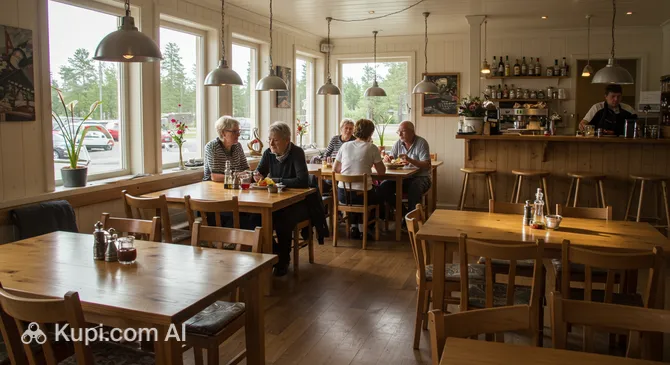
After a day of sightseeing, you might want to enjoy a meal at Kung's Kitchen. This popular spot is known for its welcoming atmosphere and delicious menu, offering a great place to relax and refuel. Whether you are looking for a hearty lunch or a pleasant dinner, it stands out as a noteworthy venue in the local dining scene.

Kung's Kitchen. Source: Kupi.Binoculars

Another significant site is the Kaarlela Church, a medieval stone church that dates back to the 15th century. As one of the oldest buildings in the region, it is steeped in history and features beautiful interior paintings and a distinct bell tower. The church grounds also include a local history museum, making it a perfect stop for those interested in the ecclesiastical and social history of Central Ostrobothnia.

Local Cuisine

The culinary landscape of Kokkola is deeply rooted in its maritime location and the rich agricultural heritage of Central Ostrobothnia. Local cuisine is characterized by pure, fresh ingredients, with a heavy emphasis on the bounty of the Baltic Sea. Visitors can expect hearty, unpretentious flavors where the quality of the produce takes center stage, ranging from freshly caught fish to root vegetables grown in the surrounding fertile plains.

Given the city's coastal geography, fish is a staple on many menus. Whitefish (siika) is particularly prized in this region and is often served smoked, grilled, or cured. Another must-try classic is the creamy salmon soup (lohikeitto), typically garnished with plenty of dill and served alongside slices of dark, dense rye bread. For those interested in historical peasant dishes, the region is known for mutti, a simple but traditional meal made from barley flour, which offers a unique glimpse into the area's culinary past.

When it comes to drinks, the locals share the nationwide passion for coffee. A coffee break is an essential part of the day, usually accompanied by a sweet pastry like a cinnamon bun (korvapuusti). For something more specific to the coast, look for beverages and desserts made from sea buckthorn (tyrni). These bright orange, nutrient-rich berries grow wild in the archipelago and are transformed into tangy juices, liqueurs, and vitamin shots that are both refreshing and healthy.

The food culture in Kokkola is relaxed and welcoming. During the summer, the Market Square (Kauppatori) comes alive with stalls selling fresh berries, vegetables, and local street food staples like meat pies (lihapiirakka). It is a popular spot for a casual lunch or a morning coffee while watching the town wake up. In the evenings, the dining scene shifts to cozy restaurants in the city center and the atmospheric wooden quarter of Neristan, where you can enjoy a leisurely dinner in a historic setting.

Travel Tips

To ensure your visit to Kokkola is as smooth and enjoyable as possible, we have compiled a list of practical advice covering everything from packing essentials to local customs. Whether you are exploring the historic wooden town or heading out to the lighthouse island, these tips will help you navigate the city like a local.

  1. Clothing and Gear: The coastal weather can be unpredictable, so the key is to dress in layers. Even in summer, a windproof jacket is recommended due to the cool sea breeze. If you visit in winter, thermal underwear, a heavy coat, and insulated, non-slip boots are essential for navigating snowy or icy streets. Comfortable walking shoes are a must year-round, especially for strolling on the cobblestones of the Neristan district.

  2. Transportation: The city center is compact and best explored on foot or by bicycle, which is a favorite mode of transport for locals. For longer distances, the local bus network is reliable, though schedules may be less frequent on weekends. Taxis are available and safe but can be expensive; it is often best to book one by phone or locate a taxi stand rather than hailing one on the street. Ride-hailing apps are not as dominant here as in larger capitals, so traditional taxis are the standard.

  3. Finances: Finland uses the Euro (€). Credit and debit cards are widely accepted almost everywhere, including small cafes and market stalls, and contactless payment is the norm. ATMs (labeled "Otto") are easy to find if you need cash, though you can easily get by without it. Tipping is not mandatory or expected in restaurants, as service charges are included in the bill, but rounding up for exceptional service is appreciated.

  4. Health and Safety: Kokkola is a very safe city for travelers, with low crime rates. The main hazard is often the weather; be cautious of slippery sidewalks in winter. For minor health issues, look for a pharmacy, known as Apteekki; they are generally open during standard business hours. In case of a serious emergency, dial 112 for police, ambulance, or fire services. English is spoken by emergency operators.

  5. Communication: Kokkola is a bilingual city where both Finnish and Swedish are spoken. You will see street signs in both languages. Fortunately for tourists, English is widely spoken and understood, especially by younger people and in the service industry. Free Wi-Fi is often available in hotels, cafes, and public spaces. If you need mobile data, you can buy a prepaid SIM card at "R-kioski" convenience stores.

  6. Local Etiquette: Finns appreciate personal space and silence, so do not feel the need to fill quiet moments with small talk. A firm handshake is the standard greeting. If you are invited to a local's home, it is customary to remove your shoes at the door. Punctuality is highly valued, so try to be on time for any appointments or tours.

  7. What to Avoid: Avoid walking in designated bicycle lanes; locals cycle fast and expect the path to be clear. Also, try not to be overly loud in public places or on public transport, as this is considered rude. Using a sauna is a big part of the culture, but remember that wearing a swimsuit in a gender-segregated public sauna is often not the norm—follow the local lead or ask if unsure.

  8. Shopping Hours: Be aware that many shops, especially smaller boutiques in the city center, close early on Saturdays (often around 2:00 PM or 3:00 PM) and may be closed entirely on Sundays. Plan your souvenir shopping for weekdays to ensure you don't miss out on local crafts and design products.

By keeping these practical tips in mind, you will be well-prepared to embrace the relaxed pace and unique culture of Kokkola. We hope you have a fantastic time discovering the hidden gems of this beautiful coastal city!

Entertainment & Nightlife

While Kokkola is known for its peaceful maritime atmosphere, the city certainly knows how to entertain its guests once the sun goes down. The nightlife scene here is compact but spirited, concentrated mainly in the city center, making it easy to hop from one venue to another on foot. The most bustling areas are located around the Market Square (Kauppatori) and along the streets of Torikatu and Rantakatu, where you will find a mix of relaxed pubs, lively karaoke bars, and energetic nightclubs.

For those seeking a classic night out with dancing and live music, Calle Nightclub is a local favorite. Located within the Original Sokos Hotel Kaarle, it is often considered the heart of the city's late-night entertainment, drawing a diverse crowd ranging from students to older adults. If you prefer a more casual vibe where you can test your singing skills, Jolene Karaoke Bar on Rantakatu offers a fun, unpretentious atmosphere that often stays open until the early morning hours. Another excellent spot for a laid-back evening is Corner's Pub, known for its friendly service, board games, and billiards.

A great evening often starts with good food and drinks. Kung's Kitchen is a fantastic choice for this, serving as a social gastropub where you can enjoy a high-quality meal before heading out to the clubs. The venue combines a cozy ambiance with a modern menu, making it a perfect meeting point for groups of friends.

The atmosphere in Kokkola's nightlife is generally relaxed and welcoming. The dress code is typically "smart casual"—you will fit in perfectly with neat jeans and a nice shirt, though people tend to dress up a bit more for the nightclubs on weekends. Friday and Saturday nights are naturally the busiest, while weekdays are much quieter. Be aware that most nightclubs in Finland have an age limit (often 20 or 22 years old) and a mandatory coat check fee (narikka), usually around 3 euros, which must be paid in cash or card upon entry.

Safety is rarely a concern in Kokkola, even at night. The city center is well-lit and safe for walking, though visitors should always exercise standard caution. In winter, the biggest danger is often slippery sidewalks, so sensible footwear is recommended. Taxis are reliable and can be found at designated taxi stands in the center, or you can order one by phone. Ride-hailing apps are less common here than in the capital region, so saving a local taxi number is a good idea.

If you are looking for entertainment during the day or early evening, the city offers several culturally enriching options. The Kokkola City Theatre presents a variety of drama and comedy performances, often serving as a cultural hub for the region. Movie lovers can catch the latest international and domestic films at the renovated Bio Rex cinema. For families and those seeking relaxation, the Swimming Centre VesiVeijari is a top attraction, featuring multiple pools, water slides, and traditional Finnish saunas that provide a refreshing break from sightseeing.

Parks & Museums

For those seeking a breath of fresh air or a deep dive into local heritage, the city offers a wonderful array of green spaces and cultural institutions. The parks here are heavily influenced by the sea, providing scenic backdrops for relaxation, while the museums showcase everything from traditional peasant life to unique contemporary folk art.

One of the most beloved recreational areas is Meripuisto (Sea Park). Located near the harbor, this expansive park serves as a living room for locals during the summer months. It features a sandy beach, playing fields, and paved paths perfect for cycling or walking. The park connects the urban center with the maritime landscape, offering unobstructed views of the Gulf of Bothnia and hosting various events and festivals throughout the warmer season.

Another significant green belt is the Kokkola National Urban Park, which encompasses a wide range of cultural and natural sites, including the wooden town of Neristan and the surrounding waterways. Within this network, you will find the English Park (Englantilainen puisto), a historical park known for its old trees and tranquil atmosphere. It is an ideal spot for a quiet stroll, allowing visitors to admire the greenery while remaining close to the city's historical monuments.

When it comes to museums, the city boasts the unique ITE Museum, which is dedicated to "In-The-Middle-of-Nowhere" art, or contemporary folk art. This fascinating venue celebrates the creativity of self-taught artists and showcases unconventional works that often use recycled materials and bold techniques. It is a refreshing and slightly eccentric cultural experience that stands in contrast to more traditional galleries.

For a glimpse into rural history, the Toivonen Animal Park and Peasant Museum is a fantastic destination, especially for families. Located slightly outside the city center, this open-air museum complex features over 50 historical buildings that reconstruct a traditional Ostrobothnian village. Visitors can explore old farmhouses, workshops, and barns while interacting with domestic farm animals, providing an immersive educational experience about life in the countryside in centuries past.

In terms of historical landmarks, the Gunboat Barkasse displayed in the English Park is a site of great pride. This vessel, captured from the British Royal Navy during the Crimean War in 1854, is housed in a purpose-built pavilion. It stands as a rare trophy and a tangible reminder of the city’s spirited defense and maritime prowess.

For a truly authentic nature experience, head to the Rummelö-Harrbåda nature trail. This area is a birdwatcher's paradise, offering wooden duckboards that lead through lush wetlands and coastal meadows, where you can spot diverse bird species and enjoy the silence of the untouched archipelago nature.

Getting Around

The public transport system in Kokkola is designed to be straightforward and functional, relying primarily on a local bus network known as Bysse. Since the city is compact, there are no metros, trams, or trolleybuses; instead, the Bysse buses connect the city center efficiently with residential neighborhoods and key suburbs like Kälviä and Lohtaja. The network consists of main lines for urban traffic and regional lines for longer distances, making it easy for visitors to navigate between the downtown area and the outskirts.

Paying for your journey is simple and modern. The most convenient method is to use the Matkahuolto Trips and Tickets (Reitit ja Liput) mobile app, which allows you to purchase single tickets or season passes instantly. A standard single ticket is valid for 60 minutes, giving you enough time to transfer within the city zone on the same fare. If you prefer not to use the app, you can also buy tickets directly from the driver when boarding, usually with a debit or credit card.

For a smooth experience, tourists should be aware that bus schedules vary significantly between weekdays and weekends. Services are most frequent from Monday to Friday, while Saturday and Sunday timetables may be more limited. It is a good idea to check routes and real-time schedules via the mobile app before heading out. When the bus arrives, simply signal the driver to stop, and once onboard, show your mobile ticket or validate your card at the reader.

Beyond buses, cycling is a highly recommended way to get around. Kokkola is known for its flat terrain and excellent network of cycle paths, making it a bike-friendly city. Visitors can rent bicycles from local shops like Lybäck or find electric scooters available for short-term use around the center. Walking is also a pleasant option, as the city center is small enough to explore on foot, with most shops, restaurants, and the railway station located within a short distance of the Market Square.

If you need a direct ride, taxis are readily available and reliable. Designated taxi stands are located at the Railway Station and next to the Market Square. Local operators like Taksi Kokkola offer safe service, though prices are generally higher than public transport in Finland. Rides can be hailed from the stands, but booking by phone is recommended for early morning departures or trips to the airport.

A special feature of the local transport landscape during the summer season is the M/S Jenny ferry. While it serves mainly as a leisure connection, this boat provides regular scheduled service to the historic Tankar Island lighthouse. Departing from the Meripuisto terminal, it offers a scenic and practical way to access the outer archipelago, which is otherwise inaccessible by public transit.

Accommodation

Accommodation in Kokkola is characterized by a practical and comfortable selection that caters primarily to mid-range travelers and families. While the city does not have an extensive array of five-star luxury resorts, it offers high-quality standard hotels, cozy guesthouses, and well-equipped apartments. The atmosphere in local lodgings is typically laid-back and welcoming, reflecting the friendly nature of the town itself.

For most visitors, the City Center is the most convenient area to stay. Hotels located near the Market Square (Kauppatori) or the Railway Station place you within easy walking distance of the main attractions, including the wooden district of Neristan and various museums. Staying here means you are also close to the best restaurants and transport connections, making it an ideal base for those without a car.

If you prefer a more scenic or nature-oriented experience, consider looking towards the coast. The Meripuisto area offers camping facilities and holiday cottages during the summer months, allowing guests to wake up to the fresh sea breeze. For a truly unique experience, adventurous travelers can book a stay in a simple pilot's cabin or the tower watchman's cottage on Tankar Island. These accommodations are rustic but offer an unforgettable night in the outer archipelago.

Booking Tips and Prices: Prices in Kokkola are generally in line with the Finnish average, which can be considered mid-range to slightly high by global standards. A standard double room typically costs between 100 and 150 euros per night, depending on the season. Summer is the peak tourist season, particularly July, so it is highly recommended to book your accommodation well in advance if you plan to visit during this time. Online booking platforms are widely used and are the easiest way to secure your room, though direct booking with smaller guesthouses is also common.

Nearby Cities

Nearby Cities:

Located in Central Ostrobothnia, Kokkola serves as a convenient gateway to several other fascinating Finnish destinations. Whether you are looking for a quick day trip to a neighboring coastal town or an excursion to a larger regional hub, the surrounding area offers plenty of variety. The road network along the west coast is excellent, making it easy to reach these cities by car or public transport.

The closest neighbor is Jakobstad (Pietarsaari), situated just a short drive south. Like Kokkola, it is celebrated for its strong maritime traditions, bilingual culture, and the beautiful wooden district of Skata. Further down the coast lies Vaasa, a vibrant university city and the regional capital of Ostrobothnia. It is a major cultural center and the gateway to the Kvarken Archipelago, a UNESCO World Heritage site.

Heading inland, travelers can visit Seinäjoki, a city renowned for its unique administrative center designed by the famous architect Alvar Aalto. It is also known for hosting large summer events such as the Tango Festival. To the north along the coast is Raahe, another historic wooden town that offers a glimpse into Finland's seafaring past.

For a quick overview of travel distances and population sizes, refer to the table below:

City Population Distance (km)
Jakobstad 19,436 28
Vaasa 67,619 112
Raahe 25,165 115
Seinäjoki 64,150 118
Kurikka 21,734 141

Shopping & Souvenirs

Shopping in Kokkola is a relaxed and pleasant affair, characterized by its compact city center where everything is within easy walking distance. The city offers a nice balance between modern retail chains and charming local boutiques. Visitors can enjoy a stress-free atmosphere, avoiding the crowds of larger metropolises while still finding a good selection of fashion, design, and local specialties.

The main shopping activity is concentrated in the heart of the city, particularly along the pedestrian-friendly streets surrounding the Market Square (Kauppatori). Streets like Tehtaankatu and Rantakatu are lined with various shops offering clothing, interior decor, and gifts. For a more atmospheric experience, a stroll towards the edge of the Neristan wooden district can reveal smaller, unique boutiques selling antiques and handicrafts in a historical setting.

For those looking for a concentration of stores under one roof, the Chydenia Shopping Center is the primary destination. Located right in the city center, it houses dozens of shops ranging from popular international fashion brands to grocery stores and cafes. Another notable spot is Kallentori, a smaller commercial hub that provides additional services and specialty shops, making it easy to run errands or browse indoors.

The Market Square serves as the traditional heart of commerce, especially during the summer months. It is the best place to buy fresh seasonal berries, vegetables, and local fish directly from producers. A highlight of the summer season is the popular Evening Markets (Iltatori), usually held on Wednesdays, where the square fills with flea market stalls, live music, and a festive community vibe, offering a great opportunity to find unique second-hand treasures.

When searching for souvenirs, look for items that reflect the region's maritime and nature-focused heritage. Sea buckthorn products, such as jams, juices, and cosmetics, are a local specialty due to the abundance of these berries in the archipelago. Finnish design items, including glasswork and textiles, are also excellent choices. Additionally, local handicrafts made from wood or wool make for authentic and warming gifts to take home.

Most shops in Kokkola generally open around 10:00 AM and close between 6:00 PM and 8:00 PM on weekdays. On Saturdays, hours are typically shorter, often closing by 3:00 PM or 4:00 PM. On Sundays, many smaller boutiques remain closed, though larger supermarkets and shopping centers like Chydenia usually open their doors from noon until late afternoon. Cash is rarely needed, as credit and debit cards are widely accepted everywhere, including market stalls.

Tourists residing outside the European Union can take advantage of tax-free shopping in many stores. Look for the "Tax Free Shopping" signage in windows or at checkout counters. If you spend above a certain minimum amount in a participating store, you can request a refund form to claim back the VAT upon your departure from the EU.

Reached the end of the page?

That means the route is fully explored