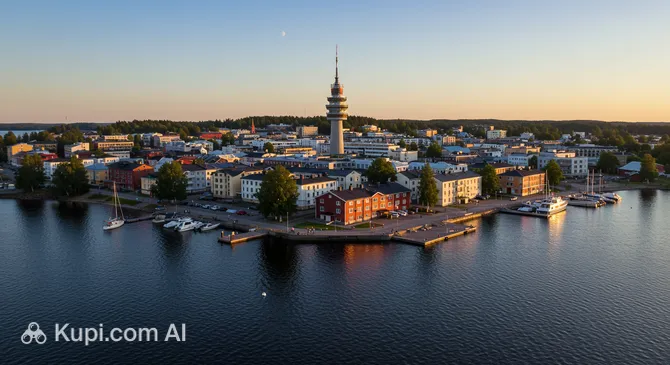
Jyvaskyla is a dynamic city located in the heart of the Finnish Lakeland, offering a perfect blend of urban culture and stunning natural landscapes. Often referred to as the "Athens of Finland" due to its rich educational heritage, it serves as the capital of the Central Finland region. With a population of over 140,000 residents, it is a lively hub filled with students, events, and a welcoming atmosphere that makes every visitor feel at home.
Jyvaskyla. Illustration.
Source: Kupi.com AI
The city is internationally renowned for its unique architectural legacy, boasting the world's largest concentration of buildings designed by the famous architect Alvar Aalto. Visitors interested in the history of Jyvaskyla will discover its pivotal role in the nation's development, as it was the site of the very first Finnish-language schools. Beyond its cultural depth, the city is a paradise for outdoor enthusiasts, situated on the northern shores of the majestic Lake Päijänne.
Travelers are drawn to the scenic Harju Ridge, which offers panoramic views of the city center, and the bustling pedestrian street, Kauppakatu, lined with shops and cafes. Whether you are visiting to experience the adrenaline of the annual Rally Finland or to enjoy a peaceful cruise on the lake, Jyvaskyla promises an unforgettable Nordic experience filled with nature, design, and vitality.
Weather Overview
The climate in this region is characterized by four distinct seasons, offering a varied experience depending on when you choose to visit. To help plan your packing and itinerary, it is helpful to review the current weather in Jyvaskyla, which transitions from snowy, crisp winters to vibrant, mild summers.
Winter months, particularly January and February, are cold with average temperatures hovering around -6°C and lows reaching -8.5°C. This period is ideal for winter sports, although visitors should be prepared for frequent snowfall, with about 12 to 15 wet days per month. As spring approaches, temperatures slowly climb, turning positive by April, though the weather can remain brisk until May when averages reach a more comfortable 9.6°C.
Summer is the most popular time for exploring the outdoors, with July being the warmest month, featuring an average temperature of 17.0°C and highs occasionally exceeding 20°C. While generally pleasant, the summer months of June through August still see around 12 to 15 days with some precipitation, so carrying a light rain jacket is advisable. Expect comfortable, mild summers with occasional rain and cold winters that transform the landscape into a snowy wonderland.
Average monthly temperature
Average monthly precipitation
Interesting Facts
Beyond the main attractions, Jyvaskyla holds many fascinating secrets that surprise even seasoned travelers. From world-class architecture to illuminated streets, here are some unique aspects of this Lakeland city that make it truly special.
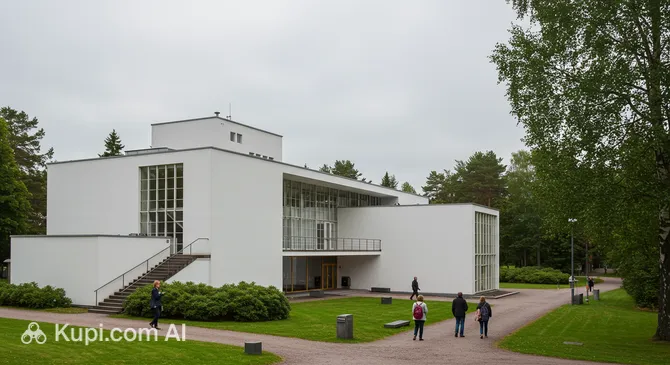
Jyvaskyla is widely known as the "Capital of Alvar Aalto" because it boasts the largest number of buildings designed by the world-famous architect in a single city. You can explore this rich heritage at the Alvar Aalto Museum, which serves as a focal point for modern design enthusiasts.
The city has earned the nickname "City of Light" thanks to a massive urban lighting project. There are over 100 permanent illuminated sites, including bridges, facades, and parks, designed to create a cozy and safe atmosphere during the long, dark Nordic winters.
Speed lovers recognize the city as the heart of the "Grand Prix on Gravel." It hosts the legendary Secto Rally Finland, known as the fastest event in the World Rally Championship, where cars fly through the forest roads at incredible speeds.
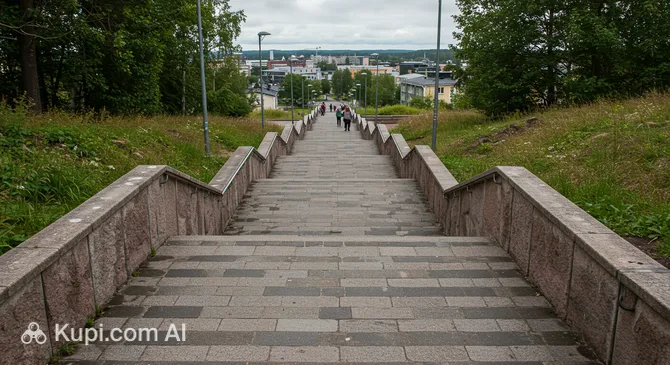
Locals often test their fitness on the Nero Stairs, located on the Harju Ridge. While the name might suggest a connection to a Roman emperor or the word "genius," they are actually named after the municipal engineer Oskar Nero, who designed this popular exercise spot in the 1920s.
Alvar Aalto Museum. Illustration.
Source: Kupi.com AI
Traveler photos:
How to Get There
Reaching Central Finland is a journey through scenic landscapes, and there are several ways to approach the city. Whether you prefer flying or taking the train, you can find more about how to get to Jyvaskyla and choose the route that best suits your itinerary. While the city has its own local connections, international travelers often arrive via larger hubs in neighboring regions.
The city does not have a major international airport of its own, but you can fly into Helsinki-Vantaa Airport (IATA: HEL) in Helsinki, which is about 219 km away. As the country's primary hub, it offers the widest range of connections. The travel time by train or car from the capital's airport is approximately 3.5 hours. Alternatively, you can arrive at Tampere-Pirkkala Airport (IATA: TMP) in Tampere, located roughly 146 km away, with a transfer time of under 2 hours. Another option is Kuopio Airport (IATA: KUO), situated 135 km from the city, which is also about a 2-hour drive.
For clarity, here is a summary of the main airports in the region:
If you prefer rail travel, the most significant hub for long-distance arrivals is Helsinki Central Station (IATA: HEC). Located approximately 235 km away, it serves as the major node for the national railway network. From here, travelers can easily catch a direct train to Jyvaskyla. The comfortable rail journey through the Finnish countryside typically takes around 3.5 hours, making it a convenient and eco-friendly option.
Below is the main railway station serving the route:
Station
Passenger traffic
Distance
Buslovskaya Station
—
210 km
Luzhayka Station
—
216 km
Kamenogorsk Station
50 000
228 km
Elisenvaara Station
—
231 km
Alkho Station
—
234 km
Main Attractions
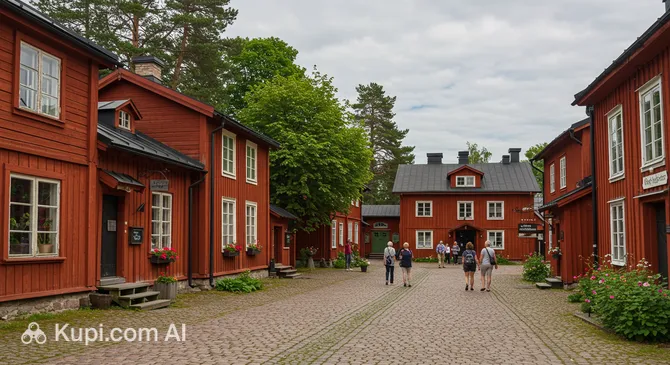
One of the most charming historical sites in the city is the Toivola Old Courtyard. This beautifully preserved 19th-century artisan quarter offers a rare glimpse into the wooden architecture that once defined the town. Visitors can explore fascinating workshops, visit the small museum, or relax in the cozy café. It is a delightful place to experience the atmosphere of old Jyvaskyla, especially during the festive seasons when it hosts lively markets and events.
Toivola Old Courtyard. Illustration.
Source: Kupi.com AI
Traveler photos:
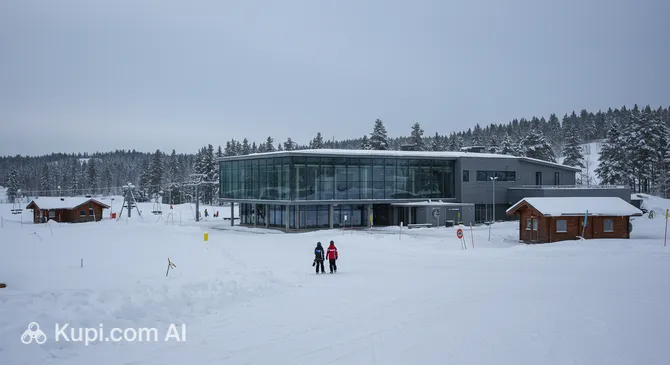
For those seeking outdoor excitement, Laajis Urban Outdoor Resort is a year-round destination located just a short distance from the center. In winter, it operates as a popular ski resort with slopes suitable for families and beginners, while the summer months transform it into a hub for downhill biking and adventure park activities. It is an excellent spot for active tourists looking to combine urban convenience with sports and nature.
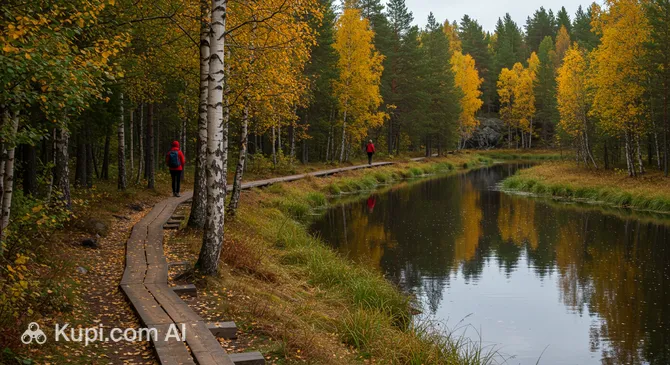
Nature lovers will appreciate the Tourujoki Nature Trail, a lush conservation area situated surprisingly close to the city's hustle and bustle. The trail winds through a river valley that resembles a jungle-like grove, rich in biodiversity and birdlife. A walk along the wooden duckboards offers a peaceful escape and a chance to admire the verdant scenery of the region without leaving the city limits.
Tourujoki Nature Trail. Illustration.
Source: Kupi.com AI
Traveler photos:
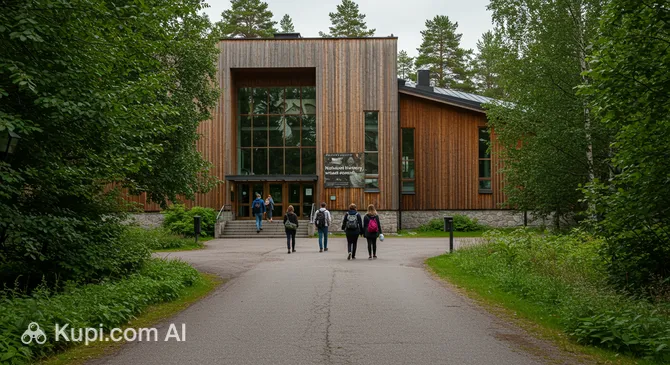
Perched on the scenic Harju Ridge, the Natural History Museum of Central Finland is a must-visit for anyone interested in the local environment. The museum's exhibitions provide an engaging overview of the region's diverse nature, from its geological roots to the flora and fauna of the Finnish forests and lakes. It is an educational and visually appealing attraction that helps visitors understand the unique landscape surrounding the city.
Local Cuisine
Dining in Jyvaskyla offers a wonderful opportunity to taste the pure flavors of the Finnish Lakeland. The city's culinary scene is defined by its proximity to nature, ensuring that local restaurants have access to fresh, seasonal ingredients. Visitors can look forward to menus featuring lake fish like vendace and perch, as well as wild mushrooms and forest berries that add a distinct Nordic touch to every meal.
For those seeking a refined gastronomic experience, Pöllöwaari Restaurant is a distinguished choice. Known for its high-quality cuisine and extensive wine list, this venue creates sophisticated dishes that honor local traditions while embracing modern techniques. It is an ideal spot for a romantic dinner or a celebratory meal in an elegant setting.
Pöllöwaari Restaurant. Illustration.
Source: Kupi.com AI
Traveler photos:
Another excellent destination for food lovers is Yöpuu Restaurant, which is celebrated for its warm atmosphere and dedication to authentic Central Finnish flavors. If you are looking for a lively and versatile dining spot in the city center, Hotel Verso is widely praised for its food offerings. Its restaurant serves a famous breakfast that locals love, as well as a delicious à la carte menu that suits various tastes.
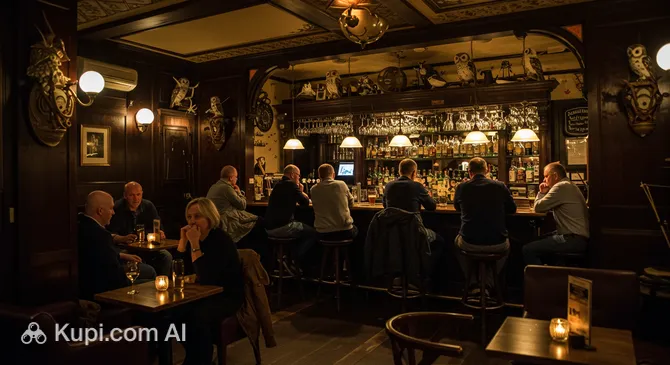
To cap off the evening with a unique drink, travelers should visit DeLorean. This bar stands out with its retro 1980s-inspired theme and creative cocktail list, providing a fun and nostalgic environment to relax after a day of sightseeing. From fine dining to casual hangouts, the city provides a diverse range of tasty options to satisfy every appetite.
Travel Tips
To ensure your trip to the heart of the Finnish Lakeland is as smooth and enjoyable as possible, we have compiled a list of essential practical advice. These tips will help you navigate local customs, pack the right gear, and make the most of your time in this vibrant city.
Clothing and Gear: The weather in Central Finland varies greatly by season, so the golden rule is to dress in layers. In winter, thermal underwear, a heavy coat, gloves, and sturdy non-slip boots are mandatory to handle freezing temperatures and snow. Summers are generally mild and pleasant, but a light waterproof jacket is recommended for occasional showers. Comfortable walking shoes are a must if you plan to explore the nature trails or climb the Nero Stairs.
Transportation: The city center is compact and pedestrian-friendly, making walking the best way to see the sights. For longer distances, the local bus network, known as Linkki, is efficient and reliable; you can easily pay for tickets using a mobile app or contactless payment on board. Taxis are safe but can be expensive, so they are best reserved for times when public transport is not convenient.
Finances: The local currency is the Euro (€). Finland is rapidly becoming a cashless society, and credit or debit cards are accepted almost everywhere, from hotels to small market stalls. Tipping is not expected as service charges are included in the bill, but rounding up the amount for exceptional service is a polite gesture.
Health and Safety: Jyvaskyla is a very safe destination for tourists. Pharmacies are marked with the sign "Apteekki" and are generally open during standard business hours. A great health tip is to drink the tap water; it is among the cleanest and purest in the world, so carrying a reusable water bottle is both eco-friendly and safe.
Communication: While Finnish is the official language, English is widely spoken and understood, especially in the service industry and among the younger population. You will have no trouble getting by with English, but locals appreciate a friendly "Kiitos" (Thank you). Free Wi-Fi is commonly available in cafes, hotels, and many public areas.
Local Etiquette: Finns value personal space and silence, so avoid loud conversations in public transport or quiet places. Punctuality is highly respected, so try to be on time for any appointments or tours. If you are invited to a local home, or even in some public accommodations, it is customary to remove your shoes upon entering.
What to Avoid: Be careful not to walk in designated bicycle lanes, as cycling is a popular mode of transport year-round and blocking the lane can be dangerous. Additionally, in winter, never walk on groomed cross-country ski tracks; these are strictly for skiers, and trampling them is considered very rude.
City of Light Experience: Jyvaskyla is famous for its "City of Light" initiative, featuring over 100 permanent lighting installations. If you are visiting during the darker autumn or winter months, take the time to explore the city center after sunset. The artistic illumination of bridges, parks, and buildings creates a unique and cozy atmosphere that is perfect for evening walks.
With these practical tips in mind, you are all set to explore the unique architecture and stunning nature of Jyvaskyla with confidence. Pack your bags and get ready to experience the warm hospitality and distinct charm of this Nordic gem.
Entertainment & Nightlife
Jyvaskyla boasts a vibrant and youthful nightlife scene, largely driven by its significant student population. The city center is compact and walkable, making it easy to hop from one venue to another without the need for transportation. The primary artery for evening entertainment is Kauppakatu, the main pedestrian street. Locals often distinguish between the "Lower Town," which is home to bustling nightclubs and lively terraces, and the "Upper Town" (Yläkaupunki), known for its bohemian vibe, cozy pubs, and rich cultural atmosphere.
For those looking to experience the city's unique character, there are several standout venues. DeLorean is a must-visit for cocktail enthusiasts; this bar transports guests back to the 1980s with its synth-wave aesthetics and creative drink menu. If you prefer a more refined setting, Pöllöwaari Restaurant offers an elegant environment perfect for enjoying a glass of high-quality wine or a sophisticated evening drink. The city also has a strong live music tradition, with various clubs hosting everything from rock gigs to intimate jazz sessions.
Practicality and safety are key advantages of a night out here. The city is considered very safe for evening strolls, especially under the glow of the famous "City of Light" illuminations that decorate the streets and parks. For getting home, local taxis are reliable and easy to spot; look for the distinctively branded Jytaksi cars or use a mobile app to book a ride. While the dress code is generally smart-casual and relaxed, it is worth noting that Thursday nights are often dominated by student parties, bringing a particularly energetic buzz to the town.
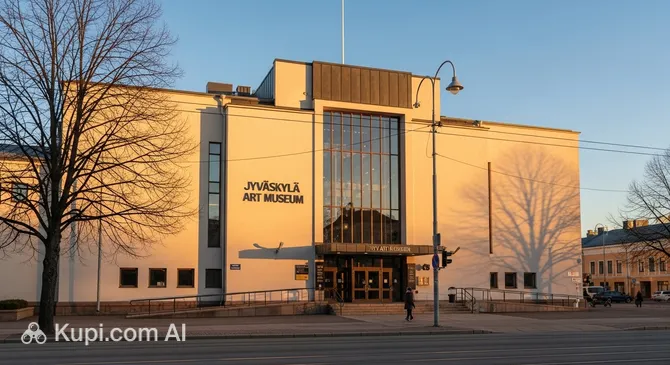
Jyväskylä Art Museum. Illustration.
Source: Kupi.com AI
Traveler photos:
Before the nightlife begins, the city offers a variety of engaging daytime activities. Culture lovers can explore the Jyväskylä Art Museum, which is conveniently located in the city center and focuses on contemporary art and local phenomena. For families or those seeking active fun, Leo's Playland Jyväskylä provides a massive indoor space for adventure. Alternatively, the historic Mäki-Matti Family Park offers a charming outdoor setting that has been entertaining visitors since the late 19th century.
Parks & Museums
Jyvaskyla seamlessly integrates urban living with nature, offering a landscape where lush green spaces and rich cultural heritage exist side by side. The city is renowned for its architectural significance and its easy access to the outdoors, making it a compelling destination for travelers who appreciate both design and fresh air.
One of the most iconic natural landmarks in the city is the Harju Ridge, a pine-covered esker that rises above the city center. It is a favorite spot for locals to jog, walk, or simply admire the views over the rooftops and lakes. Ascending the famous Nero Stairs to the top of the ridge is a classic local experience, rewarding visitors with a sweeping panorama of the cityscape.
Nero Stairs. Illustration.
Source: Kupi.com AI
Traveler photos:
For a more immersive nature experience within the city limits, the Tourujoki Nature Trail is an ecological gem. This protected area follows a river valley and features a lush, grove-like environment that feels worlds away from the urban bustle. Another significant green space is the Mäki-Matti Family Park, which holds the distinction of being the oldest family park in Finland. Established in the late 19th century, it features two historic wooden buildings and offers a nostalgic yet lively setting for visitors of all ages.
The city's cultural landscape is dominated by the legacy of modernism, most notably at the Alvar Aalto Museum. This venue is dedicated to the life and work of the renowned architect, showcasing his sketches, designs, and furniture. It provides a fascinating insight into how Aalto's work shaped not just Jyvaskyla, but modern architecture globally.
Located scenically on the Harju Ridge, the Natural History Museum of Central Finland is another key institution. It focuses on the biodiversity of the region, offering exhibitions that range from the geological formation of the landscape to the diverse wildlife found in Finnish forests and lakes. Art enthusiasts should also visit the Jyväskylä Art Museum, which specializes in contemporary art and printmaking, hosting rotating exhibitions that often reflect local and international themes.
Natural History Museum of Central Finland. Illustration.
Source: Kupi.com AI
Traveler photos:
In terms of historical architecture, the Toivola Old Courtyard stands out as a beautifully preserved remnant of the 19th-century wooden town. Walking through its gates feels like stepping back in time, with artisan workshops and a museum that celebrate the city's traditional craftsmanship and history.
For a truly authentic experience, take a quiet stroll through the Church Park (Kirkkopuisto) in the city center. It serves as a communal living room for locals, especially in summer, and is surrounded by key administrative and architectural buildings, offering a peaceful moment in the heart of the city.
Getting Around
The public transport system in Jyvaskyla relies entirely on an efficient and comprehensive bus network, locally known as Linkki. There are no trams, metros, or trains operating within the city limits, but the buses provide excellent coverage of the city center, residential areas, and the surrounding region. The fleet is modern and recognizable, typically painted in a distinctive green color, making them easy to spot for visitors navigating the streets.
For payment, the system is designed to be user-friendly for both locals and tourists. The most convenient option for short-term visitors is to use contactless payment with a debit or credit card directly on the bus; simply tap your card on the reader when entering. Alternatively, you can download the Linkki mobile app, which allows you to purchase single tickets and day passes instantly on your phone. While cash is technically accepted by drivers for single tickets, it is significantly more expensive than digital methods, so using a card or app is highly recommended.
If you plan to stay longer, you might consider getting a Waltti travel card, which can be loaded with value or season tickets. When using the bus, it is important to remember a few local customs: you must signal the driver by raising your hand as the bus approaches a stop, otherwise, it may not stop. Passengers always enter through the front door to validate their ticket or pay, and exit through the middle or rear doors. Operating hours generally run from early morning until around midnight, with extended night services available on Friday and Saturday evenings.
Beyond buses, the city is incredibly friendly to cyclists, boasting a vast network of well-maintained bike paths that are used year-round. Renting a bicycle is a popular way to see the sights, and during the warmer months, electric scooters are widely available for quick trips across town. For those preferring a private ride, taxis are reliable and safe, though they can be pricey; the local service Jytaksi is the most prominent provider and can be booked via phone or app.
Since the city center is relatively compact, walking is often the best option for exploring the main shopping streets and nearby attractions. However, for trips to the suburbs or nature trails further afield, the Linkki bus system remains the most practical and cost-effective choice.
Accommodation
Jyvaskyla provides a welcoming range of accommodation options that cater to all types of travelers, from budget-conscious backpackers to those seeking a touch of Nordic luxury. The city’s lodging landscape is dominated by modern mid-range hotels, many of which are located within walking distance of the main transport hubs and shopping streets. For a more authentic and independent experience, visitors can also find charming guesthouses, well-equipped rental apartments, and lakeside cabins that offer a peaceful retreat close to nature.
The most popular area to stay is undoubtedly the City Center. Being based here places you right in the middle of the action, with easy access to the pedestrian street Kauppakatu, the Travel Centre (Matkakeskus), and major museums. Staying in the center allows for effortless exploration of the urban attractions by foot. Alternatively, the areas surrounding the Harju Ridge or the shores of Lake Jyväsjärvi offer scenic views and a quieter atmosphere while still remaining conveniently close to the city's amenities.
For those who prefer an active holiday or a stay surrounded by greenery, the Laajis Urban Outdoor Resort is an excellent choice. Located just a short distance from the center, it offers diverse accommodation styles, including a hostel and camping facilities, making it a favorite for families and outdoor enthusiasts. It serves as a perfect base for enjoying winter sports or summer hiking trails right at your doorstep.
Laajis Urban Outdoor Resort. Illustration.
Source: Kupi.com AI
Traveler photos:
The price range for accommodation in Jyvaskyla is generally comparable to other Finnish cities, with options available for every budget. Standard double rooms in hotels typically fall into the mid-range category, while hostels and camping sites offer more affordable alternatives. It is highly recommended to book well in advance, especially if you plan to visit during major events like the Secto Rally Finland in the summer, when the city fills up quickly and availability becomes scarce. Most properties can be easily booked via major online platforms or directly through their websites.
Nearby Cities
For those looking to explore the surroundings, Jyvaskyla serves as an excellent base for day trips to several interesting nearby locations.
One of the most popular destinations is Tampere, located approximately two hours away by car or train. Often called the "Sauna Capital of the World," it is situated between two large lakes and is celebrated for its rich industrial heritage. The city's old red-brick factories have been transformed into vibrant cultural centers, housing museums, restaurants, and cinemas. Visitors can explore the unique Moomin Museum or take a stroll along the Tammerkoski rapids.
Another fantastic option is Kuopio, the capital of the Northern Savonia region. Known for its relaxed atmosphere and beautiful lakeside setting, it is the perfect place to experience the authentic Savo culture. A visit to the bustling market square offers the chance to taste the famous local delicacy, kalakukko (fish pasty). For breathtaking views of the Finnish Lakeland, travelers should head to the Puijo Tower, which overlooks the vast blue lakes and green islands.
Mikkeli is also a worthwhile stop, especially for those interested in history. It served as the headquarters for the Finnish armed forces during World War II and offers several museums dedicated to this era. Beyond history, it provides charming manor houses and beautiful gardens, making it a pleasant destination for a relaxing day out.
City
Population
Distance
Muurame
10 097
13 km
Laukaa
18 978
22 km
Sääminki
11 710
35 km
Jamsa
21 542
52 km
Keuruu
10 117
54 km
These nearby destinations offer a glimpse into the diverse culture and landscapes of the region.
Shopping & Souvenirs
Shopping:
Shopping in Jyvaskyla offers a delightful mix of modern convenience and traditional charm, making it easy for visitors to find everything from high-end fashion to unique local handicrafts. As the commercial hub of Central Finland, the city provides a compact yet comprehensive retail experience where most major shopping destinations are within walking distance or a short bus ride from each other.
The heart of the city's shopping scene is the pedestrian street, Kauppakatu. This lively promenade is lined with a variety of boutiques, department stores, and cozy cafes, creating a vibrant atmosphere in both summer and winter. It serves as the connector between several downtown shopping galleries, allowing you to browse popular international brands and Finnish design labels without having to travel far.
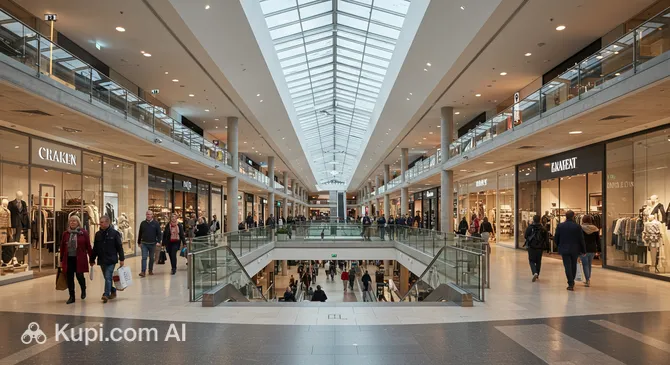
For a more extensive retail therapy session, the Seppä Shopping Centre is the largest of its kind in Central Finland. Located just outside the city center, it houses dozens of shops ranging from clothing and electronics to sports equipment and interior design. It is a modern facility that serves as a one-stop destination for families and serious shoppers alike.
Seppä Shopping Centre. Illustration.
Source: Kupi.com AI
Traveler photos:
Another significant commercial hub is the Keljo Shopping Centre, which is known for its large hypermarkets and specialty stores. It is particularly convenient for those looking to stock up on groceries or find practical items for their travels. While Seppä focuses more on fashion and lifestyle, Keljo is often the go-to spot for everyday necessities and larger purchases.
If you are looking for authentic local atmosphere and artisanal products, the city's markets are a must-visit. The Toivola Old Courtyard is a historic gem where you can find high-quality handicrafts, boutique items, and seasonal goods in a beautifully preserved 19th-century setting. Additionally, the main Market Square (Kauppatori) often hosts vendors selling fresh local produce, berries, and traditional Finnish pastries.
When it comes to souvenirs, Jyvaskyla is the perfect place to purchase Finnish design items, particularly those inspired by Alvar Aalto, whose influence is felt throughout the city. Glassware from Iittala, textiles from Marimekko, and Moomin-themed products are always popular choices. For a taste of the region, look for cloudberry jam, rye bread, or handmade wooden items that reflect the area's deep connection to nature.
Most shops in the city center are open from roughly 10:00 AM to 8:00 PM on weekdays, with shorter hours on Saturdays (typically until 6:00 PM) and Sundays (often 12:00 PM to 6:00 PM). Payment is seamless, as credit and debit cards are widely accepted everywhere, including small kiosks. Contactless payment is the norm, though carrying a small amount of cash can be useful for market stalls.
For visitors residing outside the European Union, tax-free shopping is available in many stores. Look for the "Tax Free Shopping" signage in windows or at counters. By asking for a tax refund form upon purchase (usually for amounts over 40 euros), you can claim a refund on the VAT when leaving the EU, adding a little extra value to your Finnish souvenirs.