Support

Kajaani

About

Nestled in the heart of the **Kainuu** region, **Kajaani** is a vibrant town that perfectly balances urban amenities with the tranquility of nature. As a central hub in central Finland, it serves as a gateway to the wild landscapes of the north. With a population of approximately **37,000**, the city offers a cozy yet lively atmosphere, located along the banks of the scenic **Kajaaninjoki River**.
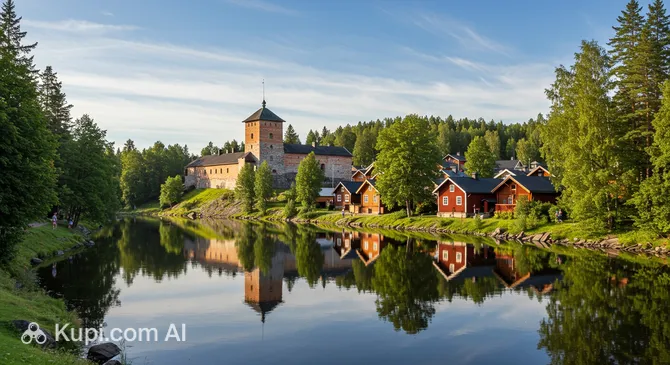
Kajaani. Source: Kupi.Binoculars

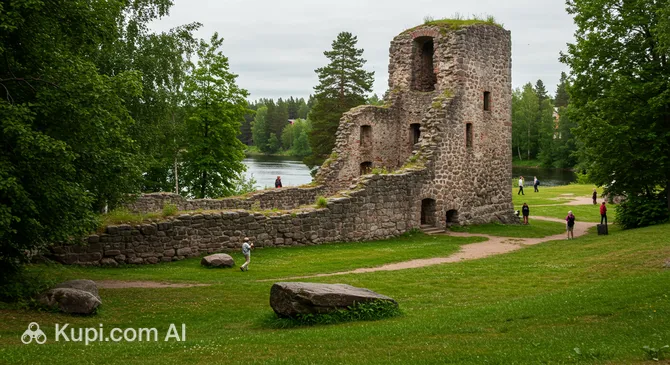
The city is rich in cultural heritage and stories. The fascinating history of Kajaani dates back to the 17th century and is deeply connected to the strategic importance of its fortress. Today, the atmospheric ruins of **Kajaani Castle**, situated on an island in the middle of the river, stand as a testament to its past and remain one of the most iconic landmarks for visitors to explore. The town is also historically significant as the place where Elias Lönnrot worked while compiling the Kalevala, the Finnish national epic.

Beyond its historical sites, **Kajaani** is a paradise for nature lovers. It is located near the massive **Lake Oulujärvi**, often referred to as the "Kainuu Sea," which provides endless opportunities for fishing, boating, and swimming during the summer months. Whether you are visiting the **Kajaani Art Museum**, strolling through the wooden house districts, or simply using the city as a base for wilderness adventures, Kajaani welcomes travelers with genuine hospitality and distinct Nordic charm.
Weather Overview

The climate in **Kajaani** is characterized by four distinct seasons, offering a true Nordic experience with significant contrasts throughout the year. Winters are typically long and cold, creating a snowy setting for seasonal activities, while summers are mild and pleasant. To help you pack appropriately for your trip, it is useful to check the detailed guide to the weather in Kajaani.

During the coldest months of January and February, the average temperature hovers around **-8.1°C**, with minimums often dropping to **-10.6°C**. These winter months are quite active in terms of precipitation, with approximately 11 to 14 wet days, usually manifesting as snow. As the region transitions into spring, temperatures gradually rise, climbing from freezing averages in March to a more comfortable **7.6°C** by May.

Summer brings the warmest weather, making it the most popular time for outdoor exploration. July is typically the peak of the season, with average temperatures reaching **16.3°C** and daily highs around **19.7°C**. Despite the warmer air, rain is not uncommon, as the summer months of June, July, and August see between 12 and 16 wet days on average. Travelers should expect mild summers with occasional rain and cold, snowy winters.

Interesting Facts

Beyond the main attractions, Kajaani holds many fascinating secrets that reveal its pivotal role in Finnish history and culture. From explosive historical events to its deep connections with national icons, this riverside city has plenty of unique stories to tell.

  • The Kajaani Castle Ruins have a dramatic finale in their history that goes beyond simple aging. The fortress did not merely crumble over time; it was deliberately destroyed in 1716 during the Great Northern War when the gunpowder magazine was detonated, leaving behind the evocative stone remnants that stand on the river island today.

  • Kajaani was once a critical hub for the European tar trade, a commodity that was vital for the age of sail. To allow tar boats to safely bypass the treacherous river rapids, a specialized tar canal was constructed in the 19th century, and it remains the only functioning canal of its kind in the world today.

  • The city is inextricably linked to the Finnish national epic, the Kalevala. Elias Lönnrot worked as a district doctor here for two decades, and it was from Kajaani that he launched his famous folklore-collecting expeditions into Karelia, compiling the verses that would define Finnish literary identity.

  • Finland’s longest-serving president, Urho Kekkonen, spent his formative years in this city. He attended the local school and began his writing career with the local newspaper, and his legacy is honored with a prominent abstract monument named "Great Time" located in the city center.

Kajaani Castle Ruins. Source: Kupi.Binoculars

How to Get There

Reaching the Kainuu region is straightforward, with several transport options available depending on your starting point. Whether you prefer flying directly to the city or arriving at a nearby hub and continuing by road, you can find more about how to get to Kajaani and plan the most convenient route for your trip.

The most direct way to arrive is via Kajaani Airport (KAJ), which is conveniently located just 7.3 km from the city center. This airport serves as the primary local hub, handling regional flights. A trip from the airport to the city center typically takes around 15 to 20 minutes by taxi or local transport. For those looking for more flight connections, Oulu Airport (OUL) in Oulu is a major alternative, situated approximately 138 km away. The transfer from Oulu to Kajaani generally takes between 2 to 3 hours by road. Another viable option is Kuopio Airport (KUO) in Kuopio, which is about 135 km from Kajaani and offers similar travel times for the final leg of the journey.

For clarity, here is a summary of the main airports nearby:

Airport Name City Passenger Traffic Km from City
Oulu AirportOuluLarge138.4
Kuopio AirportKuopioMedium135.5
Kajaani AirportKajaaniMedium7.3
Kuusamo AirportKuusamoSmall209.2
Kemi-Tornio AirportKemiSmall228.2

Regarding rail travel, Kajaani is well-integrated into the national railway network, making it easily accessible by train from major Finnish cities. Regular services connect the city to Helsinki, often involving a transfer in Kuopio or Oulu, as well as providing links to other regional hubs. The train journey offers a comfortable and scenic way to travel through the Finnish landscape, arriving directly at the central railway station, which is located within walking distance of the city center.

Main Attractions

Kajaani offers a compelling mix of historical landmarks and cultural treasures that reflect the unique heritage of the Kainuu region. From ancient fortifications to artistic masterpieces, the city provides visitors with a variety of engaging sights located within a compact and walkable area.

The most iconic sight in the city is undoubtedly the Kajaani Castle Ruins. Situated on an island in the middle of the river, these stone remnants date back to the 17th century and serve as a powerful reminder of the region's strategic past. Visitors can wander through the historic walls, enjoying the park-like atmosphere and the scenic views of the flowing water. It is a perfect spot for a leisurely stroll, combining history with the natural beauty of the river landscape.

Kajaani Castle Ruins. Source: Kupi.Binoculars

For those interested in local history, the Kainuu Museum is an essential stop. Located near the railway station, this museum offers a deep dive into the livelihood and history of the region. Its exhibitions cover a wide range of topics, including the era of tar burning, the wood processing industry, and the impact of wars on the local population. It provides a fascinating context for understanding the resilience and culture of the people living in this northern frontier.

Art lovers should not miss the Kajaani Art Museum, which is housed in a distinctive functionalist building that once served as the city's police station. The museum features a high-quality collection of Finnish modern art, with a particular emphasis on works connected to the Kainuu region. With its changing exhibitions and intimate setting, it offers a sophisticated cultural experience right in the heart of the town.

A short drive from the city center leads to the historic Paltaniemi Church, often celebrated as one of the most beautiful wooden churches in Finland. Built in the early 18th century, it is famous for its stunning ceiling and wall paintings that depict vivid biblical scenes. The churchyard is also the final resting place of the great Finnish poet Eino Leino, making it a site of significant cultural and spiritual importance.

Local Cuisine

The culinary scene in Kajaani is a reflection of the Kainuu region's rugged nature, characterized by simple, hearty flavors and ingredients sourced directly from the surrounding forests and lakes. The most iconic local delicacy you must try is the Rönttönen. This traditional open-faced pie features a rye crust filled with a unique mixture of mashed potatoes and lingonberries. It is so culturally significant that it has been granted Protected Geographical Indication (PGI) status by the European Union, making it a true symbol of the local heritage.

Main courses in Kajaani often highlight the bounty of the wilderness. Game meat is a staple, with elk and reindeer frequently appearing on restaurant menus, often prepared as rich stews or roasts served with mashed potatoes and lingonberry jam. The nearby Lake Oulujärvi, known as the "Kainuu Sea," provides an abundance of fresh fish. Zander (pike-perch) and vendace are local favorites, typically fried in butter or smoked to preserve their delicate natural flavors.

The city's history as a major hub for the tar trade has surprisingly influenced its gastronomy. Adventurous visitors should look for tar-flavored products, which range from sweets and ice cream to the famous tar schnapps, a strong alcoholic drink with a distinctive smoky aroma. For non-alcoholic options, the region is famous for its nutrient-rich berries. Juices made from cloudberries, blueberries, and lingonberries are widely available and offer a refreshing taste of the Finnish summer.

Dining in Kajaani is generally a relaxed and casual affair. During the warmer months, the Market Square is the heart of the city's food culture, where locals gather for morning coffee and fresh pastries such as meat pies ("lihapiirakka"). Lunch is a significant meal here, and many restaurants offer a traditional "lounas"—a buffet-style lunch that provides excellent value and a chance to sample various home-style Finnish dishes in a single sitting.

Travel Tips

Visiting Kajaani offers a unique glimpse into life in the Kainuu region, where urban comfort meets the rugged wilderness. To ensure your journey is as seamless and enjoyable as possible, here are some practical tips tailored for travelers venturing to this northern gem.

  1. Clothing and Gear

    The weather in Kajaani dictates your wardrobe. In winter, thermal base layers, a heavy windproof coat, and insulated, non-slip boots are essential to handle temperatures that can drop well below freezing. For summer visits, pack light layers and a waterproof jacket, as the weather can change rapidly from sunny to rainy. If you plan to hike near Lake Oulujärvi, sturdy walking shoes are a must.

  2. Transportation

    The city center is compact and easily navigated on foot, allowing you to reach most main attractions like the castle ruins and museums by walking. For longer distances, the local bus network covers the urban area efficiently. However, if you intend to explore the wider Kainuu region's national parks or wilderness areas, renting a car is highly recommended for flexibility.

  3. Finances

    Finland uses the Euro (€). Card payments are the norm in Kajaani, and contactless payment is accepted almost everywhere, from hotels to small market stalls. While you rarely need physical cash, keeping a small amount of euros is useful for emergency situations. Tipping is not expected in restaurants or taxis, as service charges are included in the bill, though rounding up is appreciated.

  4. Health and Safety

    Kajaani is a very safe city for tourists, but nature poses the biggest risks. In winter, sidewalks can be extremely slippery, so walk with caution or use anti-slip shoe attachments. If driving in the surrounding countryside, be vigilant for elk and reindeer crossing the roads, especially at dawn and dusk. For minor health issues, look for a pharmacy marked with a green cross ("Apteekki").

  5. Communication

    The official language is Finnish, but English is widely spoken and understood, especially by younger people and those in the service industry. It is polite to learn a few basic words like "Kiitos" (Thank you) and "Hei" (Hello). Free Wi-Fi is common in cafes and hotels, and you can easily purchase a prepaid 4G/5G SIM card at any "R-kioski" convenience store without a contract.

  6. Local Etiquette

    Finns value personal space and silence. When greeting someone, a firm handshake and eye contact are standard; hugging is reserved for close friends. A crucial rule to remember is to always remove your shoes when entering a private home or certain accommodations like rental cottages. Speaking loudly in public places is generally frowned upon.

  7. What to Avoid

    Do not mistake silence for unfriendliness; locals are often just respecting your privacy. Avoid walking in designated bicycle lanes, as Finns are avid cyclists and this can cause accidents. Also, never enter a sauna wearing a swimsuit if it is a gender-segregated public sauna, as nudity is the norm there.

  8. Summer Survival Tip

    If you are visiting in June or July to enjoy the nature, be prepared for mosquitoes. The Kainuu region, with its forests and waterways, can have a high population of insects during midsummer. Buying a local brand of insect repellent and wearing long sleeves during evening walks will make your experience much more pleasant.

With these practical pointers in mind, you are well-prepared to embrace the authentic atmosphere of Kajaani. Whether you are here for the snowy adventures or the midnight sun, a little preparation goes a long way in helping you relax and enjoy the warm hospitality of the north.

Entertainment & Nightlife

While **Kajaani** is not known as a bustling metropolis with a never-ending party scene, it offers a cozy and authentic nightlife experience that centers around a few key spots in the city center. The nightlife here is compact, friendly, and revolves mostly around the main street, **Kauppakatu**, and its immediate surroundings. The atmosphere is generally relaxed and unpretentious, making it easy for visitors to mingle with locals, especially on Friday and Saturday nights when the town comes alive.

For those looking to enjoy a drink in a warm, rustic setting, **Hospoda Kulla** is a local favorite. This Czech-style gastropub offers a wide selection of beers and hearty food, providing a perfect backdrop for a laid-back evening. If you are in the mood for something more energetic, **Saint Kukko** serves as a popular nightclub venue where you can dance into the early hours. Another quintessential Finnish experience can be found at **Pub Pitkä Taneli**, a legendary spot known for its karaoke nights, where the locals’ passion for singing creates a lively and entertaining environment.

Practicalities for a night out in Kajaani are straightforward. Most bars and pubs do not have a strict dress code; "smart casual" is perfectly acceptable everywhere. Venues typically stay open until 04:00 on weekends, with the peak hours being between midnight and 02:00. Alcohol prices are standard for Finland, which can be higher than the European average, so budget accordingly. Getting around is safe and easy; the city center is walkable, but if you need a ride, local taxis are reliable and can be ordered via apps or found at the taxi rank near the market square.

For a quieter evening, the riverside area offers a beautiful setting for a night walk. The illuminated paths along the Kajaaninjoki River provide a peaceful escape, and seeing the historic Kajaani Castle Ruins lit up against the dark sky is a memorable sight. The area is very safe, but during winter, it is advisable to dress warmly and watch your step on snowy paths.

During the daytime, entertainment in Kajaani takes a more cultural turn. The **Kajaani City Theatre** (Kajaanin Kaupunginteatteri) is highly regarded for its high-quality productions, often drawing audiences from outside the region. For families or those looking to relax, the **Water Fitness Centre Kaukavesi** offers modern pools and saunas, while movie lovers can catch the latest films at the **Bio Rex** cinema located right in the center of town.

Parks & Museums

Kajaani is a city where the urban landscape is seamlessly integrated with the natural environment, allowing visitors to step from the city streets directly into lush green spaces. The river embraces the center, creating a refreshing atmosphere that encourages outdoor exploration. Whether you are looking for a peaceful place for a picnic or an active route for jogging, the city’s parks offer a perfect escape into nature without leaving town.

The green heart of Kajaani is Rantapuisto (Riverside Park), which follows the scenic banks of the Kajaaninjoki River. This extensive park area is the most popular spot for locals and tourists alike to enjoy a leisurely stroll or a bicycle ride. The paved paths offer uninterrupted views of the flowing water, making it an idyllic setting for enjoying the long summer days or admiring the autumn foliage.

For a unique blend of nature and atmosphere, the Renforsin Ranta area provides a fascinating walking route. Located along the river, this revitalized district combines riverside tranquility with the visual charm of old red-brick architecture. It is a quiet and picturesque part of town, perfect for a calming walk away from the traffic, where the sound of the river sets the pace.

Travelers seeking more active recreation should head to Vimpelinlampi, a versatile outdoor area located just a short distance from the city center. Centered around a small pond, this recreational hub is a favorite year-round. In the summer, the trails are filled with joggers and walkers, while the area also features tennis courts and a frisbee golf course. During the winter months, the tracks are transformed into well-maintained cross-country skiing routes, offering excellent opportunities for winter sports enthusiasts.

Navigating between these green spaces is effortless, and a walking tour along the river naturally connects visitors to the city's cultural landmarks. The route leads conveniently past the Kajaani Art Museum and the Kainuu Museum, making it easy to admire their exteriors and location as part of a scenic city walk. The path also connects to the island housing the Kajaani Castle Ruins, which functions as a unique historical park. Here, visitors can explore the grounds surrounded by the river’s rapids, enjoying a distinct mix of fresh air and ancient stone structures.

Getting Around

Public transport in **Kajaani** is straightforward and efficient, designed to serve the needs of a compact city. Due to the town's relatively small size, there is no metro, tram, or trolleybus system. Instead, the local public transport network relies entirely on **buses**, which connect the city center with residential neighborhoods, the railway station, and key commercial areas. For most tourists, the city center is small enough to explore comfortably on foot, but the bus network provides a convenient option for reaching destinations slightly further afield.

The payment system for local buses is integrated into the widely used **Waltti** system, which is common across many Finnish cities. For visitors, the most convenient way to pay is often by using the **Waltti Mobile app**, where you can purchase single tickets easily on your smartphone. Alternatively, single tickets can be bought directly from the driver using cash, though it is increasingly recommended to use contactless payment methods or mobile tickets to speed up boarding. If you plan to stay longer or use the bus frequently, you can purchase a travel card and load value onto it.

For practical planning, tickets and travel card top-ups are available at **R-kioski** convenience stores, which serve as the primary sales points in the city. When boarding the bus with a travel card, you must show the card to the reader device located near the driver. It is important to note that bus services run most frequently on weekdays. During weekends and public holidays, the frequency of service drops significantly, and evening services may end earlier than in larger metropolitan areas. Checking the timetables in advance via the online route guide or the mobile app is highly advisable.

Taxis offer a reliable alternative to buses, especially if you are traveling with heavy luggage or need to move around late at night. Taxis in Kajaani are clean, safe, and regulated, but they can be relatively expensive compared to public transport. You can find taxi stands in the city center, particularly near the Market Square and the railway station, or you can order one by phone or through a local taxi app.

Given the scenic nature of the Kainuu region, **cycling** is a very popular way to get around during the warmer months. Kajaani features a network of well-maintained pedestrian and bicycle paths that make getting from point A to point B both safe and enjoyable. Many locals prefer biking even in winter, but for tourists, a summer ride along the riverbanks is the best way to see the city. If you wish to explore the surrounding wilderness or the shores of Lake Oulujärvi, renting a car is often the most practical solution, providing the freedom to travel at your own pace.

Accommodation

Accommodation in Kajaani is practical and varied, catering well to the needs of travelers visiting the Kainuu region. The selection typically ranges from reliable mid-range hotels to budget-friendly hostels and guesthouses. For those seeking a more authentic Finnish experience, there are also rental cottages and cabins available, particularly on the outskirts of the city near the waterways, which offer a peaceful retreat surrounded by nature.

The most convenient area to stay is undoubtedly the **city center**. Choosing a hotel here places you within walking distance of the main transport hubs, such as the railway station, as well as key attractions like the castle ruins and the art museum. Staying centrally also means easy access to local restaurants and shops. Alternatively, if you have a car and prefer a scenic view, looking for accommodation along the banks of the **Kajaaninjoki River** or near **Lake Oulujärvi** provides a relaxing atmosphere while still being relatively close to the town's amenities.

For travelers planning their trip, it is important to note that accommodation capacity in Kajaani can be limited compared to larger tourist cities. Therefore, a useful **booking tip** is to reserve your room well in advance, especially if you are visiting during the peak summer months or during major local events like the Kajaani Poetry Week in July. During these times, the best options tend to sell out quickly.

In terms of cost, the **price range** is generally moderate and comparable to other Finnish provincial towns. You can expect standard European pricing for hotels, with budget options available for backpackers. Booking is most easily done through major online travel platforms, which list the majority of local properties, though contacting smaller guesthouses or cottage owners directly can sometimes yield better deals or more personalized service.

Nearby Cities

Kajaani's central location in the Kainuu region makes it a strategic starting point for exploring other fascinating parts of Finland. Whether you are looking for a bustling city break, a coastal retreat, or a deep dive into the Lakeland culture, several interesting destinations are within a reasonable driving distance, making them perfect for day trips or the next leg of your journey.

The closest major town is Iisalmi, located just over an hour's drive south. Known for its lively events and the famous Olvi brewery, Iisalmi offers a charming mix of history and Karelian hospitality. Further south lies the vibrant city of Kuopio, the heart of the Finnish Lakeland. Here, visitors can climb the Puijo Tower for panoramic views or taste the traditional fish pasty known as "kalakukko" at the famous market square.

To the northwest, the city of Oulu sits on the coast of the Gulf of Bothnia. As the largest city in Northern Finland, Oulu is a hub of technology, culture, and education, offering extensive shopping opportunities and the beautiful Nallikari beach. For those interested in maritime history and old wooden architecture, the coastal town of Raahe is a hidden gem worth visiting, boasting one of the best-preserved wooden old towns in the country.

Here is a summary of nearby cities to help you plan your travels:

City Population Distance from Kajaani (km)
Iisalmi 21,945 78
Siilinjärvi 21,794 128
Oulu 208,939 140
Kuopio 121,557 148
Raahe 25,165 164

Shopping & Souvenirs

Shopping:

Shopping in **Kajaani** is a relaxed and stress-free experience, reflecting the unhurried pace of life in the Kainuu region. While the city may not have the sprawling mega-malls of larger metropolises, it offers a compact and convenient selection of stores that cater to both daily needs and the search for unique local souvenirs. Most of the shopping opportunities are concentrated in the city center, making it easy to browse through shops on foot while enjoying the urban atmosphere.

The heart of the local trade is the **Market Square** (Kauppatori), located right in the center of town. During the summer months, this square comes alive with vendors selling fresh local produce, including the region's famous berries like strawberries, cloudberries, and lingonberries. It is also a great place to find seasonal handicrafts and enjoy a cup of coffee in the open air. In winter, the market is quieter, but it remains a central point for holiday events and occasional stalls selling warm clothing and festive treats.

For high-street fashion, home goods, and general shopping, the pedestrian-friendly street of **Kauppakatu** and its intersecting lanes serve as the main commercial artery. Here, you will find a mix of familiar Finnish chain stores and smaller, independent boutiques. The city center is also home to the **Kauppapaikka** shopping center, which houses fashion retailers, cafes, and specialty shops under one roof, providing a warm refuge during the colder months.

Travelers looking for authentic souvenirs should focus on products that highlight the region's heritage. Given Kainuu's history as a major producer of pine tar, **tar-scented products** are a quintessential buy; look for tar soaps, shampoos, and even tar-flavored sweets. **Handicrafts** are also popular, with local artisans producing high-quality knitted woolens, wooden utensils, and traditional rugs. Additionally, edible souvenirs such as cloudberry jams, canned vendace, or rye-based treats make for excellent gifts to take home.

Practicalities for shoppers in Finland are straightforward. Most shops in Kajaani are open from around 10:00 to 17:00 or 18:00 on weekdays, with shorter hours on Saturdays, typically closing by 15:00 or 16:00. On Sundays, smaller boutiques are often closed, though larger supermarkets and shopping centers usually open their doors from noon until evening. Major credit cards are accepted almost everywhere, so there is rarely a need to carry large amounts of cash.

Reached the end of the page?

That means the route is fully explored