Support

Joensuu

About

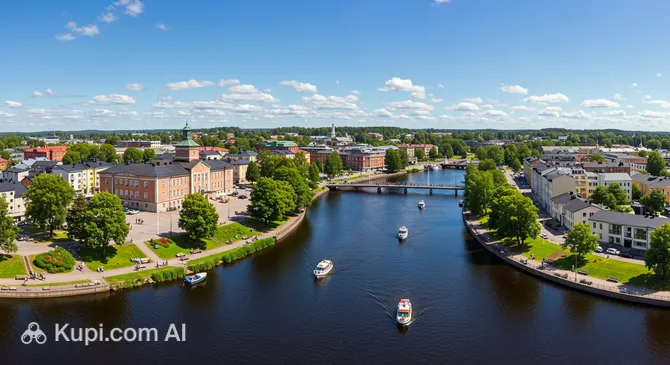
Welcome to Joensuu, the vibrant capital of the North Karelia region. Known for its lively atmosphere and youthful energy, this city serves as a cultural and commercial hub in eastern Finland. Situated at the mouth of the majestic Pielisjoki River, Joensuu offers a perfect blend of modern urban life and the serene beauty of the Finnish Lakeland.

With a population of approximately 75,000 residents, the city maintains a cozy, approachable scale while providing all the amenities of a larger center. A significant portion of the population consists of students, giving the streets a bustling and dynamic character year-round. The history of Joensuu began in 1848 when it was founded by Czar Nicholas I, and it has since evolved from a timber rafting town into a center of high technology and education.

Joensuu. Source: Kupi.Binoculars

Travelers will find plenty to explore, from the charming Taitokortteli quarter, which showcases local handicrafts in a historical wooden setting, to the exotic butterfly collection at the Botania botanical garden. The city is also a gateway to the breathtaking national landscapes of Koli National Park. Whether you are visiting for the famous Ilosaarirock festival or simply to enjoy the Karelian hospitality, Joensuu is a destination that promises a memorable experience.

Weather Overview

The weather in Joensuu is characterized by four distinct seasons, offering a variety of experiences depending on when you visit. Summers are generally mild and pleasant, making them the most popular time for exploring the outdoors. July is typically the warmest month, with average temperatures around 17.2°C and daily highs reaching up to 20.3°C.

In contrast, the winter months bring a true Nordic atmosphere with freezing temperatures and snowy landscapes. January is often the coldest time of the year, with average temperatures dropping to -7.1°C and lows occasionally reaching -9.2°C. Travelers should be prepared for cold conditions from November through March, as average temperatures remain below or near freezing.

Precipitation is spread relatively evenly throughout the year, though the amount of rainfall is generally low. However, wet days are quite frequent, ranging from 9 to 16 days per month, so packing waterproof layers is always a good idea. Expect mild, comfortable summers with occasional light rain and cold, snowy winters ideal for seasonal activities.

Interesting Facts

Beyond its scenic riverbanks and student energy, Joensuu holds intriguing secrets and unique cultural distinctions that often surprise visitors. The city is a fascinating blend of quirky modern events, deep-rooted heritage, and international significance.
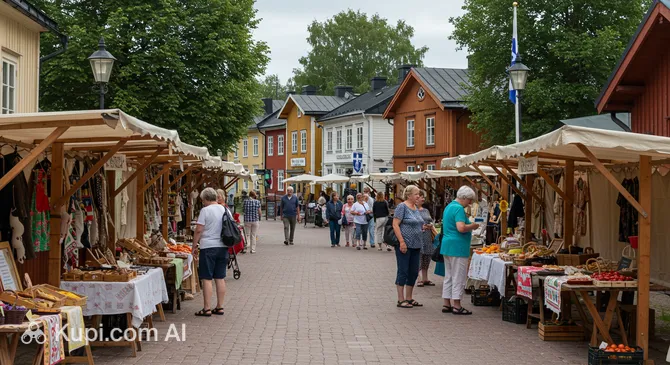
Taitokortteli. Source: Kupi.Binoculars
  • Joensuu is widely recognized as the "Forestry Capital of Europe." It serves as the headquarters for the European Forest Institute, underscoring the region's vast woodlands and its global leadership in forest research and the bioeconomy.

  • The city has gained viral fame for hosting one of the world's most unusual competitions: the Heavy Metal Knitting World Championship. In this bizarre yet entertaining event, needlework enthusiasts from around the globe knit to the rhythm of heavy metal music, celebrating two of Finland's distinct passions.

  • The charming Taitokortteli quarter is more than just a craft center; it is a triumph of historical preservation. The block contains some of the oldest surviving wooden buildings in the city, which were saved from demolition to create a living sanctuary for traditional Karelian culture and handicrafts.

  • North Karelia is the spiritual home of the iconic Karelian pasty (karjalanpiirakka). While these treats are eaten all over Finland, the ones found in Joensuu’s market square are considered the most authentic, often protected by Traditional Speciality Guaranteed status and baked using centuries-old recipes.

How to Get There

Reaching the capital of North Karelia is a straightforward journey, whether you are arriving from within Finland or abroad. While the city is tucked away in the eastern lake district, it remains well-connected to the rest of the country. For a comprehensive guide on all available transport methods, you can read more about how to get to Joensuu to plan your route effectively.

For air travel, while local connections exist, many visitors utilize larger regional hubs nearby. The most convenient option is often Kuopio Airport (IATA: KUO), located in the city of Kuopio, approximately 110 km from Joensuu. From there, bus or taxi transfers can complete the journey to the city center. Another alternative is Kajaani Airport (IATA: KAJ), situated about 214 km away, serving as a gateway for those exploring the broader region.

For clarity, here is a summary of the closest major airports:

Airport Name City Passenger Traffic Km from City
Kuopio AirportKuopioMedium110.0
Kajaani AirportKajaaniSmall214.3

Regarding rail travel, Joensuu is an integral part of the Finnish national railway network operated by VR. The Joensuu Railway Station is centrally located and serves as a terminus for several lines. Travelers can easily reach the city via direct InterCity and Pendolino trains from Helsinki, with a travel time of approximately 4.5 to 5 hours. The train journey offers a comfortable and scenic route through the Finnish landscape, making it a popular and eco-friendly choice for arriving in North Karelia.

Main Attractions

Attractions:

Joensuu offers a delightful mix of cultural heritage, nature, and modern urban experiences. The city’s compact center makes it easy to explore its most famous sites on foot or by bicycle. From historical wooden quarters to exotic tropical gardens, visitors will find a variety of unique places that reflect the spirit of North Karelia.

One of the most beloved spots in the city is Taitokortteli, a charming cultural quarter located in the heart of the city center. This collection of old wooden buildings has been beautifully preserved and transformed into a hub for local handicrafts, exhibitions, and small boutiques. It is the perfect place to buy authentic Karelian souvenirs or simply soak in the atmosphere of old Joensuu. Inside, you can also find the popular Café Kauppaneuvos, known for its cozy interior and delicious pastries.

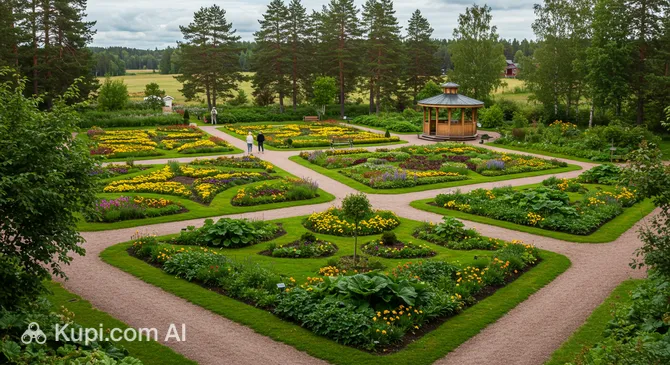
For nature lovers, a visit to the Botania Art Garden is a must. Situated a short distance from the center, this botanical garden features both outdoor parks and lush tropical greenhouses. It is particularly famous for its free-flying butterflies and diverse plant collection, which offers a warm escape even during the Finnish winter. Botania also hosts various events and light festivals, making it a magical destination year-round.

Botania Art Garden. Source: Kupi.Binoculars

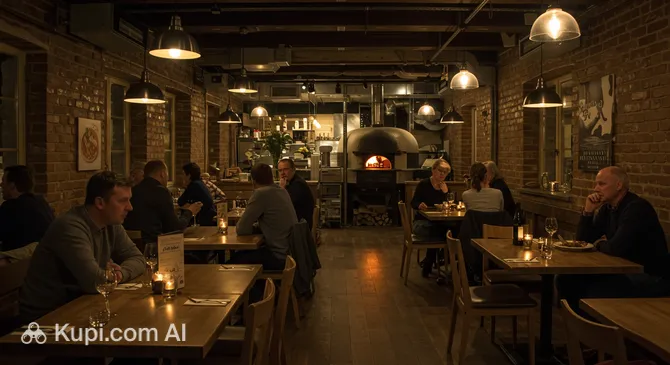
Joensuu is also gaining a reputation for its culinary scene, and Pizzeria Roihu is a standout example of local gastronomy. Regarded by many as serving some of the best pizzas in the region, this restaurant focuses on high-quality ingredients and a relaxed, welcoming vibe. It is a great spot to unwind after a day of sightseeing and enjoy a meal that locals and visitors alike rave about.

Pizzeria Roihu. Source: Kupi.Binoculars

In addition to these specific sites, the city is home to the Carelicum cultural center, which houses the North Karelia Museum. Located right by the market square, it provides a deep dive into the history and traditions of the region, including the story of the evacuation of Karelia during the war. Whether you are interested in history, botany, or local flavors, Joensuu has something to captivate every traveler.

Local Cuisine

The culinary landscape of Joensuu is deeply rooted in the traditions of North Karelia, a region often considered the heart of authentic Finnish food culture. Gastronomy here is defined by hearty, unpretentious flavors and a strong emphasis on locally sourced ingredients, such as lake fish, root vegetables, and forest berries. For tourists, dining in this city is not just about sustenance; it is an opportunity to taste history, as many recipes have been passed down through generations.

No visit to Joensuu is complete without trying the iconic Karelian pie (karjalanpiirakka). While these rye-crust pastries filled with rice porridge or mashed potatoes are available throughout Finland, the ones found here are widely regarded as the best. They are traditionally served warm, topped with egg butter (munavoi), and are a staple at breakfast tables and coffee breaks alike. Another signature dish to look for is Karelian stew (karjalanpaisti), a savory mix of beef and pork slow-cooked in a pot until tender, typically enjoyed with mashed potatoes and lingonberry jam.

The local food culture revolves heavily around the bustling Market Square, which serves as a social hub for residents. Here, you can experience the Finnish love for street food, including savory meat pies (lihapiirakka) and fried vendace (muikku) caught fresh from the nearby lakes. In the warmer months, the market is also the best place to find fresh cloudberries, strawberries, and mushrooms, which are integral to the local diet. For drinks, coffee is consumed in large quantities, often accompanied by sweet buns, while local craft beers and berry-infused liqueurs offer a taste of the region's forests.

For a more sit-down experience, the city offers a variety of dining options ranging from rustic taverns to modern eateries. If you are looking for a cozy atmosphere to enjoy traditional pastries, the historic Taitokortteli quarter is home to a charming café that feels like stepping back in time. On the other hand, if you crave something more contemporary, Pizzeria Roihu is a favorite among locals for its artisan pizzas, proving that Joensuu can execute modern comfort food just as well as its traditional classics.

Travel Tips

To ensure your visit to the capital of North Karelia is as enjoyable and stress-free as possible, we have compiled a list of essential practical advice. From navigating the local climate to understanding Finnish social norms, these tips will help you blend in and travel like a pro.

  1. Clothing and Gear: The weather dictates your wardrobe here. Winters are cold and snowy, so thermal layers, a heavy coat, wool socks, and waterproof boots are essential. In summer, the weather is mild, but it is wise to pack a light jacket for cooler evenings and mosquito repellent if you plan to spend time near the lakes.
  2. Transportation: The city center is compact and easily walkable, but to live like a local, consider renting a bicycle, as cycling is popular year-round. For longer distances, the local bus service, known as Jojo, is reliable and efficient; you can easily pay for tickets using a mobile app or contactless payment methods.
  3. Finances: Finland uses the Euro (€), and the society is rapidly becoming cashless. Credit and debit cards are accepted almost everywhere, including small kiosks and taxis, so you rarely need to carry large amounts of cash. Tipping is not standard practice, as service is generally included in the bill.
  4. Health and Safety: Joensuu is a very safe city, but during the dark winter months, it is legally mandatory for pedestrians to wear a reflector on their clothing to be visible to cars. Pharmacies, marked as "Apteekki," are easy to find for minor health needs, and the general emergency number is 112.
  5. Communication: English is widely spoken and understood, especially by younger people and in the tourism sector, so you will have no trouble communicating. Learning a few words like "Kiitos" (Thank you) and "Moi" (Hi) is appreciated; for data access, you can buy prepaid SIM cards at any R-kioski convenience store.
  6. Local Etiquette: Finns value silence and personal space, so avoid loud conversations in public transport or waiting lines. If you are invited to a local's home, it is customary to remove your shoes at the door, and do not be surprised if you are invited to a sauna—it is a non-sexual, cultural institution for relaxation.
  7. What to Avoid: Be careful not to walk in designated bicycle lanes, as cyclists move quickly and expect pedestrians to stay on their side of the path. Additionally, avoid being late for any booked tours or appointments, as punctuality is highly respected in Finnish culture.
  8. Additional Tip: Embrace the local tradition of "torikahvit" (market coffee) at the central Market Square. It is the best way to observe local life, especially in the summer, and is the perfect opportunity to enjoy a fresh Karelian pie right from the source.

Armed with this local knowledge, you are ready to fully embrace the charm and tranquility of Joensuu. Whether you are cycling along the Pielisjoki River or enjoying a warm sauna after a day of exploration, these small details will make your North Karelian adventure truly unforgettable.

Entertainment & Nightlife

Entertainment in Joensuu is vibrant and diverse, largely driven by its significant student population. While the city may seem quiet during the day, the evenings often come alive with a youthful energy, especially from Thursday to Saturday. The nightlife scene is compact, meaning you can easily walk between venues without the need for transportation. The atmosphere is generally relaxed and unpretentious, reflecting the laid-back nature of North Karelia, where a casual dress code is acceptable almost everywhere.

The main hub for nightlife is concentrated around the Market Square (Kauppatori) and the streets extending towards the Pielisjoki River. Here, you will find a mix of traditional pubs, modern cocktail bars, and lively nightclubs. For live music enthusiasts, the Ilosaari island area is a key destination, hosting one of the city's most famous cultural venues, Kerubi. This legendary club and restaurant is the heart of the local music scene, offering everything from rock concerts to stand-up comedy nights and DJ sets.

If you are looking to start your evening with a delicious meal before hitting the town, Pizzeria Roihu is an excellent choice. Located centrally, it offers a warm ambiance and hearty artisan pizzas that provide the perfect fuel for a night out. Afterward, you might head to popular spots like Bar Play for a casual drink and board games, or visit the Ilona entertainment complex, which combines a karaoke bar, a nightclub, and a restaurant under one roof, catering to a mixed crowd of students and locals.

Practicalities in Joensuu are straightforward. Most bars close around 2:00 AM or 4:00 AM on weekends. Prices are standard for Finland, with a pint of beer costing between 6 to 9 euros. The city is extremely safe for night walks, even in the early hours. However, if you prefer a ride, taxis are readily available at the taxi rank on the Market Square or can be ordered via local apps like Valopilkku or Menevä.

Beyond the nightlife, the city offers rich daytime entertainment options. Culture lovers can enjoy performances at the Joensuu City Theatre or explore the North Karelia Museum. For a more unique experience, the Botania Art Garden is a fantastic destination that occasionally hosts evening light festivals and events, blending nature with art. Additionally, the historic Taitokortteli quarter often organizes seasonal markets and cultural events, making it a lively spot to visit before the sun goes down.

Parks & Museums

Joensuu is a city where the wilderness of North Karelia meets urban culture, offering visitors a seamless transition from lush green spaces to rich historical narratives. The city is renowned for its accessibility to nature, with parks and waterways integrated directly into the town plan, while its museums provide a deep dive into the unique identity of this border region.

For those seeking tranquility and natural beauty, the Botania Art Garden is a standout destination. This versatile attraction combines a vast outdoor arboretum with tropical butterfly houses, allowing visitors to experience lush greenery regardless of the season. It serves as a sensory escape where art and nature intertwine, often hosting light festivals and cultural events that illuminate the dark winter nights.

Another essential green space is Ilosaari, a scenic island park located in the middle of the Pielisjoki River. Known as the "Island of Joy," it is the recreational heart of the city, featuring sandy beaches, swimming lagoons, and sprawling lawns perfect for summer picnics. It is also the spiritual home of the city's festival culture, offering a relaxed atmosphere where locals gather to enjoy the sun and the river views.

When it comes to history and culture, the North Karelia Museum (Hilma), located within the Carelicum center, is the primary authority. The museum’s exhibitions chronicle the region's complex history, from prehistoric times to the present day, with a special focus on the Karelian identity and the shifting borders that have defined the area. It is an excellent starting point for understanding the local heritage and the resilience of the people.

Art enthusiasts should not miss the Joensuu Art Museum Onni, housed in a beautiful old lyceum building near the market square. The museum is notable for its diverse collection, which ranges from Finnish Golden Age paintings to Orthodox icons and Chinese art. The architectural setting itself adds to the experience, preserving the atmosphere of a 19th-century school while showcasing world-class artistic treasures.

A unique blend of living history and commerce can be found at Taitokortteli. While often visited for its shopping, this quarter effectively functions as an open-air museum of wooden architecture. Its exhibitions often highlight traditional handicrafts and the lifestyle of old Joensuu, making it a key cultural venue for those interested in the city's past aesthetics and artisanal traditions.

For a truly authentic local experience, venture slightly outside the center to the Sinkkola Domestic Animal Farm. This charming spot is particularly popular in the summer, offering a glimpse of traditional rural life with farm animals and a summer theater, all set within a beautifully preserved courtyard that feels miles away from the city bustle.

Getting Around

Navigating Joensuu is remarkably easy thanks to its compact size and well-organized infrastructure. The backbone of the local public transport system is the bus network, operated under the brand name JOJO. Since the city does not have a metro or tram system, these purple-colored buses are the primary motorized way to move between the city center, the university, and suburban residential areas. The network is reliable and covers most key locations of interest to tourists, including the railway station and major shopping districts.

For visitors, the most convenient way to pay for travel is through the Waltti ticketing system, which is used in many cities across the region. The easiest method is to download the Waltti Mobiili app, where you can purchase single tickets or day passes directly on your phone. This is often cheaper than buying a ticket on board. Alternatively, you can purchase single tickets from the bus driver using cash or a contactless bank card, although this option typically carries a higher surcharge. For those staying longer, physical travel cards can be bought and topped up at R-kioski convenience stores or the Carelicum service point.

When using the bus, it is important to remember a few practical tips. You must signal the driver by raising your hand as the bus approaches your stop, or it may drive past. Once on board, you simply show your mobile ticket to the driver or tap your travel card on the reader. Buses generally run from early morning until close to midnight, but service frequency drops during weekends and the summer holiday season. It is highly advisable to check routes and timetables in advance using the local digital journey planner to avoid long waits.

While the bus system is excellent, many locals prefer an alternative mode of transport: cycling. Joensuu is designed with cyclists in mind, featuring a vast network of flat, well-maintained bike paths that are used year-round, even in winter. Renting a bicycle is a fantastic way to experience the city's rhythm and reach nature spots quickly. For those who prefer private transport, taxis are available 24/7 and can be found at designated stands in the city center or ordered via mobile apps, offering a comfortable but more expensive alternative to public transit.

Accommodation

Finding a place to stay in Joensuu is relatively straightforward, as the city offers a compact but well-rounded selection of accommodation options. The range primarily focuses on practical comfort, catering to everyone from business travelers and families to backpackers and festival-goers. While you won't find an abundance of ultra-luxury resorts, the city excels in providing high-quality mid-range hotels, cozy apartment rentals, and budget-friendly hostels that reflect the clean, functional Nordic standard of living.

The most popular area for tourists to stay is undoubtedly the city center (grid plan area). Staying here places you within walking distance of the Market Square, the railway station, and the main shopping streets. Hotels in this zone often provide easy access to the scenic Pielisjoki River, allowing guests to enjoy riverside walks right after breakfast. For those arriving by train, the immediate vicinity of the station offers convenient options that are still just a short stroll from the heart of the action.

In addition to standard hotels, Joensuu has a strong offering of holiday apartments and aparthotels. These are particularly popular among families or visitors planning a longer stay, as they offer the convenience of a kitchen and more living space. For budget-conscious travelers, there are well-maintained hostels and guesthouses that offer a social atmosphere without breaking the bank. During the summer months, camping and cabin accommodation becomes a viable and attractive option, especially in the Linnunlahti area near the lake, which is perfect for those who want to be closer to nature.

Booking Tip: While accommodation is generally available year-round, the city fills up extremely quickly in July, particularly during the week of the Ilosaarirock festival. This is one of Finland's largest music events, and it attracts tens of thousands of visitors. If your trip coincides with this festival or other major summer events, it is essential to book your room several months in advance to secure a spot.

Regarding costs, prices in Joensuu are generally reasonable compared to the capital region of Helsinki. Most accommodations fall into the mid-range price category. Booking is typically done through major international online platforms, but checking the hotel's direct website can sometimes yield better deals or special packages. Almost all hotels in the city, regardless of their star rating, include a morning sauna or have sauna facilities available for guests, which is a quintessential part of the Finnish hospitality experience.

Nearby Cities

For those looking to explore the surroundings, Joensuu serves as an excellent base for day trips to several interesting nearby locations. The region of Eastern Finland is dotted with charming towns and cities, each offering a unique slice of Lakeland culture and history.

One of the most popular destinations for a day trip is Savonlinna, located less than 100 kilometers away. This scenic town is world-famous for the medieval Olavinlinna Castle, which stands majestically on an island in the lake. It is a cultural hotspot, especially in summer during the renowned Opera Festival, and offers beautiful steamboat cruises on Lake Saimaa.

Another excellent option is Kuopio, the bustling capital of the Northern Savonia region. Known for its lively market square and the iconic Puijo Tower, which offers panoramic views of the surrounding lakeland, Kuopio is a great place to experience traditional Finnish life. Foodies should not miss the chance to taste the local delicacy, kalakukko (fish pasty), fresh from the market vendors.

City Population Distance (km)
Kuopio 121557 112
Lappeenranta 72875 191
Mikkeli 54665 165
Savonlinna 35523 94
Imatra 27835 168

These nearby destinations offer a glimpse into the diverse culture and landscapes of the region, making them well worth the journey for travelers wishing to see more of Finland.

Shopping & Souvenirs

Shopping in Joensuu is a relaxed and convenient experience, characterized by the city's compact layout where almost everything is within walking distance. While it may not rival the massive commercial hubs of larger capitals, the city offers a well-balanced mix of modern shopping centers, high-street fashion, and unique local boutiques. Visitors will find that the shopping scene here perfectly reflects the region's identity, blending contemporary trends with a deep respect for Karelian handicrafts and traditions.

The primary shopping district is concentrated in the city center, particularly along the pedestrian-friendly sections of Kauppakatu and Siltakatu streets. This area is the commercial heart of the city, lined with specialty shops, cafes, and clothing stores. A highlight of this district is the charming Taitokortteli, a historical wooden quarter that functions as a center for crafts and culture. Here, in the atmospheric old buildings, you can browse high-quality handmade products, interior design items, and gifts that you won't find in standard chain stores.

For those looking for international brands and a wider selection of goods under one roof, the city center features several shopping malls connected to the main pedestrian zone. The most prominent is Iso Myy, a shopping center that spans multiple blocks and houses dozens of stores ranging from fashion and electronics to beauty services. Directly adjacent or nearby are smaller centers like Metropol and Centrum, making it easy to hop from one mall to another without venturing far into the cold during winter months.

An essential part of the local shopping culture is the bustling Market Square (Kauppatori). It is not just a place to buy food; it is a social gathering point. In the summer, the market is vibrant with vendors selling fresh local strawberries, peas, and forest berries like cloudberries and lingonberries. It is also a great place to find seasonal flowers and occasionally flea market items. Even in winter, the market remains active, often hosting Christmas stalls and vendors selling warm woolen accessories.

When it comes to souvenirs, the best items to bring back from Joensuu are those that celebrate North Karelian heritage. Karelian pies are a delicious edible gift, though they are best consumed fresh. For longer-lasting mementos, look for traditional handicrafts such as hand-knit wool socks, woven textiles, or items made from birch wood and bark. Local berry products, including jams, juices, and liqueurs made from wild forest berries, are also popular and widely available in supermarkets and specialty shops.

Store opening hours in Joensuu generally follow standard Finnish practices. Most shops in the city center are open from 9:00 or 10:00 AM to 6:00 or 7:00 PM on weekdays, with shorter hours on Saturdays, typically closing around 4:00 or 5:00 PM. On Sundays, larger malls and supermarkets usually open from noon until 4:00 or 6:00 PM, while smaller boutiques may remain closed. Payment is seamless, with credit and debit cards accepted virtually everywhere, including market stalls and small kiosks. Contactless payment is the norm.

For visitors residing outside the European Union and Norway, tax-free shopping is often available. Many larger stores and boutiques in Joensuu participate in the Global Blue tax-free refund scheme. Look for the "Tax Free Shopping" signage in store windows. If you spend a minimum amount (usually 40 euros) in one store, you can request a tax-free form to claim a refund on VAT upon your departure from the EU.
Reached the end of the page?

That means the route is fully explored