Support

Saint Petersburg

About

Saint Petersburg is a city of unparalleled beauty and cultural richness, often referred to as the "Venice of the North" due to its extensive network of canals and bridges. As the second-largest city in the Russian Federation, it serves as a major historical and cultural center, captivating visitors with its imperial architecture, artistic heritage, and romantic atmosphere.

Located on the Neva River at the head of the Gulf of Finland on the Baltic Sea, the city is spread across numerous islands connected by drawbridges. With a population of over 5.3 million people, it is a bustling metropolis that retains a distinct elegance. The city is also famous for its unique climate phenomena, most notably the "White Nights" in early summer, when the sun barely sets, creating a magical twilight that lasts all night.

Saint Petersburg. Source: Kupi.Binoculars

The history of Saint Petersburg dates back to 1703 when it was founded by Peter the Great as a "Window to Europe." This grand vision is reflected in the city's wide avenues and baroque buildings. Travelers are consistently drawn to its world-class attractions, such as the State Hermitage Museum, which houses one of the largest art collections on the globe, and the stunning Church of the Savior on Spilled Blood with its vibrant, multi-colored domes.

Whether you are exploring the lavish halls of the Winter Palace, enjoying a ballet performance at the legendary Mariinsky Theatre, or simply strolling along the granite embankments, Saint Petersburg offers an unforgettable experience. It is a destination that seamlessly blends imperial grandeur with modern vibrancy, inviting everyone to discover its many treasures.

Weather Overview

Saint Petersburg experiences a humid continental climate that is heavily influenced by the Baltic Sea, resulting in distinct seasons and variable conditions. To pack appropriately for your trip, it is helpful to check the current weather in Saint Petersburg, as conditions can shift quickly. Generally, the city is known for its high humidity and frequent cloud cover throughout the year.

Winters are cold and often snowy, with average temperatures in January and February hovering around -5.0°C and -4.7°C respectively. Minimum temperatures can drop to near -7.0°C, so thermal clothing is a must if you are visiting between December and March. In contrast, summers are pleasant and mild, making it the most popular time for tourism. July is typically the warmest month, with an average temperature of 18.1°C and highs reaching nearly 22°C. June and August are also comfortable, with averages between 16°C and 17°C.

Precipitation is fairly evenly distributed throughout the year, but the frequency of precipitation is notable. Travelers should be prepared for wet conditions, as the city experiences between 10 to 16 wet days per month. July and December are among the wettest in terms of frequency. Expect mild summers with frequent showers and cold winters with regular snowfall and freezing temperatures.

Interesting Facts

Beyond its famous imperial facades, Saint Petersburg hides a wealth of curious details and traditions that often escape the casual observer. From feline guards to time-keeping cannons, the city is full of unique quirks waiting to be discovered.
State Hermitage Museum. Source: Kupi.Binoculars
  • The State Hermitage Museum is home to a legally authorized "army" of cats. These feline guardians have lived in the museum's basements since the 18th century to protect the priceless art collection from rodents, and they are even considered valued staff members with their own press secretary.

  • Every day at exactly 12:00 noon, a blank cannon shot is fired from the Naryshkin Bastion of the Peter and Paul Fortress. This tradition has been observed for centuries, allowing locals to check their watches by the sound of the blast, which echoes across the Neva River.

  • The city is built on marshland and includes dozens of islands connected by hundreds of bridges. The Blue Bridge, spanning the Moyka River, is the widest in the city at nearly 100 meters; it is so wide that it is often mistaken for a seamless part of the adjacent square.

  • The majestic dome of St. Isaac's Cathedral is covered with over 100 kilograms of pure gold. During World War II, the dome was painted gray to prevent it from reflecting sunlight and becoming an easy target for enemy aircraft.

  • Saint Petersburg has one of the deepest subway systems in the world due to the city's unique geology and underground rivers. Some stations, such as Admiralteyskaya, are located over 80 meters underground, requiring remarkably long escalator rides to reach the platforms.

How to Get There

Reaching the "Northern Capital" of Russia is relatively straightforward, as the city serves as a major transportation hub connecting the region to the rest of the world. Whether you prefer flying or taking a scenic train ride, there are multiple options available. For a complete overview of routes and travel tips, you can read our detailed guide on how to get to Saint Petersburg.

The primary air gateway to the city is Pulkovo (IATA: LED), a large international airport located approximately 15.6 km from the city center. It handles millions of passengers annually and offers modern facilities. A trip from the airport to the downtown area by taxi or bus typically takes about 45 minutes, depending on traffic. This is the most convenient option for the vast majority of travelers visiting the city directly.

For those considering alternative routes or regional travel, there is also Kresty (IATA: PKV). However, it is important to note that this airport is not in Saint Petersburg itself but in the city of Pskov, which is about 264.7 km away. Traveling from Pskov to Saint Petersburg by road is a significant journey, taking approximately 7 hours. Consequently, this option is generally used only by travelers planning to visit the wider region rather than those heading straight to the metropolis.

For clarity, here is a summary of the main airports:

Airport Name City Passenger Traffic Km from City
Pulkovo Saint Petersburg Large 15.6
Kresty Pskov Small 264.7
Besovets Petrozavodsk Small 299.6

Traveling by train is an exceptionally popular and romantic way to arrive, especially given the city's historic railway infrastructure. The most significant terminal is Moskovsky Railway Station, located right in the heart of the city, just 0.3 km from the center. It serves as the main arrival point for high-speed trains from Moscow and handles a massive volume of passengers. Another key hub is Finlyandsky Station (IATA: FVS), situated about 2.7 km from the center, which historically connects the city with northern destinations.

Below is a list of the major railway stations serving the city:

Station City Passenger Traffic Km to Center
Moskovsky Railway Station Saint Petersburg Large 0.3
Finlyandsky Station Saint Petersburg Large 2.7
Baltiysky Railway Station Saint Petersburg Large 4.4
Vitebsky Railway Station Saint Petersburg Medium 2.2
Ladozhsky Railway Station Saint Petersburg Medium 4.5

Main Attractions

Saint Petersburg is a treasure trove of history, art, and architecture, offering visitors a chance to step back in time into the era of the Russian Empire. The city's historic center is a UNESCO World Heritage site, packed with monuments that tell the story of its glorious past. From grand imperial residences to spiritual sanctuaries, here are some of the must-visit places that define the city's character.

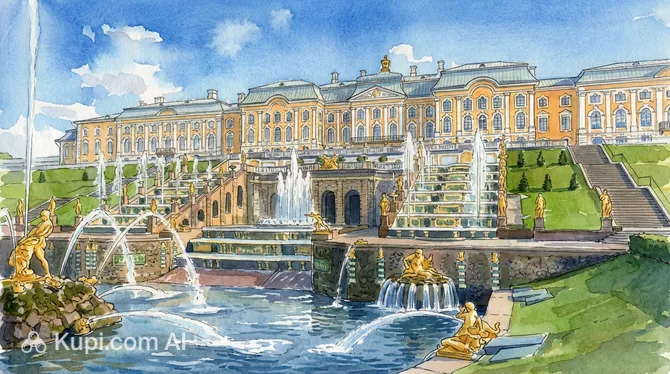
One of the most magnificent sights located just outside the city limits is Peterhof. Often referred to as the "Russian Versailles," this opulent complex of palaces and gardens stretches along the coast of the Gulf of Finland. It is world-renowned for its elaborate system of fountains, including the breathtaking Grand Cascade, which operates entirely on gravity without the use of pumps. Visitors can explore the lavish interiors of the Grand Palace or take a refreshing walk through the Lower Gardens, admiring the golden statues and sea views.

Peterhof. Source: Kupi.Binoculars

For those interested in the city's origins, the Peter and Paul Fortress is the place where it all began. Founded by Peter the Great in 1703 on Zayachy Island, this citadel was the first structure built in Saint Petersburg. Its centerpiece is the Peter and Paul Cathedral, distinguished by its tall golden spire, which serves as the burial place for most of the Romanov emperors. The fortress also houses a former prison turned museum, offering a fascinating glimpse into the lives of famous historical figures who were held there.

Peter and Paul Fortress. Source: Kupi.Binoculars

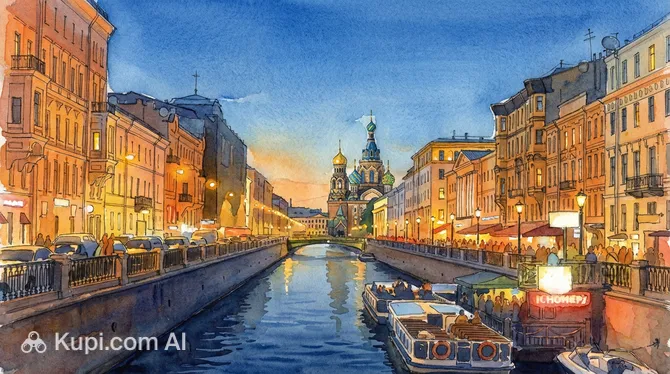
A striking example of Russian Revival architecture is the Church of the Savior on Spilled Blood. With its vibrant, multi-colored onion domes, it stands in stark contrast to the Baroque and Neoclassical buildings surrounding it. The church was built on the site where Emperor Alexander II was assassinated and is famous for its stunning interior, which is covered from floor to ceiling in intricate mosaics. It is a visual masterpiece that captivates art lovers and photographers alike.

Church of the Savior on Spilled Blood. Source: Kupi.Binoculars

Art enthusiasts cannot miss the State Hermitage Museum, one of the largest and most prestigious museums in the world. Housed primarily within the Winter Palace, the museum boasts a collection of over three million items, ranging from ancient artifacts to classical European paintings. Walking through its ceremonial halls is an experience in itself, as the interiors are as magnificent as the art they display. It provides an unparalleled journey through global culture and Russian imperial history.

Finally, for a look into the private lives of the aristocracy, Yusupov Palace on the Moika River is a hidden gem. This residence is celebrated for its remarkably preserved 19th-century interiors, including a private theater and a Moorish drawing room. It is also historically significant as the site of the dramatic assassination of Grigori Rasputin in 1916. The palace offers guided tours that reveal both the splendor of noble life and the dark secrets of its past.

Local Cuisine

Saint Petersburg is often hailed as the gastronomic capital of Russia, offering a dining scene that perfectly blends imperial traditions with modern culinary innovation. The city's food culture is diverse, ranging from nostalgic Soviet-style canteens to high-end restaurants led by world-class chefs. Whether you are looking for a quick street snack or a sophisticated tasting menu, the "Northern Capital" has something to satisfy every palate.

One of the absolute must-try local specialties is pyshki. These traditional ring-shaped donuts, fried to golden perfection and generously dusted with powdered sugar, are a culinary symbol of the city. Locals and tourists alike line up at historic pyshechnye (donut shops) to enjoy them with a cup of coffee or tea. Another seasonal delicacy is the Baltic smelt (koryushka), a small fish known for its distinct cucumber scent. In the spring, the aroma of fried smelt fills the streets, marking the arrival of warmer days.

For those seeking a refined dining experience, the city boasts a wave of modern restaurants that focus on local ingredients and creative presentation. A prime example is Birch, a restaurant that has gained legendary status for its innovative approach to cuisine and elegant atmosphere. Places like this define the contemporary face of Saint Petersburg's gastronomy, offering textures and flavors that are both surprising and delightful.

Birch. Source: Kupi.Binoculars

When it comes to drinks, Saint Petersburg has a thriving coffee culture, with countless cozy specialty coffee shops scattered across the city center. In the evenings, the focus shifts to the vibrant bar scene. The city is famous for its unique nastoyki—homemade berry or herbal tinctures—which are served in many local bars. Bar hopping is a popular activity here, allowing visitors to sample a variety of these flavorful drinks while soaking in the lively nightlife atmosphere.

Travel Tips

Visiting the "Venice of the North" is a dream for many travelers, but navigating this grand metropolis requires a bit of preparation to ensure your journey is as smooth as it is memorable. To help you make the most of your time exploring the canals and palaces, here are some essential practical tips designed specifically for a trip to Saint Petersburg.

  1. Clothing and Gear: The weather in Saint Petersburg is notoriously unpredictable, often changing several times a day. It is essential to pack layers and a reliable windproof raincoat or umbrella, regardless of the season. In winter, thermal underwear and non-slip boots are mandatory due to icy streets. If you plan to visit Orthodox churches, remember the modest dress code: women are often expected to cover their heads with a scarf, and shoulders and knees should be covered for everyone.
  2. Transportation: The Saint Petersburg Metro is not only the fastest way to get around but also an architectural marvel; avoid rush hours (8-10 AM and 5-7 PM) for a more comfortable ride. For surface travel, buses and trams are extensive, and ride-hailing apps like Yandex Go are generally more reliable and convenient than hailing a taxi on the street. Walking is the best way to explore the historic center, so bring comfortable shoes.
  3. Finances: The local currency is the Russian Ruble (RUB). While card payments are extremely common in the city, international travelers should be aware that cards issued abroad may not work; it is highly advisable to bring cash (USD or EUR) to exchange at official bank branches or use cards issued by local banks. Tipping is customary in restaurants, typically around 10% of the bill if the service was good.
  4. Health and Safety: You will easily find pharmacies, marked with a green cross and the word "Apteka", many of which operate 24/7. A critical safety tip is to never drink tap water, as it may contain old piping sediments; always buy bottled water for drinking and brushing your teeth. Generally, the city is safe, but keep an eye on your belongings in crowded tourist spots like the Hermitage or Nevsky Prospect.
  5. Communication: The official language is Russian. While staff in major hotels and restaurants often speak English, it is less common in smaller shops or outskirts. It is very helpful to learn the Cyrillic alphabet to read street signs and to download an offline translation app and map before you arrive. A local SIM card can be purchased at the airport or mobile shops in the city with your passport.
  6. Local Etiquette: Russians value politeness and genuine connection. When entering a home, it is strict etiquette to remove your shoes at the door; hosts will usually provide slippers. In public transport, it is expected that you give up your seat to elderly people, pregnant women, or passengers with small children. A simple greeting like "Zdravstvuyte" (Hello) goes a long way.
  7. What to Avoid: Avoid taking photos inside churches during services, as this is considered disrespectful. Also, do not underestimate the winter ice on sidewalks or the potential for falling icicles from roofs; always pay attention to warning tapes on building facades during the snowy season.
  8. Bridge Schedule: A unique aspect of Saint Petersburg is the nightly opening of the drawbridges across the Neva River during the navigation season (usually April to November). If you are staying on an island (like Vasilyevsky Island) and are out late in the center, check the bridge schedule carefully, or you might find yourself stranded on the wrong side of the river until the bridges close again in the early morning!

Armed with these practical insights, you are ready to embrace the unique rhythm of life in this majestic city. From mastering the metro to timing your evening walks around the drawbridges, these small details will help you feel less like a tourist and more like a welcome guest in the cultural heart of the Russian Federation.

Entertainment & Nightlife

Saint Petersburg comes alive after dark, offering a nightlife scene that is as diverse and grand as its architecture. The city is famous for its "White Nights" in early summer, when the sun barely sets and the streets remain bustling with energy 24 hours a day. However, regardless of the season, the "Northern Capital" knows how to entertain, ranging from sophisticated cocktail lounges and jazz bars to thumping underground clubs.

The epicenter of the city's bar culture is undoubtedly Rubinstein Street. Often called the main restaurant street of Europe, it is lined with dozens of trendy bars, pubs, and gastropubs standing shoulder to shoulder. It is the perfect place for a "bar crawl," where you can easily hop from one venue to another. For a more intense clubbing experience, locals often head towards Dumskaya Street or Konyushennaya Square, where the party atmosphere continues until the early morning hours.

For those seeking a unique atmosphere with creative drinks, The Buddy Cafe is a popular choice. It is well-regarded for its interactive presentation of food and cocktails, making it a great spot to start the evening. The venue combines a cozy, friendly vibe with a touch of theatricality in its service, fitting perfectly with the city's artistic spirit.

The Buddy Cafe. Source: Kupi.Binoculars

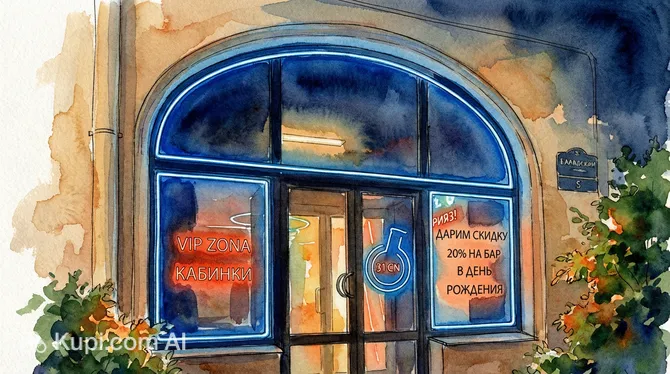
If you prefer a more energetic setting with neon lights and a modern pulse, you might want to visit the Neon Bar. Places like this characterize the younger, more vibrant side of Saint Petersburg's nightlife, offering a space to dance and socialize. The dress code in such venues is generally "smart casual," but be aware of "face control" (door selection), which is a common practice in Russian clubs; looking neat and sober is usually enough to get in.

Neon Bar. Source: Kupi.Binoculars

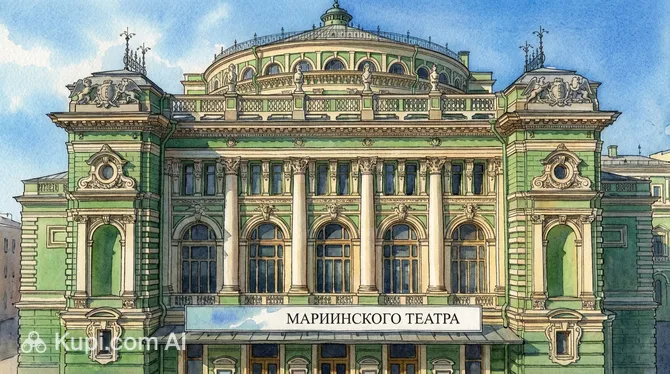
Before the night truly begins, cultural entertainment is a must. A visit to the legendary Mariinsky Theatre offers a world-class experience of ballet or opera in historic interiors. For daytime family fun, the city offers excellent facilities like the Piterland Water Park, a massive indoor complex with slides and saunas located under a giant dome, perfect for relaxing before a night out.

Mariinsky Theatre. Source: Kupi.Binoculars

Practical Tips for Nightlife:
Most bars are open until 2:00 AM or later on weekends, while clubs operate until dawn. Prices are generally moderate compared to Western Europe, but high-end venues can be expensive. Safety is generally good in the center, but stick to well-lit streets and avoid unlicenced taxis. The best way to get home is by using a ride-hailing app like Yandex Go. Crucially, remember the drawbridge schedule if you need to cross the Neva River; getting stuck on the wrong side of the river at 1:30 AM is a classic Saint Petersburg adventure you might prefer to avoid!

Parks & Museums

Saint Petersburg is not only a city of granite embankments and imperial avenues but also a place rich in green sanctuaries and an overwhelming concentration of cultural institutions. Beyond the well-trodden paths of the Hermitage, the city offers a diverse array of parks, specialized museums, and architectural marvels that allow visitors to deepen their understanding of Russia's "Northern Capital."

For a breath of fresh air accompanied by iconic views, the Strelka of Vasilievsky Island is an essential stop. Located at the eastern tip of the island where the Neva River splits, this historic ensemble features the famous Rostral Columns and offers one of the most panoramic vistas of the Winter Palace and the Peter and Paul Fortress. It is a favorite spot for locals to stroll and watch the river traffic.

Strelka of Vasilievsky Island. Source: Kupi.Binoculars

If you prefer a more modern recreational space, the 300th Anniversary of Saint Petersburg Park is situated on the shores of the Gulf of Finland. It is a vast area perfect for walking, cycling, or simply enjoying the sea breeze on the beach. The park also provides a stunning close-up view of the Lakhta Center, the tallest skyscraper in Europe, creating a striking contrast between nature and futuristic architecture.

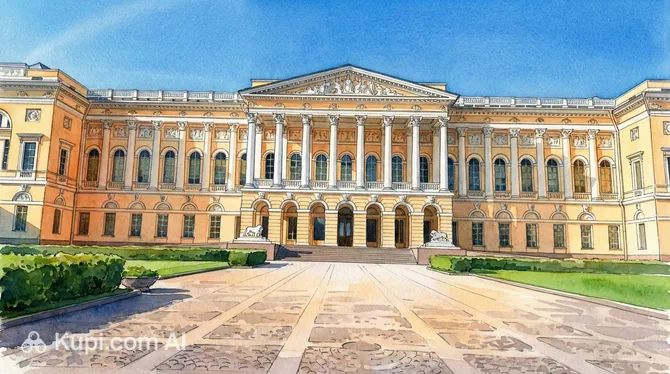
When it comes to art, the State Russian Museum, Mikhailovsky Palace is the ultimate destination for those wishing to explore the national heritage. Unlike the Hermitage, which focuses on global art, this museum houses the world's largest collection of Russian fine art, ranging from ancient icons to the avant-garde masterpieces of Malevich and Kandinsky.

State Russian Museum, Mikhailovsky Palace. Source: Kupi.Binoculars

Another cultural jewel is the Fabergé Museum, located in the elegant Shuvalov Palace. It holds the world's largest collection of works by Carl Fabergé, including nine of the famous Imperial Easter Eggs. The museum is renowned not only for its priceless exhibits but also for its exquisitely restored interiors, which provide a glimpse into the opulence of pre-revolutionary Russia.

For those interested in history and science, the Kunstkamera offers a unique experience. Established by Peter the Great as Russia's first museum, it is famous for its collection of anthropological artifacts and anatomical curiosities. Meanwhile, families might enjoy a visit to the historic Leningrad Zoo, situated right in the city center near the fortress, which has been operating since the 19th century.

A true architectural landmark that dominates Nevsky Prospect is the Kazan Cathedral. Inspired by St. Peter's Basilica in Rome, its massive colonnade encircles a public garden, making it an imposing yet welcoming site for visitors.

For a unique insider experience, consider visiting Grand Maket Russia. This interactive museum features a gigantic, highly detailed miniature model of the entire country, complete with moving trains and cars, offering a fascinating perspective on the sheer scale and diversity of the Russian Federation.

Getting Around

Navigating Saint Petersburg is both an efficient and aesthetically pleasing experience, thanks to a well-developed public transport network that covers the entire city and its suburbs. The system is reliable and affordable, making it easy for tourists to travel between historic landmarks, museums, and residential areas without needing a car.

The backbone of the city's transit is the Saint Petersburg Metro. It is not only the fastest way to get around but also a tourist attraction in its own right, known for being one of the deepest subway systems in the world. Many stations, particularly on the red (Line 1) and red-themed lines, resemble underground palaces adorned with marble, mosaics, and sculptures. Trains run frequently, with intervals as short as two minutes during rush hours.

For surface travel, the city operates an extensive network of buses, trams, and trolleybuses. In recent years, the system has undergone significant modernization, replacing older commercial minibuses (marshrutkas) with comfortable, modern blue buses that are accessible for passengers with reduced mobility. Trams are also a popular option, especially in the historic center and on Vasilyevsky Island, offering a scenic way to view the city streets.

The most convenient way to pay for rides is by using the Podorozhnik (Plantain) electronic travel card. This stored-value card can be purchased and topped up at any metro station ticket office or automated machine. Using the Podorozhnik offers significantly lower fares compared to buying single-trip tokens or tickets. Alternatively, you can pay with contactless bank cards or mobile devices directly at the turnstiles in the metro and on validators in ground transport, though international cards may have compatibility issues, so carrying a local card or cash for a Podorozhnik is advisable.

Public transport generally operates from approximately 5:30 AM to 12:30 AM. It is crucial for tourists to be aware of the drawbridge schedule during the summer navigation season. When the bridges across the Neva River open at night to let ships pass, connection between the city center and the islands is severed for several hours. While there are some night bus routes and a toll highway that bypasses the bridges, it is best to plan your late-night return carefully to avoid being stranded.

For those preferring more privacy or direct routes, taxis are readily available and affordable. Hailing a cab on the street is not recommended; instead, use mobile apps like Yandex Go, which allow you to see the price upfront and pay by card. During the warmer months, electric scooter and bike rentals are extremely popular, with numerous sharing services (such as Whoosh or Urent) offering vehicles parked throughout the city center for short trips.

Accommodation

Finding the perfect place to stay in Saint Petersburg is an integral part of the travel experience, as the city offers accommodation options that range from modest hostels to some of the most opulent hotels in the world. Whether you are looking for a budget-friendly bed in a shared dormitory, a comfortable mid-range apartment, or a suite in a historic palace, the city caters to every type of traveler. The hospitality sector here blends modern standards with the city's unique imperial charm, often allowing guests to stay in renovated 18th or 19th-century buildings.

For most visitors, the best area to stay is the "Golden Triangle," the historic core bordered by the Neva River, the Fontanka River, and Nevsky Prospect. Staying here puts you within walking distance of major attractions like the Hermitage and the Church of the Savior on Spilled Blood. Alternatively, the Petrogradskaya Side offers a more upscale, residential feel with stunning Art Nouveau architecture, while Vasilyevsky Island is ideal for those who enjoy a quieter atmosphere and river views, though travelers should be mindful of the drawbridge schedules at night.

If you are seeking a truly luxurious experience that reflects the grandeur of the Russian Empire, the city boasts several high-end properties located within historic mansions. A prime example is the Lion Palace. Situated just steps from St. Isaac's Cathedral, this hotel is housed in a 19th-century princely residence guarded by two marble lions, offering world-class service and interiors that transport you back to the tsarist era.

Lion Palace. Source: Kupi.Binoculars

A crucial tip for planning your stay is to book well in advance if you intend to visit during the "White Nights" season (late May to early July). During this peak period, demand skyrockets, and the best hotels and affordable apartments sell out months ahead. Conversely, visiting in the autumn or winter can offer significantly lower rates and a wider choice of rooms, allowing for a more budget-friendly trip.

In terms of pricing, Saint Petersburg is generally more affordable than many Western European capitals, but costs vary dramatically by season. Budget travelers can find excellent value in the city's numerous "mini-hotels" (small guesthouses often located in converted large apartments) and hostels. Mid-range options are plentiful and usually offer good amenities. Booking is typically done through major online travel platforms, but it is always wise to check if the hotel accepts your specific payment method prior to arrival.

Nearby Cities

For those looking to explore the surroundings, Saint Petersburg serves as an excellent base for day trips to several interesting nearby locations:

One of the most captivating destinations is Vyborg, situated close to the Finnish border. This town offers a distinct medieval feel with its cobblestone streets and the historic Vyborg Castle, providing a stark contrast to the imperial architecture of the metropolis. For history enthusiasts, Gatchina is a must-visit, famous for the Great Gatchina Palace and its vast, picturesque landscape parks. Travelers seeking a nature retreat often head to Zelenogorsk, a charming resort town on the northern shore of the Gulf of Finland known for its sandy beaches and relaxing atmosphere.

City Population Distance (km)
Kolpino 225801 22
Gatchina 94447 41
Vyborg 78457 124
Vsevolozhsk 72864 19
Zelenogorsk 62245 47

These nearby destinations offer a glimpse into the diverse culture and landscapes of the region.

Shopping & Souvenirs

Shopping in Saint Petersburg is a delightful mix of imperial history and modern retail therapy. The city offers a diverse range of options, from high-end luxury boutiques housed in 18th-century buildings to sprawling contemporary complexes and quirky local markets. Whether you are looking for designer fashion, authentic Russian handicrafts, or simply a window-shopping stroll, the "Northern Capital" caters to every taste and budget.

The heart of the city's shopping scene is undoubtedly Nevsky Prospect. This bustling avenue is lined with prestigious brand stores, souvenir shops, and historic trading rows. A highlight here is the Gostiny Dvor, one of the world's first indoor shopping arcades, which has been operating since the mid-18th century. Nearby, the elegant Passage department store offers a more intimate, glass-roofed gallery experience that transports visitors back to the turn of the 20th century.

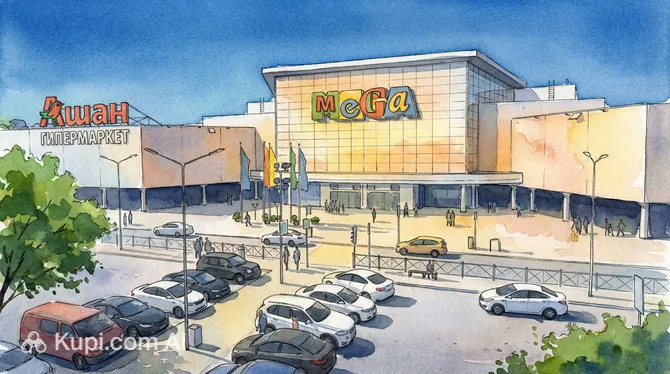
For a more modern and extensive shopping experience, locals and tourists often head to the large malls located slightly away from the historic center. These complexes offer a vast selection of international and local brands, along with entertainment zones and food courts. MEGA Dybenko is a popular destination on the southeastern outskirts, known for its wide variety of fashion and lifestyle stores. Similarly, MEGA Parnas serves the northern part of the city, providing a comprehensive retail environment perfect for a full day of family shopping.

MEGA Dybenko. Source: Kupi.Binoculars

To experience the true local flavor, a visit to the city's markets is essential. The Udelnaya Flea Market is legendary among vintage enthusiasts, offering everything from Soviet-era memorabilia and vinyl records to antique samovars. For those interested in gastronomy, the Kuznechny Market in the city center is famous for its high-quality fresh produce, including caviar, honey, and farm cheese, often sold with a spirited haggling culture.

When it comes to souvenirs, Saint Petersburg is the best place to buy Imperial Porcelain, which has been produced in the city for centuries. Replicas of Fabergé eggs are also a classic choice, perhaps inspired by the masterpieces at the Fabergé Museum. Other popular gifts include traditional Matryoshka dolls, amber jewelry from the Baltic region, and boxes of local sweets or chocolates from the historic Krupskaya factory.

Most major shops and malls are open daily from 10:00 AM to 10:00 PM, while some supermarkets operate 24 hours a day. Credit cards are widely accepted in malls and restaurants, but it is highly advisable to carry cash (rubles) when visiting street markets or small souvenir kiosks. A tax-free system is available for eligible international travelers in participating stores, allowing for a VAT refund upon departure; look for the "Tax Free" signage at the entrance or ask the staff for details before making a purchase.

Reached the end of the page?

That means the route is fully explored