Support

Vyborg

About

Vyborg is a captivating city that stands out with its distinct medieval atmosphere and unique architectural blend. Located in the northwestern part of the Russian Federation, within the Leningrad Oblast, it sits picturesquely on the shores of the Gulf of Finland. With a population of approximately 78,000 people, this historic town offers a cozy yet vibrant environment that feels remarkably different from many other destinations in the region.

The city's strategic location near the border has resulted in a rich cultural tapestry. Those who delve into the history of Vyborg will uncover a fascinating legacy influenced by Swedish, Finnish, and Russian traditions. This diverse heritage is evident in the cobblestone streets of the Old Town and the variety of architectural styles, ranging from ancient stone fortifications to functionalist masterpieces.
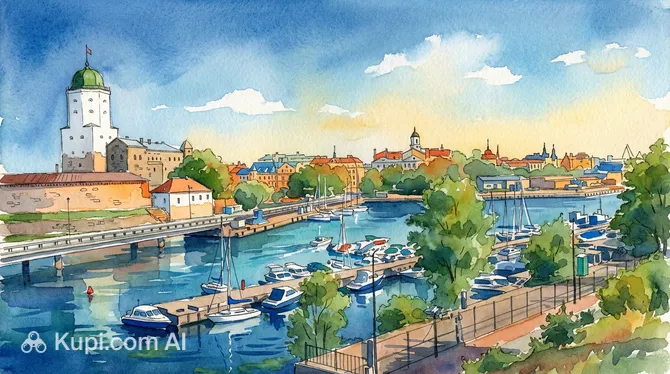
Vyborg. Source: Kupi.Binoculars

Travelers are drawn to Vyborg for its stunning landmarks. The most iconic symbol of the city is Vyborg Castle, founded in the 13th century on a small island, where visitors can climb St. Olaf’s Tower for panoramic views. Another highlight is the serene Mon Repos Park, a rocky landscape garden that offers breathtaking scenery and tranquil walking paths along the water. Architecture enthusiasts should not miss the Vyborg Library, a celebrated work by the famous architect Alvar Aalto.

Whether you are exploring ancient fortifications or enjoying a quiet moment by the bay, Vyborg promises an unforgettable experience. Its blend of history, nature, and European charm makes it a perfect destination for those seeking to discover a unique side of the country.

Weather Overview

The climate in this historic city is characterized by distinct seasons, offering a different atmosphere depending on when you visit. For those planning a trip and looking for a more detailed forecast, checking the weather in Vyborg is highly recommended to pack appropriately. Generally, the city experiences a humid continental climate with moderating influences from the nearby Gulf of Finland.

Winters are typically cold and last from late November through March. During the coldest months of January and February, average temperatures hover around -5.0°C, with lows frequently dropping to -7.2°C. While the total precipitation volume is relatively low (around 2–3mm), the number of "wet days" is quite high, ranging from 13 to 17 days per month, which often results in frequent light snow that covers the medieval streets.

Summer brings pleasant and mild weather, making it a popular time for tourism. July is usually the warmest month, with an average temperature of 18.0°C and daily highs reaching up to 21.5°C. June and August are also comfortable, averaging between 16°C and 17°C. Expect mild, comfortable summers with occasional rain showers and cold winters with frequent snowfall.

The transitional seasons of spring and autumn change rapidly. May sees a significant warm-up to an average of 10.0°C, while September retains some of the summer's warmth with averages around 12.4°C before temperatures drop sharply in October and November.

Interesting Facts

Beyond the main attractions, Vyborg holds many fascinating secrets and historical curiosities that surprise even seasoned travelers. This city, with its deep medieval roots, offers stories that go far beyond standard guidebooks.

  • Vyborg is widely believed to be home to the Oldest Residential House in Russia. This modest medieval structure, built from granite boulders in the 16th century, resembles a miniature fortress more than a typical home and is one of the few remaining examples of pre-Petrine architecture in the country.

  • The city has an unusual cinematic claim to fame involving a Viking Ship. The impressive wooden drakkars found here were originally created as props for the 1980s film "And on Stones Trees Grow," eventually becoming a beloved local landmark rather than just movie memorabilia.

  • While electric streetcars are common in major capitals, Vyborg was unique for having its own tram network as early as 1912, a rarity for a town of its size. Although the service ceased decades ago, a replica car stands as a Tram Monument in the city center, complete with a statue of a conductor.

  • The city is famous for a twisted pastry known as the "Vyborg Kringel." In the 19th century, the competition to bake the best version of this treat was so intense that it sparked a "Pretzel War" between two rival baking families, the Vahes and the Löppönens.

Oldest Residential House in Russia. Source: Kupi.Binoculars

How to Get There

Reaching this historic border city requires a bit of planning, as it is primarily served by transport hubs in neighboring major cities. Travelers can explore all ways to reach the city and detailed route options on our dedicated transport page. The journey itself often offers scenic views of the Karelian Isthmus.

The city of Vyborg does not have its own airport, but it is well-positioned between major international hubs. The most common entry point is Pulkovo (IATA: LED) in Saint Petersburg, located approximately 131 km away. This is a large international airport handling over 20 million passengers annually. A trip by taxi or bus from here typically takes around 3 hours and 40 minutes. Another significant option is Helsinki-Vantaa Airport (IATA: HEL) in Helsinki, Finland, situated about 212 km from Vyborg. The road journey from this large hub takes approximately 5 hours and 40 minutes.

For clarity, here is a summary of the main airports:

Airport Name City Passenger Traffic Km from City
PulkovoSaint PetersburgLarge131.5
Helsinki-Vantaa AirportHelsinkiLarge212.5
Tallinn AirportTallinnMedium262.9
Tampere-Pirkkala AirportTampereSmall288.6
Kuopio AirportKuopioSmall260.9

Traveling by rail is often the most convenient method for visitors. The city is served by the Vyborg Railway Station (IATA: VBR), which is centrally located just 0.7 km from the main attractions. It is a busy transport node with significant passenger traffic, connecting the city efficiently to Saint Petersburg and other regional destinations. Unlike the airports, this station is located directly within Vyborg, making arrival very straightforward.

Below is a list of the nearest railway stations:

Station City Passenger Traffic Km to Center
Vyborg Railway StationVyborgHigh0.7
Kamenogorsk StationSvetogorskLow34.2
Zelenogorsk Railway StationZelenogorsk76.8
Kuznechnoye StationPriozersk75.8
Khiitola StationPriozersk77.5

Main Attractions

Vyborg's charm lies in its diverse collection of historical landmarks, ranging from medieval fortifications to romantic landscape parks. Exploring these sites offers a journey through centuries of history, where Swedish, Finnish, and Russian influences intertwine to create a unique cultural atmosphere.

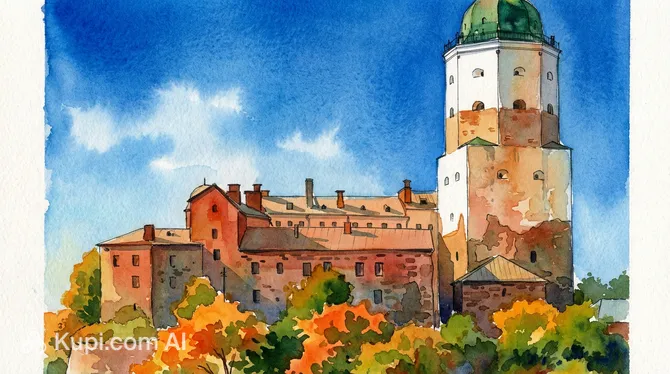
The undisputed centerpiece of the city is Vyborg Castle. Founded in 1293 by the Swedes, it stands on a small island in the Castle Strait and remains the only fully preserved example of Western European medieval military architecture in the country. Visitors can explore the museum located within its walls, which details the region's rich past, or simply admire the rugged stone ramparts that have guarded the city for over seven centuries.

Vyborg Castle. Source: Kupi.Binoculars

Rising from the heart of the castle complex is St. Olaf's Tower. Named after the Norwegian king and saint, this imposing keep is the dominant feature of the city's skyline. It is widely considered the symbol of Vyborg. Tourists flock here not only for its historical significance but also for the observation deck, which provides unparalleled panoramic views of the Old Town, the harbor, and the surrounding Gulf of Finland.

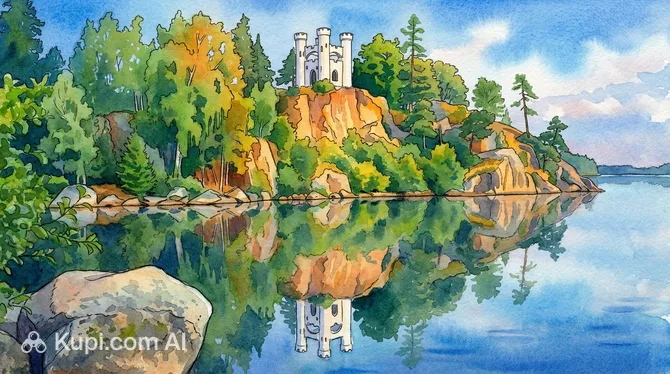
For those seeking tranquility and natural beauty, Monrepos Park is an absolute must-visit. Located along the shoreline of the Zashchitnaya Bay, this expansive landscape garden is famous for its dramatic granite boulders, dense forests, and serene walking paths. The park was developed in the 18th and 19th centuries as a family estate and retains a romantic, slightly melancholic atmosphere that has inspired poets and artists for generations.

Monrepos Park. Source: Kupi.Binoculars

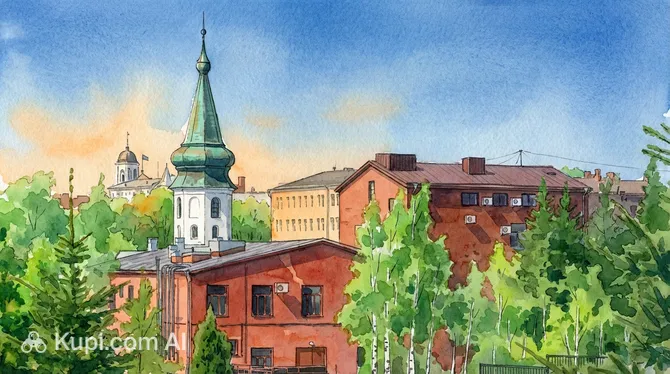
Back in the city center, the Vyborg Town Hall Tower serves as a reminder of the city's ancient defensive systems. Originally built in the 15th century as part of the defensive wall, it was later converted into a bell tower for the nearby church. Today, it stands as one of the few remaining fragments of the medieval fortifications, offering a glimpse into the city's fortified past.

Vyborg Town Hall Tower. Source: Kupi.Binoculars

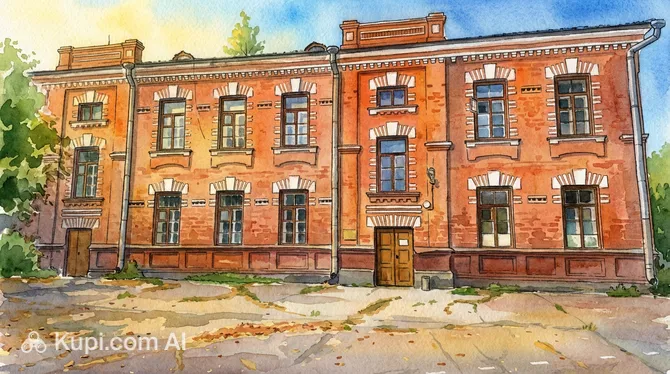
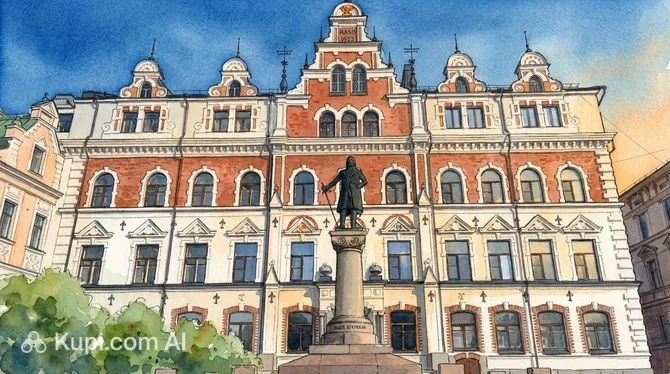
Another architectural gem is the Old Town Hall, located on the square that bears its name. Although it was heavily reconstructed over the centuries, the building remains a focal point of the historic district. Facing the statue of the city's founder, Torgils Knutsson, the Old Town Hall contributes to the distinct European feel of the square, making it a popular spot for photography and starting walking tours.

Local Cuisine

The culinary landscape of Vyborg is a delightful reflection of its multicultural history, blending Russian traditions with distinct Scandinavian and Karelian influences. Visitors will find a food scene that embraces its medieval heritage, offering hearty meals that are perfect for the region's often cool climate. The city is famous for its atmospheric taverns and bakeries, where ancient recipes are often revived to give tourists a taste of the past.

The undisputed king of local gastronomy is the Vyborg Kringel (Pretzel). This twisted pastry has been the city's edible symbol for centuries, famously sparking a "war" between rival baking families in the 19th century. Unlike a typical salty pretzel, the Vyborg variety is rich with spices such as cardamom, nutmeg, cumin, and cloves. You can find these fragrant treats in almost every bakery and cafe in the Old Town, often served warm with a cup of coffee or tea.

For a more substantial meal, the local cuisine leans heavily on the gifts of the surrounding nature. Given the city's location on the Gulf of Finland, fish dishes are a staple, particularly creamy salmon or trout soups that resemble the Finnish lohikeitto. Additionally, many restaurants cultivate a "medieval" dining experience, serving game meat like elk or wild boar, often roasted or stewed in clay pots to replicate the feasts of old knights and merchants.

When it comes to drinks, the local culture favors warming beverages. Glogg (a spiced, hot mulled wine or berry juice) is incredibly popular, especially during the autumn and winter months. You will often see locals strolling through the cobblestone streets with a steaming cup in hand. Exploring the city's nightlife might lead you to places like Creep or Probel Bar, where you can sample local ales and meads that pay homage to the brewing traditions of the region.

Dining in Vyborg is often as much about the setting as it is about the food. Many establishments are housed in historic buildings, offering an immersive atmosphere. A prime example is the Espilya Restaurant, a revived historic venue that allows guests to dine in an elegant setting reminiscent of the early 20th century. Whether you are grabbing a quick pretzel on the street or sitting down for a full Karelian feast, the flavors of Vyborg are sure to be a highlight of your trip.

Espilya Restaurant. Source: Kupi.Binoculars

Travel Tips

Getting ready to explore the medieval streets of Vyborg requires a bit of preparation to ensure your journey is as comfortable as it is fascinating. Here are some practical tips to help you navigate the city's unique charm and local quirks with ease.

  1. Clothing and Gear: The historic center is famous for its authentic but uneven cobblestones, so comfortable, sturdy walking shoes are an absolute necessity; high heels are best left at home. Since the city sits on the Gulf of Finland, the weather can be windy and damp, so packing a windproof jacket and dressing in layers is recommended for any season.
  2. Transportation: Vyborg is a compact city that is best explored on foot, particularly within the Old Town where narrow lanes make driving difficult. For reaching the outskirts or Monrepos Park, local buses are available, but using ride-hailing apps like Yandex Go is often the most convenient and affordable way to get around if you don't have a car.
  3. Finances: The local currency is the Russian Ruble (RUB). While digital payments are widespread for locals, cards issued by foreign banks typically do not work within the country. It is essential to carry enough cash for your daily expenses or exchange currency at a bank upon arrival to ensure you can pay at cafes and souvenir shops.
  4. Health and Safety: Pharmacies are marked with a green cross and the word "Apteka"; they are plentiful in the city center, though not all operate 24 hours a day. Vyborg is generally a safe destination, but you should exercise caution on the rocky terrain of the parks and the slippery winter streets.
  5. Communication: The primary language is Russian, and while staff in major museums may speak English, it is not widely spoken in smaller shops or by taxi drivers. Downloading an offline translation app and an offline map to your phone is a highly practical step that will help you communicate and navigate smoothly.
  6. Local Etiquette: Politeness is valued; a firm handshake is a common greeting, and it is strict custom to remove your shoes when entering a private home or certain guesthouses. If you visit an operating Orthodox church, men should remove their hats, and women are typically expected to cover their heads with a scarf.
  7. What to Avoid: Avoid drinking alcohol in public spaces such as streets, parks, or squares, as it is prohibited by law and socially frowned upon. Additionally, do not expect shops and museums to stay open late; checking operating hours in advance is wise, as many places close relatively early, especially on weekends.
  8. Local Insight: When shopping for the famous Vyborg Kringel, try to buy it from a small artisan bakery rather than a supermarket for the most authentic taste. Also, be aware that the "Old Town" is a living neighborhood, so be respectful of local residents when taking photos in courtyards.

By keeping these practicalities in mind, you can focus entirely on soaking up the medieval atmosphere and scenic beauty of Vyborg. A little preparation goes a long way in making your visit smooth, safe, and truly memorable.

Entertainment & Nightlife

While Vyborg is not known for a frantic, all-night clubbing scene comparable to major capitals, it offers a distinct and atmospheric nightlife that fits perfectly with its medieval charm. The evening entertainment here is centered around cozy bars, pubs, and gastropubs rather than sprawling dance complexes. The nightlife is concentrated primarily in the historic Old Town, where the ancient stone architecture provides a unique backdrop for a night out.

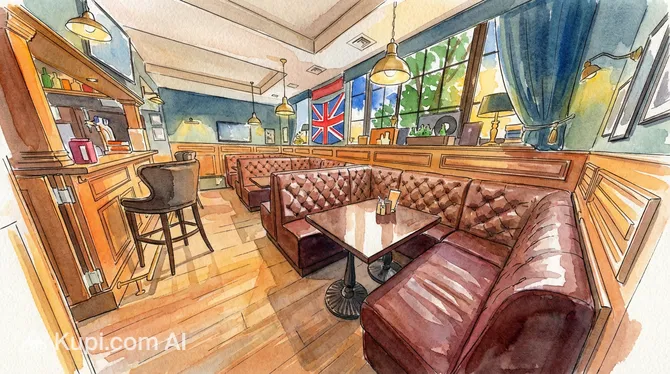
One of the most popular spots for locals and visitors is Creep. This bar has established itself as a hub for the city's creative youth and tourists seeking a relaxed vibe. It is known for its stylish interior and a good selection of drinks, making it an ideal place to socialize after a day of sightseeing. The atmosphere is casual, and you will find it easy to strike up a conversation with the friendly crowd.

Creep. Source: Kupi.Binoculars

Another excellent venue to explore is Probel Bar. It offers a welcoming environment often accompanied by good music and a wide range of beverages, from local craft beers to classic cocktails. For those who prefer a mix of sports, food, and evening drinks, Champion is a reliable choice. This establishment serves as both a restaurant and a bar, making it a great spot to start your evening with a hearty meal before transitioning into night mode.

When planning a night out, keep in mind that the pace of life here is more measured. Most bars and pubs operate until midnight or 2:00 AM on weekends, so it is best to start your evening relatively early. The dress code is almost universally casual; comfortable clothes suitable for the northern climate are the norm. Prices in Vyborg are generally moderate and noticeably lower than in nearby Saint Petersburg.

In terms of safety, the city center is generally safe for evening walks, especially along the main illuminated streets. However, the cobblestone lanes can be dimly lit, so caution is advised. To get back to your accommodation, it is highly recommended to use a taxi app like Yandex Go rather than trying to flag a car on the street, as it is affordable and reliable.

Before the sun sets, the city offers plenty of cultural daytime entertainment. History buffs can immerse themselves in the past at the Military Museum of the Karelian Isthmus, which features extensive exhibits on local history. For a more relaxed afternoon, the city's parks and the various exhibitions within the castle complex provide ample opportunity for exploration and family-friendly activities.

Parks & Museums

Beyond its famous castle and cobblestone streets, Vyborg offers a wealth of green spaces and cultural institutions that allow visitors to dive deeper into the region's heritage. The city's parks are not just places for relaxation but are often historical sites in their own right, while its museums preserve the complex and multicultural legacy of the Karelian Isthmus.

The most renowned natural attraction is undoubtedly Monrepos Park. This stunning landscape museum-reserve stretches along the rocky shores of the bay, offering a unique blend of northern nature and romantic architecture. It is famous for its massive granite boulders, moss-covered cliffs, and the "End of the World" cape. Unlike typical manicured gardens, Monrepos feels wild and poetic, making it an ideal destination for long, contemplative walks through ancient pine forests and scenic coastal paths.

For those interested in art combined with an outdoor setting, the Sculpture Park is a fascinating stop. Located near the city center, this open-air gallery was established following an artistic symposium in 1988. It features around a dozen granite sculptures created by artists from various backgrounds. The works are scattered among the trees and lawns, allowing visitors to discover abstract and interpretative stone figures while enjoying a pleasant stroll near the water.

Sculpture Park. Source: Kupi.Binoculars

Another intriguing green area is the Annenkrone Fortifications. Located on Tverdysh Island, these 18th-century defensive earthworks have been reclaimed by nature over time. Today, the area serves as a quiet park where history enthusiasts can trace the outlines of old moats and ramparts amidst a dense forest. It provides a more secluded experience compared to the bustling city center and offers a glimpse into the military engineering of the past.

Vyborg's museum scene is equally compelling. The Military Museum of the Karelian Isthmus is a must-visit for history buffs. This private institution houses an impressive collection of artifacts related to the conflicts that shaped the region, particularly the Winter War and the Continuation War. The exhibits include rare uniforms, documents, and decommissioned weaponry, providing a detailed and neutral look at the harsh realities of 20th-century warfare in this borderland.

Military Museum of the Karelian Isthmus. Source: Kupi.Binoculars

For a dive into the city's medieval and civic history, the Church of Saint Hyacinth, often referred to as the Knight's House, is a significant landmark. Considered one of the oldest stone buildings in Vyborg, it has served various purposes over the centuries, from a monastery school to a noble residence. Today, it hosts exhibitions dedicated to the "Knight's Hall," where visitors can see reproductions of medieval armor and learn about the chivalric traditions that once flourished in this stone city.

Insider Tip: If you are exploring the fortifications, keep an eye out for the hidden paths leading to the water. In the summer, locals often find secluded spots along the rocky shoreline of the bay near the Annenkrone area for quiet picnics away from the main tourist trails.

Getting Around

Navigating Vyborg is straightforward and convenient, thanks to its compact size and simple layout. For the majority of tourists, the historic center is best explored on foot, as the narrow cobblestone streets and close proximity of major landmarks make walking the most enjoyable option. However, for reaching destinations further afield, such as the residential districts or the sprawling Monrepos Park, the city offers a reliable public transport network.

The primary mode of public transportation in the city is the bus. There is no metro, trolleybus, or active tram system in Vyborg today. The bus network consists of several routes that connect the railway station and the city center with the outskirts. Buses are generally frequent during the day, running from early morning until late evening, typically around 11:00 PM. For tourists, the most relevant route is often the one connecting the railway station to the entrance of Monrepos Park, saving a long walk for those wishing to save their energy for the park trails.

The payment system is traditional and easy to understand. Passengers usually purchase tickets directly from the conductor or the driver upon boarding. While contactless payment with bank cards is becoming increasingly common on municipal routes, it is highly advisable to carry some cash, particularly in smaller denominations, as card terminals may not always be available or functional. The cost of a single journey is affordable, making it a budget-friendly way to get around.

For those who prefer more comfort or need to travel late at night, taxis are a popular alternative. Ride-hailing apps like Yandex Go operate efficiently in Vyborg, allowing you to order a car without needing to speak the local language. Prices are reasonable compared to larger metropolitan areas. This is often the best option for returning to your hotel after a dinner in the Old Town or if you are carrying heavy luggage to the train station.

During the warmer months, bicycle rentals become a popular way to see the city. Several rental points are located near the Vyborg Castle and the waterfront. Cycling is an excellent way to cover the distance to Monrepos Park or to explore the scenic paths along the Gulf of Finland. However, be cautious when riding in the Old Town, as the uneven medieval pavement can be challenging for cyclists.

A unique historical feature of Vyborg's transport history is its former tram network. Although the trams ceased operation in 1957, the city pays homage to this past with a Tram Monument located in the city center. While you cannot ride it, the replica car serves as a charming reminder of the time when this small city boasted one of the earliest electric tram systems in the region. Today, it stands as a popular photo spot and a small cafe, rather than a functioning vehicle.

Accommodation

Vyborg offers a surprisingly varied selection of places to stay, catering to different tastes and budgets. While the city is compact, the accommodation landscape includes everything from modern mini-hotels and atmospheric historical lodgings to budget-friendly hostels and a large market of private apartments. Whether you are looking for a romantic weekend getaway or a practical base for sightseeing, you will find suitable options.

The most sought-after area for tourists is undoubtedly the Old Town. Staying here puts you within walking distance of the main medieval sights and the waterfront. Locations near the Vyborg Castle are particularly prized for their scenic views and proximity to the city's history. The winding cobblestone streets in this district create a unique atmosphere, allowing you to immerse yourself in the medieval charm right from your doorstep.

Another excellent location is the area surrounding the Old Town Hall square. Accommodation in this part of the city places you in the heart of the action, close to cafes, souvenir shops, and the pedestrian zones. Staying here means you can easily explore the architectural highlights and enjoy the evening ambiance of the historic center without needing public transport.

Old Town Hall. Source: Kupi.Binoculars

In terms of types of lodging, apartments are extremely popular in Vyborg. They often provide good value for money and the convenience of a kitchen, which is great for families or longer stays. For those preferring traditional service, there are several mid-range hotels, some of which are housed in renovated historic buildings. Hostels are available for solo travelers and backpackers, offering basic but clean facilities near the center.

Booking Tip: Vyborg is a favorite weekend destination for residents of nearby Saint Petersburg. Consequently, demand for accommodation spikes significantly on Fridays and Saturdays, as well as during public holidays. It is highly recommended to book your room well in advance if you plan to visit during these peak times to secure the best rates and availability.

Prices are generally moderate compared to major European capitals. You can expect budget rates for hostels, mid-range prices for standard hotel rooms and apartments, and slightly higher costs for boutique hotels in the historic center. Booking is typically done through major online aggregators or directly via hotel websites.

Nearby Cities

For those looking to explore the surroundings, Vyborg serves as an excellent base for day trips to several interesting nearby locations:

City Population Distance (km)
Saint Petersburg5384342124
Kolpino225801146
Gatchina94447148
Vsevolozhsk72864130
Zelenogorsk6224578

The most prominent destination nearby is Saint Petersburg, the cultural capital of the country. Located just a short train ride away, it offers an immense array of attractions, from the world-famous Hermitage Museum to the majestic imperial palaces and canals. While it deserves a dedicated trip, it remains a popular option for those wishing to experience the grandeur of world-class architecture and history.

Closer to Vyborg lies Zelenogorsk, a picturesque resort town situated on the northern shore of the Gulf of Finland. Known for its sandy "Golden Beach" and the expansive Park of Culture and Recreation, it is a favorite spot for relaxation. The town also features unique attractions such as the Museum of Retro Cars and a yacht club, making it perfect for a leisurely day trip.

For history enthusiasts, Gatchina offers a deep dive into the imperial past. Although it is a bit further away, it is home to the Great Gatchina Palace, a unique castle-like residence surrounded by vast landscape parks. The estate is a UNESCO World Heritage site and provides a fascinating glimpse into the lives of the Russian tsars away from the bustle of the capital.

These nearby destinations offer a glimpse into the diverse culture and landscapes of the region.

Shopping & Souvenirs

Shopping:

Shopping in Vyborg offers a distinct experience that differs from the high-paced fashion hunts of larger metropolises. Instead of luxury boutiques and sprawling designer outlets, the city invites visitors to explore quaint shops filled with local history, artisan crafts, and unique edible souvenirs. The retail atmosphere here is relaxed and intimate, reflecting the city's medieval character and its position as a cultural crossroads between Russia and Northern Europe.

For the most atmospheric shopping, tourists should head straight to the Old Town. The main artery here is Krepostnaya Street, which winds through the historic center. This cobblestone lane is lined with small souvenir shops, art galleries, and craft boutiques housed in centuries-old buildings. It is the perfect place to browse for handmade gifts while soaking in the architecture. For more general needs and modern retail chains, Lenina Avenue serves as the city's primary commercial thoroughfare, featuring a mix of clothing stores, pharmacies, and banks.

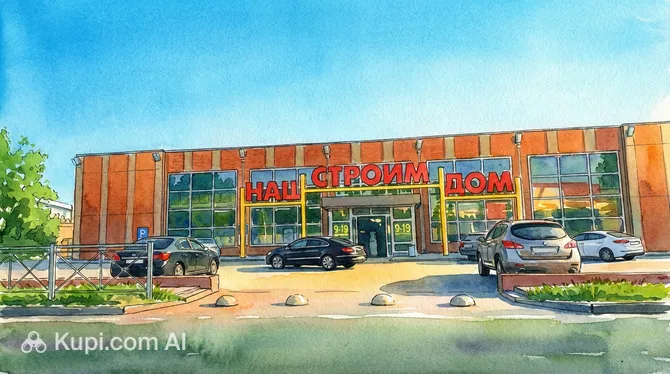
While Vyborg is known for its history, it also has modern facilities for those who need them. The city features several shopping centers where you can find standard goods, electronics, and apparel. One such location is Stroim Nash Dom, a shopping complex that caters to a variety of needs. These centers provide a convenient break from sightseeing, offering a warm place to browse or grab a quick snack during the colder months.

Stroim Nash Dom. Source: Kupi.Binoculars

An essential part of the local shopping scene is the Central Market Hall. Located in a historic building from the early 20th century, it is not just a place to buy food but an architectural landmark in its own right. Inside, the air is filled with the scent of fresh produce, local honey, and smoked fish. It is a vibrant spot where visitors can mingle with locals and purchase farm-fresh ingredients or inexpensive trinkets.

When it comes to souvenirs, the undisputed symbol of the city is the Vyborg Kringel. These spiced pretzels, baked according to ancient recipes, are sold in almost every bakery and souvenir shop in the Old Town and make for a delicious gift. Beyond food, look for linen products, which are popular in the region, as well as medieval-style ceramics, forged metal items, and handmade jewelry that pay homage to the city's knightly past. Local herbal teas and craft ales are also excellent choices to bring back home.

Most shops in the city center operate from 10:00 AM to 7:00 PM or 8:00 PM, while larger shopping malls typically stay open until 9:00 PM or 10:00 PM. As mentioned in the travel tips, international credit cards generally do not work, so it is crucial to carry sufficient cash (rubles) for your purchases. While a tax-free system theoretically exists in the country for eligible international visitors at participating large retailers, the current limitations on electronic transfers make claiming refunds difficult, so it is best not to rely on this benefit.

Reached the end of the page?

That means the route is fully explored