Support

Forssa

About

Nestled in the picturesque Kanta-Häme region, Forssa is a vibrant town that beautifully blends industrial heritage with natural beauty. Located in the heart of Finland, roughly halfway between the major cities of Helsinki, Turku, and Tampere, it serves as an accessible and charming destination for travelers. With a population of approximately 17,000 residents, the city offers a cozy, small-town atmosphere while providing all the necessary amenities for a comfortable stay.

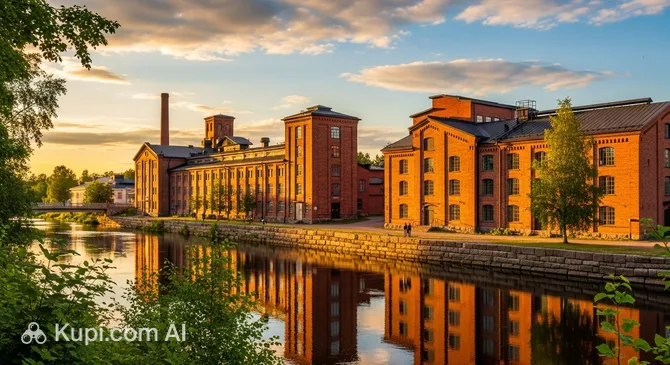
The town is renowned for its lush greenery and is often referred to as the "City of Parks." The history of Forssa is inextricably linked to the textile industry, which shaped its rapid development in the 19th century. Today, the majestic red-brick factory buildings have been lovingly repurposed into cultural hubs, preserving the architectural legacy while breathing new life into the urban landscape.

Forssa. Source: Kupi.Binoculars

Visitors are often drawn to the historic Spinning Mill Area (Kehräämö), a stunning complex by the Loimijoki River that now houses museums, galleries, and educational institutions. The city is also proud of its status as a National Urban Park, offering delightful walking trails and scenic spots for picnics. Whether you are interested in exploring the local museums or simply enjoying a tranquil walk along the riverbanks, Forssa provides a unique glimpse into Finnish industrial culture surrounded by nature.

Come and discover the unique charm of Forssa, where rich traditions and serene landscapes meet to create a memorable travel experience.

Weather Overview

The climate in this region is characterized by four distinct seasons, each offering a different perspective of the landscape. To help you pack appropriately, it is useful to review the current weather in Forssa. Winters are typically cold, with average temperatures in January and February hovering around -4.4°C and lows occasionally dropping to -7.1°C, creating a crisp, snowy atmosphere.

As the year progresses, the weather warms significantly, leading to pleasant summer months. July is usually the warmest time of year, featuring an average temperature of 16.9°C and daily highs that can reach 21.1°C. Generally, visitors can expect warm summers with occasional rain and cold winters with frequent precipitation days throughout the season.

Interesting Facts

Beyond its well-known industrial heritage, Forssa holds several fascinating secrets and pioneering achievements that often surprise visitors. Here are a few unique details that make this town truly special:
  • The First Electric Railway: While many associate technological firsts with larger capitals, Forssa was home to Finland's very first electric railway. Established in 1898, this narrow-gauge line was built to transport goods within the spinning mill area, predating the electric trams of Helsinki and marking a significant milestone in the nation's industrial history.

  • A Hub for Silent Cinema: The town is the unexpected host of the International Silent Film Festival. Every year, the historic factory milieu transforms into a celebration of early cinema, where rare silent films are screened with live musical accompaniment, drawing cinephiles from across Europe to the atmospheric banks of the Loimijoki River.

  • Nordic Classic Car Capital: For one day each summer, the town's population seems to double during the "Pick-Nick" event. It is one of the largest vintage vehicle gatherings in Northern Europe, where thousands of enthusiasts and roughly 2,500 classic cars take over the Pilvenmäki trotting track, creating a colorful spectacle of automotive history.

How to Get There

Forssa is centrally located in Southern Finland, making it easily accessible from the country's major urban hubs. While the town itself offers a peaceful atmosphere, it is well-connected by road to the surrounding regions. For travelers planning their journey, you can find all ways to reach the city in our detailed guide.

The city of Forssa does not have its own airport, but you can fly into several major hubs nearby. The closest option is the Tampere-Pirkkala Airport (TMP), located in Tampere, approximately 67 km away. The drive from there takes about 50 minutes to an hour by taxi. Another convenient choice is Turku Airport (TKU) in Turku, which is about 82 km from Forssa, with a travel time of roughly 1 hour and 10 minutes. For the widest range of international connections, many visitors choose Helsinki-Vantaa Airport (HEL). Situated in Helsinki, it is about 92 km away, and the journey by car or taxi typically takes around 1 hour and 15 minutes.

For clarity, here is a summary of the main airports:

Airport Name City Passenger Traffic Km from City
Helsinki-Vantaa Airport Helsinki Large 91.6
Tallinn Airport Tallinn Medium 168.7
Turku Airport Turku Medium 82.1
Tampere-Pirkkala Airport Tampere Small 66.8
Mariehamn Airport Mariehamn Small 219.5

The city of Forssa does not have a railway station for direct passenger service, as the local rail network is primarily historical or industrial. However, you can arrive at the Helsinki Central Station (HEC) in Helsinki, which is approximately 101.5 km away. From this major transport hub, you can easily catch a long-distance bus that will take you directly to Forssa's bus station. The bus ride is comfortable and offers a scenic view of the Finnish countryside.

Below is a list of the nearest railway stations referenced:

Station City Passenger Traffic Km to Center
Helsinki Central Station Helsinki Large 101.5
Vyborg Railway Station Vyborg Medium 279.2
Kamenogorsk Station Svetogorsk Small 297.6

Main Attractions

The heart of the city's cultural life is undoubtedly the Spinning Mill Area (Kehräämö). This historic district, located by the rushing waters of the Loimijoki River, is a stunning example of how industrial heritage can be transformed into a modern urban space. The 19th-century red-brick factory buildings, which once housed the machinery for the town's booming textile industry, have been beautifully renovated. Today, they serve as a vibrant center for culture, education, and leisure, inviting visitors to stroll through its courtyards and admire the unique architecture that defines Forssa's character.

Within this atmospheric area, you will find the Forssa Museum, a must-visit for anyone interested in the local history. The museum's permanent exhibition, "The City of Colourful Cloth," vividly tells the story of the town's evolution from a collection of farming villages to a bustling industrial hub. It pays tribute to the "Cotton Angels"—the women who worked in the factories—and showcases the rich tradition of printed textiles that made the town famous. The museum was even recognized as the Museum of the Year in Finland in 2014 for its engaging approach to storytelling.

Another architectural gem is the Forssa Church, a majestic red-brick structure designed by the renowned architect Josef Stenbäck. Completed in 1917, the church is built in a neogothic style and is easily recognizable by its impressive tower. A curious feature that sets it apart from many other churches is its orientation; the altar faces west instead of the traditional east. Inside, visitors can admire beautiful stained glass windows and a serene atmosphere that offers a quiet retreat from the city center.

For a glimpse into traditional rural life, the Hevossilta Museum Farm offers a charming escape just a short distance from the town center. This heritage site features a collection of historic log buildings, including authentic smoke saunas and courtyards that transport you back to the Finnish countryside of the past. It is a wonderful place to experience the region's agrarian roots, enjoy local hospitality, and explore the peaceful natural surroundings that encircle the estate.

Local Cuisine

The local cuisine in Forssa is a delightful reflection of the Tavastia region's culinary traditions—hearty, unpretentious, and deeply rooted in local produce. While visiting, you simply must acknowledge the town's most famous edible namesake: the Forssa salad (Forssan salaatti). This creamy, beetroot-based side dish, typically containing pickled cucumber and mayonnaise, has become a staple in households across Finland, originating from the town's strong food industry heritage.

Beyond this iconic salad, the local diet relies heavily on the forests and lakes surrounding the Kanta-Häme region. You will frequently find menus featuring classic Finnish staples such as dark, savory rye bread, creamy salmon soup (lohikeitto), and seasonal game dishes like elk, particularly during the autumn hunting season. For a quick and filling snack, look for a traditional meat pie (lihapiirakka) at a local grill; it is a beloved comfort food often enjoyed with mustard and relish.

When it comes to beverages, the region maintains a connection to Sahti, a traditional Finnish farmhouse ale flavored with juniper berries. It is one of the oldest surviving beer styles in the world and is a distinct cultural experience for beer enthusiasts. Non-alcoholic preferences are dominated by the national love for coffee. Enjoying "torikahvit"—a cup of hot coffee paired with a sweet cinnamon bun (pulla) at the market square—is an essential part of the daily rhythm here.

The dining culture in Forssa offers a mix of casual charm and historical ambiance. The revitalized Spinning Mill Area (Kehräämö) is a favorite spot for locals and tourists alike, where restaurants and lunch cafes are set within beautiful 19th-century red-brick walls, offering a unique atmospheric backdrop for a meal. Alternatively, the bustling Market Square provides a more informal setting where you can mingle with residents and sample fresh local treats directly from the outdoor stalls.

Travel Tips

Visiting Forssa is a relaxing experience, but a little preparation goes a long way in this charming heart of the Kanta-Häme region. To help you make the most of your stay, here is some essential advice for navigating local life and logistics with ease.

  1. Clothing and Gear: Finland has four distinct seasons, so dressing in layers is key. In winter, thermal underwear, a heavy coat, and anti-slip boots are essential to handle the freezing temperatures. Summer is generally mild, but a light waterproof jacket and comfortable walking shoes are recommended, especially if you plan to explore the extensive trails of the National Urban Park.
  2. Transportation: Forssa is a compact city, and the best way to explore the center and the historic Spinning Mill Area is on foot or by bicycle. There is no local train station, so long-distance buses (like OnniBus or Matkahuolto) are the primary connection to other cities. For local trips where walking isn't an option, taxis are reliable but can be expensive; it is best to book one by phone or via a local app rather than hailing one on the street.
  3. Finances: The local currency is the Euro (€). Credit and debit cards (Visa and Mastercard) are accepted almost everywhere, from supermarkets to small cafes, and contactless payment is the norm. It is wise to carry a small amount of cash for market stalls, but you will rarely need it elsewhere. Tipping is not expected in Finnish culture, as service charges are included in the bill.
  4. Health and Safety: Forssa is a very safe destination for travelers. In case of any emergency, dial 112 for police, ambulance, or fire services. Pharmacies (apteekki) are well-stocked, though they may have limited hours on Sundays. An important health tip: the tap water is among the cleanest in the world and is perfectly safe to drink, so bring a reusable bottle.
  5. Communication: The official language is Finnish. However, English is widely spoken and understood, especially by younger people and those in the service industry. Free Wi-Fi is available in many public spaces, cafes, and libraries. If you need mobile data, you can easily purchase a prepaid SIM card at any "R-kioski" convenience store without a contract.
  6. Local Etiquette: Finns value personal space and silence, so don't be surprised if locals seem reserved; it is a sign of politeness, not unfriendliness. If you are invited to a local's home, always remove your shoes at the door. When greeting someone, a firm handshake and eye contact are the standard, regardless of gender.
  7. What to Avoid: Avoid being loud or boisterous in public places or on public transport, as this is considered rude. Also, strictly observe traffic rules; jaywalking is frowned upon, and drivers expect pedestrians to wait for the green light even if the road seems empty.
  8. Local Insight: Experience the local "Torikahvit" tradition. If you visit the Market Square (tori), especially on a Saturday morning, join the locals for a coffee and a bun at an outdoor tent. It is the best way to soak up the town's atmosphere and is a quintessential part of the Forssa experience.

By keeping these practical tips in mind, you will be well-equipped to enjoy everything Forssa has to offer, from its industrial history to its lush parks. Have a wonderful and stress-free journey!

Entertainment & Nightlife

While Forssa may not be a sprawling metropolis, its nightlife offers a cozy and genuine slice of Finnish culture. The evening scene is compact, safe, and easily accessible, centered primarily around the main street of Kauppakatu and the historic Spinning Mill Area (Kehräämö). The atmosphere is distinctively relaxed and unpretentious; there are no strict dress codes here, and a smart-casual look is perfectly suitable for any venue in town. Locals are generally friendly, and the small-town vibe means it is easy to strike up a conversation at the bar.

For a laid-back evening, Pub Hukka is a standout choice right in the town center. Known for its impressive selection of beers and ciders, it serves as a "public living room" for many residents. You can enjoy a game of billiards, participate in a weekly pub quiz, or simply relax on the summer terrace if the weather permits. Another popular spot for a casual drink is Tatsi Pub, which offers a warm, local atmosphere often spiced up with bingo nights and live troubadour performances.

If you are in the mood for dancing and late-night excitement, head to Ravintola Status. Located within the atmospheric red-brick walls of the Spinning Mill Area, this is the town's primary nightclub. It features a mix of karaoke, disco, and live gigs, drawing a lively crowd on weekends who are ready to party until the early hours. The juxtaposition of modern beats within a historic industrial setting creates a unique backdrop for a night out.

Beyond bars and clubs, Forssa offers charming alternatives for evening entertainment. A visit to the Elävienkuvien Teatteri is highly recommended; it is the oldest continuously operating cinema in Finland. Watching a movie in this beautifully restored theater by the river is a nostalgic experience that blends history with modern entertainment. For those seeking relaxation, the Vesihelmi spa and water park is open into the evening, offering jacuzzis and wave pools that provide a perfect way to unwind after a day of sightseeing.

Navigating the nightlife in Forssa is simple and stress-free. The town center is small enough that you can walk between most venues safely, even at night. The streets are well-lit and secure, but if you prefer not to walk, local taxis are reliable and can be ordered by phone or found at the taxi stand near the market square. Prices for drinks and entry fees are reasonable and typical for the region, making a night out here both enjoyable and accessible.

Parks & Museums

Forssa seamlessly intertwines its industrial legacy with a commitment to green living, offering visitors a refreshing array of parks and cultural institutions. The city is celebrated for its lush riverbanks and well-preserved heritage sites, making it a delightful destination for those who enjoy both nature walks and historical exploration.

One of the city's crowning jewels is the Forssa National Urban Park, which encompasses the historic industrial center and the verdant areas along the Loimijoki River. This extensive network of green spaces preserves the shared history of the factory community and the natural landscape. Visitors can stroll through Yhtiönpuisto (The Company Park), a beautiful English-style garden originally established in the 19th century for the factory executives. With its old trees and winding paths, it provides a serene escape right in the heart of the town.

For those willing to venture just a short distance from the city center, the region offers access to pristine wilderness. Although technically in the neighboring municipality, Torronsuo National Park is a popular excursion for visitors staying in Forssa. It is known as Finland's deepest bog and features extensive duckboard trails that allow hikers to traverse the open swamp safely. The park is a haven for birdwatchers and offers breathtaking views, especially during the cranberry picking season in autumn.

In terms of culture, the Forssa Natural History Museum offers a fascinating look at the local biodiversity. Located within the historic Spinning Mill Area, this museum focuses on the nature of Southwest Häme. Its exhibitions act as a center for environmental education, showcasing conservation work and the diverse flora and fauna of the region. It is an excellent stop for families and nature enthusiasts who want to understand the ecological context of the surrounding landscape.

To deepen your understanding of the city's social history, a visit to the Ronttismäki Factory Workers' Housing Museum is highly recommended. This open-air museum preserves one of the few remaining wooden housing districts built for the textile factory workers. Walking among the authentic 19th-century buildings gives tourists a tangible sense of the everyday life, community spirit, and modest living conditions of the people who powered Forssa's industrial rise.

For a truly authentic experience, take a quiet moment to walk along the Loimijoki River nature trail near the city center. This route not only connects many of the parks but also offers picturesque views of the red-brick factory buildings reflected in the water, perfectly capturing the soul of the city.

Getting Around

Navigating Forssa is remarkably straightforward, as the city's compact size allows visitors to reach most attractions, shops, and restaurants comfortably on foot. However, for those looking to travel further afield or needing assistance, the city offers a specific local transport network designed to serve its residents and visitors efficiently. The public transport system here is not as extensive as in larger metropolitan areas, but it is reliable and tailored to the needs of the community.

The backbone of the local transport is the bus service, which includes a unique demand-responsive service known as Tyykikyyti. Unlike traditional buses that strictly follow a fixed timetable throughout the day, Tyykikyyti operates on a scheduled route during the early morning rush hours but switches to a service-on-demand model for the rest of the day. This implies that while there are designated stops, you may need to call and book your ride in advance if you are traveling outside of the peak morning window. It is a very practical solution for a town of this size, ensuring that transport is available exactly when and where it is needed.

For travelers arriving by train, the Jubilee Line is a vital link. Since Forssa does not have its own railway station, this dedicated bus line connects the Forssa bus station directly to the Humppila railway station. The route is synchronized with train schedules to ensure smooth transfers for passengers. The fare for this connection is affordable, typically costing around 5 euros, and it serves as the primary bridge between the local bus network and the national rail system.

When it comes to paying for your travel, modern digital solutions are widely used. The most convenient way to purchase tickets and check schedules is via the Matkahuolto Reitit ja Liput (Routes and Tickets) mobile app. This app covers not just local trips but also long-distance connections. Drivers on local buses generally accept card payments, and in some cases cash, but using the app is often smoother and guarantees you have the correct fare ready. If you are planning to stay longer, 30-day regional season tickets are available, though single tickets are usually sufficient for short-term tourists.

Taxis offer a flexible alternative, especially for evening travel or trips with heavy luggage. You can find taxi stands in the city center, particularly near the market square and the bus station. It is recommended to book a taxi by phone or through a local dispatch service rather than trying to hail one on the street. Local operators like "Vorssan Pirssi" are well-known in the area. Rides are metered, reliable, and safe, though they are naturally more expensive than bus travel.

Given Forssa's reputation as the "City of Parks," cycling is an extremely popular and enjoyable way to get around. The city features a comprehensive network of pedestrian and cycle paths that weave through the green parks and along the Loimijoki River. While there is no massive public bike-share scheme, visitors can often rent bicycles, including fat bikes for nature trails, from local activity providers or some accommodation establishments. Exploring on two wheels allows you to experience the town's scenic beauty at your own pace.

Accommodation

Accommodation in Forssa is characterized by its down-to-earth and practical nature, perfectly matching the town's industrial heritage and small-town charm. Visitors will not find sprawling luxury resorts here; instead, the city offers a modest but sufficient selection of comfortable mid-range hotels, cozy guesthouses, and an increasing number of private apartment rentals. For those who prefer a closer connection to nature, there are also camping sites and cottages available in the surrounding countryside, particularly near the region's lakes.

The most convenient area for tourists to stay is undoubtedly the city center. Choosing accommodation here places you within easy walking distance of the main attractions, such as the historic Spinning Mill Area (Kehräämö) and the beautiful parks along the Loimijoki River. Staying centrally also ensures quick access to the bus station, supermarkets, and the town's restaurants, making it an ideal base for those without a car.

For travelers seeking standard amenities and reliability, the town features a well-known chain hotel located right in the heart of the city. This is often the preferred choice for business travelers and families alike. Alternatively, smaller local hotels and inns offer a more traditional atmosphere, often providing a glimpse into the local way of life. These establishments are typically known for their friendly service and clean, functional rooms.

In terms of pricing, accommodation in Forssa is generally affordable to mid-range compared to larger Finnish cities like Helsinki or Turku. Booking is straightforward, with most properties listed on major international online platforms. However, a crucial booking tip to keep in mind is to reserve your room well in advance if you plan to visit during the summer. The town gets exceptionally busy during major events, such as the famous Pick-Nick classic car show in August and the Silent Film Festival, often causing local hotels to sell out completely.

Nearby Cities

For those looking to explore the surroundings, Forssa serves as an excellent base for day trips to several interesting nearby locations. Just a short drive away, travelers can discover the rich history and diverse landscapes of Southern Finland.

One of the most popular destinations is Hämeenlinna, the provincial capital located less than an hour away. It is famous for the medieval Häme Castle, the birthplace of the composer Jean Sibelius, and the scenic Aulanko nature reserve. To the south lies Salo, a city known for its vibrant market square and proximity to the coastal archipelago. Another cultural highlight is Riihimäki, which is celebrated for its strong tradition in glass design and houses the renowned Finnish Glass Museum. For nature lovers, Lohja offers beautiful lakeside scenery and unique limestone mines, while Hyvinkää is known for its railway history and pine forests.

City Population Distance (km)
Hämeenlinna 68,011 49
Salo 53,890 55
Riihimäki 29,269 61
Lohja 46,785 67
Hyvinkää 46,739 70

These nearby destinations offer a glimpse into the diverse culture and landscapes of the region, all within easy reach for a memorable day trip.

Shopping & Souvenirs

Shopping in Forssa offers a relaxed and stress-free alternative to the hustle of larger cities. While you won't find sprawling luxury boulevards here, the town provides a charming mix of modern conveniences and local heritage. The shopping scene is heavily influenced by the city's rich history as a textile hub, making it an excellent destination for finding high-quality fabrics, home design items, and unique local handicrafts.

The main commercial activity is concentrated in the compact city center, particularly along the streets of Kartanonkatu and Kauppakatu. These pedestrian-friendly areas are lined with small boutiques, specialty shops, and cafes, allowing visitors to browse comfortably on foot. A short walk from the center leads to the historic Spinning Mill Area (Kehräämö), which has transformed from an industrial site into a cultural and commercial space. Here, amidst the beautiful red-brick architecture, you can find shops selling design products, art, and local crafts that reflect the creative spirit of the region.

For everyday needs and a wider selection of goods, Forssa is served by large retail centers rather than traditional multi-story shopping malls. The Prisma and K-Citymarket hypermarkets are the primary shopping hubs for locals, offering everything from groceries and clothing to electronics and household goods under one roof. These centers are easily accessible and typically have ample parking, making them convenient stops for travelers stocking up on supplies.

The heart of local commerce and social life is the Forssa Market Square (Tori). Especially during the summer months, the market comes alive with stalls selling fresh seasonal berries, vegetables, and flowers. It is also a great place to find local delicacies, such as fresh rye bread or pastries. Flea markets (kirpputori) are also very popular in the area, offering treasure hunters a chance to find vintage Finnish glass, ceramics, and second-hand clothing at reasonable prices.

When looking for souvenirs, the town's textile heritage is the most obvious and popular choice. Finlayson, one of Finland's most iconic textile companies, has deep roots in Forssa, and their products—ranging from bed linen to kitchen towels—make for practical and beautiful gifts. Additionally, local handicrafts made from wood or wool, as well as the famous "Forssa salad" (if you have a cool bag for transport), are excellent ways to bring a piece of the city home with you.

Most shops in Forssa are open from Monday to Friday, typically between 9:00 AM and 6:00 PM, with shorter hours on Saturdays, usually closing around 2:00 PM or 4:00 PM. The larger supermarkets, however, have much longer opening hours and are often open on Sundays as well. Electronic payment is the standard; major credit and debit cards are accepted almost everywhere, from large stores to small market stalls, so there is little need to carry large amounts of cash.

For visitors residing outside the European Union and Norway, tax-free shopping is often available in larger stores. Look for the "Tax Free Shopping" signage in shop windows. If you spend over a certain threshold in a single store, you can request a tax refund form to claim back the VAT upon your departure from the EU.
Reached the end of the page?

That means the route is fully explored