Support

Tallinn

About

Tallinn, the mesmerizing capital of Estonia, is a city where the Middle Ages seamlessly blend with modern digital innovation. Known for its exceptionally well-preserved medieval architecture and vibrant cultural scene, it offers a unique atmosphere that captivates visitors from the moment they arrive. Whether you are wandering through ancient cobblestone streets or admiring contemporary glass skyscrapers, the city's charm is undeniable.

Geographically, the city is situated on the southern coast of the Gulf of Finland, acting as a gateway between Scandinavia and Central Europe. As the country's largest city and main port, it serves as a vital economic and cultural hub. With a population of approximately 438,000 residents, it maintains a cozy, accessible feel while providing all the amenities of a bustling European capital. The climate is coastal, featuring bright, long summer days and snowy, picturesque winters that often transform the town into a fairytale landscape.
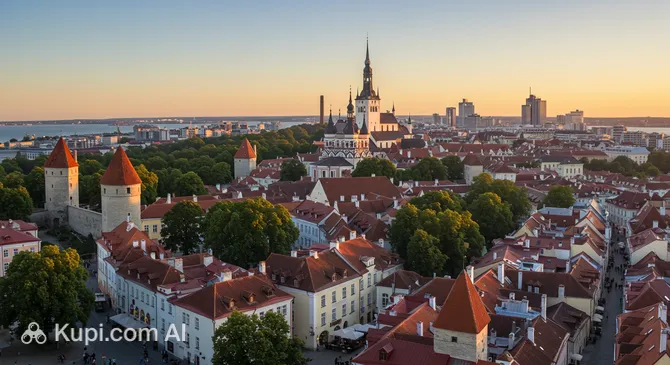
Tallinn. Source: Kupi.Binoculars

The heart of the city is undoubtedly its Old Town (Vanalinn), a UNESCO World Heritage site that looks much as it did centuries ago. Visitors fascinated by the past can delve deeper into the history of Tallinn, exploring its Hanseatic roots, ancient city walls, and defensive towers. Highlights include the majestic Toompea Hill, which offers panoramic views of the red-tiled rooftops and the shimmering sea, and the bustling Town Hall Square, which has been the center of social life for over 700 years.

Beyond its historical core, the city is a beacon of modernity and green living. Districts like Telliskivi Creative City showcase the area's artistic side with vibrant street art, trendy cafes, and unique boutiques. Whether you are interested in maritime heritage at the Seaplane Harbour or simply enjoying the local cuisine, Tallinn promises an unforgettable travel experience. We invite you to discover the magic of this Baltic gem for yourself.
Weather Overview

The city experiences a temperate coastal climate characterized by distinct seasons, offering a different atmosphere depending on when you visit. Summers are generally mild and pleasant, making them the most popular time for travelers. July is typically the warmest month, with an average temperature of 17.7°C and daily highs often reaching 21.0°C, creating perfect conditions for exploring the outdoor attractions and seaside promenades.

In contrast, the winter months from December to February bring a crisp chill to the air. Temperatures frequently drop below freezing, with January and February seeing average lows around -4.3°C. While the weather requires warm layers, the snowy backdrop often enhances the charm of the medieval architecture. Spring and autumn serve as cool transition periods, with temperatures gradually rising from near zero in March to pleasant highs of roughly 15°C by September.

Precipitation is a consistent factor throughout the year, with the number of wet days ranging from 9 in spring to 16 in winter. Expect warm summers with occasional rain and cold, dry winters, though dampness is possible in any season. To help pack the right gear for your specific travel dates, we recommend checking the detailed forecast for the weather in Tallinn before your departure.

Interesting Facts

Beyond the well-known medieval walls and cobblestone streets, Tallinn holds many fascinating secrets that often surprise visitors. From ancient records to modern digital achievements, the city offers a blend of history and innovation that goes far deeper than its picturesque exterior.

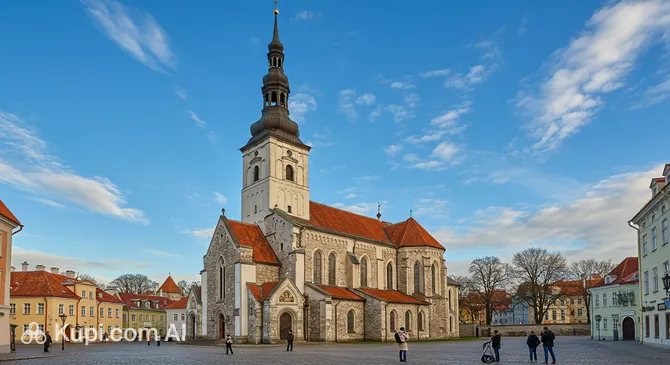
  • Did you know that St Olaf's Church was once considered the tallest building in the world? Between 1549 and 1625, its spire reportedly reached 159 meters, acting as a vital signpost for approaching ships, though its height also made it a frequent target for lightning strikes that burned it down several times.

  • Tallinn is often called the Silicon Valley of Europe, serving as the birthplace of Skype and home to the NATO Cooperative Cyber Defence Centre of Excellence. The city boasts one of the highest rates of startups per capita, reflecting a society where internet access is declared a human right and digital nomads feel right at home.

  • Just a few steps from the Tallinn Town Hall lies the Town Hall Pharmacy (Raeapteek), which is one of the oldest continuously running pharmacies in Europe. Operating since at least 1422, it once sold curious medieval remedies such as burnt bees, stallion hooves, and even "unicorn horn" powder to the town's ailing citizens.

  • The city is a pioneer in urban mobility, having become the first European capital to offer free public transport to its registered residents in 2013. This initiative was designed to reduce traffic congestion and encourage greener travel, making the green trams and buses a symbol of local pride.

St Olaf's Church. Source: Kupi.Binoculars

How to Get There

Reaching the Estonian capital is straightforward, thanks to its excellent connectivity with major European hubs. Whether you prefer flying or taking a scenic route by sea or land, you can easily find a convenient option. For a detailed breakdown of all available routes and travel tips, read more about how to get to Tallinn.

The most direct way to arrive is via Tallinn Airport (TLL), which is conveniently located within the city itself. It is a significant international airport serving a large number of travelers annually. Since the airport is situated just 3.5 km from the city center, the transfer is exceptionally quick; a taxi or bus ride typically takes around 10 to 15 minutes.

Another popular option is flying into Helsinki-Vantaa Airport (HEL) in Helsinki, Finland. This major international hub is located approximately 99 km away from Tallinn, across the Gulf of Finland. Many visitors choose this route to combine two capitals in one trip, taking a ferry to complete the journey. The total travel time, including the transfer between the city and the airport, is estimated to be around 3 hours.

For clarity, here is a summary of the main airports:

Airport Name City Passenger Traffic Km from City
Helsinki-Vantaa AirportHelsinkiVery High98.8
Tallinn AirportTallinnHigh3.5
Turku AirportTurkuMedium183.7
Tampere-Pirkkala AirportTampereMedium229.2
Kuressaare AirportKuressaareSmall186.7

Traveling by train is another viable way to approach the region. While Tallinn has its own rail links, you might also consider arriving via Helsinki Central Station (HEC) in Helsinki. Located about 83 km from Tallinn, this busy station connects seamlessly with the ferry terminals. The travel time to Tallinn from this point is roughly 2.5 hours when combining rail and ferry.

Additionally, you can access the country through the Narva Railway Station, located in the border city of Narva. This station is approximately 196 km from Tallinn. From Narva, you can continue your journey to the capital by bus or train, which generally takes about 2.5 hours.

Below is a list of nearby railway stations for your reference:

Station City Passenger Traffic Km to Center
Helsinki Central StationHelsinkiVery High82.6
Vyborg Railway StationVyborgHigh264.3
Narva Railway StationNarvaMedium195.7
Pechory-Pskovskiye StationPechoryLow244.2
Kingisepp Railway StationKingiseppUnknown218.7

Main Attractions

Tallinn is a city where history and modernity exist side by side, offering visitors a diverse range of sights to explore. From the cobblestone lanes of the UNESCO-listed Old Town to cutting-edge museums and lush green spaces, the capital of Estonia is packed with memorable experiences. Whether you are an architecture enthusiast or a nature lover, the city's main landmarks provide a perfect introduction to its rich heritage.

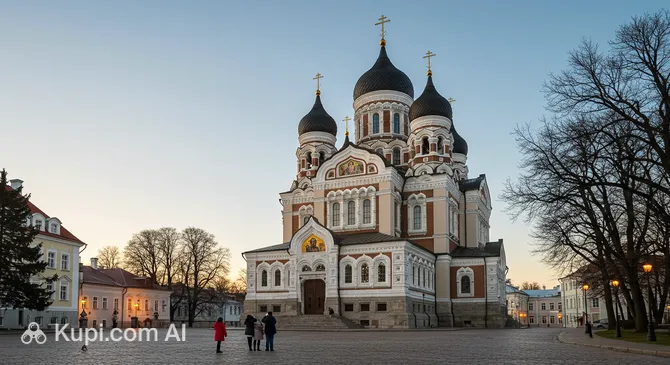
One of the most striking architectural landmarks on Toompea Hill is the Alexander Nevsky Cathedral. This magnificent Orthodox cathedral, built in the Russian Revival style, dominates the skyline with its onion domes and intricate mosaics. Completed in 1900, it is the largest and most opulent orthodox cupola cathedral in the country. Visitors are welcome to step inside to admire the lavish interior decoration and soak in the spiritual atmosphere of this historic place of worship.

Alexander Nevsky Cathedral. Source: Kupi.Binoculars

For those interested in maritime history and engineering, the Seaplane Harbour (Lennusadam) is an absolute must-see. Housed in massive historic seaplane hangars, this interactive museum features a real submarine from the 1930s, the Lembit, which you can explore from the inside. The museum also displays a century-old icebreaker, numerous boats, and hands-on exhibits that make it a fascinating destination for adults and children alike.

If you prefer a relaxing stroll amidst nature and art, head to Kadriorg Park. Established by Tsar Peter the Great in the 18th century, this vast park surrounds the beautiful baroque Kadriorg Palace. It is the perfect spot for a leisurely walk through manicured gardens, past fountains and promenades. The park is also home to several museums, including the Kumu Art Museum, which showcases Estonian art from the 18th century to the present day.

For the best panoramic views of the region, a visit to the Tallinn TV Tower is highly recommended. Standing at 314 meters, it is the tallest building in Estonia. The observation deck on the 21st floor offers breathtaking 360-degree views of the city, the Baltic Sea, and the surrounding forests. Adventurous visitors can even try the "Walk on the Edge" experience, while others can enjoy the interactive exhibits explaining the tower's history and significance.

Local Cuisine

The culinary landscape of Tallinn is a delicious reflection of its history, blending hearty Northern European traditions with modern "New Nordic" innovation. The local food scene is characterized by a love for seasonal, locally sourced ingredients, with a strong emphasis on rye bread, pork, potatoes, and dairy. A staple on almost every table is the dark, fermented rye bread known as leib, which is treated with great respect and often served with salted butter.

Visitors eager to taste authentic Estonian flavors should look for the iconic kiluvõileib, an open-faced sandwich topped with a marinated sprat, a slice of boiled egg, and fresh herbs. Another traditional favorite, especially during the colder months, is verivorst (blood sausage) served with lingonberry jam and sauerkraut. For dessert, the unique kama—a mixture of roasted barley, rye, oat, and pea flour mixed with buttermilk or kefir—offers a taste you are unlikely to find anywhere else in the world.

When it comes to beverages, the city has a booming craft beer scene, with numerous local breweries experimenting with bold flavors. For something non-alcoholic, try kali, a fermented drink made from rye bread that tastes somewhat like root beer. No culinary journey here is complete without tasting Vana Tallinn, a sweet, rum-based liqueur spiced with citrus and vanilla, often enjoyed with coffee or over ice.

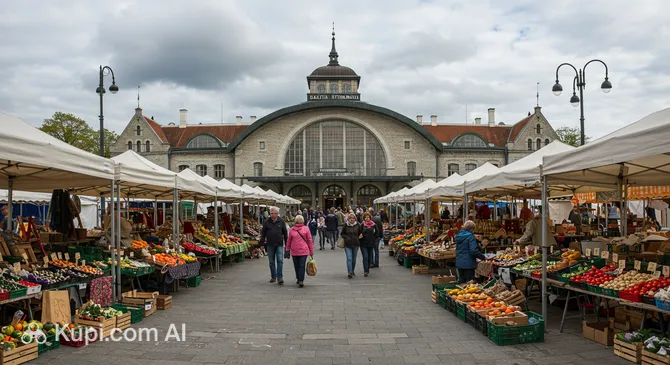
The dining culture in the city ranges from medieval-themed taverns in the Old Town to trendy, industrial-chic eateries. A perfect example of the city's vibrant food culture is the Baltic Station Market (Balti Jaama Turg). This renovated market hall offers a fantastic array of fresh produce, street food stalls, and bakeries, making it an ideal spot to sample local snacks.

Baltic Station Market. Source: Kupi.Binoculars

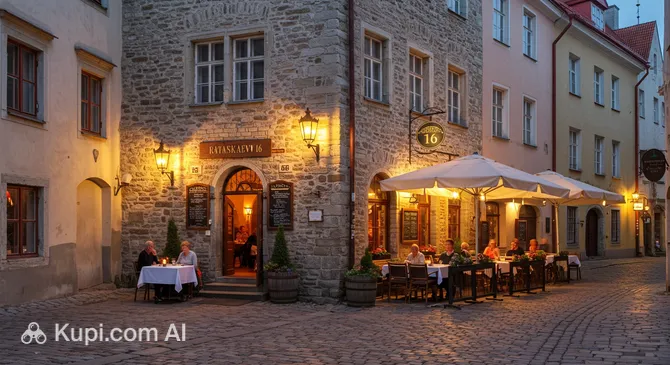
For a more formal yet warm dining experience, Rataskaevu 16 is widely regarded as one of the best restaurants in the city, famous for its friendly service and delicious twists on local classics. If you prefer a modern, artistic atmosphere, the Telliskivi Creative City area is packed with hip cafes and restaurants like Kolm Sibulat, where fusion cuisine meets a relaxed, stylish setting.

Rataskaevu 16. Source: Kupi.Binoculars

Those seeking a meal with a view can visit the Horisont Restaurant, located at the top of a high-rise hotel, offering fine dining paired with sweeping panoramas of the harbor and the medieval skyline. Whether you grab a quick pastry on the street or sit down for a multi-course dinner, Tallinn's food scene promises to be a highlight of your trip.

Travel Tips

Visiting Tallinn is a delightful experience, but a little preparation goes a long way in navigating this compact yet diverse capital. To help you blend in with the locals and ensure a smooth journey, we have compiled a list of essential practicalities for your trip.

  1. Clothing and Gear: The weather in Estonia can be changeable, so dressing in layers is the best strategy regardless of the season. For summer, bring a light jacket or sweater for cooler evenings, while winter visits require a warm coat, hat, gloves, and sturdy boots. Most importantly, leave the high heels at home; the charming cobblestone streets of the Old Town are best explored in flat, comfortable walking shoes.
  2. Transportation: Tallinn has an excellent and affordable public transport network consisting of buses, trams, and trolleys. While residents travel for free, visitors can easily buy QR-tickets online or use contactless payment at the front of the vehicle. Ride-hailing apps like Bolt are very popular and often cheaper than traditional taxis. However, the city center is very compact, so you will likely find that walking is the best way to get around.
  3. Finances: The local currency is the Euro (€). Estonia is a highly digital society, and card payments are accepted almost everywhere, from high-end restaurants to small market stalls. You can easily get by without carrying much cash, though having a few coins for small purchases is helpful. Tipping is not mandatory but is appreciated; leaving a 10% tip for good service in restaurants is a common standard.
  4. Health and Safety: Tallinn is generally a very safe city for tourists, but standard precautions against pickpocketing in crowded areas apply. Pharmacies (marked as Apteek) are widely available and well-stocked. In case of any emergency, dial 112 for police, ambulance, or rescue services. The tap water is clean and safe to drink, so you can refill your water bottle without worry.
  5. Communication: The official language is Estonian, but English is widely spoken, especially by younger people and in the service industry. You will have no trouble communicating in hotels, museums, and restaurants. As a digital hub, the city offers free and fast public Wi-Fi almost everywhere, including squares, parks, and cafes, so buying a local SIM card is often unnecessary for short stays.
  6. Local Etiquette: Estonians tend to be reserved and value personal space. A firm handshake is the standard greeting. In public transport and public spaces, it is polite to keep your voice down, as loud conversations can be seen as intrusive. Punctuality is highly valued here, so try to be on time for any appointments or tours.
  7. What to Avoid: Do not attempt to cross the street when the light is red, even if there are no cars coming; jaywalking is strictly monitored and can result in a fine. Additionally, avoid walking in bike lanes, as cyclists can move quite fast and expect pedestrians to stay on the sidewalk.
  8. Winter Safety Tip: If you are visiting during the darker months (autumn or winter), it is legally required for pedestrians to wear a small reflector (helkur) on their outer clothing to be visible to drivers. You can buy these inexpensive and often stylish accessories at any supermarket or kiosk—they make for a great practical souvenir!

By keeping these simple tips in mind, you will be well-equipped to enjoy everything this Baltic gem has to offer. Relax, explore the historic streets with confidence, and soak up the unique atmosphere of Tallinn.

Entertainment & Nightlife

As the sun sets over the Baltic Sea, Tallinn transforms from a historic medieval town into a vibrant hub of evening entertainment. The city's nightlife is diverse, catering to everything from quiet conversations over craft beer to energetic dance parties that last until dawn. The atmosphere is generally relaxed and welcoming, with a mix of locals, expats, and tourists mingling in the most popular districts.

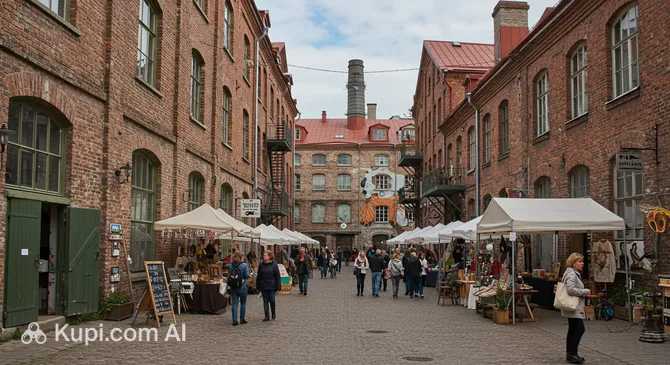
The nightlife scene is primarily divided between two main areas: the historic Old Town and the trendy Kalamaja district. In the Old Town, the area around Suur-Karja street is often referred to as the "Bermuda Triangle" of bars and pubs, known for its lively crowds and party spirit. For a more alternative and bohemian vibe, visitors should head to Telliskivi Creative City. This reclaimed industrial complex is packed with hip bars, street food venues, and cultural spaces, making it the perfect place to start an evening.

Telliskivi Creative City. Source: Kupi.Binoculars

For those seeking high-quality cocktails in a unique setting, the city offers several hidden gems. Whisper Sister is a speakeasy-style bar reminiscent of the 1920s, where you can enjoy expert mixology in a cozy, secretive atmosphere. Another standout venue is Manna La Roosa, located in a wooden house with an eclectic, flamboyant interior that serves as a restaurant by day and a lively cocktail lounge by night.

Culture lovers can enjoy evening entertainment at Fotografiska Tallinn, a world-class photography center that stays open late and features a rooftop restaurant with stunning views. Large-scale concerts and events are often held at the Saku Suurhall arena or the historic Song Festival Grounds. If you are looking for daytime fun before the night begins, families and thrill-seekers might enjoy the Tallinn Zoo or the indoor adventures at iNGAME amusement park.

Practical advice for a night out includes knowing that the action usually starts later, with clubs filling up around midnight. Most venues have a casual to smart-casual dress code; strict face control is rare except in exclusive clubs. Prices are generally moderate compared to Western Europe, with a pint of beer costing around 5-7 euros in the center. The city is safe for night walks, but it is always wise to use ride-hailing apps like Bolt to get home comfortably. Remember to wear a reflector if you are walking at night during the darker months.

Parks & Museums

Tallinn is not only a city of medieval stone towers and cobblestones but also a remarkably green capital filled with lush parks and world-class museums. The city seamlessly integrates nature into its urban fabric, offering visitors plenty of opportunities to relax in manicured gardens or explore the nation's rich artistic and historical heritage in modern galleries.

One of the most beloved green spaces is Kadriorg Park. Commissioned by Peter the Great in the 18th century, this baroque masterpiece offers manicured gardens, fountains, and peaceful promenades that stretch toward the sea. It is a perfect place for a romantic stroll or a family picnic, surrounding the grand palace that stands as its centerpiece. The park remains a favorite spot for locals to enjoy the changing seasons, from blooming flowers in spring to golden leaves in autumn.

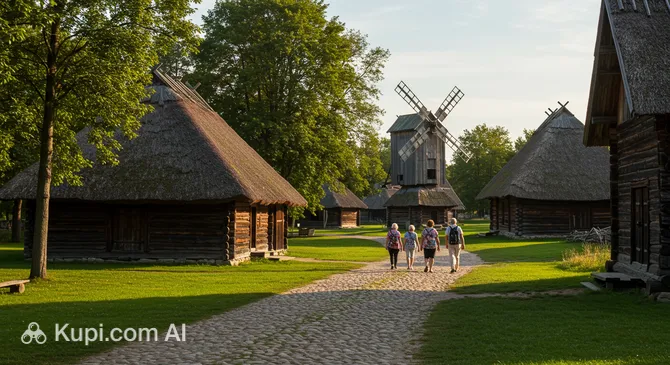
For a unique combination of nature and history, a visit to the Estonian Open Air Museum is essential. Located in the Rocca al Mare district, this expansive museum is set within a tranquil forest along the coast. It showcases life in rural Estonia from the 18th to the 20th century through preserved farmhouses, windmills, and wooden chapels. Visitors can walk or bike through the wooded trails, stepping back in time to experience the country's agrarian roots.

Estonian Open Air Museum. Source: Kupi.Binoculars

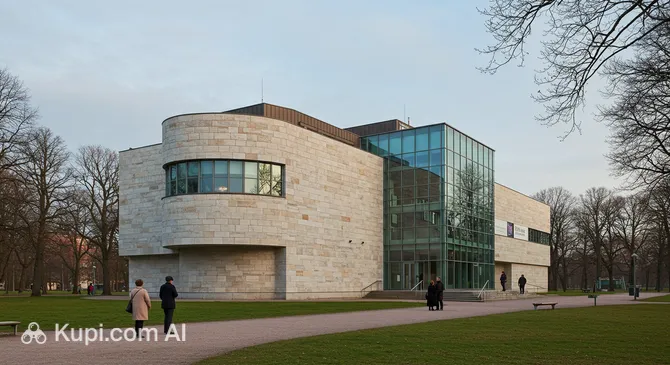
Art enthusiasts should not miss the Kumu Art Museum, which serves as the headquarters of the Art Museum of Estonia. The building itself is a modern architectural marvel, carved into a limestone cliff to blend with the landscape. Inside, it houses an impressive collection of Estonian art ranging from the 18th century to contemporary works, offering a deep dive into the nation's cultural identity and complex history.

Kumu Art Museum. Source: Kupi.Binoculars

Another significant cultural site is St. Nicholas' Church and Museum. Situated in the Old Town, this medieval church is dedicated to religious art rather than active worship. It is famous for housing the eerie and magnificent "Danse Macabre" painting by Bernt Notke, as well as stunning altarpieces that survived the turmoil of history, making it a fascinating stop for history buffs.

The Tallinn Song Festival Grounds hold a special place in the hearts of locals. This massive outdoor arena is not just a concert venue but a symbol of national independence, where the Singing Revolution helped restore Estonia's freedom. Even when there are no events, the grounds are open to the public for walking and offer excellent views of the bay and the city silhouette.

For a true local experience away from the city center, head to Pirita Beach. It is the city's largest and most popular beach, offering a long stretch of sand and pine forests that are perfect for jogging, sunbathing, or simply watching the sunset over the Baltic Sea.

Getting Around

Navigating Tallinn is remarkably easy and efficient, thanks to a well-integrated public transport network that covers the entire city. The system consists of buses, trams, and trolleybuses, all operating under a unified ticketing framework. For tourists, the trams are often the most convenient and scenic way to travel, connecting the city center with key districts like Kadriorg and the transport hubs. Buses and trolleybuses serve a wider area, making it simple to reach suburban neighborhoods or the coastline.

While registered residents use the system for free, visitors are required to purchase a ticket. The payment system is modern and user-friendly. The simplest option for a single ride is to use contactless payment with your debit or credit card (Visa, Mastercard) at the orange validator located at the front of the vehicle. Alternatively, you can purchase QR-tickets online via a mobile browser or app. For those planning to use transport frequently, buying a green Smartcard (Ühiskaart) at a local kiosk or post office is recommended. You can load money or specific travel passes onto this card, such as 24-hour, 3-day, or 5-day tickets, which offer significant savings compared to single fares.

Practicality is key when using the network. If you opt for the Smartcard, you must validate it immediately upon entering the vehicle by tapping it against the sensors found near every door. Failure to validate can result in a fine, as ticket inspectors patrol the routes regularly. Tickets purchased from the driver are generally not an option, so you should always have your fare ready before boarding. The main lines operate roughly from 6:00 AM until midnight, providing ample coverage for a full day of sightseeing.

A standout feature for travelers is the direct tram connection to the airport. Tram line number 4 links the international airport directly to the city center in under 20 minutes, offering one of the most convenient airport transfers in Europe. This line also stops near the bus station and train station, making it a vital artery for anyone arriving in or departing from the city.

For those who prefer more flexibility, ride-hailing apps are extremely popular and often more affordable than traditional street taxis. Apps like Bolt dominate the market, allowing you to order a car quickly without worrying about language barriers or meter rates. During the warmer months, the city also comes alive with electric scooters and bicycles available for rent via mobile apps, which are perfect for cruising along the seaside promenades or through the trendy Telliskivi district. However, within the medieval Old Town, walking remains the best and often the only way to explore the narrow, cobblestone streets.

Accommodation

Where to Stay:

Finding the perfect place to stay in Tallinn is relatively easy, as the city offers a wide spectrum of accommodation options to suit every budget and travel style. Visitors can choose from charming medieval guesthouses tucked away in the Old Town, modern glass-fronted business hotels in the city center, or budget-friendly hostels that are often rated among the best in Europe. For those seeking a more local experience, the market for apartment rentals is vibrant and well-regulated, providing a "home away from home" atmosphere.

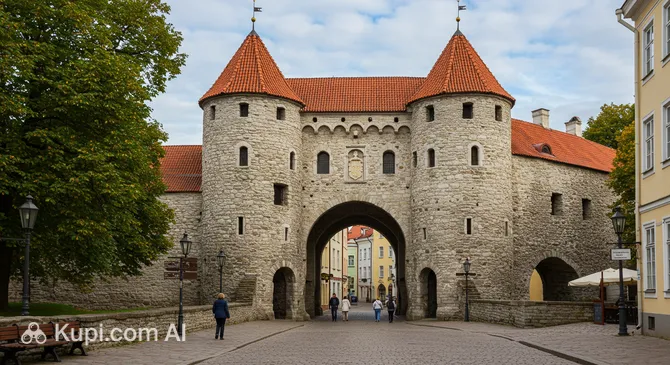
The most popular area for first-time visitors is undoubtedly the UNESCO-listed Old Town. Staying here means you are steps away from major sights like the Tallinn Town Hall and the historic city walls. The atmosphere is unbeatable, especially in the evenings, though prices can be higher and the cobblestones might be noisy. Just outside the medieval gates lies the City Center (Kesklinn), which offers larger, modern hotels with easy access to shopping malls like the Ülemiste Centre and excellent transport links.

Viru Gate. Source: Kupi.Binoculars

For a trendier, more bohemian vibe, consider the Kalamaja district, located near the Telliskivi Creative City. This area is famous for its colorful wooden houses and is packed with cafes and bars, making it a favorite for younger travelers and couples. If you prefer a resort-style vacation, the Pirita district offers spa hotels and easy access to Pirita Beach, allowing you to combine city sightseeing with a relaxing seaside break.

Prices in the Estonian capital are generally reasonable compared to its Scandinavian neighbors, but they can fluctuate significantly depending on the season. The peak tourist season runs from late May to August, during which availability in the most desirable locations drops quickly. It is highly recommended to book your accommodation well in advance if you plan to visit during the summer or around the Christmas market season. Reservations can easily be made through major international online platforms or directly via hotel websites.

Nearby Cities

For those looking to explore the surroundings, Tallinn serves as an excellent base for day trips to several interesting nearby locations:

City Population Distance (km)
Tartu91407164
Narva53424195
Pärnu39605117
Kohtla-Järve33498144
Viljandi16875129

Among these options, Tartu stands out as the intellectual and cultural heart of the country. Home to one of the oldest universities in Northern Europe, the city boasts a youthful energy, a charming historic center, and the spectacular Estonian National Museum, making it a must-visit for history and culture enthusiasts.

If you prefer a relaxing seaside escape, Pärnu is the ideal destination. Known as Estonia's "Summer Capital," it comes alive in the warmer months with its long, white sandy beaches, beautiful parks, and numerous high-quality spas that attract visitors looking for rejuvenation and leisure.

For a scenic and atmospheric retreat, Viljandi offers a unique blend of nature and heritage. Famous for its annual folk music festival, this quaint town features impressive medieval castle ruins overlooking a picturesque lake, providing a perfect setting for peaceful walks and photography.

These nearby destinations offer a glimpse into the diverse culture and landscapes of the region.

Shopping & Souvenirs

Shopping in Tallinn is a delightful exploration that ranges from browsing centuries-old handicraft workshops to visiting ultramodern commercial hubs. The city is known for its high-quality design, linen products, and unique local souvenirs, making it a great destination for those looking to take a piece of Estonia home. Whether you are searching for high-street fashion or authentic folk art, the capital offers a diverse retail scene that is compact and easy to navigate.

The main shopping arteries can be found right in the heart of the city. Viru Street, leading into the Old Town, is lined with souvenir shops and florists, serving as a gateway to the historic center's boutique-filled lanes. For a more contemporary experience, the Rotermann Quarter offers a stylish industrial setting packed with fashion brands and design shops. Additionally, Telliskivi Creative City is the go-to district for independent design, vintage finds, and ethical fashion, showcasing the best of local creativity.

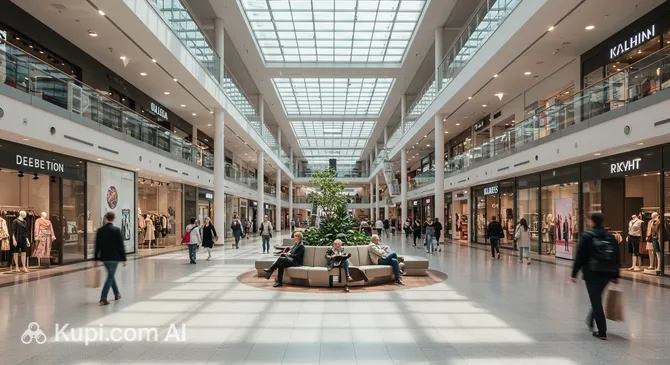
For a comprehensive shopping experience under one roof, the city boasts several impressive malls. Ülemiste Centre is the largest shopping and entertainment center in Estonia, located conveniently close to the airport. It features a vast selection of international brands, restaurants, and a cinema.

Ülemiste Centre. Source: Kupi.Binoculars

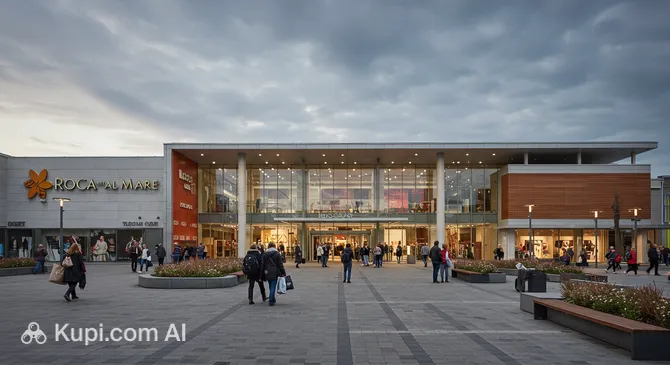
Another excellent option is the Rocca al Mare Shopping Centre, situated in a scenic area near the coast. It is particularly family-friendly and offers a wide range of fashion and lifestyle stores.

Rocca al Mare Shopping Centre. Source: Kupi.Binoculars

Markets play a vital role in the local shopping culture. The Baltic Station Market (Balti Jaama Turg) is a modern, vibrant space where you can find fresh produce, street food, and antiques all in one place. It is an excellent spot to hunt for unique Soviet-era memorabilia or buy fresh local berries. During the winter season, the Town Hall Square transforms into the world-famous Christmas Market, offering hand-knit woolens and traditional holiday treats.

When it comes to souvenirs, visitors should look for items that reflect Estonian heritage. Popular choices include juniper wood kitchenware, which has a distinct pleasant scent, and high-quality linen textiles. Hand-knit wool sweaters and mittens featuring traditional patterns are also cherished gifts. For those with a sweet tooth, chocolates from the local Kalev factory are a must-buy classic.

Most major shopping centers are open daily from 10:00 AM to 9:00 PM, while smaller boutiques in the Old Town may close earlier, around 6:00 PM or 7:00 PM, and might have reduced hours on Sundays. Payments are seamless, with credit and debit cards accepted almost everywhere, including market stalls. Estonia is a Eurozone country, so cash payments are in Euros (€). Non-EU residents can also take advantage of tax-free shopping at stores displaying the Global Blue signage, allowing for a VAT refund upon departure.

Reached the end of the page?

That means the route is fully explored