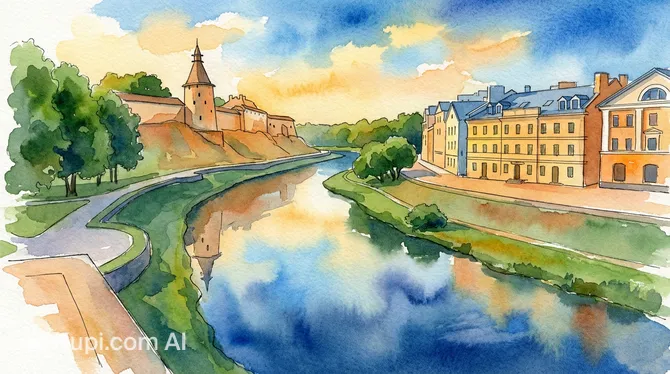
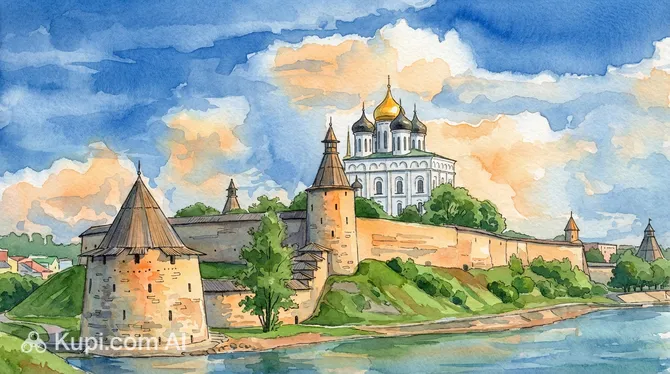
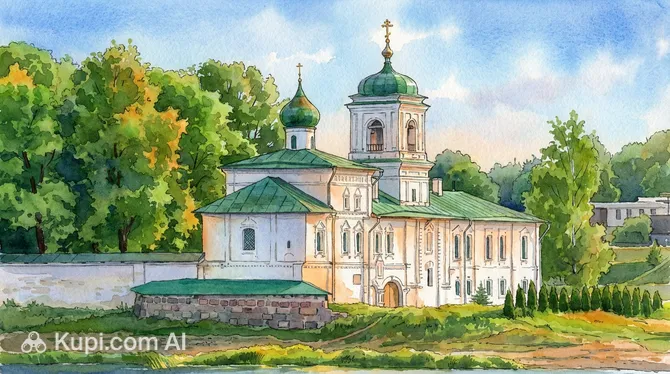
Steeped in legends and ancient traditions, Pskov is a city that captivates visitors with its timeless beauty and historical significance. As one of the oldest settlements in the Russian Federation, it serves as a living museum where medieval architecture harmonizes with the serene natural landscape. The city's atmosphere is defined by its majestic stone fortress and the tranquil flow of the rivers that embrace it.
Pskov. Illustration.
Source: Kupi.com AI
Geographically, Pskov is situated in the northwest of the country, within the Pskov Oblast, just a short distance from the border with Estonia. It lies at the picturesque confluence of the Velikaya and Pskova rivers, which have played a crucial role in its development as a trade and defensive hub. With a population of approximately 209,840 people, the city balances the amenities of a modern regional center with the charm of a historic town.
The rich history of Pskov is evident in every corner, particularly within the walls of the Pskov Krom (Kremlin). This ancient citadel is the heart of the city and houses the magnificent Trinity Cathedral, which dominates the skyline with its gleaming domes. Visitors are also enchanted by the unique local school of architecture, famous for its small, whitewashed churches and distinctive belfries that dot the cityscape.
Pskov is a destination that invites you to slow down and immerse yourself in the past. Whether you are exploring its formidable fortifications or strolling along the river embankments, a visit to this historic city promises an unforgettable journey into the cultural roots of the region.
Weather Overview
Pskov experiences a temperate continental climate with distinct seasonal changes that shape the character of the city. Winters are generally cold, with January being the coldest month, where the average temperature sits at -3.8°C and minimums can drop to -5.8°C. By contrast, the summer season is pleasantly mild rather than intensely hot; July is typically the warmest time of year, with average temperatures of 18.6°C and highs reaching approximately 21.9°C.
Visitors should be mindful that precipitation is a frequent occurrence throughout the year. While the recorded volume remains low at around 2-3mm per month, the number of wet days is quite high, ranging from 10 days in May to 17 days in late autumn and winter. To ensure you are fully prepared for these conditions, it is recommended to check the specific forecast for the weather in Pskov closer to your travel dates.
Expect comfortable, warm summers with frequent light precipitation and cold, damp winters. The transitional seasons of spring and autumn see temperatures shifting steadily, with May warming up to an average of 12.1°C and October cooling down to around 7.3°C.
Average monthly temperature
Average monthly precipitation
Interesting Facts
Beyond its well-known fortress walls, Pskov holds many fascinating secrets and historical milestones that have shaped the region's identity. From ancient legends to pivotal political events, the city offers a treasure trove of stories for the curious traveler.
According to local legend, the location of the city was chosen by Princess Olga herself. It is said she stood on the riverbank and witnessed three rays of sun converging on a rocky promontory, interpreting it as a divine sign to build a church there. This prophetic moment is commemorated today by Olga's Chapel, which stands opposite the Kremlin.
Pskov was once one of the most impregnable cities in the world, protected by five distinct rings of defensive walls. A testament to this military might is the massive Pokrovskaya Tower; with a circumference of approximately 90 meters, it remains one of the largest defensive towers in Europe.
The city is the custodian of rare pre-Mongol art. The Mirozhsky Transfiguration Monastery contains unique 12th-century frescoes that are among the few monumental paintings in Russia to have survived the Mongol invasion entirely intact, offering a glimpse into ancient Byzantine traditions.
Local folklore surrounds the Gremyachaya Tower, which is rumored to be haunted or enchanted. Urban legends speak of a sleeping princess hidden in a secret vault beneath the tower, guarded by invisible forces and waiting for a brave soul to break the spell.
Pskov played a silent but monumental role in 20th-century history. It was here, at the railway station in March 1917, that Emperor Nicholas II signed his abdication manifesto inside a royal train carriage, an event that effectively marked the end of the Russian Empire.
Gremyachaya Tower. Illustration.
Source: Kupi.com AI
Traveler photos:
How to Get There
Reaching this historic city is convenient thanks to a variety of transport connections, though planning ahead is recommended to choose the best route for your itinerary. Whether you prefer flying or taking a scenic train ride, you can find all ways to reach the city and start your journey through the region's ancient heritage.
For air travel, the most convenient option is the local Kresty airport (IATA: PKV). It is located directly in Pskov, just 5.2 km from the city center. While it is a smaller regional hub with moderate passenger traffic, arriving here saves significant travel time. A taxi or bus ride from the airport to the downtown area typically takes around 20 to 30 minutes. For those seeking more extensive international connections, the major gateway is Pulkovo airport (IATA: LED) in Saint Petersburg. However, please note that Pulkovo is situated approximately 247 km away. Travelers arriving there usually continue their journey to Pskov by train or bus, a trip that generally takes about 3.5 to 4 hours.
For clarity, here is a summary of the main airports:
Traveling by train is another popular and comfortable way to arrive. The city is served by the Pskov-Passazhirsky Railway Station, which is centrally located just 2.2 km from the main attractions. It handles a significant volume of passengers annually and offers regular connections to major cities like Saint Petersburg and Moscow. Once you arrive at the station, a taxi or local bus can get you to the city center in approximately 10 to 15 minutes.
Below is a list of the nearest railway stations:
Station
Passenger traffic
Distance
Pskov-Passazhirsky Railway Station
1.5 mln
2 km
Karamyshevo Station
20 000
26 km
Pechory-Pskovskiye Station
50 000
42 km
Porkhov Railway Station
50 000
73 km
Dedovichi Station
20 000
100 km
Dno Railway Station
100 000
101 km
Soltsy Railway Station
50 000
119 km
Main Attractions
Pskov is a city where every stone seems to whisper stories of the past. Its architectural ensemble is so unique that many of its components are recognized as world heritage treasures. Visitors are primarily drawn to its formidable fortifications and ancient churches, which create a skyline that has remained largely unchanged for centuries.
The undisputed heart of the city is the Pskov Kremlin (Krom). Situated on a high promontory where the Pskova River flows into the Velikaya, this limestone fortress was the administrative and spiritual center of the Pskov Republic. Tourists love to walk along its massive walls, which once withstood countless sieges, and enjoy the sweeping views of the river. It is the perfect place to start exploring the city's medieval legacy.
Pskov Kremlin. Illustration.
Source: Kupi.com AI
Traveler photos:
Dominating the Kremlin's ensemble is the majestic Trinity Cathedral. Visible from kilometers away, this white-stone cathedral with its gleaming domes is the fourth iteration of the main church on this site, dating back to the late 17th century. It is interesting not only for its stunning exterior but also for its magnificent seven-tiered iconostasis and the sacred relics it houses, making it a deeply spiritual location for pilgrims and history enthusiasts alike.
A short distance from the center lies the Mirozhsky Transfiguration Monastery, a site of immense cultural value. Founded in the 12th century, it is renowned worldwide for the Transfiguration Cathedral, which contains remarkably well-preserved pre-Mongol frescoes painted by Greek masters. These unique wall paintings offer a rare window into 12th-century Byzantine art, attracting art historians and travelers from all over the globe.
For a glimpse into the lives of Pskov's wealthy past, the Pogankiny Chambers are a must-see. This imposing 17th-century stone structure was built by a prominent merchant family and resembles a fortress in its own right. Today, it serves as a fascinating museum complex, showcasing extensive collections of ancient icons, silverware, and archaeological finds that tell the story of the region's commercial power and daily life.
Finally, no visit is complete without paying respects to the city's legendary founder at the Monument to Princess Olga. Located in the Children's Park, this bronze sculpture depicts the princess with her grandson, Prince Vladimir. It serves as a symbolic landmark honoring the ruler who, according to legend, foresaw the city's greatness upon seeing three rays of sunlight converge on the riverbank.
Local Cuisine
The culinary scene in Pskov is a delightful journey into traditional Russian flavors, heavily influenced by the region's northern geography and its proximity to the vast Lake Peipus. The local cuisine is characterized by hearty, warming dishes designed to comfort travelers during the cold winters. Visitors can expect a focus on locally sourced ingredients, including freshwater fish, forest mushrooms, wild berries, and game meat, often prepared using age-old recipes that have been passed down through generations.
The undisputed gastronomic symbol of the city is the Pskov snetok (smelt). This small freshwater fish is a local delicacy that was once delivered to the imperial court in Saint Petersburg. It is prepared in various ways—dried, salted, fried, or added to soups. One unique regional dish worth trying is "Pskov shchi," a version of the classic cabbage soup that uses dried smelt to create a rich, distinctive broth. Tasting snetok is a must-do experience for any tourist, and dried smelt makes for a popular savory souvenir.
For a true taste of the city's history, you can visit the Helga Restaurant. Named after the legendary princess who founded the city, this establishment offers a menu inspired by ancient recipes, allowing diners to immerse themselves in the atmosphere of Old Rus. It is an excellent place to sample traditional stews, artisan breads, and game dishes in a setting that reflects the city's medieval heritage.
Helga Restaurant. Illustration.
Source: Kupi.com AI
Traveler photos:
When it comes to beverages, Pskov offers a variety of traditional drinks. Non-alcoholic options include kvass (a fermented bread drink) and refreshing mors, made from cranberries or lingonberries gathered in the surrounding forests. For something warmer, look for sbiten, a hot honey-based drink infused with spices and herbs, perfect for a chilly day. Those seeking something stronger might enjoy medovukha, a sweet honey wine that pairs excellently with the local fare.
The dining landscape ranges from cozy, history-filled taverns to modern establishments. If you appreciate craft beer and a lively atmosphere, the Munhell Brewery Restaurant is a popular spot among locals, serving hearty European and Russian dishes alongside their own brews. For a more intimate setting, Sunduk provides a welcoming environment where you can savor classic home-style cooking in an interior decorated with antique items.
Those looking for a stylish evening out might enjoy Grafin, a venue known for its pleasant ambiance and diverse menu. Whether you are grabbing a quick bite of street food near the fortress walls or sitting down for a multi-course meal in a restored merchant's house, Pskov's food culture promises to be a highlight of your trip, blending historical authenticity with genuine hospitality.
Travel Tips
Welcome to Pskov! To ensure your journey through this ancient fortress city is as smooth and enjoyable as possible, we have compiled a set of essential guidelines. These practical insights will help you navigate local customs and logistics, allowing you to fully immerse yourself in the region's rich history and serene atmosphere without worry.
Clothing and Gear: Since Pskov is best explored on foot, comfortable and waterproof walking shoes are a priority, especially given the cobblestone streets and changeable weather. If you plan to visit the many Orthodox churches and monasteries, remember to dress modestly. Women are typically expected to cover their heads with a scarf and wear skirts or dresses that cover the knees, while men should remove their hats and avoid wearing shorts.
Transportation: The historic center is compact and very walkable, allowing you to see the main sights on foot. For longer distances, the local bus network is reliable and affordable. However, the most convenient option for tourists is often using ride-hailing apps like Yandex Go, which are inexpensive and overcome language barriers. Car rental is generally not necessary unless you plan to explore the wider region, such as Izborsk or Pechory.
Finances: The official currency is the Russian Ruble (RUB). It is highly recommended to carry cash, as international credit and debit cards issued outside the country may not work due to current banking restrictions. You can exchange currency at major bank branches. While many local shops and restaurants accept cards, having cash is essential for souvenirs, small museums, and public transport. Tipping is appreciated in restaurants, usually around 10% of the bill.
Health and Safety: Pskov is a generally safe and calm city. Pharmacies are easily recognizable by a green cross sign, and there are many located throughout the city, some operating 24/7. While tap water is treated, it is advisable for tourists to drink bottled water to avoid any stomach upset. As in any travel destination, keep an eye on your belongings in crowded places, though serious crime against tourists is rare.
Communication: The primary language is Russian, and English proficiency among locals may be limited, especially outside major hotels. It is strongly advised to download an offline translation app and an offline map before you arrive. Purchasing a local SIM card (available at shops like MTS, Beeline, or Tele2 with your passport) is a great way to stay connected and use navigation apps on the go.
Local Etiquette: Russians value politeness and respect. When greeting someone, a firm handshake is common. If you are invited to a local's home, it is customary to remove your shoes at the door. In public, especially near religious sites like the Kremlin or Trinity Cathedral, maintain a respectful volume. Loud behavior or inappropriate photography inside churches is frowned upon.
What to Avoid: Do not photograph military installations, border control zones, or strategic infrastructure, as Pskov is a border region and regulations can be strict. Additionally, avoid drinking alcohol in public streets or parks, as this is prohibited by law and can result in a fine.
Local Souvenirs: Pskov is historically famous for its flax and ceramics. Look for linen products—tablecloths, clothes, or towels—which are of high quality here. Traditional Pskov ceramics, often black or dark brown due to a special firing technique, make for unique and authentic gifts to take home.
With these tips in hand, you are well-prepared to discover the hidden gems and architectural wonders of Pskov. We hope your visit is filled with memorable moments, from walking the ancient walls to tasting the local cuisine, as you experience the timeless charm of this historic Russian city.
Entertainment & Nightlife
While Pskov is primarily known for its ancient history and spiritual heritage, the city comes alive after sunset with a cozy yet vibrant nightlife scene. Unlike the overwhelming bustle of larger metropolises, the evening atmosphere here is intimate and welcoming. The nightlife is concentrated mainly in the city center, particularly along the embankments of the Velikaya and Pskova rivers and the streets radiating from October Square (Oktyabrskaya Ploshchad). Visitors can expect a mix of laid-back pubs, live music venues, and energetic dance clubs that cater to both locals and tourists.
For those seeking a unique cultural experience combined with entertainment, the TIR Club is a legendary spot on the local map. Situated near the fortress walls, this venue is much more than just a bar; it is a hub for creative minds, hosting frequent live concerts, rock gigs, and themed parties. The atmosphere is democratic and relaxed, making it easy to strike up a conversation. The interior often features art installations, and the musical selection ranges from indie rock to jazz, attracting a diverse crowd of music lovers.
TIR Club. Illustration.
Source: Kupi.com AI
Traveler photos:
If you are in the mood for dancing and a more modern clubbing experience, Pobeda Night Club is one of the city's premier destinations. It features a spacious dance floor, professional lighting, and regular sets by local and visiting DJs playing popular electronic and pop hits. The venue typically attracts a younger, energetic crowd looking to party until the early morning hours. Dress codes in Pskov clubs are generally casual but neat; "smart casual" is a safe bet for most places, though face control may be stricter at popular dance venues on weekends.
Pobeda Night Club. Illustration.
Source: Kupi.com AI
Traveler photos:
When it comes to practicalities, Pskov is an affordable destination for nightlife. Cover charges for clubs are modest, and drink prices are significantly lower than in Moscow or Saint Petersburg. The city is generally safe for night walks, especially in the well-lit central districts, but it is always widely advised to use a taxi when returning to your accommodation late at night. Services like Yandex Go work reliably here and offer a convenient way to get around without language barriers.
Beyond the nightlife, Pskov offers engaging entertainment options for the daytime as well. Families and thrill-seekers should visit the Aquapolis Water Park, a modern indoor complex located in a shopping mall. It is a perfect escape, especially during the colder months, featuring slides, pools, and a spa zone. For a more tranquil afternoon, a stroll through the Summer Garden provides a lovely green retreat in the heart of the city, often hosting small festivals and outdoor activities during the warmer seasons.
Whether you prefer sipping a cocktail in a quiet bar, listening to live local bands, or splashing around in a water park, Pskov provides a pleasant variety of leisure activities to complement its historical sightseeing program.
Parks & Museums
Beyond its ancient fortifications and stone churches, Pskov is a remarkably green city where nature seamlessly blends with history. Visitors will find that the city's parks and gardens are not just places for relaxation but are often woven into the cultural landscape, offering scenic views of the riverbanks and centuries-old monuments.
One of the most picturesque modern green spaces is Kuopio Park. Named after Pskov’s Finnish sister city, this beautifully landscaped area is located on the steep banks of the Pskova River. It is a favorite spot for locals to enjoy a quiet walk while admiring the well-maintained paths, wooden bridges, and views of the Gremyachaya Tower across the water. The park’s design incorporates elements of Nordic landscaping, making it a serene escape right in the city center.
Kuopio Park. Illustration.
Source: Kupi.com AI
Traveler photos:
For a more traditional atmosphere, the Summer Garden offers a classic park experience. Situated in the heart of the city, it serves as a central hub for leisure, featuring shady alleys perfect for escaping the summer heat and a playground for children. Historically, this area was part of the city's defensive rings, but today it is a peaceful retreat that often hosts open-air festivals and cultural events during the warmer months.
Summer Garden. Illustration.
Source: Kupi.com AI
Traveler photos:
While the Pogankiny Chambers and the Kremlin are the stars of the museum scene, Pskov has other fascinating collections. The Prikaznye Chambers (Administrative Chambers), located within the Kremlin walls, is the only surviving 17th-century administrative building in the city. Inside, visitors can explore reconstructed interiors of a medieval clerk's office, complete with authentic furniture and documents, providing a tangible sense of how the Pskov Republic was governed.
Another unique cultural venue is the Museum of the Novel "Two Captains". Dedicated to the famous adventure novel by Veniamin Kaverin, a Pskov native, this museum attracts literature lovers with its exhibits on polar exploration and the history of the book's creation. For those interested in technical history, the Pskov Railway Museum near the station showcases the development of the railways that played a pivotal role in the region's growth.
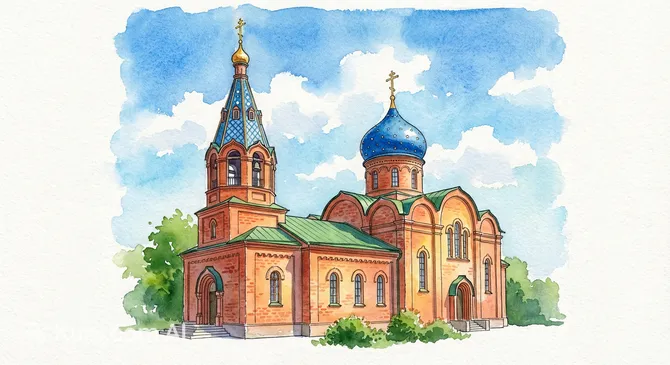
Among the city's architectural gems is the Church of Alexander Nevsky. Unlike the typical white-stone Pskov churches, this red-brick temple was built in the early 20th century in the Neo-Russian style for the 96th Omsk Infantry Regiment. It has a rich military history and houses a small museum dedicated to the regiment and the church's restoration, making it a significant site for those interested in military heritage.
Church of Alexander Nevsky. Illustration.
Source: Kupi.com AI
Traveler photos:
As you explore the city center, you will likely encounter the grand Lenin Monument standing in the central square, a standard but imposing reminder of the Soviet era. For a truly authentic experience, take a walk along the Olginskaya Embankment at sunset. It offers the classic "postcard" view of the Kremlin and the inscription "Russia Begins Here," providing a perfect photo opportunity and a moment of reflection on the city's enduring legacy.
Getting Around
Navigating Pskov is relatively straightforward due to its compact size and logical layout. For many visitors, the most pleasant way to explore the historic center is simply on foot, as the majority of key attractions, including the Kremlin and the riverside embankments, are located within comfortable walking distance of each other. However, if you need to reach the outer districts, the railway station, or the airport, the city offers a reliable public transport network.
The backbone of Pskov's public transportation system consists entirely of buses. Unlike larger metropolises, there is no metro, tram, or trolleybus system here. The municipal buses are large, generally regular, and cover all major routes throughout the city. Supplementing these are marshrutkas (minibuses), which follow specific fixed routes and can be slightly faster, though they are often more crowded. Stops are marked with signs, and digital displays at major stops often indicate the arrival time of the next bus.
Paying for your ride is simple and user-friendly. In most municipal buses, a conductor works inside the cabin to collect fares. You can pay using cash or a contactless bank card. If a conductor is not present, payment is usually made directly to the driver upon entering or exiting, depending on the specific route's rules. The fare is quite affordable, making it an economical way to get around. While travel passes exist for locals, short-term visitors typically find it more convenient to pay per ride.
The public transport system typically operates from early morning, around 6:00 AM, until approximately 11:00 PM or midnight. Frequency varies by route; central lines run every 10–15 minutes during the day, while intervals may increase significantly late in the evening. To avoid confusion, it is highly recommended to use mobile map applications like Yandex Maps or 2GIS to check routes and schedules in real-time.
For those who prefer more comfort or need to travel late at night, taxis are the most popular alternative. Ride-hailing apps like Yandex Go operate efficiently in the city, offering fixed prices and eliminating the language barrier often associated with calling a dispatcher. Rides are generally inexpensive compared to larger capitals. Car-sharing services exist but are less prevalent than in major hubs, so relying on taxis is usually the better option for tourists without their own vehicle.
In the warmer months, cycling and electric scooters have become increasingly popular. Rental stations and app-based scooter sharing services are available in the city center and parks. This is an excellent way to see the scenic riverbanks and green zones like the Summer Garden, offering a leisurely pace that matches the city's tranquil atmosphere.
Accommodation
Where to Stay:
Finding the perfect place to stay in Pskov is relatively easy, as the city offers a diverse range of accommodation options to suit various budgets and preferences. The hospitality sector here has developed significantly in recent years, blending modern comfort with the city's historic charm. Travelers can choose from established large-scale hotels, cozy family-run guest houses, budget-friendly hostels, and an increasing number of private apartment rentals.
The most popular and convenient area for tourists is the historic city center, particularly within the vicinity of the Kremlin (Krom) and along the embankments of the Velikaya and Pskova rivers. Staying here places you within walking distance of the main architectural monuments, museums, and restaurants. The district known as Zavelichye (literally "beyond the Velikaya River") is also a great choice; it offers excellent views of the fortress from across the water and tends to be slightly quieter while still being very accessible.
For those prioritizing comfort and amenities, the city features several modern mid-range and upscale hotels that offer river views, on-site dining, and spa facilities. If you prefer a more home-like atmosphere, numerous small mini-hotels and boutique guest houses are scattered throughout the old streets, often located in restored historic buildings. Budget travelers and backpackers will find decent hostels that provide clean, basic lodging at very affordable rates.
Booking Tips and Prices:
Generally, accommodation prices in Pskov are moderate and significantly lower than in Moscow or Saint Petersburg. However, the city is a popular weekend destination for domestic tourists. Therefore, it is highly recommended to book in advance, especially if you plan to visit during the summer season, major public holidays (like early May or New Year), or during local festivals. While international booking platforms may have limited listings due to current restrictions, many local Russian travel aggregators and direct hotel websites work reliably for securing reservations.
Nearby Cities
Nearby Cities:
Pskov serves as an excellent starting point for exploring the wider Northwest region of the Russian Federation. Its strategic location places it within reach of several other historically significant cities and towns. Whether you are interested in ancient medieval architecture, imperial palaces, or simply seeing more of the local geography, a day trip or an onward journey to these destinations can greatly enrich your travel experience.
Below is a list of cities located reasonably close to Pskov, along with their population and distance, to help you plan your itinerary:
City
Population
Distance
Pechory
9 670
43 km
Ostrov
20 427
53 km
Porkhov
8 743
73 km
Voru
11 533
79 km
Põlva
5 324
80 km
Among these, Veliky Novgorod stands out as a must-visit destination for history buffs. Located approximately 190 km away, it is often referred to as the "Birthplace of Russia." Like Pskov, it boasts an impressive Kremlin and numerous ancient churches that are protected as UNESCO World Heritage sites. It offers a fascinating comparison to Pskov’s own architectural style and historical narrative.
Traveling south, you will find Velikiye Luki, the second-largest city in the Pskov Oblast. Often called the "Capital of Aeronautics," it is famous for hosting annual hot air balloon festivals. Although it suffered significant damage during World War II, it remains an important industrial and cultural center for the southern part of the region.
If you are heading towards Saint Petersburg, a stop in Gatchina is highly recommended. This city is renowned for its imperial past, featuring the Grand Gatchina Palace and its sprawling landscape park. It provides a stark contrast to the medieval austerity of Pskov, showcasing the opulent lifestyle of the 18th and 19th-century Russian tsars.
Shopping & Souvenirs
Shopping:
Shopping in Pskov offers a more relaxed and authentic experience compared to the bustling commercial hubs of larger capitals. While you will not find an overwhelming number of luxury boutiques, the city is an excellent destination for discovering unique local crafts and regional delicacies. The retail scene is a mix of modern convenience and traditional charm, allowing visitors to purchase everything from daily necessities to one-of-a-kind handmade gifts that reflect the area's rich cultural heritage.
The primary artery for shopping enthusiasts is Oktyabrsky Prospekt. This central avenue stretches through the heart of the city and is lined with a variety of shops, pharmacies, bookstores, and small clothing boutiques. Strolling along this street and the adjacent Sovetskaya Street provides a pleasant opportunity to window shop while admiring the architecture. In the historic center, particularly near the Kremlin and the riverside embankments, you will find numerous souvenir stands and artisan workshops catering specifically to tourists.
For a more modern retail experience, the city has several shopping complexes that house international and Russian brands, electronics stores, and entertainment zones. One of the notable destinations is the Maksimus Shopping Center. Located conveniently within the city, it offers a wide range of fashion retailers, a food court, and a supermarket, making it a one-stop location for travelers needing to resupply or looking for standard goods in a comfortable, climate-controlled environment.
Maksimus Shopping Center. Illustration.
Source: Kupi.com AI
Traveler photos:
To get a true taste of local life, a visit to the Central Market is highly recommended. Here, farmers from the surrounding Pskov region sell fresh produce, seasonal berries, honey, and forest mushrooms. It is a vibrant place to explore the culinary preferences of the locals. Additionally, near the main tourist sites, you will often find pop-up markets or rows of wooden stalls where artisans sell handmade goods, which are perfect for browsing without the pressure of a formal store environment.
When it comes to souvenirs, Pskov is famous for two main crafts: linen and ceramics. The region has a long history of flax cultivation, so high-quality linen clothing, tablecloths, and towels are popular and practical purchases. Local pottery, often created using traditional "black-firing" techniques, results in distinctive dark clay vessels that are both beautiful and functional. Foodies should not leave without buying a bag of dried snetok (smelt), the city's signature fish, or a bottle of sbiten, a traditional honey-based spiced drink.
Most shops in Pskov typically open around 10:00 AM and close between 8:00 PM and 10:00 PM. Large shopping malls usually operate until 10:00 PM. While supermarkets and major retailers accept bank cards, it is essential to carry cash (rubles) when visiting markets, small souvenir kiosks, or purchasing from street vendors. Be aware that due to current banking limitations, international cards issued abroad may not work, so having sufficient local currency is crucial for a smooth shopping experience.