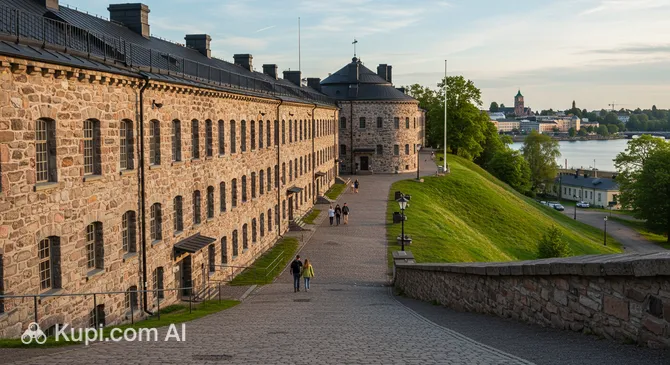
Welcome to Turku, a captivating blend of medieval heritage and modern urban culture. Located on the southwest coast at the mouth of the Aura River, this vibrant city holds a special place in the heart of Finland. As the country's oldest city and former capital, Turku offers a unique atmosphere where cobblestone streets meet lively riverside promenades, making it a perfect destination for travelers seeking both relaxation and discovery.
Turku. Source: Kupi.Binoculars
With a population of approximately 250,000 inhabitants, Turku is a significant regional hub in Southwest Finland that still retains a cozy, approachable feel. The city is renowned for its deep roots and cultural significance. Exploring the history of Turku reveals a fascinating timeline dating back to the 13th century, which is vividly reflected in its architecture. Visitors are inevitably drawn to the majestic Turku Castle, a medieval fortress that has stood guard over the river mouth for centuries, and the towering Turku Cathedral, considered the national shrine of the country.
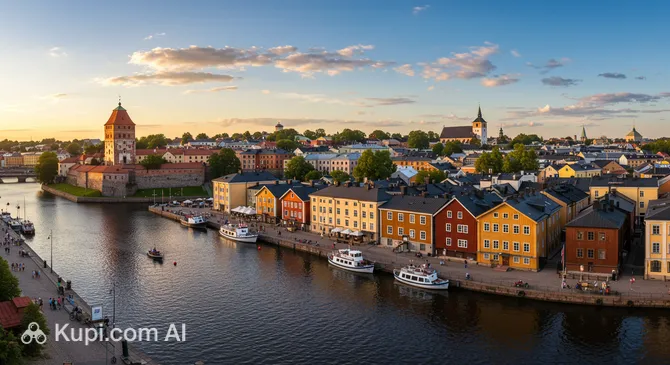
Beyond its ancient landmarks, the city pulses with life along the banks of the Aura River. This area serves as the city's "living room," lined with charming cafe boats, top-tier restaurants, and museums such as the unique Aboa Vetus Ars Nova. Whether you are strolling through the Old Great Square or enjoying the archipelago's scenery nearby, Turku invites you to experience its distinct Nordic charm and warm hospitality.
Weather Overview
The climate in Turku features distinct seasonal changes, ranging from snowy winters to bright, comfortable summers. Generally, visitors can expect warm summers with occasional showers and cold, freezing winters. To help you pack appropriately for your specific travel dates, it is helpful to review the detailed weather in Turku before your journey.
Summer is the most popular time to visit, particularly in July, which is the warmest month with an average temperature of 17.5°C and highs often reaching 21.2°C. June and August are also pleasant, maintaining averages between 15°C and 17°C. Although precipitation volume is recorded as low throughout the year (mostly 1-3mm), rain showers are not uncommon, with July and August seeing about 14 to 15 wet days each.
In contrast, the winter months of January and February bring freezing conditions, with average temperatures dropping to around -3°C and minimums reaching -5.7°C. The transitional seasons of spring and autumn offer cooler but manageable weather; for instance, May warms up to an average of 10.1°C, while October sees temperatures dip to around 7.2°C.
Interesting Facts
Beyond the main attractions, Turku holds many fascinating secrets and quirky traditions that define its local character. Here are some intriguing facts that reveal the unique spirit of Finland's oldest city.
Turku is known as the official "Christmas City" of Finland. Every year on Christmas Eve at noon, the Declaration of Christmas Peace is publicly read at the Old Great Square. This tradition dates back to the Middle Ages and is broadcast live nationwide, marking the solemn beginning of the holiday festivities for the entire country.
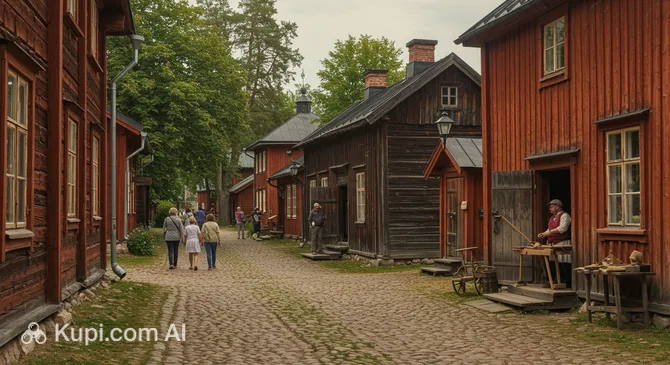
The city was forever changed by the Great Fire of Turku in 1827, which remains the largest urban fire in the history of the Nordic countries. The inferno destroyed nearly three-quarters of the city in a single day. The wooden houses at the Luostarinmäki Open-Air Museum are among the few original structures that miraculously survived the flames, preserving a genuine slice of 18th-century architecture.
Beneath the modern streets lies a hidden history. When construction began for a planned contemporary art museum, workers unexpectedly discovered extensive ruins of medieval brick houses and lanes. These archaeological finds were preserved in situ, creating the unique underground section of the Aboa Vetus & Ars Nova Museum, where visitors can literally walk through the layers of the past.
Locals have a humorous way of defining their location relative to the river using a specific dialect. The side of the Aura River where the Turku Cathedral stands is affectionately called "täl pual" (this side), while the opposite bank is known as "tois pual" (the other side). This playful geographic rivalry is a staple of local conversation.
Reaching this coastal city is straightforward, with several convenient options depending on your starting point. Whether you prefer flying directly or taking a scenic route through the region, you can find the best mode of transport for your journey. For a detailed breakdown of all available routes, you can read more about how to get to Turku.
The most convenient option for air travelers is Turku Airport (TKU), located just 7 km from the city center. Although it is a smaller regional hub, it offers a quick and stress-free arrival experience. From the airport, a trip to the downtown area by taxi or bus takes approximately 30 minutes.
Alternatively, many visitors choose to fly into Helsinki-Vantaa Airport (HEL) in Helsinki, which is the country's main international gateway. Located about 150 km from Turku, this large airport offers a much wider range of flight connections. From Helsinki, you can easily continue your journey to Turku by bus or train, which typically takes around 2 hours.
For clarity, here is a summary of the main airports:
Airport Name
City
Passenger Traffic
Km from City
Helsinki-Vantaa Airport
Helsinki
Large
150.5
Tallinn Airport
Tallinn
Medium
183.4
Turku Airport
Turku
Small
7.0
Tampere-Pirkkala Airport
Tampere
Small
130.0
Mariehamn Airport
Mariehamn
Small
135.1
If you are traveling by rail from international destinations or other parts of the country, you might transit through the capital. A major hub is Helsinki Central Station in the city of Helsinki, situated about 152 km from Turku. From this station, there are frequent and direct train connections that will bring you to Turku in comfort.
Below is a list of the nearest major railway stations listed for reference:
Station
City
Passenger Traffic
Km to Center
Helsinki Central Station
Helsinki
Large
152.1
Uppsala Central Station
Uppsala
Medium
264.0
Gävle Central Station
Gävle
280.6
Main Attractions
Exploring Turku means taking a walk through centuries of history while enjoying a vibrant modern atmosphere. The city's compact center makes it easy to visit many of its most significant landmarks on foot or by using the local city bikes and funicular. Here are some of the top places you should not miss during your visit.
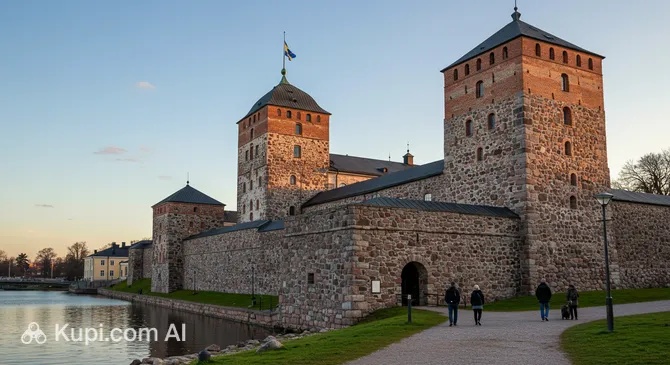
Standing guard at the mouth of the Aura River, Turku Castle is one of Finland's most important heritage sites. Dating back to the 1280s, this magnificent fortress has served as a defensive bastion, a majestic ducal court, and an administrative center. Today, it is a fascinating museum where you can explore medieval dungeons, banquet halls, and historical exhibitions that tell the story of the region. It is a must-visit for history buffs and families alike.
Turku Castle. Source: Kupi.Binoculars
Dominating the city skyline is the Turku Cathedral, regarded as the national shrine of Finland. Consecrated in 1300, it is the mother church of the Evangelical Lutheran Church of Finland. The cathedral is not only a place of worship but also a resting place for notable historical figures, including Queen Karin Månsdotter. Its museum in the south gallery displays sculptures and church silverware dating back to the Catholic Middle Ages.
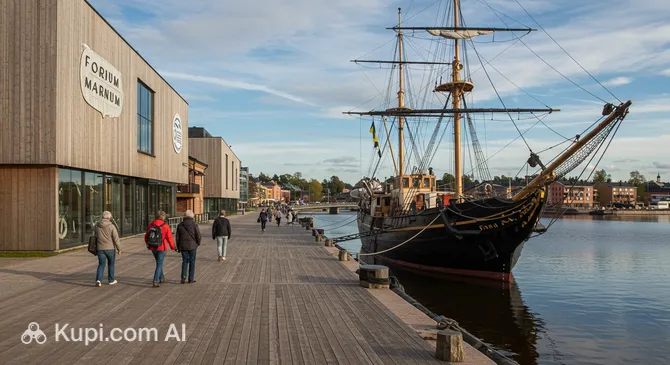
For those interested in maritime history, the Forum Marinum is a lively maritime center and museum located by the river. It features a diverse collection of boats and exhibitions on naval history. One of its main highlights is the magnificent full-rigger Suomen Joutsen, a white swan of the seas that has become a symbol of Turku. Visitors can board the ship during the summer season to see how sailors lived and worked.
Forum Marinum. Source: Kupi.Binoculars
Art lovers should head to the Turku Art Museum, an impressive granite building located atop Puolalanmäki hill. The museum houses a comprehensive collection of Finnish art, particularly from the Golden Age, as well as contemporary works and international exhibitions. The architecture of the building itself is a romantic national style masterpiece, offering great views over the city.
A newer addition to the city's attractions is Kakola Hill. Once the site of a notorious prison, the area has been transformed into a trendy neighborhood with restaurants, a brewery, and a spa, all while preserving the rugged granite architecture of the old penitentiary. You can easily reach the top using the free Funicular, which offers a fun ride and scenic vistas over the river and the city.
Local Cuisine
Turku is widely regarded as the food capital of Finland, offering a culinary scene that beautifully merges fresh archipelago ingredients with modern gastronomic trends. The city's location on the coast ensures a steady supply of fresh seafood, while the surrounding countryside provides high-quality root vegetables, berries, and mushrooms. For food lovers, exploring the local flavors is as important as visiting the historical sites.
One of the absolute must-try specialties is the dark, sweet, and malty Archipelago Bread (saaristolaisleipä). It is typically served with salted butter, cold-smoked salmon, or pickled herring, making it a staple starter in many local restaurants. Another iconic flavor associated with the city is the famous Turku Mustard (Turun sinappi). Locals are incredibly passionate about this condiment, which is traditionally enjoyed with grilled sausages, especially at market stalls or late-night snack kiosks.
The heart of the city's dining culture beats along the banks of the Aura River. In the summer, the riverside transforms into a vibrant promenade lined with restaurant boats and terraces where you can enjoy dinner with a view of the cathedral or the castle. For a stylish break in a historical setting, you might visit Tiirikkala. Located in a charming wooden building by the river, it is a perfect spot to experience the relaxed local atmosphere over coffee or savory snacks.
Tiirikkala. Source: Kupi.Binoculars
Coffee culture is deeply ingrained in Finnish daily life, and Turku offers plenty of cozy cafes to indulge in this tradition. A hidden gem for history enthusiasts is the cafe located within the courtyard of the Pharmacy Museum and Qwensel House. Here, you can taste traditional 18th-century style pastries and cakes in an authentic bourgeois setting, transporting you back in time with every bite.
When it comes to drinks, the local craft beer scene is thriving, with several independent breweries producing excellent lagers and ales inspired by the region. If you are looking for a place to enjoy the evening, the city center offers everything from sophisticated wine bars to energetic spots like Sotto Pizza & Bar, which brings a touch of Italian flair to the Nordic streets. Whether you crave fine dining or casual street food, Turku's diverse menu promises to satisfy every palate.
Travel Tips
To ensure your visit to Finland’s oldest city is as smooth and enjoyable as possible, we have compiled a list of essential practical advice. These tips will help you navigate local customs, manage your budget, and pack the right gear for Turku’s distinct seasons and cobblestone streets.
Clothing and Gear: The key to dressing for Turku is layering, regardless of the season. Summers can be breezy by the river, so bring a light jacket even in July. If visiting in winter, thermal underwear, a heavy coat, and grip-soled boots are mandatory to handle freezing temperatures and icy sidewalks. Since the historic area and riverbanks feature uneven cobblestones, leave the high heels at home and opt for comfortable, sturdy walking shoes. For visiting Turku Cathedral, standard respectful attire is appreciated, though strict dress codes are rarely enforced.
Transportation: The city center is compact and best explored on foot, but for longer distances, the local public transport system, known as Föli, is excellent. A single ticket covers city buses and even the water bus that runs to Ruissalo island during summer. You can easily pay with a contactless bank card on the bus or use the Föli mobile app. Taxis are reliable but expensive; ride-hailing apps like Uber and Bolt operate here, but booking a local taxi via an app like Valopilkku is often faster.
Finances: Finland uses the Euro (€). Turku is a nearly cashless society; credit and debit cards (Visa and Mastercard) are accepted almost everywhere, from high-end restaurants to market stalls and public toilets. You rarely need to carry large amounts of cash. Tipping is not mandatory or expected, as service charges are included in the bill, but rounding up the total for exceptional service is a polite gesture.
Health and Safety: Turku is a very safe city for travelers, with low crime rates. In case of emergency, dial 112 for police or ambulance. Pharmacies are called Apteekki; the Yliopiston Apteekki usually has the longest opening hours. Be cautious of slippery streets in winter, as black ice can be treacherous—watch how locals walk (taking shorter steps) to avoid slipping.
Communication: Turku is a bilingual city (Finnish and Swedish), and English is widely spoken with a high level of fluency. You will have no trouble communicating in hotels, shops, and restaurants. Free Wi-Fi is available in many public spaces, including the city center and libraries. If you need mobile data, you can buy a prepaid SIM card (e.g., DNA, Elisa, Telia) at any R-kioski convenience store without a subscription.
Local Etiquette: Finns value personal space and silence. A handshake is the standard greeting; hugs are reserved for close friends. When entering a local home, it is customary to remove your shoes at the door. In public, speaking loudly or interrupting conversations is considered impolite. Punctuality is taken seriously, so try to be on time for any bookings or tours.
What to Avoid: Do not walk in the designated bicycle lanes. Cycling is a popular mode of transport in Turku, and locals ride fast; walking in their lane is dangerous and frowned upon. Also, avoid assuming everyone speaks Russian; while some might, English is the safer and more polite lingua franca for tourists.
River Etiquette: The banks of the Aura River are the city's social hub. It is perfectly acceptable to sit on the wooden piers or grassy banks to enjoy a drink or a picnic, especially during the "white nights" of summer. However, always clean up after yourself—littering is strictly looked down upon in this environmentally conscious city.
Armed with these practical tips, you are ready to immerse yourself in the relaxed and welcoming atmosphere of Turku. Whether you are catching a Föli water bus to the archipelago or enjoying a quiet coffee by the Aura River, you will find the city easy to navigate and full of friendly faces.
Entertainment & Nightlife
Turku may be steeped in history, but its energy remains refreshingly young, largely thanks to two universities and a vibrant student population. As the sun sets, the city transforms into a lively hub of entertainment, offering everything from relaxed riverside lounges to energetic dance floors. The nightlife here is compact and accessible, allowing you to easily hop from a cozy pub to a bustling club without needing a taxi.
The epicenter of evening social life, especially during the warmer months, is undoubtedly the Aura River. The riverbanks are lined with permanently moored riverboats that function as floating bars and restaurants. Locals flock here to enjoy drinks on the open decks, soaking in the view of the illuminated cathedral. As the night progresses, the action moves towards the Market Square (Kauppatori) and the surrounding streets, where you will find a dense concentration of nightclubs and cocktail bars.
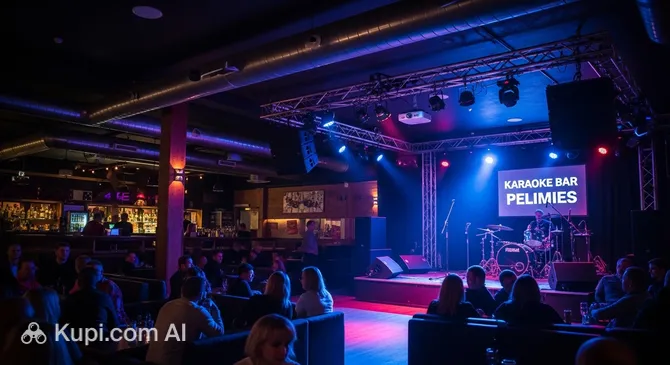
For those who enjoy a lively and interactive atmosphere, Karaoke Bar Pelimies is a popular spot to experience the Finnish love for karaoke. It offers a relaxed environment where you can sing your heart out or simply enjoy the performances with a drink in hand. If you prefer a night of friendly competition, Aura Billiards provides high-quality tables and a chill vibe, perfect for spending hours playing pool or snooker with friends.
Karaoke Bar Pelimies. Source: Kupi.Binoculars
The city also hosts major entertainment events, particularly at the Turku Arena (often referred to locally by its sponsor name, Gatorade Center). This large venue is the go-to place for ice hockey matches, international concerts, and large-scale shows. If you are planning to attend an event here, it is located a bit further from the center, so check the bus schedules or pre-book a taxi.
When it comes to practicalities, the dress code in Turku is generally "smart casual." You will fit in wearing jeans and a nice top at almost any bar or club, though some high-end nightclubs might expect a slightly more polished look. Alcohol prices are typical for the Nordics—expect to pay a premium for cocktails and spirits, while beer and cider are somewhat more affordable during happy hours. Bars usually close around 2:00 AM, while nightclubs stay open until 4:00 AM.
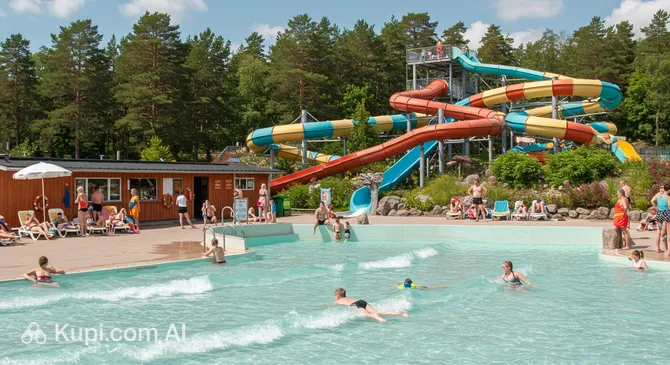
Before the nightlife kicks in, there are plenty of ways to entertain yourself during the day. Families and thrill-seekers will enjoy JukuPark Turku, a massive outdoor water park perfect for hot summer days. Alternatively, SuperPark Turku offers indoor activities and adventure zones that are great for all ages, rain or shine. The city also boasts a rich theater scene, with the Turku City Theatre being a prominent landmark by the river.
JukuPark Turku. Source: Kupi.Binoculars
Safety is rarely a concern in Turku. The city center is well-lit and safe for walking at night. However, as in any city, it is wise to stay aware of your surroundings. If you need a ride home late at night, you can hail a taxi at designated stands or use apps like Valopilkku or Uber. Night buses also run on weekends, providing a budget-friendly way to return to the suburbs or nearby accommodations.
Parks & Museums
Turku is a city that breathes through its extensive green spaces and celebrates its heritage through a diverse array of museums. Beyond the riverside promenades, the city offers lush parks and specialized galleries that provide a deeper look into Finnish culture, nature, and the arts, making it a delightful destination for leisurely exploration.
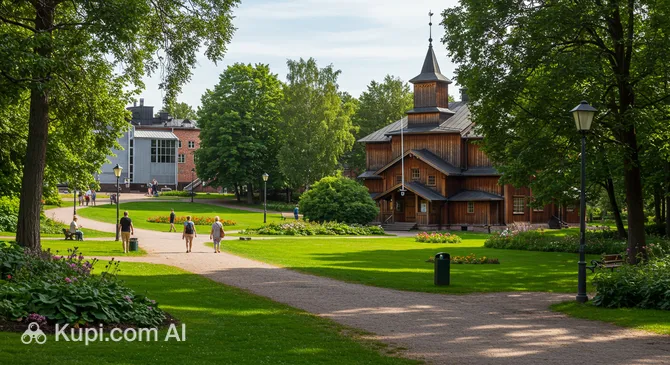
One of the most beloved outdoor areas is Kupittaa Park, the oldest urban park in Finland and the largest in Turku. Often referred to as the "Central Park of Turku," it is a vibrant hub of activity year-round. Tourists and locals alike flock here to enjoy its vast lawns, outdoor swimming pool, and adventure park. In the winter, the park transforms into a wonderland with an ice skating rink, making it a perfect spot for families and active travelers seeking a break from the city center.
Kupittaa Park. Source: Kupi.Binoculars
For those looking to combine nature with a refreshing dip, Ispoinen Beach offers a classic Finnish experience. Located a short distance from the center, this scenic spot is popular for sunbathing in the summer and ice swimming in the winter. The area is well-equipped with a sauna, allowing visitors to experience the authentic local tradition of alternating between the steamy heat and the chilly waters of the Archipelago Sea.
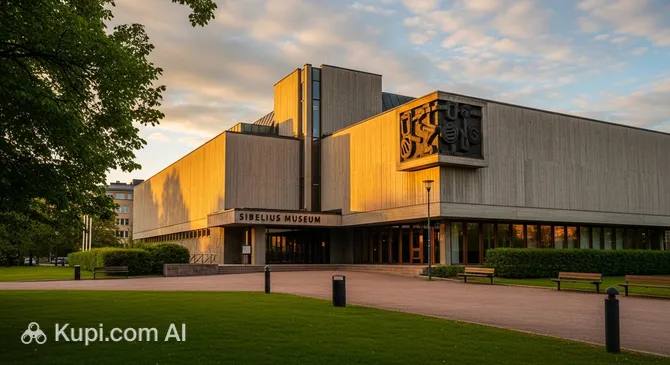
Turku's cultural scene extends well beyond its medieval roots. Music lovers should not miss the Sibelius Museum, the only museum in Finland dedicated entirely to music. Housed in a striking concrete building that is a gem of brutalist architecture, the museum explores the life and work of the famous composer Jean Sibelius, as well as a vast collection of musical instruments. The building's acoustics are exceptional, and it frequently hosts intimate concerts that are a treat for the ears.
Sibelius Museum. Source: Kupi.Binoculars
Art enthusiasts seeking a modern perspective will appreciate the WAM Turku City Art Museum. Situated by the Aura River, WAM focuses on contemporary art, showcasing rotating exhibitions that feature both Finnish and international artists. For a different kind of history, the charming Turku Biological Museum takes visitors on a journey through the fauna and flora of Finland. Housed in a beautiful Art Nouveau wooden building, its detailed dioramas have been fascinating visitors since 1907.
Among the city's architectural highlights is St. Michael's Church, which dominates the western skyline. This magnificent red-brick church, designed in the Neo-Gothic and Art Nouveau styles, is a favorite among photographers and architecture buffs. Its towering spire and intricate interiors offer a peaceful retreat and a stark, beautiful contrast to the medieval stone of the cathedral on the other side of the city.
Insider Tip: If you are visiting Kupittaa Park, take a moment to look for the statue of St. Henrik near the spring. Legend says this is where the first bishop of Finland baptized locals in the 12th century, adding a layer of ancient history to your park stroll.
Getting Around
Public transport in Turku is efficient, reliable, and user-friendly, making it easy for visitors to navigate the city without a car. The system is operated by Föli (Turku Region Public Transport), which integrates Turku and its neighboring municipalities into a single zone with a flat fare. The backbone of the network consists of distinctive yellow buses that cover the city center, suburbs, and surrounding towns like Naantali and Raisio. Unlike larger capitals, Turku does not have a metro or tram system, but the extensive bus network more than makes up for it with frequent connections and wide coverage.
A unique feature of the local transport system is the Föli Water Bus, which operates during the summer months. This river ferry runs from the city center along the Aura River to the scenic Ruissalo island and other stops. It is not just a tourist attraction but a genuine part of the public transport network, meaning standard bus tickets are valid for the ride. Another special mode of transport is the Funicular, which provides access to Kakola Hill. This inclined elevator offers a quick and scenic way to reach the top of the hill, and best of all, using the Funicular is completely free of charge for everyone.
Paying for your journey is straightforward and modern. The easiest method for tourists is contactless payment. You can simply tap your Visa, Mastercard, or Eurocard (or a mobile device with Apple Pay or Google Pay) on the card reader when boarding the bus. This buys a single ticket, which is valid for two hours and allows for unlimited transfers between buses and the water bus. Alternatively, you can download the Föli mobile app to purchase single tickets or day passes directly on your phone. Physical travel cards are also available at Föli service points and R-kioski convenience stores, but for short stays, contactless payment or the app is usually the most convenient.
Ticket prices are very reasonable, with a standard single ticket costing approximately 3 Euros. Since the ticket is valid for two hours, you can easily run an errand or visit a nearby sight and return on the same fare. Children under the age of 7 travel for free when accompanied by a paying adult. If you plan to use public transport frequently, consider buying a 24-hour or multi-day tourist ticket via the mobile app, which offers excellent value for unlimited travel.
Buses generally run from early morning, around 5:30 AM, until shortly after midnight. On weekends (Friday and Saturday nights), special night bus lines operate to ensure safe travel after hours, usually until around 2:30 AM or later. When waiting for a bus, remember to signal the driver by raising your hand, as buses will not stop unless requested. Enter through the front door to validate your ticket or tap your card, and exit through the middle or rear doors.
For those who prefer active travel, Turku is an excellent cycling city. During the warmer months (typically April to October), the Föli city bike system allows you to rent bicycles from numerous stations around the city. You can register for a small fee and use the bikes for short trips, making it a fun way to see the riverside. If you need a private ride, taxis are readily available and safe, though more expensive than the bus. You can hail one at a taxi stand, call a local dispatch, or use ride-hailing apps like Uber, Bolt, or the local Valopilkku app.
Accommodation
Turku offers a welcoming variety of accommodation options that cater to all types of travelers, from backpackers to luxury seekers. The city center is compact and walkable, meaning that wherever you choose to stay, you will likely be close to the main attractions and the riverfront. Visitors can find everything from affordable hostels and comfortable mid-range chain hotels to stylish apartments and high-end boutique lodgings.
The most popular area for tourists is the downtown district surrounding the Market Square and the Hansakortteli shopping center. Staying here places you right in the middle of the city's shopping and dining scene, with excellent transport links to the archipelago. For those seeking a more scenic atmosphere, the banks of the Aura River offer several hotels with beautiful views, particularly near the historic Old Great Square, where the charm of the medieval city is palpable.
Kakola Hill. Source: Kupi.Binoculars
For a truly unique experience, consider looking for accommodation on Kakola Hill. This fascinating area, formerly the site of a notorious prison, has been transformed into a trendy neighborhood featuring a unique prison-themed hotel and upscale apartments. It offers a blend of rugged history and modern luxury, all accessible via the city's funicular.
Regarding costs, prices in Turku are generally comparable to other Nordic cities. Budget travelers can find hostel beds or simple rooms starting from around 60–80 EUR per night, while standard double rooms in mid-range hotels typically range between 120 and 160 EUR. Luxury options and suites will cost significantly more. It is highly recommended to book your accommodation well in advance, especially if you are visiting during the peak summer months of July and August or during major events, as the best places fill up quickly. Most properties can be easily booked via major online platforms or directly through their websites.
Nearby Cities
For those looking to explore the surroundings, Turku serves as an excellent base for day trips to several interesting nearby locations:
One of the most popular excursions is to Rauma, located approximately 90 kilometers north of Turku. This charming coastal town is famous for Old Rauma (Vanha Rauma), a UNESCO World Heritage site that stands as the largest unified wooden town in the Nordic countries. Wandering through its winding streets, visitors can admire colorful 18th-century houses, explore artisan boutiques, and perhaps hear the unique local dialect, which is still spoken by some residents.
Another fascinating destination is Raseborg, situated to the southeast. It is best known for the majestic ruins of Raseborg Castle, a medieval fortress that transports visitors back to the 14th century. The area is also home to the picturesque Fiskars Village, a hub of Finnish art and design where historic ironworks have been repurposed into studios, shops, and exhibitions, making it a perfect spot for culture lovers.
Closer to Turku, the city of Salo offers a relaxed atmosphere known for its vibrant marketplaces and diverse shopping opportunities. Often remembered for its history in the electronics industry, Salo today features beautiful riverside parks and acts as a gateway to the nearby Teijo National Park, offering a mix of urban comfort and natural beauty.
City
Population
Distance (km)
Salo
53890
48
Rauma
39809
86
Kaarina
33099
9
Raseborg
28405
85
Raisio
24290
6
These nearby destinations offer a glimpse into the diverse culture and landscapes of the region.
Shopping & Souvenirs
Shopping in Turku is a delightful experience that combines the convenience of modern centers with the charm of historic market traditions. The city center is compact and walkable, meaning you can easily browse through high-street fashion brands, department stores, and small boutiques without needing public transport. Whether you are looking for classic Finnish design, local delicacies, or international labels, the downtown area offers a concentrated selection of shops to suit every taste.
The heart of the city’s shopping district revolves around the Market Square (Kauppatori). The streets radiating from this central hub, particularly the pedestrianized section of Yliopistonkatu, are lined with a variety of specialty stores and cafes. This area serves as the main promenade where locals and tourists alike gather to shop, stroll, and enjoy the lively urban atmosphere.
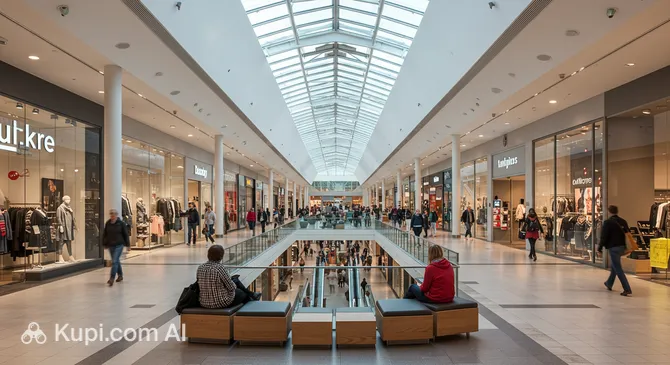
For a comprehensive shopping experience under one roof, the Hansakortteli is the place to go. Located right next to the Market Square, it is the largest shopping center in Turku and a favorite meeting point for locals. Inside, you will find dozens of shops ranging from clothing and electronics to interior design, along with numerous restaurants. Just across the square lies the Wiklund Shopping Centre, a traditional department store that has been modernized to offer a wide selection of goods, a hotel, and a rooftop bar with great views.
Hansakortteli. Source: Kupi.Binoculars
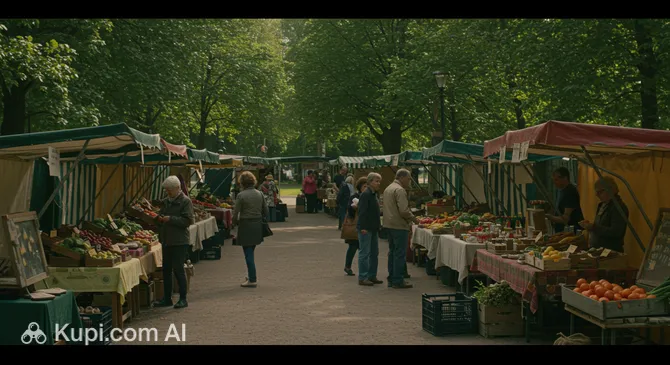
No shopping trip to Turku is complete without visiting the historic Turku Market Hall (Kauppahalli). Opened in 1896, this beautiful red-brick building is an atmospheric destination for foodies. Here, you can wander past old-fashioned wooden stalls selling fresh fish, cheeses, and pastries. It is the perfect place to buy high-quality local ingredients or enjoy a traditional lunch in a nostalgic setting.
When it comes to souvenirs, Finland is famous for its high-quality design and unique food items. Popular gifts to bring home include Moomin products, which are beloved icons of Finnish culture, and timeless design pieces from brands like Iittala (glassware) and Marimekko (textiles). For a taste of the city, look for the iconic Turku Mustard (Turun sinappi), a spicy condiment that holds a special place in the hearts of locals, or a loaf of dark, sweet archipelago bread.
Most shops in the city center are open on weekdays from around 10:00 AM to 7:00 PM or 8:00 PM, and on Saturdays from 10:00 AM to 5:00 PM or 6:00 PM. Large shopping centers like Hansakortteli usually have longer hours and are also open on Sundays, typically from 12:00 PM to 6:00 PM. Payment is incredibly easy, as credit and debit cards are accepted almost everywhere, even for small purchases at market stalls.
For visitors residing outside the European Union and Norway, tax-free shopping is widely available. Look for the "Tax Free Shopping" signage in store windows. If you spend over a certain amount (usually 40 EUR) in a single store, you can request a tax refund form to claim back the VAT upon your departure from the EU.