Support

Stockholm

About

Welcome to Stockholm, the vibrant capital that perfectly balances rich tradition with modern innovation. Often referred to as the "Beauty on Water," this stunning city is the cultural, media, and economic center of Sweden. Whether you are strolling through medieval alleyways or admiring contemporary architecture, the city's unique atmosphere of openness and proximity to nature is palpable everywhere you go.

Geographically, Stockholm is truly distinct; it is built across 14 islands connected by 57 bridges where Lake Mälaren flows into the Baltic Sea. This archipelago setting ensures that water is an ever-present feature of the cityscape. With a metropolitan population of over 1.6 million people, it stands as the most populous city in the Nordic region, yet it maintains a spacious and airy feel thanks to its abundant parks and waterways.
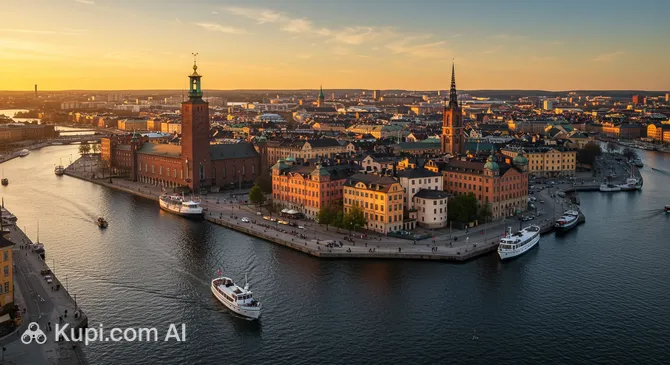
Stockholm. Source: Kupi.Binoculars

To truly understand the soul of this place, one must delve into the history of Stockholm. The city was founded in 1252, and its heart remains in Gamla Stan, the Old Town. Here, visitors can wander through narrow, cobblestone streets lined with ochre-colored buildings that have stood for centuries. This area is one of the best-preserved medieval city centers in Europe and serves as a living museum of the city's past.

Beyond its historical charm, Stockholm offers world-class attractions. The Vasa Museum, home to a salvaged 17th-century warship, is a must-see for maritime enthusiasts, while the Royal Palace invites guests to explore one of the largest palaces in Europe. For those seeking a more modern vibe, the city is a hub for design, fashion, and culinary excellence, often referred to as the "Gastronomic Capital of Europe."

Whether you are visiting for the long, sun-drenched days of summer or the cozy, snow-dusted charm of winter, Stockholm promises an unforgettable experience. We invite you to explore its islands, taste its flavors, and discover why it is considered one of the most welcoming cities in the world.

Weather Overview

Stockholm experiences four distinct seasons, each bringing its own unique character to the city. Summers are generally mild and pleasant, with average temperatures peaking at 17.6°C in July and daily highs reaching around 21°C, making it an ideal time for exploring the archipelago. In contrast, winters are crisp and cold, with average temperatures hovering around -1°C to 0°C in December and January, often dipping to lows of -3°C.

Travelers should be prepared for mixed conditions regardless of the season. To help plan your packing list, we recommend checking the detailed weather in Stockholm before your trip. Expect mild to warm summers and cold winters, with precipitation occurring consistently throughout the year; the city typically sees between 8 and 14 wet days per month, keeping the parks lush and green.

Interesting Facts

Beyond the scenic archipelago views and historic cobblestones, Stockholm holds fascinating secrets that often escape the casual eye. From deceptive architecture to urban fishing, the city is full of surprises waiting to be discovered.

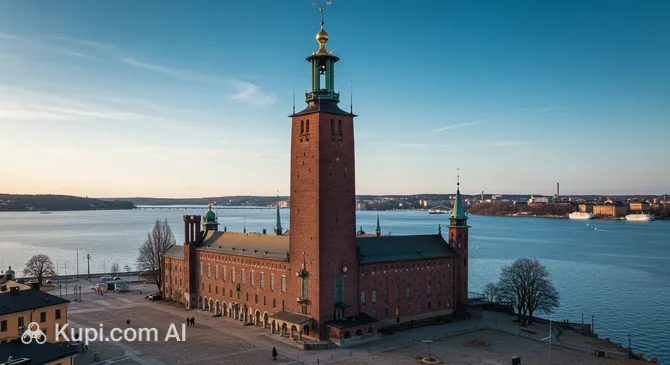
Stockholm City Hall. Source: Kupi.Binoculars
  • The prestigious Nobel Banquet is held annually in the Blue Hall of Stockholm City Hall, but visitors are often confused to find the walls are actually red brick. The architect changed his mind about painting them blue after seeing the beautiful natural brickwork, yet the original name remained.

  • Stockholm’s subway system is widely known as the world's longest art gallery. Spanning 110 kilometers, over 90 of the 100 stations feature dramatic cave-like installations, unique sculptures, and mosaics, making a simple commute feel like a museum tour.

  • The water in the city center is so clean that you can fish for salmon and trout right in the middle of town. It is not uncommon to see anglers casting their lines just steps away from the Royal Swedish Opera and the parliament buildings.

  • Stockholm is home to the world's first National City Park, established in 1995. This vast green area, known as the Ecopark, encompasses the popular island of Djurgården and stretches for miles, allowing locals to hike through ancient forests without ever leaving the metropolitan limits.

  • In the heart of the Old Town, you can find Mårten Trotzigs Gränd, the narrowest street in the city. At its tightest point, this picturesque alleyway measures just 90 centimeters wide, barely enough for two people to pass each other comfortably.

How to Get There

Reaching the Swedish capital is convenient thanks to its well-connected transport network. Whether you are arriving by air or land, there are multiple options to suit your travel plans. For a complete guide on all available routes, you can read more about how to get to Stockholm.

The primary gateway for international travelers is Stockholm Arlanda Airport (IATA: ARN). Located approximately 36.4 km from the city center, this is the largest airport in the country. It offers excellent connectivity to the downtown area; the high-speed Arlanda Express train covers the distance in about 20 minutes, while airport buses and taxis typically take around 45 minutes depending on traffic.

Another convenient option, particularly for domestic and regional connections, is Bromma Airport (IATA: BMA). Situated just 7.3 km from the heart of the city, it is the closest airport to the center. Due to its proximity, a trip by car or taxi usually takes only about 20 to 30 minutes, making it a favorite for business travelers and quick getaways.

For clarity, here is a summary of the main airports serving the region:

Airport Name City Passenger Traffic Km from City
Stockholm Arlanda Airport Stockholm High 36.4
Bromma Airport Stockholm Medium 7.3
Linkoping City Airport Linköping Low 172.1
Orebro-Bofors Airport Orebro Low 173.0
Mariehamn Airport Mariehamn Low 135.5

For those traveling by train, the region is accessible through several key railway hubs. You can arrive at Uppsala Central Station (IATA: QYX) in the city of Uppsala, which is located about 63.2 km from Stockholm. It is a major transit point with frequent connections. A drive from Uppsala to Stockholm typically takes around 1 hour, though direct train services are often faster and more convenient.

Another alternative is Norrköping Central Station (IATA: XYK), situated approximately 135.8 km away in Norrköping. Serving as an important node for travelers coming from the south, it offers reliable access to the capital region.

Below is a list of railway stations in the vicinity that facilitate travel to the area:

Station City Passenger Traffic Km to Center
Uppsala Central Station Uppsala High 63.2
Norrköping Central Station Norrköping High 135.8
Eskilstuna Central Station Eskilstuna Medium 88.8
Sala Station Sala - 105.5
Avesta Krylbo Station Avesta - 140.1

Main Attractions

Stockholm is a city where history and modernity coexist seamlessly, offering a wide array of sights that cater to every type of traveler. From maritime wonders to royal grandeur and pop culture icons, the city's landmarks provide a deep dive into Swedish heritage and lifestyle. Exploring these top attractions is the best way to capture the true essence of the Nordic capital.

One of the most visited sites in Scandinavia is the Vasa Museum. This maritime museum houses the Vasa, a majestic 17th-century warship that sank on its maiden voyage in 1628 and was salvaged almost entirely intact 333 years later. Tourists are drawn here to marvel at the ship’s intricate wooden carvings and to learn about life on board during the Swedish Empire's golden age. It is a unique time capsule that offers an unparalleled glimpse into naval history.

Vasa Museum. Source: Kupi.Binoculars

For those who enjoy history in the open air, Skansen is an absolute must. Located on the island of Djurgården, it is the world's oldest open-air museum and showcases five centuries of Swedish history. Visitors can walk through historical buildings dismantled and transported from all over Sweden, watch craftsmen at work, and even see Nordic animals like moose and bears. It is a perfect spot for families and anyone interested in traditional Swedish culture.

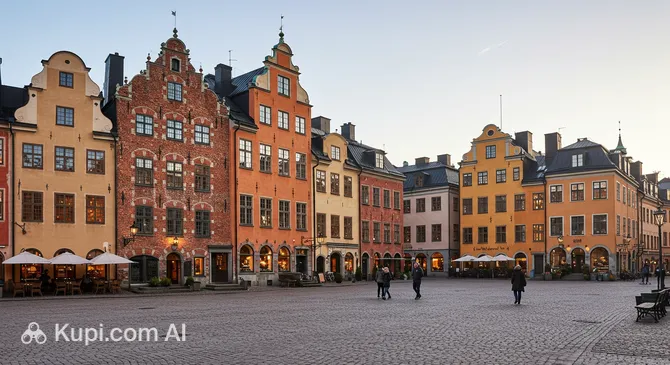
In the heart of the Old Town (Gamla Stan) lies Stortorget, the city's oldest square. Famous for its colorful gabled merchant houses and the iconic Nobel Prize Museum, this square is the historical focal point of Stockholm. It is a fantastic place to enjoy a "fika" (coffee break) while soaking in the medieval atmosphere, and it famously hosts a charming Christmas market in the winter.

Stortorget. Source: Kupi.Binoculars

No visit to Stockholm is complete without seeing The Royal Palace. As one of the largest palaces in Europe with over 600 rooms, it serves as the official residence of His Majesty the King of Sweden. Visitors can explore the lavish Royal Apartments, the Treasury with the regalia, and the Tre Kronor Museum. The daily changing of the guard ceremony is also a popular spectacle that adds a touch of royal pomp to the experience.

For a lighter, music-filled experience, ABBA The Museum offers an interactive journey through the career of the legendary pop group. This is not just a regular museum; you can virtually try on costumes, sing in the Polar Studio, and even perform on stage with holograms of the band members. It is a fun and engaging attraction that celebrates Sweden's immense contribution to global pop music.

Local Cuisine

Stockholm’s culinary scene is a delicious reflection of its geography and history, blending hearty traditional fare with the innovative spirit of the "New Nordic" cuisine. The city has earned a reputation as a gastronomic capital, where fresh, locally sourced ingredients take center stage. At the heart of Swedish dining is Husmanskost—traditional home cooking that is simple, filling, and deeply comforting.

No visit to Stockholm is complete without tasting the city's most iconic dish: Swedish meatballs (köttbullar). Far superior to any fast-food version, these are typically served with creamy gravy, mashed potatoes, pickled cucumber, and the essential tart sweetness of lingonberries. Seafood lovers should try Toast Skagen, an elegant starter featuring peeled shrimps mixed with mayonnaise, dill, and lemon, piled high on sautéed bread and often topped with fish roe. Pickled herring (sill) is another staple, available in countless marinades ranging from mustard to garlic, often enjoyed during festive holidays.

When it comes to beverages, coffee is the lifeblood of the city. Swedes are among the heaviest coffee drinkers in the world, a habit tied closely to the cultural institution of Fika. This is more than just a coffee break; it is a social ritual involving coffee and a sweet treat, most commonly a cinnamon bun (kanelbulle) or a cardamom bun. For something stronger, Akvavit (or snaps) is the traditional spirit, a spiced distillate often consumed during meals, accompanied by singing songs known as snapsvisor.

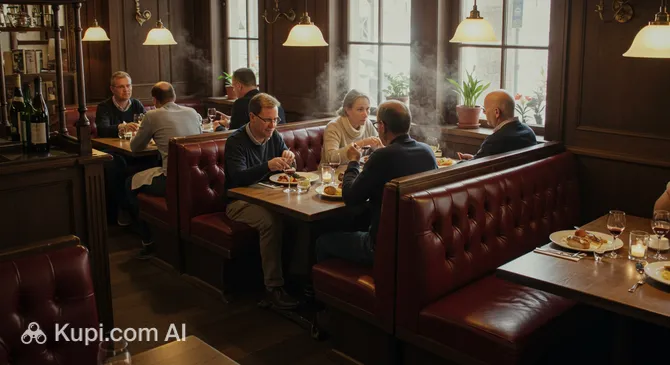
The dining culture in Stockholm ranges from bustling food markets (Saluhall) to world-class fine dining. A great tip for travelers is to look for "Dagens Rätt" (Dish of the Day) during lunchtime, which offers high-quality meals at a fraction of the dinner price. For those seeking an authentic taste of traditional cuisine in a historic setting, the Pelikan Restaurant is a legendary spot. With its high ceilings and beer hall atmosphere, it has been serving classic Swedish dishes to locals and artists for decades.

Pelikan Restaurant. Source: Kupi.Binoculars

For a more rustic and green experience, many locals head to Rosendals Garden on Djurgården island. This garden café focuses on organic and biodynamic produce, often using vegetables and fruits harvested directly from their own fields. It is the perfect place to enjoy a fresh lunch or a fika in a greenhouse or under the apple trees, showcasing the city's deep connection to nature and sustainable living.

Travel Tips

To help you make the most of your time in the "Beauty on Water," we have compiled a set of essential practical tips. Whether you are navigating the archipelago or settling the bill at a café, these insights will ensure your trip runs as smoothly as a Swedish watch.

  1. Clothing and Gear: The weather in Stockholm can be changeable, so the golden rule is to dress in layers (lager-på-lager). Even in summer, evenings can be cool, so bring a light jacket or sweater. In winter, thermal underwear, a warm coat, and waterproof boots are essential. Since you will likely do a lot of walking, especially on the cobblestones of Gamla Stan, pack comfortable, sturdy walking shoes. Sweden uses standard European Type F power outlets, so bring a universal adapter if needed.

  2. Transportation: The public transport system, SL, is world-class and includes the metro (Tunnelbana), buses, trams, and commuter boats. It is the most efficient way to get around; simply tap your contactless credit card at the turnstile or buy a digital ticket via the SL app. Avoid hailing taxis on the street if possible, as pricing is not regulated; if you must use one, stick to reputable companies like Taxi Stockholm or Uber to ensure a fixed price.

  3. Finances: Sweden is one of the most cashless societies in the world. The local currency is the Swedish Krona (SEK), but you will rarely need physical cash. Most shops, restaurants, and even public toilets only accept cards or mobile payments. Make sure your bank card is enabled for international use. Tipping is not mandatory, as service is included, but it is polite to round up the bill or leave 5-10% for exceptional service.

  4. Health and Safety: Stockholm is generally very safe, but standard precautions against pickpocketing should be taken in crowded tourist areas like the Central Station. Pharmacies are marked with the green Apotek sign and are widely available; the C.W. Scheele pharmacy on Klarabergsgatan is open 24/7. Tap water is of excellent quality and delicious, so bring a reusable bottle to refill.

  5. Communication: You will find that almost everyone speaks fluent English, so communication is rarely a barrier. However, learning a few local words is appreciated: say "Hej" for hello and "Tack" for thank you. Free Wi-Fi is common in cafes and hotels, but for constant connectivity, you can easily buy a prepaid SIM card at convenience stores like Pressbyrån or 7-Eleven.

  6. Local Etiquette: Swedes value personal space and order. The concept of the queue () is sacred; never cut in line, whether you are waiting for a bus or ordering coffee. If you are invited to a Swedish home, it is customary to remove your shoes at the door. Punctuality is also highly valued, so try to be on time for any appointments or tours.

  7. What to Avoid: Do not walk in the designated bicycle lanes. Cyclists in Stockholm are fast and commute year-round, and blocking their path is considered rude and can be dangerous. Also, avoid assuming you can buy alcohol anywhere at any time; strong liquor is only sold at the state-run monopoly stores called Systembolaget, which have limited opening hours and are closed on Sundays.

  8. Additional Tip: Take advantage of the Allemansrätten (Right of Public Access) if you venture into nature near the city. This unique law allows you to roam freely in forests and pick berries or mushrooms, provided you do not disturb the environment or private residents. It is a wonderful way to experience the Swedish connection to nature.

Armed with these tips, you are ready to explore Stockholm with the confidence of a local. Enjoy the seamless blend of efficiency and beauty that this magnificent city has to offer!

Entertainment & Nightlife

Entertainment and Nightlife:

Stockholm comes alive when the sun sets, offering a diverse nightlife scene that caters to everything from high-end glamour to underground beats. The city’s entertainment landscape is heavily influenced by the seasons; during the long, luminous summer nights, outdoor terraces and boat bars are packed, while winter invites locals into cozy pubs and subterranean clubs. Whether you are looking to dance until dawn or enjoy a sophisticated cocktail, the Swedish capital has distinct districts to suit your mood.

For those seeking luxury and exclusivity, the area around Stureplan is the place to be. This district is famous for its upscale clubs, champagne bars, and celebrity spotting. Be aware that the door policies here can be strict, and a smart dress code is often expected. In contrast, the island of Södermalm offers a more relaxed, bohemian vibe. This area, particularly the "SoFo" district, is filled with hipster bars, craft beer pubs, and venues playing indie or electronic music, where the atmosphere is welcoming and the dress code is casual.

Music lovers will find plenty of specific venues to explore. One of the city's most legendary spots is Fasching, a world-renowned jazz club that has hosted international stars and local talent since the 1970s. It combines a restaurant with a concert venue, making it perfect for a full evening out. For a grittier, more industrial clubbing experience, you should head to the Meatpacking District (Slakthusområdet) to visit Slaktkyrkan. Housed in a former slaughterhouse, this venue is now a cultural hub for electronic music, concerts, and club nights.

Slaktkyrkan. Source: Kupi.Binoculars

Beyond the bars and clubs, Stockholm offers excellent cultural entertainment that transitions seamlessly from day to night. During the warmer months, the Gröna Lund amusement park is not just for thrill-seekers riding rollercoasters; it is also a major concert venue hosting famous pop and rock artists. For a more classical evening, the Royal Swedish Opera presents world-class ballet and opera performances in a stunning historic setting near the waterfront.

When planning your night out, keep a few practical tips in mind. Alcohol in Sweden can be expensive compared to many other European countries, so budget accordingly. Age limits at clubs are strictly enforced and are often higher than 18; many venues require guests to be 20 or even 23 years old. Public transport is safe and runs late, with night buses and metro services available on weekends. If you prefer a car, stick to reputable taxi companies like Taxi Stockholm or use major ride-sharing apps, as hailing independent taxis on the street can sometimes lead to unregulated pricing.

Parks & Museums

Stockholm is widely recognized as one of the world's greenest capitals, offering a seamless blend of urban energy and serene nature. With over a third of the city area comprised of waterways and another third dedicated to parks and green spaces, visitors are never far from a refreshing escape. Whether you are looking for a royal park to stroll in or a world-class gallery to explore, the city’s cultural and natural landscape is exceptionally rich and accessible.

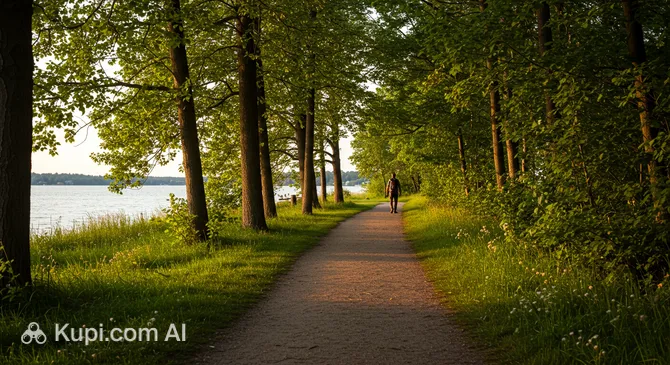
The crown jewel of Stockholm's green spaces is undoubtably Djurgården. Part of the world's first National City Park, this island is a beloved recreational area for both locals and tourists. It offers vast stretches of oak forests, canal-side walking paths, and open meadows perfect for picnics. Beyond its natural beauty, the island is a cultural hub, hosting several of the city's top museums and attractions, making it easy to combine a nature walk with sightseeing.

Djurgården. Source: Kupi.Binoculars

Right in the heart of the city lies Kungsträdgården, often referred to as the city's living room. Historically a royal kitchen garden, it is now a bustling meeting place lined with cafes and galleries. It is particularly famous in the spring when the avenues of cherry trees burst into magnificent pink blooms, drawing crowds for the annual Cherry Blossom Festival. In winter, the park transforms with a popular ice-skating rink, ensuring it remains a focal point year-round.

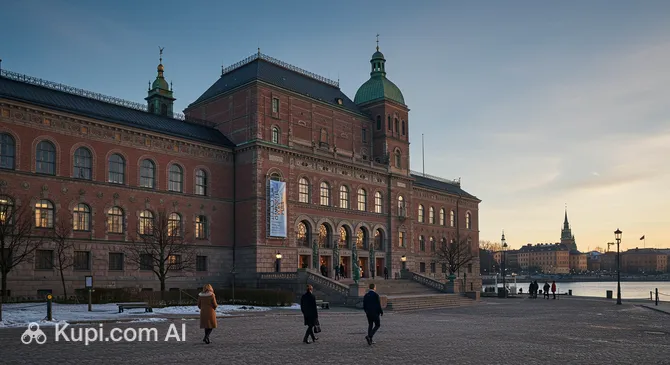
For those interested in art and design, the Nationalmuseum is an essential stop. As Sweden's premier museum of art and design, it houses an impressive collection of paintings, sculptures, and applied arts ranging from the Middle Ages to the present day. The building itself is an architectural masterpiece, recently renovated to let in more light and better showcase treasures by masters such as Rembrandt, Rubens, and iconic Swedish painters like Carl Larsson.

Nationalmuseum. Source: Kupi.Binoculars

A more contemporary experience awaits at Fotografiska Stockholm, one of the world's largest meeting places for contemporary photography. Located in a converted industrial customs house on the waterfront, it features four major exhibitions and nearly 20 smaller ones annually. It is not just a gallery but a vibrant social space with a top-floor cafe that offers sweeping panoramic views over the harbor and the city skyline.

Beyond the city center, history enthusiasts should visit Drottningholm Palace. This UNESCO World Heritage site is the private residence of the Swedish royal family but remains largely open to the public. Known as the "Versailles of the North," it features a perfectly preserved 18th-century theater and magnificent Baroque gardens that are ideal for a regal afternoon walk.

For a truly authentic local experience, head to Skinnarviksberget on Södermalm. It is the highest natural point in central Stockholm and a favorite spot for locals to watch the sunset. Bring a takeaway coffee or a snack, climb the rocky outcrop, and enjoy an unparalleled view across the water to the City Hall and the Old Town.

Getting Around

Navigating Stockholm is remarkably easy thanks to its safe, punctual, and highly integrated public transport system. Managed by SL (Storstockholms Lokaltrafik), the network covers the entire county, allowing you to travel seamlessly between the city center, the suburbs, and the surrounding islands using a single ticket system. Whether you are heading to a museum or exploring the archipelago, public transit is often the most efficient way to get around.

The backbone of the system is the Metro (Tunnelbana), recognizable by signs marked with a blue "T". It consists of three main lines—Green, Red, and Blue—that converge at T-Centralen. The metro is fast and reliable, but it is also a sightseeing destination in itself. Known as the "world's longest art gallery," over 90 of the 100 stations feature unique art installations, mosaics, paintings, and dramatic cave-like architecture. Stations like Kungsträdgården and Solna Centrum are particularly famous for their visual impact.

Complementing the metro is an extensive network of buses and trams. Blue buses typically serve major trunk routes across the city and suburbs, while red buses cover local lines. A highlight for visitors is Tram Line 7, which runs from the city center out to the island of Djurgården. This route is perfect for tourists as it stops near major attractions like the Vasa Museum and Skansen. Occasionally, you may even spot vintage tram cars running on this line, adding a touch of history to your journey.

Given the city's geography, traveling by water is both practical and scenic. Commuter ferries are part of the SL network, meaning your standard transport ticket is valid on them. The most popular route is the Djurgården ferry (Line 82), which connects Slussen/Gamla Stan with Skeppsholmen and Djurgården. It offers fantastic views of the waterfront and is a quick way to cross the harbor without getting stuck in traffic.

The payment system is designed to be cashless and user-friendly. You cannot buy tickets on board buses or trams, so you must purchase them in advance. The simplest option for visitors is to use contactless payment ("tap and go") with a credit or debit card directly at the turnstiles or card readers on buses. Alternatively, you can download the SL App to buy digital tickets. If you prefer a physical pass, you can purchase a green SL Card at convenience stores like Pressbyrån, 7-Eleven, or SL centers. This reusable smart card can be loaded with single tickets or travel passes.

Pricing is straightforward. A single ticket is valid for 75 minutes of unlimited travel across all zones, including transfers between metro, bus, tram, and commuter ferry. For tourists, it is often more economical to purchase a travel card tailored to your stay. Options include 24-hour, 72-hour, or 7-day passes, which offer unlimited travel for a fixed price. Reduced fares are available for seniors (65+) and young people (under 20), but be prepared to show ID.

Public transport operates extensively, with the metro running from early morning until around 1:00 AM on weekdays, and all night on Fridays and Saturdays. Night buses replace rail services during off-hours. To plan your trip, the SL App or Google Maps are indispensable tools, providing real-time updates and the fastest routes.

If you prefer alternatives, bicycling is extremely popular. The city has excellent bike lanes, and rentals are widely available through various apps and shops. Taxis are available but can be expensive. It is crucial to use reputable companies like Taxi Stockholm or large ride-sharing apps, as taxi prices are not regulated in Sweden. Always check the yellow price label in the window before entering a street-hailed cab to avoid surprises.

Accommodation

Finding the perfect place to stay in Stockholm is easy, as the city offers a diverse range of accommodation options to suit various tastes and budgets. From luxurious waterfront hotels and modern design hostels to cozy boutique guesthouses and serviced apartments, the standard of hospitality is generally very high. Whether you prefer the historic charm of medieval streets or the sleek efficiency of a contemporary business district, there is a comfortable spot waiting for you.

For most tourists, the location is key to experiencing the city efficiently. Norrmalm (City Centre) is the most convenient area, located right next to the Central Station and major shopping streets, making it a perfect base for first-time visitors. If you are looking for atmosphere, Gamla Stan (Old Town) allows you to sleep amidst cobblestone alleys and historic sites, though rooms here can be smaller and pricier. Alternatively, the island of Södermalm offers a trendy, bohemian vibe with plenty of cafes, vintage shops, and a relaxed nightlife scene.

Travelers seeking a blend of history and luxury might consider Hôtel Reisen. Located on the waterfront in the Old Town, this establishment combines 17th-century architecture with modern amenities, offering stunning views of the harbor. It is an excellent choice for those who want to be steps away from the Royal Palace and the ferry terminals.

Hôtel Reisen. Source: Kupi.Binoculars

For a completely different experience focused on relaxation, Yasuragi is a unique Japanese-inspired spa resort located just outside the city center. It is famous for its serene atmosphere, hot springs, and the fact that guests are encouraged to wear traditional yukata robes throughout their stay. It serves as a perfect retreat for visitors looking to unwind after days of sightseeing.

Stockholm is known for being a relatively expensive destination, so accommodation prices can be higher than the European average, particularly during the peak summer season and around Christmas. To secure the best rates and availability, it is highly recommended to book well in advance. Most bookings are made via major online platforms or directly through hotel websites, which often offer special packages. For budget-conscious travelers, the city also has several high-quality hostels that are clean, safe, and centrally located.

Nearby Cities

For those looking to explore the surroundings, Stockholm serves as an excellent base for day trips to several interesting nearby locations:

One of the most popular destinations is Lidingo, an island just northeast of the city center. Often referred to as the "Health Island" because of its abundant nature and recreational areas, it is famously home to Millesgården, the spectacular sculpture park and former home of artist Carl Milles. It is a perfect spot for art lovers and those seeking a peaceful walk along the waterfront.

A bit further out lies Södertälje, a historic city located where Lake Mälaren meets the Baltic Sea via a lock system. It is particularly well-known for Tom Tits Experiment, a massive interactive science center that offers fun for all ages. Additionally, the city features the charming Torekällberget open-air museum, which provides a glimpse into 19th-century life in the region.

Another interesting option is Täby, which appeals to history enthusiasts. This area is rich in Viking heritage and boasts the highest concentration of runestones in Sweden, including the famous Jarlabanke Causeway. It offers a fascinating journey back in time just a short train ride from the capital.

City Population Distance (km)
Södertälje 72704 30
Täby 65364 12
Upplands Väsby 48907 22
Tumba 37852 20
Lidingo 31561 6

These nearby destinations offer a glimpse into the diverse culture and landscapes of the region, ranging from ancient Viking history to modern artistic expression.

Shopping & Souvenirs

Shopping:

Shopping in Stockholm is a dream for design enthusiasts and fashion lovers alike. The city is world-renowned for its sense of style, characterized by minimalism, functionality, and high quality. Whether you are looking for the latest trends in Scandinavian fashion, iconic interior design pieces, or sustainable vintage finds, the Swedish capital offers a diverse retail landscape that caters to every taste and budget.

For a classic shopping experience, head to Drottninggatan, the city’s main pedestrian street. It stretches from the Observatorielunden park down to the Old Town and is lined with major international brands, department stores, and souvenir shops. If you are seeking something more exclusive, the district of Östermalm, particularly around Biblioteksgatan, is home to high-end luxury boutiques and flagship stores of famous Swedish brands. In contrast, the SoFo area (South of Folkungagatan) on the island of Södermalm offers a bohemian vibe with independent boutiques, second-hand stores, and unique art shops.

Stockholm also boasts some impressive shopping centers that are destinations in themselves. A short commuter train ride from the city center will take you to the Mall of Scandinavia in Solna. As one of the largest malls in the Nordic region, it features hundreds of stores, a massive cinema, and a wide range of dining options, making it perfect for a full day out. Another excellent option is Täby Centrum, known for its sleek design and extensive selection of shops, ranging from everyday fashion to premium labels.

Mall of Scandinavia. Source: Kupi.Binoculars

For a taste of local culture, the city's markets are a must-visit. Östermalms Saluhall is a historic food hall dating back to the 1880s, where you can browse counters filled with fresh seafood, cheeses, and traditional Swedish delicacies. It is an ideal spot to pick up edible gifts or enjoy a gourmet lunch. On weekends, the outdoor market at Hötorget transforms into a bustling flea market (Loppmarknad), where you can hunt for books, vinyl records, and bric-a-brac.

When it comes to souvenirs, skip the generic trinkets and look for items that truly represent Swedish heritage. The classic Dala Horse (Dalahäst), a hand-carved and painted wooden horse, is the most iconic symbol of the country. Other popular gifts include Swedish crystal or glass from famous brands like Orrefors and Kosta Boda, salty licorice (a local favorite), and practical design items for the home, such as patterned trays or textiles.

Most shops in central Stockholm are open from 10:00 AM to 7:00 PM on weekdays, with shorter hours on Saturdays (usually until 4:00 PM or 5:00 PM) and Sundays (often 12:00 PM to 4:00 PM). It is important to remember that Sweden is rapidly becoming a cashless society. Almost all retailers, cafes, and markets prefer or exclusively accept card payments and mobile apps; carrying large amounts of cash is generally unnecessary and can be inconvenient.

Tourists residing outside the European Union are often eligible for a tax refund on their purchases. If you buy goods at a store displaying the "Global Blue" or "Tax Free" signage, you can request a refund form at the checkout. By presenting your passport and the form at the airport upon departure, you can reclaim a portion of the Value Added Tax (VAT), making your shopping spree a bit more affordable.

Reached the end of the page?

That means the route is fully explored