Support

Avesta

About

Welcome to Avesta, a captivating town situated in the picturesque landscape of Dalarna County. Known for its significant industrial heritage and iconic cultural symbols, this destination offers a unique blend of historical depth and modern creativity. Located in central Sweden along the banks of the scenic Dalälven River, Avesta serves as an inviting gateway to the region's rich traditions.

The town's development has been profoundly shaped by its natural resources and manufacturing past. The history of Avesta is inextricably linked to copper refining and iron production, industries that once thrived here and laid the foundation for the community. Today, this legacy is preserved in fascinating ways, often transforming old industrial sites into vibrant cultural spaces that tell the story of the town's evolution.
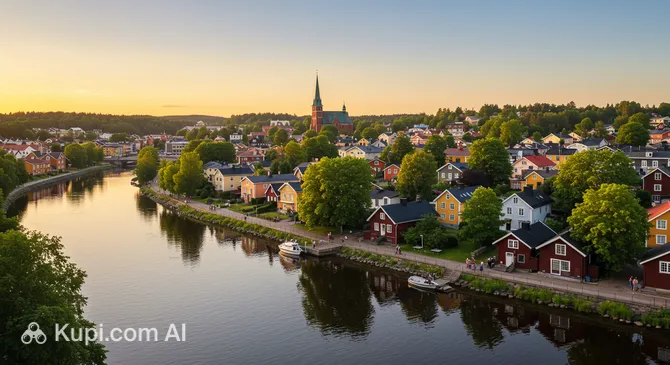
Avesta. Source: Kupi.Binoculars

Travelers are often drawn to the town by its distinct landmarks. A standout feature is the massive Dala Horse, which claims the title of the world's largest of its kind and stands as a proud symbol of the region. Another highlight is Verket, an award-winning immersive museum housed in the old ironworks, offering a stunning mix of industrial atmosphere and contemporary art exhibitions. For nature enthusiasts, the Avesta Bison Park provides a rare opportunity to observe majestic European bison in a protected environment.

With a population of approximately 12,000 residents, the town maintains a friendly and accessible atmosphere. Whether you are interested in exploring unique art installations, learning about Swedish industrial history, or simply enjoying the riverside views, Avesta offers a memorable stop on your journey through Scandinavia.
Weather Overview

The climate in this region is characterized by distinct seasonal changes, ranging from pleasantly mild summers to cold winters. Before packing for your trip, it is helpful to review the weather in Avesta to ensure you are prepared for the conditions. Overall, visitors can expect warm summers with occasional rain and cold, crisp winters.

During the peak summer months of June through August, average temperatures hover between 16°C and 17°C, with July typically being the warmest month, seeing highs around 21.5°C. In contrast, the winter season from December to February brings freezing conditions, with January averages dropping to -2.7°C and minimums reaching -5.1°C. While the volume of precipitation is generally low, wet days are frequent throughout the year, with August and December often experiencing up to 14 days with some form of precipitation.

Interesting Facts

Beyond the main attractions, Avesta holds many fascinating secrets that highlight its unique place in Swedish history. From record-breaking currency to pivotal conservation efforts, here are some intriguing details about the town.
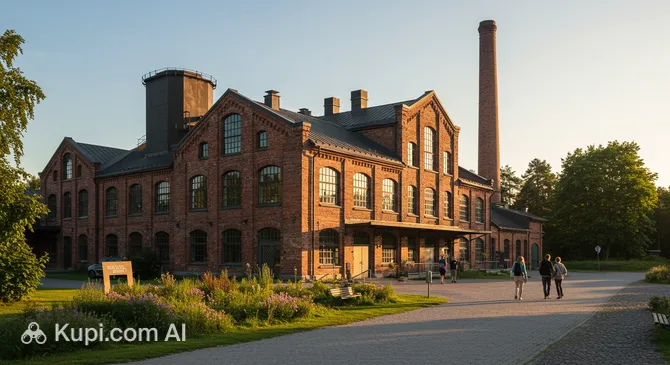
Koppardalen Verket. Source: Kupi.Binoculars
  • Avesta was once home to a mint that produced the world's largest copper coin. In the 17th century, the heavy "10 Daler Silvermynt" was minted here, weighing an astonishing 19.7 kilograms, making it a unique piece of numismatic history.

  • The town played a heroic role in saving the European bison from extinction. In the 1920s, when the species had almost vanished from the wild, a local railway owner established a breeding station in Avesta, which became crucial for the survival of the entire species.

  • The industrial heritage site of Koppardalen Verket is not just a museum but a unique fusion of heavy industry and culture. The rusted blast furnaces and industrial halls serve as a dramatic backdrop for "Avesta Art," an annual exhibition that places contemporary art installations directly within the preserved ironworks environment.

  • While the traditional Swedish Dala horse is carved from wood, the giant version standing in Avesta is constructed entirely from concrete. Standing 13 meters tall and weighing 67 tons, it is so large that it actually contains a small maintenance room inside its body.

How to Get There

Reaching Avesta is relatively straightforward thanks to its central location and good transport connections. Whether you prefer flying or taking the train, there are several convenient options to reach this industrial gem in Dalarna. For a complete overview of routes and travel advice, you can read more about how to get to Avesta to plan your journey effectively.

The city of Avesta does not have its own airport, so most international visitors arrive via the major hubs in the Stockholm region. The most significant gateway is Stockholm Arlanda Airport (ARN), located in Stockholm, approximately 113 km from Avesta. As Sweden's largest airport, it serves millions of passengers annually and offers excellent connectivity. From Arlanda, a taxi or rental car journey to Avesta typically takes around 1.5 to 2 hours. Another option is Bromma Airport (BMA), also situated in Stockholm, about 133 km away. While smaller, it is a convenient regional hub, with a travel time by road of roughly 2 to 2.5 hours.

For clarity, here is a summary of the main airports:

Airport Name City Passenger Traffic Km from City
Stockholm Arlanda Airport Stockholm Large 112.7
Bromma Airport Stockholm Medium 132.9
Linkoping City Airport Linköping Small 195.8
Orebro-Bofors Airport Orebro Small 121.0
Karlstad Airport Karlstad Small 177.3

Traveling by train is often the most comfortable way to arrive directly in the city. The primary hub is Avesta Krylbo Station, which is conveniently located just 0.4 km from the city center. This station connects Avesta to the wider Swedish railway network, making it easily accessible from major cities. If you are coming from the north or connecting via a larger regional hub, you might pass through Borlänge Railway Station in Borlange, located about 56 km away, before transferring or taking a bus for the final leg of the trip.

Below is a list of nearby railway stations that serve the region:

Station City Passenger Traffic Km to Center
Borlänge Railway Station Borlange Medium 55.9
Avesta Krylbo Station Avesta 0.4
Hedemora Station Hedemora 17.9
Sala Station Sala 34.4
Falun Central Station Borlange 58.9

Main Attractions

Avesta offers a compelling mix of industrial history, art, and nature, making it a diverse destination for travelers. The city's attractions reflect its deep roots in Swedish manufacturing while embracing modern creativity and conservation. Whether you are an art lover, a history buff, or a family looking for unique experiences, there are several key sites to explore.

One of the most significant highlights is Koppardalen Verket. Located in the heart of the old industrial area, this site has been transformed from a functional ironworks into a dynamic cultural hub. Visitors are fascinated by the interaction between the raw, preserved industrial architecture and the contemporary art exhibitions often hosted here. It provides an atmospheric glimpse into the lives of the workers who once powered the region's economy, now reimagined as a space for "Avesta Art."

Koppardalen Verket. Source: Kupi.Binoculars

For those interested in wildlife and conservation, the Avesta Bison Park (Avesta Visentpark) is a must-visit destination. This park played a pivotal role in saving the European bison from extinction in the early 20th century. Today, it offers tourists the chance to see these majestic animals up close in a natural setting. The park is educational and family-friendly, featuring a cozy café and walking paths where you can learn about the history of the species and the ongoing efforts to protect it.

No trip to the city is complete without seeing the World's Largest Dala Horse (Dalahästen). Standing proudly near the intersection of the main highways, this towering red statue is a colossal version of the traditional wooden souvenir associated with Dalarna County. Standing 13 meters tall, it serves as a popular photo opportunity and a welcoming symbol for visitors entering the region. It is a fun and quick stop that perfectly captures the local cultural identity.

Another charming area to explore is Gamla Byn, the Old Village of Avesta. This well-preserved district offers a stark contrast to the modern town center, featuring traditional red timber cottages that date back to the ironworks era. Walking through these streets feels like stepping back in time, providing a peaceful atmosphere and a visual narrative of how the local community lived centuries ago. It is an excellent spot for a quiet stroll and photography.

Local Cuisine

The culinary scene in Avesta offers a delightful taste of the wider Dalarna region, known for its hearty, rustic flavors and emphasis on locally sourced ingredients. Visitors can expect honest, traditional Swedish home cooking, often referred to as husmanskost. This typically involves satisfying dishes centered around root vegetables, game meat, and the ubiquitous lingonberry, providing the perfect fuel for exploring the town's industrial heritage and natural surroundings.

One of the most unique gastronomic experiences in Avesta is linked to its famous conservation efforts. Due to the presence of the Bison Park, local menus occasionally feature bison meat, which is lean, flavorful, and often served as gourmet burgers or rich stews. Being in Dalarna, you are also in the heartland of the famous Falukorv, a traditional sausage that is a staple in Swedish households, typically served baked or fried with creamy macaroni or mashed potatoes.

When it comes to beverages, the local culture is deeply rooted in the Swedish tradition of fika. You will find excellent coffee accompanied by cinnamon buns or almond pastries in cozy cafés throughout the town. For something stronger, the region has a blossoming microbrewery scene. Many restaurants serve craft beers produced in nearby towns within Dalarna, offering a crisp and refreshing accompaniment to a savory meal.

Dining in Avesta is generally casual and welcoming, with a mix of lunch restaurants offering affordable "Dagens Rätt" (dish of the day) and charming spots located in historic settings. A prime example of this fusion between food and history can be found at Koppardalen Verket. Here, visitors can enjoy a meal or a coffee in an environment surrounded by preserved industrial architecture, making the dining experience as visually impressive as it is delicious.

Travel Tips

To help you make the most of your visit to Avesta, we have compiled a list of essential practical advice. Whether you are here to explore the industrial history at Verket or to see the famous bison, these tips will ensure your journey through Dalarna is smooth and enjoyable.

  1. Clothing and Gear: Since Avesta experiences distinct seasons, layering is key. In summer, bring light clothing but pack a waterproof jacket for occasional showers. Winters are cold and snowy, so thermal underwear, a heavy coat, and insulated boots are mandatory. Comfortable walking shoes are essential, especially if you plan to visit the Avesta Bison Park, where trails can be uneven, or explore the industrial floors of Verket.

  2. Transportation: The town center is compact and easily navigable on foot. For reaching attractions further afield, such as the Bison Park or the Avesta Krylbo railway station, the local bus network operated by Dalatrafik is reliable and efficient. Taxis are available but can be expensive and are best booked in advance rather than hailed on the street. If you plan to explore the wider Dalarna countryside, renting a car is highly recommended.

  3. Finances: The local currency is the Swedish Krona (SEK). However, like much of Sweden, Avesta is moving towards becoming a cashless society. Most shops, cafes, and museums prefer or exclusively accept credit and debit cards (Visa and Mastercard are standard). It is wise to carry a small amount of cash for emergency use, but do not be surprised if you cannot use it everywhere. ATMs are available in the town center.

  4. Health and Safety: Avesta is a very safe town with low crime rates, but standard precautions should always be taken with personal belongings. Pharmacies, known as Apotek, are easily found in the center and supermarkets for non-prescription needs. If you are hiking in the surrounding nature during summer, be mindful of ticks; wearing long trousers and using repellent is advisable. The general emergency number for police, ambulance, and fire is 112.

  5. Communication: Swedish is the official language, but English is widely spoken and understood, often at a near-native level. You will rarely face a language barrier in hotels, restaurants, or tourist sites. Free Wi-Fi is common in public spaces and cafes. If you need mobile data, prepaid SIM cards can be purchased at convenience stores like Pressbyrån or major supermarkets.

  6. Local Etiquette: Swedes value personal space and calmness. When queuing in shops or for the bus, respect the line and maintain a polite distance. Greetings are usually a firm handshake. If you are invited to a local's home, it is customary to remove your shoes at the door. Do not miss out on the tradition of fika—taking a break for coffee and a cinnamon bun is a social institution here.

  7. What to Avoid: Avoid assuming you can pay with cash on public transport; buses generally require a pre-bought ticket or payment via a mobile app/card. Also, avoid walking in designated bicycle lanes, as cycling is a popular mode of transport and blocking the path can be seen as inconsiderate.

  8. Seasonal Tip: Be aware that some major attractions, such as the Avesta Bison Park and Verket, may have limited opening hours or be closed entirely during the winter season. Always check their official schedules before planning your trip between October and April to avoid disappointment.

Avesta is a welcoming destination that perfectly balances its industrial past with natural beauty. By keeping these practical tips in mind, you can focus on enjoying the unique atmosphere and warm hospitality that this gem in Dalarna has to offer.

Entertainment & Nightlife

Nightlife in Avesta is characterized by a friendly, small-town charm where the focus is on socializing in cozy pubs and gathering for specific music or dance events. While you won't find a sprawling district of nightclubs, the town offers a select number of popular venues that cater to diverse tastes, from relaxed evenings with friends to energetic nights on the dance floor. The main activity is centered around the downtown area near Markustorget and Kungsgatan, where locals meet to unwind after a long week.

For a traditional evening out, The Kings Arms is the most prominent venue in the town center. Functioning as a restaurant and pub during the early evening, it transitions into a lively meeting place as the night progresses. On weekends, the atmosphere picks up significantly, often featuring a nightclub setting with music that appeals to a wide age range. It is the perfect spot for travelers who want to experience the local vibe without leaving the convenience of the central district.

A short distance from the center lies one of the region's most famous entertainment hubs, Torp. Known affectionately as a "dance palace," this venue is a major draw for anyone who loves to dance. It is particularly renowned for its retro disco nights and live band performances, offering a nostalgic yet high-energy experience that is unique to this part of Sweden. Since it is located roughly 5 kilometers from the town center, near the giant Dala Horse, sharing a taxi with friends is the most convenient way to get there and back.

If you prefer live music over DJ sets, Kulturgaraget is an excellent choice. This venue has established itself as a stronghold for rock, blues, and live entertainment in Dalarna. The atmosphere here is intimate and authentic, often hosting touring bands and local talent. It is a great place to mingle with residents and enjoy a performance in a setting that feels genuine and community-driven.

Koppardalen Verket. Source: Kupi.Binoculars

Beyond the bars and clubs, Avesta offers engaging cultural entertainment that extends into the evening. The historic Koppardalen Verket is not only a museum of industrial history but also a dynamic venue that frequently hosts art exhibitions and cultural events within its atmospheric, rust-colored halls. For a more traditional cultural experience, you can check the schedule at Avesta Teater for plays and concerts, or catch the latest movie releases at the Bio Star cinema located in the Avesta Myntet complex.

When planning your night out, keep in mind that the dress code in Avesta is generally relaxed and casual. The town is safe to walk around at night, but given the cold Swedish winters, dressing warmly is essential. While the town center is walkable, reliable taxi services are available for reaching venues on the outskirts like Torp. It is advisable to save the number of a local taxi company or book your ride in advance, especially on busy weekend nights when demand is higher.

Parks & Museums

Avesta presents a fascinating juxtaposition where lush, river-fed landscapes meet a deeply rooted industrial heritage. The city does not just preserve its history in glass cases; it integrates it into the surrounding environment, offering visitors a chance to explore green spaces that tell a story and museums that breathe new life into old structures.

For those seeking fresh air and scenic views, the Älvpromenaden (River Walk) is a standout natural feature. Stretching along the banks of the Dalälven River, this walking path offers a serene escape right near the city center. It is a favorite among locals for jogging or leisurely strolls, providing picturesque vantage points of the rushing water and the lush vegetation that lines the riverbanks. Another significant green space is the Avesta Visentpark. While primarily known for its conservation of the European bison, the park itself is a beautiful natural area featuring calm walking trails, ancient oak trees, and spacious picnic spots, making it an ideal location for a family day out in nature.

The cultural heart of the city beats strongest at Koppardalen Verket. This is not your typical museum; it is an immersive experience set within the preserved halls of the old ironworks. Visitors can explore the vast, atmospheric industrial spaces where interactive exhibits on steel production blend seamlessly with the "Avesta Art" exhibition, which fills the raw concrete and brick voids with colorful contemporary installations. It is a place where the roar of the blast furnaces is replaced by the quiet contemplation of art, yet the spirit of the workers remains palpable.

Music lovers should not miss the Carl Jularbo Museum, located near the city center. Dedicated to Sweden’s most famous accordion player, Carl Jularbo, this intimate museum houses a unique collection of his instruments, awards, and personal items. It offers a charming dive into the Swedish folk music tradition (gammeldans) and provides a personal look at the life of a local legend who became a national icon.

History enthusiasts will find Gamla Byn (The Old Village) to be an open-air architectural gem. Located on the west side of the river, this area features well-preserved timber buildings from the ironworks era, dating back as far as the 1630s. Walking through these quiet streets offers a glimpse into what life was like for the master smiths and workers who built the town's prosperity.

For a truly authentic experience, take a moment to visit the Avesta Church nearby. Rebuilt in the mid-19th century after a fire, its twin towers are a recognizable landmark, and the interior offers a peaceful retreat with beautiful architectural details that reflect the town's resilience.

Getting Around

Navigating Avesta is a straightforward and stress-free experience, thanks to the town’s compact size and efficient local infrastructure. Unlike larger metropolitan areas, there is no need to worry about complex metro systems or tram lines here. The public transport network relies entirely on a reliable bus service that connects the city center with residential neighborhoods, the railway station, and nearby attractions. For most visitors, the town center is small enough to be explored comfortably on foot, allowing you to soak in the local atmosphere at your own pace.

The local bus traffic is operated by Dalatrafik, the regional public transport authority for the entire county. The distinctive white and red buses are modern, comfortable, and punctual. The network is designed to link key hubs, such as the main square, the shopping areas, and the Avesta Krylbo railway station. If you plan to visit outlying attractions like the Bison Park or the Dala Horse statue, checking the bus schedule in advance is recommended, as frequency can vary depending on the time of day and the season.

Avesta, like the rest of the region, operates on a strictly cashless system. You cannot pay with cash on board the buses. The most convenient way to pay for your journey is by downloading the Dalatrafik app on your smartphone. Through the app, you can easily search for routes, check real-time departures, and purchase single tickets or 24-hour passes instantly using a credit card. Alternatively, you can tap your contactless Visa or Mastercard directly on the card reader when boarding the bus to buy a single adult ticket.

For those planning to stay longer or traveling frequently within the region, a travel card (Resekort) can be purchased and loaded with funds at local sales agents, typically found in supermarkets or convenience stores like Pressbyrån. Remember to validate your ticket or tap your card every time you board. Fares are generally affordable, and discounts are often available for youths and students. The operating hours usually run from early morning until late evening, though services are significantly reduced on weekends and public holidays.

While buses are the primary mode of motorized public transport, trains also play a role in local connectivity. The town has two railway stops: the main hub at Avesta Krylbo and the smaller, more central Avesta Centrum. While trains are primarily used for regional travel to other cities, the short hop between these two stations can be a quick way to move between the historic Krylbo area and the modern downtown district if the timing aligns with the schedule.

If you prefer more flexibility, taxis are a viable alternative, though they should be booked in advance rather than hailed on the street. Local companies such as Avesta Taxi operate throughout the area. Cycling is another popular option, especially during the warmer months. The town boasts excellent bike paths that separate cyclists from road traffic, making it a safe and scenic way to get around. Whether you choose to walk, ride the bus, or cycle, moving through Avesta is efficient and allows you to enjoy the scenic charm of Dalarna.

Accommodation

Where to Stay:

Finding accommodation in Avesta is generally a straightforward experience, reflecting the town's modest size and welcoming atmosphere. While you will not find a vast array of luxury resorts, the available options are comfortable, well-maintained, and cater to a variety of needs. The selection typically ranges from standard mid-range hotels and cozy bed and breakfasts to camping sites and cabins that take advantage of the region's beautiful natural surroundings.

For most visitors, the most convenient area to stay is within the city center. Choosing a hotel here places you within walking distance of the main shopping streets, restaurants, and key attractions like the industrial heritage site of Verket. Staying centrally also means easy access to the local bus network. Alternatively, the Krylbo area, located near the main railway station, is a practical choice for travelers arriving by train who prefer to stay close to transport links.

Given Avesta's location in Dalarna, a region famous for its nature, many tourists opt for more rustic accommodation types during the summer months. Camping grounds and rental cottages located near the Dalälven River are particularly popular, offering a scenic and peaceful retreat. These options are perfect for families or those who wish to combine their city visit with outdoor activities like fishing or hiking.

Booking and Prices: The general price range for accommodation in Avesta is moderate, fitting comfortably into the mid-range category. While it is usually possible to find a room on short notice, it is highly recommended to book in advance if you are visiting during the peak summer season (June to August) or during major local events. Most establishments are listed on major online booking platforms, making it easy to secure your stay before arrival.

Nearby Cities

For those looking to explore the surroundings, Avesta serves as an excellent base for day trips to several interesting nearby locations:

Located just about an hour's drive south, Västerås is one of Sweden's oldest cities and a fantastic destination for a day trip. Situated on the shores of Lake Mälaren, it offers a charming mix of modern city life and deep history. Visitors can wander through the winding cobblestone streets of the Kyrkbacken district, admire the towering cathedral, or enjoy a relaxing stroll along the vibrant harbor promenade.

Closer to Avesta within the Dalarna region, Borlänge is a convenient option for those interested in shopping and music history. It is home to the Kupolen shopping center, one of the largest in the region, and the Jussi Björling Museum, dedicated to the world-famous tenor. In winter, it serves as a popular gateway for skiers heading to the nearby Romme Alpin slopes.

For a dive into academic and royal history, Uppsala is well worth the journey. As Sweden's fourth-largest city, it is famous for its prestigious university and the magnificent Uppsala Cathedral, which is the largest church in Scandinavia. The city's botanical gardens and the historic Uppsala Castle provide plenty of sights to fill a full day of exploration.

City Population Distance (km)
Uppsala 166698 88
Västerås 128660 63
Gävle 96969 80
Eskilstuna 67359 88
Borlänge 44898 56

These nearby destinations offer a glimpse into the diverse culture and landscapes of the region.

Shopping & Souvenirs

Shopping:

Shopping in Avesta is a relaxed and pleasant experience, characterized by a mix of small, independent boutiques and well-known retail chains. Unlike the frantic pace of larger cities, the atmosphere here is calm and welcoming, allowing visitors to browse at their own leisure. The town center is compact and pedestrian-friendly, making it easy to navigate between stores while enjoying the local architecture and small-town charm.

The heart of the city's commercial activity is centered around Kungsgatan and the main square, Markustorget. This pedestrian zone is lined with a variety of shops offering clothing, home décor, and electronics. It serves as the natural meeting point for locals and is the perfect place to take a stroll, do some window shopping, and stop for a coffee at one of the nearby cafés.

For a more concentrated shopping experience under one roof, visitors should head to Plusshuset (also known as Gallerian). Located right in the city center, this shopping mall houses several fashion retailers, a supermarket, and specialty stores. It provides a convenient option for travelers looking to pick up daily essentials or browse the latest fashion trends without worrying about the weather.

Traditional market trade is still a part of life in Avesta. On Markustorget, you can often find open-air stalls selling fresh seasonal produce, flowers, and local goods, particularly on designated market days. These markets offer a glimpse into the local lifestyle and are a great place to buy fresh berries or mushrooms when they are in season.

When searching for souvenirs, the most iconic item to bring home is undoubtedly the Dala Horse (Dalahäst). As Avesta is located in Dalarna County, these brightly painted wooden horses are a symbol of the region and can be found in various sizes. For something more unique to the town's industrial history, the gift shop at Koppardalen Verket offers a selection of artistic items, books, and local handicrafts that reflect the area's heritage. Additionally, plush toys of the European bison from the local park make for excellent gifts for children.

Store opening hours in Avesta generally follow standard Swedish schedules. Most shops in the city center are open from 10:00 AM to 6:00 PM on weekdays. On Saturdays, hours are typically reduced, often closing around 2:00 PM or 3:00 PM, and many smaller stores remain closed on Sundays. Supermarkets and the shopping mall may have extended hours.

Sweden is a leader in cashless payments, and Avesta is no exception. Major credit and debit cards (Visa, Mastercard) are accepted almost everywhere, even for small purchases at market stalls. Visitors from outside the European Union may be eligible for tax-free shopping on certain purchases; look for the "Global Blue" signage in participating store windows to claim a refund on VAT upon departure.

Reached the end of the page?

That means the route is fully explored