Support

Karlstad

About

Welcome to Karlstad, a vibrant and inviting city located in the picturesque province of Värmland County. Situated on the northern shore of Lake Vänern, the largest lake in the European Union, this city is beautifully positioned where the mighty Klarälven river splits into a delta before flowing into the open water. As a key destination in Sweden, Karlstad offers a perfect blend of city life and close proximity to nature, making it a favorite stop for travelers exploring the Scandinavian landscape.
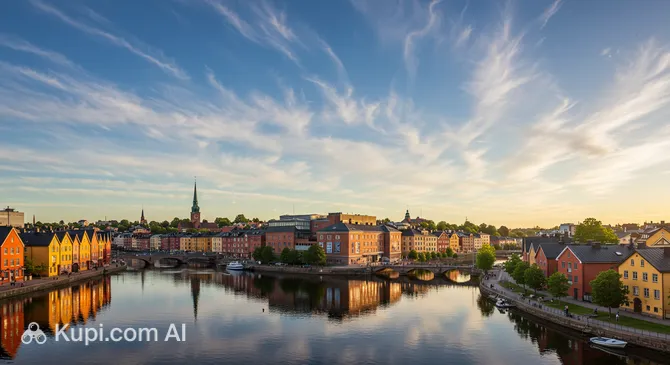
Karlstad. Source: Kupi.Binoculars

With a population of approximately 74,000 residents, Karlstad maintains a lively atmosphere while retaining a cozy, small-town charm. The city is famously known for its symbol, a smiling sun, which represents the local legend of "Sola i Karlstad" (The Sun in Karlstad)—a tribute to a cheerful waitress from the 18th century and the city's reputation for being one of the sunniest places in the country. Visitors often find the locals to be just as warm and welcoming as the city's sunny reputation suggests.

The city was granted its charter in 1584 by King Karl IX, and its name literally translates to "Karl's City." Those interested in the past can delve deeper into the history of Karlstad to learn how it transformed from a small trading post into an important regional center. Despite several fires in its early years, the city has rebuilt itself into a modern hub that respects its heritage, visible in landmarks like the majestic Karlstad Cathedral and the historic Old Stonebridge (Östra Bron).

Tourists are drawn to Karlstad for its unique mix of culture and outdoor activities. You can take a scenic tour on the popular Båtbussarna (boat buses) to explore the city from the water, or visit Mariebergsskogen, a beloved city park that combines nature, animal enclosures, and cultural history. Art lovers should not miss the Sandgrund Lars Lerin art gallery, dedicated to one of Scandinavia's most renowned watercolor artists.

Whether you are looking to relax by the water, explore rich cultural sites, or simply enjoy a coffee in the sun, Karlstad welcomes you with open arms. It is a delightful destination that promises a memorable experience for every visitor.
Weather Overview

Karlstad experiences a distinct seasonal climate, transitioning from cold winters to pleasantly warm summers. To help plan your activities and packing list, it is helpful to review the detailed guide to the weather in Karlstad. The city is often celebrated for its sunny reputation, but visitors should still be prepared for varied conditions depending on the time of year.

During the winter months, particularly in January, the city sees its coldest days with average temperatures around -1.5°C and lows dropping to -3.4°C. December is notably active with precipitation, recording approximately 15 wet days. As the season shifts into spring, conditions become milder; April is typically the driest month in terms of frequency, seeing only about 8 wet days as temperatures begin to climb.

Summer offers the most inviting weather for outdoor exploration, especially in July, which is the warmest month with average highs reaching 21.4°C. However, rain is not uncommon during this period, and August can be particularly damp with around 16 wet days. In summary, expect warm summers with occasional showers and cold winters with consistent precipitation.

Interesting Facts

Beyond its sunny reputation and scenic delta views, Karlstad holds fascinating secrets that reveal its deep cultural and historical significance. From shaping Scandinavian geopolitics to iconic local aromas, there is much more to this Värmland city than meets the eye.
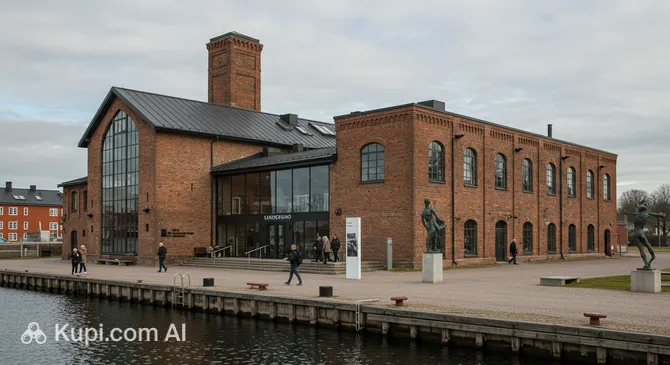
Sandgrund Lars Lerin Art Gallery. Source: Kupi.Binoculars
  • A Capital of Peace: Karlstad played a critical role in Scandinavian history as the site where the union between Sweden and Norway was peacefully dissolved in 1905. The tense negotiations took place at the local Freemason Lodge, and the successful agreement prevented a potential war, marking a significant moment of diplomacy for the region.

  • From Dance Floor to Art Gallery: The building that now houses the renowned Sandgrund Lars Lerin Art Gallery has a rhythmic past. Before it became a sanctuary for watercolor art, it was one of Sweden’s most legendary dance palaces, where thousands of locals and visitors flocked weekly to enjoy traditional Swedish "dansband" music.

  • The Scent of Karlstad: Visitors arriving in the city are often greeted by the rich aroma of roasting coffee. Karlstad is the hometown of Löfbergs, one of the largest coffee roasters in the Nordics, founded here in 1906. Their production facility, often called the "Coffee Skyscraper," is a distinct landmark that literally flavors the local air.

  • An Engineering Marvel: The city's Old Stone Bridge (Östra Bron) is not just a historic crossing; it is the longest stone arch bridge in Sweden, spanning 168 meters with twelve arches. Built in the late 18th century, it was engineered so robustly that it has survived every major spring flood of the Klarälven river for over 200 years.

How to Get There

Reaching Karlstad is quite convenient thanks to its strategic location between Stockholm and Oslo. Whether you prefer flying, taking the train, or driving, there are several viable options to suit your travel plans. The city is well-connected to the rest of Scandinavia, making it an accessible destination for international and domestic visitors alike. For a comprehensive guide on all transport modes, you can read more about how to get to Karlstad.

If you prefer to fly directly to the vicinity, the most convenient option is Karlstad Airport (IATA: KSD). It is a small regional facility located approximately 11 km from the city center, which takes about 15 to 20 minutes by taxi or bus. For a wider range of international flights, many travelers choose to fly into Oslo Airport Gardermoen (IATA: OSL). Please note that this major international airport is located in the city of Oslo, Norway, about 161.5 km from Karlstad. From there, you can reach Karlstad by train or bus in approximately 2.5 to 3 hours.

For clarity, here is a summary of the main airports:

Airport Name City Passenger Traffic Km from City
Oslo Airport Gardermoen Oslo Large 161.5
Torp Sandefjord Airport Oslo Medium 186.9
Linkoping City Airport Linköping Small 167.0
Orebro-Bofors Airport Orebro Small 89.2
Karlstad Airport Karlstad Small 11.0

Traveling by train is another excellent way to arrive, offering scenic views of the Swedish countryside. While Karlstad has its own central station, international travelers often connect through major hubs nearby. One significant hub is Oslo Central Station, located in the city of Oslo, approximately 162.9 km from Karlstad. From here, direct trains to Karlstad are frequent and comfortable. Another option is Orebro Central Station in the city of Orebro, which is about 97.7 km away and serves as a key regional connector.

Below is a list of significant railway stations in the wider region:

Station City Passenger Traffic Km to Center
Oslo Central Station Oslo Very High 162.9
Nationaltheatret Station Oslo High 165.5
Orebro Central Station Orebro High 97.7
Borlänge Railway Station Borlange Medium 161.1
Hedemora Station Hedemora 169.1

Main Attractions

Karlstad offers a delightful array of attractions that cater to history buffs, art enthusiasts, and nature lovers alike. While the city is famous for its sunny disposition, its cultural institutions and green spaces provide compelling reasons to explore deeper. From interactive museums to beautifully landscaped gardens, here are some of the top places to visit during your stay.

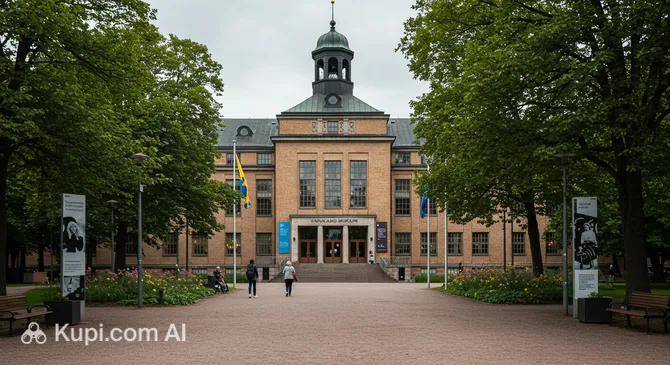
One of the most significant cultural landmarks in the region is the Värmland Museum. Located on the scenic Sandgrundudden peninsula, this museum is a stunning architectural site in itself, featuring a distinctive building designed by Cyrillus Johansson. Inside, visitors can immerse themselves in the rich cultural history of Värmland through diverse exhibitions that cover everything from archaeology and history to contemporary art and photography. It is an ideal starting point for understanding the local heritage.

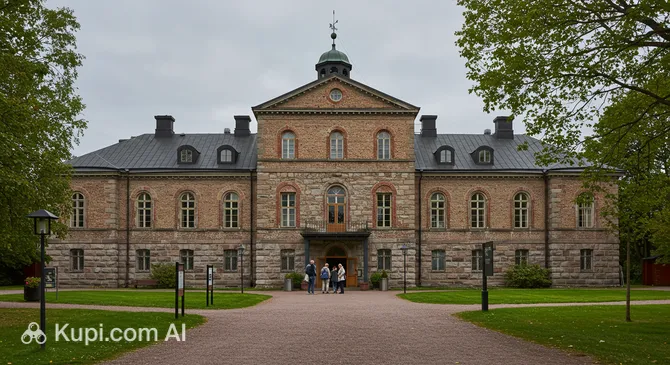
Värmland Museum. Source: Kupi.Binoculars

For a unique and immersive journey through time, the Brigade Museum is a must-see. This interactive military history museum focuses on the Cold War era and the development of modern Swedish society. Unlike traditional museums where everything is behind glass, this venue encourages visitors to touch, climb, and explore many of the exhibits. It offers a fascinating look at how global events influenced daily life in Sweden, making it an engaging experience for visitors of all ages.

Brigade Museum. Source: Kupi.Binoculars

If you are looking for a peaceful escape within the city center, the City Garden (Stadsträdgården) is a perfect choice. This beautiful park is renowned for its immense variety of flowers, trees, and shrubs, meticulously arranged to create a colorful oasis. Originally established in the 19th century, the garden invites guests to take leisurely strolls along its paths, admire the floral displays, or simply relax in a serene environment. It is widely considered one of the most beautiful parks in Sweden.

Local Cuisine

The culinary landscape of Karlstad is deeply rooted in the natural bounty of Värmland County. Situated between the deep forests and the vast waters of Lake Vänern, the city's food culture emphasizes fresh, locally sourced ingredients. Visitors can expect a delightful mix of traditional Swedish home cooking, known as "husmanskost," and modern gastronomy that takes advantage of the region's high-quality produce.

When exploring local menus, you should definitely look for dishes featuring fish from Lake Vänern. Gös (pike-perch or zander) is a regional favorite, often served pan-fried with new potatoes and a creamy chanterelle mushroom sauce. Another signature taste of the region is game meat; given the surrounding woodlands, it is common to find moose (elk) or venison prepared as steaks, meatballs, or in rich stews, usually accompanied by tart lingonberries to balance the flavors.

For a truly traditional Värmland experience, adventurous eaters might try Nävgröt (fist porridge), also known as Motti. This hearty dish made from roasted oat flour is historically significant to the Forest Finns of the region and is typically served with fried pork and lingonberry jam. While it is a rustic dish, it offers a genuine taste of local history.

No description of Karlstad’s gastronomy is complete without mentioning the city's obsession with coffee. As the home of the iconic Löfbergs roastery, the aroma of freshly roasted beans often drifts through the streets. The Swedish tradition of fika—a coffee break with a cinnamon bun or pastry—is taken very seriously here. It is the perfect way to relax and soak up the local atmosphere after a day of sightseeing.

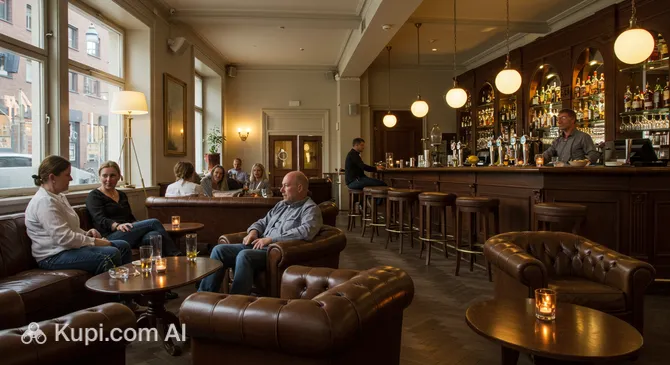
Barón. Source: Kupi.Binoculars

The dining scene in Karlstad is vibrant and varied, ranging from cozy cafés to lively evening venues. In the summer, the Inner Harbour (Inre Hamn) comes alive with restaurants offering outdoor seating by the water. For those seeking a social atmosphere in the city center, Barón is a popular choice, offering a menu of tapas and drinks in a stylish setting. It is an excellent spot to experience the modern pulse of the city.

If you prefer hearty, charcoal-grilled dishes, Sultan Grill is a well-regarded establishment where locals go for flavorful meals. For travelers who want a variety of quick options while browsing shops, the Mitt i City shopping mall hosts several eateries that cater to different tastes, making it convenient for a lunch break during your city tour.

Travel Tips

Planning a trip to Karlstad is the first step toward a delightful adventure in the heart of Värmland. To help you make the most of your stay in Sweden’s sunniest city, we have compiled a list of practical tips covering everything from packing essentials to local customs.

  1. Clothing and Gear: The weather in Karlstad can be changeable, so the key to comfort is layering. In summer, bring light clothing but pack a windproof jacket for breezy evenings by Lake Vänern. If you visit in winter, thermal underwear, a heavy coat, and insulated boots are essential to handle sub-zero temperatures. Since the city is very walkable, comfortable walking shoes are a must for exploring the cobblestone streets and nature trails.

  2. Transportation: Karlstad is a compact city that is easy to navigate on foot or by bicycle; the city offers excellent bike paths everywhere. For longer distances, the local public transport system, Värmlandstrafik, operates efficient yellow buses. A unique highlight during the summer months is the Båtbussarna (boat buses), which function as public transport on the river and lake—it is a scenic and affordable way to get around.

  3. Finances: The local currency is the Swedish Krona (SEK). The country is one of the most cashless societies in the world, and Karlstad is no exception. Most shops, cafes, and restaurants prefer or only accept credit and debit cards (Visa and Mastercard are widely accepted). It is rarely necessary to carry large amounts of cash, but having a small amount for minor expenses can be useful.

  4. Health and Safety: Karlstad is a very safe city for tourists. In case of an emergency, dial 112 for police, ambulance, or fire services. Pharmacies are marked with a green cross or the sign "Apotek." A great health tip is to drink the tap water; it is clean, fresh, and safe, so bring a reusable bottle to stay hydrated without buying plastic bottles.

  5. Communication: The official language is Swedish, but English is widely spoken and understood by almost everyone, from bus drivers to shop assistants. You will have no trouble communicating. However, locals appreciate it if you know a few basic words like Hej (Hello) and Tack (Thank you). Free Wi-Fi is often available in hotels, cafes, and public spaces like the library.

  6. Local Etiquette: Swedes value personal space and calmness. When interacting with locals, a firm handshake is a standard greeting. The concept of "Fika"—taking a break for coffee and a treat—is a central part of social life here; do not rush it. If you are invited to someone's home, it is customary to remove your shoes at the door.

  7. What to Avoid: Never cut in line. Queuing is a serious social norm, whether you are waiting for a bus or buying a ticket. Also, avoid looking for alcohol in regular supermarkets; stronger beverages (over 3.5% alcohol) can only be purchased at the state-run liquor store, Systembolaget, which has limited opening hours and is closed on Sundays.

  8. Sun-Seeking Tip: Karlstad is famous for the legend of "Sola in Karlstad," a happy waitress who became the city's symbol. Look for her statue outside the Stadshotellet. Touching the statue is not a tradition, but taking a photo with the "sun" is a fun way to commemorate your visit to one of the sunniest destinations in the region.

With these practical tips in mind, you are well-prepared to enjoy the charming atmosphere and beautiful scenery of Karlstad. Relax, embrace the local lifestyle, and let the city's sunny disposition make your holiday truly memorable.

Entertainment & Nightlife

Karlstad comes alive after dark, offering a vibrant mix of entertainment that belies its size. Thanks to a large student population, the city maintains a youthful and energetic atmosphere throughout the week, peaking on weekends. Whether you are looking for a pulsing nightclub, a cozy pub, or a large-scale live event, the city center and its surroundings have something to offer.

The hub of the city's nightlife is centered around Stora Torget. This main square and its adjacent streets are lined with a variety of sports bars, traditional English pubs, and dance floors. In the summer months, the focus shifts to the Inner Harbour (Inre Hamn). Here, locals flock to the waterfront to enjoy drinks on expansive outdoor terraces, soaking up the long, bright Nordic evenings in a relaxed, social setting.

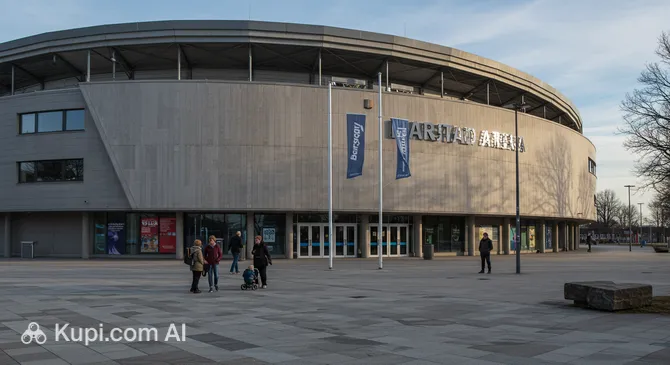
For major entertainment events, the Karlstad Arena is a premier destination. This modern multi-purpose venue is widely recognized as one of the largest and most advanced athletics arenas in the Nordic region. Beyond track and field, it serves as a dynamic space for concerts, floorball matches, and large-scale cultural gatherings. Checking the schedule in advance is highly recommended, as attending an event here offers a fantastic opportunity to experience the city's sporting and entertainment spirit.

Karlstad Arena. Source: Kupi.Binoculars

If you prefer a more scenic setting for cultural events, Museum Park (Museiparken) is another notable location. Situated next to the Värmland Museum and the river, this green space frequently serves as a venue for outdoor festivals, concerts, and community gatherings, particularly during the warm summer season. It offers a wonderful backdrop for enjoying live entertainment in the open air.

For a sophisticated evening out, Barón remains a top choice for cocktails and socializing. While known for its dining, its stylish bar area attracts a mature crowd looking to unwind with high-quality drinks in a refined environment. It stands out as a chic alternative to the more boisterous student pubs found closer to the square.

Most nightlife venues in Karlstad stay open until 2:00 AM on weekends, with select nightclubs continuing until 3:00 AM. The dress code is generally smart-casual; comfort is key, but looking neat is appreciated. Visitors should note that alcohol prices follow Swedish standards, which can be higher than in other parts of Europe. However, the city is very safe, and the compact center means you can easily walk back to your hotel or catch a reliable local taxi after a night out.

Parks & Museums

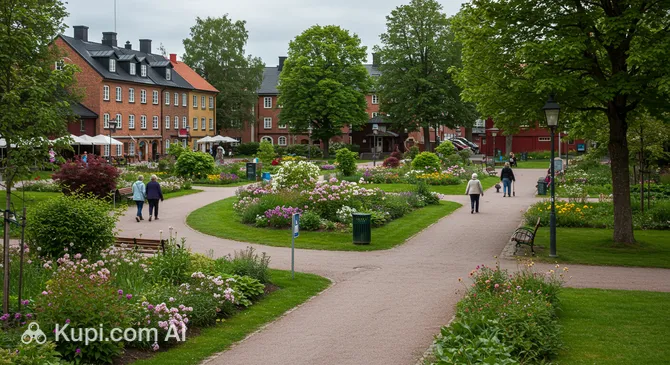
Karlstad is often referred to as a garden city, seamlessly integrating the lush greenery of the Värmland landscape with its urban environment. The city’s location on the river delta provides a unique backdrop for its numerous parks, while its cultural venues celebrate both local heritage and world-class artistry. For visitors, this means easy access to relaxing nature walks and inspiring exhibitions within a short distance of the city center.

One of the most beloved recreational areas is Mariebergsskogen, often described as Karlstad’s city park. Located by the water, it is a comprehensive destination that functions as an open-air museum, a petting zoo (Lillskogen), and a nature reserve all in one. Visitors can wander through ancient pine forests, explore traditional Värmland farmsteads, or simply enjoy a picnic on the expansive lawns. It is particularly popular with families, but the serene walking paths through the "Naturum" center offer a peaceful retreat for travelers of all ages.

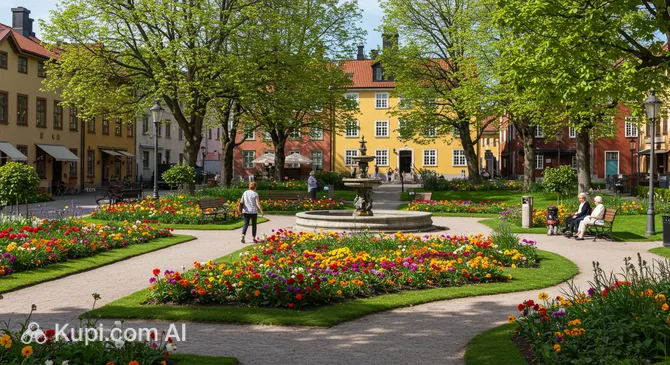
In the heart of the city lies the beautiful City Garden (Stadsträdgården). This park is a masterpiece of horticulture, designed in the English Romantic style with winding paths and majestic trees. It is renowned for its impressive floral displays, featuring over 800 different varieties of flowers that bloom in succession from spring to autumn. The park serves as a living encyclopedia of plants and a tranquil oasis where locals go to escape the bustle of daily life.

City Garden. Source: Kupi.Binoculars

Another significant green space is the Museum Park (Museiparken), strategically located on the Sandgrundudden peninsula. Nestled between the river Klarälven and some of the city's most important buildings, this park is a hub for culture and relaxation. It features several notable sculptures and offers stunning views of the river. During the summer, it transforms into a vibrant venue for outdoor concerts and festivals, connecting the natural beauty of the riverbank with the city's artistic pulse.

Museum Park. Source: Kupi.Binoculars

When it comes to art, the Sandgrund Lars Lerin Art Gallery is an essential stop. Dedicated to Lars Lerin, one of Scandinavia's most celebrated artists, the gallery displays his captivating watercolor paintings. His work often depicts travels through the Nordic region and beyond, characterized by a unique mastery of light and darkness. The gallery also hosts guest exhibitions, making it a dynamic center for contemporary visual arts.

For a glimpse into the literary and historical soul of the region, a visit to Alster Manor (Alsters herrgård) is highly recommended. Located just east of the city, this 18th-century manor is the birthplace of Gustaf Fröding, one of Sweden’s most beloved poets. Today, it serves as a memorial dedicated to his life and work, set within a beautiful cultural landscape that includes hiking trails, a traditional café, and handicraft shops. The manor offers a perfect blend of history, literature, and scenic views over Lake Vänern.

Insider Tip: To experience the city's greenery from a different perspective, take a walk along the Klarälvsbanan, a paved trail built on an old railway embankment. It is car-free and perfect for a long, meditative walk or bike ride right into the heart of the Värmland countryside.

Getting Around

Navigating Karlstad is straightforward and efficient, thanks to a well-organized public transport system that primarily relies on a comprehensive bus network. The city does not have a metro or tram system; instead, the bright orange city buses operated by Värmlandstrafik serve as the main mode of transit for locals and visitors alike. These buses connect the city center (Stora Torget) with residential areas, the university, and major shopping districts, ensuring that most key destinations are easily accessible.

A unique and delightful feature of Karlstad’s transport network is the Båtbussarna, or boat buses. Operating during the summer months (typically June to August), these water taxis offer a scenic way to travel along the Klarälven river and the shores of Lake Vänern. They function as part of the regular public transport system, meaning a standard bus ticket is valid for a trip. It is a favorite among tourists, allowing you to commute while enjoying beautiful views of the delta and the city's waterfront landmarks.

The payment system in Karlstad is entirely cashless, designed for modern convenience. The most practical way for tourists to pay is by downloading the Värmlandstrafik app, where you can purchase single tickets or period passes (such as 24-hour or 72-hour tickets) directly on your smartphone. If you prefer a physical card, you can buy a single-use travel card at local sales agents, such as "Pressbyrån" kiosks or authorized supermarkets. It is important to note that you cannot pay with cash on board the buses.

When boarding, you must validate your ticket. If you are using the mobile app, you simply scan the QR code at the reader located near the driver. For physical cards, you tap the card against the reader. Operating hours are generally extensive, with buses running from early morning until around midnight on weekdays. On Fridays and Saturdays, night bus services are often available to cater to the weekend nightlife crowd, ensuring a safe ride home after an evening out.

For those who prefer active travel, Karlstad is an exceptionally bike-friendly city. The terrain is flat, and there is an extensive network of dedicated cycle paths that separate bikers from car traffic. Renting a bicycle is a popular alternative for tourists, offering the freedom to explore parks and riverbanks at your own pace. Several hotels offer bike rentals to their guests, and there are public rental schemes available during the warmer seasons.

Taxis are another reliable, albeit more expensive, option for getting around. You can find taxi stands at the Central Station and Stora Torget, or book one via phone or mobile apps. Licensed taxis always have yellow number plates. While car rentals are available, the compact nature of the city center makes a car unnecessary for general sightseeing within urban limits; walking is often the most pleasant way to experience the charm of the inner city.

Accommodation

Finding the perfect place to stay in Karlstad is straightforward, as the city offers a welcoming mix of accommodation options to suit various budgets and travel styles. Visitors can choose from modern full-service hotels, charming boutique establishments located in historic buildings, and efficient budget hostels. Given the city's proximity to nature, there are also excellent camping grounds and cabin rentals available near the shores of Lake Vänern, providing a scenic alternative for those who prefer the outdoors over a traditional city room.

For most tourists, the most convenient area to stay is the City Center. Lodging located near the Central Station or the main square, Stora Torget, places you within easy walking distance of major attractions, shopping streets, and the transport hub for buses and trains. If you enjoy scenic views, look for hotels situated along the banks of the Klarälven River; these spots offer a peaceful atmosphere with the soothing sound of flowing water, yet remain just steps away from the city's vibrant dining scene.

Accommodation prices in Karlstad generally align with Swedish standards, ranging from mid-range to high for central hotels, though budget-friendly hostels and cabins offer more economical choices. It is highly recommended to book in advance, especially if you are traveling during the peak summer season (June to August) or when large events are scheduled at the arenas. Most properties can be easily booked via major online platforms, and securing your room early ensures the best rates and availability.

Nearby Cities

For those looking to explore the surroundings, Karlstad serves as an excellent base for day trips to several interesting nearby locations:

City Population Distance (km)
Orebro 126604 98
Lidkoping 40000 102
Skovde 39580 114
Karlskoga 27562 59
Kumla 21640 98

One of the most popular destinations for a day trip is Orebro. Located about 98 kilometers east of Karlstad, this vibrant city is famous for the magnificent Örebro Castle, which sits on an island in the Svartån river right in the city center. Visitors can also explore Wadköping, an open-air museum featuring historic wooden buildings and craft shops that showcase traditional Swedish life from centuries past.

For those interested in history and innovation, Karlskoga is a fascinating stop just 59 kilometers away. It is best known as the final home of Alfred Nobel, the inventor of dynamite and founder of the Nobel Prize. You can visit the Björkborn Manor, where he lived, to learn about his legacy and see his preserved laboratory.

Another charming option is Lidkoping, situated on the southern shore of Lake Vänern. This picturesque town is renowned for its rich porcelain manufacturing history at the Rörstrand Museum. Additionally, the stunning Läckö Castle, with its baroque architecture and beautiful gardens, is located nearby on a peninsula in the lake, making it a perfect spot for culture and nature lovers alike.

These nearby destinations offer a glimpse into the diverse culture and landscapes of the region.

Shopping & Souvenirs

Shopping in Karlstad offers a relaxed and pleasant experience, characterized by a mix of well-known international chains and charming local boutiques. As the commercial hub of Värmland County, the city draws visitors from the surrounding region who come to browse the latest fashion, interior design, and local specialties. The compact city center allows you to easily walk between stores, enjoying the architecture and lively atmosphere without the stress of navigating a sprawling metropolis.

The heart of the city's retail scene is found along the pedestrianized streets, particularly Drottninggatan and the blocks surrounding the main square, Stora Torget. Here, you will find a variety of fashion retailers, bookstores, and specialty shops selling everything from jewelry to outdoor gear. Walking down these streets is a delightful way to spend an afternoon, with plenty of opportunities to stop for a "fika" at a nearby café between purchases.

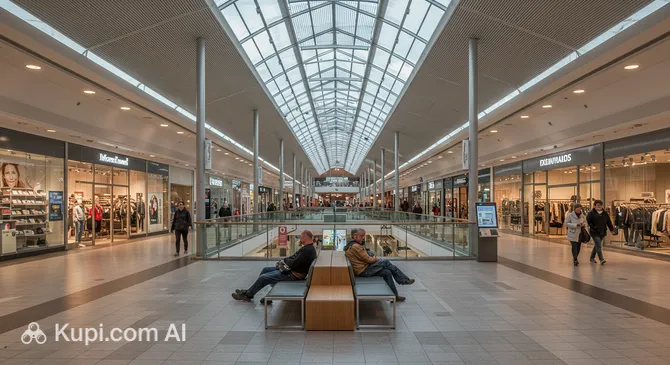
For those who prefer a modern, all-in-one shopping experience, the city center boasts the popular Mitt i City gallery. True to its name, which translates to "Right in the City," this mall is conveniently located just a short walk from the central train station. It houses a wide selection of fashion brands, beauty stores, and service points under one roof, making it a perfect stop for convenient shopping regardless of the weather.

Mitt i City. Source: Kupi.Binoculars

If you are looking for a larger retail park, Bergvik Köpcenter is located just a few kilometers west of the city center. It is one of the largest shopping areas in Sweden, featuring a massive IKEA, large supermarkets, and dozens of other major retailers. It is easily accessible by local bus and is the go-to destination for extensive shopping hauls.

For a more traditional atmosphere, the market trade at Stora Torget is a staple of Karlstad's daily life. On most days, you can find stalls selling fresh flowers, seasonal fruits, and vegetables. During the winter season, and particularly before Christmas, the square often hosts festive markets where you can buy local handicrafts, homemade jams, and pastries.

When it comes to souvenirs, Karlstad has a few distinct local specialties. The most famous is undoubtedly Löfbergs coffee; buying a package of their locally roasted beans is a must for coffee lovers. Additionally, since Värmland is known for its deep forests, items featuring the moose (elk)—from plush toys to kitchen towels—are popular gifts. You can also look for traditional Swedish glass and high-quality wool products in the design shops around the center.

Standard opening hours for shops in the city center are typically 10:00 AM to 6:00 PM on weekdays and 10:00 AM to 4:00 PM on Saturdays. On Sundays, many smaller shops may be closed, but the larger malls usually remain open from 12:00 PM to 4:00 PM. As with the rest of Sweden, cashless payment is the norm; almost all stores accept major credit and debit cards, and some may not accept cash at all.

Tourists residing outside the European Union may be eligible for tax-free shopping. Look for the "Global Blue" Tax Free signage in store windows. If you make a purchase exceeding a certain amount in these participating stores, you can ask for a tax refund form to claim a portion of the VAT back upon your departure from the EU.

Reached the end of the page?

That means the route is fully explored