Support

Sälen

About

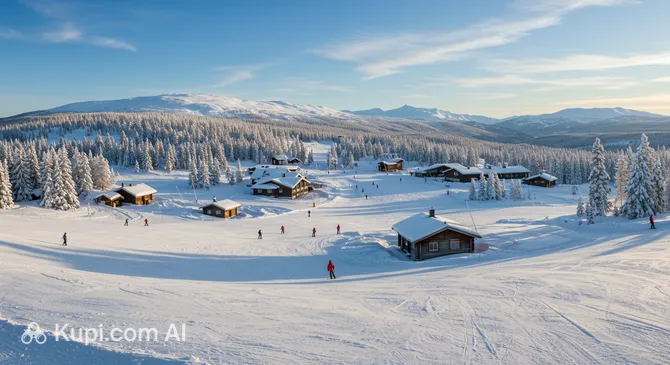
Nestled in the picturesque landscape of Dalarna County, Sälen stands out as one of the most beloved outdoor destinations in Sweden. Renowned primarily as a winter wonderland, this charming locality offers a vibrant atmosphere fueled by alpine adventures and family-friendly fun. While its permanent population is relatively small, the area transforms into a bustling hub during the snowy months, welcoming visitors from all over the world to experience its pristine slopes and cozy mountain vibes.

Sälen. Source: Kupi.Binoculars

Geographically, Sälen is situated in the western part of the country, close to the Norwegian border. The region is characterized by its rolling fells and expansive wilderness, providing a stunning backdrop for year-round exploration. While the history of Sälen is deeply connected to its rural origins, the village is most famous globally as the starting point of the Vasaloppet, the oldest, longest, and biggest cross-country ski race in the world. This heritage has cemented the village's status as a cornerstone of Scandinavian skiing culture.

Travelers flock here to enjoy the extensive network of ski resorts, including Lindvallen, Högfjället, Tandådalen, and Hundfjället. Together, they offer a diverse range of pistes suitable for everyone from beginners to advanced skiers. Beyond the snow, the summer season reveals lush hiking trails and exciting mountain biking routes, making it a versatile retreat for nature lovers. Whether you are seeking the thrill of the slopes or the tranquility of the mountains, Sälen promises an unforgettable escape.

Weather Overview

Sälen features a distinct seasonal climate that transforms the landscape from a snowy paradise in winter to a green retreat in summer. The colder months, particularly January and February, are characterized by freezing temperatures averaging around -6°C, with lows often dipping to -9°C. This consistent cold preserves the snow cover that makes the region a top destination for skiing. As spring approaches, the weather warms steadily, with May seeing average temperatures rise to approximately 8°C.

The summer season brings milder conditions perfect for hiking, with July being the warmest month, averaging 14°C and reaching highs of over 18°C. While the volume of precipitation remains relatively low throughout the year, the frequency of rain increases during the warmer months, with July and August recording up to 16 wet days each. For a more comprehensive breakdown of seasonal trends and forecasts, you can view the detailed weather in Sälen. Generally, you can expect mild summers with frequent light rain and cold winters with consistent freezing temperatures.

Interesting Facts

Beyond the well-groomed slopes and the famous ski race, Sälen holds several fascinating details that add to its charm. Here are some intriguing facts that make this mountain village truly unique.

  • The World's First McSki: Sälen is home to a unique dining experience in the Lindvallen ski area—a McDonald's with a "ski-through" window. It was one of the first of its kind in the world, allowing skiers to order and grab a meal without ever taking off their skis.

  • A Historical Turning Point: While many know Sälen as the starting point of the Vasaloppet, few realize the specific historical gravity of the location. It was here in 1520 that two skiers sent by the people of Mora finally caught up with the fleeing nobleman Gustav Vasa. They persuaded him to return and lead the rebellion against the Danish king, a decision that eventually led to the founding of modern Sweden.

  • The Enchanted Troll Forest: Deep within the Hundfjället ski area lies Trollskogen, a magical forest adventure that is more than just a ski run. It features over 400 wooden sculptures of trolls and animals, many of which are animated and speak to skiers as they pass by, creating a living fairytale experience.

  • An Airport for Two Nations: The region is served by the Scandinavian Mountains Airport, which boasts a rare distinction. It was specifically constructed to serve ski resorts in two different countries simultaneously—Sälen in Sweden and Trysil in Norway—located just a short drive from the border.

How to Get There

Reaching the snowy peaks and outdoor adventures of this region is easier than ever, with options ranging from direct flights to scenic train journeys followed by a bus ride. Whether you are arriving from within Sweden or traveling internationally, planning your route is the first step toward a memorable holiday. You can read more about how to get to Sälen and explore all available transport modes in detail.

For those preferring air travel, the most direct option is the Scandinavian Mountains Airport (IATA: SCR). Located conveniently in Sälen itself, this airport was designed specifically to serve the ski resorts in the area. Although it is a smaller facility, its proximity allows for a quick transfer; the journey to the main village area takes approximately 55 minutes by road. Alternatively, international visitors often choose to fly into Oslo Airport Gardermoen (IATA: OSL) in Oslo, Norway. While this major international hub is located about 160 km away, it handles a vast amount of traffic and offers numerous flight connections. From Oslo, the drive or bus ride to Sälen takes around 4 hours and 20 minutes.

For clarity, here is a summary of the main airports:

Airport Name City Passenger Traffic Km from City
Oslo Airport Gardermoen Oslo Huge 160.0
Åre Östersund Airport Ostersund Medium 235.5
Scandinavian Mountains Airport Sälen Small 22.7
Roros Airport Roros Small 187.5
Karlstad Airport Karlstad Small 191.3

If you prefer traveling by train, it is important to note that the city of Sälen does not have its own railway station. A common route involves arriving at Borlänge Railway Station (IATA: XYB) in the city of Borlänge, which serves as a key regional hub approximately 140 km from Sälen. From there, you can catch a connecting bus or take a taxi, with the final leg of the journey taking about 3 hours and 50 minutes. Another option is Leksand Railway Station in Leksand, located about 106 km away. The transfer from Leksand typically takes around 3 hours by road.

Below is a list of the nearest railway stations to help you plan your connection:

Station City Passenger Traffic Km to Center
Oslo Central Station Oslo Very High 160.3
Borlänge Railway Station Borlange High 139.9
Leksand Railway Station Leksand 105.7
Hedemora Station Hedemora 178.2
Falun Central Station Borlange 143.3

Main Attractions

While the slopes are the main draw, the area offers several specific locations that provide unique experiences beyond just skiing. From action-packed indoor centers to serene historical sites, Sälen has a variety of attractions that cater to culture seekers, families, and thrill-seekers alike. Exploring these highlights allows visitors to connect with the region's rich heritage and enjoy world-class entertainment facilities.

One of the most popular destinations for families and leisure travelers is Experium, located in the Lindvallen area. This massive activity complex is a perfect year-round attraction, housing a 3,000-square-meter adventure water park complete with indoor surfing on a FlowRider machine. Beyond the pools, visitors can enjoy a modern cinema, a bowling alley, and a relaxing spa world with various saunas. It serves as an excellent hub for entertainment, offering a warm and exciting escape on days when the weather on the mountains is less than ideal.

For those interested in local history and tradition, Olnispagården is a must-visit cultural site situated on the western side of the river. This historical homestead is deeply connected to the legend of Gustav Vasa, the future king of Sweden who is said to have stayed here during his flight from the Danes in the 16th century. It is also famous as the starting point of the very first Vasaloppet race in 1922. Today, it functions as an open-air museum where visitors can stroll among well-preserved timber buildings and learn about the region's rural past.

Architecture enthusiasts and those seeking a moment of peace should visit Sälens Fjällkyrka. Built in 1969, this charming wooden church is one of the highest-situated churches in the country, resting at 710 meters above sea level. Its design is beautifully adapted to the rugged mountain environment, featuring a timber structure that blends seamlessly with the landscape. The church is a beloved landmark, hosting popular concerts, weddings, and services that attract visitors from all over the region.

Skiers looking for a challenge often head to Stöten, a resort area located a bit further north than the main village. It boasts the highest vertical drop in the Sälen range, offering 370 meters of thrilling descent. Stöten is renowned for its excellent piste quality and includes "Mormors Störtlopp," one of the longest and most celebrated slopes in the area. With its spectacular views of the Norwegian border mountains and a variety of runs for all skill levels, it stands out as a top-tier attraction for dedicated winter sports fans.

Local Cuisine

The culinary landscape of Sälen is deeply influenced by its location in the heart of Dalarna and its identity as a premier ski destination. The food here is designed to warm you up and fuel active days on the slopes, focusing on hearty flavors and locally sourced ingredients. Visitors can expect a delightful mix of traditional Swedish mountain fare and modern international cuisine, all served in cozy, rustic settings that perfectly complement the snowy surroundings.

When it comes to main courses, game meat is a true highlight of the region. You should definitely try dishes featuring elk (moose) or reindeer, which are often served as rich stews (known as skav), tender steaks, or even as gourmet burgers. Another local favorite is Arctic char (röding), a delicious fish caught in the fresh mountain waters, typically pan-fried or grilled and served with potatoes and a dill-cream sauce. For a classic ski-slope lunch, nothing beats a steaming bowl of spicy goulash soup, a staple in Swedish ski resorts that provides the perfect energy boost between runs.

A visit to Sälen would not be complete without experiencing the Swedish tradition of fika, preferably in one of the area's charming waffle cabins, known as våffelstugor. These historic wooden cottages, often located directly on the ski trails or hiking paths, serve crispy waffles topped with whipped cream and cloudberry jam. Cloudberries, often referred to as the "gold of the forest," grow in the surrounding marshlands and offer a unique, tart sweetness that defines the taste of the Swedish north.

For beverage enthusiasts, the local drink scene offers some excellent choices. The region is home to its own microbrewery, Sälens Fjällbryggeri, which produces a variety of craft beers inspired by the mountain environment. These local brews are a popular choice during lively "After-ski" sessions. For non-alcoholic options, warm lingonberry juice or rich hot chocolate topped with whipped cream are perfect for thawing out after a day in the snow.

The food culture in Sälen is relaxed and welcoming, catering heavily to families and groups of friends. During the day, the atmosphere is casual, with skiers stopping at slope-side restaurants for quick, hearty meals. As evening falls, the vibe shifts to cozy dinners in timber lodges where open fireplaces set the mood. Whether you are looking for a vibrant après-ski bar or a quiet fine-dining experience featuring local produce, the village offers a gastronomic backdrop that enhances the overall travel experience.

Travel Tips

Visiting Sälen offers a fantastic escape into the Swedish mountains, but a little preparation goes a long way in ensuring your trip is as relaxing as it is adventurous. To help you navigate the local customs and logistics smoothly, here are some essential practical tips for your stay in this winter wonderland.

  1. Clothing and Gear: Since Sälen is primarily a winter destination, packing the right layers is crucial. Bring high-quality thermal underwear, a windproof and waterproof outer layer, and sturdy, insulated boots with good grip. For summer visits, hiking boots and a rain jacket are essential as the weather can change rapidly. The dress code is generally casual and sporty; you will feel comfortable wearing outdoor gear in most restaurants and shops.
  2. Transportation: While there is a network of "Ski & Swim" buses connecting the different resort areas like Lindvallen, Tandådalen, and Hundfjället, they run on specific schedules. For maximum flexibility, especially if you want to explore beyond the main slopes or visit the village center, renting a car is highly recommended. Taxis are available but can be expensive, and ride-hailing apps are less common here than in major cities.
  3. Finances: The local currency is the Swedish Krona (SEK). However, Sweden is one of the most cashless societies in the world. Many shops, restaurants, and even ski rental places in Sälen do not accept cash at all. Ensure you have a valid credit or debit card (Visa and Mastercard are widely accepted) with a PIN code. Tipping is not mandatory, but rounding up the bill is a polite gesture for good service.
  4. Health and Safety: Sälen is a very safe destination with low crime rates. There are pharmacies (Apotek) located in the main resort hubs like Lindvallen and in Sälen village itself. For emergencies, dial 112. Be mindful of the cold; frostbite can happen quickly on windy days, so cover exposed skin and take breaks indoors if the temperature drops significantly.
  5. Communication: You will find that English is spoken fluently by almost everyone, from lift operators to restaurant staff, so language barriers are rarely an issue. Free Wi-Fi is available in most cabins, hotels, and major resort centers. If you need mobile data, roaming works for EU citizens, or you can buy a prepaid SIM card from convenience stores like Pressbyrån.
  6. Local Etiquette: Swedes value personal space and order. Always respect queues, whether you are waiting for a ski lift or ordering lunch. A strict rule in Sweden is to remove your shoes when entering a private home or cabin; some lodgings even provide drying cabinets specifically for wet boots near the entrance. A simple "Hej" (Hello) and "Tack" (Thank you) are appreciated interactions.
  7. What to Avoid: Never walk on the groomed cross-country ski tracks (längdskidspår) without skis. Walking destroys the tracks and is considered very rude to skiers. Also, avoid relying solely on cash; you might find yourself unable to buy coffee or a bus ticket if you don't have a card.
  8. Smart Planning: Download the local resort app (often SkiStar) before you arrive. It is an invaluable tool for checking live lift status, weather updates, and booking ski passes or equipment rentals in advance, which is often cheaper than buying them on-site.

By keeping these tips in mind, you will be well-equipped to enjoy everything Sälen has to offer without any logistical hiccups. Whether you are carving down the slopes or enjoying a cozy evening by the fire, you are set for a memorable Swedish mountain experience.

Entertainment & Nightlife

The nightlife in Sälen is legendary within Sweden, famous for its high-energy "After-ski" culture that rivals the best alpine resorts in Europe. Unlike typical city nightlife that peaks after midnight, the party here often begins in the late afternoon as skiers descend from the slopes. The atmosphere is euphoric and communal, characterized by live bands playing classic rock covers, crowds dancing on tables in their ski boots, and a general sense of celebration. As the evening progresses, this rustic partying transitions into a more sophisticated clubbing scene, offering something for everyone from party animals to those seeking a quiet drink by a fireplace.

The two main hubs for evening entertainment are Lindvallen and Högfjället. These districts are where the pulse of the mountain beats loudest. Sälens Högfjällshotell is an iconic institution in the area, housing several restaurants and bars under one roof. It is particularly known for its nightclub, which attracts top Swedish artists and DJs during the peak season. In Lindvallen, the massive Experium complex serves as a central gathering spot. It offers a more diverse range of entertainment, including a sports bar, a bowling alley, and a cinema, making it an excellent choice for groups with mixed interests.

For a seamless night out, it is important to plan your logistics. While the dress code is generally relaxed—ski gear is the standard uniform for after-ski events—many visitors choose to change into "smart casual" attire for dinner and late-night clubs. Prices for alcohol and entry fees are typical for Sweden, which can be higher than the European average, so budget accordingly. Transportation is a key consideration; the regular ski buses often stop running in the early evening. To get between Lindvallen and Högfjället at night, you should rely on the dedicated night buses or book a taxi well in advance, as demand can be very high.

Safety in Sälen is excellent, and you can feel comfortable walking around at night. The biggest danger is not crime, but the elements; temperatures can drop drastically after dark, so always bring a heavy coat even if you are just hopping between venues. Beyond the bars and clubs, the area offers charming daytime and evening alternatives. You can catch the latest movies at the cinema in Experium, enjoy night skiing on floodlit slopes, or explore local shops that often stay open late during the high season.

Parks & Museums

While Sälen is most famous for its ski slopes, the region also offers expansive green spaces and cultural venues that celebrate its deep connection to nature and history. The "parks" here are vast, untamed wildernesses rather than manicured city gardens, and the museums are intimate, heritage-focused sites that tell the stories of legendary skiers and rural traditions. Exploring these spots provides a quieter, more reflective counterpoint to the adrenaline of the mountains.

For nature lovers, the crown jewel of the area is undoubtedly Fulufjället National Park. Although located about an hour's drive from the main village, it is an essential day trip for anyone visiting Sälen. This pristine reserve is home to Njupeskär, one of Sweden's highest waterfalls, which cascades 93 meters down a dramatic canyon. The park also protects "Old Tjikko," a Norway spruce known as one of the world's oldest trees. The hiking trails here are well-marked and accessible, offering visitors a chance to walk through ancient forests and sweeping plateaus that look much as they did thousands of years ago.

Closer to the resort areas, Trollskogen (The Troll Forest) in Hundfjället serves as a unique blend of nature park and outdoor exhibition. While it functions as a ski adventure in winter, during the snow-free months, it transforms into a magical hiking area for families. The forest is populated by hundreds of wooden sculptures depicting trolls and animals, creating an engaging atmosphere for children. It is a perfect example of how Sälen integrates local folklore with its natural landscape, making a simple walk in the woods an interactive experience.

In terms of culture, Olnispagården stands out as the most significant historical site in the immediate vicinity. Located on the banks of the Västerdalälven River, this open-air museum is a collection of well-preserved timber buildings that date back several centuries. It offers a glimpse into the arduous life of the early settlers and is historically linked to Gustav Vasa, the father of the Swedish nation. As the site where the first Vasaloppet race began, it holds a special place in the hearts of sports enthusiasts and history buffs alike.

Just a short drive south in the village of Limedsforsen, you will find the Sixten Jernberg Museum. This facility is dedicated to one of Sweden’s greatest sporting heroes, Sixten Jernberg, a cross-country skier who won numerous Olympic and World Championship medals. The museum displays his extensive collection of trophies and equipment, offering a fascinating look at the evolution of skiing. Attached to the museum is a popular restaurant serving traditional food, allowing visitors to combine cultural appreciation with a local culinary experience.

For a truly authentic local experience, keep an eye out for the traditional summer farms, known as fäbodar, scattered around the hills. Lindvallens Fäbod is one such place where you can step back in time. In the summer, animals graze freely, and visitors can buy artisanal cheese, butter, and rustic snacks. It is a peaceful retreat that captures the soul of Dalarna’s agricultural heritage, far removed from the modern bustle of the ski resorts.

Getting Around

Since Sälen is a spread-out collection of ski resorts and villages rather than a dense urban center, the public transport system is quite different from what you might find in a major metropolis. There is no metro, tram, or trolleybus network here. Instead, the area relies heavily on a bus system that connects the central village with the various ski slopes, cabin areas, and entertainment hubs. For most visitors, getting around involves a combination of these buses, private car rentals, and pre-booked transfers.

The backbone of local mobility, especially during the winter season, is the Ski & Swim Bus. This service is designed specifically for tourists, linking the main resort areas of Lindvallen, Högfjället, Tandådalen, and Hundfjället. It runs frequently during the day, allowing skiers to move easily between different slopes and the Experium activity center without needing a car. In addition to the resort shuttles, the regional public transport provider, Dalatrafik, operates buses that connect Sälen to nearby towns and railway stations, serving as a vital link for those arriving by train.

When it comes to payment, it is important to remember that this is a nearly cashless destination. You cannot pay with cash on board the buses. For the regional Dalatrafik buses, the easiest way to buy tickets is through the Dalatrafik mobile app, which allows you to purchase single tickets or passes directly on your phone. You can also pay with a contactless credit or debit card upon boarding. For the Ski & Swim Bus, travel is often free for holders of a valid SkiPass (lift ticket), making it an extremely convenient option for skiers. If you do not have a lift pass, you can purchase a ticket using the same methods as for regional buses.

Tourists should be aware that the frequency of transport varies significantly depending on the season. During the peak winter months, buses run regularly from early morning until late afternoon when the lifts close. However, evening services can be limited, and during the summer season, the schedule is much sparser. It is highly recommended to check the timetables in advance via the local resort app or the Dalatrafik website. Always validate your ticket or show your SkiPass to the driver immediately upon entering the bus.

Given the distances between cabins and the limited night bus services, many visitors find that renting a car offers the most freedom and convenience. This is particularly true if you plan to visit attractions outside the main ski areas or if you are staying in a more secluded cabin. Taxis are available but can be quite expensive compared to other European destinations. Due to high demand during peak season, it is advisable to book taxis well in advance, especially for evening dinners or transfers to the airport.

A unique feature of transport in this region is the use of gondolas and ski lifts as a form of transit between specific areas. For instance, some lifts connect accommodation villages directly to the slopes and restaurants, functioning as a scenic commute for pedestrians as well as skiers. Additionally, dedicated transfer buses operate between the Scandinavian Mountains Airport and the resorts, timed specifically to meet arriving flights, ensuring a smooth connection for air travelers.

Accommodation

Where to Stay:

Accommodation in Sälen is heavily oriented towards self-catering options, reflecting the Swedish tradition of mountain holidays. The vast majority of visitors stay in traditional wooden cabins (stugor) or modern apartments, many of which offer convenient "ski-in/ski-out" access to the slopes. While private cabins are the norm, the region also boasts several full-service hotels and large resort complexes that cater to those seeking more amenities, such as spas, restaurants, and daily housekeeping. From rustic log cottages tucked into the forest to luxury lodges with panoramic views, there is something to suit every style of traveler.

The choice of where to stay largely depends on which ski area you plan to frequent. Lindvallen is the most popular hub for families, offering a dense concentration of cabins and apartments surrounding the Experium activity center. It is convenient, bustling, and close to ski schools and shops. Högfjället offers a more classic and somewhat upscale atmosphere, centered around its historic hotel and renowned nightlife. For those seeking steeper slopes and a slightly quieter cabin life, the areas of Tandådalen and Hundfjället are excellent choices, often providing a more rugged mountain feel.

For travelers who prefer the comfort of a hotel over a self-catering cabin, there are a few standout options that define the local hospitality scene. Sälens Högfjällshotell is perhaps the most iconic establishment in the region. Built in the 1930s, it exudes a classic mountain lodge charm and serves as the epicenter of Sälen's evening entertainment. Another notable mention is Gammelgården, a historic hotel and restaurant dating back to the 1600s, known for its cozy, waffle-scented atmosphere and traditional decor. Newer additions like the large lodges in Lindvallen and Hundfjället offer modern luxury with direct access to the lifts, catering specifically to families and large groups.

When planning your trip, timing is everything. Sälen is an extremely popular destination, particularly during the Swedish school holidays in February and early March (known as Sportlov), as well as during the Easter break. During these peak weeks, and especially during the Vasaloppet ski race week in early March, accommodation is often booked out months—or even a year—in advance. If you plan to visit during these times, securing your lodging as early as possible is essential.

Price ranges vary significantly depending on the season and the type of accommodation. Budget travelers can find affordable hostel beds or simple cabins if they book early or visit during the shoulder seasons (January or April). Mid-range and luxury options, particularly the larger cabins and hotel suites, command premium prices during the high season. Most bookings are handled online through major travel platforms or directly via the main resort operator, SkiStar, which manages the majority of the lodging in the area.

Nearby Cities

For those looking to explore the surroundings, Sälen serves as an excellent base for day trips to several interesting nearby locations. While the mountains offer plenty of adventure, the wider region of Dalarna and neighboring Värmland provide cultural and historical depth that is well worth the drive.

One of the most culturally significant destinations is Falun, the administrative center of the county. Famous for its Great Copper Mountain, a UNESCO World Heritage site, the city offers fascinating underground mine tours and is the historic source of the iconic Falu red paint that colors many Swedish homes. Just a short distance from there lies Borlänge, the region's commercial hub. It is an ideal spot for shopping enthusiasts, featuring the large Kupolen shopping center, and also offers beautiful nature reserves for outdoor walks. For those willing to travel a bit further south, Karlstad sits on the northern shores of Lake Vänern, offering a delightful mix of sunny city life and expansive lakeside views.

City Population Distance (km)
Karlstad 74141 196
Borlänge 44898 140
Falun 37291 143
Sandviken 22965 200
Hedemora 15000 178

These nearby destinations offer a glimpse into the diverse culture and landscapes of the region, providing a perfect contrast to the alpine environment of Sälen.

Shopping & Souvenirs

Shopping in Sälen is a unique experience that perfectly mirrors its identity as a premier ski destination in Sweden. Rather than sprawling department stores, the retail scene here is characterized by high-quality sports shops, charming boutiques, and stores dedicated to Scandinavian interior design. Visitors will find an excellent selection of outdoor gear and winter clothing, ensuring you are well-equipped for the slopes, alongside shops selling local handicrafts that reflect the rich cultural heritage of Dalarna County.

The main hub for a more upscale shopping experience is Sälfjällstorget in the Lindvallen area. This picturesque square offers a promenade atmosphere where you can browse through fashion boutiques, interior design stores, and premium sports outlets. It is a pleasant place to stroll, especially in the evening when the area is beautifully illuminated. Another key commercial area is Sälen Village (Sälen by), the administrative center located down in the valley. This is where locals and tourists alike go for daily essentials, featuring larger grocery stores, pharmacies, and the state-owned liquor store, Systembolaget.

While Sälen does not have massive shopping complexes, Sälens Galleria in the village center serves as a convenient mini-mall. It houses a variety of stores under one roof, including clothing retailers, a shoe store, and service points, providing a warm refuge for shoppers on colder days. Additionally, the Experium complex in Lindvallen offers a small shopping arcade focused on leisure and sportswear, allowing visitors to pick up new gear just steps away from the ski lifts.

Although traditional open-air markets are not a daily feature, the region is dotted with local farm shops and delis that function as excellent spots for food shopping. These venues often sell locally produced cheeses, cured meats, and flatbreads. During peak seasons, such as Christmas or Easter, you may encounter temporary market stalls in the main squares of the ski resorts, selling artisanal crafts and local delicacies.

When it comes to souvenirs, you are in the perfect place to buy a Dala Horse (Dalahäst). As Sälen is located in Dalarna, the birthplace of this iconic red wooden horse, it is the ultimate keepsake to bring home. Other popular items include cloudberry jam (often called "forest gold"), smoked reindeer or elk meat, and high-quality Swedish wool sweaters. For outdoor enthusiasts, branded merchandise from the Vasaloppet ski race is also a prized memento.

Store opening hours in Sälen generally follow standard Swedish timings, with most boutiques open from 10:00 AM to 6:00 PM on weekdays, and slightly shorter hours on weekends. However, shops located within the ski resorts often have extended hours during the high winter season to accommodate skiers after the lifts close. Grocery stores are typically open much later, often until 9:00 PM or 10:00 PM. Payment is almost exclusively digital; the country is a nearly cashless society, so ensure you have a credit or debit card with a PIN, as many shops and cafes do not accept cash at all.

Travelers residing outside the European Union, including residents of Norway, are generally eligible for tax-free shopping on purchases exceeding a certain amount. Look for the "Global Blue" Tax-Free Shopping signage in store windows. If you qualify, ask the staff for a tax refund form at the checkout, which you can later redeem at the airport or border crossing when leaving the EU.
Reached the end of the page?

That means the route is fully explored