Support

Sveg

About

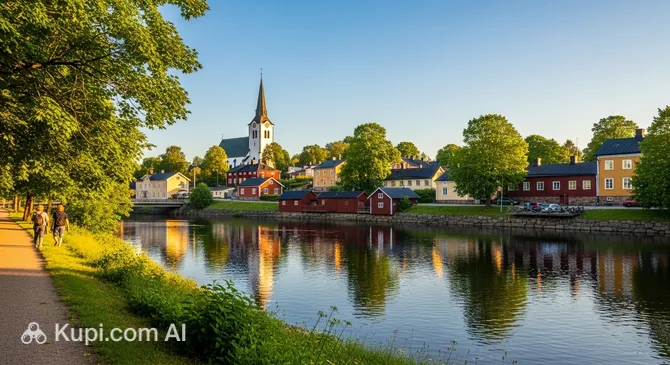
Welcome to Sveg, the largest urban area in the scenic province of Härjedalen. Situated along the banks of the Ljusnan River, this charming town serves as a vital hub for the region while maintaining a cozy, small-town atmosphere. Located in the central part of Sweden, Sveg is surrounded by vast forests and wilderness, making it a perfect destination for travelers seeking both relaxation and adventure.

Sveg. Source: Kupi.Binoculars

With a population of approximately 2,500 residents, the town offers a peaceful retreat from the hustle and bustle of larger cities. Despite its modest size, it has long served as an important gathering point for the surrounding communities. Visitors interested in the region's past can delve deeper into the history of Sveg to understand how it evolved from a traditional rural settlement into the welcoming locality it is today.

The town is known for several unique features that delight tourists. One of the most iconic landmarks is the World's Largest Wooden Bear, a massive statue standing in the center of town that pays homage to the area's rich wildlife. Another must-visit spot is Café Cineast, a distinctive movie-themed café filled with cinematic memorabilia and 1950s decor. Additionally, the surrounding natural landscape provides excellent opportunities for fishing, hiking, and winter sports.

Whether you are stopping by to see the giant bear or using the town as a base to explore the wild beauty of Härjedalen, Sveg invites you to experience its friendly hospitality and unique character.

Weather Overview

The climate in Sveg is characterized by distinct seasons, offering a true Nordic experience with significant temperature variations throughout the year. Generally, you can expect mild, comfortable summers with frequent light showers and cold, crisp winters perfect for snow-based activities.

During the summer months of June through August, the town comes alive with average temperatures hovering between 13°C and 14°C. July is typically the warmest month, with daily highs reaching around 18.6°C, though it is also the wettest period with approximately 16 days seeing some precipitation. This season is ideal for hiking and enjoying the lush Härjedalen nature, provided you pack a light rain jacket.

Winter brings a magical, frozen landscape to the region. From December to February, average temperatures drop to ranges of -6°C to -7°C, with January lows dipping near -10°C. For travelers planning a trip, checking the detailed weather in Sveg is recommended to pack appropriately for the freezing conditions. Spring and autumn are short but beautiful transition periods, where temperatures shift rapidly from sub-zero averages in March to pleasant highs in May, and back down again by November.

Interesting Facts

Beyond the main attractions, Sveg holds many fascinating secrets that reveal its deep cultural and historical roots. From literary fame to ancient geography, these details offer a unique glimpse into the town's identity.

  • The World’s Largest Wooden Bear is a staggering engineering feat rather than a simple sculpture. Standing 13 meters tall and weighing 80 tonnes, this hollow structure is held together by approximately 570,000 nails. It was built to honor the province's high density of brown bears and has become an unmistakable symbol of the region.

  • The town is the childhood home of the internationally acclaimed author Henning Mankell, best known for his Wallander series. He lived in an apartment above the local courthouse where his father worked as a judge, and he often cited his time in Sveg as the inspiration for his semi-autobiographical book A Bridge to the Stars.

  • The name "Sveg" offers a clue to the town's origins, deriving from the Old Norse word sveigr, which means "bend." This describes the specific location of the settlement on a sharp curve of the Ljusnan River, a natural feature that has dictated the town's layout since the 13th century.

  • Sveg has served as a judicial center for nearly a millennium. It was recorded as a "Thing" site—a legislative assembly and court—as far back as the 1200s. This ancient role as a gathering place for justice established its importance in Sweden long before it became a modern urban hub.

How to Get There

Reaching the heart of Härjedalen requires a bit of planning, as the town is tucked away in the scenic Swedish wilderness. Whether you are flying in from abroad or traveling by train from other parts of Scandinavia, there are several routes to consider. You can read more about how to get to Sveg to help you choose the best option for your itinerary.

For the quickest access, the town has its own local airfield, Härjedalen Sveg Airport, which offers direct flights to and from Stockholm Arlanda. This is a convenient choice for those connecting through the capital. Alternatively, travelers often fly into regional hubs in neighboring cities to access a wider range of schedules. One of the most popular options is Åre Östersund Airport (IATA: OSD), located approximately 129 km away. From there, a taxi or rental car journey typically takes between 1.5 and 2 hours. Another close alternative is the Scandinavian Mountains Airport (IATA: SCR) in Sälen, situated roughly 126 km from Sveg, with a similar transfer time of around 2 hours. For those arriving on international flights, Trondheim Airport Værnes (IATA: TRD) in Norway is a significant hub, though it is located about 236 km away, requiring a longer transfer.

For clarity, here is a summary of the main airports in the wider region:

Airport Name City Passenger Traffic Km from City
Trondheim Airport Værnes Trondheim Large 236.5
Sundsvall-Timra Airport Sundsvall Medium 169.3
Åre Östersund Airport Ostersund Medium 129.4
Scandinavian Mountains Airport Sälen Small 126.5
Roros Airport Roros Small 167.8

Travelers preferring rail transport should note that while Sveg is a stop on the historic and scenic Inlandsbanan line (primarily active during summer), year-round mainline connections often require arriving at larger stations in the region and completing the journey by bus or car. You can arrive at Sundsvall Central Station in the city of Sundsvall, which is about 159 km from Sveg; the transfer from there generally takes around 2.5 hours by road. Alternatively, Borlänge Railway Station in Borlänge serves as a major junction about 182 km away, with a transfer time of roughly 3 hours.

Below is a list of the closest major railway stations:

Station City Passenger Traffic Km to Center
Borlänge Railway Station Borlange High 182.1
Sundsvall Central Station Sundsvall 158.9
Gävle Central Station Gävle 212.6
Leksand Railway Station Leksand 149.1
Falun Central Station Borlange 173.6

Main Attractions

While Sveg is a modest town in size, its sightseeing spots offer a delightful mix of quirkiness and genuine local heritage. The attractions here are less about waiting in long lines and more about engaging with the unique character of the province. Visitors will find that exploring these landmarks offers a personal and memorable connection to the region's culture.

A trip to the town square offers an encounter with the World's Largest Wooden Bear (Träbjörnen), an experience that is as tactile as it is visual. Standing at the base of this colossal structure, you can truly appreciate the craftsmanship of the thousands of wooden boards layered to create its form. It is a playful and impressive sight that invites interaction; visitors love walking around the giant paws and feeling the texture of the wood, making it a fun and lighthearted highlight of any visit.

For an atmosphere that feels entirely different from a standard coffee break, Café Cineast delivers a sensory overload of nostalgia and creativity. Stepping inside feels like wandering onto a movie set, where the aroma of freshly baked goods mixes with the excitement of spotting props and memorabilia from cinema history. Guests often find themselves lingering long after their coffee is finished, exploring the detailed décor that covers every inch of the space, making it an immersive escape for film buffs and casual visitors alike.

Architecture enthusiasts will appreciate the commanding presence of Sveg Church (Svegs kyrka). This large stone sanctuary, completed in the 1840s, is defined by its robust design and a prominent tower that is integrated directly into the main structure, creating a cohesive and majestic silhouette against the sky. Stepping inside offers a stark contrast to the outdoor elements; the interior provides a hushed, serene environment where the light filters in softly, offering a perfect moment for quiet reflection during a busy day of travel.

To slow down the pace even further, a walk through Sveg’s Gammelgård (Old Homestead) transports you back to a simpler time. Wandering among the weathered grey timber buildings feels incredibly grounding. The open-air museum captures the essence of rural life in Sweden from centuries past, allowing visitors to soak in the quiet beauty of the traditional craftsmanship and the scent of old wood and surrounding nature.

Local Cuisine

The culinary scene in Sveg is deeply rooted in the surrounding wilderness of Härjedalen, often described as nature’s own pantry. The local cuisine focuses heavily on fresh, locally sourced ingredients, with a strong emphasis on game meat, freshwater fish, and berries gathered from the nearby forests. For visitors, dining here offers a genuine taste of the Swedish north, where traditional preparation methods meet hearty, warming flavors.

One of the main dishes worth trying is reindeer, which is a staple in the region. It is often served as renskav—thinly sliced meat sautéed with mushrooms, cream, and onions, typically accompanied by mashed potatoes and lingonberry jam. Moose (elk) is another popular game meat, frequently appearing on menus as savory meatballs, steaks, or in rich stews. Given the town's location on the Ljusnan River, fish lovers should look for dishes featuring freshly caught trout, grayling, or char, often grilled or pan-fried with butter and dill.

When it comes to drinks, the Swedish tradition of fika (coffee break) is alive and well in Sveg. Coffee is the standard beverage of choice, usually strong and black, paired with cinnamon buns or other pastries. For a non-alcoholic local specialty, try juices or cordials made from lingonberries or cloudberries. These berries are known as the "gold of the forest" and provide a tart, refreshing flavor that complements the rich local food. While Sveg is a small town, you may also find locally brewed craft beers from the wider Jämtland-Härjedalen region available in restaurants.

The food culture in Sveg is relaxed and unpretentious, reflecting the town's friendly atmosphere. Locals and tourists alike often gather at cozy restaurants and cafés rather than formal fine-dining establishments. A unique highlight of the dining scene is Café Cineast, a movie-themed café that serves not only as a place for excellent coffee and light meals but also as a cultural meeting point. For a budget-friendly option, look for places serving dagens rätt (dish of the day) during lunch hours, which is a popular way to enjoy a substantial, traditional meal at a reasonable price.

Travel Tips

Visiting Sveg offers a cozy glimpse into northern Swedish life, but its location in the heart of Härjedalen means you should come prepared for the elements and the local pace. To ensure your trip to this charming wooden town is as smooth as possible, here is some practical advice to keep in mind.

  1. Clothing and Gear: The weather in Sveg dictates your wardrobe. If visiting in winter, heavy-duty thermal wear, a windproof down jacket, and insulated, non-slip boots are essential to handle temperatures that often drop well below freezing. In summer, the climate is mild, but layers are still key as evenings can be cool. Crucial tip: If you plan to explore the surrounding forests during summer, bring high-quality mosquito repellent, as insects can be intense in the Swedish inland.

  2. Transportation: Sveg is small enough to navigate entirely on foot; the town center is compact and pedestrian-friendly. However, to truly explore the wilderness of Härjedalen or visit nearby villages, renting a car is highly recommended. Public transport consists of regional buses (Länstrafiken), but schedules can be infrequent compared to major cities. Taxis are available but should be booked in advance rather than hailed on the street.

  3. Finances: Sweden is one of the most cashless societies in the world. The currency is the Swedish Krona (SEK), but you will rarely need physical cash. Most shops, cafes, and even small vendors in Sveg accept—and often prefer—credit or debit cards (Visa and Mastercard). ATMs are available in the town center if you want to keep a small amount of cash for emergencies, but card payment is the standard.

  4. Health and Safety: Sveg is an extremely safe destination with low crime rates. The biggest safety risk here is actually on the roads: be very vigilant for moose (elk) and reindeer crossing the highways, especially at dawn and dusk. There is a local health center (Hälsocentral) and a pharmacy (Apotek), but they generally operate during standard business hours, not 24/7. In a serious emergency, always dial 112.

  5. Communication: You will find that nearly everyone in Sveg speaks excellent English, so communication is rarely a barrier. However, locals appreciate a friendly greeting in their native tongue. Use "Hej" for hello and "Tack" for thank you. Free Wi-Fi is common in cafes and hotels, and if you need mobile data, you can purchase a prepaid SIM card at convenience stores like Pressbyrån or supermarkets.

  6. Local Etiquette: Swedes value personal space and order. If there is a line at a shop or bus stop, never cut in; queuing is taken very seriously. When entering a private home (and sometimes certain tourist accommodations), it is customary to remove your shoes at the door. Being punctual is also important—if you have a booked activity or reservation, arrive exactly on time.

  7. What to Avoid: Do not assume you can buy alcohol anywhere at any time. In Sweden, beverages with more than 3.5% alcohol are only sold at the state-run liquor store, Systembolaget. Sveg has one, but it has limited opening hours (closing early on Saturdays and closed on Sundays), so plan your purchases ahead if you want wine or spirits for dinner.

  8. Respect Nature: Sveg is surrounded by beautiful wilderness accessible via the Right of Public Access (Allemansrätten). This gives you the freedom to roam, but it comes with the strict responsibility not to disturb or destroy. Do not litter, do not damage trees, and be mindful of fire bans during dry summer periods.

By keeping these simple tips in mind, you will be well-equipped to relax and enjoy the unique atmosphere of Sveg. Whether you are here for the snowy adventures or the summer sun, a little preparation goes a long way in this welcoming corner of Härjedalen.

Entertainment & Nightlife

Nightlife in Sveg reflects the town’s character: warm, welcoming, and unhurried. As a small locality with a population of around 2,500, you will not find pulsing nightclubs or neon-lit districts here. Instead, the evening entertainment focuses on cozy gatherings, hearty meals, and relaxed drinks in a few key establishments. The nightlife scene is concentrated entirely in the town center, primarily around the main square (Torget) and along the thoroughfares of Kyrkogatan and Fjällvägen, making it easy to navigate on foot.

For those looking to enjoy a drink and mingle with locals, Pizzeria Knuten is a central hub. Located right by the square, it serves as more than just a restaurant; it is often the town's go-to spot for a pub-like atmosphere. On weekends, it stays open a bit later, occasionally hosting live music or themed pub evenings that draw a lively crowd. Another reliable option is the restaurant and bar at Hotell Mysoxen. With a large seating capacity, it offers a spacious environment to unwind with a beer or a glass of wine after a day of exploring the wilderness. It is a popular stop for both residents and travelers passing through Härjedalen.

The atmosphere in Sveg is distinctly casual and unpretentious. There is no strict dress code; jeans and a comfortable sweater are perfectly acceptable anywhere you go. The "night" tends to end relatively early compared to larger cities, with most kitchens closing around 9:00 PM or 10:00 PM, and bars winding down shortly after, even on weekends. Prices are standard for Sweden, meaning alcohol can be somewhat expensive, so many visitors choose to enjoy a "förfest" (pre-party) at their accommodation before heading out.

Safety is rarely a concern in Sveg. The streets are calm and secure for walking at night, though they can be very quiet and dark during the winter months. Since the town is compact, most visitors find they can easily walk back to their hotel. Taxis are available but not always circulating; if you need a ride, it is essential to book one in advance through a local service rather than expecting to hail one on the street.

While evenings are low-key, daytime offers its own variety of entertainment. Café Cineast is an absolute must-visit, offering a unique movie-themed experience that functions as a café and a mini-museum of film memorabilia. For a dose of local culture, the open-air museum Svegs Hembygdsgård (Gammelgården) provides a peaceful look at historical buildings, while the local swimming hall, Svegs Badhus, is a great place for families to relax indoors.

Parks & Museums

Sveg is defined less by manicured city parks and more by its immediate access to the raw, untamed wilderness of Härjedalen. Located in the heart of the interior of Sweden, the town is enveloped by vast forests and waterways that serve as natural recreational areas for locals and visitors alike. The banks of the Ljusnan River function as the community's central green space, offering scenic walking paths that trace the water’s edge. These trails are perfect for a quiet morning jog or a leisurely evening stroll, providing peaceful views of the gently flowing river and easy access for those wishing to cast a line for fishing or simply enjoy a picnic near the water.

Just west of the town center lies Lake Sveg (Svegsjön), a sprawling artificial lake created by a hydroelectric dam that has become a haven for outdoor enthusiasts. The area around the lake offers a rugged, authentic nature experience with opportunities for boating, kayaking, and fishing for species such as pike and perch. The surrounding landscape invites exploration, with numerous trails leading into the dense pine forests, making it an excellent destination for birdwatching or finding a secluded spot to connect with the silence of the north.

For a deep dive into the region's cultural history, Svegs Hembygdsgård (The Old Homestead) stands as the town's premier museum experience. This open-air site preserves the architectural heritage of the parish, featuring around 30 historical buildings that have been relocated from nearby villages to save them for future generations. Visitors can wander among centuries-old log cabins, storehouses, and barns, gaining insight into the traditional rural lifestyle of the past. During the summer months, the homestead comes alive with events and a charming café, allowing guests to savor local history alongside traditional refreshments in a picturesque, historic setting.

Getting Around

Given the compact size of Sveg, the public transport system is relatively modest compared to larger urban centers. There is no metro, tram, or extensive city bus network. Instead, the town is small enough that most points of interest, accommodations, and restaurants within the center can be easily reached on foot. For visitors, walking is often the most efficient and pleasant way to navigate the immediate downtown area.

The local and regional bus services are operated by Länstrafiken Jämtland. While there are no high-frequency inner-city lines, buses connect Sveg with neighboring villages and larger hubs in the Härjedalen province. These buses are modern, comfortable, and equipped for the local climate. Travelers should be aware that service frequency can be low, especially on weekends and during school holidays, so checking the timetable in advance is essential.

The payment system for public transport is fully digital and designed to be cashless. The most convenient way to purchase tickets is through the Länstrafiken Jämtland mobile app, which allows you to search for routes and buy single tickets or period passes directly on your phone. Alternatively, you can pay with a credit or debit card (Visa or Mastercard) directly on board the bus. It is important to note that cash is generally not accepted by drivers, so you must have a card or the app ready before boarding.

For tourists relying on buses, the main hub is the Sveg Station (Resecentrum), which serves as the interchange point for both buses and trains. When waiting for a bus at smaller stops, it is good practice to signal the driver clearly as the vehicle approaches, as they may not stop if no one appears to be waiting. Operating hours vary significantly by route, with services often winding down early in the evening, so always plan your return journey before setting out.

Alternatives to public buses include taxis and car rentals. Taxis in Sveg are available but do not typically cruise the streets looking for passengers. You must book a ride in advance by calling a local service such as Taxi Sveg. Due to the limited number of vehicles, wait times can be longer than in big cities, especially during peak hours or bad weather. For those wishing to explore the surrounding wilderness or nearby ski resorts at their own pace, renting a car is highly recommended and often considered the most practical option for tourists in this region.

A unique feature of the transport landscape is the Inlandsbanan, a historic railway line that runs through Sveg. While primarily a summer tourist attraction rather than a daily commuter service, it offers a nostalgic and scenic way to arrive in or depart from the town. During the winter season, the station is also served by the Snälltåget service, connecting the area to southern destinations for winter sports enthusiasts.

Accommodation

Where to Stay:

Accommodation in Sveg reflects the town’s modest size and its proximity to the wilderness. Visitors will not find sprawling luxury resorts or large international hotel chains here. Instead, the options are primarily characterized by independent hotels, cozy hostels, and nature-focused camping facilities. The selection is limited but offers comfortable and authentic bases for exploring the Härjedalen province, catering to travelers who appreciate a down-to-earth atmosphere.

The most convenient area to stay is the town center. Choosing accommodation near the main square or the railway station places you within easy walking distance of local restaurants, grocery stores, and transport connections. This is the best choice for those arriving by bus or train who want immediate access to services. Alternatively, the area along the banks of the Ljusnan River is popular for those seeking a scenic setting. Here, visitors can find campsites and cabins that offer a peaceful retreat while still being just a short walk from downtown amenities.

For travelers seeking a traditional hotel experience, Hotell Mysoxen is the most well-known establishment in the area. It serves as a central hub for visitors, offering standard amenities and an on-site restaurant, making it a reliable choice for families and business travelers alike. For a more rustic and budget-friendly experience, the local camping grounds typically offer stugas (wooden cabins). These are a classic Swedish accommodation option, perfect for those who want to feel closer to nature without sacrificing basic comforts.

When planning your trip, it is important to keep in mind that the number of beds in Sveg is limited. While the town is rarely overcrowded, rooms can book up quickly during the peak summer season and the autumn hunting weeks. Therefore, it is a good booking tip to secure your reservation well in advance. Prices generally fall into the mid-range category for hotels, with affordable budget options available at hostels and cabin rentals. Most establishments accept bookings through major online platforms, though contacting them directly is also a common way to reserve a spot.

Nearby Cities

For those looking to explore the surroundings, Sveg serves as an excellent base for day trips to several interesting nearby locations:

One of the most popular destinations is Östersund, located approximately two hours north. Situated on the shores of Lake Storsjön, it is the regional capital of Jämtland and a UNESCO City of Gastronomy. Visitors can explore the renowned Jamtli open-air museum, which brings regional history to life with historic buildings and actors, or simply enjoy the lakeside views while keeping an eye out for the legendary Storsjöodjuret (lake monster).

Heading south, travelers can visit Falun, a city deeply connected to the nation's industrial heritage. It is home to the Falu Gruva copper mine, a UNESCO World Heritage site that offers fascinating guided tours underground. The city is also the origin of the famous Falu Red paint that covers so many Swedish cottages, making it a cultural landmark worth the journey for history enthusiasts.

To the east lies Sundsvall, known as the "Stone City." After a major fire in 1888, the center was rebuilt with grand stone buildings and wide boulevards, creating a unique architectural atmosphere that feels remarkably majestic for the region. It offers a mix of coastal charm, shopping, and dining options that provide a pleasant contrast to the wilderness of Härjedalen.

City Population Distance (km)
Sundsvall 99825 158
Gävle 96969 212
Ostersund 49806 128
Borlange 44898 182
Falun 37291 173

These nearby destinations offer a glimpse into the diverse culture and landscapes of the region, ranging from coastal stone architecture to deep historical roots in the mining districts.

Shopping & Souvenirs

General Overview: Shopping in Sveg is a relaxed and practical experience, reflecting the town's status as a service hub for the sparsely populated Härjedalen region. You will not find high-end fashion boutiques or sprawling luxury department stores here. Instead, the retail scene focuses on daily necessities, outdoor gear suited for the surrounding wilderness, and charming local goods. It is the perfect place to stock up on supplies before a hiking trip or to find unique, locally crafted mementos in a stress-free environment.

Main Shopping Areas/Streets: The commercial heart of the town is concentrated around the central square (Torget) and the main thoroughfare, Kyrkogatan, as well as the intersecting street Fjällvägen. This compact area is easily walkable and hosts a variety of small, independent shops ranging from clothing and home decor to florists and pharmacies. A stroll down these streets offers a glimpse into local life, where shop owners are friendly and often have time for a chat.

Shopping Malls: Sveg does not have traditional large shopping malls or gallerias found in bigger cities. However, for bargain hunters and those looking for a wide variety of general goods, the town is home to a branch of DollarStore. Located just off the main road, this large discount department store is a popular stop for both locals and passersby, selling everything from toiletries and snacks to household items and toys at budget-friendly prices.

Markets: While there are no permanent daily markets, Sveg comes alive during specific events. The highlight of the shopping calendar is the Sveg Summer Market (Svegs Sommarmarknad), typically held in mid-July. During this time, the streets fill with vendors selling everything from traditional handicrafts and clothes to local delicacies like cured meats and sweets. It is a festive occasion that draws visitors from all over the province.

Souvenirs: When looking for gifts to take home, focus on products that represent the region's nature and culture. Cloudberry jam (hjortronsylt) is a classic choice, made from the "gold of the forest" found in the nearby marshes. Reindeer and moose meat products, such as dried sausages or smoked cuts, are also excellent edible souvenirs. Given the town's famous landmark, you can often find small replicas or postcards featuring the World's Largest Wooden Bear. Additionally, look for traditional wooden handicrafts (slöjd) or high-quality wool items to keep you warm.

Opening Hours and Payment: Stores in Sveg generally open around 10:00 AM and close by 6:00 PM on weekdays. On Saturdays, hours are often reduced, typically closing around 2:00 PM or 3:00 PM, and most small shops remain closed on Sundays. Supermarkets usually have longer opening hours, often until 8:00 PM or 9:00 PM daily. Sweden is a nearly cashless society, and this applies to Sveg as well. Credit and debit cards (Visa and Mastercard) are the standard method of payment everywhere, from supermarkets to small kiosks.

Tax-Free: Visitors from outside the European Union may be eligible for tax-free shopping on purchases exceeding a certain amount in participating stores. Look for the "Global Blue" Tax Free signage in shop windows. If you qualify, ask the staff for a tax refund form at the checkout, which you can later redeem at customs when leaving the EU.
Reached the end of the page?

That means the route is fully explored