Support

Kramfors

About

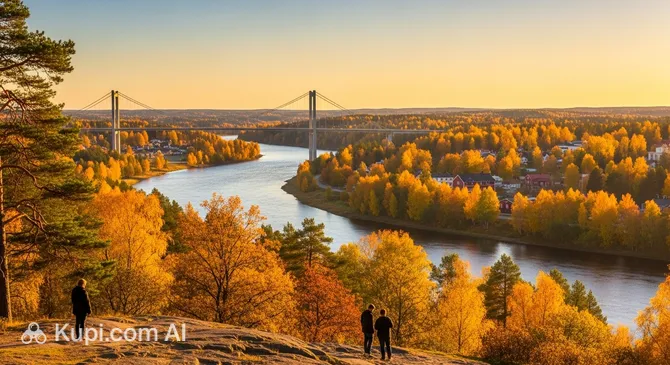
Welcome to Kramfors, a picturesque municipality situated on the western bank of the majestic Ångermanälven river. Located in the Västernorrland County of Sweden, this charming town is known for its stunning natural surroundings and its central position within the famous High Coast (Höga Kusten) area. It offers a perfect blend of peaceful riverside atmosphere and dramatic geological landscapes.

Kramfors. Source: Kupi.Binoculars

Home to a population of approximately 18,500 residents, Kramfors serves as an excellent base for exploring the unique geography of the region. While the area is celebrated for its natural beauty, the history of Kramfors is deeply rooted in the timber and pulp industries, which played a significant role in shaping the local community and economy during the 19th and 20th centuries.

Travelers are drawn to this destination to witness the High Coast, a UNESCO World Heritage site renowned for having the world's highest land uplift. A major highlight nearby is the impressive High Coast Bridge (Högakustenbron), a suspension bridge that offers breathtaking views over the river valley. Whether you are interested in hiking through ancient forests or simply relaxing by the water, Kramfors invites you to discover the serene beauty of northern Scandinavia.

Weather Overview

The climate in this region is characterized by four distinct seasons, offering a variety of experiences depending on when you visit. Summers are generally mild and comfortable, with July being the warmest month, featuring average temperatures of around 15.8°C and highs reaching 20.0°C. This period is ideal for exploring the outdoors, though it is also the wettest time of year, with July and August seeing approximately 15 wet days each.

Winters transform the landscape with cold temperatures and snow, creating a scenic setting for winter activities. During the coldest months of January and February, average temperatures drop to between -5.4°C and -5.9°C, with lows occasionally falling to -8.7°C. For those planning a trip, checking the detailed weather in Kramfors is recommended to pack appropriately for the conditions.

Spring and autumn act as transitional seasons, with temperatures rising significantly in May and cooling down rapidly by November. Overall, you can expect warm summers with occasional rain and cold, dry winters where temperatures frequently stay below freezing.

Interesting Facts

Beyond the scenic river views and hiking trails, Kramfors holds many fascinating secrets and historical turning points that have shaped not just the region, but the entire nation. Here are some intriguing facts about this unique municipality:

  • Named After an Industrialist: Unlike many Swedish towns named after saints or geographical features, the city owes its name to Johan Christoffer Kramm. He was an industrialist who established a water-powered sawmill by the local rapids ("fors" in Swedish) in the mid-1700s, laying the foundation for the area's timber heritage.

  • Site of a Historic Tragedy: The municipality includes the settlement of Lunde, which was the location of the infamous Ådalen shootings in 1931. This tragic event, where military troops opened fire on demonstrating workers, became a pivotal moment in Swedish history and significantly influenced the development of the country's labor laws and social welfare model.

  • The Largest Witch Trial: The parish of Torsåker, located within the municipality, bears witness to a dark chapter of the past. In 1675, it was the site of the largest witch trial in Sweden's history, where 71 people were executed in a single day on a hill now known as the "Witch Mountain" (Häxberget).

  • Rising from the Sea: Kramfors is situated in the heart of the High Coast, an area that holds the world record for land uplift. The ground here is still rising by approximately 8 millimeters per year as it rebounds from the weight of the last Ice Age glaciers, constantly reshaping the coastline.

How to Get There

Planning a trip to the scenic High Coast requires some logistical preparation, but the journey is part of the adventure. You can find detailed information on all ways to reach the city to help you organize your travel itinerary efficiently.

The city of Kramfors is served by several regional hubs that connect it to the rest of Sweden and beyond. Travelers can fly into Sundsvall-Timra Airport (SDL), located in the city of Sundsvall, which is approximately 48 km from Kramfors. The transfer from the airport by taxi or bus typically takes around 1 hour and 30 minutes. Another option is Ornskoldsvik Airport (OER) in Örnsköldsvik, situated about 81 km away. Reaching Kramfors from there usually takes about 2 hours and 20 minutes by road.

For clarity, here is a summary of the main airports:

Airport Name City Passenger Traffic Km from City
Umea AirportUmeaLarge157.7
Sundsvall-Timra AirportSundsvallMedium47.9
Åre Östersund AirportOstersundMedium168.6
Vaasa AirportVaasaMedium202.0
Ornskoldsvik AirportÖrnsköldsvikSmall80.9

If you prefer traveling by rail, you can arrive at the Sundsvall Central Station in the city of Sundsvall, which is about 65 km from Kramfors. From there, you can get a taxi or bus to reach your final destination, a journey that takes approximately 2 hours. This station serves as a significant regional connector for travelers heading north.

Below is a list of railway stations in the wider region:

Station City Passenger Traffic Km to Center
Borlänge Railway StationBorlangeLarge299.7
Sundsvall Central StationSundsvall65.0
Gävle Central StationGävle253.2
Leksand Railway StationLeksand285.2
Falun Central StationBorlange282.7

Main Attractions

While the town center offers a glimpse into local life, the true treasures of Kramfors are found scattered throughout its vast and scenic municipality, particularly within the High Coast heritage area. From artistic enclaves to dramatic geological formations, the region provides a diverse array of experiences for every type of traveler.

A visit to Mannaminne in the village of Häggvik is an absolute must for those seeking culture and creativity. Created by the artist Anders Åberg, this open-air museum is a colorful and eccentric collection of over 50 buildings from around the world, including a Hungarian farmhouse, an Estonian cottage, and even a Norwegian stave church. Visitors can wander through art exhibitions, marvel at vintage vehicles, and enjoy the whimsical atmosphere that makes this place unlike any other in Sweden.

For outdoor enthusiasts, Skuleberget offers some of the most spectacular views in the region. Rising majestically near Docksta, this mountain is famous for having the world's highest coastline, a result of the land uplift since the Ice Age. You can reach the summit by hiking or taking a chairlift to enjoy panoramic vistas of the archipelago. The mountain is also home to the legendary Kungsgrottan (The King’s Cave), which folklore says was once a hideout for robbers.

Whisky aficionados will delight in a tour of the High Coast Distillery (Höga Kusten Destilleri), located beautifully by the banks of the Ångermanälven river. Known for its high-quality single malt whisky, the distillery takes advantage of the unique temperature variations of the northern climate during the maturation process. A guided tour here offers insight into the production methods and often concludes with a tasting session overlooking the serene water.

To experience the raw beauty of the coast, head to the Rotsidan Nature Reserve in Nordingrå. This 4-kilometer stretch of coastline is characterized by smooth, flat diabase rocks that have been polished by the sea and ice over millennia. It is an easily accessible area perfect for sunbathing, picnicking, or simply walking along the water's edge to admire the power of the Baltic Sea against the dark stone.

Local Cuisine

The culinary landscape of Kramfors is deeply rooted in the traditions of the High Coast, where the forest and the river provide the main ingredients. The food culture here is unpretentious but rich in flavor, focusing on locally sourced produce, game meat, and fresh fish from the Ångermanälven river. Visitors will find that the local cuisine reflects the changing seasons, with a strong emphasis on preservation methods like smoking, salting, and fermenting.

You cannot talk about food in this region without mentioning surströmming (fermented herring). The High Coast is the heartland of this polarizing delicacy. While the strong smell is infamous, locals appreciate the complex taste, traditionally serving it as a "surströmmingsklämma." This consists of the fish placed on buttered tunnbröd (thin flatbread) with sliced almond potatoes, diced onions, and sometimes sour cream. It is a unique gastronomic experience that is best enjoyed outdoors during the late summer premiere.

For those preferring milder flavors, the region is celebrated for its game meat, particularly elk (moose) and reindeer, often served as steaks, meatballs, or in rich stews with wild mushrooms. The river and coast offer an abundance of fresh fish, with whitefish and salmon being staples. For dessert, look for dishes featuring cloudberries (hjortron). Known as the "gold of the north," these amber-colored berries are typically served warm with vanilla ice cream or made into jam.

When it comes to beverages, the area has gained international recognition due to the local whisky production. The pristine water of the region is a key ingredient in creating distinct single malt whiskies that reflect the northern climate. For non-alcoholic options, the Swedish tradition of fika is strong here. You will find plenty of dark roast coffee served alongside cinnamon buns or traditional cookies in local cafes.

Dining in Kramfors often revolves around cozy, casual establishments rather than high-end luxury. Visitors can enjoy traditional Swedish home cooking, known as husmanskost, at local lunch restaurants which often offer excellent value. During the summer months, farm shops and summer cafes pop up in the countryside, offering fresh pastries and artisanal products in scenic settings close to nature.

Travel Tips

Planning a trip to Kramfors and the scenic High Coast requires a bit of local know-how to ensure a smooth experience. Below are some essential practical tips to help you navigate the region comfortably and enjoy your stay to the fullest.

  1. Clothing and Gear: The weather in this part of Sweden can be quite changeable, so dressing in layers is the best strategy. Even in summer, bring a waterproof and windproof jacket to protect against coastal breezes and sudden showers. If you intend to explore the nature reserves or hike up Skuleberget, sturdy and comfortable hiking boots are indispensable.

  2. Transportation: While the local bus network (Din Tur) connects the town with major hubs and some attractions, the schedules can be infrequent in rural areas. To truly experience the freedom of the High Coast and reach hidden gems like Mannaminne, renting a car is highly recommended. Taxis are available but can be expensive for long distances.

  3. Finances: The country is moving rapidly towards a cashless society. Most shops, restaurants, and cafes in Kramfors prefer or exclusively accept credit and debit cards (Visa and Mastercard are standard). The local currency is the Swedish Krona (SEK), but you will rarely need physical cash. Tipping is not mandatory, though rounding up the bill is a common gesture of appreciation.

  4. Health and Safety: Kramfors is a very safe destination for tourists. Pharmacies are marked with the sign Apotek and are generally open during standard retail hours; check for duty pharmacies if you need help late at night. The emergency number for police, ambulance, and fire services is 112. When driving, especially at dawn or dusk, keep a close watch for moose and deer on the roads.

  5. Communication: The primary language is Swedish, but English is widely spoken and understood fluently by the vast majority of the population. Locals appreciate it if you use simple greetings like hej (hello) and tack (thank you). Prepaid SIM cards are easy to find at convenience stores like Pressbyrån or supermarkets if you need mobile data.

  6. Local Etiquette: Swedes value order and personal space. Always respect queues in shops and at bus stops—cutting in line is frowned upon. If you are invited to someone's home, it is customary to remove your shoes at the door. When in nature, follow the principle of Allemansrätten (Right of Public Access): you are free to roam, but you must not disturb wildlife or destroy nature.

  7. What to Avoid: Do not rely on cash for public transport; buses generally do not accept cash payments on board, so use a travel card or a mobile app. Additionally, avoid being loud or boisterous in public spaces, as the local culture tends to be reserved and quiet.

  8. Shopping Hours: Keep in mind that Kramfors is a smaller municipality, and opening hours may be more limited than in larger cities. Shops often close early on Saturdays (around 2:00 PM or 3:00 PM) and may be closed entirely on Sundays, so plan your grocery or souvenir shopping in advance.

By keeping these practicalities in mind, you will be well-prepared to immerse yourself in the tranquil beauty of Kramfors. Enjoy the stunning landscapes and the warm hospitality of Västernorrland without any logistical surprises!

Entertainment & Nightlife

Nightlife in Kramfors is characterized by a relaxed and intimate atmosphere rather than a bustling club scene. As a small town in the heart of the High Coast, the evening entertainment here focuses on socializing in cozy environments, enjoying good food, and attending local cultural events. Travelers should expect a laid-back vibe where locals gather to unwind after a day of work or outdoor activities.

The center of the town's social life often revolves around First Hotel Kramm. Located conveniently in the middle of the city, this establishment serves as a primary meeting point for both visitors and residents. Its restaurant and bar area offer a comfortable setting for evening drinks, and on weekends, it occasionally hosts music events or dance nights that attract a lively crowd. It is the closest thing to a nightlife hub in the area, providing a classic hotel bar experience with a friendly local touch.

For a more casual evening, the town center features a few local eateries and pubs that stay open into the evening. Kiosken Pizza & Vin is a popular spot where you can enjoy a glass of wine or a cold beer alongside a meal. The atmosphere in these venues is informal, and the dress code is almost always casual. It is common to see groups of friends chatting over dinner or watching sports, creating a welcoming environment for tourists to join in.

If you are willing to venture slightly outside the town center for a unique experience, the High Coast Distillery (Höga Kusten Destilleri) offers a refined option for the evening. Situated by the river, it is not a nightclub but a world-class venue for whisky tasting and fine dining. During the summer, their riverside terrace is an exceptional place to enjoy the long, bright Nordic nights with a premium drink in hand.

Cultural entertainment plays a significant role in the local nightlife. Kramfors Teater is a historic venue that hosts a variety of performances, from theater productions and concerts to cinema screenings. Checking their schedule is highly recommended, as attending a show here offers a glimpse into the local arts scene. Additionally, community centers like Folkets Hus in nearby districts often organize dances and live music events, which are deeply rooted in Swedish tradition.

When planning a night out, keep in mind that opening hours can be more limited than in larger cities. Bars and restaurants typically close around 10:00 PM or midnight on weekdays, with slightly later hours on Fridays and Saturdays. Prices for alcohol are standard for Sweden, which can be higher than in many other countries, so budget accordingly.

Getting around at night is straightforward but requires some planning. The town center is compact and safe for walking, with well-lit streets and a very low crime rate. However, if you are staying outside the immediate center or visiting venues like the distillery, booking a taxi in advance is essential, as public transport services reduce significantly late at night. Local taxi companies are reliable, but availability can be scarce during peak hours or holidays.

While the nightlife is quiet, the daylight hours offer their own forms of entertainment. Visitors can explore the region's history at local museums or enjoy the natural beauty of the city parks. For families or groups, the local bowling alley provides a fun indoor activity that transitions well from late afternoon into the evening.

Parks & Museums

The cultural and natural landscape of Kramfors offers a compelling mix of deep forests, dramatic coastlines, and a heritage shaped by the timber industry. Visitors to this part of Sweden will find that the city's green spaces are often gateways to the wilder High Coast, while its museums provide poignant insights into the lives of the people who built the region's prosperity.

For those seeking immersion in nature, Skuleskogen National Park is the crown jewel of the area, located partly within the municipality. This vast wilderness is famous for its ancient spruce forests and the spectacular Slåttdalsskrevan, a massive crevice that cuts through the granite mountains. It is a hiker’s paradise where the forest meets the sea, offering trails that range from easy walks to challenging climbs with rewarding views over the archipelago.

Another significant natural area is the Icktjärnsberget Nature Reserve. Known for its accessibility and family-friendly atmosphere, this reserve features a preserved primeval forest that feels untouched by time. Visitors can walk along well-marked paths among centuries-old pines and enjoy a peaceful break at the wind shelter by the small lake, Icktjärnen. It serves as a perfect example of the tranquil, deep taiga forest typical of northern Sweden.

When it comes to museums, the Ådalen Industrial Museum (Ådalens Industri- & Sjöfartsmuseum) in Sandslån is essential for understanding the local history. Situated on an island in the river, this site was once the largest timber sorting facility in the world. The museum details the era of log driving that defined the economy of the High Coast, showcasing the tools, boats, and stories of the workers who managed millions of logs floating down the Ångermanälven river.

Art lovers should visit Kramfors Konsthall, located centrally within the town. This gallery serves as a cultural hub, hosting a rotating schedule of contemporary art exhibitions featuring both local and national artists. It is a quiet, reflective space that offers a contrast to the rugged outdoor activities usually associated with the region.

History enthusiasts will find the Gudmundrå Church Ruins to be an atmospheric site. Dating back to the 13th century, these stone ruins are the remains of the original parish church. Walking among the ancient walls offers a tangible connection to the medieval history of the valley, long before the industrial boom transformed the landscape.

A more modern but deeply significant historical landmark is the Ådalen 1931 Monument in Lunde. This sculpture by artist Lenny Clarhäll commemorates the tragic events where five workers were killed during a labor demonstration. It stands as a powerful reminder of the Swedish labor movement's history and offers a place for quiet reflection overlooking the river where the events took place.

For an authentic experience off the beaten path, consider visiting the Barsta Chapel in the fishing village of Barsta. This beautifully preserved wooden chapel from the 1600s was built by Gävle fishermen and remains in its original state, complete with ceiling paintings. It provides a unique glimpse into the coastal culture and the seasonal lives of the fishermen who once worked these waters.

Getting Around

Public Transport:

Navigating Kramfors is relatively straightforward due to its compact size and efficient regional connections. The public transport system is primarily composed of buses and trains, centered around the main hub, Kramfors Resecentrum (Travel Center). This station serves as the focal point for both local commuters and travelers exploring the wider Västernorrland region, offering a seamless transition between rail and road services.

The local and regional bus network is operated by Din Tur. While the town center is small enough to be explored on foot, buses are essential for reaching the outlying villages and popular attractions along the High Coast. The buses are modern, comfortable, and reliable, connecting the municipality with neighboring cities like Härnösand and Sollefteå. For longer distances, the train service operated by Norrtåg runs along the scenic Ådalsbanan line, providing fast connections north towards Umeå and south towards Sundsvall.

Payment for public transport is almost exclusively cashless. The most convenient way to pay is by using the Din Tur mobile app, where you can purchase single tickets or period passes directly on your phone. If you prefer not to use the app, you can buy a travel card or single tickets at the Resecentrum or authorized sales agents, such as local supermarkets or Pressbyrån kiosks. It is important to note that you generally cannot pay with cash on board the buses, although payment by credit card is often accepted on regional lines.

For tourists, planning ahead is highly recommended, especially when venturing outside the town center. Bus frequencies can be lower in the evenings and on weekends, so checking the timetable via the app or the Din Tur website is crucial. When boarding a bus, you simply scan your mobile ticket or travel card at the reader near the driver. On trains, tickets must be purchased before boarding, as buying them on the train may incur a surcharge.

While public transport is reliable, many visitors choose alternative methods to explore the rugged landscapes of the High Coast. Car rentals are very popular and often considered the best way to reach hidden nature reserves and coastal spots that buses do not serve. Taxis are available, with local companies like Taxi Kramfors operating in the area, but it is advisable to book them in advance, particularly during peak tourist seasons or late at night.

Although there is no metro or tram system, the train journey itself is a special experience. Traveling by rail through this region offers stunning views of the river valleys and the dramatic coastline, making the commute part of the sightseeing adventure. For those staying within the central district, walking is a pleasant and viable option, as most shops, restaurants, and hotels are located within a short distance of the train station.

Accommodation

Where to Stay:

Finding the right accommodation in Kramfors depends largely on the type of experience you are seeking. As the heart of the High Coast, the municipality offers a range of options that cater to both convenience-seekers and nature lovers. Whether you prefer the comfort of a full-service hotel in the town center or the rustic charm of a riverside cabin, the area provides a welcoming base for your adventures in Sweden.

For travelers prioritizing accessibility and urban amenities, the town center is the best place to stay. Here, you will find the main lodging establishments, such as the well-known First Hotel Kramm. Located within walking distance of the travel center and local shops, these central hotels typically offer modern comforts, including restaurant services and conference facilities. Staying here is particularly convenient for those arriving by train or bus who want easy access to transport links for exploring the wider region.

If your visit is focused on the stunning natural landscape, you might consider staying a bit further afield. The surrounding countryside and the banks of the Ångermanälven river are dotted with charming bed and breakfasts and guesthouses. These smaller, family-run establishments often provide a more personal touch and a peaceful atmosphere, allowing you to wake up to views of the river valley or the forest.

A popular choice for families and outdoor enthusiasts is renting a traditional stuga (cottage). Scattered throughout the municipality and along the coast, these cabins range from simple huts to fully equipped holiday homes. They offer the freedom of self-catering and are often situated close to hiking trails, such as those near Skuleberget, making them an excellent option for those planning an active holiday.

Budget travelers and campers will find several well-maintained camping grounds and hostels (vandrarhem) in the area. These facilities are usually located in scenic spots, such as near the Sandslån timber sorting museum or by the coast in Nordingrå. During the summer months, camping is a fantastic way to experience the long, bright Nordic nights, with many sites offering spots for caravans, motorhomes, and tents right by the water.

Demand for accommodation in Kramfors and the High Coast peaks significantly during the summer season, especially in July. It is highly recommended to book your stay well in advance if you plan to visit during this period, as the best locations fill up quickly. Conversely, visiting in the off-season offers better availability and a quieter, more introspective experience of this dramatic landscape.

Nearby Cities

Nearby Cities:

Situated in the heart of Västernorrland, Kramfors serves as an excellent starting point for exploring the wider region of northern Sweden. The town is strategically located between several significant urban centers, allowing travelers to easily combine a visit to the High Coast with day trips or onward journeys to neighboring cities. Whether you are looking for cultural experiences, shopping, or further outdoor adventures, the surrounding municipalities offer diverse attractions within a reasonable driving or train distance.

The closest major city is Sundsvall, located just over an hour away to the south. Known for its stunning "Stone City" architecture and vibrant cultural scene, it is a popular destination for those seeking urban amenities. To the north lies Umea, the largest city in Norrland. Often referred to as the "City of Birches," it is a hub for education and culture, featuring renowned museums and a lively student atmosphere.

Travelers willing to venture inland can visit Ostersund, situated by the shores of Lake Storsjön. It is a UNESCO Creative City of Gastronomy and a gateway to the Swedish mountain range. Further along the coast to the north and south respectively, Skellefteå and Gävle offer unique historical insights and modern attractions, rounding out the list of notable destinations in this part of the country.

Below is a table of nearby cities, including their population and distance from Kramfors:

City Population Distance (km)
Sundsvall 99,825 65
Umea 91,916 159
Ostersund 49,806 162
Gävle 96,969 253
Skellefteå 74,402 256

Shopping & Souvenirs

Shopping in Kramfors offers a relaxed and authentic experience, far removed from the hustle of major metropolitan retail hubs. Instead of vast commercial districts, visitors will find a selection of local boutiques, essential service shops, and stores that reflect the practical and artisanal nature of the High Coast region. The atmosphere is unhurried, allowing for friendly interactions with shop owners who are often happy to share stories about their products and the local area.

The main shopping activities are concentrated in the town center, particularly along Limstagatan and the streets surrounding the central square. This pedestrian-friendly area is where you can find clothing stores, interior design shops, and cozy cafés. It is a compact district that is easily navigable on foot, making it pleasant to stroll between shops while admiring the small-town architecture.

For a more concentrated retail experience, Gallerian Christoffer is the primary shopping mall located in the heart of the city. While it is smaller than the massive complexes found in larger cities, it serves as a convenient hub for locals and tourists alike. Inside, you can find fashion retailers, a pharmacy, and other specialty stores, offering a warm refuge during the colder winter months.

Markets and second-hand shopping play a significant role in the local culture, especially during the summer season. The phenomenon of "Loppis" (flea markets) is widespread across the municipality, with signs pointing to barns and garages where locals sell vintage items, antiques, and curiosities. These are treasure troves for those looking for unique Nordic decor or traditional Swedish household items. Additionally, seasonal markets often pop up in the town square, featuring local produce and handmade crafts.

When looking for souvenirs, the region's culinary heritage offers the best options. Tunnbröd (flatbread) is the pride of the High Coast, and buying a packet of authentic, locally baked flatbread—crisp or soft—is a must. Cloudberry jam is another popular gift, capturing the taste of the northern marshes. For something non-edible, look for local handicrafts (slöjd) made from wood or wool, or merchandise from the nearby High Coast Distillery. Note that actual bottles of whisky or wine can only be purchased at the state-run liquor store, Systembolaget.

Store opening hours in Kramfors generally follow the standard Swedish small-town schedule. Most shops are open from 10:00 AM to 6:00 PM on weekdays and from 10:00 AM to 2:00 PM or 3:00 PM on Saturdays. On Sundays, the majority of smaller boutiques and the galleria are closed, although larger supermarkets remain open. It is advisable to plan your shopping trips for weekdays or Saturday mornings to ensure everything is accessible.

Payment methods are modern and convenient, with Sweden being one of the most cashless societies in the world. Almost all shops, cafés, and even market stalls in Kramfors accept major credit and debit cards (Visa and Mastercard). While some small flea markets might prefer the mobile payment app Swish (which requires a Swedish bank account), many are beginning to accept cards, though having a small amount of cash (Swedish Krona) can be useful for rural "loppis" stops.

For visitors residing outside the European Union, tax-free shopping is often available in participating stores. Look for the Global Blue signage in shop windows or at the counter. If you spend above a certain amount in a single store, you can request a tax refund form, which allows you to claim back a portion of the VAT when leaving the EU, provided you have your passport with you at the time of purchase.
Reached the end of the page?

That means the route is fully explored