Support

Örnsköldsvik

About

Nestled along the stunning High Coast in Västernorrland County, Örnsköldsvik is a vibrant coastal city that perfectly blends industrial heritage with breathtaking natural beauty. Often referred to simply as "Övik" by locals, this picturesque destination serves as a gateway to the UNESCO World Heritage site known as Höga Kusten. Located in northern Sweden, the city is built around a natural harbor and is surrounded by a dramatic landscape of rolling hills and deep waters, offering a unique atmosphere where urban life meets the wilderness.

With a population of approximately 33,000 residents, Örnsköldsvik maintains a friendly, small-town charm while providing the amenities of a larger city. The climate here is characterized by distinct seasons, ranging from snowy winters perfect for winter sports to bright, mild summers ideal for exploring the archipelago. The city's layout is quite distinctive, with the city center hugged by mountains and the sea, creating scenic views from almost every street corner.
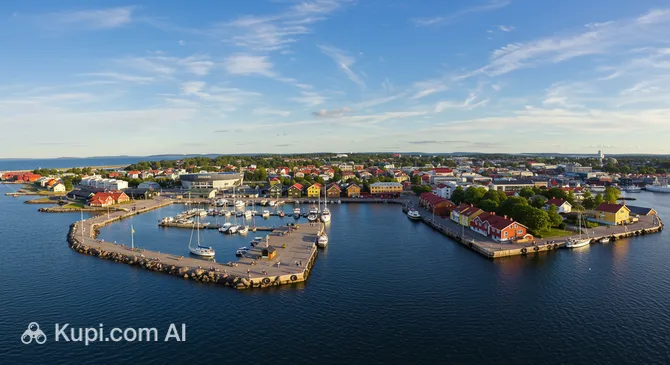
Örnsköldsvik. Source: Kupi.Binoculars

The city was officially founded in 1894, though the area has been inhabited for much longer. It was named after the county governor Per Abraham Örnsköld, and you can delve deeper into the fascinating history of Örnsköldsvik to learn how it transformed from a trading post into a modern industrial and cultural hub. Today, it is well-known for its strong sporting tradition, particularly in ice hockey, and its thriving export industries.

Visitors are often drawn to the iconic Paradiskullen ski jump, which stands as a landmark visible from the city center and offers panoramic views over the harbor. For those seeking relaxation and fun, Paradisbadet is one of Sweden's best adventure baths, featuring extensive spa facilities and thrilling water slides. Nature enthusiasts will find endless opportunities for hiking and outdoor activities in the surrounding High Coast area, renowned for its unique geology and scenic trails.

Whether you are looking to experience the thrill of northern nature, enjoy local cultural events, or simply relax by the sea, Örnsköldsvik offers a welcoming and memorable escape. Its combination of accessibility, scenic beauty, and rich local culture makes it a must-visit destination for anyone traveling through the northern parts of the country.
Weather Overview

The climate in Örnsköldsvik is characterized by distinct seasonal changes, offering visitors everything from snowy winter landscapes to pleasant, mild summers. Winters are typically cold, with January being the coldest month, where average temperatures hover around -6.2°C and can drop to lows of -8.7°C. December tends to see the most frequent precipitation, with about 15 wet days, ensuring plenty of snow for winter sports enthusiasts.

Summer brings a welcome warmth to the High Coast, with July serving as the peak of the season. During this time, average temperatures rise to approximately 16.0°C, with daily highs often reaching a comfortable 20.0°C. While precipitation volume remains generally low throughout the year—mostly between 1mm and 3mm per month—rain showers are relatively common in late summer, with August seeing around 14 wet days. Travelers should expect warm summers with occasional rain and cold, dry winters.

Spring and autumn are transitional periods where the weather changes rapidly. May sees a significant jump in warmth with highs of 13.0°C, while November marks the return of freezing temperatures. To help you pack appropriately for your specific travel dates, we recommend checking the detailed guide to the weather in Örnsköldsvik before your journey.

Interesting Facts

Beyond the main attractions, Örnsköldsvik holds many fascinating secrets that make it truly unique in the region.
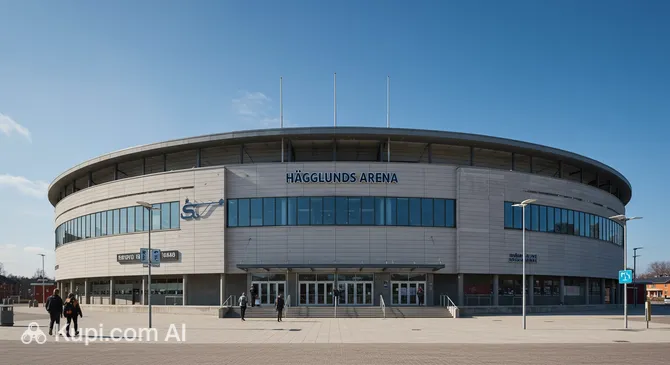
Hägglunds Arena. Source: Kupi.Binoculars
  • The city is famously nicknamed "The Hockey Factory" due to its incredible track record of producing world-class ice hockey players. Despite its relatively small population, it has been the home of numerous NHL stars, including Peter Forsberg and the Sedin twins, with Hägglunds Arena serving as the central hub for this deep-rooted local passion.

  • This coastal town is the birthplace of the globally renowned outdoor brand Fjällräven. Founded here in 1960 by Åke Nordin, the company created its iconic Kånken backpack in this very city to help prevent back problems among Swedish schoolchildren.

  • The land around Örnsköldsvik is rising faster than almost anywhere else on Earth. Due to a geological process known as isostatic rebound, the ground lifts approximately 8 millimeters per year, constantly reshaping the coastline and adding new land to the territory.

  • The region is considered the heartland of the polarizing Swedish delicacy surströmming (fermented herring). The nearby island of Ulvön is often hailed as the "Mecca" for this dish, producing the most prestigious tins consumed during the annual premiere in late August.

How to Get There

Reaching the High Coast and its scenic heart is quite convenient, with several transport options available depending on your starting point. The region is well-served by the E4 highway and the modern Botniabanan railway, ensuring smooth connections through the Swedish landscape. For a complete overview of all routes and transport modes, please visit our detailed guide on how to get to Örnsköldsvik.

The most direct way to arrive by air is via Ornskoldsvik Airport (OER), which is conveniently located in the municipality itself. Situated just 19 km from the city center, this regional airport offers a quick and easy arrival experience. The transfer to the downtown area typically takes about 20 to 30 minutes by taxi or airport shuttle. Alternatively, travelers often choose Umea Airport (UME) in the city of Umeå, which is a larger hub handling significantly more traffic. It is located approximately 96 km away, and thanks to efficient road and rail links, the journey to Örnsköldsvik from there takes only about 1 hour to 1 hour 30 minutes.

For clarity, here is a summary of the main airports:

Airport Name City Passenger Traffic Km from City
Umea Airport Umea Large 95.9
Skelleftea Airport Skellefteå Medium 188.4
Sundsvall-Timra Airport Sundsvall Medium 106.8
Vaasa Airport Vaasa Small 155.7
Ornskoldsvik Airport Örnsköldsvik Small 19.0

If you are traveling by rail and looking for major connections in the wider region, Sundsvall Central Station (XXZ) serves as a significant transport node. Located in the city of Sundsvall, approximately 123 km south of Örnsköldsvik, it connects various lines from southern Sweden. Thanks to the high-speed Botniabanan line, the onward journey to Örnsköldsvik is very fast, typically taking between 1 hour and 1 hour 30 minutes.

Below is the information for the nearby railway station:

Station City Passenger Traffic Km to Center
Sundsvall Central Station Sundsvall Medium 123.4

Main Attractions

For sports fans and event goers, a visit to Hägglunds Arena is an absolute must. Known locally as the beating heart of the city's ice hockey tradition, this modern venue is the home ground of the famous MODO Hockey team. Beyond the excitement of the matches, the arena serves as a premier entertainment hub, frequently hosting major concerts, fairs, and cultural events that draw visitors from all over the region.

One of the most distinct landmarks in the city is Paradiskullen, a ski jump hill that rises dramatically just a short walk from the commercial center. It offers one of the best vantage points in the area, rewarding those who hike to the top with breathtaking panoramic views of the city, the harbor, and the surrounding archipelago. In both summer and winter, it stands as a testament to the city's close relationship with nature and outdoor sports.

Travelers seeking relaxation or family fun should not miss Paradisbadet, widely regarded as one of Sweden's best adventure baths. This extensive water park features a tropical climate year-round and boasts "Magic Eye," one of the longest water slides in Europe. With its mix of thrilling rides, calm swimming pools, and a luxurious spa section, it provides a perfect escape for visitors of all ages.

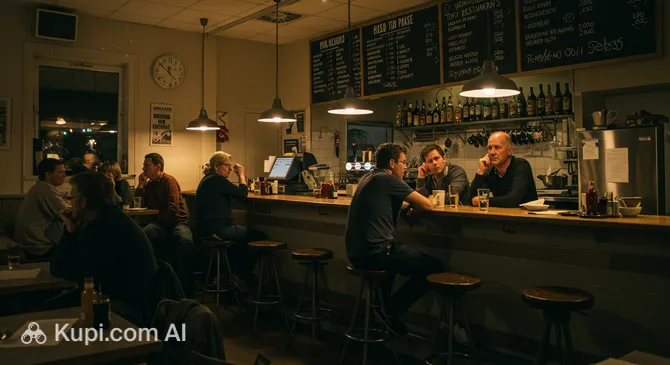
Public Restaurant. Source: Kupi.Binoculars

To experience the local social scene, the Public Restaurant is a popular choice right in the city center. Combining the atmosphere of a gastropub with a lively nightlife vibe, it is a favorite meeting place for both locals and tourists. Whether you are looking for a delicious meal or a refreshing drink after a day of sightseeing, this venue offers a welcoming environment to unwind and soak in the town's energy.

For a dose of culture, the Örnsköldsvik Museum and Art Hall offers fascinating insights into the region's history and artistic heritage. Housed in an elegant building, the museum features exhibitions that range from the geological wonders of the High Coast to the industrial evolution of the city. It is an excellent stop for those wishing to deepen their understanding of life in Västernorrland through the ages.

Local Cuisine

The culinary scene in Örnsköldsvik is deeply rooted in the traditions of the High Coast, characterized by a closeness to nature and a reliance on fresh, local ingredients. The region is perhaps most famous—or infamous—for being the heartland of surströmming (fermented herring). The nearby island of Ulvön is the production center for this potent Swedish delicacy. While the strong smell can be daunting, locals celebrate the "surströmming premiere" in late August with enthusiasm, typically serving the fish on thin bread (tunnbröd) with potatoes, onions, and sour cream to balance the intense flavor.

Beyond fermented fish, the local cuisine offers plenty of other northern specialties that are easier on the unaccustomed palate. Game meat, particularly moose (elk) and reindeer, frequently appears on menus, often accompanied by rich sauces and wild mushrooms picked from the surrounding forests. The pristine waters of the archipelago provide an abundance of fresh fish, with whitefish (sik) and salmon being popular staples, often smoked or grilled to perfection.

For dessert, the "gold of the forest"—cloudberries—takes center stage. These tart, amber-colored berries grow in the northern marshlands and are commonly served warm with vanilla ice cream or used in jams. Lingonberries and blueberries are also staples in local baking and cooking, adding a fresh, tart contrast to savory dishes.

When it comes to drinks, the region has gained international acclaim thanks to the High Coast Whisky distillery located along the Ångermanälven river. Known for its unique production methods influenced by the dramatic temperature shifts of the north, it is a point of pride for the area. Locally brewed craft beers are also gaining popularity, often found in the city's bars and restaurants.

The dining culture in Örnsköldsvik is relaxed and welcoming. Lunch is a significant meal, with many establishments offering a "Dagens rätt" (dish of the day) at a reasonable price. For a taste of the local social vibe, the Public Restaurant is a notable spot in the city center. Operating as a gastropub, it serves as a gathering place where visitors can enjoy hearty meals and drinks while mingling with the locals in a lively atmosphere.

Travel Tips

To ensure your visit to Örnsköldsvik and the breathtaking High Coast is as smooth and enjoyable as possible, a little preparation goes a long way. These practical tips are designed to help you navigate local customs, logistics, and the northern climate so you can focus entirely on the adventure.

  1. Clothing and Gear: The key to comfort in northern Sweden is layering. If you are visiting in winter, thermal underwear, a heavy coat, and insulated, non-slip boots are essential to handle the snow and ice. Summers are generally mild but can be unpredictable, so bring a waterproof jacket and comfortable walking shoes for exploring the hilly terrain. Don't forget a standard European power adapter (Type F) for your electronics.
  2. Transportation: The city center is compact and easily navigable on foot, but to explore the surrounding archipelago or the High Coast trails, renting a car is highly recommended. For local travel, the public bus network is reliable and operated by Din Tur; you can buy tickets via their app or with a credit card on board, but cash is generally not accepted. Taxis are available but can be quite expensive, so book in advance if needed.
  3. Finances: Sweden is one of the most cashless societies in the world, and Örnsköldsvik is no exception. While the currency is the Swedish Krona (SEK), many shops, cafes, and buses do not accept cash at all. Ensure you have a valid credit or debit card (Visa and Mastercard are widely accepted) with a PIN code, as this will be your primary method of payment everywhere.
  4. Health and Safety: Örnsköldsvik is a very safe city with low crime rates, but general common sense regarding personal belongings applies. Pharmacies are marked with a green cross and known as Apotek; they are well-stocked, though not usually open 24/7. In case of any serious medical or police emergency, dial 112 for immediate assistance.
  5. Communication: You will find that English is spoken fluently by nearly everyone, making communication effortless for most travelers. However, learning a few local words like Hej (Hello) and Tack (Thank you) is always appreciated. Wi-Fi is widely available in hotels, cafes, and public spaces, and you can easily purchase a prepaid SIM card at convenience stores like Pressbyrån if you need constant data.
  6. Local Etiquette: Swedes value personal space and order, so always respect queues—whether at a bus stop or a store counter—and look for ticket machines if you need to take a number. When entering a private home, it is customary to remove your shoes at the door. A casual and polite demeanor works best here; a simple nod or smile is a common way to greet strangers.
  7. What to Avoid: Avoid assuming you can buy alcohol in regular supermarkets. In Sweden, beverages with an alcohol content above 3.5% are sold exclusively at the state-run monopoly store called Systembolaget, which has limited opening hours and is closed on Sundays. Also, avoid walking in designated bicycle lanes, as locals cycle frequently and expect the path to be clear.
  8. Shopping Hours: Be aware that opening hours in smaller cities like Örnsköldsvik can be shorter than in major capitals. Many shops close early on Saturdays (often around 3:00 PM or 4:00 PM) and may be closed entirely on Sundays, so plan your shopping or essential errands for weekdays if possible.

By keeping these practicalities in mind, you will be well-equipped to experience the best of Örnsköldsvik, from its cozy city center to the wild beauty of its coastline. Embrace the local pace of life, enjoy the fresh air, and have a wonderful time exploring this unique corner of Västernorrland.

Entertainment & Nightlife

While Örnsköldsvik is not a sprawling metropolis, its nightlife scene is surprisingly active and cozy, reflecting the warm hospitality of the High Coast. The city center is compact, making it easy to hop between venues without the need for transportation. Most of the evening entertainment is concentrated around the main pedestrian street, Storgatan, and the picturesque inner harbor area. On weekends, these districts come alive with locals, students, and visitors enjoying a mix of relaxed pubs, lively sports bars, and dance floors.

For those looking to experience the local vibe, the Public Restaurant is a cornerstone of the city's social life. By day, it serves as a restaurant, but as the evening progresses, it transforms into a vibrant meeting place with a buzzing bar atmosphere. It is an excellent spot to start the night with a cocktail or a local craft beer, often featuring music and a crowd that ranges from young adults to older locals unwinding after work.

Large-scale entertainment in the city is often centered around Hägglunds Arena. While primarily known as the home of MODO Hockey, this venue is also the premier location for major concerts, shows, and gala events. On game nights, the atmosphere in and around the arena is electric, with sports bars in the vicinity filling up with fans clad in red, white, and green. Even if there isn't a match, the arena area frequently hosts events that run late into the evening.

The nightlife culture here is generally casual and laid-back. There is rarely a strict dress code, though "smart casual" is the norm for nightclubs and nicer bars. Most bars stay open until 1:00 AM or 2:00 AM on Fridays and Saturdays, while nightclubs may operate until 3:00 AM. Prices are typical for Sweden, which can be higher than the European average; expect to pay around 70–90 SEK for a beer and upwards of 120 SEK for a cocktail. It is worth noting that the legal drinking age in bars is 18, though some clubs may set their own age limit at 20 or 23.

Safety is rarely a concern in Örnsköldsvik. The city center is well-lit and safe for walking at night. However, if you are staying outside the immediate downtown area, taxis are available. It is advisable to book a taxi in advance on busy weekend nights, as demand can be high. Ridesharing apps are less common here than in major cities like Stockholm, so relying on local taxi companies is the best bet.

Before the sun goes down, the city offers various daytime entertainment options. Culture lovers can revisit the local history at the museum or enjoy a show at the local theater. For families or groups of friends, the city features bowling alleys and modern cinemas screening the latest international releases. Of course, the proximity to nature means that daytime activities often involve outdoor adventures, but the town center provides plenty of indoor amusements to fill the hours before the nightlife begins.

Parks & Museums

Örnsköldsvik offers a delightful mix of manicured green spaces and rugged natural landscapes, complemented by institutions that preserve its rich industrial and artistic history. The city's location on the High Coast means that nature is never far away, while its cultural venues provide a deep dive into the region's heritage, from the Iron Age to modern art.

For a relaxing break within the city center, Stadsträdgården (The City Garden) is a favorite among locals. This beautifully maintained park features colorful flower beds, winding paths, and open lawns perfect for a picnic during the summer months. Just a stone's throw away is the Harbor Promenade, a scenic stretch along the waterfront where visitors can enjoy the fresh sea breeze and watch boats drift into the inner harbor. For those willing to venture slightly further, the nature reserve at Genesmon offers a unique combination of sandy pine forests and historical significance, providing tranquil walking trails just outside the urban area.

Culture enthusiasts should make Örnsköldsviks Museum & Konsthall their first stop. Housed in a majestic Art Nouveau building that was formerly a school, this institution combines local history with contemporary art. The exhibitions range from the geological formation of the High Coast to the city's industrial evolution, alongside a rotating selection of works by Swedish and international artists. Another fascinating site is Gene Fornby, a reconstructed Iron Age village located at Genesmon. Here, visitors can step back in time to see how people lived in the region over 1,500 years ago, with authentic longhouses and summer activities that bring history to life.

Architecturally, the city is a blend of the old and the bold. The Örnsköldsvik Church, with its neo-Gothic design, stands as a serene landmark from the early 20th century. In stark contrast, the modern residential building known as Ting1 has become a talking point for its vibrant colors and distinctive "pixelated" facade, designed by the renowned architect Gert Wingårdh. This structure sits atop the old concrete courthouse, symbolizing the city's ability to merge its past with a forward-looking vision.

For a truly unique cultural experience, look for the High Coast Art Valley. This concept integrates art into the landscape, featuring sculptures and installations placed in parks and nature areas throughout the municipality. It is an excellent way to combine a love for the outdoors with art appreciation, often leading you to lesser-known spots that offer surprising beauty and quiet reflection.

Getting Around

Public transport in Örnsköldsvik is efficient, modern, and reliable, primarily designed to connect the compact city center with residential suburbs and the surrounding rural areas. As a relatively small city, it does not have a metro, tram, or trolleybus system. Instead, the local transport network relies entirely on buses, which are operated by the regional public transport authority, Din Tur. For visitors, the city center is small enough to be easily explored on foot, but the bus network is essential for reaching attractions located further afield, such as the archipelago terminals or hiking trails along the High Coast.

The payment system is fully integrated into the regional cashless trend. Travelers cannot pay with cash on board any bus. The most convenient way to purchase tickets is through the "Din Tur" mobile app, which allows you to buy single tickets or period passes directly on your smartphone. Alternatively, you can pay with a contactless credit or debit card (Visa or Mastercard) directly on the bus. When boarding, simply tap your card on the reader. Ticket prices are zone-based, but a standard single journey within the municipal zone is affordable, typically costing around 30 to 40 SEK.

For tourists planning to use the bus, it is advisable to check the schedules in advance, as frequency varies significantly between weekdays and weekends. Buses run frequently during peak morning and afternoon hours on weekdays, but service can be limited on Saturdays and Sundays, especially in the evenings. The main hub for all local and regional traffic is the Örnsköldsvik Travel Centre (Resecentrum), located conveniently near the harbor and the train station. This is the best place to find route maps and ask for assistance if you are unsure about your connection.

While buses cover the mainland, a unique and essential part of the local transport system is the archipelago ferry service. These boats act as the region's "water buses," connecting the mainland to popular islands such as Ulvön and Trysunda. Operating year-round but with increased frequency in the summer, these ferries offer a scenic way to travel. Tickets for the ferries are usually purchased separately, often on board or at the harbor terminals, and provide a memorable journey through the stunning coastal landscape.

If you prefer more flexibility, alternative transport options are readily available. Taxis are safe and reliable, though they can be quite expensive compared to public transport. Since there is no Uber or similar ride-sharing dominance, it is best to book with local taxi companies by phone or via their specific apps, especially for late-night travel when buses may not be running. For those wishing to explore the vast nature of the High Coast at their own pace, renting a car is often the most practical solution. Additionally, during the warmer months, renting a bicycle is a popular and eco-friendly way to get around the city and its immediate surroundings.

Accommodation

Accommodation in Örnsköldsvik is diverse and well-suited to the city's role as a gateway to the High Coast. The options generally range from comfortable, modern hotels in the city center to scenic campsites and cozy cabins on the outskirts. While you won't find an abundance of ultra-luxury resorts, the standard of accommodation is high, with a strong focus on cleanliness, functionality, and proximity to nature. Visitors can choose between full-service hotels, budget-friendly hostels, and charming bed-and-breakfasts depending on their needs.

For most tourists, the City Center is the most convenient area to stay. Booking a room here places you within walking distance of the travel center, the inner harbor, and the main shopping streets. This area is ideal for those arriving by train or bus and for visitors who want easy access to restaurants and nightlife. Alternatively, if you are traveling by car and prioritize scenery over urban amenities, the surrounding areas offer excellent camping grounds and holiday villages (stugbyar) that serve as perfect base camps for hiking and exploring the archipelago.

Since Örnsköldsvik is a popular destination for both summer tourism and winter sports, booking in advance is highly recommended. The summer months, particularly July, see a high influx of visitors heading to the High Coast, while the winter season can be busy during major ice hockey matches or ski jumping events. Securing your accommodation a few months early ensures you get the best choice of location and price.

In terms of pricing, accommodation typically falls into the mid-range category. A standard double room in a central hotel usually costs between 1,000 and 1,800 SEK per night, while hostels and cabins offer more budget-friendly alternatives, often ranging from 500 to 900 SEK. Booking is easily done through major international online platforms, but many local campsites and smaller guesthouses also accept direct bookings via their websites, which can sometimes offer better rates or specific package deals.

Nearby Cities

For those looking to explore the surroundings, Örnsköldsvik serves as an excellent base for day trips to several interesting nearby locations:

Located less than an hour away by train, Umeå is the largest city in northern Sweden and a vibrant cultural hub. Known as the "City of Birches," it was a European Capital of Culture in 2014 and offers a lively arts scene, excellent museums like the Västerbottens Museum, and a scenic riverfront along the Umeälven. It is a perfect destination for those seeking shopping, fine dining, and a youthful university atmosphere.

To the south lies Sundsvall, famous for its magnificent "Stone City" (Stenstan). After a devastating fire in 1888, the city center was rebuilt entirely in stone, resulting in one of the most beautiful and well-preserved late 19th-century urban environments in the country. Visitors can explore the grand architecture, visit the Kulturmagasinet cultural center, or enjoy the views from the Norra Stadsberget open-air museum.

Another worthwhile stop is Skellefteå, known for its rich mining history and rapidly growing sustainable industry. It serves as a gateway to Swedish Lapland and offers a mix of modern innovation and deep historical roots, including the impressive Bonnstan, an old church town with wooden houses dating back to the 17th century.

City Population Distance (km)
Sundsvall 99825 123
Gävle 96969 303
Umea 91916 97
Skellefteå 74402 196
Ostersund 49806 205

These nearby destinations offer a glimpse into the diverse culture and landscapes of the region, allowing travelers to experience the unique character of Sweden's northern coast.

Shopping & Souvenirs

Shopping in Örnsköldsvik offers a relaxed and pleasant experience, characterized by a compact city center where everything is within easy walking distance. Unlike the overwhelming rush of large metropolises, the pace here is slower, allowing visitors to browse through a mix of well-known Swedish fashion chains, charming local boutiques, and interior design shops. The city is particularly famous for its strong connection to outdoor activities, making it an excellent destination to purchase high-quality hiking gear and winter apparel.

The heart of the shopping district is Storgatan, the main pedestrian street that runs through the center of town. Along this promenade and the adjacent Köpmangatan, you will find the highest concentration of stores. In the summer, the street is lively with outdoor cafes and shoppers, while in the winter, it is beautifully illuminated, creating a cozy atmosphere for holiday shopping. This area is where locals go for everything from daily necessities to specialized fashion and gifts.

For those preferring indoor shopping, especially during the colder months, the city center hosts two main shopping malls: Oskargallerian and Port 9. These modern centers are located conveniently close to the pedestrian street and house a variety of retailers under one roof. Here, you can find popular clothing brands, home goods, bookstores, and cafes, offering a comfortable refuge from the weather while you hunt for the perfect purchase.

While Örnsköldsvik does not have massive permanent market halls, Stora Torget (The Main Square) frequently serves as a venue for open-air market trade. Depending on the season and the day of the week, you can find stalls selling fresh flowers, seasonal berries, vegetables, and sometimes local handicrafts. It is a great spot to get a feel for the local daily life and perhaps pick up some fresh snacks.

When it comes to souvenirs, the most iconic purchase in Örnsköldsvik is undoubtedly outdoor equipment from Fjällräven. As the birthplace of this world-famous brand, the city is home to a large Naturkompaniet Outlet, which is a major draw for tourists seeking discounted backpacks, jackets, and trekking gear. Another unique, albeit controversial, local specialty is surströmming (fermented herring). While buying a tin is a classic souvenir, be aware that most airlines forbid them in checked luggage due to the risk of pressurized cans exploding. Instead, look for surströmming-themed merchandise or locally produced crafts, such as woolen goods or items made from wood, which reflect the region's forestry heritage.

Store opening hours in Örnsköldsvik generally follow standard Swedish norms. Most shops in the city center are open from 10:00 AM to 6:00 PM on weekdays. On Saturdays, hours are typically shorter, often closing around 3:00 PM or 4:00 PM. Many smaller boutiques are closed on Sundays, although the larger shopping malls and some chain stores may open for a few hours, usually between 12:00 PM and 4:00 PM. Payment is almost exclusively digital; credit and debit cards (Visa and Mastercard) are accepted everywhere, and many places do not handle cash at all.

Tourists residing outside the European Union (and Norway) are eligible for tax-free shopping on purchases exceeding a certain amount in affiliated stores. Look for the "Global Blue" or "Tax Free" signage in shop windows. If you qualify, ask the staff for a tax refund form at the checkout, which you can then redeem at customs or refund points upon leaving the EU.

Reached the end of the page?

That means the route is fully explored