Support

Arvidsjaur

About

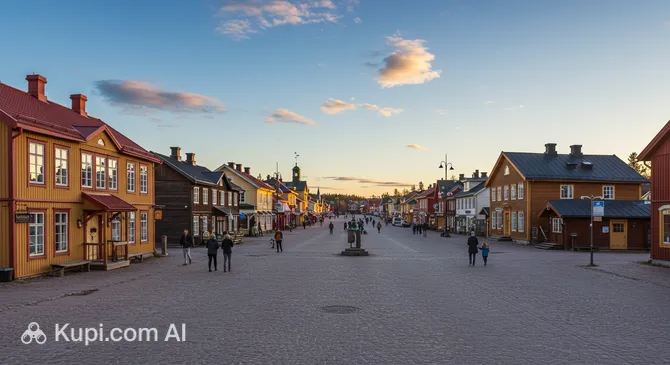
Nestled in the heart of Swedish Lapland, Arvidsjaur is a captivating destination that offers a perfect blend of wilderness adventure and cultural heritage. Located in Norrbotten County, just south of the Arctic Circle, this small locality with a population of approximately 2,600 people serves as a major gateway to the pristine nature of Northern Sweden. The town is surrounded by a stunning landscape of deep forests and glittering lakes, creating a serene atmosphere that changes dramatically with the seasons.

Arvidsjaur. Source: Kupi.Binoculars

Despite its modest size, Arvidsjaur holds significant importance both historically and economically. Visitors interested in the past can explore the fascinating history of Arvidsjaur by visiting Lappstaden, a well-preserved Sami church town dating back to the 17th century. This unique site features around 80 traditional wooden huts and storehouses, offering a rare glimpse into the region's indigenous culture and traditions.

In modern times, the town has gained international recognition as a hub for the automotive industry. During the winter months, car manufacturers from across the globe flock here to test their vehicles on the frozen lakes, making it a bustling center for winter car testing. For tourists, the area is a paradise for outdoor enthusiasts, boasting exceptional opportunities for snowmobiling, ice fishing, and witnessing the magical Northern Lights.

Whether you are seeking an adrenaline-filled winter holiday or a peaceful summer retreat in the midnight sun, Arvidsjaur provides an authentic and unforgettable experience. Its welcoming community and accessible wilderness make it an ideal stop for anyone wishing to discover the true spirit of the north.

Weather Overview

Arvidsjaur experiences a subarctic climate with significant variations between seasons, making it a destination of dramatic natural changes. The winter months are characteristically cold, with January typically being the coldest month, seeing average temperatures hover around -10.3°C and lows often dipping to -12.8°C. Summer brings a welcome warmth, particularly in July, when average maximum temperatures reach 18.4°C, creating pleasant conditions for outdoor activities.

Precipitation is generally moderate, though the summer season tends to see more frequent rainfall compared to the drier spring months. August records the highest number of rainy days, averaging about 17 wet days. For a more detailed breakdown of what to expect during your specific travel dates, you can check the full report on the weather in Arvidsjaur.

Travelers should be prepared for distinct seasonal shifts when packing. Expect mild summers with occasional rain and cold, dry winters that transform the region into a frozen landscape.

Interesting Facts

Beyond its scenic landscapes and winter allure, Arvidsjaur holds many fascinating secrets that reveal the deep cultural and historical layers of this Northern Swedish gem. From ancient indigenous roots to modern industrial quirks, the town offers plenty of surprises for the curious traveler.

  • The "Generous" Name: The name Arvidsjaur is derived from the Ume Sami word Árviesjávrrie, which translates to "Generous Water" or "The lake that gives abundantly." This poetic title refers to the fish-rich waters of the nearby lake, which sustained the local Sami people for centuries before permanent settlements were established.

  • The "German Commute": Despite its small size, Arvidsjaur Airport has an unusually busy international schedule during the winter. It serves as a direct gateway for thousands of German engineers and car testers who fly in from cities like Munich, Stuttgart, and Hanover. This seasonal influx is so significant that the town's population nearly doubles, transforming it into a bustling hub for the global automotive industry.

  • A Forest Sami Rarity: While many Sami heritage sites in Sweden are associated with the Mountain Sami who followed reindeer migrations, Arvidsjaur’s Lappstaden is a rare example of a Forest Sami church town. Unlike permanent villages, these wooden huts were never inhabited year-round; they were built solely as temporary overnight lodgings for Sami families attending mandatory church festivals, a tradition that kept the community connected across vast distances.

  • A Land of Lakes: Nature lovers will be astounded to learn that the municipality of Arvidsjaur contains over 4,000 lakes. With such a vast number of waterways, there are statistically more lakes than residents in the area, ensuring that every angler, kayaker, and swimmer can find their own private slice of wilderness.

How to Get There

Reaching the heart of Swedish Lapland is easier than you might think, with several convenient flight connections available. For a comprehensive overview of travel options, you can read more about how to get to Arvidsjaur in our detailed guide. The most direct route is to fly into Arvidsjaur Airport (IATA: AJR), which is located just 4.7 km from the town center. Because of its close proximity, the transfer to downtown is very short, taking just a few minutes by taxi or shuttle. Although it is a smaller regional hub, the airport becomes quite busy during the winter season due to the automotive industry's testing activities.

If direct flights are not available, many travelers choose to arrive via Lulea Airport (IATA: LLA), situated in the city of Lulea. As the largest airport in northern Sweden, it offers a wider range of schedules. Lulea is about 136 km from Arvidsjaur, and the journey by road typically takes approximately two hours. Another viable alternative is Skelleftea Airport (IATA: SFT) in Skellefteå, located roughly 140 km away, which also requires a drive of around two hours.

For clarity, here is a summary of the main airports serving the region:

Airport Name City Distance to Arvidsjaur
Arvidsjaur Airport Arvidsjaur 4.7 km
Lulea Airport Lulea 135.9 km
Skelleftea Airport Skellefteå 139.9 km
Umea Airport Umea 207.5 km
Hemavan Airport Hemavan 189.7 km

Regarding rail travel, Arvidsjaur is a well-known stop on the historic Inlandsbanan railway line, which runs through the Swedish interior. However, this service operates primarily during the summer months and is geared towards tourists seeking a scenic journey. For year-round travel, visitors typically take a train to the main line stations in nearby towns such as Jörn or Älvsbyn, and then complete the trip to Arvidsjaur by connecting local buses.

Main Attractions

Arvidsjaur offers a compelling mix of cultural history and accessible wilderness, making it a fascinating stop for travelers in Northern Europe. While the town is small, its attractions provide deep insight into the region's Sami heritage and the stunning natural environment of Swedish Lapland. Visitors can easily explore the town center on foot, discovering historic sites that have survived for centuries.

Lappstaden is undoubtedly the crown jewel of the town's cultural sites. This well-preserved Sami church town consists of around 80 traditional wooden cots (kåtor) and storehouses (härbren). Unlike other church towns in the region, Lappstaden was built by the Forest Sami people, who used these structures as temporary housing during religious festivals and markets. Walking among the weathered timber buildings offers a quiet and atmospheric journey back in time, allowing visitors to imagine the bustling gatherings of centuries past. It remains a living heritage site, still used by the local Sami community for special occasions.

Just a short walk from the Sami town stands the impressive Arvidsjaur Church. Completed in 1902, this striking wooden structure is designed in a National Romantic style with Neo-Gothic influences. Its towering spire and red-painted exterior make it a landmark of the town skyline. Inside, the church is beautifully decorated, and it serves as a testament to the importance of the parish in this vast, sparsely populated region. It is often open to visitors who wish to admire its architecture or enjoy a moment of silence.

For those looking to experience the surrounding wilderness without venturing too far, the Vittjåkk-Akkanålke Nature Reserve is a perfect destination. Located just a short drive from the town center, this area features low-mountain landscapes that are accessible year-round. In summer, hiking trails lead through ancient spruce forests to summits offering panoramic views over the vast woodlands and lakes. In winter, the reserve transforms into a wonderland for skiing and snowshoeing, providing a taste of the Arctic nature that defines this part of Sweden.

Another unique natural attraction nearby is Grodkällan (The Frog Spring), situated on the Slengmyren bog. Although it requires a drive from the town, it is one of the most photographed spots in the municipality. The spring is famous for its crystal-clear, turquoise water which boils up from the sandy bottom, creating a stark and beautiful contrast against the surrounding marshland. It is a serene spot that showcases the purity of the local nature.

Local Cuisine

The local cuisine of Arvidsjaur provides a genuine taste of Swedish Lapland, focusing heavily on pure, locally sourced ingredients from the surrounding wilderness. The food culture here is defined by the seasons, utilizing what the forests, lakes, and mountains provide. Visitors can expect hearty, warming meals designed to sustain people through the cold winters, with a strong emphasis on game meat, fish, and berries.

One of the most iconic dishes to try is reindeer, which is prepared in various ways ranging from slow-cooked stews to dried meat. A must-try local specialty is Suovas, lightly salted and smoked reindeer meat that is traditionally fried over an open fire and served on flatbread (gáhkku) with lingonberry jam. Moose (elk) is another staple on many menus, often served as a steak or in rich, creamy meatballs. For a truly authentic Norrbotten experience, travelers should look for Palt, dense potato dumplings filled with pork, typically served with butter and lingonberries. It is a heavy, comfort food dish deeply rooted in the region's peasant history.

Fresh fish also plays a significant role in the local diet, thanks to the thousands of lakes in the area. Arctic Char (röding) and whitefish are delicacies often served grilled or smoked. To finish a meal, dessert usually features the "Gold of the North"—cloudberries. These amber-colored berries grow in the nearby marshes and are commonly served warm with vanilla ice cream or as a jam accompanying squeaky cheese (kaffeost).

When it comes to drinks, coffee culture is paramount. In Sweden, the tradition of fika is strong, but in the north, boiled coffee (kokkaffe) prepared in a kettle over an open fire is a cultural institution, often enjoyed outdoors during a break from snowmobiling or hiking. For non-alcoholic options, locally produced juices made from lingonberries, blueberries, or cloudberries offer a refreshing and vitamin-rich taste of the forest.

The dining scene in Arvidsjaur is relaxed and unpretentious. While you will not find a vast array of international fast-food chains, the town offers charming lunch spots and hotel restaurants that take pride in serving high-quality local produce. During the day, many locals gather at cozy cafés for lunch specials (dagens rätt), while evenings are often spent in the warm, rustic atmosphere of lodge restaurants. For the adventurous tourist, the best dining experience might not be in a restaurant at all, but rather outdoors, grilling sausages or suovas in a forest shelter under the open sky.

Travel Tips

Welcome to Arvidsjaur! To help you make the most of your adventure in the heart of Swedish Lapland, we have compiled a list of essential practical tips. These insights will ensure a smooth and enjoyable journey, whether you are here to brave the Arctic winter or bask in the midnight sun.

  1. Clothing and Gear: If visiting in winter, proper layering is non-negotiable; bring thermal underwear, wool socks, and a windproof down jacket, as temperatures can drop significantly below freezing. In summer, while the days are pleasant, the forests are often filled with insects, so a high-quality mosquito repellent or a head net is a must-have accessory for hikers.
  2. Transportation: The town center is compact and easily navigable on foot, but to truly explore the vast wilderness and thousands of lakes, renting a car is highly recommended. Public buses are reliable for intercity travel but infrequent for sightseeing, and while taxis are available, they can be expensive and should be booked in advance.
  3. Finances: Sweden is a leader in the cashless revolution, and you will find that credit and debit cards are accepted almost everywhere in Arvidsjaur, from hotels to small cafes. The local currency is the Swedish Krona (SEK), but you will rarely need physical cash; however, it is wise to carry a small amount if you plan to visit very remote craft markets.
  4. Health and Safety: The region is incredibly safe regarding crime, but the natural environment requires caution; always drive attentively to avoid collisions with moose or reindeer, which frequently cross the roads. A local pharmacy (Apotek) and health center are available in town, but they are not open 24/7, so bring personal medications with you.
  5. Communication: English is spoken fluently by nearly everyone, so you will have no trouble communicating with locals. Wi-Fi is standard in most accommodations and public spaces, but for reliable mobile data in the forest, consider purchasing a prepaid SIM card from a local convenience store or supermarket.
  6. Local Etiquette: Swedes value punctuality and personal space, so try not to be late for appointments and avoid sitting right next to strangers on a bus if other seats are free. A key rule to remember is to always remove your shoes when entering a private home or a cabin, as wearing outdoor shoes inside is considered very impolite.
  7. What to Avoid: Do not walk on groomed cross-country ski tracks without skis, as footprints ruin the trails for skiers and can cause frustration among locals. Additionally, never approach or chase reindeer for a photo; they are semi-domesticated animals belonging to the Sami people and should be observed from a respectful distance.
  8. Shopping Logistics: Keep in mind that opening hours can be shorter than in major cities, especially on weekends. If you wish to buy strong alcohol, you must visit Systembolaget, the state-owned liquor store, which closes early on Saturdays and is closed on Sundays.

With these practical tips in hand, you are fully prepared to navigate the unique customs and climate of this northern gem. Pack your bags, dress for the weather, and get ready to experience the authentic warmth and rugged beauty of Arvidsjaur.

Entertainment & Nightlife

While Arvidsjaur is not known for a sprawling metropolis-style nightlife, it offers a warm and inviting evening scene that perfectly complements its cozy, small-town atmosphere. The nightlife here is centered primarily around the local hotels and a few key spots along the main street, Storgatan. Instead of neon-lit clubs open until dawn, you will find rustic pubs and hotel bars where the focus is on socializing, enjoying good food, and relaxing after a day in the wilderness. The vibe is distinctively "Norrländsk"—unpretentious, friendly, and welcoming to everyone from local residents to international visitors.

The main hub for evening entertainment is undoubtedly Hotell Laponia. This large complex serves as the social living room of the town. Inside, guests can find comfortable venues designed with timber walls and a lodge-like aesthetic that creates a snug environment for sipping a local beer or a glass of wine. On specific weekends, particularly during the busy winter season, the hotel hosts events that feature music and a dance floor, becoming the go-to spot for anyone looking to stay out late. Other local eateries and pubs offer a classic atmosphere with hearty food and drinks, perfect for a relaxed night out.

The crowd in Arvidsjaur is a unique mix that changes with the seasons. In winter, you will likely rub shoulders with engineers and test drivers from major European car manufacturers, creating a surprisingly international buzz in the bars. The dress code is almost exclusively casual; warm sweaters, jeans, and practical winter boots are the norm, even in the evenings. Most venues are open until late evening, though it is always wise to check specific opening hours as they can vary significantly by season.

For practical advice, timing is key. The nightlife is most active on Friday and Saturday nights. Prices for alcohol are standard for Sweden, which can be higher than in many other countries, so budget accordingly. Getting around at night is generally safe, and the town center is compact enough to walk between venues. However, during the freezing winter months, walking long distances can be dangerous due to the cold. If you need to travel further than a few blocks, it is essential to book a taxi in advance, as there are no ride-hailing apps and the number of available cabs is limited.

Before the evening festivities begin, Arvidsjaur offers plenty of daytime entertainment to fill your schedule. Visitors can explore the local history at the beautifully preserved Sami church town or enjoy the snowy landscape through guided snowmobile tours. For a more relaxed afternoon, the town's cafes provide a perfect setting for a traditional Swedish fika, setting the tone for a laid-back evening ahead.

Parks & Museums

Arvidsjaur is a place where the boundary between urban life and the wilderness is delightfully blurred, offering visitors immediate access to pristine nature rather than manicured city gardens. The town's approach to culture is equally immersive, with heritage sites that serve as living museums, allowing you to step directly into the history of the forest Sami people and the early settlers of Swedish Lapland.

For a relaxing break within the town limits, Nyborgstjärn is the local favorite. This small, picturesque lake is situated right in the center of Arvidsjaur and is surrounded by a well-maintained walking path. It serves as a green oasis where locals go for evening strolls, jogging, or simply to sit on a bench and enjoy the reflection of the sky on the water. In winter, the frozen surface often becomes a natural skating rink, while summer sees families picnicking on its grassy banks.

Just a stone's throw from the town center lies Prästberget, a low mountain that functions as Arvidsjaur's primary recreational nature park. While it operates as a ski slope in winter, during the summer months it transforms into a fantastic hiking area. A climb to the top rewards visitors with a sweeping panoramic view of the town and the endless carpet of forests and lakes beyond. It is the perfect spot to experience the vastness of the landscape without needing a car or heavy expedition gear.

In terms of museums, Lappstaden is the most significant cultural landmark. Although often described as a church town, it functions as a sprawling open-air museum where you can walk among roughly 80 traditional wooden huts dating back to the 17th century. Unlike a conventional museum with glass cases, this site allows you to wander through the actual environment where the Forest Sami people stayed during church holidays. It provides a tangible connection to the region’s indigenous history and architectural traditions.

To delve deeper into local history, a visit to the Gamla Prästgården (Old Vicarage) is highly recommended. Run by the local heritage association, this beautiful wooden building preserves the memory of Arvidsjaur's settler history. The museum displays a collection of photographs, textiles, and everyday objects that tell the stories of life in the north over the past centuries. In the summer, it often hosts a cozy café where you can enjoy traditional Swedish waffles in a historic setting.

For an authentic insider experience, consider taking a short trip to the nearby village of Moskosel to visit the Rallarmuseet (Navvy Museum). Located in the old station house, this small but fascinating museum is dedicated to the "rallare"—the migrant workers who built the Inlandsbanan railway through the unforgiving wilderness. It offers a unique perspective on the sheer physical determination required to connect these remote communities to the rest of the world.

Getting Around

Given the compact size of Arvidsjaur, the public transport system is quite different from what you might find in a large metropolis. There is no metro, tram, or complex city bus network because the town center is small enough to be navigated comfortably on foot. Most major hotels, shops, and restaurants are located within walking distance of each other, making walking the primary mode of transport for daily activities. However, for reaching the airport, nearby villages, or exploring the wider region, there is a reliable regional bus service operated by Länstrafiken Norrbotten.

The buses are modern, comfortable, and well-equipped to handle the harsh winter conditions. When it comes to paying for your journey, it is important to know that the system is almost entirely cashless. You generally cannot pay with cash on board. Instead, travelers can easily purchase tickets using a credit or debit card (Visa and Mastercard are widely accepted) directly from the driver. Alternatively, you can download the regional transport authority's mobile app to buy single tickets or period passes, which is often the most convenient method as it also allows you to check real-time timetables.

For tourists, the most practical advice is to check schedules carefully, as bus frequencies can be low, particularly during weekends and holidays. Bus stops are clearly marked with standard signage, but if you are waiting at a stop, it is good practice to signal the driver as the vehicle approaches to ensure they stop. If you are arriving by plane, there is a dedicated airport transfer service—often a shared taxi or shuttle bus—that is synchronized with flight arrivals and departures. This service is very efficient but typically requires booking in advance to guarantee a seat.

While public transport covers essential connections, many visitors find that renting a car is the best alternative for truly exploring the vast wilderness and nature reserves surrounding the town. Several car rental agencies operate in the area, primarily based at the airport. Taxis are available but are not typically hailed on the street; you must call a local dispatch number to book one, and prices can be relatively high. During the snowy winter months, you might also encounter a unique local "vehicle": the kick-sled (spark). It is not uncommon to see locals using these sleds to glide along the icy sidewalks, offering a fun and traditional way to move around the town.

Accommodation

Accommodation in Arvidsjaur caters to a diverse mix of international business travelers and nature-seeking tourists, resulting in a surprising variety of options for a town of its size. Visitors can choose from full-service hotels with extensive amenities, cozy family-run guesthouses, and rustic wilderness cabins. For those who prefer to be closer to nature, there are also camping grounds and holiday villages that offer comfortable cottages year-round, allowing guests to step directly from their door into the snowy landscape or summer forest.

When choosing where to stay, the decision largely depends on your preferred mode of transport and the type of experience you desire. The town center is the most convenient area for those without a rental car, as it places you within walking distance of the main shops, restaurants, and the airport shuttle stop. Alternatively, staying in the outskirts or near the local lakes offers a more secluded atmosphere, perfect for viewing the Northern Lights away from streetlamps, yet usually only a short drive or taxi ride from downtown amenities.

Among the well-known establishments, Hotell Laponia stands out as the largest and most prominent facility in the area. It serves as a central hub for the town's social life, featuring multiple restaurants, a spa, and conference facilities, making it a popular choice for both car testers and leisure travelers. For a more intimate atmosphere, Lapland Lodge offers a cozy, traditional experience with wooden interiors that reflect the region's heritage. There are also several smaller guesthouses and bed-and-breakfasts that provide a homely environment with a personal touch from local hosts.

Booking Tip: It is crucial to be aware of the "car testing season," which typically runs from January to March. During these months, thousands of engineers flock to Arvidsjaur, and accommodation is often booked out months in advance. If you plan to visit during the peak winter season, it is highly recommended to secure your room as early as possible to guarantee availability.

The general price range for accommodation in Arvidsjaur is considered mid-range by Swedish standards. While there are fewer budget hostels compared to larger cities, the camping cabins and guesthouses often offer affordable alternatives for groups or families. Booking is easily done through major online travel platforms, but for smaller, family-owned cabins or campsites, contacting the establishment directly can sometimes yield better availability or specific arrangements for activities.

Nearby Cities

For those looking to explore the surroundings, Arvidsjaur serves as an excellent base for day trips to several interesting nearby locations:

City Population Distance (km)
Sundsvall 99,825 368
Umea 91,916 204
Skellefteå 74,402 125
Ostersund 49,806 347
Lulea 49,123 137

While the vast distances of Norrbotten mean that "nearby" is a relative term, a few coastal cities are within a manageable driving distance for a full-day excursion. Skellefteå, known historically as the "Gold Town" due to the mining industry in the Skellefte field, is one of the closest options. Today, it is famous for its blend of deep industrial roots and modern innovation, highlighted by the Sara Kulturhus, one of the world's tallest wooden buildings. Visitors can explore the charming Bonnstan church town or enjoy the coastal scenery of the Gulf of Bothnia.

Another excellent destination is Luleå, the regional capital situated on the coast. It is home to the UNESCO World Heritage site Gammelstad Church Town, which features over 400 red wooden cottages surrounding a medieval stone church—a perfect complement to Arvidsjaur's own Lappstaden. Luleå also offers a beautiful archipelago that transforms into an ice road network in winter, allowing visitors to walk or skate on the frozen sea.

For those willing to travel a bit further south, Umeå offers a vibrant cultural scene. Known as the "City of Birches," it is a university town with a youthful energy, boasting impressive museums such as the Bildmuseet for contemporary art and Guitars – The Museum. As a former European Capital of Culture, it provides a more urban contrast to the wilderness of the interior.

These nearby destinations offer a glimpse into the diverse culture and landscapes of the region.

Shopping & Souvenirs

Shopping in Arvidsjaur offers a distinctively local and relaxed experience, far removed from the hustle of large commercial centers. Instead of sprawling shopping complexes and international fashion chains, visitors will find a selection of charming independent stores that reflect the lifestyle and traditions of Swedish Lapland. The retail scene here is primarily focused on high-quality outdoor gear, local handicrafts, and regional delicacies, making it an excellent destination for finding authentic gifts that tell a story of the north.

The heart of the town's commercial activity is located along Storgatan, the main street that runs through the center of Arvidsjaur. This walkable strip hosts the majority of the town's shops, including sports outlets equipped for the rugged Arctic climate, clothing boutiques, and essential services. A stroll down Storgatan allows you to easily visit the most popular stores without the need for transportation. It is here that you will also find the state-owned liquor store, Systembolaget, as well as pharmacies and cozy cafés for a pause between purchases.

Due to its small population, Arvidsjaur does not have large shopping malls or department stores. The shopping experience is characterized by individual storefronts rather than enclosed galleries. For daily necessities and groceries, there are well-stocked supermarkets such as Coop and ICA, which also carry a selection of household goods. These larger grocery stores are often the busiest spots in town and serve as a meeting place for locals.

While there is no permanent daily market hall, the town's market tradition is kept alive through seasonal events and local fairs. During the summer and specifically around holidays like Christmas, pop-up market stalls often appear in the central square, selling everything from hand-knitted wool mittens to homemade breads and pastries. These temporary markets provide a wonderful opportunity to meet local artisans and purchase goods directly from the makers.

When it comes to souvenirs, Arvidsjaur is a treasure trove for authentic Sami handicrafts, known as Duodji. Visitors should look for intricately carved reindeer antler knives, traditional wooden cups (kåsa), and pewter-embroidered leather bracelets. Another popular keepsake is locally designed silver jewelry, often inspired by the nature and culture of Lapland. For edible souvenirs, the region's "pantry" offers dried or smoked reindeer meat, elk sausage, and jars of cloudberry jam, which allow you to bring the unique flavors of the Arctic back home.

Store opening hours in Arvidsjaur generally follow standard Swedish schedules. Most shops are open from 10:00 AM to 6:00 PM on weekdays. On Saturdays, hours are typically reduced, often closing around 2:00 PM or 3:00 PM, and nearly all retail stores, except for supermarkets, are closed on Sundays. As is common throughout Sweden, electronic payment is the norm. Credit and debit cards are accepted virtually everywhere, even for small amounts, and some smaller vendors may prefer card payments over cash.

Tourists from outside the European Union may be eligible for tax-free shopping on certain purchases. If a store displays the "Global Blue" or "Tax Free" signage, you can ask for a refund form at the checkout when spending above a specific amount. Be sure to keep your receipts and the form to claim your VAT refund at the airport or border when leaving the EU.
Reached the end of the page?

That means the route is fully explored