Support

Lulea

About

Welcome to Luleå, a vibrant coastal city located in the far north of Sweden. As the capital of Norrbotten County and a bustling hub of activity, this city offers a unique blend of modern innovation and raw Arctic nature. With a population of approximately 49,000 inhabitants, it maintains a cozy, small-town atmosphere while providing the amenities and cultural richness of a regional capital.

Geographically, Luleå is situated where the massive Lule River meets the Gulf of Bothnia. The city is famous for its dramatic seasonal changes, ranging from the endless daylight of the Midnight Sun in summer to the snowy, magical landscapes of winter. The surrounding archipelago, consisting of over 1,300 islands, is a defining feature of the local landscape, transforming from a boating paradise in summer to a frozen playground during the colder months.
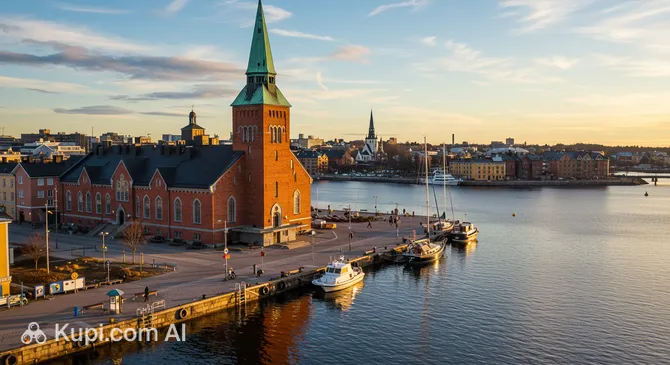
Lulea. Source: Kupi.Binoculars

The region has a deep and fascinating past that shapes its current identity. Visitors interested in the history of Lulea should not miss the Gammelstad Church Town, a UNESCO World Heritage site located just outside the modern city center. This well-preserved collection of hundreds of red wooden cottages surrounding a medieval stone church offers a glimpse into how the settlement looked centuries ago before the land uplift necessitated a move to the current coastal location.

Modern Luleå is also celebrated for its unique winter infrastructure, particularly the famous Ice Track. During the winter months, the frozen sea encircling the city center is plowed to create a vast track where locals and tourists alike can ice skate, kick-sled, or simply walk on the water. Whether you are looking to chase the Northern Lights, explore the vast archipelago, or enjoy high-quality local cuisine, Luleå serves as an inspiring destination for your Arctic adventure.
Weather Overview

The climate in this northern coastal city is defined by distinct seasonal contrasts, transitioning from freezing, snowy winters to surprisingly mild and bright summers. Before packing for your trip, it is advisable to consult the current weather in Lulea to prepare for the specific conditions of your visit. The region generally experiences a subarctic climate where the presence of the sea helps moderate the temperatures slightly compared to inland areas.

Winter is the dominant season, with January typically being the coldest month, featuring an average temperature of -8.6°C and lows often dropping to -11.2°C. In contrast, the summer months offer a pleasant respite; July is usually the warmest time of year, with average temperatures around 16.5°C and maximum highs reaching nearly 20°C. Precipitation is frequent in terms of wet days, peaking in December with 15 days, though the recorded volume remains relatively low throughout the year. Expect comfortable, mild summers with occasional rain and cold winters characterized by frequent light snow.

Interesting Facts

Beyond the frozen seas and Northern Lights, Luleå holds fascinating secrets that highlight its role as a pioneer in the north. This city is not just a gateway to Lapland but a hub of innovation and unique geological phenomena that continue to shape its landscape.
  • The Node Pole: Luleå became world-famous in the tech industry as the site of Facebook's first data center outside the United States. The tech giant selected this location for its naturally chilly Arctic air, which cools the massive servers efficiently, and the region's abundance of stable, renewable hydroelectric power.

  • World's First Indoor Mall: In 1955, the city inaugurated a building designed by the renowned architect Ralph Erskine, simply known as the Shopping Mall. It is widely cited as the world's first purpose-built indoor shopping center, created specifically to offer a comfortable, climate-controlled social space during the harsh subarctic winters.

  • Rising from the Sea: The region experiences one of the fastest rates of land uplift in the world, with the ground rising by nearly one centimeter annually. This post-glacial rebound means that the coastline is constantly shifting, and the harbor becomes shallower over time, a process that has historically forced the city center to relocate.

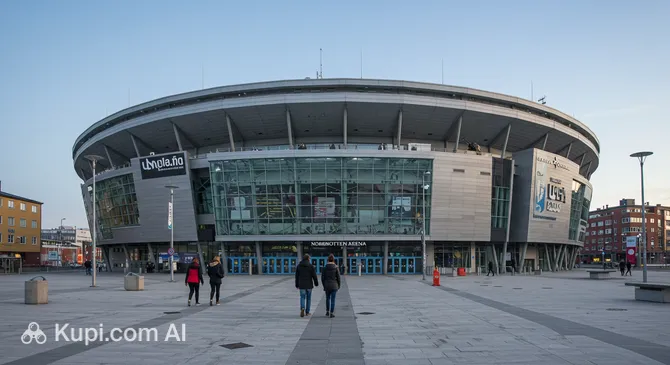
  • A Hockey Stronghold: Sports are a serious affair here, and the city is often referred to as a "hockey town" with a deeply passionate fan base. Match nights at the Norrbotten Arena are legendary for their electric atmosphere, where the "Red Sea" of supporters cheers on one of Sweden's top ice hockey teams.

Norrbotten Arena. Source: Kupi.Binoculars

How to Get There

Reaching this northern hub is straightforward, with excellent connections by air and rail. Whether you are arriving from southern Sweden or neighboring countries, you can find all ways to reach the city and plan your journey comfortably.

The primary gateway for most visitors is Lulea Airport (IATA: LLA), which is the busiest airport in northern Sweden. It is conveniently located just south of the city, approximately 5 km from the center. Due to its proximity, the transfer is quick; a taxi or airport bus ride typically takes about 15 to 20 minutes. The airport handles a significant volume of domestic traffic, with frequent daily flights connecting to Stockholm.

Travelers exploring the wider Lapland region might also consider Skelleftea Airport (IATA: SFT), located in the city of Skellefteå. However, it is situated about 118 km from Lulea, meaning a transfer by road would take approximately 3 hours. Another alternative is Oulu Airport (IATA: OUL) in Oulu, Finland. While it serves as a major regional hub, it is roughly 166 km away, making it a viable option mainly for those planning a cross-border road trip.

For clarity, here is a summary of the main airports:

Airport Name City Passenger Traffic Km from City
Lulea Airport Lulea High 4.9
Oulu Airport Oulu Medium 166.3
Skelleftea Airport Skellefteå Medium 118.5
Kemi-Tornio Airport Kemi Small 113.7
Arvidsjaur Airport Arvidsjaur Small 132.6

Traveling by train is another popular and scenic way to arrive. Luleå Central Station is well-integrated into the Swedish railway network, serving as a key terminus on the east coast line. Many visitors opt for the overnight sleeper train from Stockholm, which offers a comfortable and sustainable journey, allowing you to wake up refreshed in the Arctic environment. The station is centrally located, making it easy to walk or take a short taxi ride to most hotels and attractions.

Main Attractions

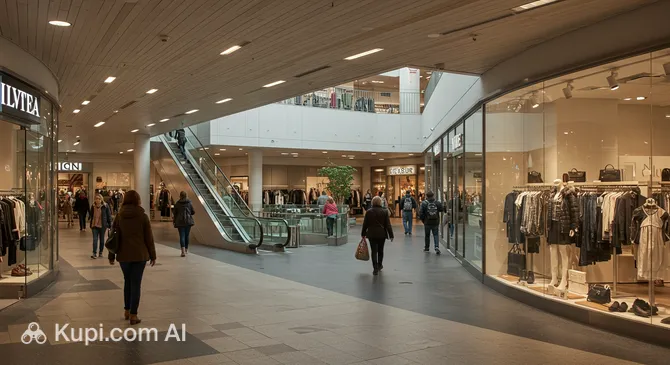
Located in the heart of the city, Smedjan is the largest and most prominent shopping destination in Norrbotten. This modern mall serves as a vibrant meeting place for locals and visitors alike, housing a wide variety of stores that range from popular international fashion chains to unique Swedish design boutiques. It is an ideal stop for those looking to experience the city's daily rhythm, pick up high-quality winter gear, or find distinctively northern souvenirs to take home.

Smedjan. Source: Kupi.Binoculars

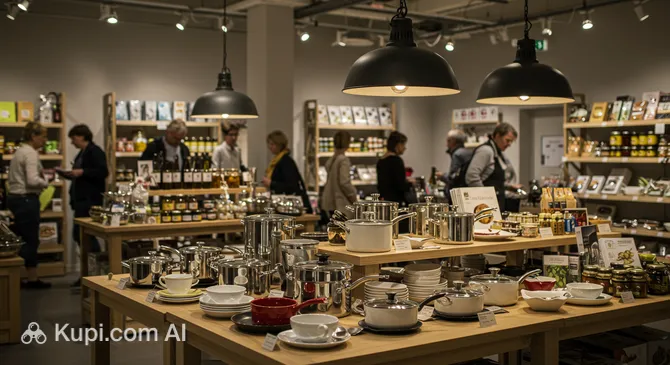
For a true taste of the region, Hemmagastronomi offers an exceptional culinary experience located near the northern harbor. This venue is a favorite among foodies, functioning as a bistro, bakery, and deli all in one. It is particularly interesting for tourists because of its focus on local produce; here you can sample or purchase high-quality ingredients from Swedish Lapland, including artisanal cheeses, fresh seafood, and other northern delicacies.

Hemmagastronomi. Source: Kupi.Binoculars

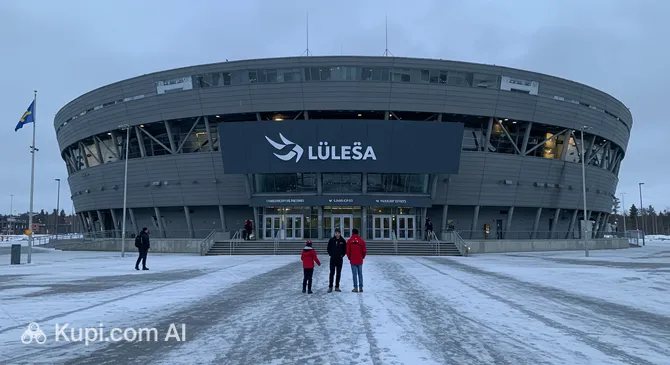
While the city is famous for ice hockey, Luleå Arena stands as a central hub for other indoor sports and cultural events. This versatile facility hosts everything from exciting basketball matches to large concerts and fairs. For travelers, attending an event here provides a fantastic opportunity to witness the strong community spirit and passion for sports that defines this part of Sweden.

Luleå Arena. Source: Kupi.Binoculars

Local Cuisine

The culinary scene in Luleå is a reflection of its position as a gateway to the Swedish Arctic. The city acts as a pantry for the north, where the focus is on pure, natural ingredients sourced from the wild forests, clean rivers, and the brackish waters of the Bothnian Bay. Gastronomy here is defined by the seasons; fresh berries and fish dominate the summer menu, while hearty game meat and root vegetables provide comfort during the long, snowy winters.

One of the most exclusive delicacies you must try is Kalix Löjrom (Vendace roe). Harvested from the archipelago just outside Luleå, this "gold of the north" is Sweden's first product to receive Protected Designation of Origin (PDO) status. It is typically served simply to highlight its delicate flavor, often on toast with crème fraîche, red onion, and a squeeze of lemon. For a more rustic and filling traditional meal, look for Pitepalt. These dense potato dumplings, filled with salted pork and served with butter and lingonberry jam, are a staple comfort food in Norrbotten.

Meat lovers will appreciate the region's reliance on game, particularly reindeer and moose (elk). A classic Lappish specialty is suovas—salted and smoked reindeer meat that is thinly sliced and fried, offering a rich, smoky taste of the wilderness. To finish your meal, look for desserts featuring cloudberries. Known as the "gold of the marshes," these tart, amber-colored berries are a local favorite, often served warm with vanilla ice cream or processed into jams and liqueurs.

When it comes to drinks, the Swedish tradition of fika—a coffee break with a sweet treat—is deeply ingrained in the local culture. You will find that locals take their coffee seriously, often enjoying it with a cinnamon bun or a cloudberry pastry. For adult beverages, the region has a growing craft beer scene, with local microbreweries experimenting with Arctic botanicals. Snaps spiced with local herbs or berries are also common accompaniments to festive traditional dinners.

The dining atmosphere in Luleå is generally relaxed and unpretentious, ranging from cozy street food vendors selling grilled sausages to high-quality restaurants focusing on New Nordic cuisine. For those who want to explore local flavors in a casual setting, Hemmagastronomi is a perfect stop. Functioning as a deli, bakery, and bistro, it is an excellent place to sample local cheeses, buy fresh ingredients from the region, or enjoy a meal prepared with high-quality local produce.

Travel Tips

Planning a trip to Luleå is the first step toward an unforgettable Arctic experience, but a little preparation goes a long way in this unique northern environment. To help you navigate the local customs and climate with ease, here are some essential practical tips for your stay.

  1. Clothing and Gear: The golden rule in Luleå, especially from October to April, is layering. Start with thermal underwear (wool is best), add a warm fleece or sweater, and finish with a wind- and water-resistant outer shell. Proper footwear is critical; bring insulated boots with thick soles and good grip, as streets can be icy. In summer, the weather is mild and pleasant, but a light jacket is still recommended for cool evenings under the midnight sun.

  2. Transportation: The city center is compact and very walkable, but for longer distances, the local bus network (Luleå Lokaltrafik or LLT) is reliable and efficient. You cannot pay with cash on board; instead, use a credit card or the local transport app. If you plan to explore the surrounding wilderness or visit the Gammelstad Church Town at your own pace, renting a car is advisable, though winter driving requires caution and experience with icy roads.

  3. Finances: The local currency is the Swedish Krona (SEK), but Sweden is one of the most cashless societies in the world. Many cafes, shops, and even public transport in Luleå are card-only and do not accept cash at all. Ensure you have a Visa or Mastercard with a chip and PIN; carrying large amounts of cash is generally unnecessary and can be inconvenient.

  4. Health and Safety: Luleå is a very safe city with low crime rates. The biggest risk for tourists is often the weather; frostbite and slipping on ice are real concerns in winter. Pharmacies are marked with a green cross or the sign Apotek and are well-stocked. For general emergencies, dial 112. Tap water is extremely clean and delicious, so bring a reusable bottle to fill up.

  5. Communication: English is spoken fluently by almost everyone, so you will have no trouble communicating. Free Wi-Fi is widely available in hotels, cafes, and the city center. If you need mobile data, prepaid SIM cards can be bought at convenience stores like Pressbyrån. A useful app to download is "Aurora Forecast" if you are hunting for the Northern Lights.

  6. Local Etiquette: Swedes value personal space and order. If there is a queue, wait for your turn patiently and never cut in. When invited to a private home, or even when entering certain cabins or accommodations, it is customary to remove your shoes at the door. A simple "Hej" (Hello) and "Tack" (Thank you) are polite ways to interact with locals.

  7. What to Avoid: Do not walk on groomed cross-country ski tracks. In winter, you will see tracks marked specifically for skiers (often on the ice or in forests); walking on them ruins the grooming and is considered very rude. Stick to the designated walking paths or the plowed sections of the Ice Track.

  8. Be Visible in the Dark: During the winter months, daylight is scarce, and afternoons become pitch black very early. It is standard practice for locals to wear reflectors (reflexer) on their jackets or bags. You can buy these at any supermarket or pharmacy; wearing one makes you visible to drivers and is a crucial safety habit in the Nordic darkness.

Armed with these tips, you are ready to embrace the charm of Luleå, from its frozen seas to its cozy cafes. Enjoy the crisp air, the friendly atmosphere, and the stunning natural beauty that awaits you in Swedish Lapland!

Entertainment & Nightlife

While Luleå may not have the sprawling club scene of a major metropolis, its nightlife is surprisingly vibrant, fueled by a youthful university population and a close-knit local community. The evening entertainment here often revolves around socializing in cozy environments, transitioning from high-quality dining to relaxed drinks. The city center, particularly around Storgatan, is the main artery for nightlife, where you can find a cluster of pubs, sports bars, and lounges within easy walking distance of each other.

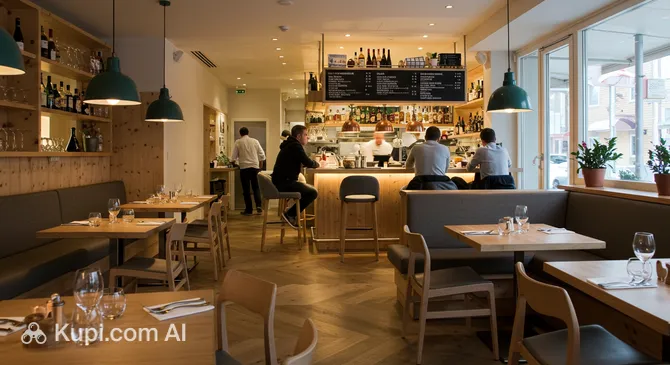
A typical night out in Luleå often begins with a leisurely dinner. The city's culinary scene has grown significantly, offering diverse international flavors. For those craving Japanese cuisine in a modern setting, Kazoku is a popular choice among locals for its stylish atmosphere and extensive menu. Another excellent option for Asian flavors is Sushi & Saow Siam Food, which offers a relaxed environment perfect for starting the evening with friends before heading out for drinks.

Kazoku. Source: Kupi.Binoculars

During the summer months, the focus shifts to the North Harbor (Norra Hamn). This area comes alive under the Midnight Sun, with large outdoor terraces filling up with people enjoying cocktails and local beers with a view of the water. In winter, the scene moves indoors to warm, candlelit pubs and hotel bars. While distinct "nightclubs" are fewer, several venues and hotel lounges host DJs and dance floors on weekends, typically staying open until 2:00 or 3:00 AM.

For those interested in cultural entertainment beyond bars, Luleå offers several daytime and evening alternatives. The Kulturens Hus (Culture House) is a architectural landmark hosting concerts, art exhibitions, and library events. Additionally, the Norrbotten Theatre provides a range of performances, though often in Swedish, the visual spectacles can still be appreciated. Families and groups might also enjoy bowling or attending a sports event at the local arenas, which buzz with energy on match nights.

Practicalities for a night out in Luleå are straightforward. The dress code is generally smart casual; comfort is key, especially in winter when you need to dress warmly for the walk between venues. Alcohol prices in Sweden are relatively high compared to many other countries, so budget accordingly. The city is extremely safe for night walks, even in the darkest winter months. However, due to the cold, it is advisable to book a taxi via an app or phone rather than waiting on the street. Local taxi companies are reliable and accept card payments.

Parks & Museums

Luleå seamlessly integrates its urban environment with the surrounding wilderness, offering visitors easy access to lush green spaces and rich cultural institutions. Whether you are looking to explore the history of the Swedish north or simply want to relax in a pine forest by the water, the city provides a diverse range of recreational and educational experiences.

One of the most beloved recreational areas in the city is Gültzauudden. Located just a short walk from the city center, this scenic peninsula features a beautiful pine forest, sandy beaches, and winding walking paths. In the summer, it is a popular spot for swimming and picnics, while the colder months transform it into a peaceful winter wonderland perfect for snowy strolls. It serves as the city's "green living room," where the forest meets the waters of the Lule River.

For a deeper dive into the region's heritage, the Norrbottens Museum is an essential stop. Situated in the city center, this county museum offers fascinating exhibitions on the cultural history of Norrbotten, including the Sami people, the settlers of the Torne Valley, and the area's natural history. It provides a comprehensive context for understanding life in the subarctic climate over the centuries, often featuring interactive displays and a cozy café.

A unique combination of park and museum can be found at Friluftsmuseet Hägnan (Hägnan Open-air Museum). Located near the UNESCO World Heritage site of Gammelstad, this open-air museum showcases historical buildings from across the region, transporting visitors back to the 18th and 19th centuries. During the summer, the area comes alive with guides in period clothing, farm animals, and traditional festivities, making it an excellent destination for families and history enthusiasts alike.

Science and innovation are celebrated at Teknikens Hus, Sweden's northernmost science center. Located at the university campus, it is a hands-on museum designed to engage visitors of all ages with the technology and industry of the north. From simulating iron ore mining to operating water turbines, the exhibits are interactive and educational, reflecting the industrial heartbeat of Luleå.

Art lovers should head to the Konsthallen (Art Gallery) located within Kulturens Hus. This venue hosts a rotating schedule of contemporary art exhibitions featuring both local northern artists and international names. The gallery's large windows offer stunning views of the North Harbor, creating an inspiring backdrop for the artwork on display.

For an authentic local experience, try hiking up Bälingeberget just outside the city. It is a nature reserve known for its vast fields of "klappersten" (cobblestones) created by ancient waves. The hike is relatively easy and rewards you with panoramic views of the Lule River valley, offering a quiet escape into the raw nature of Swedish Lapland.

Getting Around

Public transport in Luleå is efficient, reliable, and primarily consists of a comprehensive bus network operated by Luleå Lokaltrafik (LLT). Since the city does not have a metro, tram, or trolleybus system, these bright red buses serve as the main mode of transit for locals and visitors alike. The network is well-designed, connecting the compact city center with residential neighborhoods, the university campus at Porsön, and major commercial districts, making it easy to navigate the area without a private car.

The payment system on board is entirely cashless, designed for modern convenience. The easiest way for tourists to pay is by using a contactless credit or debit card (Visa or Mastercard) directly on the bus; you simply tap your card on the reader when you board. Alternatively, you can download the official "LLT" mobile app to purchase single tickets or period passes on your phone. If you prefer a physical travel card, you can buy one at the LLT Info Center located in the Smedjan shopping mall or at "Pressbyrån" convenience stores throughout the city.

A standard single ticket is typically valid for 75 minutes, allowing for unlimited transfers between buses within that timeframe. It is important to note that you cannot pay with cash on the bus, so ensure you have a valid payment card or the app installed before your journey. Buses run frequently from early morning until late evening on weekdays, with reduced schedules on Sundays. On Friday and Saturday nights, special night buses operate to accommodate the weekend nightlife, ensuring a safe ride home.

For those arriving by plane, the local bus system provides a seamless connection between Luleå Airport and the city center. Bus lines 4 and 104 run regularly, offering a quick and affordable transfer that takes approximately 20 minutes. While taxis are available and can be booked via phone or apps, they are significantly more expensive than the bus. If you do take a taxi, stick to reputable companies and ask for a fixed price if possible.

Beyond buses, Luleå is an extremely walkable city, and most central attractions can easily be reached on foot. Cycling is also a very popular alternative, especially in the summer, thanks to an extensive network of bike paths. A unique feature of Luleå's "transport" system appears in winter when the sea freezes over. The city plows a long ice track on the frozen bay, which locals frequently use to commute between neighborhoods by walking, skating, or using traditional kicksleds, turning a frozen obstacle into a convenient and scenic route.

Accommodation

Where to Stay:

Finding the right place to stay in Luleå is relatively easy, as the city offers a well-balanced mix of accommodation options to suit different preferences and budgets. The selection ranges from standard mid-range hotels and comfortable business lodgings in the city center to budget-friendly hostels and scenic camping sites on the outskirts. While the city does not have an abundance of ultra-luxury resorts, the standard of quality is generally high, with clean, modern, and well-equipped facilities being the norm.

For most tourists, the City Center is the most convenient area to base yourself. Staying here places you within walking distance of the main shopping streets, the central train station, and the popular restaurants around the North Harbor. During winter, a central location is particularly advantageous as it offers immediate access to the famous Ice Track on the frozen bay, allowing you to go from your hotel room to walking on the sea in just a few minutes. This area is home to several well-known Scandinavian hotel chains that provide reliable service and hearty breakfasts.

If you prefer a more nature-oriented experience, consider looking slightly outside the urban core. In the summer months, the area around Arcus (located a short bus ride away) is extremely popular for its large camping grounds and cabins, offering a resort-like feel near the river and sandy beaches. For those seeking a quieter atmosphere, there are smaller guesthouses and bed-and-breakfasts located near the historic Gammelstad Church Town or further out in the archipelago, providing a cozy, rustic escape.

Booking and Prices: Accommodation prices in Luleå are typical for Sweden, which means they can be higher than the European average. Budget travelers can find affordable rates at hostels or by renting cabins, especially if sharing with a group. Mid-range hotels are the most common, often catering to business travelers during the week and tourists on weekends. A crucial tip for visitors is to book well in advance, particularly if you plan to visit during the peak winter season (December to March) for the Northern Lights or during the summer holidays, as the best options fill up quickly.

Nearby Cities

For those looking to explore the surroundings, Lulea serves as an excellent base for day trips to several interesting nearby locations. The region of Norrbotten and neighboring Västerbotten offers a mix of coastal charm, industrial history, and vast natural landscapes that can be easily explored within a day.

One of the most popular destinations is Skellefteå, located approximately an hour and a half drive to the south. Known as the "Gold Town" due to its rich mining heritage, it has recently gained international attention for the Sara Kulturhus, one of the world's tallest wooden buildings, which showcases the region's commitment to sustainability. Closer to Luleå, the town of Piteå offers a different vibe; often called the "Riviera of the North," it is famous for Pite Havsbad, a massive sandy beach resort that comes alive in the summer. Just inland lies Boden, a historic military city known for the impressive Boden Fortress and its proximity to the architectural marvel of the Treehotel.

City Population Distance (km)
Sundsvall 99825 428
Umea 91916 216
Skellefteå 74402 109
Ostersund 49806 451
Örnsköldsvik 32953 305

These nearby destinations offer a glimpse into the diverse culture and landscapes of the region, ranging from modern architectural feats to historic defense lines and relaxing coastal retreats.

Shopping & Souvenirs

Shopping in Luleå is a relaxed and pleasant experience, characterized by the city's compact center where almost everything is within comfortable walking distance. The retail scene offers a mix of well-known international fashion chains, Scandinavian design boutiques, and local specialty stores. Unlike larger metropolises, the pace here is unhurried, allowing visitors to browse through high-quality winter gear, home décor, and unique northern handicrafts without the stress of crowds.

The heart of the city's commercial life beats along Storgatan, the main pedestrian street that runs through the downtown area. This thoroughfare is lined with shops and cafes, making it the primary destination for a shopping spree. Branching off from this central spine are smaller side streets where you can discover independent boutiques selling jewelry, books, and outdoor equipment perfectly suited for the Arctic climate.

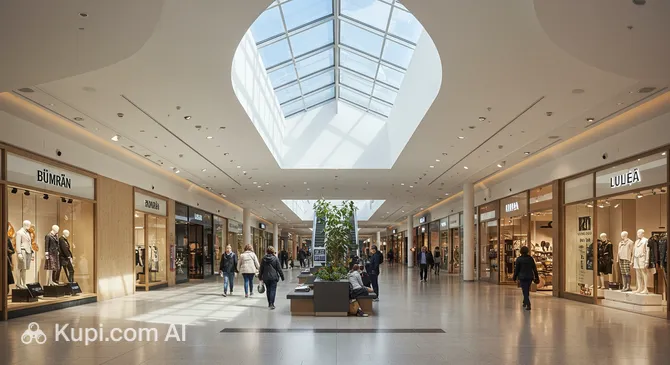
For those who prefer indoor shopping, especially during the colder months, the city boasts several malls located right in the center. The largest of these is Smedjan, a modern gallery spanning multiple floors with a wide selection of apparel, beauty products, and electronics. Just a stone's throw away lies a piece of architectural history: the Shopping Mall (often simply called "Shopping"). Designed by the famous architect Ralph Erskine, it was the world's first indoor shopping center when it opened in 1955, designed to provide a warm social space during the subarctic winters.

Shopping Mall. Source: Kupi.Binoculars

While Luleå does not have vast permanent market halls, seasonal markets are a highlight. During the harvest season and leading up to Christmas, the city center and the nearby Gammelstad Church Town host atmospheric markets. Here, local artisans sell everything from homemade jams and cured meats to hand-knitted wool products. These events are excellent opportunities to buy authentic goods directly from the producers.

When looking for souvenirs to bring back home, focus on items that reflect the region's heritage and nature. Sami handicrafts (Duodji), such as reindeer leather bracelets, carved horn knives, and silver jewelry, are prized for their beauty and craftsmanship. Another classic gift is the Lovikka mitten, a distinctively patterned wool mitten originating from Norrbotten. Foodies should look for "gold of the north"—products made from cloudberries, such as jams, liqueurs, or teas, which capture the unique flavor of the Swedish marshlands.

Most shops in the city center are open from 10:00 AM to 6:00 PM or 7:00 PM on weekdays, with shorter hours on Saturdays (typically until 4:00 PM) and Sundays (often 12:00 PM to 4:00 PM). It is crucial to remember that Sweden is rapidly becoming a cashless society. Many shops, cafes, and bakeries in Luleå do not accept cash at all, so ensure you have a valid credit or debit card with a chip. Visitors from outside the European Union may be eligible for tax-free shopping on purchases exceeding a certain amount; look for the Global Blue signage in participating stores to claim your VAT refund.

Reached the end of the page?

That means the route is fully explored